Why Nasal Polyps Keep Coming Back: Causes, Risk Factors, and Prevention
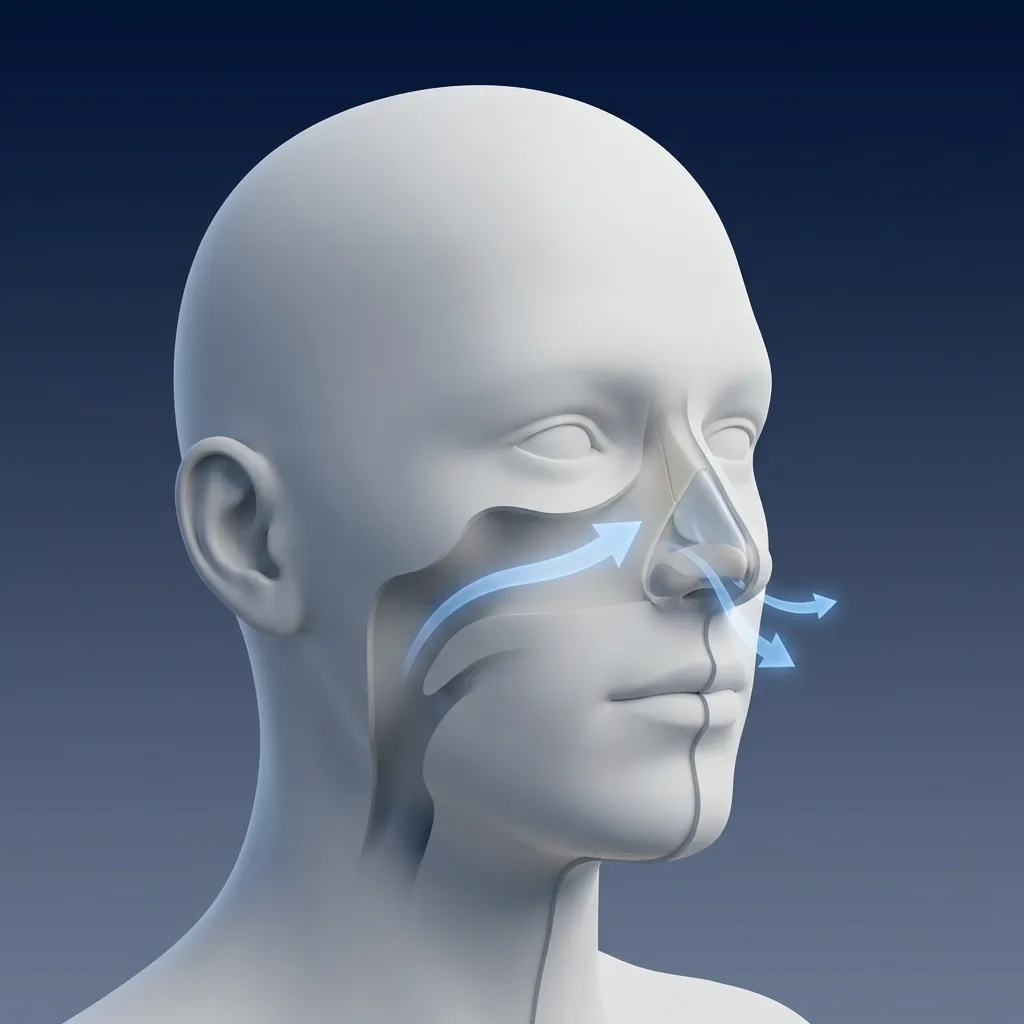
If you’ve had nasal polyps treated—especially if you’ve already had them removed—it can be frustrating (and confusing) when symptoms return. Many people search the same question: why do nasal polyps keep coming back?
The most important concept is this: removing polyps is not the same as turning off the inflammation that caused them. Endoscopic sinus surgery can clear blockage and improve breathing, but the underlying inflammatory condition may still be active. Think of surgery like “clearing a clogged drain”—helpful and often necessary—but if the water source keeps overflowing, the problem can build again.
Research suggests recurrence is common; in some studies, about 40% of patients experienced polyp recurrence within approximately 18 months after endoscopic sinus surgery (ESS), though reported rates vary depending on patient factors and study design.
Bottom line: removing polyps clears the blockage, but controlling inflammation helps prevent the rebuild.

What Are Nasal Polyps (and Why They’re Not Just “Growths”)
Nasal polyps are soft, non-cancerous swellings that form in the lining of the nose and sinuses. They’re often associated with chronic rhinosinusitis with nasal polyps (CRSwNP)—a long-lasting inflammatory condition of the sinus and nasal tissue.
If you’d like a quick primer, see: What Are Nasal Polyps? https://sleepandsinuscenters.com/blog/what-are-nasal-polyps
Polyps are usually not the “root issue.” In many people, they develop because the nasal/sinus lining stays chronically inflamed for long periods of time. Over time, that inflammation can lead to ongoing swelling, fluid shifts in the tissue, and polyp formation.
A simple way to picture it: inflammation makes the lining “puffier” and more reactive. If that reaction becomes the new normal, polyps can form as part of the body’s ongoing swelling response.
This is why recurring nasal polyps are often treated with a long-term strategy—not just one-time removal.
In short, polyps are a sign of ongoing inflammation—not just standalone growths.

Symptoms of Recurring Nasal Polyps (What Patients Notice First)
- Persistent nasal congestion or blockage
- Reduced or lost sense of smell/taste
- Postnasal drip and/or runny nose
- Facial pressure or a “full” feeling
- Snoring or poor sleep may occur when nasal blockage is significant
Many patients describe it as breathing through a “partially pinched straw,” especially at night or when lying down.
A common pattern is: symptoms improve after surgery, then slowly creep back over weeks or months. For many people, smell loss returning is one of the earliest clues—sometimes even before congestion feels severe.
Not every “relapse” is polyp regrowth. Similar symptoms can come from:
- Seasonal/perennial allergies (allergic rhinitis)
- Viral illnesses or sinus infections
- Scar tissue after surgery
- Turbinate swelling or other non-polyp causes of obstruction
Because look-alikes are common, it’s usually more helpful to get evaluated than to self-diagnose—especially if symptoms keep returning in the same pattern.
Early return of smell loss is often the first sign to check in.

The Real Reason Nasal Polyps Keep Coming Back After Surgery
ESS is designed to remove visible polyps and open the natural drainage pathways of the sinuses. This often improves airflow, medication delivery, and quality of life. But surgery typically doesn’t eliminate the underlying inflammatory condition (CRSwNP) that created them in the first place. In other words, surgery treats the blockage—while long-term medical therapy targets the biology that drives it.
To learn more about the procedure and recovery, visit: Endoscopic Sinus Surgery: What Patients Should Know https://sleepandsinuscenters.com/blog/endoscopic-sinus-surgery-what-patients-should-know
Current research suggests polyp regrowth can be driven by a self-perpetuating cycle, including:
- Epithelial (lining) cells that become irritated or “leaky,” making tissue more reactive
- Immune cells that maintain inflammation—often involving eosinophilic inflammation (a pattern commonly seen in type 2 inflammatory disease)
Once that loop is established, the lining can stay swollen even when you’re not “acutely sick.” That’s why people may feel fine for a while after surgery, then notice gradual congestion again as inflammation rebuilds.
Not everyone has the same course. Some people do well for years after treatment. Others experience faster regrowth—especially if they have strong inflammatory drivers (like asthma or aspirin sensitivity). That variability is one reason long-term follow-up matters: it’s less about blame, and more about matching treatment intensity to your risk profile.
Surgery opens the path; long-term medical care calms the fire.

Risk Factors That Make Recurrence More Likely
Some conditions are strongly linked to recurring nasal polyps and more persistent CRSwNP.
- Asthma (especially harder-to-control asthma): The nose and lungs share airway inflammation, so uncontrolled lower-airway inflammation can correlate with tougher-to-control sinus disease.
- Allergies/allergic rhinitis: Allergies can keep the nasal lining inflamed and reactive, which may contribute to polyp regrowth—especially during long seasons or with year-round indoor triggers. If identifying triggers is a challenge, allergy testing can be helpful: https://sleepandsinuscenters.com/allergy-testing
- Aspirin sensitivity/AERD (Aspirin-Exacerbated Respiratory Disease): A well-known risk factor for severe, recurrent CRSwNP that can be associated with asthma and reactions to aspirin/NSAIDs. Related reading: https://sleepandsinuscenters.com/blog/understanding-aspirin-exacerbated-respiratory-disease-aerd-symptoms-and-treatment
- Eosinophilia (high eosinophils): Often linked with more aggressive inflammatory patterns and, in some studies, higher recurrence risk.
- Smoking and other airway irritants: Can worsen lining irritation and ongoing inflammation.
- Disease and surgery-related predictors: Bilateral polyps (both sides), more extensive disease on imaging, and persistent disease areas after initial treatment can increase recurrence risk.
Your risk profile guides how proactive your long-term plan should be.
How Doctors Confirm Recurrence (and Rule Out Look-Alikes)
- Nasal endoscopy (quick in-office look): Allows direct visualization of polyp tissue, swelling, and drainage—often the fastest way to confirm whether symptoms are from regrowth versus another cause.
- CT scan when needed: Helps map sinus blockage and inflammation patterns—often used when symptoms persist, complications are suspected, or additional procedures are being considered.
- Allergy and asthma evaluation (team approach): Because CRSwNP is frequently tied to allergies, asthma, and type 2 inflammation, coordination across ENT and airway/allergy care can help address drivers that contribute to recurrence.
A brief endoscopic exam often answers whether it’s polyps again—or something else.
Treatment Options to Control Recurring Nasal Polyps (Not Just Remove Them)
When nasal polyps keep coming back, the goal usually shifts from “one-time removal” to long-term inflammation control.
- Daily “foundation” care: saline irrigation. Helps clear mucus, allergens, and irritants and can support sinus hygiene.
- Topical nasal steroids (sprays and/or steroid rinses). Cornerstone of ongoing control because they reduce local inflammation. For many people, benefits depend on consistent, long-term use and proper technique.
- Learn more: Topical Treatments for Nasal Polyps https://sleepandsinuscenters.com/blog/topical-treatments-for-nasal-polyps
- And steroid rinses: https://sleepandsinuscenters.com/blog/steroid-rinses-a-modern-approach-to-sinus-relief
- Short courses of oral steroids (when appropriate). Oral steroids can temporarily shrink polyps and calm severe inflammation. Because of possible side effects, they are typically reserved for short-term use under medical supervision.
- Steroid-eluting sinus implants (for some patients). For certain patients with recurrent polyps after surgery, steroid-eluting implants (such as SINUVA) may be an option to deliver medication directly to sinus tissue over time.
- Biologics (targeted “inflammation” medicines). Injectable medications that target specific inflammatory pathways (often type 2 inflammation). They may be considered for people with severe or recurrent CRSwNP—especially when asthma is also present or when polyps return despite good topical care.
- What to expect: injections at set intervals, regular follow-ups to track response, and improvement that often builds over weeks to months.
- Biologics require evaluation by a specialist to determine if they’re appropriate and are administered under medical supervision.
- Treating the “drivers” (asthma, allergies, AERD). Management frequently includes allergy control plans (avoidance + medications; immunotherapy in select cases), asthma optimization, and AERD-focused approaches as appropriate.
When revision surgery is considered: A second procedure may be discussed when symptoms remain significant despite optimized medical therapy, when there are complications (like recurrent infections), or when anatomy/disease burden makes medical therapy less effective alone. Surgery may help manage symptoms but is typically part of a comprehensive treatment approach that includes continued medical therapy.
Consistency beats intensity—steady anti-inflammatory care reduces regrowth risk.

Prevention & Lifestyle Tips to Lower the Chances of Regrowth
No approach guarantees prevention, but these strategies can reduce inflammatory pressure in day-to-day life:
- Don’t skip maintenance meds after you feel better. CRSwNP can have “silent” inflammation even when symptoms are mild; stopping too soon can allow inflammation to build again.
- Quit smoking (and reduce secondhand smoke exposure). Reducing smoke exposure can support healthier nasal lining function and lower ongoing irritation.
- Reduce everyday triggers. Common irritants include dust, pet dander, mold, and strong fragrances. Practical steps may include HEPA filtration in frequently used rooms, keeping indoor humidity in a comfortable mid-range, and regular cleaning in high-dust areas.
- Manage allergies proactively. For predictable seasonal flares, planning ahead with a consistent regimen can reduce inflammation load during peak times.
- Control asthma as part of polyp prevention. Better asthma control may correlate with improved sinus stability in patients with both conditions.
Small daily habits can meaningfully lower the inflammatory load.
What to Expect After Polyp Removal (Timeline + Follow-Up Plan)
Regular follow-ups help detect early regrowth when it may be easier to control with topical therapy or targeted adjustments—before symptoms become disruptive again.
A realistic long-term plan: Many people with CRSwNP need ongoing topical treatment. Some may need additional options over time—such as implants, biologics, or revision surgery—depending on disease severity and risk factors.
Think marathon, not sprint: regular follow-up sustains results.
When to See an ENT (and When to Seek Urgent Care)
Make an appointment if you have:
- Smell loss lasting weeks
- Congestion that doesn’t respond to standard measures
- Symptoms returning after surgery (especially gradual return of blockage/smell loss)
If you want more guidance on timing, see: When Should I See an ENT? https://sleepandsinuscenters.com/blog/when-should-i-see-an-ent
Urgent red flags—seek prompt evaluation for:
- High fever with severe facial swelling
- Vision changes
- Severe headache or stiff neck
- Significant nosebleeds or persistent one-sided symptoms
When in doubt, an evaluation is safer than waiting it out.
FAQs
Can nasal polyps grow back after surgery?
Yes. Surgery removes existing polyps, but CRSwNP-related inflammation can persist, making regrowth possible.
How fast do nasal polyps come back?
It varies. Some people recur within months; some take years. Studies have reported substantial recurrence within roughly 18 months in certain groups.
What’s the #1 cause of recurrence?
Ongoing chronic inflammation—often type 2 patterns involving eosinophilic inflammation.
Do allergies cause nasal polyps to return?
Allergies can increase nasal inflammation and may contribute to recurrence risk in some patients.
Does asthma increase recurrence risk?
Yes. Asthma is strongly associated with recurrent disease and can be an important treatment “driver” to address.
Is smoking linked to nasal polyp recurrence?
Smoking is associated with increased airway irritation and worse inflammatory outcomes in multiple studies.
Are biologics worth it for recurring nasal polyps?
They can be very effective for selected patients with severe/recurrent CRSwNP, particularly with type 2 inflammation and asthma. Eligibility, monitoring, and expected benefit depend on individual factors, access, and insurance coverage, and require specialist evaluation.
Will I need another surgery?
Some patients do. Risk can be higher with bilateral disease and strong inflammatory drivers. Even if revision is needed, ongoing medical therapy remains essential.
What can I do at home to help prevent regrowth?
Long-term consistency tends to matter most: saline rinses, correct use of prescribed topical therapies, trigger reduction, and avoiding smoke exposure.
Recap: The Goal Is Control, Not Just Removal
If nasal polyps keep coming back, it doesn’t necessarily mean something was “done wrong.” More often, it means CRSwNP inflammation is still active and needs a long-term plan. With the right combination of follow-up, topical therapy, trigger control, and—when appropriate—advanced treatments like implants or biologics, many patients achieve meaningful, sustained relief.
Ready for a personalized plan? You can book an appointment with an ENT team at Sleep & Sinus Centers here: https://www.sleepandsinuscenters.com/
Sources
- Cleveland Clinic: Nasal polyps overview https://my.clevelandclinic.org/health/diseases/15250-nasal-polyps
- Review article on CRSwNP mechanisms and recurrence (open-access) https://pmc.ncbi.nlm.nih.gov/articles/PMC10712791/
- Information on steroid-eluting implants for recurrent nasal polyps https://www.sinuva.com/recurring-nasal-polyps/
This article is for educational purposes only and is not medical advice. Please consult a qualified healthcare provider for diagnosis and treatment.
Don’t let allergies slow you down. Schedule a comprehensive ENT and allergy evaluation at Sleep and Sinus Centers of Georgia. We’re here to find your triggers and guide you toward lasting relief.