Selective IgA Deficiency and Sinus Disease: Symptoms, Causes, and Treatment Options
If you feel like you’re always battling a “sinus infection,” it may not be just bad luck (or even just allergies). For some people, the immune system has a harder time protecting the nose and sinuses—making inflammation and infections more likely.
One immune condition that can affect the sinuses is Selective IgA Deficiency (SIgAD), the most common primary immunodeficiency, estimated at about 1 in 600 people in Western populations (Immune Deficiency Foundation: https://primaryimmune.org/understanding-primary-immunodeficiency/types-of-pi/selective-iga-deficiency; Immunodeficiency UK: https://www.immunodeficiencyuk.org/immunodeficiency/primary-immunodeficiency/selective-iga-deficiency-2/; PMC review: https://pmc.ncbi.nlm.nih.gov/articles/PMC3903100/).
Why does that matter for your nose? Because people with SIgAD can have higher rates of chronic rhinosinusitis (CRS) than the general population, and SIgAD has been reported in approximately 6.2% of CRS patients in certain studies (PMC: https://pmc.ncbi.nlm.nih.gov/articles/PMC3903100/; Dovepress: https://www.dovepress.com/personalized-management-of-chronic-rhinosinusitis-in-the-context-of-im-peer-reviewed-fulltext-article-JIR). In other words: selective IgA deficiency and sinus disease often show up together—and recognizing that connection can change the approach to evaluation and long-term care.
A common patient experience sounds like: “I kept getting treated for sinus infections, but the relief never lasted.” When that pattern shows up—especially alongside other respiratory infections—clinicians often widen the lens beyond “just allergies” or “just anatomy.”
What Is Selective IgA Deficiency (SIgAD)?
What IgA does in your body (especially the sinuses)

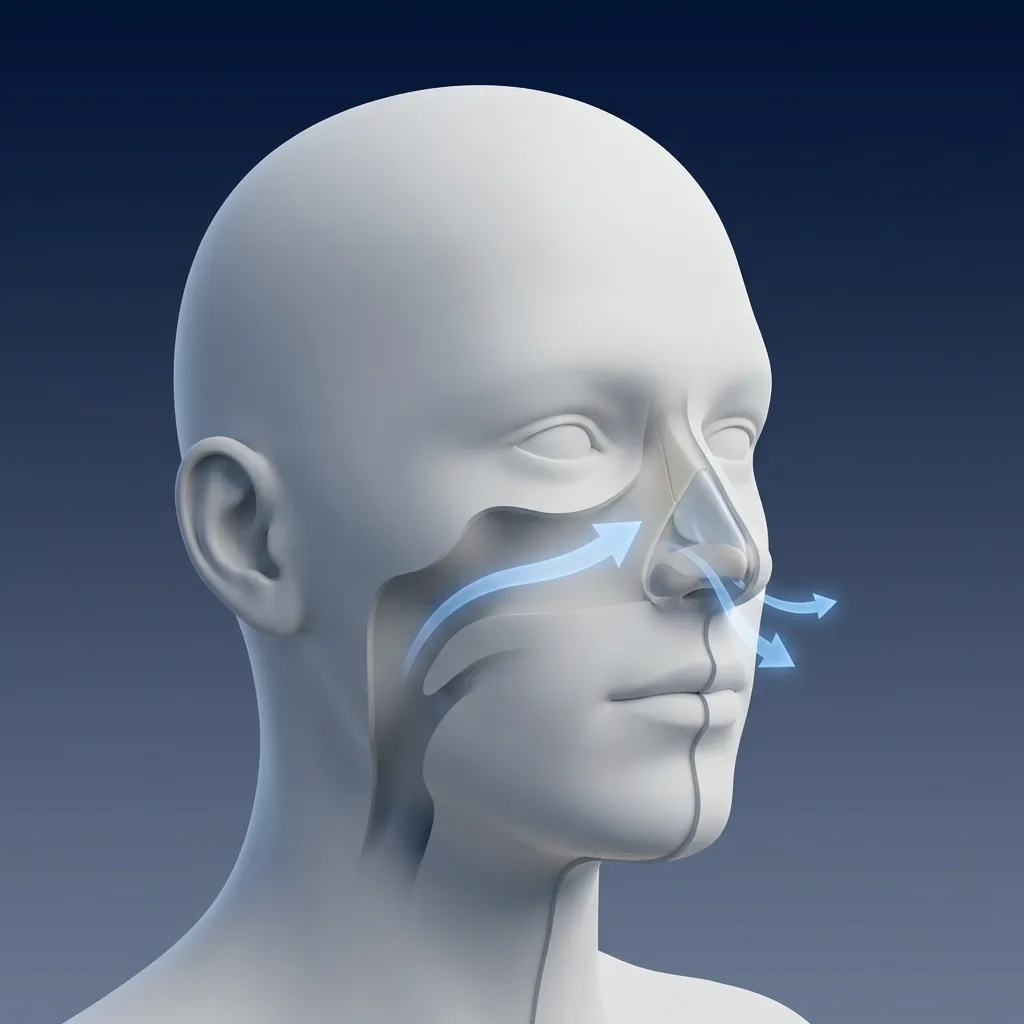
Immunoglobulin A (IgA) is an antibody that acts like front-line immune protection on mucosal surfaces—the moist linings of the nose, sinuses, lungs, and gut. If you picture the immune system as a security team, IgA is part of the “front desk” that helps block and remove germs before they settle in and trigger inflammation.
When IgA is low, there may be less protective antibody in mucus, which can make it easier for viruses and bacteria to stick to the lining of the nose and sinuses and keep inflammation going (IDF: https://primaryimmune.org/understanding-primary-immunodeficiency/types-of-pi/selective-iga-deficiency; Healthline: https://www.healthline.com/health/iga-deficiency). This is one reason sinus infections or inflammation associated with SIgAD can recur for some patients.
A concrete example: after a cold, one person’s immune system clears lingering inflammation quickly—while another person’s symptoms “hang on,” with thick drainage and congestion that repeatedly flare.
SIgAD is common—and often silent
A key point: many people with SIgAD have no symptoms at all and only discover it through bloodwork done for another reason (IDF: https://primaryimmune.org/understanding-primary-immunodeficiency/types-of-pi/selective-iga-deficiency; Immunodeficiency UK: https://www.immunodeficiencyuk.org/immunodeficiency/primary-immunodeficiency/selective-iga-deficiency-2/).
That can feel confusing: how can something be a “deficiency” if you feel fine? The answer is that immune function is a spectrum. Some bodies compensate well, and others run into trouble mainly in high-exposure settings (like frequent viral illnesses) or when other factors (allergies, anatomy) add pressure to the system.
SIgAD vs. other immune problems (why it matters for sinus care)

“Selective” IgA deficiency means IgA is low while other immunoglobulins are often normal. But some people have SIgAD plus additional immune issues, such as low IgG subclasses or weak antibody responses to vaccines, which can increase the risk of infection and complicate CRS treatment in immunodeficiency settings (PMC: https://pmc.ncbi.nlm.nih.gov/articles/PMC3903100/; Dovepress: https://www.dovepress.com/personalized-management-of-chronic-rhinosinusitis-in-the-context-of-im-peer-reviewed-fulltext-article-JIR).
In practical terms, two patients can share the same sinus symptoms, but the long-term plan may differ depending on whether SIgAD is truly isolated or part of a broader antibody issue. In short, confirming whether SIgAD is isolated or part of a broader immune pattern helps personalize sinus care.
How Selective IgA Deficiency Can Affect the Sinuses
The SIgAD–CRS connection
Chronic rhinosinusitis (CRS) is a long-lasting inflammation of the nose and sinuses. A simple definition many clinicians use is sinus symptoms lasting 12 weeks or longer, often with congestion and drainage. For a clear overview of what counts as chronic sinus disease, see chronic rhinosinusitis (CRS): https://sleepandsinuscenters.com/chronic-sinusitis
Research suggests:
– CRS appears more common in people with SIgAD than in the general population (PMC: https://pmc.ncbi.nlm.nih.gov/articles/PMC3903100/).
– SIgAD has been found in a notable subset of CRS patients—reported around approximately 6.2% in certain studies (PMC: https://pmc.ncbi.nlm.nih.gov/articles/PMC3903100/).
This overlap is why conversations about selective IgA deficiency and sinus disease can be important when symptoms are persistent or keep returning.
Why sinusitis is so common in SIgAD
In SIgAD, sinus infections are among the most frequently reported infections, along with ear and other respiratory infections (IDF: https://primaryimmune.org/understanding-primary-immunodeficiency/types-of-pi/selective-iga-deficiency; Immunodeficiency UK: https://www.immunodeficiencyuk.org/immunodeficiency/primary-immunodeficiency/selective-iga-deficiency-2/; Healthline: https://www.healthline.com/health/iga-deficiency). If you’ve been told you have recurrent sinus infections, an immune contribution is one reason clinicians may consider deeper evaluation for immune deficiency recurrent sinus infections.
Clinicians sometimes say: “When infections keep finding the same doorway, we check whether the doorway’s defenses are as strong as they should be.” Bottom line: SIgAD can raise the risk of persistent sinus inflammation, but it’s rarely the only driver.
Symptoms — When Sinus Problems May Signal an Immune Issue

Common sinus symptoms to watch for
– Nasal congestion or obstruction
– Facial pressure or pain
– Thick nasal drainage or post-nasal drip
– Reduced sense of smell
– Cough (often from drainage)
– Fatigue and “brain fog” during flares
For a fuller checklist, compare your symptoms with this guide to common sinus symptoms: https://sleepandsinuscenters.com/symptoms-of-sinus-problems
One practical tip: note whether symptoms cluster after colds, after seasonal allergy spikes, or without clear triggers. Patterns don’t diagnose SIgAD, but they can help your clinician decide what to test and how aggressive to be with prevention.
Clues it could be more than “bad allergies”
– Frequent or prolonged sinus infections (such as multiple antibiotic courses per year)
– Symptoms that improve briefly, then return quickly
– Recurrent ear infections, bronchitis, or pneumonia along with sinus infections (IDF: https://primaryimmune.org/understanding-primary-immunodeficiency/types-of-pi/selective-iga-deficiency; Immunodeficiency UK: https://www.immunodeficiencyuk.org/immunodeficiency/primary-immunodeficiency/selective-iga-deficiency-2/)
These are common scenarios where IgA deficiency chronic rhinosinusitis (CRS) becomes part of the discussion—especially if you’ve been doing the right things (nasal sprays, rinses, and allergy medications) and still can’t get lasting control.
Red flags—when to seek urgent care
– High fever
– Severe headache
– Swelling around the eye
– Sudden vision changes
– Stiff neck
– Confusion
– Significant facial swelling
If your symptoms persist or cluster with other respiratory infections, ask whether an immune evaluation could help clarify the picture.
Causes & Risk Factors — Why SIgAD Happens (and Why CRS Develops)
What causes SIgAD?
SIgAD is generally related to immune system development and genetics, but exact causes remain unclear for many individuals (IDF: https://primaryimmune.org/understanding-primary-immunodeficiency/types-of-pi/selective-iga-deficiency; Immunodeficiency UK: https://www.immunodeficiencyuk.org/immunodeficiency/primary-immunodeficiency/selective-iga-deficiency-2/; PMC: https://pmc.ncbi.nlm.nih.gov/articles/PMC3903100/).
For most patients, the most useful takeaway isn’t “why did this happen?”—it’s “how do we reduce risk and improve day-to-day control now that we know it’s there?”
What contributes to CRS in SIgAD?
Low IgA may reduce mucosal immune protection in the nose and sinuses (IDF: https://primaryimmune.org/understanding-primary-immunodeficiency/types-of-pi/selective-iga-deficiency; Healthline: https://www.healthline.com/health/iga-deficiency). But CRS is usually multifactorial, meaning other issues can tip the balance, such as:
– Allergic rhinitis (nasal allergies)
– Asthma
– Structural blockage (deviated septum, narrow drainage pathways, nasal polyps)
– Environmental exposures (smoke, pollutants, workplace irritants)
In other words, SIgAD may set the stage, but additional factors often shape how severe sinus disease becomes (PMC: https://pmc.ncbi.nlm.nih.gov/articles/PMC3903100/; Dovepress: https://www.dovepress.com/personalized-management-of-chronic-rhinosinusitis-in-the-context-of-im-peer-reviewed-fulltext-article-JIR). CRS in SIgAD is common, but addressing allergies, anatomy, and exposures can dramatically improve control.
Diagnosis — How Doctors Confirm SIgAD and Evaluate Sinus Disease

Testing for Selective IgA Deficiency
SIgAD is typically identified with a blood test measuring serum IgA, often alongside IgG and IgM to see whether the pattern fits a “selective” deficiency (IDF: https://primaryimmune.org/understanding-primary-immunodeficiency/types-of-pi/selective-iga-deficiency; Immunodeficiency UK: https://www.immunodeficiencyuk.org/immunodeficiency/primary-immunodeficiency/selective-iga-deficiency-2/; Healthline: https://www.healthline.com/health/iga-deficiency). In some situations, repeat testing may be used for confirmation (for example, depending on age and clinical context).
If you’re a numbers person, this is also where your clinician may explain what’s “low,” what’s “borderline,” and what needs follow-up—because context matters.
Evaluating chronic sinusitis (CRS workup)
– Symptom history (duration, triggers, antibiotic response)
– Nasal endoscopy (an in-office ENT exam to look for swelling, drainage, and polyps)
– CT scan of the sinuses when needed to assess inflammation and blockage patterns
This step is important because not every “sinus headache” or “sinus infection” is truly sinus-driven. Seeing the lining and mapping inflammation can prevent months (or years) of trial-and-error.
When to consider a broader immune workup
A clinician may consider additional immune testing when sinus disease is severe or persistent, when infections extend beyond the sinuses, or when standard treatments haven’t helped. Depending on the situation, immunologists may look at vaccine antibody responses or IgG subclass testing (PMC: https://pmc.ncbi.nlm.nih.gov/articles/PMC3903100/; Dovepress: https://www.dovepress.com/personalized-management-of-chronic-rhinosinusitis-in-the-context-of-im-peer-reviewed-fulltext-article-JIR). Accurate diagnosis—of both SIgAD and CRS patterns—sets the stage for the most effective, least invasive care.
Treatment Options — Managing Sinus Disease When You Have SIgAD

The overall goal is to reduce inflammation, improve drainage, and prevent infections—while checking for any additional immune problems that could change management. This “personalized” approach is commonly emphasized when discussing CRS treatment in immunodeficiency (Dovepress: https://www.dovepress.com/personalized-management-of-chronic-rhinosinusitis-in-the-context-of-im-peer-reviewed-fulltext-article-JIR).
At-home and first-line medical treatments (often the foundation)
– Saline irrigation/rinses to help clear mucus and irritants
– Intranasal corticosteroid sprays to reduce inflammation
– Managing allergic triggers when present (medications and avoidance strategies)
– Short-term decongestant use guidance (because overuse can cause rebound congestion)
A helpful way to think about this: if mucus and swelling are “traffic,” these tools work on both the congestion (inflammation) and the clogged roadways (thick secretions).
Treating acute sinus infections (when bacterial infection is suspected)
Not every sinus flare is bacterial. When bacterial infection is suspected based on symptom pattern and severity, antibiotics may be considered. In recurrent or non-responsive cases, ENT-guided testing (such as culture) can help tailor therapy.
This approach can reduce unnecessary antibiotic exposure while still treating true bacterial infections appropriately—especially when symptoms are frequent and the story is complex.
Preventing recurrent infections
Prevention strategies often include vaccination discussions, basic infection-prevention habits, and reducing airway irritants (like smoke exposure). In selected cases, specialists may consider preventive antibiotic strategies, depending on the overall clinical picture (PMC: https://pmc.ncbi.nlm.nih.gov/articles/PMC3903100/; Dovepress: https://www.dovepress.com/personalized-management-of-chronic-rhinosinusitis-in-the-context-of-im-peer-reviewed-fulltext-article-JIR).
Immunology considerations (important SIgAD nuance)
– There is no routine IgA replacement therapy for isolated SIgAD (IDF: https://primaryimmune.org/understanding-primary-immunodeficiency/types-of-pi/selective-iga-deficiency; PMC: https://pmc.ncbi.nlm.nih.gov/articles/PMC3903100/).
– If testing shows additional antibody problems, treatment can look different and is typically managed with an immunologist.
– Safety note: some people with SIgAD can form anti-IgA antibodies, which is important to mention to your care team—especially if blood products are ever needed (IDF: https://primaryimmune.org/understanding-primary-immunodeficiency/types-of-pi/selective-iga-deficiency; Immunodeficiency UK: https://www.immunodeficiencyuk.org/immunodeficiency/primary-immunodeficiency/selective-iga-deficiency-2/).
When procedures or surgery may help
– Balloon sinuplasty, a minimally invasive procedure, may be an option for selected patients: https://sleepandsinuscenters.com/balloon-sinuplasty
– Endoscopic sinus surgery for more extensive disease or polyp-related blockage
A key goal of these approaches is improved ventilation/drainage and better delivery of topical therapies—often especially valuable when infections recur. Most patients do best with a layered plan: consistent topical therapy, trigger control, judicious antibiotics, and procedures only when necessary.
Lifestyle & Self-Care Tips for Fewer Sinus Flares (SIgAD-Friendly)
Reduce exposure to irritants and triggers
– Avoid smoke/vaping and limit exposure to strong fumes
– Optimize indoor air (balanced humidity, HEPA filtration when helpful, dust/mold reduction)
Support nasal/sinus defenses day-to-day
– Consistent saline rinses during flare-prone seasons
– Hydration and sleep habits that support recovery
– Cautious use of nasal sprays, particularly topical decongestants (to avoid rebound congestion)
Track patterns to personalize care
A simple symptom diary—seasonality, exposures, and responses to treatments—can make ENT and immunology visits more efficient and targeted. Even a few notes—“worse after travel,” “worse during tree pollen,” “better with daily rinses”—can help your clinician fine-tune the plan. Small, steady habits (and noting your triggers) can meaningfully reduce flare frequency and severity.
FAQs (Patient-Friendly)
Can you have SIgAD and not get sick often?
Yes. Many people with SIgAD are asymptomatic (IDF: https://primaryimmune.org/understanding-primary-immunodeficiency/types-of-pi/selective-iga-deficiency; Immunodeficiency UK: https://www.immunodeficiencyuk.org/immunodeficiency/primary-immunodeficiency/selective-iga-deficiency-2/).
Does SIgAD automatically mean I’ll have chronic sinusitis?
No. Risk can be higher, but other factors—like allergies, anatomy, or additional immune deficits—often determine whether CRS develops and how severe it becomes (PMC: https://pmc.ncbi.nlm.nih.gov/articles/PMC3903100/; Dovepress: https://www.dovepress.com/personalized-management-of-chronic-rhinosinusitis-in-the-context-of-im-peer-reviewed-fulltext-article-JIR).
How do I know if my “sinus infections” are actually CRS?
CRS is defined by symptoms lasting 12+ weeks. Diagnosis may include nasal endoscopy and sometimes a CT scan to document inflammation and blockage.
Is allergy testing worth it if I have SIgAD?
Often, yes—because uncontrolled allergies can keep the nasal lining inflamed and worsen CRS symptoms. Learn more about allergy testing: https://sleepandsinuscenters.com/allergy-testing
What kind of doctor should manage SIgAD with sinus disease?
Many patients do best with coordinated care—often an ENT plus an immunologist—especially when infections are frequent, severe, or hard to treat (IDF: https://primaryimmune.org/understanding-primary-immunodeficiency/types-of-pi/selective-iga-deficiency; Dovepress: https://www.dovepress.com/personalized-management-of-chronic-rhinosinusitis-in-the-context-of-im-peer-reviewed-fulltext-article-JIR).
When to See an ENT (and What to Ask)
Appointment triggers
– Sinus symptoms lasting more than 12 weeks
– Multiple infections per year or antibiotics that aren’t helping
– Nasal blockage affecting sleep or daytime function
Questions to bring
– “Should I be evaluated for CRS with endoscopy or CT?”
– “Do I have structural blockage or nasal polyps?”
– “Should I be referred for immune testing beyond IgA?”
If your symptoms are persistent or frequently recurrent, a targeted ENT assessment can shorten the path to relief.
Key Takeaways (Recap)
– Selective IgA Deficiency (SIgAD) is common (~1 in 600 in Western populations) and often silent (IDF: https://primaryimmune.org/understanding-primary-immunodeficiency/types-of-pi/selective-iga-deficiency; Immunodeficiency UK: https://www.immunodeficiencyuk.org/immunodeficiency/primary-immunodeficiency/selective-iga-deficiency-2/; PMC: https://pmc.ncbi.nlm.nih.gov/articles/PMC3903100/).
– IgA helps protect mucosal surfaces; when it’s low, recurrent sinus infections and IgA deficiency chronic rhinosinusitis (CRS) can be more likely. SIgAD has been reported in approximately 6.2% of CRS patients in certain studies (PMC: https://pmc.ncbi.nlm.nih.gov/articles/PMC3903100/; Dovepress: https://www.dovepress.com/personalized-management-of-chronic-rhinosinusitis-in-the-context-of-im-peer-reviewed-fulltext-article-JIR).
– The best outcomes for selective IgA deficiency and sinus disease usually come from a comprehensive plan: controlling inflammation, improving sinus drainage, addressing allergy/anatomy contributors, and coordinating ENT + immunology care when needed.
If your symptoms have lasted 12+ weeks, keep recurring, or you’re repeatedly needing antibiotics, consider scheduling an evaluation so you can get a clear diagnosis and a long-term plan. You can book an appointment here: https://www.sleepandsinuscenters.com/ Personalized care—grounded in the specifics of your symptoms, anatomy, and immune testing—typically delivers the most durable results.
Disclaimer
This article is for educational purposes only and is not medical advice. Please consult a qualified healthcare provider for diagnosis and treatment.
Don’t let allergies slow you down. Schedule a comprehensive ENT and allergy evaluation at Sleep and Sinus Centers of Georgia. We’re here to find your triggers and guide you toward lasting relief.