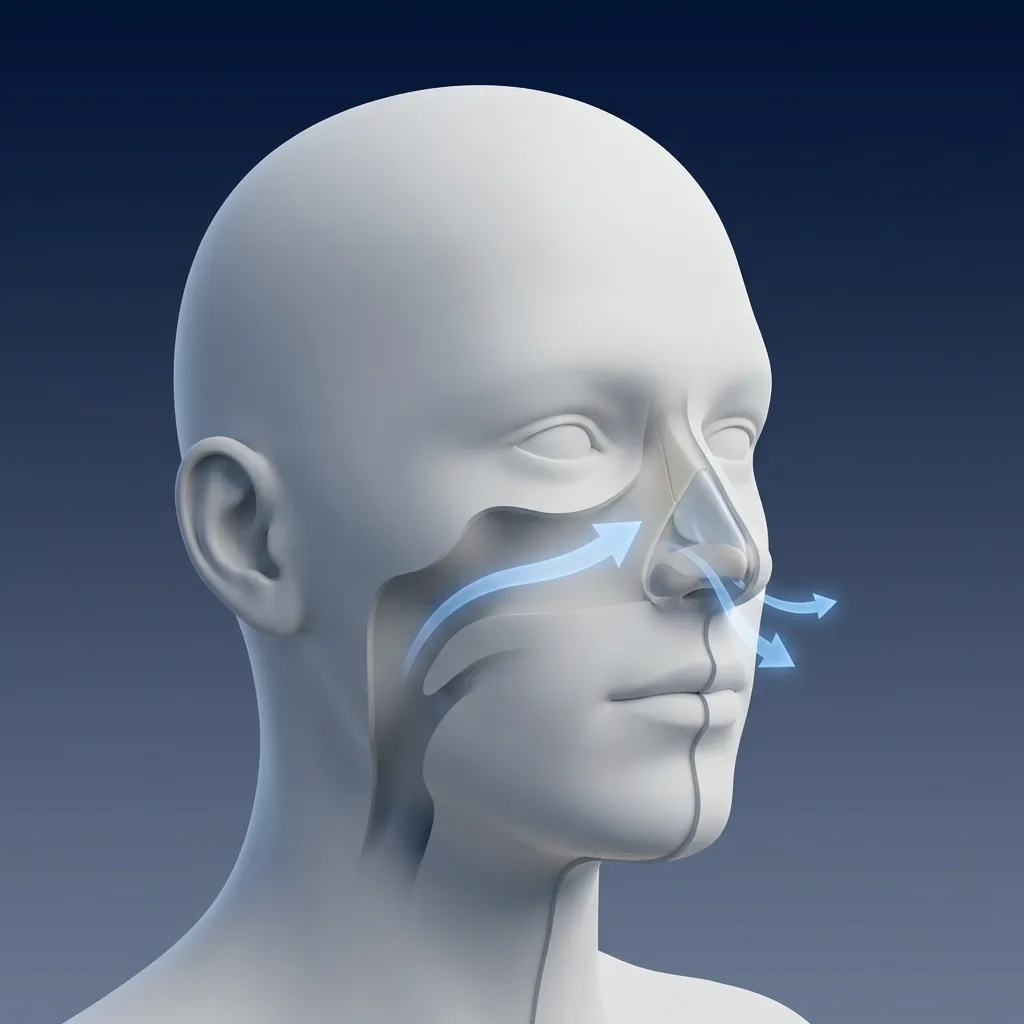
Sinus Sarcoidosis Symptoms: Signs Patients Often Miss
Quick Take: Why “Normal” Sinus Symptoms Sometimes Aren’t Normal
A chronically stuffy nose, repeat “sinus infections,” or ongoing postnasal drip is often due to allergies, chronic rhinitis, or chronic sinusitis. And for most people, that’s true.
But in a smaller subset, those same complaints are driven by sinonasal sarcoidosis—sarcoidosis involving the nose and sinuses. It can closely mimic routine inflammatory sinus disease, leading to missed or delayed recognition. [1–3]
People usually search for sinus sarcoidosis symptoms when things don’t add up: symptoms persist, recur, or don’t respond as expected. The frequently overlooked cluster includes:
- Nasal obstruction
- Nasal crusting
- Nasal polyps
- Epistaxis (nosebleeds)
- Anosmia (loss of smell)
Any one of these can happen in common sinus problems. The clue is the combination, the duration, and the lack of improvement with usual care. [1–3]
If your “sinusitis” keeps circling back despite standard treatments, the pattern—not just a single symptom—matters.
What Is Sinus (Sinonasal) Sarcoidosis?
Sarcoidosis 101 (patient-friendly)
Sarcoidosis is an immune-mediated inflammatory condition that can affect multiple organs—most commonly the lungs and lymph nodes—by forming tiny inflammatory clusters called granulomas. Because sarcoidosis can be systemic, ear, nose, and throat (ENT) symptoms may be one piece of a bigger picture. [3,4]
You can think of it as inflammation that “sets up shop,” smolders, and sometimes escalates over time rather than clearing like a short-term infection.
How common is sinus involvement?
Sinonasal involvement is much less common than lung involvement, which is one reason it’s easy to miss. Many people are first treated for more typical conditions, and sarcoidosis enters the discussion only when symptoms don’t act like routine rhinitis or sinusitis. [2,3]
Sinonasal sarcoidosis is uncommon—but not invisible—especially when symptoms linger and resist the usual playbook.
Why Patients Miss These Symptoms (and Why It’s Hard to Diagnose)
It mimics everyday conditions
Sinonasal sarcoidosis can resemble:
- Allergic or nonallergic rhinitis
- Chronic bacterial or fungal sinusitis
- Inflammation-related nasal polyps
That overlap is why many sinus sarcoidosis symptoms don’t “look rare” at first. In clinical reviews, sinonasal sarcoidosis frequently mirrors common inflammatory sinus disease, delaying diagnosis. [2,3,5]
Real-life example: your CT “looks like chronic sinusitis,” you try months of sprays and multiple antibiotic courses, and still feel blocked—because the main driver isn’t infection.
For a deeper look at everyday symptom patterns, compare general sinus issues here: https://sleepandsinuscenters.com/symptoms-of-sinus-problems
Symptoms can smolder for a long time
People often adapt to mouth breathing, poor sleep from congestion, or frequent crusting—and only seek specialized care after repeated flares or years of partial relief. Delays before diagnosis are common in case series and reviews. [2,3]
When symptoms behave as if they have their own agenda, it’s worth reassessing the diagnosis.
Sinus Sarcoidosis Symptoms Patients Often Miss (and What They Feel Like)
Any single symptom below can be common. What raises concern is the pattern, persistence, and lack of response to standard treatment.
Prolonged nasal obstruction (most common)
What it feels like:
- Constant stuffiness or blocked airflow
- Mouth breathing (especially at night)
- Worse sleep, snoring, or feeling “plugged up” all the time
Why it’s missed: obstruction is often blamed on allergies, a deviated septum, or “just chronic sinus.” In reports on sinus sarcoidosis symptoms, obstruction is among the most frequent complaints. [1–3]
Concrete example: you breathe better briefly after a shower or saline rinse, but the blockage returns quickly—as if swelling is the main driver, not mucus alone.
To understand the more common “mimic,” see: https://sleepandsinuscenters.com/chronic-sinusitis

Nasal crusting (dryness, scabbing, “stuff you can’t clear”)
What it looks/feels like:
- Thick crusts or scabs inside the nose
- Irritation, burning, or tenderness
- Dryness that doesn’t match weather or environment
Why it’s missed: crusting can occur with many chronic nasal conditions. Still, it’s frequently described in sinonasal sarcoidosis presentations. [2,3]
Important note: persistent nasal crusting that doesn’t improve—or occurs with bleeding or pain—should prompt consultation with a healthcare provider.

Nasal polyps (or “I was told I have polyps”)
What it feels like:
- Congestion that won’t clear
- Pressure or heaviness
- Drainage and reduced smell
Why it’s missed: nasal polyps are common in chronic inflammatory sinus disease, so sarcoidosis may not be considered first. In sinonasal sarcoidosis, polyps can resemble those seen in routine chronic sinusitis, adding to the challenge. [2,3,5]
Tip for appointments: if you’ve been told you have polyps, ask whether the pattern looks typical and whether biopsy or additional evaluation is appropriate based on the full picture. If you have polyps, it’s important to have a thorough evaluation by an ENT specialist; biopsy or further testing may be needed to determine the cause.

Epistaxis (nosebleeds)—especially recurrent
What it feels like:
- Frequent small bleeds when blowing the nose
- Bleeding that recurs despite usual dryness measures
- Bloody crusts or streaking
Why it’s missed: epistaxis is common and often attributed to dry air, irritation, medications, or “sensitive” tissue. Still, recurrent nosebleeds are commonly listed in sinonasal sarcoidosis profiles. [2,3]
Concrete example: even with a humidifier and saline, you still see blood-tinged crusts—especially alongside congestion that never fully resolves.

Anosmia (loss of smell) or hyposmia (reduced smell)
What it feels like:
- Food tastes bland or “off”
- Smell fades in and out with congestion
- You miss everyday odors (coffee, smoke, perfume)
Why it’s missed: smell changes are often blamed on congestion, allergies, or a prior viral illness. Still, smell loss appears among sinus sarcoidosis symptoms—especially with ongoing obstruction and inflammation. [2,3]
Related reading: https://sleepandsinuscenters.com/blog/what-is-loss-of-smell-anosmia

Other symptoms that can travel with the “big five”
Some people also report:
- Postnasal drip
- Chronic runny nose
- Facial pressure or headache
- Recurrent sinus infections
These are non-specific on their own but add context when they appear alongside obstruction, crusting, nosebleeds, polyps, or smell loss. [2,3]
Taken together, a persistent cluster of symptoms that resists routine care warrants a closer look.
When to Suspect Sarcoidosis (Instead of “Just Sinusitis”)
Pattern-based red flags
Clinicians often think beyond routine sinusitis when symptoms:
- Persist for months or recur despite typical therapies (allergy meds, nasal steroids, repeated antibiotics)
- Cluster together (for example: nasal obstruction + crusting + epistaxis + smell loss)
- Include recurrent or extensive polyps, especially with unusual crusting or bleeding
The literature emphasizes that delayed recognition is common because sinonasal sarcoidosis overlaps heavily with everyday ENT conditions. [2,3]
If you’re comparing similar conditions, this helps: https://sleepandsinuscenters.com/treating-chronic-rhinitis
Whole-body clues to mention during an ENT visit
Because sarcoidosis often involves more than one body system, tell your clinician about:
- Persistent cough or shortness of breath
- Eye irritation, pain, or blurred vision
- Skin changes (bumps, rashes)
- Unexplained fatigue or swollen lymph nodes
- Any prior diagnosis of sarcoidosis elsewhere [3,4]
Clues from the rest of the body can be the key to solving an ENT mystery.
What Causes Sinonasal Sarcoidosis?
The short answer
Sarcoidosis is an immune-mediated inflammatory disease, and the exact cause is not fully understood.
Why it shows up in the nose/sinuses
When granulomatous inflammation involves nasal and sinus tissues, it can narrow airflow and irritate the delicate lining—helping explain obstruction, crusting, bleeding, and polyp-like changes. [2,3]
While the root cause remains unclear, chronic inflammation is what drives symptoms in the nose and sinuses.
How Doctors Diagnose Sinus Sarcoidosis
ENT exam + nasal endoscopy
A focused ENT evaluation often includes nasal endoscopy (a small camera to examine the nasal cavity). This helps identify crusting, inflamed tissue, polyps, drainage, or areas prone to bleeding.
Imaging (often CT)
A CT scan can show chronic inflammation patterns, sinus blockage, polyp burden, and anatomy that may contribute to symptoms—useful for diagnosis and planning.
Biopsy is often the key step
Diagnosis typically requires a tissue sample (biopsy) showing noncaseating granulomas, while also ruling out other causes of granulomatous inflammation. Reviews emphasize biopsy and careful evaluation to avoid misdiagnosis. [2,3,6]
Ruling out “look-alikes”
Conditions that can resemble sarcoidosis in the nose/sinuses include certain fungal infections, tuberculosis (TB), and inflammatory/vasculitic diseases such as granulomatosis with polyangiitis (GPA). Sorting these out may require multiple tests. [2,6]
In many cases, tissue tells the truth—biopsy provides the confirmation.
Treatment Options (What Helps and What to Expect)
Care is individualized and often involves both ENT-focused treatment and coordination with a systemic care team when other organs are involved.
Nasal/sinus treatments (local symptom control)
Common local strategies include:
- Saline irrigations to reduce crusting and irritation
- Topical nasal steroids (sprays or clinician-directed rinses) to calm inflammation [2,3]
Systemic treatments (treating sarcoidosis itself)
When disease is more significant or involves multiple organs, systemic treatment may be considered—often starting with oral corticosteroids, and sometimes using steroid-sparing medications or biologic therapies under specialist guidance. Because these treatments can have significant side effects, they should only be used under close supervision by a specialist. [3,4]
Procedures/surgery (when needed)
Procedures to remove obstructive tissue or address polyps may improve airflow and drainage. Surgery can relieve blockage but does not “cure” sarcoidosis, so follow-up and ongoing management still matter. [2,3]
Most people do best with a tailored plan: local symptom relief plus, when needed, careful systemic control.
Lifestyle & Self-Care Tips (Safe Ways to Feel Better While You Get Answers)
Reduce dryness and crusting
- Use a clean humidifier to support comfort
- Try saline sprays/gels to reduce dryness
- Handle crusts gently to avoid irritation
Nosebleed prevention basics
- Moisturize the nasal lining and avoid trauma (e.g., aggressive nose blowing)
- Seek prompt care for heavy bleeding or bleeding that won’t stop
Track your symptom timeline
- Note when symptoms began, how often they occur, what you’ve tried, and what changed (or didn’t)
- Include non-sinus symptoms (lungs/skin/eyes), even if they seem unrelated
Smell support (if you have smell loss)
- Some people ask about smell training; your clinician can advise whether it’s appropriate once inflammation and obstruction are addressed
Self-care can improve comfort, but it’s not a substitute for a proper evaluation.
FAQs (Patient-Friendly)
Can sinus sarcoidosis look exactly like chronic sinusitis?
Yes. Overlap is a major reason sinus sarcoidosis symptoms are frequently missed early on. [2,3]
If I have nasal polyps, does that mean I have sarcoidosis?
No. Polyps are common in non-sarcoidosis inflammatory sinus conditions. The overall pattern—and appropriate evaluation, including biopsy when indicated—matters most. [2,3]
Will my sense of smell come back?
Sometimes. Recovery depends on the degree of inflammation, presence of polyps/obstruction, and how well symptoms are controlled over time.
Is it contagious?
No. Sarcoidosis is not considered contagious. It is an immune-mediated inflammatory disease with causes that are not fully understood.
When should I see an ENT?
Consider an ENT evaluation when symptoms persist beyond the usual timeframe, recur frequently, or include a combination such as ongoing obstruction with crusting, recurrent epistaxis, or reduced smell.
For more on timing and escalation: https://sleepandsinuscenters.com/blog/when-should-i-see-an-ent
When in doubt, an ENT visit can help clarify next steps.
Next Steps: Getting the Right Evaluation
If you recognize a persistent pattern that matches these sinus sarcoidosis symptoms, the goal isn’t to self-diagnose—it’s to get the right workup. An ENT visit can help determine whether symptoms fit chronic rhinitis, chronic sinusitis, polyps, or a less common inflammatory condition like sinonasal sarcoidosis.
For a focused evaluation, Sleep and Sinus Centers of Georgia can review your symptom history, prior treatments, and any previous imaging to help guide next steps. To book an appointment, visit: https://www.sleepandsinuscenters.com/
Clarity comes from the right evaluation—and a plan you can follow.
References
1. Journal of Allergy and Clinical Immunology (1999). Sinonasal sarcoidosis presentation details. https://www.jacionline.org/article/S0091-6749(99)70421-5/fulltext
2. PMC / NCBI. Sinonasal sarcoidosis overview; symptoms and diagnostic difficulty. https://pmc.ncbi.nlm.nih.gov/articles/PMC3850727/
3. ScienceDirect (2025). Contemporary review/discussion of sinonasal sarcoidosis. https://www.sciencedirect.com/science/article/pii/S1930043325000846
4. The American Journal of Medicine (2010). Systemic sarcoidosis clinical context. https://www.amjmed.com/article/S0002-9343(10)00466-3/abstract
5. PMC. Sinonasal/systemic correlation article. https://pmc.ncbi.nlm.nih.gov/articles/PMC12076595/
6. PubMed (2013). Sinonasal sarcoidosis clinical findings/diagnosis. https://pubmed.ncbi.nlm.nih.gov/23307363/
Disclaimer
This article is for educational purposes only and is not medical advice. Please consult a qualified healthcare provider for diagnosis and treatment.
Don’t let allergies slow you down. Schedule a comprehensive ENT and allergy evaluation at Sleep and Sinus Centers of Georgia. We’re here to find your triggers and guide you toward lasting relief.