
Sleep apnea: why you're still tired, and what can be done about it
What Is Sleep Apnea?
Sleep apnea means your breathing stops and starts while you sleep. The most common type is obstructive sleep apnea. Your throat muscles relax, your airway narrows, and airflow drops. Your brain wakes you just enough to breathe again. This can happen dozens of times an hour, all night, and you may not remember any of it. A second, less common type is central sleep apnea, where the airway stays open but the brain briefly stops sending the signal to breathe. It is treated differently. Only a sleep study can tell you which one you have, and how often it happens.
These are the signs we hear about most. You do not need all of them. Some people with sleep apnea do not snore at all, which is why snoring alone is a poor test.
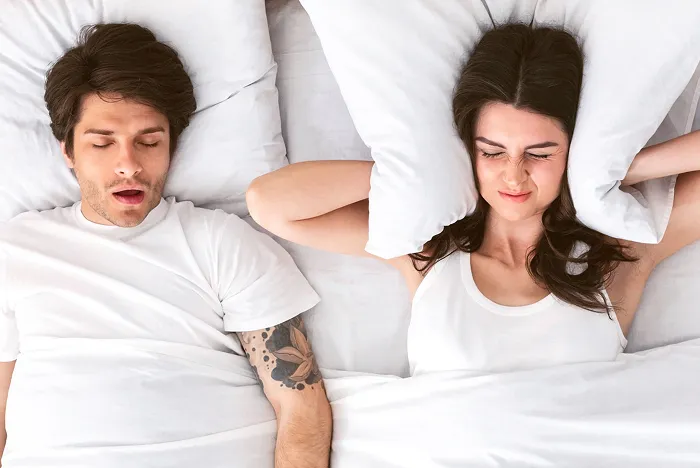
Loud snoring most nights can be a sign of sleep apnea. It can also happen on its own. If snoring is your only complaint and you are not tired during the day, start with our snoring page instead.
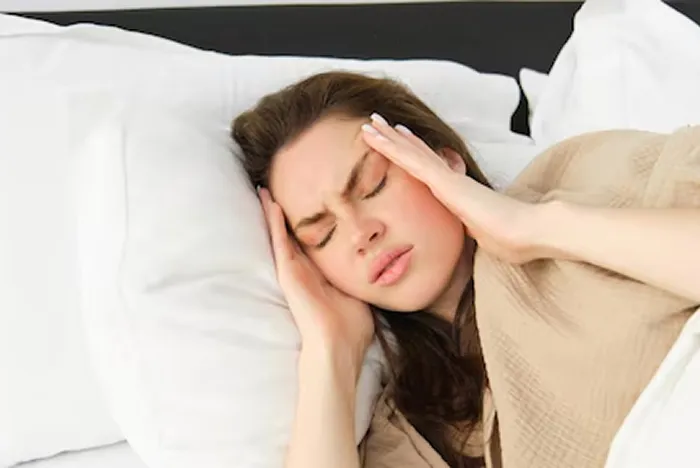
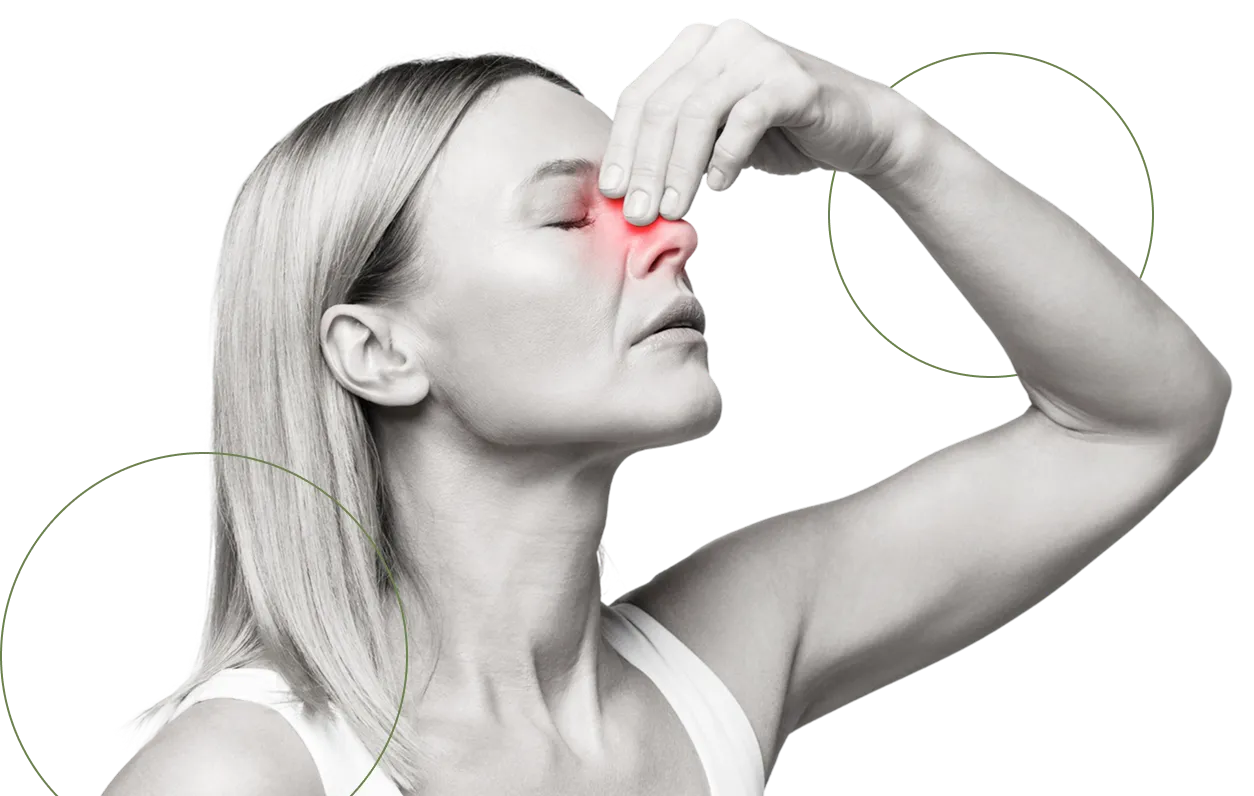
Morning headaches, a dry mouth or a sore throat can follow a night of interrupted breathing. Other things cause them too, so this sign on its own is not a diagnosis.
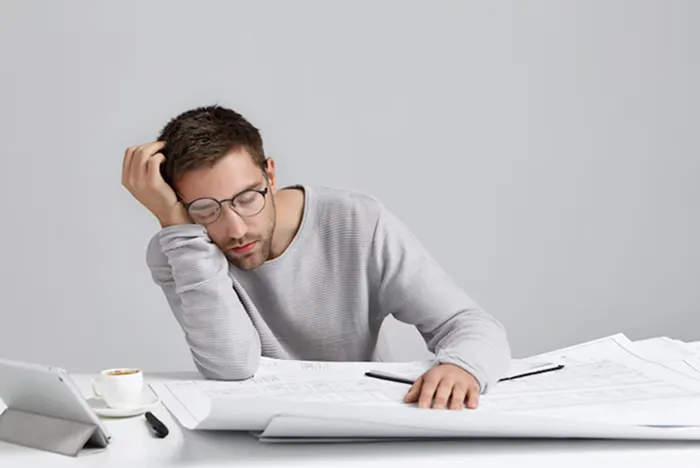
You sleep a full night and still wake up tired. You fight to stay awake in the afternoon, in meetings, or at red lights. Tiredness has other causes, including thyroid disease, depression, anemia and simply not enough sleep. Part of your first visit is ruling those in or out.
Why it happens, and what people get wrong
Obstructive sleep apnea is a plumbing problem. Your airway is a soft tube. When you fall asleep, the muscles holding it open relax, and if the tube is already narrow, it collapses. Where it collapses matters, because it changes which treatment can help you.
Common narrow spots are the base of the tongue, a long or floppy soft palate, large tonsils, a small or set-back jaw, and a blocked nose. A blocked nose rarely causes sleep apnea by itself. It does push you to breathe through your mouth, which makes throat collapse worse, and it is a common reason people give up on CPAP. People often think sleep apnea is only about weight. Extra weight around the neck does make collapse more likely, and it is the risk factor you can most often change. But weight loss does not reliably clear sleep apnea, and thin people get it too.
VOAT™ reduces the base of the tongue with radiofrequency energy.
Radiofrequency energy is placed under the surface of your tongue base, under moderate sedation, in our office. The treated tissue scars and tightens, which pulls the tongue base forward. What that means in practice:
- no external incision
- done in our office under sedation
- a repeat sleep study measures the result
You should hear the evidence up front, because it is limited. The general category is submucosal radiofrequency tongue-base reduction. The American Academy of Otolaryngology (AAO-HNS) endorses that category, with a qualifier: most studies behind that statement were in mild to moderate apnea, in people not carrying a great deal of extra weight, and often alongside other procedures. VOAT™ is our own name for one version of that technique. It has no independent published outcome data of its own. Dr. David Dillard invented it and holds the patent, granted in 2017. You should know that when you weigh his recommendation.
VOAT™ is considered for adults with mild to moderate sleep apnea who are not carrying a great deal of extra weight, whose sleep study and airway exam point at the tongue base, and who cannot tolerate CPAP. Expect a sore tongue and hard swallowing for several days. Risks include bleeding, infection, swelling, and changes in taste or feeling. It may lower your AHI without ending your apnea. It may take more than one session, and a repeat sleep study is how we find out. It is not a substitute for CPAP in severe sleep apnea. CPAP is still the standard treatment and the one with the most evidence behind it.
Our clinics across Northeast Georgia.
Find the clinic closest to you and schedule a visit. Same-day appointments are often available.
If VOAT™ Is Not Right for You
CPAP, oral appliances, and the Genio implant
CPAP is offered first for a reason. It works at every severity and has the most evidence behind it. It also only works on the nights you wear it, and mask discomfort, dryness and air leaks make many people stop. An oral appliance is a custom device worn like a retainer that holds your lower jaw forward. It suits mild to moderate apnea and patients who cannot tolerate CPAP. It works less well as apnea gets more severe, and it can cause jaw soreness and tooth movement over time. Genio is a small stimulator implanted under the chin that moves your tongue forward as you breathe. It reached the United States in 2025 after FDA review. It is for adults with an AHI of 15 to 65 who have failed or cannot tolerate CPAP, and whose airway does not collapse completely all the way around. It is surgery: anesthesia, an incision, and implant risks such as infection, tongue soreness and device problems. Eligibility rules are strict, not everyone who wants it qualifies, and a sleep study afterward is how we measure your result.


We Test in Our Own Sleep Lab
We own our sleep lab, at 1960 Riverside Parkway, Suite 106, in Lawrenceville, a few doors from our clinic. You are not referred out to a hospital lab and put on a waiting list, and our physicians read your study here.
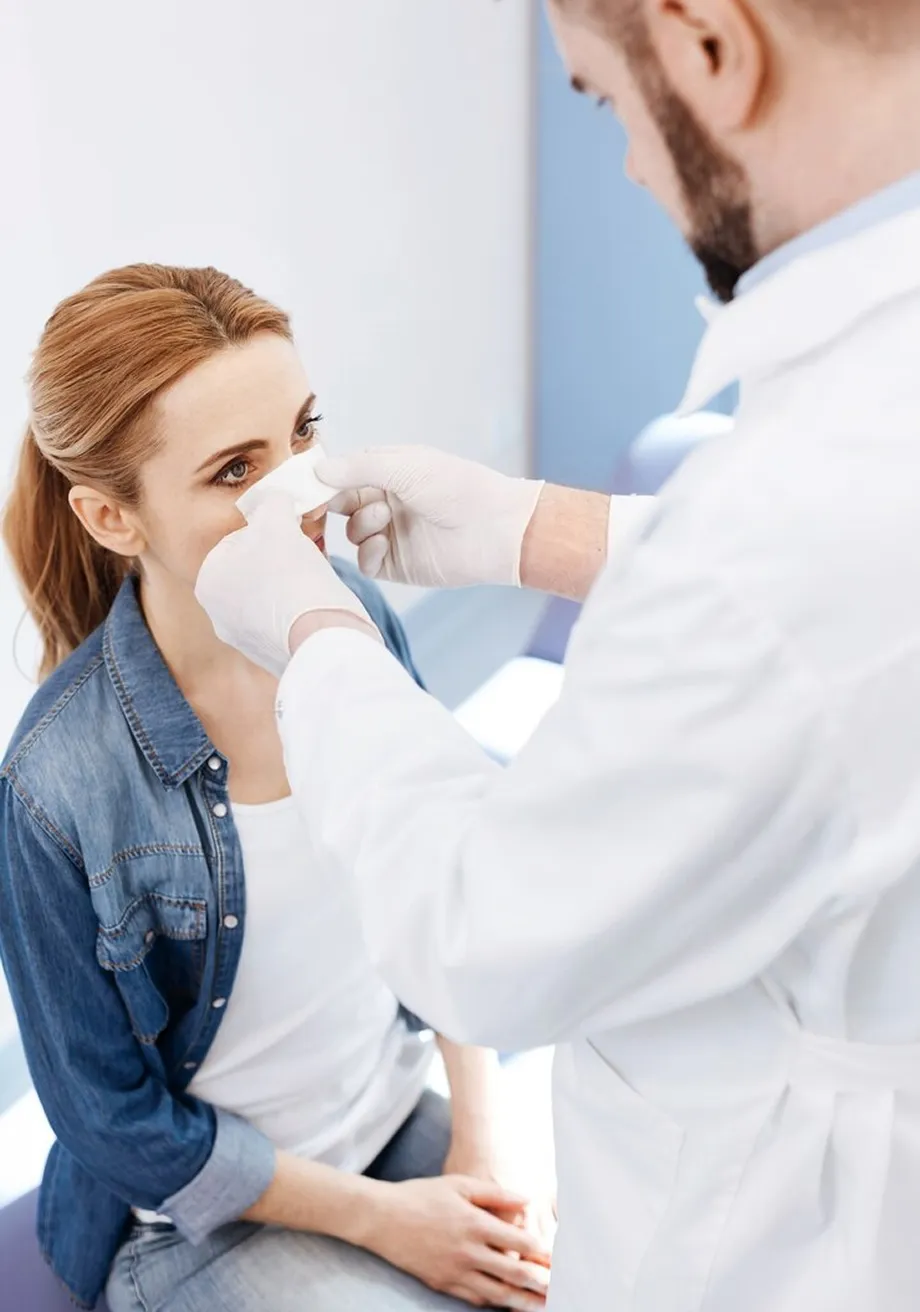
There are two kinds of sleep study and we do both. A home test is a small kit you wear for one night in your own bed. It measures breathing, not sleep, so it undercounts events. A negative home test does not rule out sleep apnea. If your result is negative, unclear or poor quality and your symptoms still fit, the next step is a full overnight study in our lab. An in-lab study adds brain waves, eye movement and muscle activity, so we can see your real sleep stages and catch central apnea. The tradeoffs are real: an unfamiliar bed with sensors on, a higher cost, and many plans require a home test first. We also examine your nose and throat to find where your airway is narrow. That is what decides which treatments are open to you.
What happens next
Most people arrive here having already decided they do not want CPAP. That is fine. Bring that with you. What we need first is a number: how many times an hour your breathing stops. One choice that is not on the table is doing nothing. Untreated obstructive sleep apnea is linked to high blood pressure, heart rhythm problems, heart disease, stroke and type 2 diabetes, most strongly in moderate and severe apnea. A link is not the same as a cause, and treating apnea is not a promise that any of those risks reverse. But it is a real reason not to leave a positive study sitting in a drawer.
That number, plus where your airway narrows, is what rules options in and out. Testing is the low-commitment first step. Treatment is a separate decision, made after. What each option costs depends on your specific plan, and coverage for apnea surgery and implants is inconsistent, so we check your benefits and give you a written number before you commit. We see sleep patients in Lawrenceville at 1990 Riverside Parkway, Suite 100, and in Watkinsville at 1715 Resurgence Drive, Suite 101, serving the Athens area. Lab sleep studies are done at 1960 Riverside Parkway, Suite 106, Lawrenceville.
Nothing on this page is medical advice. Individual results vary. Whether a treatment is right for you is decided at an in-person evaluation.
Ready to find out what happens while you sleep?
Call (678) 689-1100, Monday to Friday, 8:00 AM to 5:00 PM, or request an appointment online.