Common Variable Immunodeficiency (CVID) and Chronic Sinusitis: Symptoms, Diagnosis, and Treatment
Many people assume chronic sinus symptoms are “just allergies,” seasonal changes, or bad luck. But when sinus infections are frequent, stubborn, or keep coming back despite typical treatment, it may point to something deeper—sometimes including an immune system problem like CVID.
This post explains the connection between Common Variable Immunodeficiency (CVID) and chronic sinusitis, including:
- What chronic rhinosinusitis (CRS) is (and what it isn’t)
- When sinus symptoms may suggest an immune deficiency
- What testing is commonly used to evaluate CRS and CVID
- Treatment approaches that may help, including immunoglobulin replacement therapy
Medical disclaimer: This article is for educational purposes only and is not personalized medical advice. For guidance on symptoms, testing, or treatment, consult a qualified clinician.
What Is Chronic Sinusitis (Chronic Rhinosinusitis/CRS)?
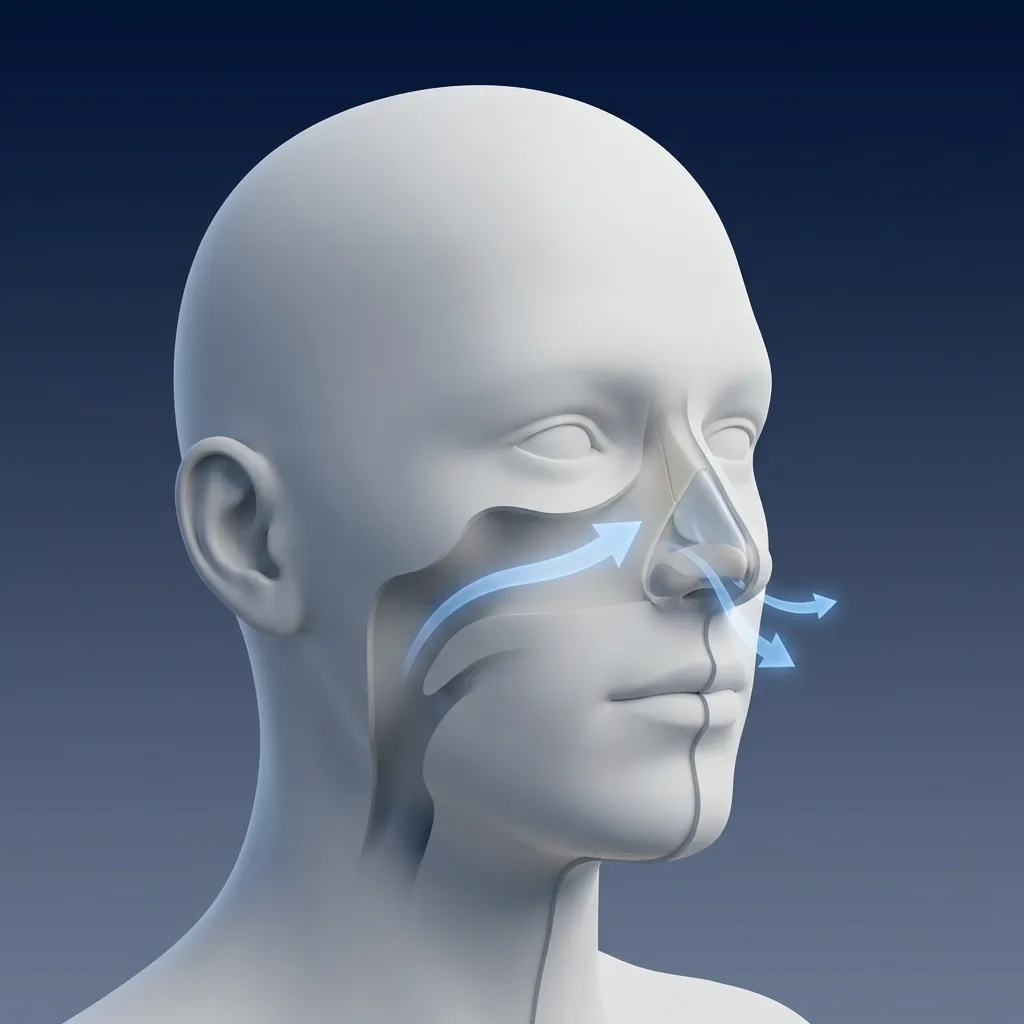
Chronic rhinosinusitis (CRS) is long-lasting inflammation of the sinuses and nasal passages. It can affect breathing, sleep, energy, and overall quality of life. Many people describe it as feeling like they “never fully get over” a sinus problem—even if symptoms wax and wane.
A helpful way to think about CRS: it’s less like a single “bad infection” and more like a chronic inflammation of the sinus lining that leads to flare-ups.
(Think of CRS as chronic inflammation with periodic flares, not a single bad infection.)
CRS vs. recurrent sinus infections (they’re not the same)
These terms are often used interchangeably, but clinically they describe different patterns:
- CRS: Symptoms lasting 12 weeks or longer, often with ongoing inflammation.
- Recurrent acute sinusitis: Multiple separate infections over time, with noticeable improvement in between episodes.
If you’re looking for a clear overview of symptoms and typical evaluation, visit: https://sleepandsinuscenters.com/chronic-sinusitis

Common CRS symptoms
People with CRS may experience:
- Nasal congestion or blockage
- Thick nasal drainage and/or postnasal drip
- Facial pressure or pain
- Reduced smell and taste
- Cough, bad breath, fatigue, and poor sleep
Many also notice mouth breathing at night, waking with a dry mouth, or frequent throat-clearing due to postnasal drip.
What Is CVID (Common Variable Immunodeficiency)?
Plain-English explanation
Common Variable Immunodeficiency (CVID) is a primary immunodeficiency in which the body has difficulty making enough effective antibodies. When antibodies are low or not working well, infections can be more frequent, more severe, or harder to clear—especially in the sinuses and lungs. Source: https://my.clevelandclinic.org/health/diseases/21143-common-variable-immunodeficiency-cvid
Analogy: antibodies function like “targeted security badges” your immune system uses to identify threats quickly. When those badges are missing or don’t work well, common infections can linger or return.
Why antibodies matter for sinus and respiratory health
Antibodies help:
- Identify and neutralize germs
- Reduce the chance that infections take hold
- Shorten illness duration and complications
When antibody protection is reduced, the result can look like repeated or lingering sinus infections—one reason CVID and chronic sinusitis can appear together.
(When antibody protection is low or ineffective, the sinuses and lungs are hit hardest.)
The CVID–Chronic Sinusitis Connection (Why Some Sinusitis Is “Refractory”)
CRS is more common in people with immune deficiencies. In one review, CRS was found in 52% of adult CVID patients (correlation, not causation). Source: https://pmc.ncbi.nlm.nih.gov/articles/PMC5429028/
In CVID, infections often involve the sinopulmonary tract (sinuses + lungs). That’s why recurrent or chronic sinus disease may be an early, visible sign that prompts deeper evaluation. Source: https://pmc.ncbi.nlm.nih.gov/articles/PMC5429028/
A common pattern sounds like: “I’m always on antibiotics,” “My sinus infection turns into bronchitis,” or “I get better for a week, then it’s back.”
Not everyone with CRS has an immune deficiency. However, in CRS that is unusually persistent or refractory to standard care, underlying immune problems are more common—up to ~25% in some reviews. Source: https://aao-hnsfjournals.onlinelibrary.wiley.com/doi/full/10.1002/ohn.579
(Persistent, hard-to-control sinus disease should prompt clinicians to consider immune function alongside local sinus factors.)
Symptoms That Suggest CVID (Not Just “Regular” Sinus Trouble)
Sinus and respiratory patterns that raise suspicion
- Frequent sinus infections requiring antibiotics repeatedly
- Symptoms that don’t fully clear or return quickly
- Recurrent bronchitis, pneumonia, or chronic cough
- Frequent ear infections or persistent ear fluid (in some people)
If you keep “failing” standard treatments—using meds and sprays correctly yet relapsing quickly—your clinician may consider whether immune function is undermining recovery.
Whole-body clues beyond the nose
- Ongoing fatigue or feeling run down
- GI symptoms (such as chronic diarrhea or malabsorption in some cases)
- Enlarged lymph nodes or spleen (in some cases)
- Autoimmune issues (in some cases)

Red flags that should prompt evaluation soon
- Multiple serious infections in a year
- Hospitalizations for infections
- Repeated antibiotics and/or steroids
- A family history of immunodeficiency
If you’re unsure whether your symptoms warrant evaluation, this guide may help: https://sleepandsinuscenters.com/blog/when-should-i-see-an-ent
(Patterns and severity across the whole body matter more than any single sinus episode.)
Causes and Triggers: What Drives CRS in CVID?
The underlying issue—reduced antibody production
In CVID, reduced antibody quantity and/or function can impair defense against common respiratory bacteria. Source: https://my.clevelandclinic.org/health/diseases/21143-common-variable-immunodeficiency-cvid
Over time, repeated infections can contribute to ongoing inflammation—one pathway linking CVID and chronic sinusitis.
Common add-on contributors (still important to address)
- Allergic rhinitis
- Nasal polyps
- Deviated septum or narrow drainage pathways
- Environmental irritants (smoke, strong scents, pollution)
- Biofilms/chronic inflammation
Because allergies can mimic or intensify sinus symptoms, allergy testing may be part of a complete workup: https://sleepandsinuscenters.com/allergy-testing
(In CVID, impaired antibody defense fuels inflammation, and common comorbid triggers can stack the deck.)
How Doctors Diagnose CRS and Check for CVID (Step-by-Step)

ENT evaluation for chronic sinusitis
- Symptom history (duration, frequency, response to treatments)
- Nasal exam, sometimes with nasal endoscopy
- A CT scan when appropriate to confirm inflammation and assess anatomy
Symptoms alone can be misleading; imaging and endoscopy help clarify what’s actually happening inside the sinuses.
When to test for immunodeficiency in CRS
Immune testing is often considered when CRS is refractory, unusually severe, or occurs alongside other recurrent infections. Source: https://aao-hnsfjournals.onlinelibrary.wiley.com/doi/full/10.1002/ohn.579
Typical immune testing for suspected CVID (high-level)
- Quantitative immunoglobulins (IgG, IgA, IgM)
- Vaccine antibody responses (to evaluate how well antibodies function)
- Sometimes additional immune cell testing, depending on the situation
These help answer: “Are antibody levels low?” and “Are the antibodies working effectively?”
Who manages what? (ENT + Immunology teamwork)
- ENT: evaluates sinus inflammation, drainage, obstruction, and anatomy; manages CRS symptoms and complications.
- Immunology: evaluates immune function and considers immune-directed therapies.
- Primary care: coordinates prevention, monitoring, and referrals.
(A coordinated ENT–immunology approach helps distinguish anatomy-driven disease from immune-driven patterns.)
Treatment Options: Managing Chronic Sinusitis in People With CVID
Goals of treatment (setting expectations)
- Reduce infection frequency and flare-ups
- Improve nasal breathing and sleep
- Decrease reliance on antibiotics and steroids when possible
- Protect long-term lung health (a major priority in CVID)
Progress often means fewer “crashes,” shorter flares, and better day-to-day function—even if some baseline sensitivity remains.

Immunoglobulin replacement therapy (IVIG/SCIG)
Immunoglobulin replacement provides antibody support to help prevent infections. In CVID with recurrent sinopulmonary infections, studies show benefits such as:
- Decreased sinopulmonary infections
- Reduced need for antibiotics and steroids
Sources: https://pmc.ncbi.nlm.nih.gov/articles/PMC5429028/
Responses vary, and IVIG/SCIG is not a cure for CRS; it’s a management strategy that can meaningfully reduce infections for many.

Standard CRS therapies (often still needed)
- Saline irrigation (routine or during flares)
- Intranasal steroid sprays (consistent use and correct technique matter)
- Culture-directed antibiotics when bacterial infection is suspected
- Carefully selected short courses of oral steroids in certain situations
Technique tip: sprays work best when aimed slightly outward (toward the ear), not straight up or toward the septum.
Procedures and surgery (when symptoms persist)
If symptoms persist despite appropriate medical care, ENT procedures may be considered—especially when polyps or anatomy limit drainage. Options may include:
- Endoscopic sinus surgery (ESS)
- Balloon sinuplasty for selected patients
In CVID, surgery helps ventilation and drainage while immune-directed therapy and daily CRS care address why infections recur.
Treatment pitfalls to avoid
- Repeating antibiotics without clear evidence of bacterial infection
- Overusing decongestant sprays (can cause rebound congestion)
- Assuming symptoms are only allergies when infections are frequent or severe
Always follow your healthcare provider’s guidance; do not stop antibiotics early or change dosing without medical advice.
(Most patients do best with layered care: daily sinus hygiene, targeted procedures when needed, and immune-directed therapy when indicated.)
Lifestyle and Home Tips (Supportive Care That Helps Day-to-Day)
Reduce exposure to triggers
- Avoid smoke exposure
- Use fragrance-free products if sensitive
- Manage indoor air: humidity control, filtration, address mold concerns
Infection-prevention basics (especially relevant in CVID)
- Hand hygiene and practical avoidance of close contact when someone is actively sick
- Stay current on vaccines as advised by your clinician
- Prioritize sleep, hydration, and balanced nutrition
When to track symptoms
- Number of infections per year
- Antibiotic courses
- Missed work/school days
- Likely triggers (travel, seasons, exposures)
Bring a one-page summary to appointments to help your ENT or immunologist spot trends and choose targeted next steps.
(Small, consistent habits can lower flare frequency and make medical treatments work better.)
FAQs
Can chronic sinusitis be the first sign of CVID?
Yes. Chronic or recurrent sinus disease can be an early clue in some people, particularly when infections are frequent, persistent, or involve the sinopulmonary tract. Source: https://pmc.ncbi.nlm.nih.gov/articles/PMC5429028/
If I have CVID, will I always need sinus surgery?
Not always. Some patients improve with medical CRS management and immune-directed therapy. Surgery depends on anatomy, severity, and persistent inflammation.
Does IVIG/SCIG cure chronic sinusitis?
No. In CVID, immunoglobulin replacement can reduce recurrent infections and improve control for many, but it is not a cure. Source: https://pmc.ncbi.nlm.nih.gov/articles/PMC5429028/
When should someone with CRS ask about immune testing?
If CRS is refractory to standard care, unusually frequent or severe, or paired with other recurrent infections, immune testing may be appropriate. Source: https://aao-hnsfjournals.onlinelibrary.wiley.com/doi/full/10.1002/ohn.579
What kind of doctor diagnoses CVID?
CVID is typically diagnosed by an allergist/immunologist; an ENT may raise suspicion based on infection history and CRS pattern. Source: https://my.clevelandclinic.org/health/diseases/21143-common-variable-immunodeficiency-cvid
When to Seek Care
Make an ENT appointment if…
- Symptoms last longer than 12 weeks
- You have repeated sinus infections each year
- You’re relying on frequent antibiotics or steroids to function
Ask about an immunology referral if…
- CRS is refractory
- You also have recurrent lung or ear infections
- Infections are severe, frequent, or unusual
If chronic sinus symptoms keep returning—or if you’re concerned they may reflect something like CVID—book an evaluation. Appointments: https://sleepandsinuscenters.com/appointments
(Early evaluation can prevent complications and protect long‑term lung health.)
Sources
- PubMed Central (immune deficiency & CRS/CVID review): https://pmc.ncbi.nlm.nih.gov/articles/PMC5429028/
- Cleveland Clinic — CVID overview: https://my.clevelandclinic.org/health/diseases/21143-common-variable-immunodeficiency-cvid
- Otolaryngology–Head and Neck Surgery (immunodeficiency in refractory CRS review): https://aao-hnsfjournals.onlinelibrary.wiley.com/doi/full/10.1002/ohn.579
- International Archives of Allergy and Immunology (CRS in primary immunodeficiency): https://karger.com/iaa/article/184/3/302/843688/Chronic-Rhinosinusitis-in-Patients-with-Primary
- Patient-friendly background: https://www.mysaallergist.com/post/chronic-sinusitis-could-it-be-related-to-immunodeficiency
This article is for educational purposes only and is not medical advice. Please consult a qualified healthcare provider for diagnosis and treatment.
Don’t let allergies slow you down. Schedule a comprehensive ENT and allergy evaluation at Sleep and Sinus Centers of Georgia. We’re here to find your triggers and guide you toward lasting relief.