Sleep Apnea Clinic Near Me: Find Local Diagnosis and Treatment Options
If you’ve been searching “sleep apnea clinic near me,” you’re usually looking for two things: answers (why you feel exhausted) and a clear path to treatment—without months of waiting. Sleep apnea is a common condition where breathing repeatedly slows or stops during sleep, which can affect energy, mood, and long-term health.
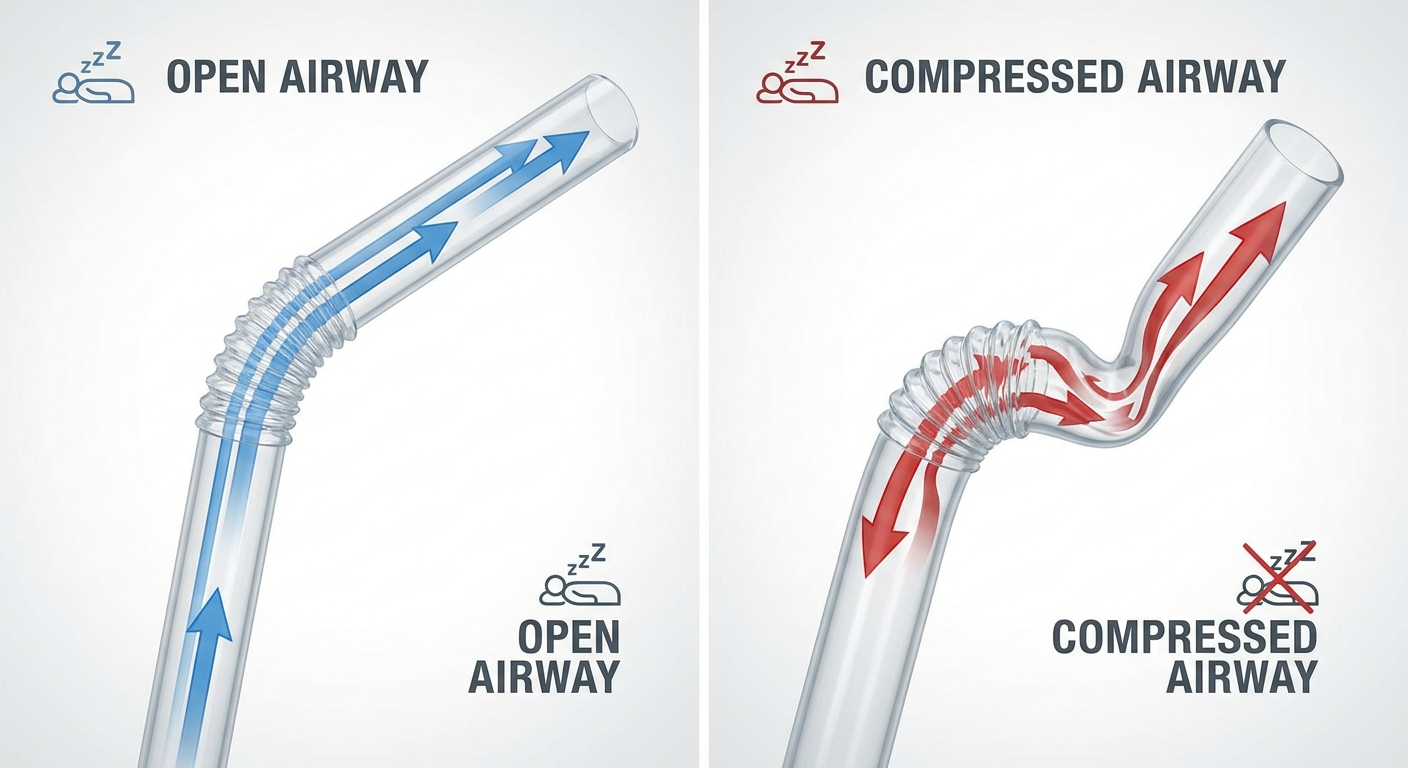
A helpful way to think about it: your airway is like a flexible straw. During sleep, that “straw” can partially collapse. Your brain briefly nudges you awake just enough to reopen it—again and again—so you may “sleep” for eight hours but feel like you barely slept at all.
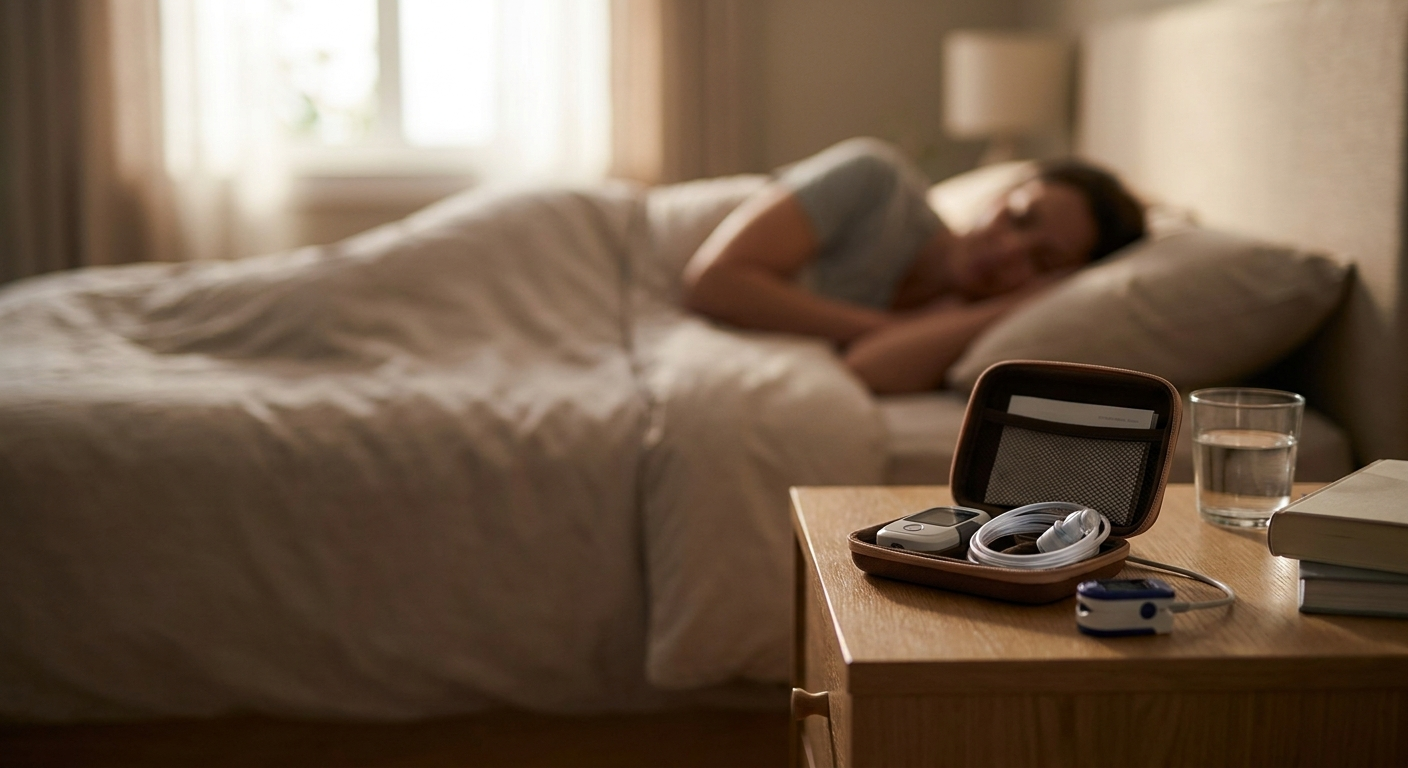
For appropriate candidates, many clinics offer home testing and virtual visits, which can speed up diagnosis and treatment and may avoid an overnight stay.
When to Search “Sleep Apnea Clinic Near Me” (Common Signs)
Nighttime symptoms
- Loud, chronic snoring
- Gasping/choking sounds or witnessed pauses in breathing
- Frequent awakenings, restless sleep, or waking up feeling unrefreshed
If you share a bed, your partner may notice the pattern first. A common description is: “You get quiet, then you stop breathing, then you snort and start again.”
Daytime symptoms
Sleep apnea doesn’t just affect your nights. Daytime symptoms may include:
- Morning headaches
- Excessive daytime sleepiness, brain fog, irritability
- Trouble concentrating
- Drowsy driving risk (especially if you feel yourself nodding off at stoplights or during commutes)
Many people chalk this up to stress or “just getting older.” But if sleep is consistently unrefreshing, it’s worth being evaluated rather than pushing through.
Symptoms that should prompt faster evaluation
While this post is educational (not medical advice), certain situations are commonly considered higher-risk and may warrant quicker evaluation, such as:
- High blood pressure that’s difficult to control
- Severe daytime sleepiness or near-miss accidents
- If you have heart disease, a history of stroke, or are pregnant
If your nights are disrupted and your days feel foggy, it’s reasonable to schedule an evaluation rather than wait.

What Causes Sleep Apnea? (Simple Explanation)
Obstructive sleep apnea (OSA) basics
The most common type is obstructive sleep apnea (OSA). During sleep, throat muscles relax and the airway can narrow or collapse, reducing airflow. Your body briefly “wakes up” (often without you realizing it) to reopen the airway—over and over throughout the night.
Clinicians often summarize severity using the AHI (apnea-hypopnea index), which counts breathing disruptions per hour. That number is useful—but your symptoms, oxygen levels, and overall health matter, too.
Common risk factors
OSA can be influenced by several factors, including:
- Weight gain or central weight distribution
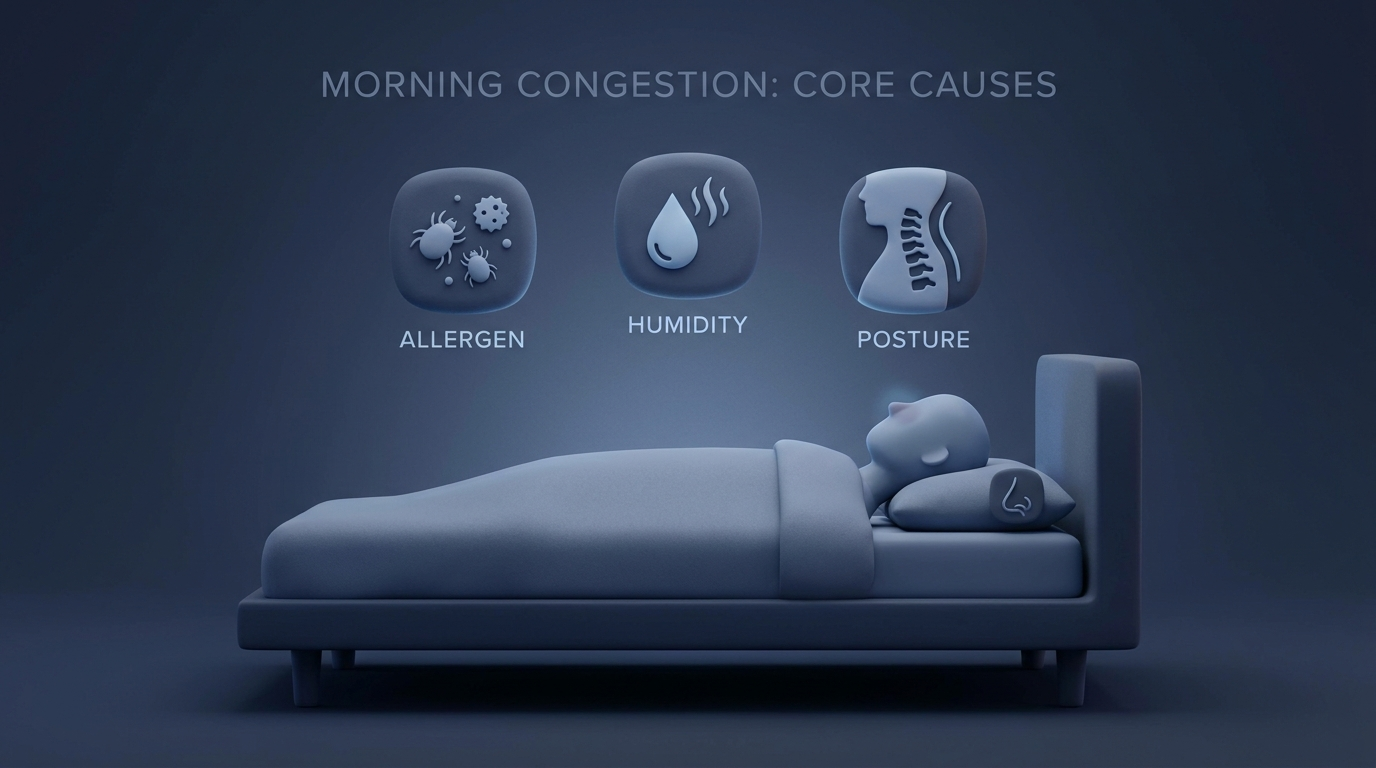
- Nasal obstruction/congestion (allergies, chronic congestion, deviated septum)
- Alcohol or sedatives near bedtime
- Jaw/airway anatomy and family history
In real life, it’s often a combination. For example, mild anatomical narrowing plus nightly congestion plus alcohol close to bedtime can stack the odds toward more airway collapse.
Central sleep apnea vs OSA (quick clarity)
Central sleep apnea is different: breathing interruptions happen because the brain’s signals to breathe aren’t consistent during sleep. A clinic evaluation helps identify which pattern is most likely, because the treatment approach can differ.
Knowing whether your breathing pauses are obstructive, central, or mixed helps your clinic choose the right test and therapy.
What a Sleep Apnea Clinic Can Do for You (Services to Look For)
A quality clinic doesn’t just confirm a diagnosis—it supports you from testing through long-term treatment success.
Testing options offered by many modern clinics
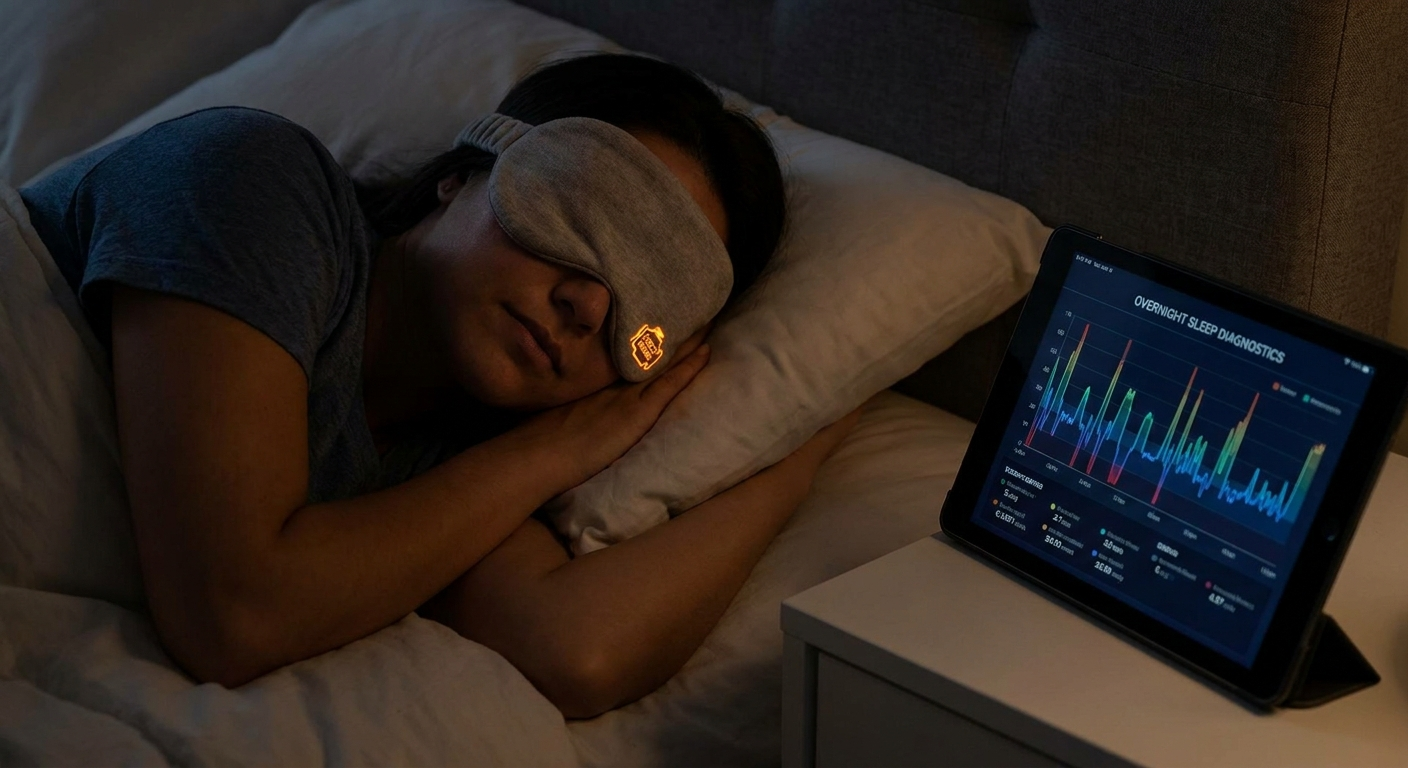
Many patients ask for a home sleep apnea test because it’s convenient. Depending on your history and symptoms, options may include:
- Home sleep apnea testing (HSAT) for appropriate candidates
- In-lab sleep studies (polysomnography) when needed (more complex cases, inconclusive HSAT, or concern for other sleep disorders)
A practical example: HSAT may be a faster route for some patients with suspected uncomplicated OSA. If there’s concern for central sleep apnea or another sleep disorder, a lab study may be the clearer next step.
Treatment setup and long-term support
If you’ve searched “CPAP clinic near me,” you may be looking for more than a machine—you want help getting comfortable. A clinic may provide:
- CPAP, APAP, and bilevel PAP (BiPAP) education and coaching
- CPAP mask fitting and support (leaks, pressure comfort, dryness)
- Humidification guidance and supply replacement planning
- Follow-up to improve comfort and adherence over time
Many patients find that changing mask style (for example, nasal pillows vs. a full-face mask) or adjusting humidification settings makes CPAP more tolerable.
For an overview of care pathways and sleep apnea and snoring treatment options, visit:
sleep apnea and snoring treatment options: https://sleepandsinuscenters.com/snoring-sleep-apnea-treatment
Virtual visits and remote follow-up
A virtual sleep clinic approach can be helpful for:
- Reviewing test results and next steps
- Addressing comfort issues and data questions
- Planning ongoing follow-up
In-person visits may still be best for hands-on mask fitting, persistent nasal blockage, or when an exam is needed.
Look for a clinic that pairs accurate testing with practical, ongoing support so you can stick with treatment.

Home Sleep Test vs. Lab Study—Which One Is Right for You?
When a home sleep test is often a good fit
A home test is commonly used for appropriate candidates when uncomplicated OSA is strongly suspected and you prefer:
- A more convenient testing experience
- Fewer scheduling barriers
- Sleeping in your own bed
If you’re worried you “won’t sleep” in a lab, you’re not alone. HSAT can feel less disruptive, which is one reason many clinics offer it as a first step when appropriate.
When a lab study may be recommended
A lab study may be suggested when the clinical picture is more complex, such as:
- Suspected central sleep apnea
- Significant heart or lung disease, or neuromuscular disease
- Concern for other sleep disorders (like periodic limb movements or narcolepsy)
- A home test that doesn’t fully explain symptoms
For a deeper explanation, see:
home sleep test vs. lab study: https://sleepandsinuscenters.com/blog/home-sleep-test-vs-lab-study-which-sleep-test-is-best-for-you
Questions to ask a clinic before scheduling testing
Whether you’re comparing options or trying to book quickly after searching “sleep apnea clinic near me,” consider asking:
- “Do you offer HSAT and in-lab testing?”
- “How soon will I get results and start treatment?”
- “Who interprets the study and manages follow-up?”
You can also ask what happens if the home test is “negative” but you still feel awful—reputable clinics should have a clear plan for next steps.
Choose the test that fits your medical picture and gets you to a workable treatment plan quickly.
How to Find a Sleep Apnea Clinic Near You (Fast, Practical Steps)
Use reputable clinic-locator tools
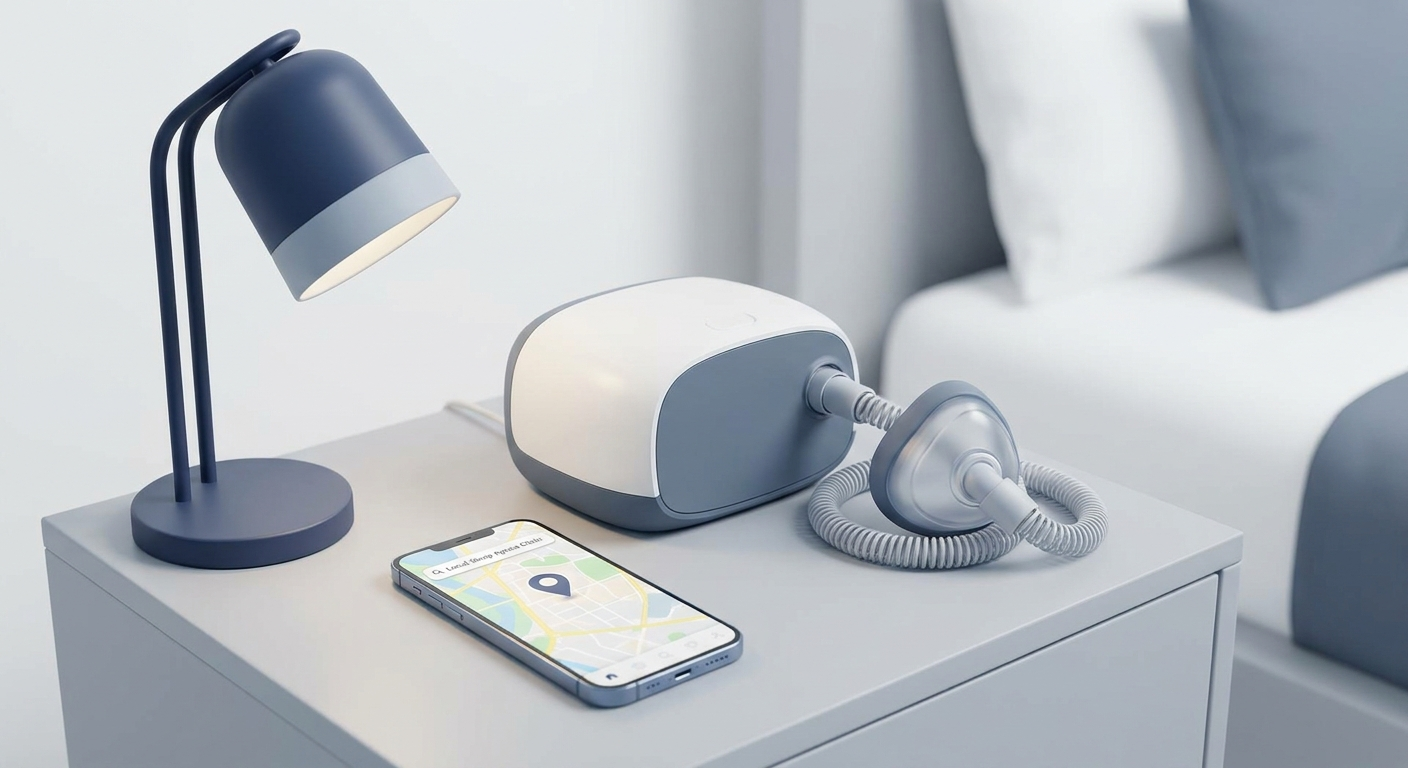
If you need a quick starting point, third-party locator tools can help you identify nearby providers. One example is the Resolve Sleep clinic locator.1
Search smarter (keywords that work)
Try search phrases that match what you actually need, such as:
- “sleep apnea clinic near me home sleep test”
- “CPAP mask fitting near me” (for CPAP mask fitting and support)
- “sleep apnea oral appliance provider near me”
- “ENT sleep apnea evaluation near me”
- “sleep apnea doctor near me” (if you want physician-led evaluation and treatment planning)
Compare clinics with a quick checklist
As you compare options, look for:
- HSAT availability plus a clear next-step pathway
- Transparent pricing/insurance guidance
- CPAP coaching and mask fitting support
- Alternatives to CPAP that may be considered for suitable patients
- Convenient hours and virtual visits
Concrete examples (U.S. and Canada)
When you search locally, you may find independent clinics, hospital-based sleep labs, and multi-location networks.
For example, in Canada, Snore MD lists sleep-apnea clinic locations across British Columbia and other provinces and highlights services like home sleep apnea testing, virtual consultations, and CPAP support.3 4 Regional networks such as Careica Health also operate multiple locations in western Canada.5 These examples can help you recognize the kinds of services many modern clinics offer—wherever you live.
If you want a simple way to choose the closest office, you can view our clinic locations:
https://sleepandsinuscenters.com/locations
Focus on clinics with clear testing options, timely follow-up, and hands-on support for long-term success.

Diagnosis Pathway—What to Expect at Your First Appointment
Intake and symptom review
Most first visits include:
- Review of snoring, sleep quality, and daytime sleepiness
- Questionnaires (sleepiness, risk screens)
- Medical history (blood pressure, heart/lung conditions) and medication review
- Input from a bed partner when available (often very helpful)
A clinician may also ask about nasal breathing, reflux symptoms, or sleep position. These details can influence both testing choices and which treatments are most realistic.
Treatment planning after results
After testing, clinics typically review:
- AHI (apnea-hypopnea index) and severity level
- Oxygen drops and breathing patterns
- How results match your symptoms and goals
The goal is to match treatment to both your results and what you can realistically use long-term. As one sleep clinician might put it: “The best therapy is the one you can use consistently.”
Timeline example (so patients can plan)
While timing varies, a common flow looks like:
- Week 1: consult + test ordered/dispatched
- Week 2: results review
- Week 2–4: start therapy + mask fitting + follow-up adjustments
Expect a step-by-step process that moves from evaluation to a personalized, sustainable treatment plan.

CPAP and Beyond—Treatment Options Your Local Clinic May Offer
CPAP/APAP (first-line for many patients)
CPAP/APAP helps keep the airway open with gentle air pressure. Success often comes down to comfort and support—especially early on. Clinics can help troubleshoot:
- Dryness (humidification adjustments)
- Mask leaks (fit, style changes)
- Pressure intolerance (comfort settings and gradual acclimation strategies)
A useful mindset is to treat CPAP like breaking in a new pair of shoes: the first few nights can be awkward, but targeted adjustments usually help.
Evidence-based alternatives if you can’t tolerate CPAP
If you’ve tried CPAP and struggled, you’re not alone. Many people searching “sleep apnea clinic near me” are also looking for alternatives to CPAP that may be considered for suitable patients. Depending on your situation, options may include:
- Oral appliance therapy (mandibular advancement devices)
- Positional therapy (for position-dependent OSA)
- Weight-loss programs/metabolic support
- Selected surgical options for appropriate candidates
The Sleep Foundation outlines several recognized alternatives that may be considered for suitable patients.2
When an ENT evaluation can help
An ENT-focused evaluation can be especially relevant if nasal obstruction makes sleep or CPAP uncomfortable. Common issues include:
- Chronic congestion/allergies
- Deviated septum
- Turbinate enlargement
Improving nasal breathing doesn’t “cure” OSA for everyone, but it can make treatment easier to tolerate and can meaningfully improve comfort at night.
For a practical overview of paths to care, visit:
sleep apnea and snoring treatment options: https://sleepandsinuscenters.com/snoring-sleep-apnea-treatment
The best therapy is the one you’ll use consistently—work with your clinic to find a comfortable, effective plan.
Lifestyle Tips That Can Improve Symptoms (Alongside Medical Care)
Lifestyle changes aren’t a substitute for diagnosis and treatment when sleep apnea is present, but they can complement medical care.
Sleep-position strategies
Some people have “position-dependent” OSA that’s worse on their back. Side sleeping or gentle head-of-bed elevation may help in certain cases.
Weight and cardiometabolic health
In some patients, even modest weight reduction can reduce OSA severity and improve daytime symptoms.
Reduce airway “relaxers” at night
Alcohol close to bedtime and certain sedating medications can worsen airway collapse for some individuals. If this applies to you, consider discussing medication timing and options with your prescriber.
Nasal health basics
Managing allergies/congestion (as appropriate) and using strategies like saline rinses or humidification may improve nighttime breathing comfort.
Small, consistent habit changes can make your medical treatment work even better.
Cost, Insurance, and Practical Planning
What costs can include
Depending on your plan and needs, costs may involve:
- Consultation
- Sleep testing (home or lab)
- Device costs (if prescribed) and supplies
- Follow-up visits and troubleshooting support
Insurance questions to ask before you commit
It can help to ask:
- Do I need prior authorization?
- Is HSAT covered differently than a lab study?
- Is CPAP billed as a rental or purchase?
- What’s the supply replacement schedule coverage (masks, cushions, tubing, filters)?
What to bring to your appointment
To make the visit more efficient, consider bringing:
- Medication list
- Your sleep schedule basics and key symptoms
- Notes from a partner (snoring, witnessed pauses)
- Prior sleep study results (if any)
Clarify insurance details early so you can plan confidently and avoid surprises.
FAQs
“Do I need a referral to go to a sleep apnea clinic?”
It depends on your insurance plan and local requirements. Many clinics can explain what’s needed and help you navigate the process.
“Can I get diagnosed without sleeping overnight in a lab?”
Many patients qualify for a home sleep test, but some situations still call for an in-lab study (for example, more complex medical histories or inconclusive home results).
“How accurate are home sleep apnea tests?”
Home tests can work well for many uncomplicated OSA cases. They may be less appropriate when other sleep disorders are suspected or when certain medical conditions are present—situations where lab testing can provide more detail.
“What if I tried CPAP and hated it?”
Before giving up, many people benefit from mask changes, comfort setting adjustments, and coaching. If CPAP still isn’t tolerable, clinics may discuss alternatives to CPAP such as oral appliances, positional therapy, weight management, or selected surgical options.2
“How do I know if a clinic is reputable?”
Look for a clear testing pathway, qualified study interpretation, a defined follow-up plan, transparent pricing or insurance guidance, and support services such as CPAP mask fitting and troubleshooting.
Next Steps
If you’re searching “sleep apnea clinic near me,” consider taking one step today:
1) Schedule an evaluation
2) Ask whether a home sleep test is a good fit
3) Get support for CPAP comfort—or discuss alternatives if CPAP hasn’t worked for you
To book an appointment with Sleep and Sinus Centers of Georgia, you can start here:
schedule an appointment: https://sleepandsinuscenters.com/appointments
If you’re trying to find the closest office:
view our clinic locations: https://sleepandsinuscenters.com/locations
Safety note: if you’re experiencing severe daytime sleepiness, near-miss accidents, or other concerning symptoms, seek urgent medical guidance.
Taking the first step—evaluation and testing—can help you reclaim more restful nights and safer, clearer days.
Sources
1. Resolve Sleep. Clinic Locator. https://www.resolvesleep.com/clinic-locator
2. Sleep Foundation. Alternatives to CPAP. https://www.sleepfoundation.org/sleep-apnea/alternatives-to-cpap
3. Snore MD. Find a Clinic. https://www.snoremdcanada.ca/find-a-clinic/
4. Snore MD. About Us. https://www.snoremdcanada.ca/about-us
5. Careica Health. Winnipeg (location page). https://careicahealth.com/winnipeg/
This article is for educational purposes only and is not medical advice. Please consult a qualified healthcare provider for diagnosis and treatment.
Don’t let allergies slow you down. Schedule a comprehensive ENT and allergy evaluation at Sleep and Sinus Centers of Georgia. We’re here to find your triggers and guide you toward lasting relief.