Wide Nose Surgery: Septoplasty vs Rhinoplasty Explained
If you’re researching wide nose surgery, you’ll quickly run into a confusing split: some sources talk about improving breathing (septoplasty), while others focus on changing shape (rhinoplasty). They sound related because they both involve the nose—but they’re designed to address different goals.
A helpful way to think about it: septoplasty is “inside-the-nose engineering,” while rhinoplasty is “outside-the-nose design.” Some people need one, some the other, and some a combination.
This guide breaks down septoplasty vs rhinoplasty in plain language, explains what actually narrows a wide nose, and outlines what kind of consultation you might consider.
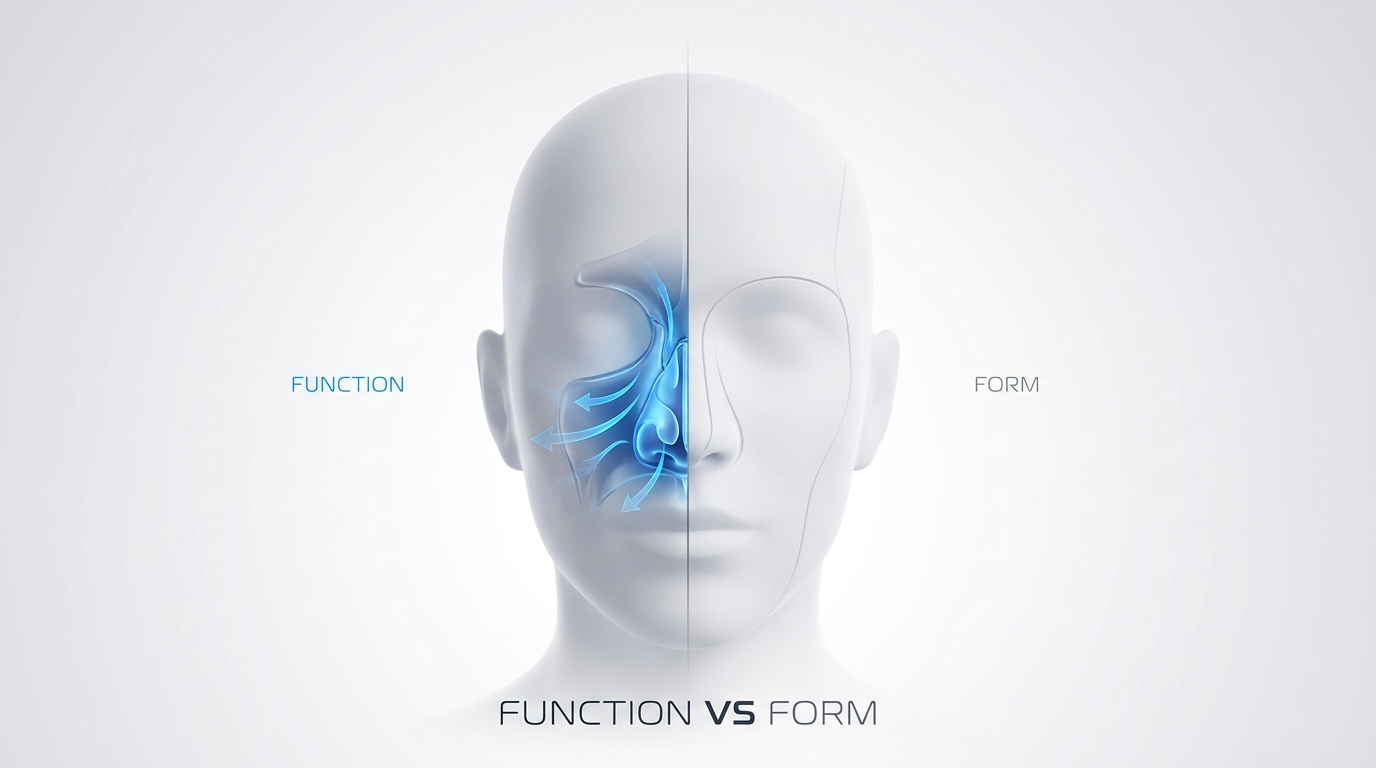
In short: septoplasty is for function, rhinoplasty is for form, and a combined plan may be discussed when both matter.
Quick Answer: Which Surgery Actually Narrows a Wide Nose?
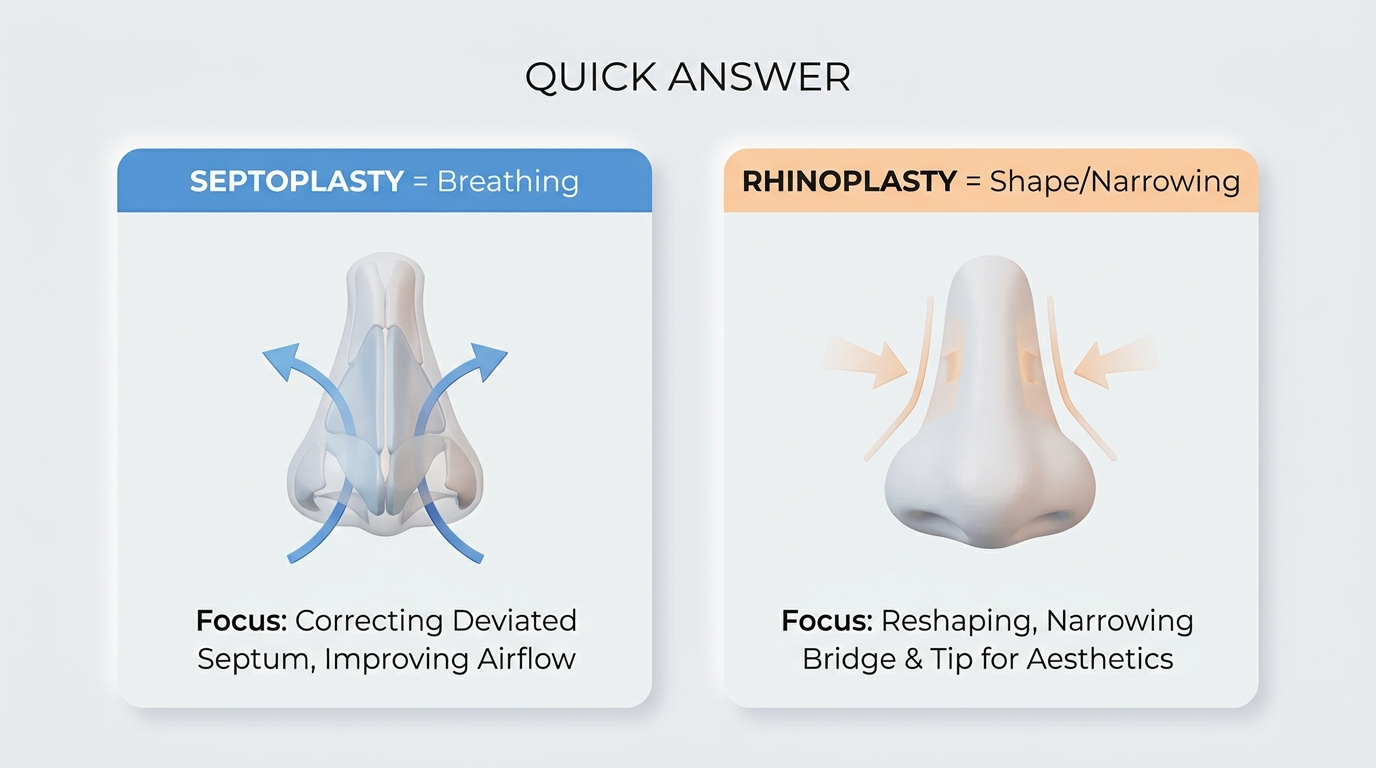
Septoplasty = breathing function (inside the nose)
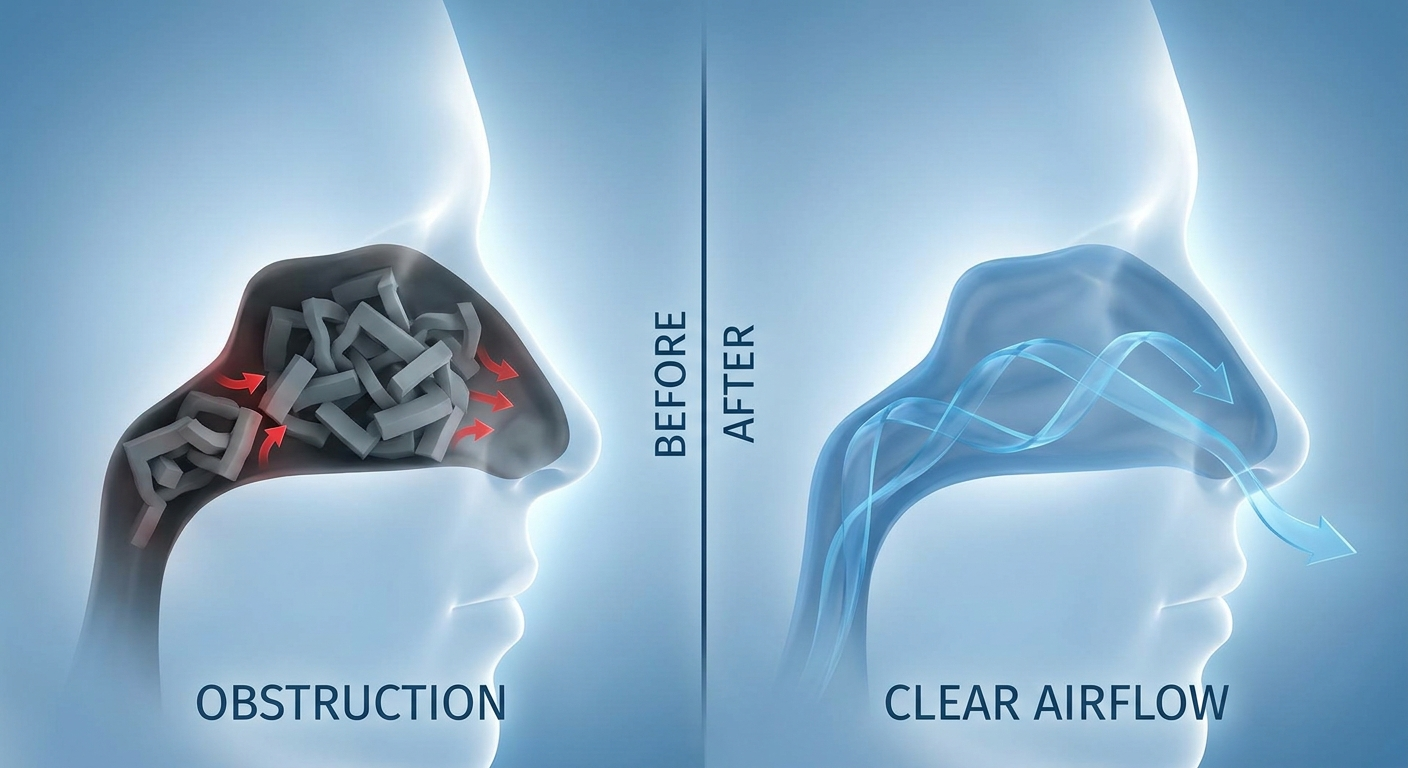
Septoplasty is primarily surgery to correct a deviated septum. It straightens or repositions the nasal septum (the internal wall between the two nasal passages) to help improve airflow. Its goal is functional—supporting breathing—not changing how wide your nose looks from the outside. Think of it like straightening a crooked hallway divider to make it easier to walk through; it doesn’t remodel the building’s exterior. (See Mayo Clinic in citations.)
Rhinoplasty = appearance/shape (outside the nose)
Rhinoplasty is designed to change the external shape of the nose. That can include narrowing the nasal bridge, refining the tip, and reducing nostril flare. If your main goal is reducing the appearance of nasal width—especially in front-facing photos—rhinoplasty is often the procedure discussed for that goal.
Bottom line for patients with a wide nose
If your main concern is reducing external nasal width, rhinoplasty or a combined procedure is often discussed, since septoplasty alone usually does not change the outside shape significantly. Techniques may include alar base reduction (alarplasty) and/or tip refinement (tip rhinoplasty). For a deeper comparison, see our related guide on septoplasty vs rhinoplasty: https://sleepandsinuscenters.com/blog/septoplasty-vs-rhinoplasty-key-differences-benefit-20260124020915
If narrowing the visible nose is the goal, the conversation usually centers on rhinoplasty techniques rather than septoplasty alone.
Why This Topic Is Confusing (and Common)
“My nose feels wide” can mean different problems
- Cosmetic width: wide bridge, rounded/bulbous tip, or wider nostrils/flare
- Functional blockage: difficulty breathing through one or both sides
- Swelling/congestion: inflammation that makes the nose feel “bigger” or more noticeable
Two people can say “My nose is wide,” and mean completely different things—one describing a broad bridge on selfies, the other describing a constant sense of nasal fullness.
Many patients have both concerns
It’s common to have a deviated septum and also feel unhappy with the nose’s appearance. In those cases, a combined approach may be discussed (see septorhinoplasty below). You might also hear, “We can improve breathing, but if you want the outside to look narrower, we need to plan that separately.” That expectation-setting can be helpful.
Clarifying whether “wide” means appearance, airflow, or both makes the path forward much clearer.
Symptoms Checklist — Is Your Concern Cosmetic, Functional, or Both?
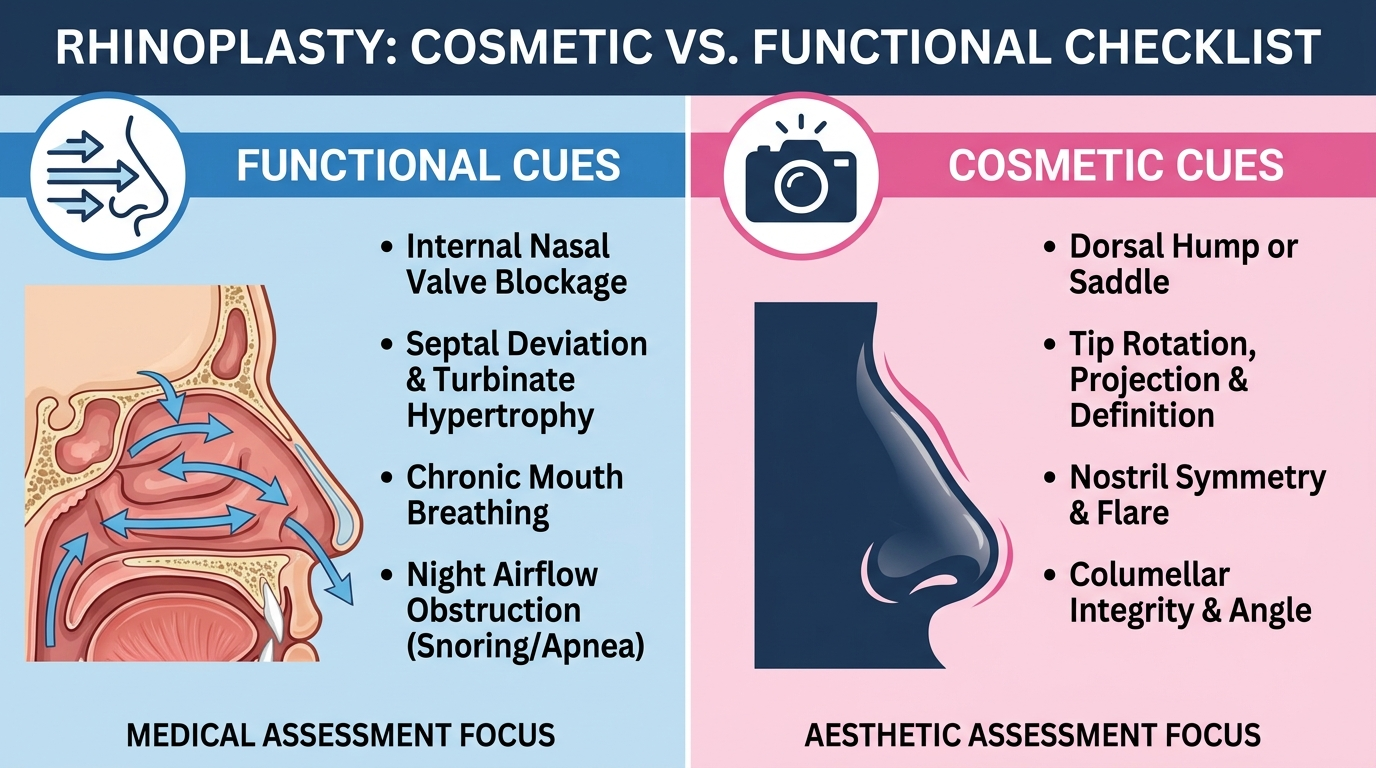
Signs your issue may be functional (breathing-related)
These symptoms can suggest internal obstruction that might be evaluated by an ENT specialist:
- Ongoing nasal blockage (especially one-sided)
- Mouth breathing during sleep
- Snoring that seems worse when you’re congested
- A sense of poor airflow even when allergies “aren’t that bad”
- Pressure or congestion that keeps returning (not always an infection)
A practical clue: if you find yourself turning your head at night to “find the side that breathes,” that’s often a functional complaint to discuss.
Signs your issue is primarily cosmetic (“wide nose” appearance)
Common features people notice in the mirror or photos:
- Wide nasal bridge (upper third looks broad)
- Bulbous or rounded tip that makes the front view look wider
- Wide nostril base or nostril flare
A photo-based clue: if your nose looks wider under bright overhead lighting or in close-up phone photos, it may emphasize tip/alar width rather than an internal obstruction.
When to talk to an ENT or facial plastic surgeon
Educationally speaking, consider a professional evaluation when:
- Breathing problems don’t improve with typical allergy/congestion management
- Cosmetic concerns affect confidence, photos, or social comfort
- You’ve had nasal trauma, prior surgery, or worsening asymmetry over time
If you’re unsure which issue dominates, a combined functional and cosmetic assessment can help separate airflow from appearance factors.
Causes of a Wide Nose (Patient-Friendly Explanation)
Genetics and natural anatomy
Many “wide nose” features are simply normal anatomy: broader nasal bones, wider cartilage, or thicker skin. None of these are inherently unhealthy—treatment is optional and goal-dependent.
Tip structure and skin thickness
A tip can look wide due to cartilage shape, skin thickness, or both. Even when the bridge is proportionate, a rounded tip can make the nose look broader from the front. This is where tip rhinoplasty (tip refinement) may come up in a wide nose rhinoplasty plan. You may also notice that definition changes with swelling: a tip can look “puffier” in the morning, during allergy season, or after salty meals.
Wide nostrils or flared alar base
The alar base is where the nostril meets the cheek. Some people naturally have a wider base or more flare; others notice it after trauma or previous nasal surgery. When this area is the main source of “width,” narrowing may focus specifically on the nostrils.
Swelling/inflammation can exaggerate width
Chronic rhinitis or allergies can cause persistent puffiness and congestion. When swelling is a major factor, your nose may look and feel different from week to week—important context during any planning for wide nose surgery.
Whether “wide” comes from bone, cartilage, skin, or swelling will shape which options are discussed.
Septoplasty Explained (What It Does—and Doesn’t Do)
What septoplasty treats
Septoplasty is intended to improve airflow by correcting a deviated septum (internal). It can be an important option for people whose main complaint is difficulty breathing through the nose. (See Mayo Clinic in citations.)
What septoplasty usually does not change
In most cases, septoplasty is not designed to change:
- External nose width
- The nasal bridge shape
- Nostril flare
- Tip width/definition
If you’ve wondered, “Does septoplasty change nose shape?” see our overview: https://sleepandsinuscenters.com/blog/does-septoplasty-change-nose-shape-what-to-expect-20260613041036
What recovery generally looks like (high-level)
Experiences vary, but many people describe:
- Early stuffiness and congestion during initial healing
- Saline rinses and follow-up visits
- Gradual improvement in airflow as swelling settles
Who benefits most
Septoplasty tends to be most relevant when the priority is breathing—rather than changing cosmetic width.
Septoplasty supports function on the inside; it is not typically planned to narrow the nose on the outside.
Rhinoplasty Explained (How It Can Narrow a Wide Nose)
What rhinoplasty can change
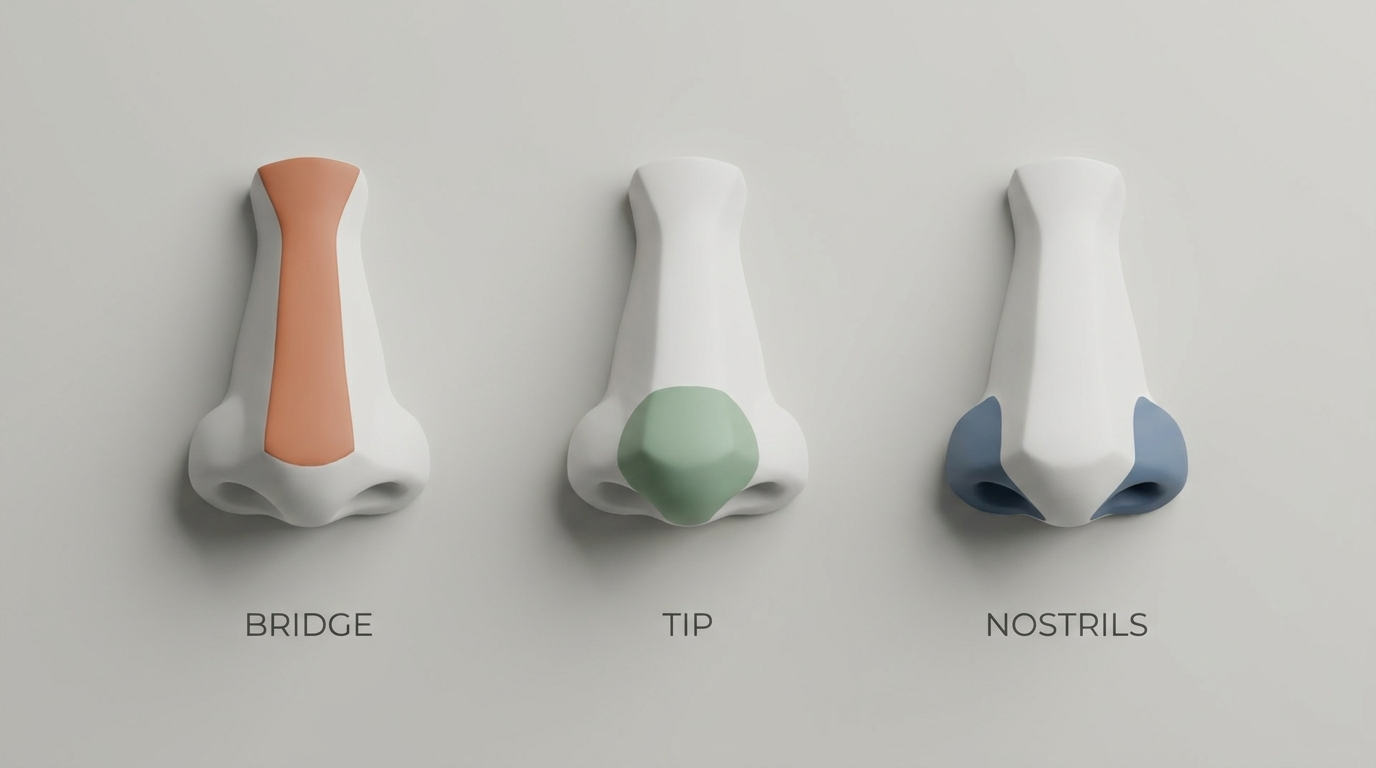
Rhinoplasty can address different “zones” of width, including:
- Bridge width (bone) — the upper third
- Tip width/projection (cartilage) — the middle/lower third
- Nostril width/flare (alar base) — the lower third
This is why wide nose rhinoplasty isn’t one single technique; it’s a set of approaches based on what specifically creates the wide appearance. For more detail, see our overview of wide nose surgery options: https://sleepandsinuscenters.com/blog/wide-nose-surgery-best-rhinoplasty-options-for-a-w-20260613110957
The importance of facial balance
“Narrower” isn’t always the best goal by itself. Modern planning often focuses on proportion—how the nose fits the cheeks, lips, chin, and overall facial structure—so the result appears natural rather than over-corrected.
Rhinoplasty planning typically targets balanced proportions, not just a smaller-looking nose.
Key Differences: Septoplasty vs Rhinoplasty (Side-by-Side)
Primary goal
- Septoplasty: function (internal breathing pathway)
- Rhinoplasty: form (external shape/appearance)
What patients typically notice afterward
- Septoplasty: airflow changes (as healing progresses)
- Rhinoplasty: visible shape changes, which may include narrowing
Insurance considerations (general guidance)
- Septoplasty is often considered medically indicated when obstruction is documented.
- Rhinoplasty is often considered cosmetic.
- A combined procedure may have functional and cosmetic components billed differently depending on the plan and documentation.
(Insurance rules vary widely; benefits and preauthorization are case-specific.)
Function and form are different goals, which is why coverage and recovery experiences often differ too.
When You Might Need Both: Septorhinoplasty (Functional + Cosmetic)
Common scenario
A frequent combination is breathing obstruction from a deviated septum plus dissatisfaction with width, tip shape, or nostril flare. Trauma can also affect both the internal septum and external framework.
Benefits of combining procedures
A septorhinoplasty may offer:
- One anesthesia event
- One overall recovery timeline
- Coordinated planning so breathing support and cosmetic goals align
Important note
A functional septoplasty alone typically does not narrow the nose. If appearance is an important goal, it should be discussed explicitly so the plan matches expectations. If cost is part of your decision, see our guide on septorhinoplasty cost: https://sleepandsinuscenters.com/blog/septorhinoplasty-cost-average-price-factors-what-t-20260404181035
When both airflow and appearance matter, a combined plan can coordinate outcomes and recovery.

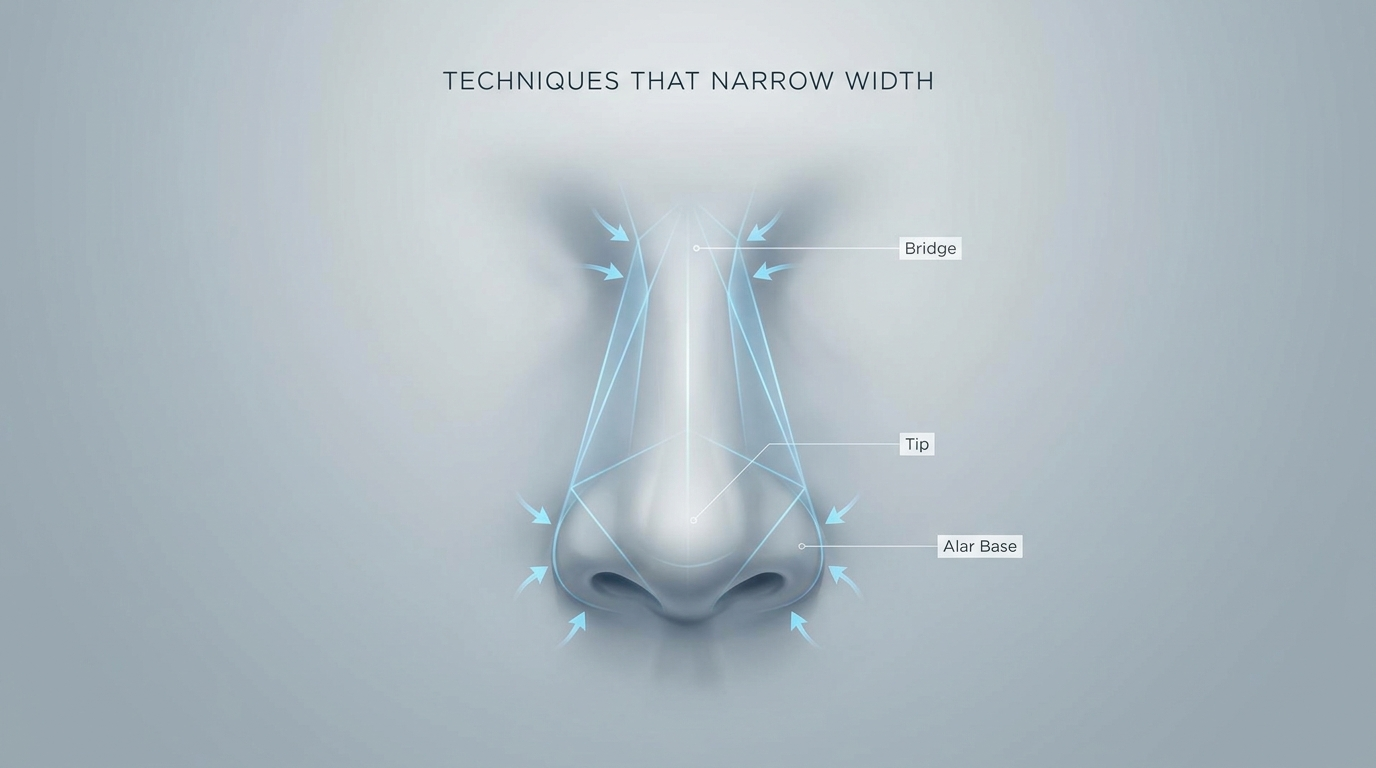
Techniques Commonly Discussed for Wide Nose Surgery (Patient-Friendly)
Tip rhinoplasty (tip refinement for a bulbous/wide tip)
Tip rhinoplasty focuses on reshaping and supporting the tip cartilage to create a more defined appearance. For some people, subtle tip refinement helps the nose look narrower overall—even without major bridge changes.
Alar base reduction / Alarplasty (narrowing wide nostrils)
What it targets: wide nostril base and/or nostril flare.
How it’s commonly performed: alar base reduction commonly involves removing a small amount of tissue near the natural crease where the nostril meets the cheek, although the exact technique varies by surgeon and anatomy.
Scarring expectations: incisions are typically placed along natural creases; scar care and healing time matter.
Bridge narrowing (if the upper nose is wide)
When width comes from the nasal bones, rhinoplasty may involve techniques that reposition or reshape bone to narrow the bridge. The approach is individualized.
The right technique depends on where width originates—bridge, tip, nostrils, or a combination.
What to Expect at a Consultation (So You Get a Clear Answer)
Evaluation steps
A thorough visit often includes:
- External assessment (shape, symmetry, skin thickness)
- Internal nasal exam (airflow, septum position, valve area)
- A clear goal discussion: “breathe better,” “narrow the bridge,” “refine the tip,” “reduce nostril flare,” or some combination
If you’re unsure how to describe your goals, bringing 2–3 photos (angles you like and don’t like) can help communicate what “wide” means to you.
Photos and measurements
Standardized photos from multiple angles can help pinpoint whether width is mostly bridge, tip, nostril base—or all three.
Questions to ask
- “Will septoplasty change the outside width of my nose?”
- “If I want a narrower look, which area creates the width—bridge, tip, or nostrils?”
- “Would alar base reduction, tip refinement, bridge work, or septorhinoplasty be relevant for my goals?”
- “How might skin thickness affect definition and timeline?”
Red flags
Consider caution if you encounter:
- Guaranteed results
- A “one-size-fits-all” narrow look that ignores facial proportions
- An unclear plan for breathing concerns when you report obstruction
A focused evaluation that separates function from appearance helps set realistic expectations.
Recovery & Aftercare Tips (Lifestyle + Practical Guidance)
Early healing vs final results
Swelling can make the nose look wider at first—especially at the tip. Many rhinoplasty changes refine gradually over months. Early photos can be misleading: you may see direction of change quickly, but final definition settles later.
Helpful lifestyle basics
Common post-op guidance often includes:
- Keeping the head elevated (if instructed)
- Avoiding strenuous activity until cleared
- Following incision and scar-care instructions carefully (particularly after alar base reduction)
When to contact your surgeon
Heavy bleeding, fever, severe worsening pain, or sudden changes in breathing should be reported promptly to the treating team.
Expect swelling early; plan for steady refinement over time with attentive aftercare.
Non-Surgical Options (When Surgery Isn’t the Right First Step)
Treat inflammation first if swelling is the main “wide” complaint
If fluctuating congestion drives the “wide” feeling, addressing rhinitis/allergy triggers may reduce perceived fullness and help clarify whether structural change is actually desired.
Cosmetic camouflage
Makeup contouring and photography angles can reduce the appearance of width in pictures, though they don’t change anatomy.
Why fillers usually aren’t “narrowing”
Fillers add volume. They can sometimes smooth contours or improve symmetry, but they generally don’t make a truly wide nose smaller—and can make width more noticeable in some cases.
When swelling or lighting is the main culprit, non-surgical adjustments may help you decide if structural change is still desired.
FAQs
Does septoplasty make your nose smaller or narrower?
Typically no. Septoplasty focuses on internal airflow and septum position rather than external width. (Mayo Clinic)
Can septoplasty change the shape of my nose at all?
Small external changes can occur in select situations, but meaningful narrowing of a wide-looking nose often involves rhinoplasty techniques.
What is alar base reduction and will it leave scars?
Alar base reduction (alarplasty) narrows wide nostrils by removing a small amount of tissue near the nostril-cheek junction; the exact technique varies. Incisions are usually placed in natural creases, and scar appearance depends on healing and scar care.
What if I have breathing problems and a wide nose?
That’s a common reason to ask about septorhinoplasty, which can address function (airflow) and form (shape) together.
How do surgeons narrow a bulbous tip?
Tip rhinoplasty (tip refinement) reshapes and supports tip cartilage to improve definition and reduce the appearance of tip width.
How long until I see final results after wide nose rhinoplasty?
You may see changes earlier, but swelling can take months to fully settle—especially at the tip—so results evolve over time.
Conclusion — Choosing the Right Procedure for Your Goal
- If your goal is better breathing, an evaluation for nasal obstruction and a deviated septum can clarify whether septoplasty could help. (Mayo Clinic)
- If your goal is a narrower-looking nose, rhinoplasty techniques—often focusing on the bridge, tip (tip refinement), and/or nostrils (alar base reduction)—are typically what change visible width.
At Sleep and Sinus Centers of Georgia, consultations are designed to clarify what’s causing your concerns (internal obstruction, external shape, or both) so you can make an informed decision about whether wide nose surgery is appropriate and, if so, which approach aligns with your goals.
Ready for a clear, personalized answer? You can book an appointment here: https://www.sleepandsinuscenters.com/
Choosing between septoplasty, rhinoplasty, or both starts with clarifying your goals and anatomy.
Citations
- Mayo Clinic. Septoplasty. https://www.mayoclinic.org/tests-procedures/septoplasty/about/pac-20384670
- https://drjosebarrera.com/how-is-rhinoplasty-for-wide-noses-different/
- https://www.sandiegoface.com/need-septoplasty-rhinoplasty-whats-difference/
- https://www.dranthonycorrado.com/nose/rhinoplasty-philadelphia/wide-nostril-rhinoplasty/
Medical disclaimer
This article is for general educational purposes and isn’t medical advice. A qualified clinician can evaluate your anatomy, symptoms, and goals to recommend the most appropriate options.
This article is for educational purposes only and is not medical advice. Please consult a qualified healthcare provider for diagnosis and treatment.
Don’t let allergies slow you down. Schedule a comprehensive ENT and allergy evaluation at Sleep and Sinus Centers of Georgia. We’re here to find your triggers and guide you toward lasting relief.