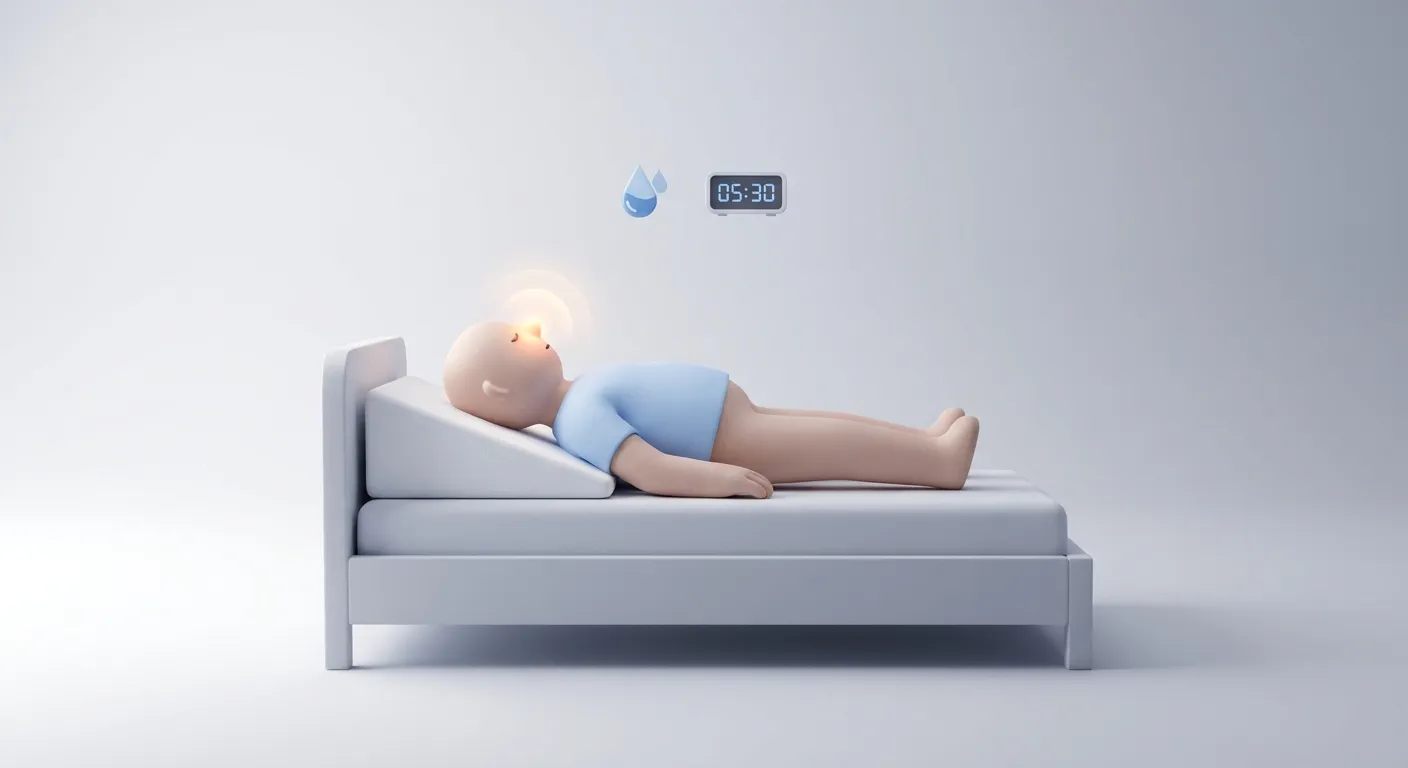
Septoplasty and Turbinate Reduction Recovery Timeline: Day-by-Day Post-Op Guide
Recovering from septoplasty with turbinate reduction can feel surprisingly congested at first—often right when you’re hoping for instant relief. That early congestion is usually part of normal healing, and having a clear plan can make the process less stressful. This is general education only; always follow your surgeon’s instructions if they differ.
A helpful mindset: early recovery can be like taking a cast off a healing ankle. The structure may be corrected, but swelling still needs time to settle before function feels “normal.”

Quick Overview (TL;DR Recovery Timeline)
- Days 1–3: Worst swelling/congestion often in first 72 hours; mild bloody drainage can occur. Sleep with your head elevated. [5]
- Days 1–7: Typically strictest restriction window—avoid nose blowing, forceful sniffing, heavy lifting/straining. If approved, start saline rinses the day after surgery, several times daily. [3]
- Week 2: Comfort often improves; congestion/crusting can persist. [3]
- Weeks 4–6: Many notice meaningful improvement around 4–6 weeks, though timing varies. [4][2]
- Several months: Internal healing commonly continues for months. [4]
- Surgeon variability: Timelines and restrictions vary—ask your care team.
Summary: Early swelling is common; gentle care and your surgeon’s guidance usually make the biggest difference.
What This Surgery Fixes (And Why Recovery Can Feel “Blocked” at First)
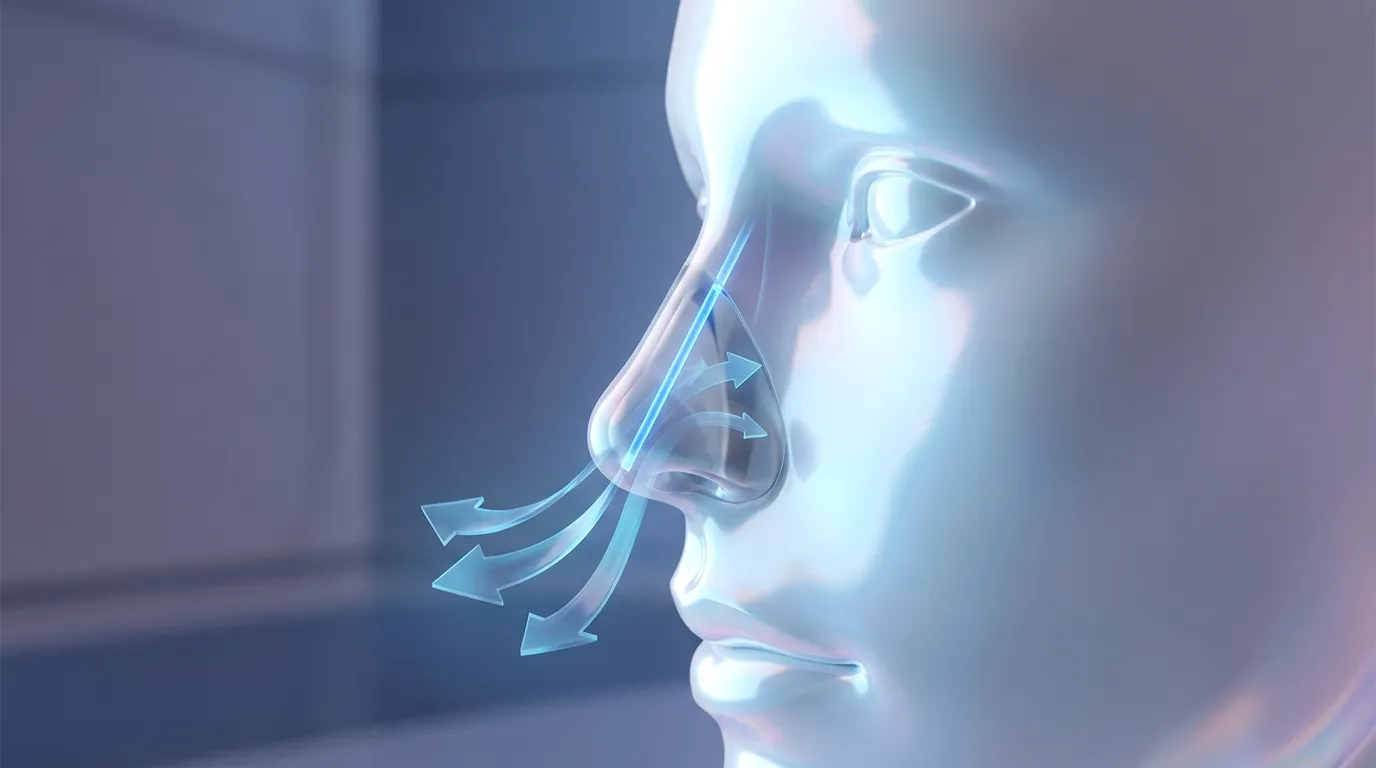
What septoplasty addresses: Straightens a deviated septum to improve airflow. Early on, the focus is swelling control and gentle cleaning—not instant airflow.
What turbinate reduction addresses: Reduces enlarged turbinates to create more airflow space.
Why you may feel more congested early on: Swelling, delicate healing tissue, and crusting can narrow airflow temporarily even after structural correction. [4][2]
Summary: The structure is straighter, but early swelling can make breathing feel worse before it gets better.
Common Symptoms After Septoplasty + Turbinate Reduction (What’s Normal)
Expected symptoms: Nasal congestion/blocked breathing; facial pressure/fullness; mild bleeding or blood-tinged drainage (often worse early) [3]; swelling that often peaks within 72 hours [5]; crusting and dryness as healing progresses [3]. Symptoms may improve unevenly—missed rinses and dryness can worsen congestion.
If you’re worried about bleeding, see: https://sleepandsinuscenters.com/blog/nosebleeds-after-septoplasty-causes-symptoms-and-w-20260325111316
Red flags—call your surgeon: Heavy, persistent bleeding; fever, worsening pain, foul-smelling drainage; severe headache, vision changes, neck stiffness, or clear watery drainage (more urgent). [3]
Summary: If a symptom is severe, persistent, or worrying, it’s appropriate to call—especially in the first week.

Day-by-Day Recovery Timeline (First Week)
Note: This is a general overview. Your plan may differ based on technique, splints/packing, and medical history.
Day 0 (Surgery Day)
What you may feel: Grogginess, pressure, congestion, mild oozing/drainage. Often feels like a “stuffy head cold;” mouth dryness is common. [3][4]
What to do: Rest, hydrate, take medications as prescribed. Keep head elevated (recliner/extra pillows). [3]
What to avoid: Bending, straining, heavy lifting unless advised otherwise.
Day 1
Expected: Congestion and swelling often ramp up; light bleeding/blood-tinged mucus may continue.
Key action: If approved, start saline irrigations the day after surgery, several times daily. Helps clear old blood and reduce crusting. [3] How-to: https://sleepandsinuscenters.com/blog/how-to-do-a-saline-rinse-after-septoplasty-step-by-20260326011446
Days 2–3 (Peak swelling window)
Expected: Swelling/congestion often peak within 72 hours; mild bloody drainage may persist. Sleeping flat can worsen blockage. [5][3]
Do: Keep up with approved saline rinses; continue head elevation, especially when resting. [3]
Days 4–5
Expected: Swelling may begin to ease; drainage may darken (older blood) then taper. Crusting can increase as drainage decreases. [4]
Do: Continue gentle saline rinses to loosen crusts; avoid aggressive picking.
Days 6–7
Expected: Energy often returns; congestion may persist but feel less tight.
Still avoid (typical early restrictions; instructions may vary): Nose blowing [3]; forceful sniffing; heavy lifting/straining. [3]
Complementary view: https://sleepandsinuscenters.com/blog/turbinate-reduction-recovery-day-by-day-healing-gu-20260125120922
Summary: The first week is usually the hardest—gentle care, elevation, and approved rinses help you turn the corner.

Week-by-Week Recovery (Weeks 2–12)
This outlines a common healing arc; your timeline may differ.
Week 2 (Days 8–14): Bleeding is usually minimal; crusting may be more noticeable. Saline rinses often continue. Follow-ups may include gentle cleaning/suctioning (varies). Many return to desk/light duties if cleared. [3]
Weeks 3–4: Breathing often improves but may fluctuate. Many resume normal routines per surgeon guidance. [1][4] Expanded roadmap: https://sleepandsinuscenters.com/blog/septoplasty-recovery-week-by-week-complete-timelin-20260123051106
Weeks 4–6: Many notice more consistent airflow improvement; sleep may improve. [4][2]
Months 2–3: Internal mucosal healing commonly continues for months; final results take time. [4]
Summary: Progress usually builds across weeks—many feel meaningful change by 4–6 weeks with ongoing internal healing.

Post-Op Care Checklist (What Helps Healing Most)
Saline rinses (important): If approved, many start the day after surgery, several times daily, then taper. Why: clears residual blood/clots, reduces crusting, supports healing. [3] Frequency guide: https://sleepandsinuscenters.com/blog/nasal-rinses-how-often-should-you-use-them
Sleep and positioning: Head elevation—especially the first few days—can reduce swelling and improve nighttime comfort. Wedge pillow or recliner can help. [3][5]
Activity restrictions: First week often has highest bleeding risk with pressure/strain; many surgeons restrict nose blowing, forceful sniffing, and heavy lifting/straining. Light activity often after ~1 week; strenuous exercise often around ~4 weeks if cleared. [1][3]
Lifestyle tips: Avoid smoke (including vaping/secondhand). Consider a humidifier if recommended. Stay hydrated; choose softer foods if throat is sore post-anesthesia. [3]
Summary: Consistent saline care, head elevation, and respecting early activity limits support smoother healing.

Treatments and Medications You May Be Given (What They’re For)
Pain control options: Many use acetaminophen and/or a short course of prescription pain medicine. Some clinicians advise avoiding NSAIDs early due to bleeding risk—follow your surgeon’s instructions.
Antibiotics, steroid sprays, ointments (case-by-case): You may be prescribed these to reduce infection risk when indicated, calm inflammation, and support healing. [3][4]
Summary: Take medications exactly as prescribed; ask before adding over-the-counter products.
When to Contact Your Surgeon (Safety Section)
Call urgently for: Bright red bleeding soaking gauze repeatedly or not slowing; fever or worsening swelling/pain after initial improvement; vision changes, severe headache, stiff neck, or clear watery drainage. [3]
Summary: If something feels off or severe, contact your surgeon—timely guidance is part of safe recovery.
FAQs (Patient-Friendly, SEO-Focused)
When can I blow my nose after septoplasty and turbinate reduction? Many restrict nose blowing for at least 7 days, sometimes longer—ask your surgeon. Details: https://sleepandsinuscenters.com/blog/when-can-i-blow-my-nose-after-septoplasty-safe-tim-20260325041106 [3][1]
Why is congestion worse at night? Swelling peaks early (first 72 hours) and lying flat increases stuffiness; elevate your head. [5][3]
When can I go back to work? Many return to desk/light duties at about 1 week, depending on symptoms and surgeon guidance. [1]
When can I exercise again? Light activity often after ~1 week; strenuous exercise commonly around ~4 weeks if cleared. [1]
When will I breathe “normally” again? Many notice meaningful improvement by 4–6 weeks; internal healing continues for months. [4][2]
How long do I need saline rinses? Often weeks, sometimes longer—your surgeon tailors duration based on healing and follow-ups. [3]
Summary: Your exact timeline depends on your procedure, healing pace, and your surgeon’s plan.
Related Reading (Sleep and Sinus Centers of Georgia)
How to Do a Saline Rinse After Septoplasty (Step-by-Step): https://sleepandsinuscenters.com/blog/how-to-do-a-saline-rinse-after-septoplasty-step-by-20260326011446
When Can I Blow My Nose After Septoplasty? (Safe Timing): https://sleepandsinuscenters.com/blog/when-can-i-blow-my-nose-after-septoplasty-safe-tim-20260325041106
Everything You Need to Know About Turbinate Reduction: https://sleepandsinuscenters.com/blog/everything-you-need-to-know-about-turbinate-reduction
Septoplasty Recovery Week by Week: Complete Timeline: https://sleepandsinuscenters.com/blog/septoplasty-recovery-week-by-week-complete-timelin-20260123051106
Turbinate Reduction Recovery Day by Day: Healing Guide: https://sleepandsinuscenters.com/blog/turbinate-reduction-recovery-day-by-day-healing-gu-20260125120922
Nasal Rinses: How Often Should You Use Them?: https://sleepandsinuscenters.com/blog/nasal-rinses-how-often-should-you-use-them
Nosebleeds After Septoplasty: Causes, Symptoms, and What to Do: https://sleepandsinuscenters.com/blog/nosebleeds-after-septoplasty-causes-symptoms-and-w-20260325111316
Conclusion + CTA
Early congestion after surgery can be frustrating, but it’s often expected—especially during the first 72 hours. Consistent saline rinses (if approved), head elevation during the toughest days, and following early restrictions (avoid nose blowing and heavy straining) usually support a smoother recovery.
Have questions about symptoms, crusting, bleeding, or your return-to-activity plan? Visit https://www.sleepandsinuscenters.com/ to book an appointment and discuss your recovery and follow-up care with a qualified healthcare provider.
Summary: A steady routine and close communication with your surgeon help turn early swelling into long-term breathing gains.
References
1. https://entgasouth.com/blog/a-guide-resuming-normal-activities-after-septoplasty
2. https://drbrettlevin.com.au/procedures/nose/septoplasty-and-turbinate-reduction-surgery
3. https://umc.edu/Healthcare/ENT/Patient-Handouts/Adult/Nose_Sinus/Septum_Turbinate-Postop.html
4. https://preferredmd.com/health_library/septoplasty_turbinate_reduction
5. https://hasanduygulu.com/septoplasty-recovery-timeline-day-by-day/
This article is for educational purposes only and is not medical advice. Please consult a qualified healthcare provider for diagnosis and treatment.
Don’t let allergies slow you down. Schedule a comprehensive ENT and allergy evaluation at Sleep and Sinus Centers of Georgia. We’re here to find your triggers and guide you toward lasting relief.