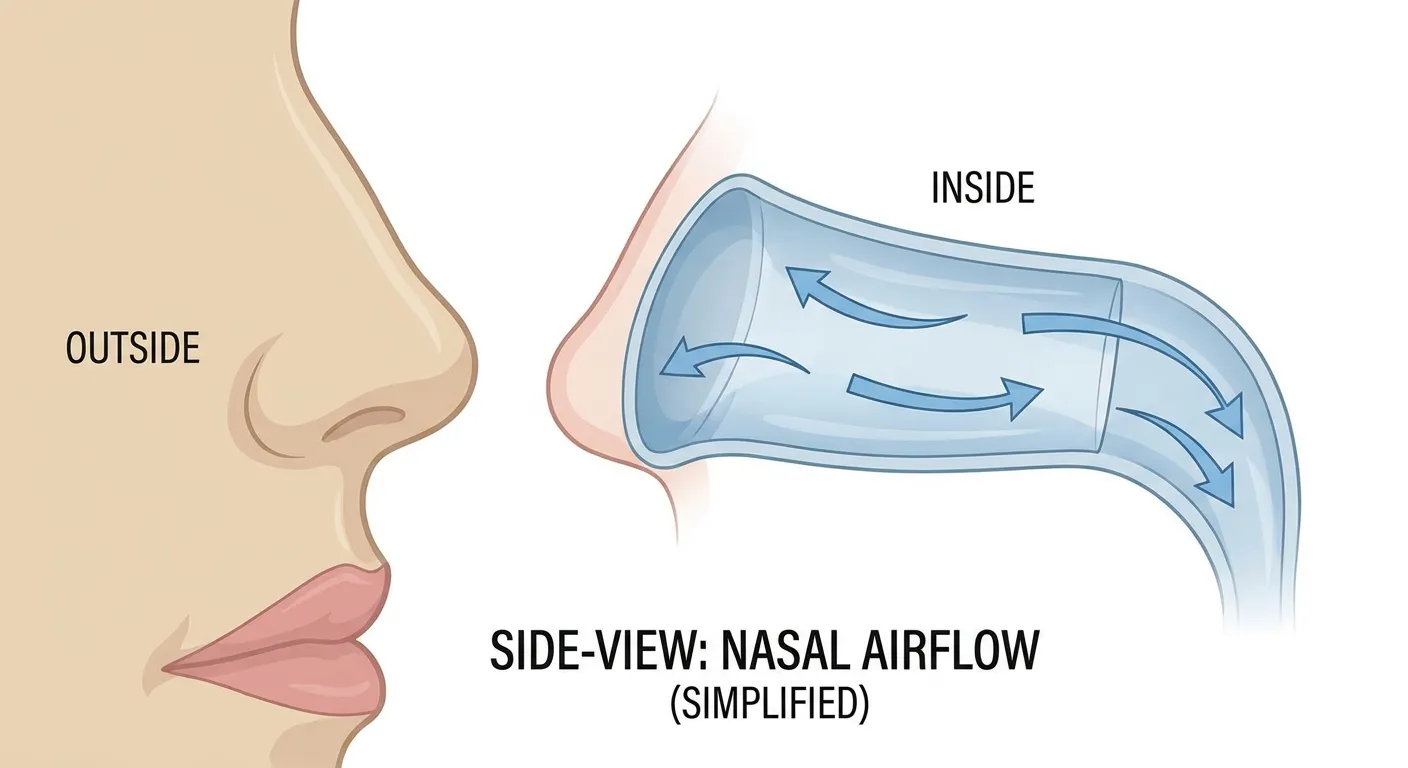
Does Septoplasty Change Nose Shape? What Patients Should Know
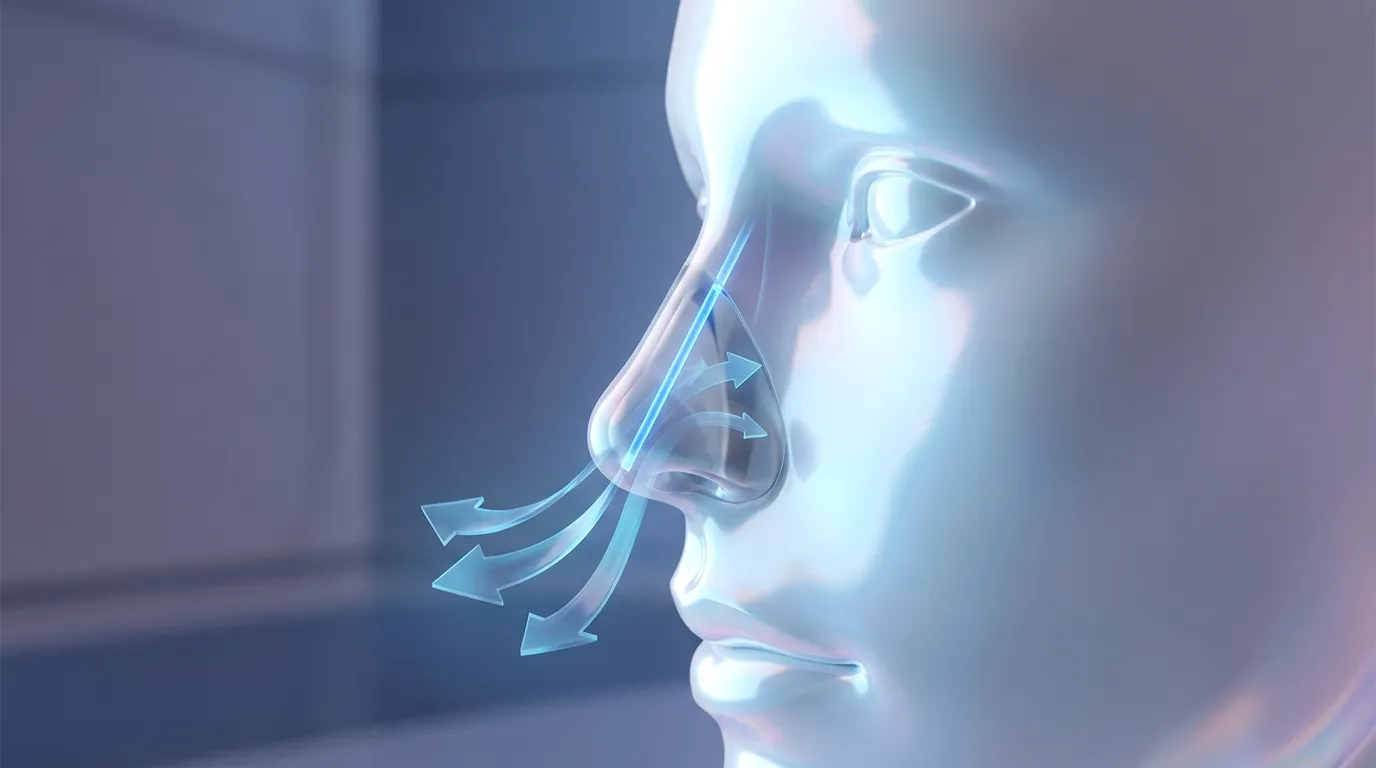
If you’re considering septoplasty to breathe better, it’s normal to wonder whether it changes your nose shape—especially if you like how your nose looks now. Septoplasty is primarily a functional procedure to improve airflow, not a cosmetic surgery to reshape the outside of the nose.
Think of it like straightening an interior wall to open a hallway: the goal is to improve flow through the space, not remodel the exterior.
Quick answer: Does septoplasty change the outside shape?
In most cases, no. Septoplasty straightens the internal septum to improve breathing and reduce obstruction; it does not change the bridge, tip, or nostril shape.
Right after surgery, temporary swelling, congestion, and healing can make the nose look or feel different. In some severe deviations, small visible changes may occur if support or alignment is affected.
Rule of thumb: septoplasty works on the inside; rhinoplasty works on the outside.
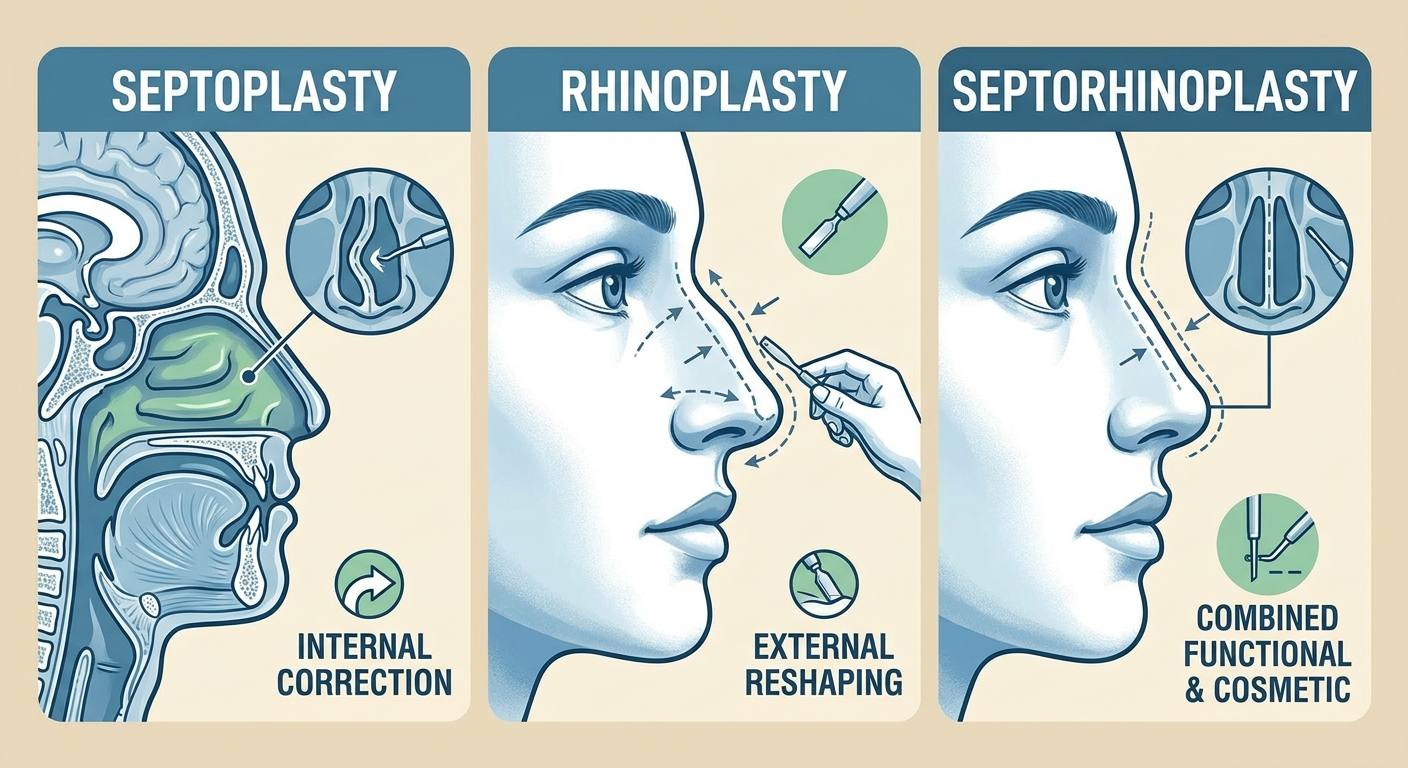
Septoplasty vs. rhinoplasty in plain language
Septoplasty is an internal repair to straighten the septum and improve airflow. Rhinoplasty is cosmetic surgery to change external appearance such as the bridge, tip, nostrils, or overall size. Septorhinoplasty combines breathing and appearance goals in one procedure.
If you want more background on septal issues and symptom pathways, start here: https://sleepandsinuscenters.com/deviated-septum-relief
What septoplasty actually fixes (and why it’s done)
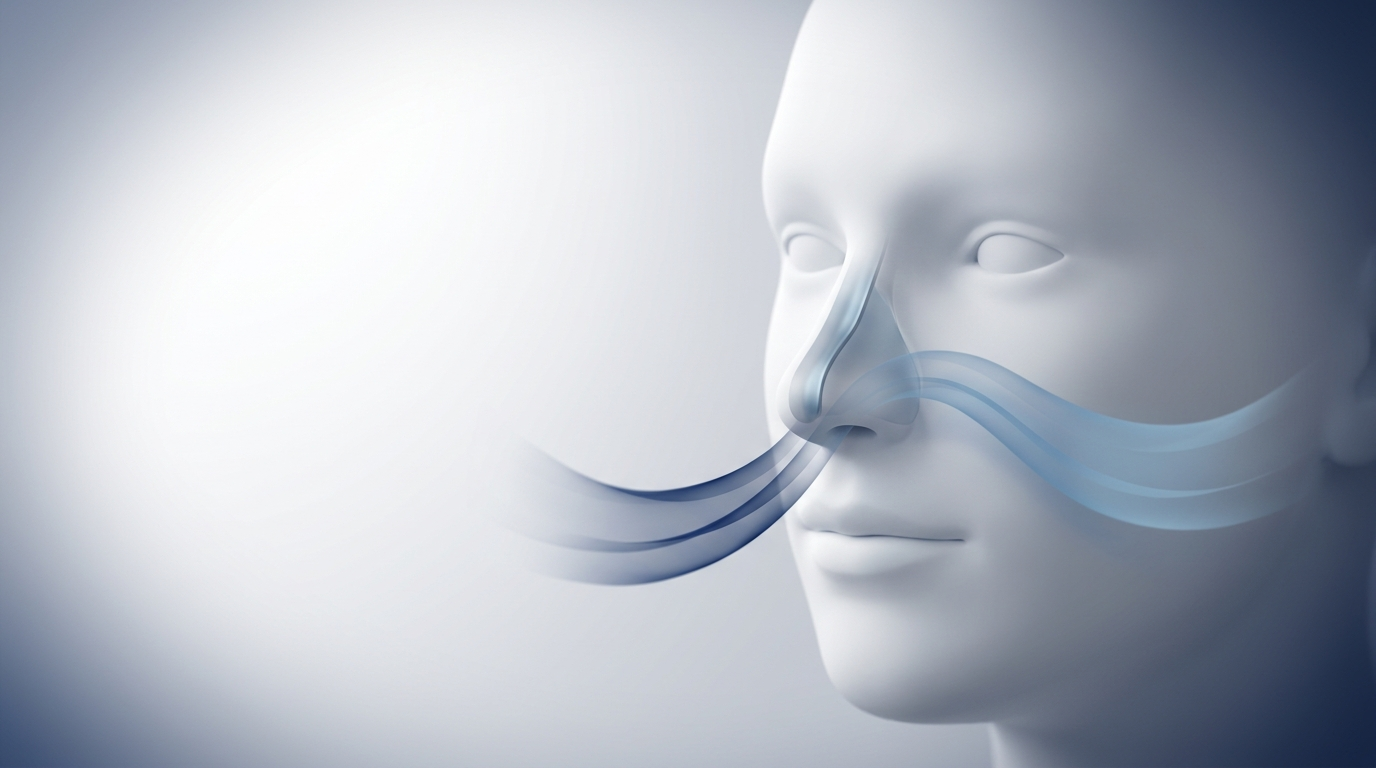
The nasal septum of cartilage and bone divides the nose into left and right airways. When it’s significantly crooked (a deviated septum), airflow can be blocked on one or both sides. Septoplasty improves breathing by repositioning or trimming obstructing portions while preserving enough support so the nose maintains its structure.
In practical terms, septoplasty opens the airway from the inside with a “straighten while preserving support” mindset, because the septum also acts like an internal support beam.
More on symptoms and treatment pathways: https://sleepandsinuscenters.com/deviated-septum-relief
Preparing for a visit? A helpful checklist: https://sleepandsinuscenters.com/blog/7-signs-you-need-a-septoplasty-when-to-see-an-ent-20260621153302
Bottom line: septoplasty is designed to improve airflow by addressing internal structure while maintaining support.

Symptoms that might suggest a deviated septum
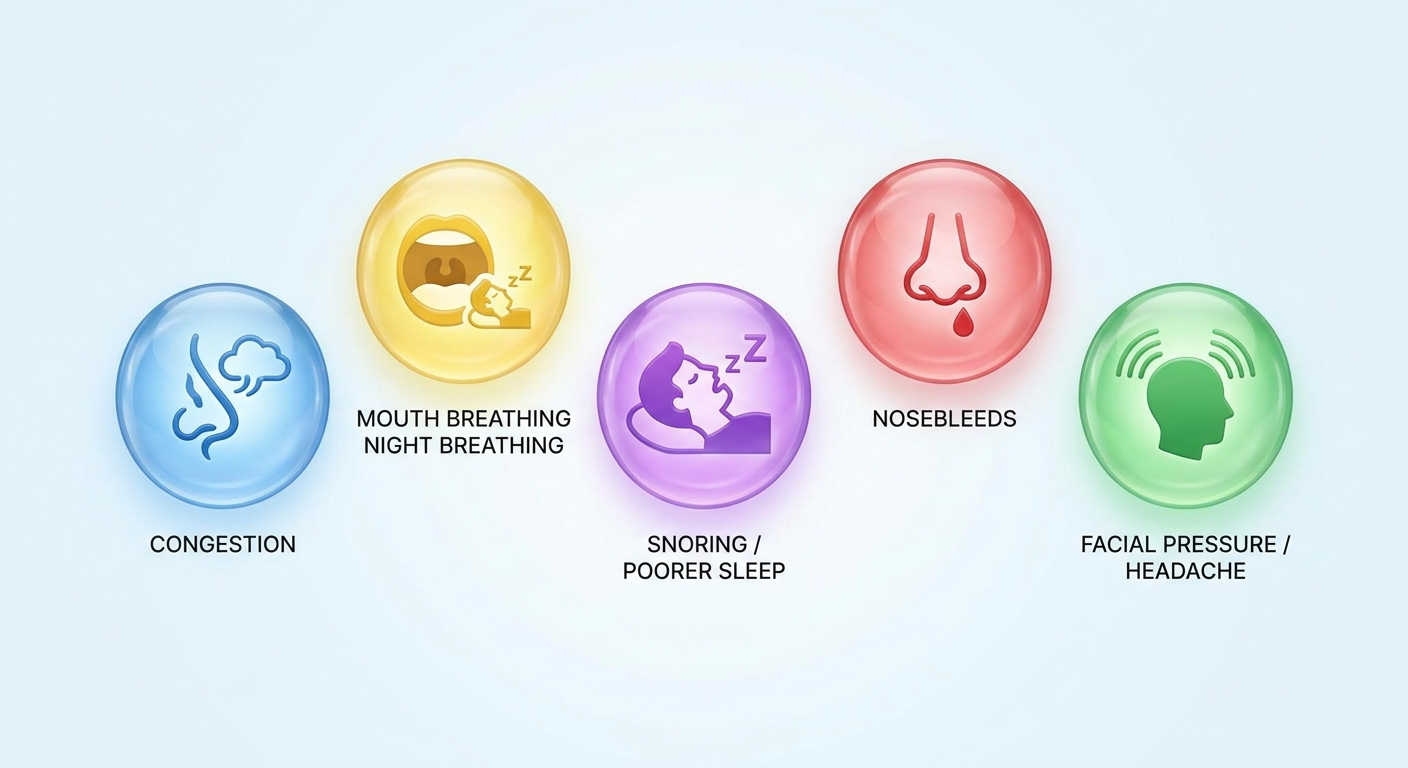
Common symptoms include chronic nasal congestion (often worse on one side), mouth breathing especially at night with morning dryness, snoring or poorer sleep from restricted airflow, recurrent sinus symptoms or drainage issues, nosebleeds, and facial pressure or headaches (often multifactorial).
Examples: some people sleep better on one side because one nostril opens more in that position; others notice congestion that doesn’t track with seasons or allergy triggers, suggesting anatomy is part of the story. Pre-visit guide: https://sleepandsinuscenters.com/blog/7-signs-you-need-a-septoplasty-when-to-see-an-ent-20260621153302
If these symptoms resonate, an ENT can evaluate whether septal deviation contributes to your obstruction.
Common causes of a deviated septum
Deviations can arise from natural growth and development, trauma from sports or falls, prior nasal fracture healing, or prior nasal surgery. Even without a memorable injury, small impacts over time or an old childhood bump can contribute and may become more noticeable with age. A deviation can be present from birth or develop gradually.
Why septoplasty usually does not change nose shape
Septoplasty is performed inside the nose to improve internal airflow and alignment, not to alter external nasal bones, cartilages, or skin thickness. External appearance is mostly determined by the nasal bones, upper and lower lateral cartilages, tip-support structures, and skin, so most patients see little to no visible change—exactly what many want when the goal is breathing.
What if my nose looks different early on?
Perceived changes are common early after surgery due to swelling, temporary congestion, and altered sensation. As swelling subsides and airflow evens out, the external appearance typically returns to baseline when no cosmetic work was done.
When septoplasty can change nose shape
Visible change is uncommon but possible. Correcting a major internal deviation may make the nose look slightly straighter. Because the septum contributes to internal support, altering septal cartilage can influence tip position, the columella, or minor contours. Rare complications that could affect appearance include persistent swelling or scar tissue, septal perforation, or structural weakening that leads to collapse. When changes occur, they are usually subtle.

Septoplasty vs. rhinoplasty vs. septorhinoplasty: Which one do you need?
Septoplasty alone is often enough when your main concern is breathing obstruction, you like your nose’s appearance, and evaluation shows septal deviation is a major contributor. It may also be recommended for significant symptoms from septal deformity or certain cases of difficult nosebleeds.
Discuss combined septorhinoplasty if you want cosmetic changes such as tip refinement, hump reduction, or nostril symmetry, or if obstruction involves more than the septum (for example nasal valve issues or external deviation). Valve-related information: https://sleepandsinuscenters.com/blog/nasal-valve-collapse-treatment-effective-solutions-and-options
Questions to ask: Is my obstruction from the septum, turbinates, valves, or a combination? Do you expect any visible change from septoplasty alone? If I want cosmetic changes, what options are realistic and can they be safely combined with functional goals?
Start with your primary goal—breathing, appearance, or both—to guide the right procedure.
Treatment options for nasal obstruction
Many blocked noses can be improved without surgery, depending on the cause; procedures are considered when anatomy is the limiting factor.
Lifestyle and at-home strategies include saline rinses or sprays, allergen reduction when allergies are involved, humidification to reduce dryness or irritation, and avoiding overuse of topical decongestant sprays to prevent rebound. These do not fix a deviated septum but can reduce swelling around it.
Medical treatments may include intranasal steroid sprays, antihistamines when allergy patterns are present, and treatment for chronic rhinitis or sinusitis when appropriate. Medications often help when inflammation drives symptoms; surgery is more relevant when structure limits airflow.
Surgical options include septoplasty, turbinate reduction when turbinates are enlarged, functional nasal valve repair for collapse or narrow valves, and septorhinoplasty when combining function and appearance. Turbinate overview: https://sleepandsinuscenters.com/blog/everything-you-need-to-know-about-turbinate-reduction
Treatment plans usually begin conservatively and target the specific cause of obstruction.
Recovery timeline and what to expect visually
First week: expect congestion and reduced airflow while swelling is highest, mild bleeding or drainage, and internal tenderness or pressure. Swelling can make the tip or nostrils look temporarily different.
Weeks 2–6: breathing typically improves as internal swelling decreases, and external appearance usually returns to baseline when no cosmetic work was done. Judge progress by week-to-week trends rather than day-to-day changes.
Contact your surgeon for worsening pain, fever, heavy bleeding, new external collapse or asymmetry that progresses, or obstruction that does not improve over the expected window. Give healing time; early swelling can temporarily alter how the nose looks and feels.

FAQs
Can septoplasty make my nose look straighter? Sometimes, especially if a severe internal deviation contributed to visible asymmetry, but it is usually subtle and not guaranteed.
Will septoplasty change my nose tip? Usually no. Temporary swelling can make the tip look different early on; small structural changes are possible depending on anatomy and technique.
If I want a smaller nose, do I need rhinoplasty? Yes—cosmetic changes are typically addressed with rhinoplasty.
Can septoplasty fix nasal valve collapse? Not always; nasal valve problems may require additional functional procedures. Overview: https://sleepandsinuscenters.com/blog/nasal-valve-collapse-treatment-effective-solutions-and-options
Why do doctors recommend septoplasty? Common reasons include nasal obstruction, recurrent or hard-to-control nosebleeds in some cases, and septal deformity that significantly affects function.
How do I know if my blockage is from a deviated septum or allergies? Allergies often fluctuate and may include sneezing, itching, and watery symptoms; a deviated septum often feels more constant and can be one-sided. A clinician can determine this through your symptoms, exam, and sometimes further testing.
Key takeaways
Septoplasty is a functional surgery to improve airflow by straightening the septum. For most people, it does not change nose shape, or only does so temporarily due to swelling. In select cases—severe deviations, support changes, or rare complications—small visible changes can occur. If you want cosmetic changes, discuss rhinoplasty or septorhinoplasty.
Next steps
If you are exploring options for breathing and want a plan based on your anatomy and goals, Sleep and Sinus Centers of Georgia offers educational resources and consultations. Book an appointment: https://www.sleepandsinuscenters.com/
References
1. https://www.ncbi.nlm.nih.gov/books/NBK567718/
2. https://www.healthline.com/health/septoplasty
3. https://www.mayoclinic.org/tests-procedures/septoplasty/about/pac-20384670
Disclaimer
This article is for educational purposes only and is not medical advice. Please consult a qualified healthcare provider for diagnosis and treatment.
Don’t let allergies slow you down. Schedule a comprehensive ENT and allergy evaluation at Sleep and Sinus Centers of Georgia. We’re here to find your triggers and guide you toward lasting relief.