Why Am I Snoring All of a Sudden? Causes and Solutions for Sudden Snoring
If you’ve started snoring and it seems to have come out of nowhere, it can feel unsettling—especially if you’ve never been a “snorer.” The reassuring news is that new or suddenly noticeable snoring is often tied to something temporary, like a cold, allergies, or a short-term change in routine. In many cases, once the trigger clears, the snoring fades.
Still, new snoring can sometimes be your first clue that your upper airway is narrowing during sleep. If snoring becomes persistent or comes with symptoms like gasping, choking, or excessive daytime sleepiness, it’s worth getting evaluated.
Below is a patient-friendly guide to common reasons for newly noticeable snoring, what you can try right away, and how to recognize red flags that shouldn’t be ignored. Bottom line: most sudden-onset snoring has a fixable trigger, but persistent or symptomatic snoring deserves a closer look.
Quick answer: Why sudden snoring happens
Most suddenly noticeable snoring boils down to one thing: airflow is moving through a tighter space than usual. Common reasons include:
- Temporary nasal blockage (colds, allergies, sinus issues)
- Alcohol or sedatives, especially close to bedtime
- Weight changes that affect the upper airway
- Back sleeping (position-related narrowing)
When your airway narrows, the tissues around it are more likely to vibrate—so snoring may seem to start “all of a sudden” over a short period. (Mayo Clinic, 2023; Cleveland Clinic, 2023; NHS, 2024) [1–3]
These symptoms can suggest obstructive sleep apnea and should be evaluated if snoring is persistent and comes with choking/gasping, witnessed pauses in breathing, or excessive daytime sleepiness. (Mayo Clinic, 2023; NHS, 2024) [1,3] If snoring sticks around or comes with breathing pauses or severe sleepiness, don’t wait to get it checked.

What snoring sounds like (and what it means)
The basic mechanics (patient-friendly): Snoring happens when airflow is partially blocked during sleep. Picture breathing through an open hallway (quiet) versus a narrowed doorway (turbulence). That turbulence makes nearby soft tissues vibrate—creating the sound of snoring.
Common “bottlenecks” include:
- The nose (congestion, narrowing, structural blockage)
- The soft palate/uvula
- The tonsils and surrounding throat tissues
- The base of the tongue (especially when sleeping on your back)
A practical example: if you’re congested and switch to mouth breathing, your throat tissues may dry out and vibrate more—so a partner might say, “You sounded totally different last night.”
Sudden vs. long-term snoring:
- Sudden: usually linked to a recent change—an illness, allergies, medication changes, alcohol, weight change, or sleeping position.
- Long-term: more likely tied to anatomy, chronic nasal inflammation, or untreated obstructive sleep apnea. (Mayo Clinic, 2023; NHS, 2024) [1,3]
Snoring that feels “new” often has a recent trigger; snoring that’s long-standing may reflect anatomy or sleep apnea.
Symptoms that often come with sudden snoring
Common, non-emergency symptoms you might notice:
- Stuffy nose or post-nasal drip
- Dry mouth or sore throat on waking
- Snoring that’s worse on your back
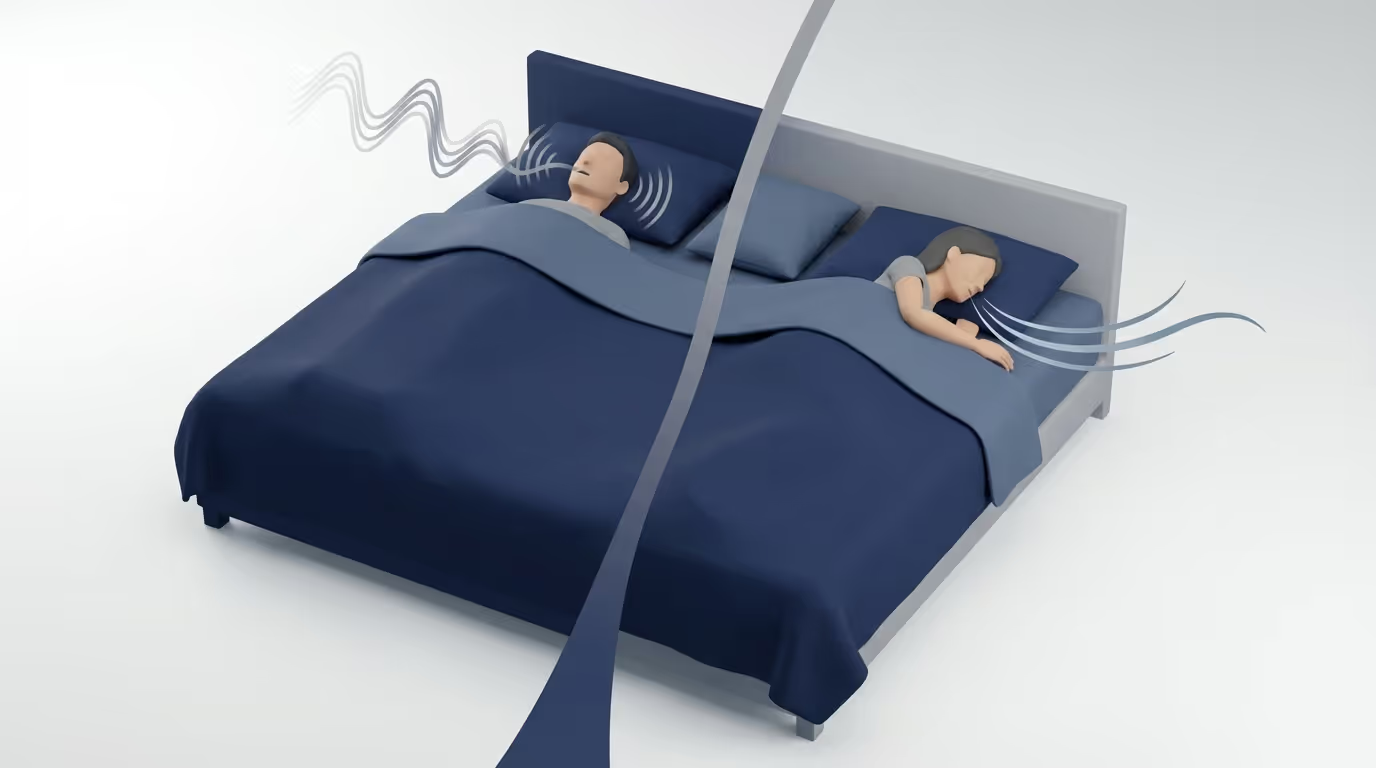
- A bed partner reporting louder snoring than usual
Many people describe this as, “I didn’t even know I snored until someone told me,” or, “It only started when I was sick.”
Red-flag symptoms (don’t ignore):
- Gasping or choking during sleep
- Witnessed pauses in breathing
- Excessive daytime sleepiness, brain fog, or morning headaches
- High blood pressure (especially if new or hard to control)
- Persistent throat symptoms (including reflux-like symptoms) or persistent hoarseness/voice changes
These can overlap with obstructive sleep apnea symptoms or structural airway issues. (Cleveland Clinic, 2023; Mayo Clinic, 2023; NHS Scotland pathway, 2024) [1,2,4] If your snoring comes with breathing pauses, choking, or major daytime sleepiness, treat that as a priority.
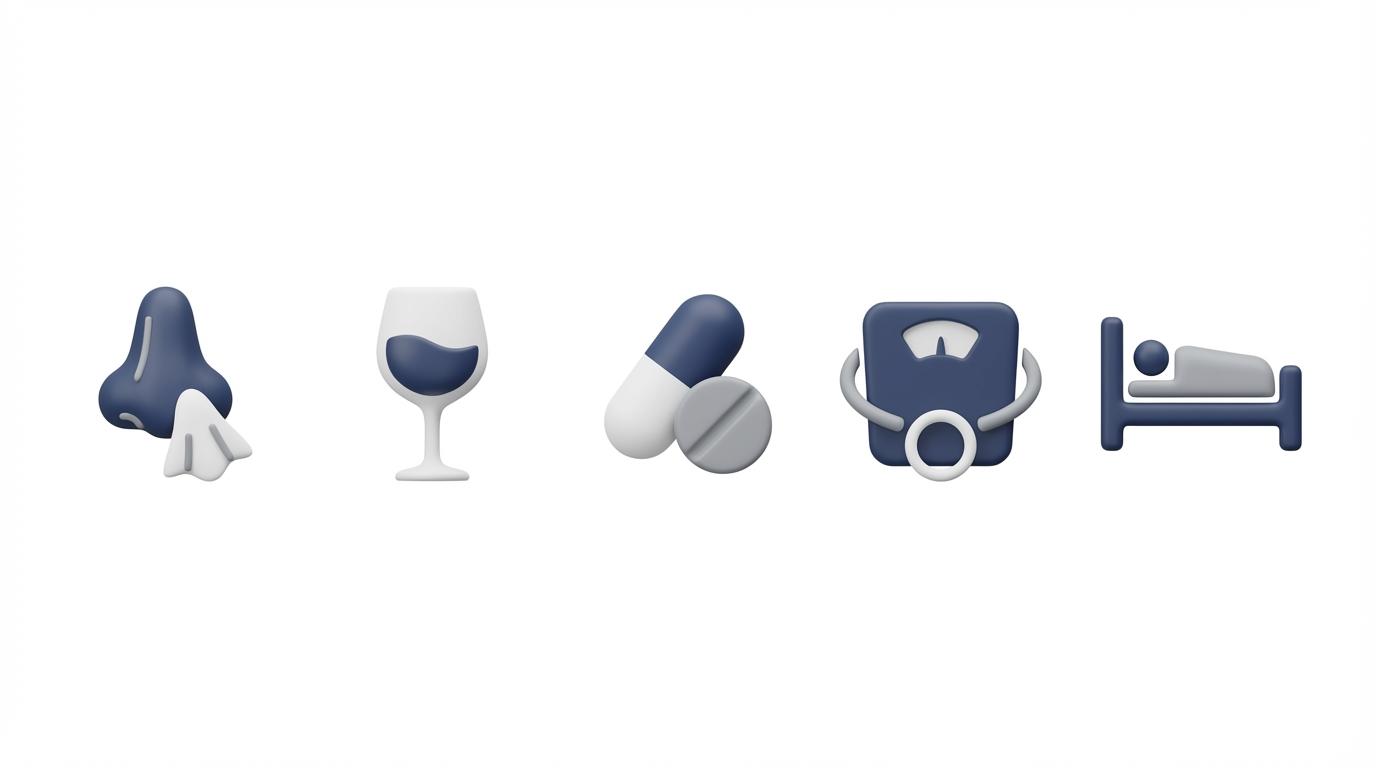
Most common causes of sudden snoring (and why they happen)
1) Nasal congestion from a cold, sinusitis, or allergies
Why it triggers snoring: A blocked nose often forces mouth breathing, which can increase airway resistance and vibration in the throat.
Common clues: seasonal timing, sneezing, itchy eyes; facial pressure or thick drainage; a recent upper respiratory infection.
See how allergies and nasal swelling impact airflow: https://sleepandsinuscenters.com/blog/how-allergies-causing-snoring-connect-to-ent-health (Mayo Clinic, 2023; NHS, 2024) [1,3]
Short-term congestion is a very common, fixable driver of new snoring.
2) Alcohol use (especially close to bedtime)
Alcohol can relax the muscles that help keep the airway open during sleep, increasing the likelihood of narrowing and vibration—even if you usually don’t snore. (Mayo Clinic, 2023; Cleveland Clinic, 2023) [1,2]
Many people notice “social snoring” after a late dinner, drinks, and shorter sleep. If alcohol seems to trigger snoring, cutting back near bedtime often helps.
3) Sedatives and certain medications
Some medications may worsen snoring by relaxing airway muscles or increasing sleep depth. Common categories include sleep aids, anti-anxiety medications, and muscle relaxants.
If you suspect a connection, discuss it with your prescribing clinician rather than stopping a medication on your own. (Mayo Clinic, 2023; Cleveland Clinic, 2023) [1,2]
4) Recent weight change (including neck/upper airway changes)
Weight gain can be associated with snoring and can increase the risk of sleep apnea because added soft tissue around the neck and throat can narrow the airway and increase vibration. (Mayo Clinic, 2023; Healthline, 2023) [1,5]
More detail on mechanisms and ENT options: https://sleepandsinuscenters.com/blog/why-weight-gain-increased-snoring-happens--and-how-ent-can-help-a6c87
Small changes in weight can shift airway size enough to make snoring newly noticeable.
5) Sleep position changes (back sleeping)
Back sleeping can make snoring louder because gravity can pull the tongue and soft palate backward, reducing airway space.
If position seems to be a factor, try this guide: https://sleepandsinuscenters.com/blog/best-sleeping-position-for-snoring-mild-apnea
Side-sleeping strategies are a simple, low-risk place to start for position-related snoring.
6) Nasal or throat structural issues (that become noticeable “all of a sudden”)
Sometimes what feels like sudden snoring is a tipping point—your anatomy may have been borderline for years, and then inflammation, aging, congestion, or weight change pushes airflow into a more narrowed pattern.
Possible contributors include deviated septum, enlarged turbinates, nasal valve collapse, enlarged tonsil tissue, and jaw/tongue position factors. (Mayo Clinic, 2023; NHS Scotland pathway, 2024) [1,4]
An ENT exam can clarify whether anatomy is the main driver.
7) Pregnancy, menopause, and other hormonal shifts
Hormonal changes can affect nasal congestion, fluid retention, and airway tone. If timing lines up with a life-stage transition, it may be part of the picture. If hormones are involved, supportive measures for congestion and sleep position can still help.
Could sudden snoring be sleep apnea?
Snoring vs. obstructive sleep apnea (OSA): Snoring can occur without sleep apnea. But in OSA, the airway repeatedly narrows or collapses during sleep, which can reduce oxygen levels and fragment sleep quality. (Mayo Clinic, 2023; Cleveland Clinic, 2023; NHS, 2024) [1–3]
If a partner says, “You stop breathing for a moment,” that’s a key reason to seek evaluation. Loud, persistent snoring with breathing pauses is a hallmark reason to test for OSA.
A simple “risk check” (reader self-screen): consider talking with an ENT or sleep specialist if you answer “yes” to multiple:
- Has anyone noticed you stop breathing or gasp?
- Do you wake unrefreshed, feel sleepy, or get morning headaches?
- Do you have high blood pressure?
- Has a partner noticed worsening over weeks or months?
If you check more than one box, a sleep evaluation is reasonable.
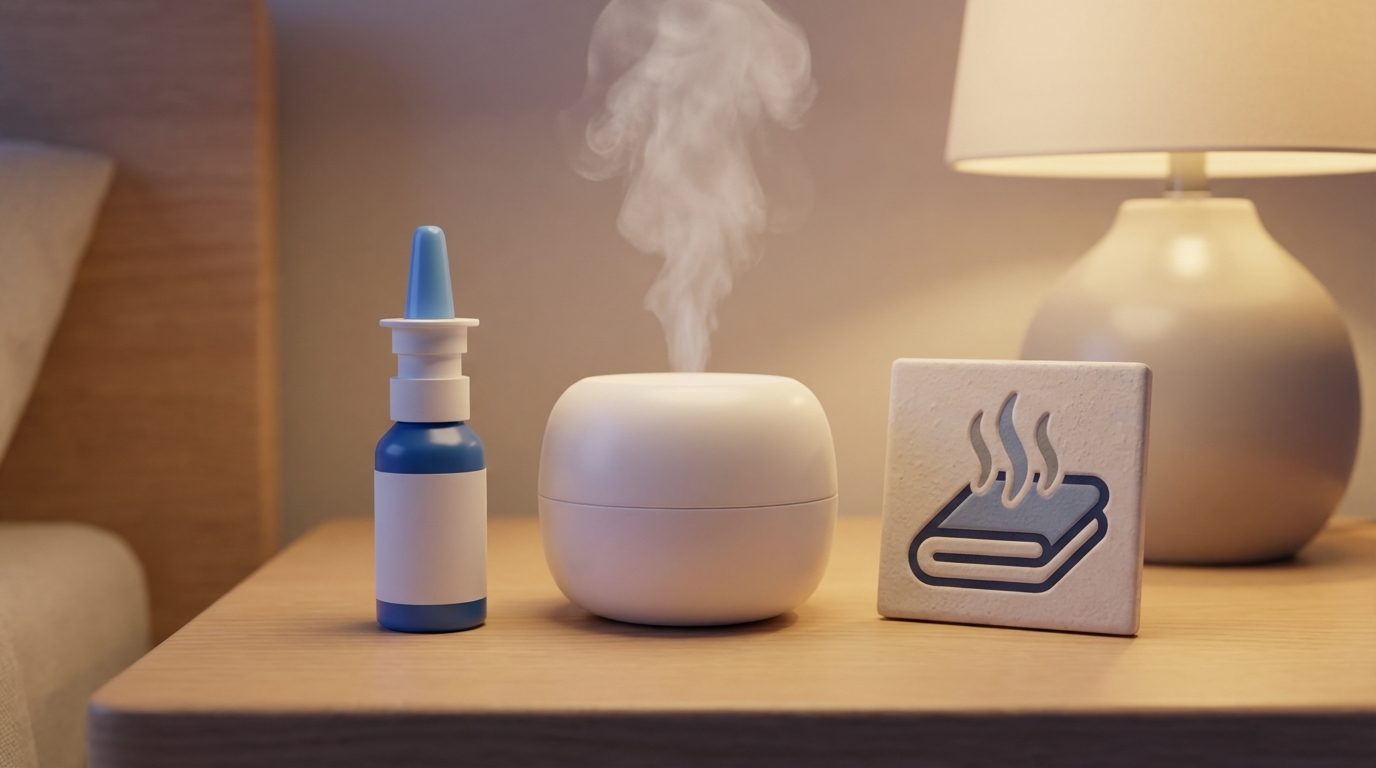
What you can do tonight: practical solutions for sudden snoring
These educational strategies are commonly used to reduce snoring triggers. If you have medical conditions, are pregnant, or take prescription medications, check with a clinician before trying new over-the-counter (OTC) products.
If congestion is the trigger:
- Saline rinse or saline spray
- Humidification (especially in dry rooms)
- Warm shower/steam before bed
- Allergy exposure reduction (dust, pet dander, pollen control)
OTC products vary. Antihistamines may help allergy-driven symptoms, while decongestants may help short-term swelling for some people. These medications are not appropriate for everyone and can interact with conditions or prescriptions—read labels carefully and follow clinician guidance.
When to escalate: symptoms lasting more than 10 days, severe facial pain/fever, or frequent/recurring sinus infections should be discussed with a clinician. (NHS, 2024; Mayo Clinic, 2023) [1,3]
If alcohol or sedatives are the trigger:
- Avoid alcohol several hours before bed; avoid combining alcohol with sedating medications unless advised by your clinician. (Mayo Clinic, 2023; Cleveland Clinic, 2023) [1,2]
If weight change is a factor:
- Gradual, sustainable habits can help. If you also have red flags (pauses, gasping, excessive sleepiness), evaluate for sleep apnea rather than relying on lifestyle change alone. (Healthline, 2023; Mayo Clinic, 2023) [1,5]
If back-sleeping is the trigger:
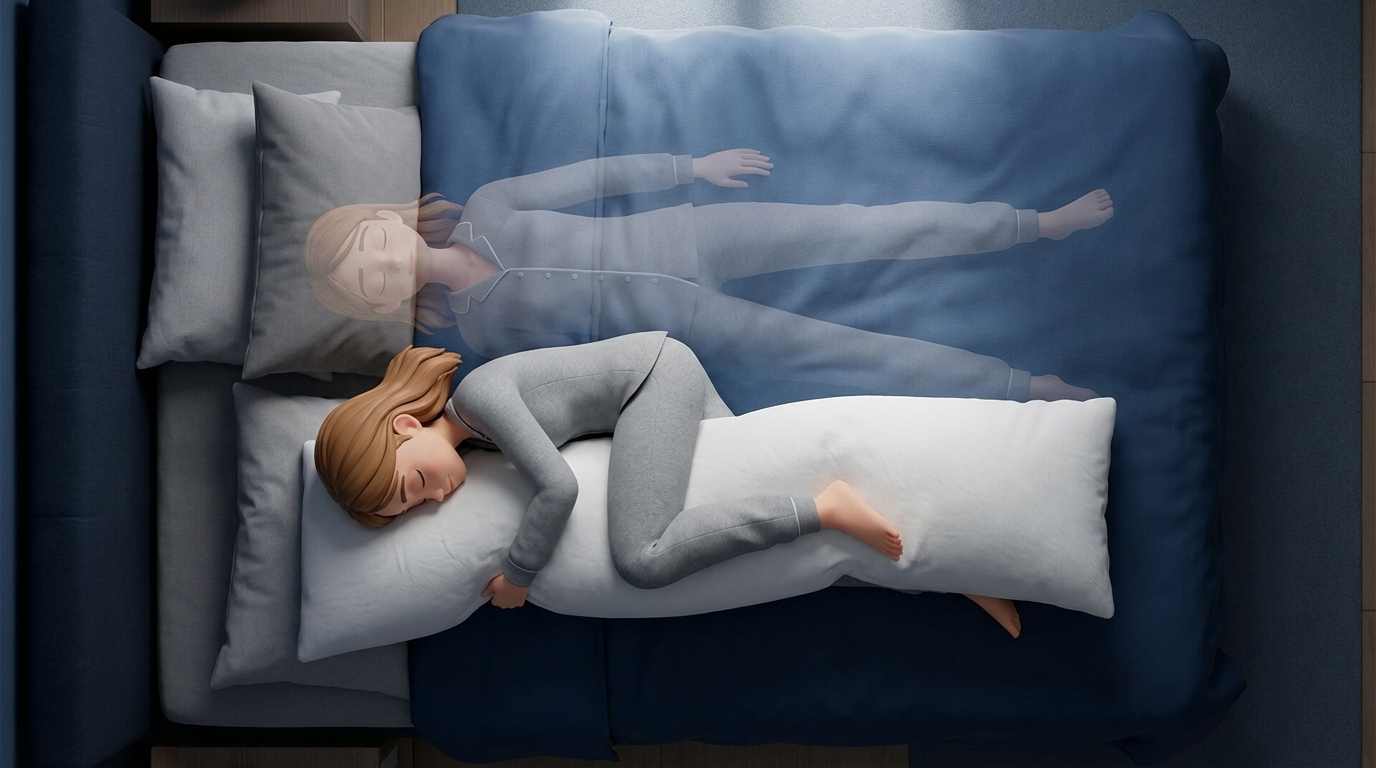
- Try side-sleeping supports (pillows behind the back, body pillow alignment)
- Consider positional therapy concepts that discourage rolling onto your back overnight
What not to do:
- Avoid using topical nasal decongestant sprays longer than directed (rebound congestion risk)
- Don’t power through severe sleepiness—especially if you drive or have safety-sensitive tasks
- Don’t ignore red flags (pauses, choking, major daytime sleepiness)
Medical treatments and ENT solutions (when home fixes aren’t enough)
What an ENT or sleep specialist may evaluate:
- A nasal and throat exam (sometimes with endoscopy if indicated)
- Discussion of allergy patterns and chronic nasal inflammation
- Review of airway anatomy and risk factors
- Whether a sleep study makes sense (NHS Scotland pathway, 2024) [4]
Diagnostic tests you might hear about:
- Home sleep apnea test (HSAT): often used when obstructive sleep apnea is strongly suspected and there aren’t complex medical factors.
- In-lab polysomnography: a comprehensive overnight study that monitors multiple body signals and may be recommended depending on symptoms and history.
Treatment options (matched to the cause):
- Nasal blockage/rhinitis/sinusitis: targeted medical therapy; addressing structural obstruction when appropriate
- OSA management: CPAP/APAP, oral appliance therapy for selected patients, positional strategies, and lifestyle changes
- Procedure options (selected patients): anatomy-guided approaches may be discussed after an exam and/or sleep study results (Mayo Clinic, 2023; Cleveland Clinic, 2023; NHS, 2024) [1–3]
When to seek prompt evaluation:
A practical rule of thumb: consider evaluation if new snoring lasts more than 2–4 weeks despite addressing likely triggers—or sooner if you have red flags like pauses, choking, excessive daytime sleepiness, or persistent hoarseness/voice change. (NHS, 2024; NHS Scotland pathway, 2024) [3,4]
This is also the clearest answer to when to see an ENT for snoring: when it’s persistent, worsening, disrupting sleep quality, or paired with symptoms suggestive of sleep apnea.
Lifestyle tips to help prevent sudden snoring from returning
Sleep habits that support quieter breathing:
- Keep a consistent sleep schedule when possible
- Avoid very heavy meals close to bedtime (especially if reflux is an issue)
- Consider reflux-trigger awareness if nighttime symptoms are present
Bedroom air and allergy control:
- Wash bedding regularly in hot water (as fabric allows)
- Reduce bedroom dust accumulation
- Consider HEPA filtration if allergies are suspected
Long-term airway-friendly habits:
- Aim for steady weight management if weight has changed recently
- Limit evening alcohol if it reliably triggers symptoms
- If snoring started after a new prescription, consider a medication review with your clinician
FAQs about sudden snoring
Why am I snoring all of a sudden even though I’m not sick?
- Common possibilities include alcohol near bedtime, sedating medications, sleeping on your back, subtle nasal obstruction, weight change, or hormonal shifts. Sometimes multiple small factors stack together—e.g., mild allergies plus back-sleeping plus a glass of wine.
Can allergies really cause snoring overnight?
- Yes. Allergies can cause nasal swelling and blockage quickly, leading to mouth breathing and increased airway resistance. (NHS, 2024; Mayo Clinic, 2023) [1,3]
Is sudden snoring always sleep apnea?
- Not always. But if new snoring is persistent and comes with gasping, witnessed breathing pauses, or excessive sleepiness, obstructive sleep apnea becomes more likely and should be evaluated. (Cleveland Clinic, 2023; Mayo Clinic, 2023) [1,2]
When should I see a doctor for snoring?
- Consider an evaluation if it lasts more than 2–4 weeks; your partner notices pauses or you wake gasping; you have excessive daytime sleepiness, morning headaches, or high blood pressure; you have persistent throat symptoms or persistent hoarseness/voice changes. (NHS, 2024; NHS Scotland pathway, 2024) [3,4]
Will losing weight stop snoring?
- It often helps when weight is a driver and can reduce sleep apnea risk/severity for some people—but snoring can also come from congestion, anatomy, or medications, so weight isn’t the only factor. (Healthline, 2023; Mayo Clinic, 2023) [1,5] If symptoms suggest sleep apnea, testing is important regardless of weight.
Conclusion and next steps
Most suddenly noticeable snoring is linked to congestion, alcohol/sedatives, sleep position, or airway narrowing from weight or anatomy—and many cases improve once the trigger resolves. But if you’ve started snoring and it’s sticking around, or if you notice choking, pauses in breathing, or excessive daytime sleepiness, it’s worth getting checked for sleep apnea or structural blockage.
If you’d like a clear plan based on your symptoms and anatomy, book an appointment with an ENT (otolaryngology) team at Sleep and Sinus Centers of Georgia: https://www.sleepandsinuscenters.com/ Persistent or symptomatic snoring is treatable—an evaluation helps you choose the right path.
References
1. Mayo Clinic. Snoring (2023). https://www.mayoclinic.org/diseases-conditions/snoring/symptoms-causes/syc-20377694
2. Cleveland Clinic. Snoring (2023). https://my.clevelandclinic.org/health/diseases/15580-snoring
3. NHS. Snoring (2024). https://www.nhs.uk/symptoms/snoring/
4. NHS Scotland / Right Decisions. Adult snoring clinical pathway (2024). https://www.rightdecisions.scot.nhs.uk/nhs-tayside-refguide/specialist-surgery-and-specialist-services/ent/snoring-adult/?topic=local-pathways
5. Healthline. Does weight gain cause snoring? (2023). https://www.healthline.com/health/healthy-sleep/does-weight-gain-cause-snoring
This article is for educational purposes only and is not medical advice. Please consult a qualified healthcare provider for diagnosis and treatment.
Don’t let allergies slow you down. Schedule a comprehensive ENT and allergy evaluation at Sleep and Sinus Centers of Georgia. We’re here to find your triggers and guide you toward lasting relief.