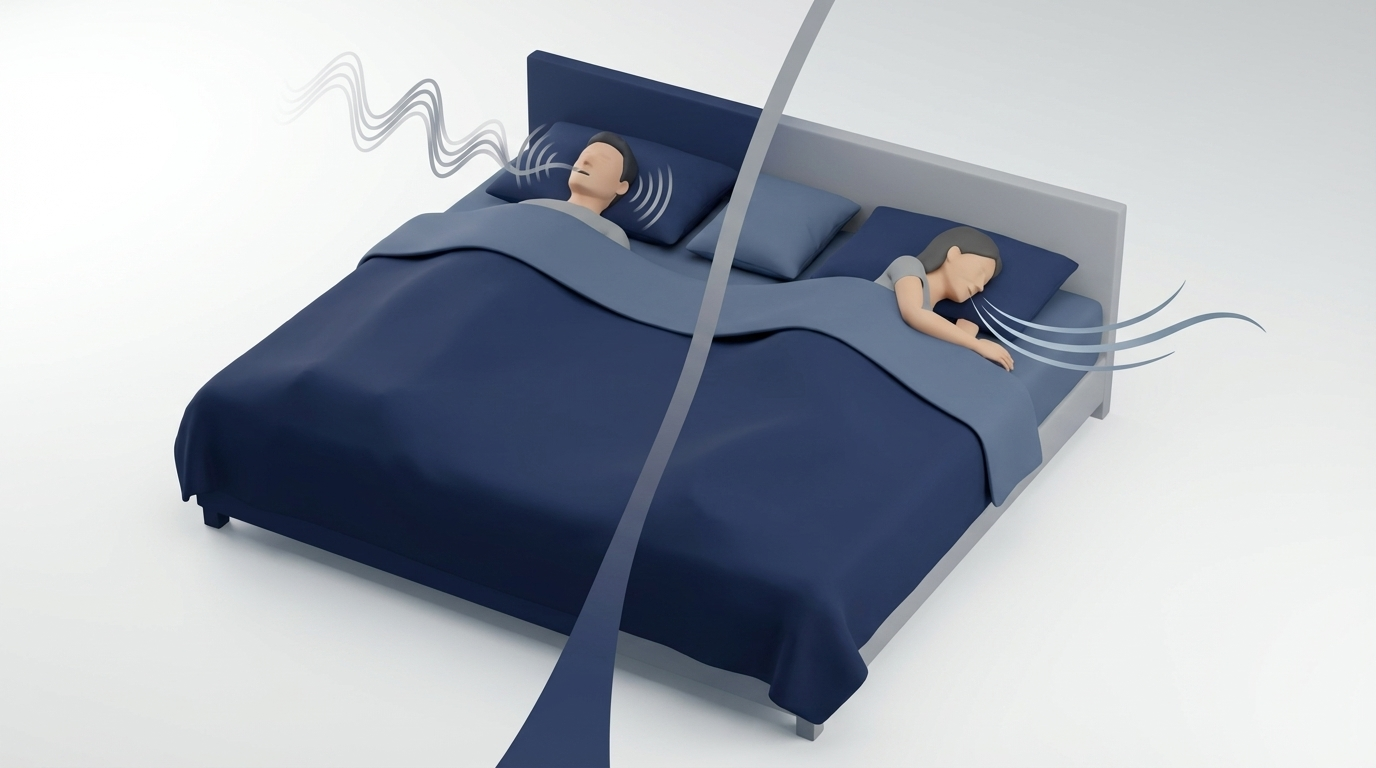
What Causes Snoring in Females? Common Causes and Effective Solutions
Snoring can be frustrating, embarrassing, and—sometimes—an important health clue. If you’ve been wondering what causes snoring in females, the answer is usually a mix of airway mechanics, hormones, and everyday factors like congestion or sleep position. The good news: many female snoring causes are treatable once you know what’s driving them.
Below is a patient-friendly guide to snoring in women, what to watch for, and the most effective solution pathways—especially when snoring may be linked to obstructive sleep apnea.
Quick answer: Why women snore (and why it can change over time)
What snoring actually is (simple explanation)
Snoring happens when air has to move through a partially narrowed airway during sleep. As airflow squeezes through, soft tissues (like the soft palate, uvula, and surrounding throat tissues) can vibrate, creating the snoring sound. Think of air moving through a slightly pinched, soft straw—the narrower and “floppier” it is, the louder the vibration can get. The more narrow or collapsible the airway becomes, the louder and more frequent snoring tends to be (Sleep Foundation, 2025).
Why snoring in women is sometimes missed
One reason snoring in women can be overlooked is that women don’t always describe the “classic” picture of loud snoring and obvious breathing pauses. Instead, symptoms may show up as fatigue, insomnia, difficulty falling asleep, or frequent nighttime awakenings; mood changes; morning headaches; or trouble concentrating—patterns that can delay recognition of obstructive sleep apnea in women (SleepApnea.org, 2026).
In other words, the sleep issue may look like “I’m exhausted and can’t sleep well,” rather than “I stop breathing at night.”
Source: https://www.sleepapnea.org/snoring/what-causes-snoring-in-women/
Conclusion: Snoring reflects a narrowed, more collapsible airway—and women’s symptoms can look different, so the problem is easy to miss.
Symptoms to pay attention to (snoring vs. possible sleep apnea)
Common snoring-related symptoms
Snoring can be “simple snoring” or a sign of a bigger issue. Common symptoms that travel with frequent snoring include:
- Loud or frequent snoring
- Dry mouth (often from mouth breathing)
- Sore throat in the morning
- Restless or unrefreshing sleep
A practical example: if you wake up with a dry mouth and your partner notices snoring is worse when you’re congested, nasal blockage and mouth breathing may be a major piece of the puzzle.
Red flags that suggest OSA (not just snoring)
Snoring can also occur alongside obstructive sleep apnea (OSA), where breathing repeatedly partially or fully stops during sleep. Consider an evaluation if snoring is paired with:
- Pauses in breathing witnessed by a partner
- Choking or gasping during sleep
- Morning headaches or elevated blood pressure, which can be associated with OSA
- Excessive daytime sleepiness, insomnia, difficulty falling asleep, or frequent nighttime awakenings
- Frequent nighttime urination
Because untreated OSA is associated with important health and safety risks, these symptoms are worth taking seriously—especially if they’re new or worsening (NHLBI/NIH, 2018).
Conclusion: If snoring comes with breathing pauses or daytime symptoms, it’s smart to get checked for sleep apnea.

Common causes of snoring in females (with clear explanations)
If you’re trying to pinpoint what causes snoring in females, it often comes down to a few core categories: hormonal shifts, weight changes, nasal blockage, anatomy, lifestyle factors, and certain medical conditions (Sleep Foundation, 2025). A useful lens: anything that narrows airflow—or makes airway tissues more likely to relax and vibrate—can worsen snoring.

Hormonal changes (major driver in women)
Hormones influence airway muscle tone, fluid retention, and nasal congestion—all of which affect airflow during sleep.
Pregnancy: why snoring can start or worsen
Contributors can include:
- Weight gain, which can narrow the airway
- Nasal congestion/rhinitis, which increases resistance and promotes mouth breathing
- A tendency for symptoms to become more noticeable later in pregnancy as these changes accumulate
Snoring during pregnancy can be “just snoring,” but in some cases it may overlap with sleep apnea—especially if there’s significant daytime sleepiness, witnessed breathing pauses, or blood pressure issues (Sleep Foundation, 2025; NHLBI/NIH, 2018). For pregnancy-focused strategies, see: https://sleepandsinuscenters.com/blog/how-to-reduce-snoring-during-pregnancy
Menopause: why snoring often increases after midlife
After menopause, lower estrogen and progesterone may reduce airway muscle tone, making the airway more likely to narrow and vibrate during sleep. Menopause is also associated with increased risk for OSA—another reason midlife changes in snoring deserve attention (Sleep Foundation, 2025; SleepApnea.org, 2026).
Conclusion: Hormonal shifts during pregnancy and after menopause can meaningfully change airway behavior and snoring.
Weight gain and obesity (one of the strongest risk factors)
How extra weight increases snoring
Excess weight can increase fatty tissue around the neck and upper airway. That extra tissue may narrow the breathing space, raising the chance of vibration and snoring—and increasing risk for sleep apnea (Sleep Foundation, 2025; NHLBI/NIH, 2018).
Why even modest weight changes can affect snoring
If someone’s airway anatomy is already somewhat narrow, even a modest increase may be enough to worsen airflow and snoring frequency. The “threshold” is different for each person.
The snoring ↔ sleep quality ↔ weight cycle
Snoring and poor sleep can become a loop: disrupted sleep may affect energy, appetite signals, and activity—making healthy routines harder to maintain. This is about airway mechanics and sleep quality, not appearance.
Conclusion: Even small weight changes can tip a borderline airway toward more snoring.

Nasal blockage and congestion (very common—and often treatable)
Nasal resistance is a major driver of mouth breathing, and mouth breathing often makes snoring worse. If your nose is blocked, you may default to mouth breathing, which increases vibration at the soft palate.
Allergies and chronic nasal congestion
Allergies and chronic inflammation can swell nasal tissues and increase resistance, contributing to nasal congestion snoring—especially during high-allergen seasons or in dusty sleeping environments (Sleep Foundation, 2025).
Pregnancy-related rhinitis
Hormonal changes in pregnancy can trigger rhinitis even without allergies, adding another reason pregnancy snoring is common (Sleep Foundation, 2025).
Medication-related congestion (rebound)
Some decongestant sprays can cause rebound congestion when used too frequently or too long, leading to persistent blockage and snoring. A clinician can help with safer long-term options.
Conclusion: Improving nasal breathing often lowers snoring—sometimes dramatically.
Airway anatomy and structural factors
Sometimes the issue is simply how the airway is built—especially if snoring has been present for years or started early in adulthood.
Deviated septum
A deviated septum can block one side of the nose, encouraging chronic mouth breathing during sleep. If you suspect long-term one-sided nasal blockage, learn more: https://sleepandsinuscenters.com/deviated-septum-relief
Enlarged tonsils (and, in children, adenoids)
While enlarged tonsils are more commonly discussed in children, they can still contribute to a crowded throat and snoring in some adults.
Soft palate/uvula shape and “crowded throat” anatomy
A longer soft palate, a narrow throat, or the way the tongue rests during sleep can all increase vibration and snoring volume.
Conclusion: When structure limits airflow, targeted ENT care may help most.
Lifestyle factors that increase snoring in women
Alcohol (especially close to bedtime)
Alcohol relaxes airway muscles, making collapse and vibration more likely—so snoring may worsen when alcohol is consumed close to bedtime (Sleep Foundation, 2025).
Sedatives/sleep aids
Sedatives can have a similar airway-relaxing effect. If snoring seems tied to a medication or sleep aid, discuss options with the prescribing clinician rather than stopping abruptly.
Smoking
Smoking can irritate and inflame upper airway tissues, contributing to swelling and snoring (Sleep Foundation, 2025; SleepApnea.org, 2026).
Conclusion: What relaxes airway muscles or irritates tissues can make snoring worse—timing and habits matter.
Age and medical conditions (sometimes overlooked)
Aging
With age, natural muscle tone decreases, and the airway can become more collapsible—one reason snoring may increase over time (Sleep Foundation, 2025).
Hypothyroidism
Hypothyroidism can sometimes contribute to snoring or increase OSA risk in some individuals (Sleep Foundation, 2025; SleepApnea.org, 2026).
Conclusion: Aging and some health conditions can increase airway collapsibility, raising snoring risk.

Effective solutions: How to reduce snoring in females (step-by-step)
Think in layers: start with low-risk changes, address nasal airflow, and then consider devices or testing if symptoms suggest sleep apnea.
Start with home and lifestyle changes (low-risk, high-upside)

Sleep position strategies
Back-sleeping can allow the tongue and soft tissues to fall backward, narrowing the airway. Side sleeping and supportive pillows may reduce snoring. Try consistent side-sleeping for 10–14 nights and ask a partner (or use a sleep app recording) whether snoring improves.
Alcohol timing
Many people notice less snoring when alcohol is avoided for several hours before sleep.
Smoking cessation support
Reducing or quitting smoking can decrease airway irritation and may improve snoring over time. Support programs, nicotine replacement options, and coaching can help.
Weight management (if applicable)
Because weight can influence airway size, even gradual, health-focused changes may reduce snoring severity for some individuals.
Bedtime routine and nasal-friendly sleep environment
A consistent schedule, humidified air when appropriate, and allergen reduction (washing bedding, managing dust/pet dander) can help reduce nighttime congestion.
Conclusion: Start with low-risk changes and build up to devices or testing if needed.
Treat nasal obstruction (often a game-changer)
Allergy management
Depending on the cause, options may include saline rinses, clinician-guided nasal sprays, and non-sedating allergy medications. The goal: make nasal breathing easier so airflow is smoother and quieter.
When structural issues need ENT evaluation
Persistent one-sided blockage, frequent sinus infections, or ongoing mouth breathing can suggest a structural issue (like a deviated septum) that may benefit from an ENT evaluation.
Conclusion: Making nasal breathing easy is one of the highest-yield snoring fixes.
Devices and medical treatments (when lifestyle isn’t enough)
Oral appliances (mandibular advancement devices)
These devices reposition the lower jaw to keep the airway more open. Helpful for certain anatomy patterns and mild OSA; they work best when properly fitted.
CPAP for sleep apnea-related snoring
When snoring is driven by OSA, CPAP is often the most effective treatment because it prevents airway collapse, reducing snoring and addressing the underlying breathing problem.
ENT procedures (selected cases)
For some patients, targeted procedures (nasal or palate-focused) may be considered based on anatomy and exam findings.
For an overview of snoring and sleep apnea treatment: https://sleepandsinuscenters.com/snoring-sleep-apnea-treatment
Conclusion: There is no single best solution; the right approach depends on the cause.
When to talk to a sleep specialist (and what testing looks like)
Signs you should get evaluated
Consider a sleep evaluation if you have loud, frequent snoring plus:
- Daytime fatigue or unrefreshing sleep
- Elevated blood pressure
- Witnessed breathing pauses
- Worsening symptoms with pregnancy or after menopause
If symptoms are concerning, consider scheduling with a qualified sleep or ENT specialist. For local care: https://www.sleepandsinuscenters.com/
Home sleep test vs. lab study (simple overview)
Sleep testing is typically done either at home (with portable equipment) or overnight in a sleep lab. The right option depends on symptoms, medical history, and complexity. Comparison: https://sleepandsinuscenters.com/blog/home-sleep-test-vs-lab-study-which-sleep-test-is-best-for-you
Why diagnosis matters
Identifying OSA can improve quality of life (energy, mood, sleep quality) and may reduce long-term cardiovascular risk (SleepApnea.org, 2026; NHLBI/NIH, 2018).
Conclusion: An evaluation clarifies the cause and points to the right treatment plan.
FAQs
Why did I start snoring all of a sudden?
Common reasons include a recent weight change, new nasal congestion/allergies, alcohol closer to bedtime, sedating medications, pregnancy, menopause-related changes, or thyroid issues. If the change is dramatic or comes with daytime symptoms, consider an evaluation.
Is snoring during pregnancy normal? When is it a problem?
Pregnancy snoring is common, but it isn’t always harmless. If snoring is severe or comes with heavy daytime sleepiness, witnessed breathing pauses, or blood pressure concerns, promptly discuss with a clinician (NHLBI/NIH, 2018). Tips: https://sleepandsinuscenters.com/blog/how-to-reduce-snoring-during-pregnancy
Does menopause cause sleep apnea?
Menopause doesn’t guarantee sleep apnea, but it can increase risk, and new or worsening snoring can be a clue (Sleep Foundation, 2025; SleepApnea.org, 2026).
Can allergies really cause snoring?
Yes. Allergies can swell nasal tissues and increase resistance, leading to mouth breathing and more vibration—classic nasal congestion snoring (Sleep Foundation, 2025).
What’s the best solution for snoring in women?
There is no single best solution; the right approach depends on the cause. Generally: rule out sleep apnea if symptoms suggest it, improve nasal breathing, adjust lifestyle factors (sleep position, alcohol timing, smoking), and consider devices or targeted treatments when appropriate.
When should I worry about snoring?
Be concerned if snoring is paired with breathing pauses, choking or gasping, significant daytime sleepiness, morning headaches, elevated blood pressure, or major worsening during pregnancy or after menopause.
Key takeaways
The most common drivers include hormonal shifts (pregnancy/menopause), weight changes, nasal congestion or obstruction, anatomy, lifestyle habits, aging, and conditions like hypothyroidism (Sleep Foundation, 2025; SleepApnea.org, 2026; NHLBI/NIH, 2018). If snoring is frequent or comes with fatigue or breathing pauses, consider evaluation for obstructive sleep apnea in women—symptoms can be easy to miss.
Conclusion: Snoring has many contributors, but most are identifiable and treatable.
Sources
- Sleep Foundation (2025): https://www.sleepfoundation.org/snoring/what-causes-snoring-in-females
- SleepApnea.org (2026): https://www.sleepapnea.org/snoring/what-causes-snoring-in-women/
- National Heart, Lung, and Blood Institute (NIH) (2018): https://www.nhlbi.nih.gov/news/2018/obesity-age-and-snoring-identified-risk-factors-sleep-apnea-pregnancy
Disclaimer
This article is for educational purposes only and is not medical advice. Please consult a qualified healthcare provider for diagnosis and treatment.
Don’t let allergies slow you down. Schedule a comprehensive ENT and allergy evaluation at Sleep and Sinus Centers of Georgia. We’re here to find your triggers and guide you toward lasting relief.