Wide Nose Surgery: Best Rhinoplasty Options for a Wider Nose
A wider nose is common—and often a defining, beautiful part of someone’s look. Still, if you feel your nose looks broader than you’d like (in the bridge, tip, or nostrils), it’s understandable to want to explore options. Wide nose surgery (rhinoplasty for a wide nose) is not about chasing perfection; it’s about creating better facial balance while preserving (or improving) nasal function like breathing.
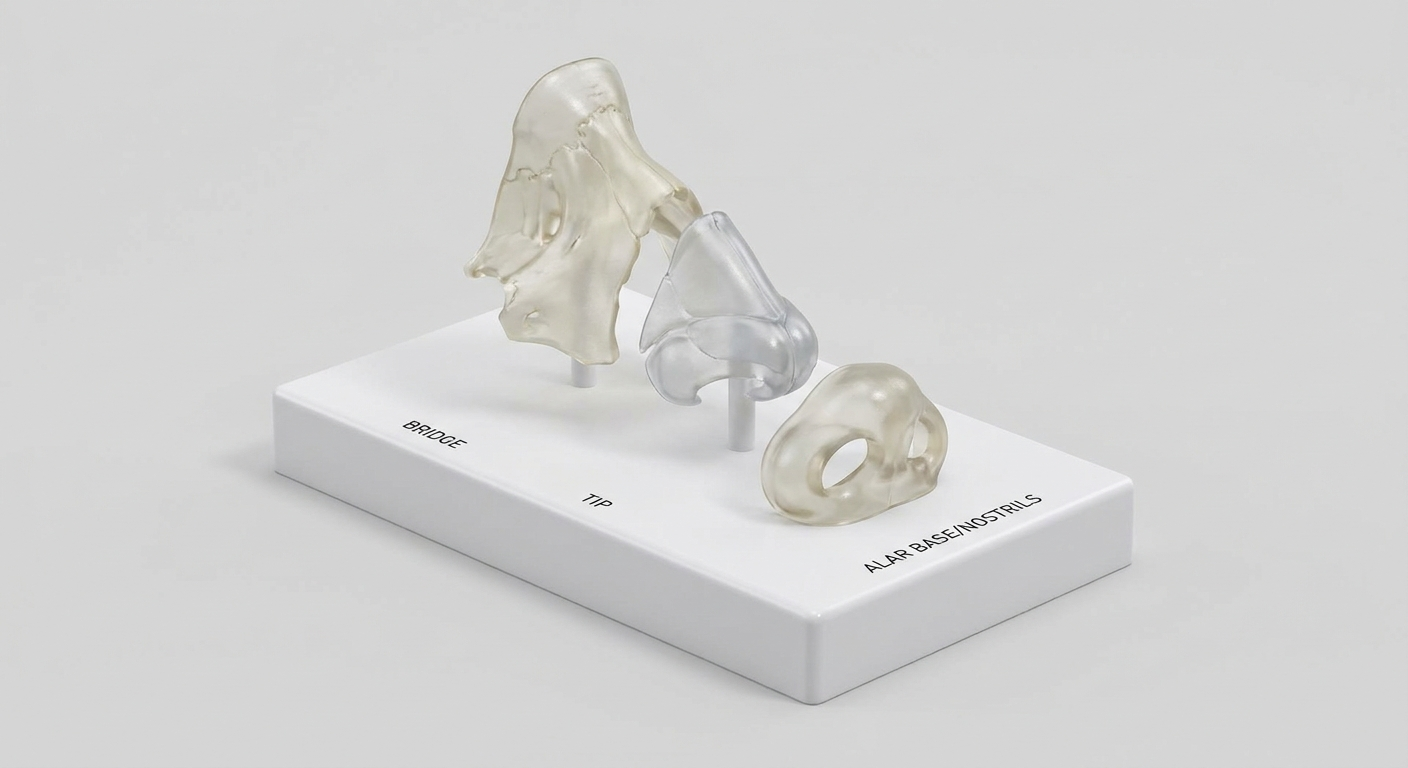
From a rhinoplasty perspective, narrowing a wide nose typically uses a few main tools: osteotomy (to narrow the bony bridge), tip refinement (to reduce a bulbous or wide tip), and alar base reduction (to narrow nostrils or reduce flare). Many patients benefit most from a combination approach rather than a single technique. 1
A helpful way to think about it: a nose can look “wide” for different reasons in different zones—like the roof (bridge), the peak (tip), and the base (nostrils). A good plan identifies which zone(s) are contributing most, then refines only what needs refinement.
What “Wide Nose Surgery” Really Means
When people say they want a “narrower nose,” they may mean different things:
- A narrower bridge (the bony upper part)
- A more defined or narrower tip (cartilage and skin)
- Less nostril flare or a narrower alar base (where the nostrils meet the face)
Wide nose surgery is a set of surgical strategies that can address one—or all—of these areas. The goal is typically a nose that looks more proportional from the front and base views, while still looking natural and fitting your facial features. In modern rhinoplasty, surgeons often use a multimodal plan for wide nasal base concerns. 1
What “natural-looking” narrowing tends to mean in practice:
- From the front view, you may want the bridge to look less broad and the tip less round.
- From the base (nostril) view, you may want less flare—especially when smiling.
- In photos, you may want definition without an “overly pinched” look.
Takeaway: “Wide nose surgery” is really a menu of targeted techniques tailored to the bridge, tip, and/or nostrils to create balance, not a one-size-fits-all operation.
What Counts as a “Wide Nose” (From a Rhinoplasty Perspective)
Common features surgeons evaluate:
- Wide nasal bridge (bony vault): the nasal bones sit farther apart
- Wide nasal tip: the tip cartilages may be broader, less defined, or positioned to create a rounder tip
- Wide nostrils or alar flare: the nostril base may be wide, or the nostrils may flare outward
- Thick skin: thicker skin can soften definition, especially at the tip
A simple analogy: if the nose is like a structure under a “cover,” the cartilage and bone are the framework, and the skin is the cover. When skin is thicker, changes in the framework may take longer to show clearly—especially at the tip.
Cosmetic concerns vs. functional symptoms:
- Nasal blockage or chronic congestion
- Mouth-breathing
- Breathing that feels worse during exercise or sleep
Not every wide nose causes obstruction, but a proper evaluation matters—especially if you’re considering both cosmetic changes and airflow goals. If you’re trying to understand how cosmetic nasal surgery differs from breathing-focused surgery, this overview may help: septoplasty vs. rhinoplasty (https://sleepandsinuscenters.com/blog/septoplasty-vs-rhinoplasty-key-differences-benefit-20260124020915).
Takeaway: Surgeons break “width” into bridge, tip, and nostrils—and they also check airflow—so your plan can address both look and function.
Causes of a Wider Nose
Genetics and natural anatomy: Most nasal width comes down to natural anatomy: bone width, cartilage shape, skin thickness, and how the nose fits your overall facial proportions.
Ethnic and familial nasal characteristics: In many families and ethnic backgrounds, a wider nasal bridge, broader tip, or wider alar base is a normal, inherited feature. A patient-centered rhinoplasty plan should focus on natural-looking balance—refining what you want to refine while respecting the features that make you look like you.
A useful consult question: “How can we refine width while still keeping my nose consistent with my other features?” That conversation helps set a direction that feels like you, not generic.
Trauma or prior nasal surgery: A nasal fracture can heal in a way that makes the bridge look wider or more asymmetric. Prior surgery can also change support structures, and revision cases often require more customized planning due to scar tissue and altered cartilage.
Takeaway: Most width is natural anatomy or family traits; planning aims to refine proportion while keeping you looking like you.
Best Surgical Options for a Wider Nose (What Each Procedure Changes)
These techniques can be used alone or in combination, depending on which zone(s) create width.
Osteotomy (Narrowing a Wide Nasal Bridge)
What it is: Osteotomy involves controlled, precise fractures of the nasal bones so they can be repositioned closer together.
Best for: A wide bony bridge, or correcting the “open roof” appearance that can occur after hump reduction.
Patient takeaways:
- Often associated with more noticeable early swelling/bruising than some other steps
- The refined look develops gradually over months, with final results often taking a year or longer
Osteotomy is a core technique for narrowing a wide bony bridge and may be part of a broader plan for a wide-appearing nose. 1
Concrete example: If someone likes their tip but feels the upper bridge looks broad (especially in straight-on selfies), osteotomy may be the key step that creates a slimmer, more tapered look—without needing major changes to the nostrils.

Tip refinement (for a bulbous or wide tip)
What it is: Tip refinement reshapes and supports the nasal tip cartilages to improve definition and reduce the appearance of width.
Techniques may include:
- Cartilage suturing
- Conservative reshaping
- Structural support (varies by surgeon and anatomy)
Best for: A “bulbous tip,” poor definition, or a tip that looks wide compared to the bridge.
Tip refinement can help reduce the appearance of width, especially when tip definition is a major factor in the nose’s overall shape. 2
A common patient goal: “I don’t want a tiny tip—I just want it to look less round.” Tip refinement often aims for definition and support, not an artificial or overly sharp point.

Alar base reduction (ABR) (narrowing nostrils and reducing flare)
What it is: Alar base reduction adjusts the width of the nostril base and/or reduces flare using small, precise incisions placed in strategic locations.
Common ABR approaches (high-level):
- Internal ABR: incision hidden inside the nostril
- External ABR: incision at the nostril–facial junction (often within natural creases)
- Combined ABR: used when both nostril width and flare need adjustment
Other related refinements can include targeted flare excisions or reducing alar hooding (when appropriate). ABR variations are established approaches for managing a wide alar base. 1
Where patients notice ABR most: often in the base view and during expressions (like smiling) if flare is a major concern. If your nostrils look “wider when I laugh,” that’s a helpful detail to mention in consultation.

Why many patients need a multimodal plan
A nose can look wide for more than one reason—bone, cartilage, nostril base, and skin thickness can all contribute. That’s why the “best” plan is often a combination, such as:
- Osteotomy + tip refinement
- Tip refinement + ABR
- Osteotomy + tip refinement + ABR (more comprehensive narrowing)
A tailored, multimodal strategy is commonly emphasized for wide nasal base concerns. 1 If you’re researching wide nose surgery, it can help to think in zones (bridge, tip, nostrils) rather than expecting one single technique to do everything.
Clinician-style perspective you may hear in consult: “We narrow what’s structurally wide—and we support what needs support—so the result looks balanced and still breathes well.”
Takeaway: Most natural-looking changes come from targeting the exact zone(s) that create width—often with a thoughtful combination of techniques.
Non-Surgical Options (And Their Limits)
Dermal fillers (“liquid rhinoplasty”) to camouflage width: In select cases, fillers can smooth contour irregularities or create the illusion of a straighter bridge. However, fillers do not truly narrow the bony bridge or nostrils, and results are temporary. They may also carry important risks and are not appropriate for everyone. 2 A practical way to frame it: filler may help the nose look straighter, which can make it look less wide to the eye—but it doesn’t reduce underlying width.
Makeup contouring and photography angles (lifestyle-level option): Contouring can slim the appearance of the nose in photos, and angles/lighting can make width more or less noticeable. For people who are unsure about surgery, these options can be a helpful first step to clarify goals.
Takeaway: Non-surgical options can change how the nose looks to the eye, but they don’t reduce true structural width.
Who Is a Good Candidate for Wide Nose Surgery?
Signs you may be a good candidate:
- In good overall health
- Bothered by bridge width, tip width, and/or nostril flare
- Realistic expectations (improvement, not “perfect symmetry”)
- Willing to follow recovery guidelines and avoid nicotine
When to be cautious or delay:
- Unassessed breathing concerns (important to evaluate)
- Active smoking/vaping (can interfere with healing)
- Uncontrolled medical conditions
It’s also appropriate to discuss emotional readiness and expectations—especially if nose appearance concerns feel overwhelming day-to-day.
Takeaway: Good candidates have clear priorities, healthy expectations, and a willingness to follow recovery guidance.
What to Expect at a Rhinoplasty Consultation
The anatomy checklist your surgeon should evaluate:
- Bridge width, tip structure, and alar base width
- Skin thickness and how it may affect definition
- Front view and base view analysis
- Airway evaluation if you report congestion or blockage
Questions to bring:
- Which part of my nose is actually wide—bridge, tip, nostrils, or all three?
- Do I need osteotomy, ABR, tip refinement—or a combination?
- Will this affect my breathing?
- Where will scars be, and how visible?
- How do you handle revisions if they’re needed?
If it helps, bring 2–3 photos: one you like (for vibe), and one where width bothers you (for specifics). The goal isn’t to copy someone else’s nose—it’s to communicate preferences clearly.
Takeaway: A thorough consult maps your specific anatomy to specific techniques—so your plan matches your goals.
Recovery Timeline and Results (Narrowing Takes Patience)
First 1–2 weeks:
- Splinting/taping
- Swelling and bruising (often more noticeable when osteotomy is performed)
- A temporarily “puffy” look that improves steadily
This stage can be emotionally noisy: you may look wider before you look narrower because swelling adds volume. That’s normal, and it’s one reason surgeons emphasize patience early on.
Weeks 3–6: Most people look socially presentable, but swelling can linger—especially in the tip.
Months 3–12 (and sometimes longer): Refinement continues gradually:
- Tip definition often improves slowly over time
- Thicker skin may take longer to show final tip contour changes
For a more detailed overview, see the week-by-week rhinoplasty recovery timeline (https://sleepandsinuscenters.com/blog/rhinoplasty-recovery-timeline-week-by-week-healing-20260325181131).
Takeaway: Expect steady improvement for months, with final definition often taking a year or longer.

Risks, Trade-Offs, and Scar Considerations
Common risks (plain-language):
- Swelling and bruising
- Asymmetry
- Prolonged tip swelling
- Dissatisfaction with definition or degree of narrowing
Scarring concerns often come up with alar base reduction. External ABR incisions are typically placed along natural creases, but visibility depends on incision design, healing, and individual skin characteristics. To learn more about safety considerations, review common rhinoplasty risks and complications (https://sleepandsinuscenters.com/blog/dangers-of-rhinoplasty-common-risks-complications-20260404111044).
Functional risks to discuss: Because the nose is both cosmetic and functional, it’s important to talk about structural support and airflow. Over-resection or inadequate support can contribute to breathing issues, which is why technique and planning matter.
Revision rhinoplasty reality check: Even with good planning, healing is biological and not perfectly predictable. Some patients consider touch-ups, and revision procedures can be more complex than primary surgery.
Takeaway: A balanced plan protects both appearance and breathing, and honest risk discussions set realistic expectations.
Lifestyle Tips to Support Healing and Best Results
Before surgery:
- Avoid nicotine (smoking/vaping)
- Review supplements and medications with your surgical team (some can increase bleeding risk)
- Plan time off work and help at home for the first several days
After surgery (simple do’s/don’ts):
- Keep your head elevated and rest
- Avoid heavy lifting and strenuous exercise until cleared
- Protect the nose from sun and accidental impact
- Follow cleaning and any taping instructions carefully
Contact your surgeon promptly for concerns like significant bleeding, fever, worsening pain, or breathing changes.
Takeaway: Small, consistent habits before and after surgery can support smoother healing and better-looking results.
FAQs About Wide Nose Surgery
Q: Can rhinoplasty actually make a wide nose narrower?
A: Techniques like osteotomy, tip refinement, and alar base reduction create structural changes intended to be long-lasting, though healing can affect the final result and some patients may need revision surgery. 1, 2
Q: Will I have scars from alar base reduction?
A: Sometimes. Incisions may be hidden inside the nostril or placed along natural creases where the nostril meets the cheek. When well-planned, scars are often subtle, but scarring varies by person. 1
Q: How much narrowing is “safe”?
A: It depends on bone strength, skin thickness, existing support, and breathing needs. Over-narrowing can look unnatural and may affect airflow—so the safest approach is individualized planning. 1
Q: Is wide nose rhinoplasty different for thick skin?
A: Often, yes. Thick skin can soften definition (especially at the tip) and may take longer to show final refinement. The surgical plan may focus more on structure and support to achieve balanced definition over time.
Q: How do I choose the best surgeon for a wide nose?
A: Look for experience with a wide range of nasal anatomy and consistent before/after results in patients with similar features to yours. You’ll also want a clear plan that addresses bridge, tip, and nostril width while prioritizing breathing and long-term support.
Conclusion + Call to Action
The most natural-looking results from wide nose surgery usually come from a custom, multimodal rhinoplasty plan—addressing the bridge, tip, and nostrils only as needed, and doing so in a way that supports both aesthetics and function. 1
If you’re considering narrowing options and want personalized feedback based on your anatomy and goals, you can schedule a rhinoplasty consultation with Sleep and Sinus Centers of Georgia (https://sleepandsinuscenters.com/appointments). If you’re ready to take the next step, book an appointment online and bring your top priorities (bridge, tip, nostrils) to your visit.
Sources
1. Surgical Tips for the Management of the Wide Nasal Base (2018). PubMed. https://pubmed.ncbi.nlm.nih.gov/29409101/
2. Wide Nose: 3 Options for Narrowing (2020). Healthline. https://www.healthline.com/health/narrowing-a-wide-nose
This article is for educational purposes only and is not medical advice. Please consult a qualified healthcare provider for diagnosis and treatment.
Don’t let allergies slow you down. Schedule a comprehensive ENT and allergy evaluation at Sleep and Sinus Centers of Georgia. We’re here to find your triggers and guide you toward lasting relief.