Balloon Septoplasty Before and After: Results, Recovery, and What to Expect
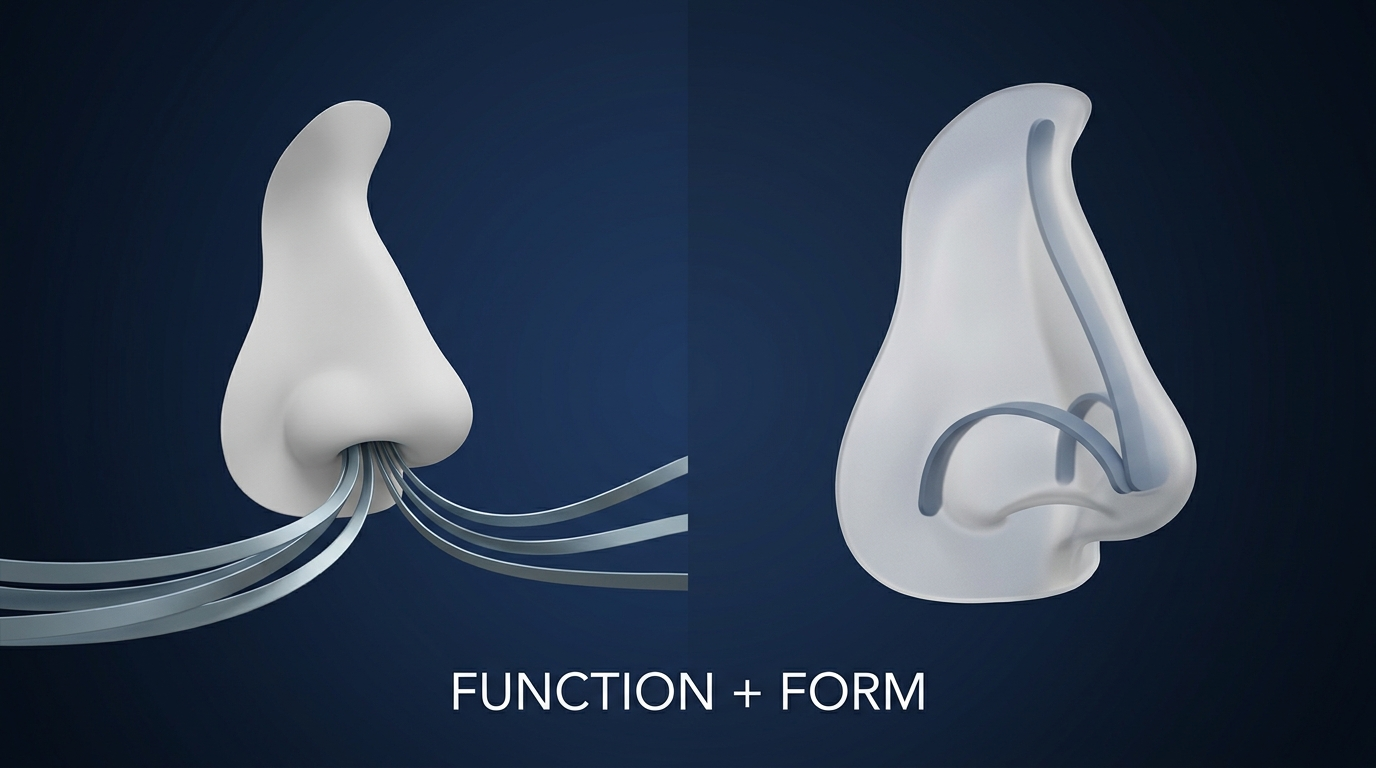
If you’re researching balloon septoplasty before and after outcomes, you may be more focused on breathing better than changing how your nose looks. For many people, the meaningful “after” is functional: less blockage, easier airflow at night, and fewer symptoms tied to obstruction.
This guide may be helpful if you:
- Feel chronically “stuffy” or blocked (especially on one side)
- Deal with snoring, dry mouth, or poor sleep quality
- Have frequent sinus infections or nosebleeds that may be associated with nasal blockage
- Want to understand a potentially quicker-recovery option than traditional septoplasty
Educational note: This post is general information, not personal medical advice. An ENT evaluation is the best way to confirm what’s causing your symptoms.
Source for procedural overview, benefits, recovery expectations, and risks: NSIBR (nsibr.com).
Key Takeaways (Quick Summary)
- Balloon septoplasty is described in some settings as a minimally invasive technique that may help reposition the septum in selected patients.
- For many patients, the goal is improved airflow and better sleep.
- Some patients can return to routine activities quickly, sometimes the next day, depending on the procedure and their clinician’s guidance.
- Recovery commonly includes temporary congestion and mild tenderness; improvement often continues as swelling resolves.
- As with any procedure, there are risks, including bleeding, hematoma (such as a septal hematoma—collection of blood in the septal tissue), persistent obstruction, or temporary changes in smell.
What Is Balloon Septoplasty?
The problem it addresses: a deviated nasal septum. The nasal septum is the wall of cartilage and bone that divides your nose into left and right passages. If it’s deviated (off-center), it can narrow one or both passages and contribute to symptoms such as chronic obstruction, congestion, and nighttime breathing issues. Many people feel this as one side always being the “tight” side, especially at night or during exercise.
How balloon septoplasty works (simple step-by-step):
1) Local anesthesia to numb the nose
2) Placement of a small balloon in a targeted area
3) Gentle balloon inflation to help reposition the septum toward a more central position
4) Balloon removal after the adjustment
A key distinction is that balloon-assisted approaches are often described as repositioning rather than removing significant amounts of cartilage, as traditional septoplasty may.
A common patient description is “pressure more than pain,” though comfort varies from person to person.
To learn how this approach is used in our practice, see Balloon Septoplasty with ClearPath: A Less-Invasive Fix for a Deviated Septum: https://sleepandsinuscenters.com/blog/balloon-septoplasty-with-clearpath-a-less-invasive-fix-for-a-deviated-septum
Bottom line: Balloon-assisted septal techniques aim to improve airflow with less invasive steps in carefully selected patients.

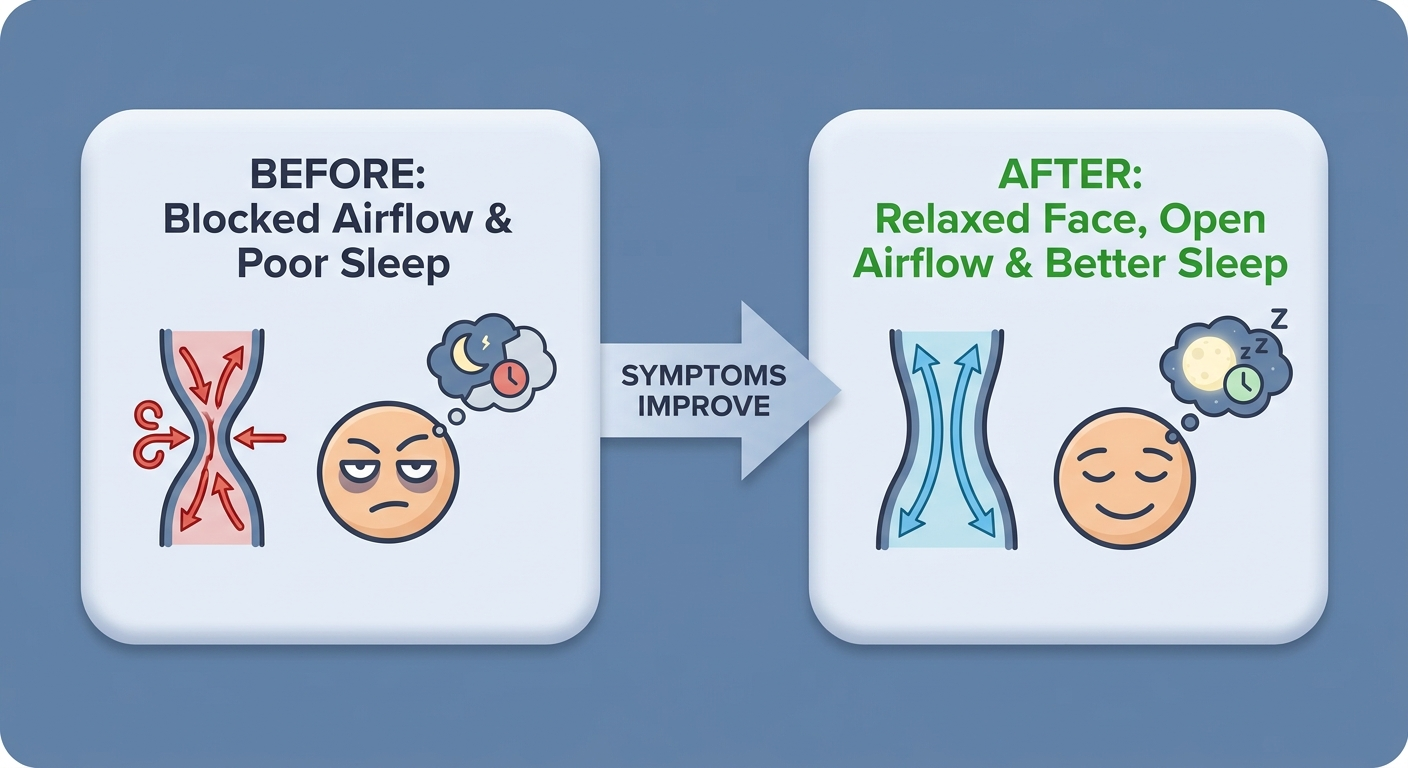
Symptoms That May Improve After Balloon Septoplasty (Before vs After)
Common “before” symptoms:
- Nasal obstruction (trouble breathing through one or both nostrils)
- Chronic congestion
- Frequent nosebleeds that may be associated with nasal blockage
- Recurrent sinus infections
- Snoring and poor sleep quality
Common “after” changes some patients notice:
- Easier nasal breathing, especially at night
- Less mouth breathing and dryness
- Improved sleep quality; snoring reduction for some people
- Fewer congestion flare-ups in the right candidates
If allergies or turbinate swelling are major contributors, your “after” may depend on addressing those conditions as well. Straightening the “divider” helps airflow, but it doesn’t automatically resolve lining inflammation.
Takeaway: Improvements are most often functional—better airflow and comfort—and can be influenced by other nasal or sinus conditions.
What Causes a Deviated Septum (and Why It Matters for Results)
Common causes:
- Genetics/development (present from birth or changes during growth)
- Injury/trauma (sports, falls, accidents)
- Prior nasal surgery or structural changes over time
Why the cause and anatomy can affect your outcome:
- Turbinate enlargement
- Nasal valve collapse
- Allergies and chronic inflammation
- Chronic sinusitis
Two people can share the same symptom (congestion) but have different underlying reasons. An ENT visit helps clarify whether a septal deviation, tissue swelling, or both are driving symptoms.
Key point: Outcomes vary because anatomy varies—an ENT evaluation helps tailor the plan to your specific causes of blockage.
Balloon Septoplasty Before and After — What Results Can You Expect?
The “before and after” most people care about is airflow, not appearance. Balloon-assisted septal approaches are typically pursued for function, not cosmetic changes. Don’t expect a dramatic external change; the focus is on improved nasal airflow and less obstruction.
How quickly results show up: Some patients feel early improvement, but short-term swelling and congestion can temporarily mask benefits. It’s common to judge the “after” more accurately as healing progresses over days to weeks.
How results are measured in daily life:
- Breathing more comfortably during exercise
- Sleeping with less mouth breathing and dryness
- A partner noting reduced snoring (in some cases)
- Needing fewer short-term “quick fixes,” as guided by your clinician
In practice, “results” usually mean everyday breathing feels easier and sleep feels more comfortable over time.
Balloon Septoplasty Recovery Timeline (Day by Day and Week by Week)
Everyone heals differently, but many patients describe the following general pattern. Always follow your clinician’s specific instructions.
- Day 0 (same day): Pressure, mild soreness, congestion; possible light spotting. Plan for rest, avoid nose trauma, and follow aftercare.
- Day 1: Many people feel more “normal,” though still congested. Some may resume routine activities, depending on the procedure and clinician guidance.
- First week: Gradual reduction in tenderness and congestion. Comfort measures like head elevation and gentle moisture/saline may be recommended if part of your plan.
- Weeks 2–6: Ongoing improvement as swelling settles; follow-up visits help confirm healing and airflow progress.
Think of recovery as a gradual “settling” period—early congestion is common and often improves as swelling resolves.

Balloon Septoplasty vs Traditional Septoplasty (What’s Different?)
Invasiveness and setting:
- Balloon-assisted techniques are often described as minimally invasive and may be performed in an office setting for appropriate candidates.
- Traditional septoplasty is a more established surgical procedure and is commonly performed in a surgical setting.
Nasal packing and comfort:
- In many cases, balloon septoplasty may avoid the need for nasal packing, which some patients find more comfortable.
Recovery time comparison:
- Balloon-assisted approaches can allow a quicker return to routine activities for some patients.
- Traditional approaches may involve more downtime, depending on the extent of surgical correction.
Who may still need traditional surgery:
- Patients with severe deviations, complex anatomy, or multiple structural contributors to obstruction may be better served by traditional septoplasty.
For a broader comparison, see Septoplasty Before and After: Real Results & Recovery: https://sleepandsinuscenters.com/blog/septoplasty-before-and-after-real-results-recovery-20260325011143
Choice of procedure depends on individual anatomy and an ENT evaluation; traditional septoplasty remains a well-established standard when more extensive correction is needed.

Balloon Septoplasty vs Balloon Sinuplasty (Common Confusion)
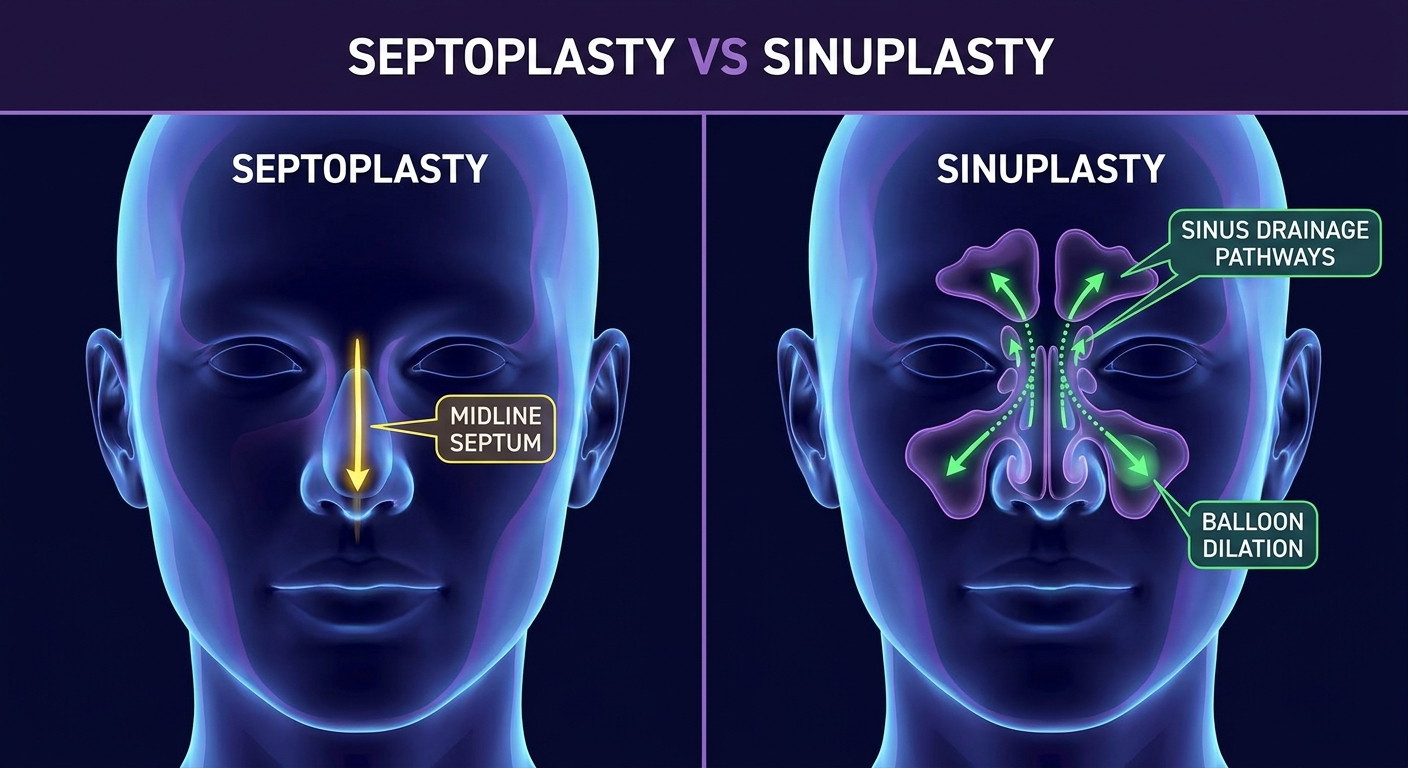
- Balloon septoplasty targets the septum (the central divider between nasal passages) to improve airflow.
- Balloon sinuplasty targets sinus drainage pathways to support ventilation and drainage.
If your primary issue is recurrent sinus pressure or infections, your clinician may discuss sinus options separately. Learn more: https://sleepandsinuscenters.com/balloon-sinuplasty
These procedures address different problems—one focuses on airflow through the nose, the other on sinus drainage.
Risks, Side Effects, and Potential Complications
Common short-term effects:
- Congestion/swelling
- Mild bleeding or spotting
- Pressure or tenderness
Less common risks to know:
- Hematoma (such as a septal hematoma—collection of blood in the septal tissue)
- Persistent obstruction (symptoms don’t fully resolve)
- Temporary changes in smell
When to contact your clinician urgently:
- Heavy or worsening bleeding
- Fever, escalating pain, or foul-smelling discharge
- Sudden significant swelling or breathing difficulty
All procedures carry risks—discuss your personal risk profile and signs to watch for with your ENT.
Treatments Often Paired With Balloon Septoplasty (If Needed)
Turbinate treatment: If turbinate enlargement significantly contributes to blockage, septal correction alone may not fully resolve symptoms. Some care plans address both the septum and turbinate swelling.
Allergy management: If allergies keep nasal tissue inflamed, congestion can persist even with a straighter septum. Allergy testing and targeted therapy may be part of long-term relief.
Sinus procedures: If chronic sinusitis is present, your ENT may discuss sinus-focused procedures as well, based on exam findings and imaging when appropriate.
Addressing structure and lining inflammation together often leads to the most complete relief.
Lifestyle Tips to Protect Results and Breathe Easier
Sleep and bedroom tips:
- Head elevation may help nighttime congestion
- Humidification can reduce dryness if recommended
- Avoid irritants like smoke and strong fragrances
Nasal care basics (follow your surgeon’s plan):
- Saline sprays/rinses may be recommended at specific times
- Avoid overusing decongestant sprays, which can worsen congestion in some people
Snoring and sleep quality habits:
- If snoring persists, discuss other contributors such as sleep position, alcohol timing, weight changes, or possible sleep apnea
Simple daily habits can support healing and help you get the most from treatment.
FAQs — Balloon Septoplasty Before and After
Does balloon septoplasty hurt? It’s commonly described as minimally invasive and, in some practices, office-based. Comfort varies, but many patients report a sensation of pressure more than sharp pain.
How long does balloon septoplasty last? Durability varies by anatomy, healing, and ongoing contributors like allergies or future nasal trauma. Your ENT can explain what’s realistic for your deviation pattern.
Will my nose look different after balloon septoplasty? This approach targets function rather than cosmetic reshaping, so external changes are typically minimal.
Can balloon septoplasty reduce snoring? It may help if nasal obstruction is a major driver of snoring. Not all snoring is nose-related.
What if I still can’t breathe well after? Common reasons include lingering swelling, turbinate enlargement, allergies, nasal valve collapse, or sinus disease. Follow-up helps identify next steps.
Is balloon septoplasty safe? It is generally considered safe for appropriate candidates, but risks include bleeding, septal hematoma, persistent obstruction, and temporary changes in smell.
When to See an ENT (and What to Expect)
Consider an ENT evaluation if you have:
- Chronic one-sided nasal obstruction
- Recurrent sinus infections or nosebleeds that may be associated with blockage
- Snoring with poor sleep or daytime fatigue
An evaluation may include a nasal exam and sometimes nasal endoscopy. You’ll typically discuss medical options (such as allergy management) and procedural options based on what’s actually causing the blockage.
To learn more about evaluations at our practice, visit Deviated Septum Relief: https://sleepandsinuscenters.com/deviated-septum-relief
If you’re ready to explore your options or ask questions, you can request an appointment here: https://www.sleepandsinuscenters.com/
An ENT evaluation can help determine whether the septum is the main cause of your symptoms and outline the most appropriate next steps.
Conclusion
When people look up balloon septoplasty before and after, the most meaningful “after” is usually improved airflow with a relatively quick return to routine for selected candidates, recognizing that results and recovery vary. An ENT can help determine whether a deviated septum is the primary driver of your symptoms and whether other factors—like turbinate swelling, allergies, or sinus disease—also need attention. If nasal blockage is affecting your sleep, energy, or day-to-day comfort, consider an ENT evaluation to clarify your options. To get started with Sleep and Sinus Centers of Georgia, you can book here: https://www.sleepandsinuscenters.com/
Citation
https://nsibr.com/balloon-septoplasty/
This article is for educational purposes only and is not medical advice. Please consult a qualified healthcare provider for diagnosis and treatment.
Don’t let allergies slow you down. Schedule a comprehensive ENT and allergy evaluation at Sleep and Sinus Centers of Georgia. We’re here to find your triggers and guide you toward lasting relief.