Septoturbinoplasty Procedure: Benefits, Recovery, and What to Expect
Introduction — Why nasal blockage isn’t “just congestion”
A chronically blocked nose isn’t always a simple cold or seasonal allergy flare. When the nasal airway is physically narrowed, it can affect much more than comfort—especially if you’ve tried sprays, allergy medications, or rinses and still feel “stuffy” most days.
A narrowed nasal airway can contribute to:
- Daytime breathing difficulty (especially during exercise or talking for long periods)
- Snoring and disrupted sleep, since the body may switch to mouth breathing
- Dry mouth and throat irritation upon waking
- Fatigue and reduced sleep quality, even if you’re in bed for enough hours
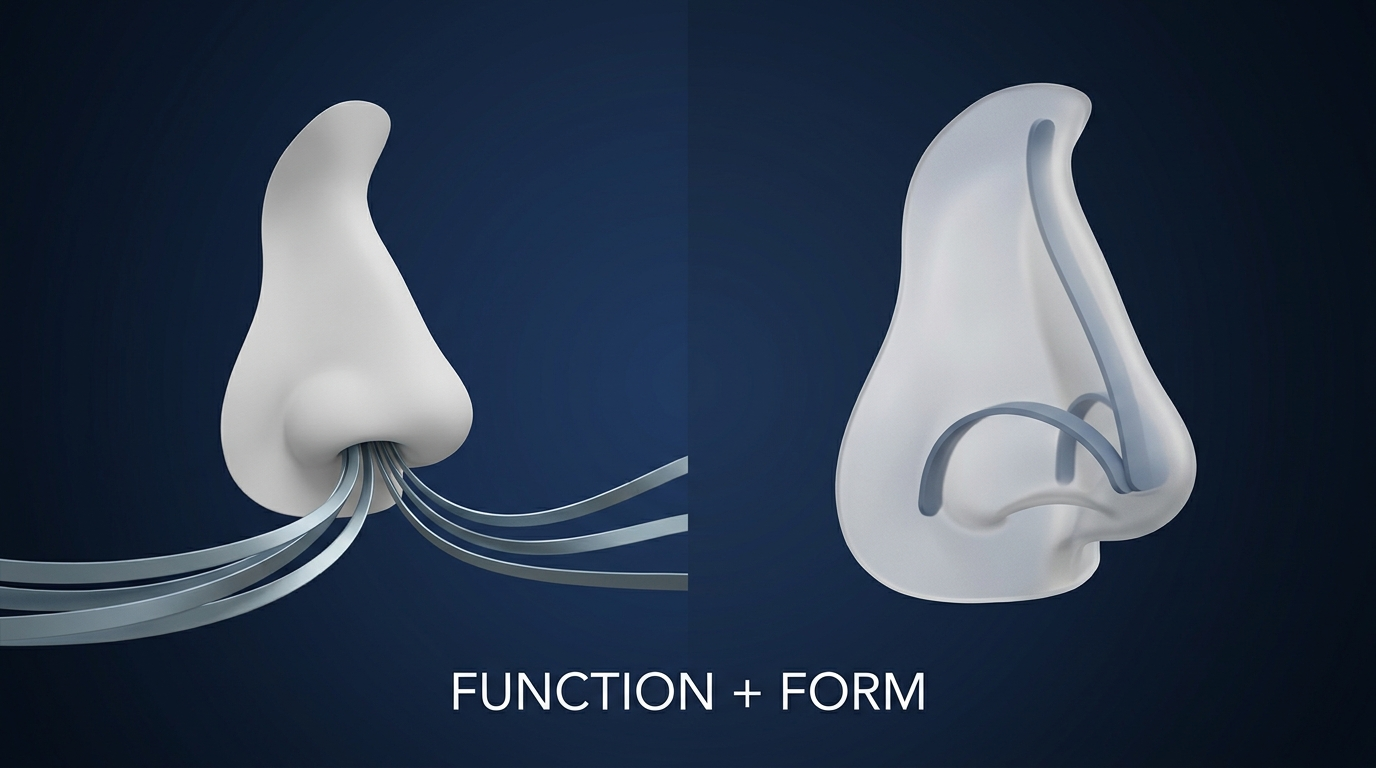
One helpful way to picture this: if your nose is a two-lane roadway, swelling and structural narrowing can turn it into a one-lane bottleneck. You may still “get through,” but it takes more effort—day and night.
For many patients, improving airflow requires addressing more than one source of narrowing. A septoturbinoplasty combines two common functional (breathing-focused) surgeries—septoplasty and inferior turbinate reduction—to help improve nasal airflow when both internal bottlenecks are present. Bottom line: when multiple sources of narrowing coexist, treating them together may offer the most noticeable breathing relief.

What is a septoturbinoplasty?
Septoturbinoplasty—also called septoplasty with inferior turbinate reduction—is a combined procedure designed to improve airflow through the nose when both a deviated septum and enlarged turbinates contribute to obstruction.
Septoplasty (straightening the nasal septum)
The nasal septum is the wall of cartilage and bone that divides the nose into left and right passages. When it is significantly off-center (a deviated septum), it can reduce airflow on one side or contribute to a crowded feeling on both sides.
Septoplasty is performed to improve breathing, not to change the outward appearance of the nose. If cosmetic changes are desired, that is typically a separate discussion often called rhinoplasty. Learn more: https://sleepandsinuscenters.com/deviated-septum-relief
Think of septoplasty as straightening the center “wall” so air can pass more freely.
Turbinoplasty/inferior turbinate reduction (reducing enlarged turbinates)
Turbinates are shelf-like structures inside the nose that help warm, filter, and humidify the air you breathe. The inferior turbinates (lower turbinates) can become chronically enlarged—a pattern called turbinate hypertrophy—which may contribute to ongoing nasal blockage.
Turbinate reduction aims to decrease turbinate size while preserving function, creating more room for airflow. Techniques vary, but many approaches focus on reducing tissue beneath the mucosal lining to maintain normal nasal physiology. Deeper overview: https://sleepandsinuscenters.com/blog/everything-you-need-to-know-about-turbinate-reduction
The goal is to reduce excess tissue while keeping the turbinates working as your nose’s built-in air conditioner.
Why they’re often done together
Many people don’t have just one cause of obstruction. A deviated septum can narrow one side, while enlarged turbinates can narrow the airway further—sometimes on both sides. That’s why a septoturbinoplasty (septoplasty with turbinate reduction) is commonly used to increase airway space in patients with persistent nasal obstruction.
A combined approach addresses multiple narrow points so the entire airway can function more efficiently.

Symptoms that may suggest you’re a candidate
A thorough evaluation is the only way to know what’s driving obstruction, but common symptoms that prompt people to ask about nasal obstruction surgery include:
- Nasal blockage on one or both sides (often worse at night)
- Trouble breathing through the nose during exercise
- Mouth breathing and dry mouth on waking
- Snoring or noisy breathing during sleep (sometimes described as snoring due to nasal blockage)
- Reduced sleep quality (frequent waking or non-restorative sleep)
- Frequent “stuffy nose” that doesn’t improve much with sprays or allergy medications
If nighttime obstruction is a major pattern, this may help: https://sleepandsinuscenters.com/blog/cant-breathe-through-nose-at-night
Important note: These symptoms can also overlap with allergies, chronic rhinitis, nasal valve collapse, or sinusitis—so evaluation matters before considering surgery. If your nose feels blocked despite trying medical therapy, an ENT visit can clarify the true cause.
Common causes of nasal obstruction that septoturbinoplasty treats
Deviated septum
A deviated septum can be related to growth patterns, genetics, or prior nasal injury. When the septum bends or shifts enough, it can create a persistent “narrow side” that medications alone cannot truly open.
Enlarged inferior turbinates
Inferior turbinates may enlarge with allergies, chronic inflammation, irritant exposure, and sometimes with overuse of topical decongestant sprays. If you’ve used Afrin-type sprays frequently, this may be relevant: https://sleepandsinuscenters.com/blog/afrin-rebound-how-long-does-nasal-congestion-last-after-use
When both occur together
If the septum is corrected but the turbinates remain significantly enlarged, some patients still feel blocked. Likewise, shrinking turbinates without addressing a major septal deviation may leave one side persistently tight. A septoturbinoplasty is designed to address both contributors in one plan. When structure and swelling both narrow airflow, treating both can provide a more complete result.
Benefits of septoturbinoplasty (what patients often notice)
Breathing improvement — The primary goal is better nasal airflow and less sensation of blockage. Many, though not all, patients notice they can breathe more easily at rest and during activity after healing.
Snoring and sleep quality — When nasal airflow improves, mouth breathing may decrease. For some, that can reduce snoring and improve sleep continuity, though results vary.
Better tolerance of CPAP or other sleep apnea treatments — Improving airflow may help some patients tolerate CPAP more comfortably, although improvement is not guaranteed and nasal surgery does not cure sleep apnea.
Quality-of-life improvements — Many patients report meaningful symptom improvement after septoplasty and turbinate procedures, though individual results vary.
Most patients seek this procedure for day-to-day breathing relief, and many—though not all—report noticeable improvement after healing.
Septoturbinoplasty vs other treatments (and why your ENT might recommend it)
Non-surgical treatments first — Because inflammation can mimic structural blockage, treatment often starts with options like:
- Saline rinses
- Topical nasal steroid sprays
- Allergy management and trigger avoidance
- Avoiding overuse of decongestant sprays to reduce rebound congestion
Procedures that may be alternatives depending on anatomy:
- Septoplasty alone (if deviation is the main issue)
- Turbinate reduction alone (if turbinate hypertrophy is primary)
- Other nasal airway procedures if additional narrowing is present
If symptoms and exam point to the nasal valve area, this explainer may help: https://sleepandsinuscenters.com/blog/nasal-valve-collapse-symptoms-key-signs-and-causes-to-know-d4777
Your plan should match your anatomy—fixing the main bottleneck first often makes the biggest difference.
What happens before surgery (pre-op evaluation)
Office exam and nasal endoscopy — A focused nasal exam may include nasal endoscopy (a small camera to look deeper inside the nasal passages) to identify septal deviation, turbinate enlargement, swelling patterns, and other contributors. Learn more: https://sleepandsinuscenters.com/blog/what-is-nasal-endoscopy----and-is-it-painful
Imaging only if needed — A CT scan isn’t always required for septum/turbinates alone, but may be considered if sinus disease is suspected or symptoms suggest another condition that needs mapping.
Medication review and safety planning — Your team typically reviews medications and supplements that may increase bleeding risk, plus health factors such as smoking/vaping, anesthesia history, and sleep apnea considerations.
A careful evaluation ensures the procedure addresses the right problems safely and effectively.

What to expect on the day of surgery
Anesthesia and setting — A septoturbinoplasty is commonly performed in an outpatient setting. Anesthesia choices vary (local with sedation or general) based on patient factors and surgeon preference.
How the procedure is performed (high-level):
- The septum is repositioned/straightened to improve airflow.
- The inferior turbinates are reduced using a method chosen for your anatomy (for example, submucosal reduction or other tissue-sparing techniques).
- Some surgeons use internal splints or temporary packing; others do not.
How long it takes and when you go home — Many cases are completed within a typical outpatient surgery window. Most patients go home the same day with written post-op instructions and a follow-up plan.
Plan for a same-day procedure with a ride home and clear written recovery instructions.

Recovery timeline — week-by-week (turbinate reduction recovery included)
Recovery times vary by patient, technique, and surgeon instructions. Many people plan for 1–2 weeks away from work or school (depending on job demands) and avoid strenuous activity for at least two weeks.
First 24–72 hours — Common experiences include:
- Significant congestion (often feels “more blocked” at first)
- Mild bleeding/oozing
- Pressure/fullness
- Fatigue
Comfort measures may include rest, hydration, head elevation, and humidified air—based on your surgeon’s instructions.
Days 4–7:
- Congestion often continues due to swelling and crusting.
- A follow-up visit may involve nasal cleaning and/or splint removal (surgeon-specific).
- Saline rinses are commonly part of care to reduce crusting and support healing.
Week 2:
- Many patients return to non-strenuous work.
- Breathing often improves gradually as swelling settles and the inside of the nose heals.
Weeks 3–6+:
- Continued healing and progressive airflow improvement
- Return to full exercise is individualized and should be cleared by your surgeon
Broader overview of healing expectations: https://sleepandsinuscenters.com/blog/navigating-nasal-surgery-recovery
Expect congestion early, gradual breathing gains, and a tailored clearance for activity as healing progresses.

Post-op care tips to heal well (and avoid setbacks)
Always follow your surgeon’s specific plan. General guidance commonly includes:
Do’s:
- Use saline irrigations as prescribed
- Sleep with your head elevated early on
- Attend all follow-up appointments
Don’ts:
- Avoid strenuous activity/heavy lifting for about 2 weeks (or as instructed)
- Avoid nose blowing until you’re cleared
- Avoid smoking/vaping, which can delay healing
When to call your surgeon urgently — Seek prompt medical attention for:
- Heavy bleeding that doesn’t slow or stop
- Fever, worsening pain, or foul-smelling drainage
- Vision changes, severe headache, or neck stiffness (urgent/emergency symptoms)
Good wound care, hydration, and follow-up help minimize setbacks and support smoother healing.
Risks and possible complications (balanced and reassuring)
Like any surgery, septoplasty with inferior turbinate reduction has potential risks. These may include:
- Bleeding or infection
- Septal hematoma
- Adhesions (scar bands) in the nose
- Septal perforation (uncommon)
- Ongoing congestion/crusting during healing
- Temporary changes in smell or taste
- Dryness or increased crusting
- Numbness or altered sensation of the front teeth/upper lip (usually temporary)
- Anesthesia-related risks
- Persistent symptoms despite surgery or need for revision in a minority of patients
- Variable long-term effectiveness or recurrence, especially if inflammation persists
Your surgeon will review how these apply to your case and how risks are minimized. Understanding benefits and risks helps set realistic expectations and supports informed decision-making.
Results — how long does septoturbinoplasty last?
Expected durability — Many patients experience long-term improvement in nasal breathing after a septoturbinoplasty, but durability varies with anatomy, healing, and ongoing inflammation.
Can turbinates enlarge again? Yes. Turbinates can become enlarged again over time, particularly if allergies or chronic irritation persist. Ongoing medical management of inflammation may still be important even after surgery. Durable results are most likely when anatomy is corrected and inflammation is well managed over time.
Lifestyle tips to protect your nasal breathing long-term
Manage inflammation triggers:
- Consider allergy evaluation and treatment if symptoms are persistent or seasonal
- Reduce irritants like smoke, strong fragrances, and dust when possible
Safe daily routines:
- Use saline rinses during flare-ups if recommended
- Manage indoor humidity to avoid overly dry air
Sleep-position strategies (if nighttime congestion persists):
- Head elevation may help some people
- Side-sleeping can be beneficial for certain congestion patterns
Small daily habits that limit irritation can help protect your surgical gains.
Frequently Asked Questions (FAQ)
Is septoturbinoplasty painful?
Many people describe more pressure and congestion than sharp pain. Pain control approaches vary and are tailored to individual needs.
How long will I be out of work?
Many patients plan for 1–2 weeks, depending on healing and job demands.
When can I exercise again?
Strenuous activity is often avoided for at least two weeks, sometimes longer depending on your situation and your surgeon’s instructions.
Will it stop snoring?
It may reduce snoring in some patients when nasal blockage is a major contributor, but snoring can have multiple causes.
Can it help sleep apnea?
Improving nasal airflow may help CPAP tolerance and overall breathing, but it is not a standalone cure for sleep apnea.
What if I still can’t breathe well after surgery?
Early on, swelling and crusting are common. If symptoms persist beyond the expected healing window, reevaluation may consider allergies, nasal valve collapse, sinus disease, or recurrence. Recovery experiences vary—stay in touch with your surgeon if symptoms do not follow the expected course.
When to see an ENT (or consider surgery)
Consider an evaluation at Sleep and Sinus Centers of Georgia if you have:
- Persistent symptoms despite appropriate medical therapy
- Significant nighttime obstruction affecting sleep
- Recurrent sinus infections with blockage symptoms
- Difficulty tolerating CPAP due to nasal obstruction
If symptoms keep returning despite good medical care, a focused exam can clarify whether surgery might help.
Conclusion and next steps
A septoturbinoplasty combines septoplasty and inferior turbinate reduction to address two common structural causes of nasal obstruction. For many patients, the goal is simple and meaningful: easier nasal breathing and, in the right situation, better sleep quality.
If you’re dealing with ongoing blockage, snoring, or mouth breathing that isn’t improving, book an appointment to confirm the cause and review options with a specialist at Sleep and Sinus Centers of Georgia: https://sleepandsinuscenters.com/appointments (you can also start at https://www.sleepandsinuscenters.com/). Clearer breathing often starts with a clear diagnosis.
References
1. StatPearls (NCBI). Septoplasty (2022). https://www.ncbi.nlm.nih.gov/books/NBK567718/
2. National Jewish Health. Endoscopic Septoplasty and Turbinate Reduction Postoperative Care. https://www.nationaljewish.org/conditions/tests-procedures/adult-surgery-procedures/endoscopic-septoplasty-and-turbinate-reduction-postoperative-care
3. PubMed (2024). Outcomes/longer-term considerations. https://pubmed.ncbi.nlm.nih.gov/37991145/
4. Mayo Clinic. Septoplasty. https://www.mayoclinic.org/tests-procedures/septoplasty/about/pac-20384670
5. ENT Clinics (AU). Septoplasty and Turbinoplasty. https://ent-clinics.com.au/procedures/septoplasty-and-turbinoplasty/
This article is for educational purposes only and is not medical advice. Please consult a qualified healthcare provider for diagnosis and treatment.
Don’t let allergies slow you down. Schedule a comprehensive ENT and allergy evaluation at Sleep and Sinus Centers of Georgia. We’re here to find your triggers and guide you toward lasting relief.