Septoplasty with Turbinate Reduction: Benefits, Procedure, and Recovery Guide
Chronic nasal obstruction can quietly affect everything—sleep quality, exercise comfort, and how rested you feel in the morning. Many people say, “I can breathe through my nose, but it feels like I’m working harder than I should,” especially at night or during seasonal flare-ups.
In many cases, “blocked nose” symptoms come from a mix of mechanical blockage (anatomy/structure) and inflammatory blockage (swelling from allergies or irritants). Think of a hallway: mechanical issues make the hallway too narrow; inflammation makes the walls swell inward.

What Is Septoplasty with Turbinate Reduction?
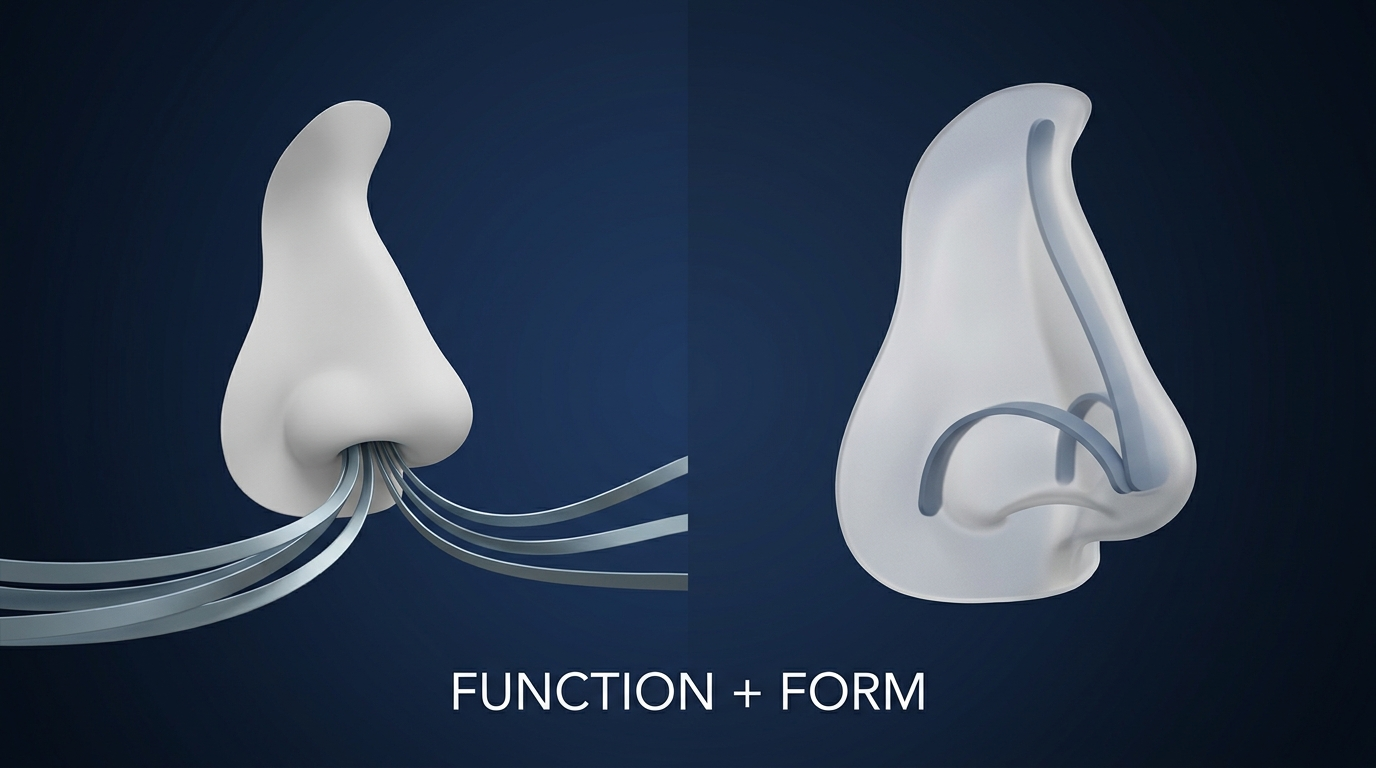
Key idea: septoplasty straightens the nasal septum, and turbinate surgery reduces the size of the turbinates to improve airflow. When both a deviated septum and enlarged turbinates are contributing, combining the procedures may improve airflow more effectively than treating only one issue.
Note on terminology: “Turbinate reduction” refers to tissue‑preserving techniques that decrease turbinate size while maintaining function. “Turbinectomy” can imply removal of all or part of a turbinate and is sometimes used loosely in everyday language, but modern practice often favors conservative reduction.
In short: septoplasty straightens the septum; turbinate reduction conservatively reduces turbinate size to improve airflow while preserving function.

Septoplasty: What It Fixes
- What the nasal septum does
Your nasal septum is the wall inside your nose that separates the left and right nasal passages. It’s made of cartilage and bone and helps support the nose while directing airflow. Most people don’t notice it—until it’s uneven enough to create a “narrow side” that feels perpetually congested.
- What “deviated septum” means (and why it can block airflow)
A deviated septum is when that wall is off-center or has spurs/irregularities. It can be present from birth or result from injury. When the septum leans to one side, it can narrow a passage and increase the feeling of obstruction. A common pattern: “My right nostril is almost always the ‘bad side,’ and it’s worse when I lie down.” That history suggests structural narrowing—though an exam is needed to confirm.
For a deeper explanation of symptoms and options, see our guide on deviated septum relief: https://sleepandsinuscenters.com/deviated-septum-relief
Turbinate Reduction: What It Fixes
- What turbinates are and why they swell
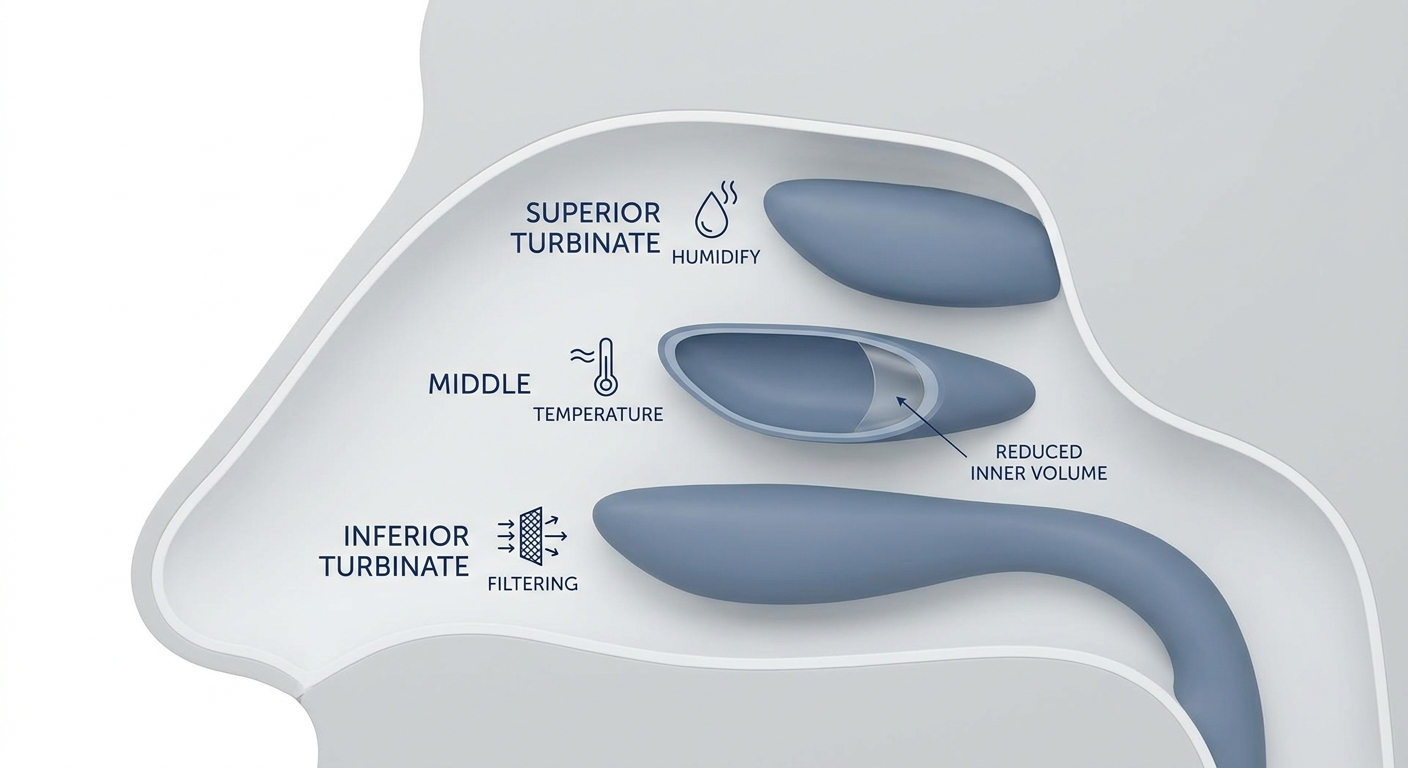
Turbinates are soft, shelf-like structures along the sidewalls of the nose that warm, humidify, and filter the air you breathe. They contain tissue that can swell and shrink, so they often enlarge during allergies, infections, or chronic rhinitis—much like “air-conditioning fins” that can get puffy when irritated.
- Inferior turbinates and “turbinate hypertrophy”
The inferior turbinates are the lowest and most influential for airflow. When they stay enlarged—turbinate hypertrophy—you may feel constantly congested even without a cold.
Many people hear “turbinectomy,” but in modern practice surgeons commonly perform turbinate reduction rather than removing the entire turbinate. The goal is to improve airflow while preserving natural function.
For a dedicated overview, read: https://sleepandsinuscenters.com/blog/everything-you-need-to-know-about-turbinate-reduction
Why ENTs Often Combine Them
Nasal obstruction is frequently multi-factor. A deviated septum may narrow one side, and turbinates can enlarge on the opposite side as “compensation.” Combining septoplasty and turbinate reduction in appropriate patients can address both contributors in a single procedure—especially when symptoms vary from left to right as swelling and structure trade off in how they’re experienced.
In essence, combining treatments can be efficient when both structure and swelling are part of the problem.
Symptoms That May Suggest You Need This Surgery
Common symptoms of nasal airflow obstruction
People who consider septoplasty with turbinate reduction often report:
- Constant or recurring nasal blockage (one-sided or both sides)
- Trouble breathing through the nose—especially at night
- Mouth breathing, dry mouth, or sore throat on waking
- Poor sleep quality or snoring that worsens with congestion
- Reduced exercise tolerance because nasal breathing feels limited
A practical example: some patients notice they can’t comfortably do light cardio without switching to mouth breathing, even when they’re not sick.
When symptoms might be something else
Not every blocked nose is caused by the septum and turbinates alone. Allergies can overlap with structural issues, and other conditions (like chronic sinusitis, nasal polyps, or nasal valve collapse) can contribute. An ENT evaluation helps match treatment to the main driver of obstruction—not just the symptom.
If these symptoms persist despite good medical care, evaluation for structural contributors is reasonable.
Causes of Nasal Obstruction Addressed by Septoplasty + Turbinate Surgery
Structural causes
- Deviated septum (congenital or injury-related)
- Turbinate hypertrophy
- Septal spurs/contact points that create “pinch points” in airflow
Inflammatory triggers that enlarge turbinates
- Allergies (seasonal or year-round)
- Non-allergic rhinitis (weather changes, odors, smoke, irritants)
- Rebound congestion from overuse of decongestant sprays, which can create a cycle of temporary relief followed by worsening swelling
Addressing both structure and inflammation often yields the best long-term comfort.
Benefits: What Patients Can Expect (Realistic Outcomes)
Breathing and quality-of-life improvements
When nasal obstruction is driven by septal deviation plus turbinate enlargement, septoplasty with turbinate reduction can meaningfully improve airflow and reduce the “stuffy” sensation. Many patients aim for quiet, easy nasal breathing—especially at night—and find they rely less on short-term congestion fixes after healing.
Surgery can improve airflow but does not directly treat the underlying inflammatory conditions (like allergies or chronic sinusitis); ongoing medical management may still be needed.
Potential long-term value of doing both at once
Some limited evidence suggests that performing septoplasty with inferior turbinate surgery may lower revision rates in certain patient groups; outcomes vary by anatomy, diagnosis, and technique.
What it will not do
- It is not primarily cosmetic unless combined with rhinoplasty.
- It is not a cure for allergies or chronic sinusitis; rather, it may make medical management of these conditions easier by improving airflow.
The right operation for the right anatomy can make breathing feel both easier and quieter.
Who Is a Good Candidate—and Who May Not Be
Typical candidates
- Persistent nasal obstruction despite appropriate medical therapy
- Septal deviation plus turbinate hypertrophy confirmed on exam and/or endoscopy
Often, good candidates have tried first-line treatments (correct-use nasal steroid sprays, saline routines, allergy control) and still feel blocked because structure is a major part of the problem.
Reasons surgery might be delayed or not recommended
- Uncontrolled allergies/rhinitis without a longer-term plan
- Smoking/vaping (associated with more irritation and slower healing)
- Bleeding risk concerns (medications or conditions), managed during pre-op planning
The best candidates have structural blockage confirmed and realistic goals.
Diagnosis & Pre-Op Evaluation: What Your ENT Will Check
How ENTs confirm the source of blockage
- Nasal exam: Visual inspection can identify deviation, swelling, or other causes.
- Nasal endoscopy: A small camera helps assess deeper areas of the nasal cavity and clarify what’s driving obstruction. Curious about comfort and what to expect? See “Nasal Endoscopy: Is It Painful?” https://sleepandsinuscenters.com/blog/what-is-nasal-endoscopy----and-is-it-painful
- Imaging (sometimes): If sinus disease is suspected, imaging may help evaluate anatomy and inflammation.
Questions to ask at your consultation (patient checklist)
- Is my blockage mostly septum, turbinates, or both?
- Which turbinate technique do you use and why?
- Will I have splints or packing?
- What’s the plan for allergies/rhinitis after surgery?
A careful exam clarifies whether surgery is likely to help.

The Procedure: Step-by-Step Overview (Patient-Friendly)
Septoplasty with turbinate reduction—what happens on surgery day
This is often an outpatient procedure.
- Anesthesia: Typically performed under anesthesia for comfort.
- Septoplasty (inside the nose): Incisions are usually inside the nostrils. The surgeon repositions, reshapes, or removes small portions of cartilage/bone to straighten the septum and improve airflow.
- Inferior turbinate surgery options (high level): Techniques may include submucosal reduction (reducing tissue under the lining), radiofrequency/coblation-style reduction, or partial turbinate reduction. The aim is to create more breathing room while preserving turbinate function (humidifying/filtering air).
- Splints/packing/dissolvable materials: Some patients have internal splints or temporary packing; others do not. This depends on anatomy, technique, and surgeon preference.
Most patients go home the same day and start true airflow gains over the following weeks.
Risks and Side Effects (Balanced and Reassuring)
Common short-term side effects
- Congestion and swelling (often feels worse before better)
- Mild bleeding/oozing
- Crusting and dryness
- Temporary changes in smell/taste
Less common but important risks
- Infection
- Persistent obstruction (sometimes due to scarring, inflammation, or other contributors)
- Septal perforation (rare)
- Need for revision surgery in a minority of cases
Turbinate-specific considerations
Over-reduction of turbinates can, rarely, contribute to ongoing nasal discomfort and altered airflow sensation (sometimes discussed as “empty nose syndrome”). This is uncommon and one reason many surgeons emphasize conservative, tissue-preserving techniques.
Serious complications are uncommon, but informed consent matters.

Recovery Guide: What to Expect (Timeline + Milestones)
First 24–48 hours
- Expect pressure, congestion, and some drainage
- Follow your surgeon’s plan for pain control
- Sleep with head elevation if recommended to reduce swelling
Plan simple supports ahead of time (extra pillows, easy meals, time off).
Days 3–7
Congestion and crusting often peak. Many post-op plans include saline sprays or rinses to keep the nose moist and help clear debris. Activity is usually limited—commonly avoiding heavy lifting and nose blowing until you’re cleared.
For a more detailed timeline, visit: https://sleepandsinuscenters.com/blog/septoplasty-recovery-week-by-week-complete-timeline-20260123051106
Weeks 2–4
Many patients notice airflow improvement as swelling drops and the nasal passages become easier to clear. Follow-up visits are important; some patients benefit from in-office cleaning/debridement if recommended.
1–3 months
Longer-term healing continues, and the “final” breathing result becomes clearer. Managing inflammation (allergies/rhinitis) helps protect results—turbinates can still respond to triggers even after reduction.
Plan ahead, follow instructions, and expect steady improvement—not instant results.
Aftercare & Lifestyle Tips to Heal Well and Protect Results
Do’s
- Use saline irrigation/humidification as directed
- Stay hydrated and keep follow-up appointments
- Use prescribed medications exactly as instructed
Don’ts
- Avoid smoking/vaping and strong irritants
- Avoid overuse of decongestant sprays (rebound congestion risk)
- Avoid strenuous exercise until cleared
When to call your surgeon urgently
- Heavy bleeding that won’t stop
- Fever, worsening pain, or foul drainage
- Vision changes or severe headache (rare, but urgent)
Good long-term nasal habits help protect your surgical result.
Treatment Alternatives (and When They’re Tried First)
Non-surgical treatments that may help (depending on cause)
- Allergy management (including testing and immunotherapy when appropriate)
- Steroid nasal sprays (with correct technique)
- Saline irrigation routines
- Targeted treatment for chronic rhinitis
Other procedures sometimes considered
- Nasal valve treatments if collapse contributes
- Sinus procedures if chronic sinusitis is the primary driver
Many people try medical therapy first; surgery is reserved for persistent, structure-driven blockage.
Cost & Insurance Basics (Quick, Non-Promissory)
What affects the cost of septoplasty with turbinate reduction?
Costs vary by facility fees, anesthesia, surgeon fee, geography, and insurance coverage. Request a written estimate and ask which billing codes (CPT/diagnosis codes) are expected so you can verify coverage. If insurance is involved, ask whether prior authorization is needed and what documentation they typically require.
Ask early, get it in writing, and verify coverage to avoid surprises.
FAQs: Septoplasty with Turbinate Reduction
Is septoplasty with turbinate reduction painful?
Most patients describe pressure and congestion more than severe pain, especially in the first week. Experiences vary.
How long does it take to breathe normally again?
Many people feel congested early on, then gradually improve over weeks. Full healing can take longer.
Will my voice change?
Temporary changes can happen with congestion, but lasting voice changes are not typically expected from this surgery.
Can turbinates “grow back” after turbinate reduction?
Turbinates can remain reactive to inflammation. Long-term control of allergies/rhinitis helps protect results.
When can I exercise again?
This depends on your healing progress and your surgeon’s protocol; many patients return gradually once cleared.
Can this help snoring or sleep apnea?
It may help if nasal obstruction contributes to snoring or sleep disruption, but it is not a guaranteed cure for sleep apnea.
What’s the difference between turbinate reduction and turbinectomy?
“Turbinectomy” is sometimes used casually, but many modern approaches focus on reduction (shrinking or removing a portion) while preserving lining and function.
Does doing both procedures reduce the chance of needing revision surgery?
Some studies suggest lower revision rates in certain patient groups when both septum and inferior turbinates are addressed, but results vary by anatomy and diagnosis.
Conclusion: The Next Best Step
Septoplasty with turbinate reduction is common because it targets two major structural drivers of nasal obstruction: a deviated septum and enlarged inferior turbinates. The most important step is confirming what’s causing your blockage and aligning expectations with your anatomy, symptoms, and long-term inflammation control.
If you’re considering surgery, a focused nasal obstruction evaluation at Sleep and Sinus Centers of Georgia can clarify whether your symptoms are primarily septum-related, turbinate-related, or a combination—so you can make a well-informed plan.
Ready to take the next step? Book an appointment at https://www.sleepandsinuscenters.com/ so an ENT specialist can evaluate your nasal airflow and discuss appropriate options.
A focused evaluation can help you choose confidently.
References
- https://my.clevelandclinic.org/health/treatments/17779-septoplasty
- https://www.austin.org.au/Assets/Files/ENT%20-%20Adult%20Septo-Turbs%20Info.pdf
- https://pmc.ncbi.nlm.nih.gov/articles/PMC11582568/
- http://nwentsurgerycenter.com/pricing
Medical Disclaimer
Medical disclaimer: This article is for educational purposes only and does not provide medical advice. Diagnosis and treatment decisions should be made with a qualified healthcare professional who can evaluate your individual symptoms and anatomy.
This article is for educational purposes only and is not medical advice. Please consult a qualified healthcare provider for diagnosis and treatment.
Don’t let allergies slow you down. Schedule a comprehensive ENT and allergy evaluation at Sleep and Sinus Centers of Georgia. We’re here to find your triggers and guide you toward lasting relief.