Septoplasty Anesthesia: Types, Risks, and Recovery Tips
Septoplasty is a common procedure to correct a deviated septum so air can move through your nose more easily. For many patients, the biggest questions aren’t just about the surgery—they’re about anesthesia: “Will I be asleep?” “Is it safe?” “How will I feel after?”
Here’s the clear takeaway: septoplasty is often performed under general anesthesia, though local anesthesia with sedation may be used in selected cases depending on surgeon preference, anatomy, and procedure complexity. (Cleveland Clinic, 2025)
Think of anesthesia as the “operating conditions” for surgery: it’s not only about comfort. It’s also about keeping your breathing stable, minimizing movement, and setting you up for a smoother recovery.
What Is Septoplasty—and Why Anesthesia Matters
When the septum is significantly off-center, it can narrow one or both nasal passages and contribute to ongoing congestion, mouth breathing, or sleep disruption. Septoplasty reshapes and repositions the septum to improve airflow.
In some cases, septoplasty is performed alongside other procedures—like turbinate reduction—to further open the nasal airway. See our guide on septoplasty with turbinate reduction: https://sleepandsinuscenters.com/blog/septoplasty-with-turbinate-reduction-combined-nasa-20260125021033.
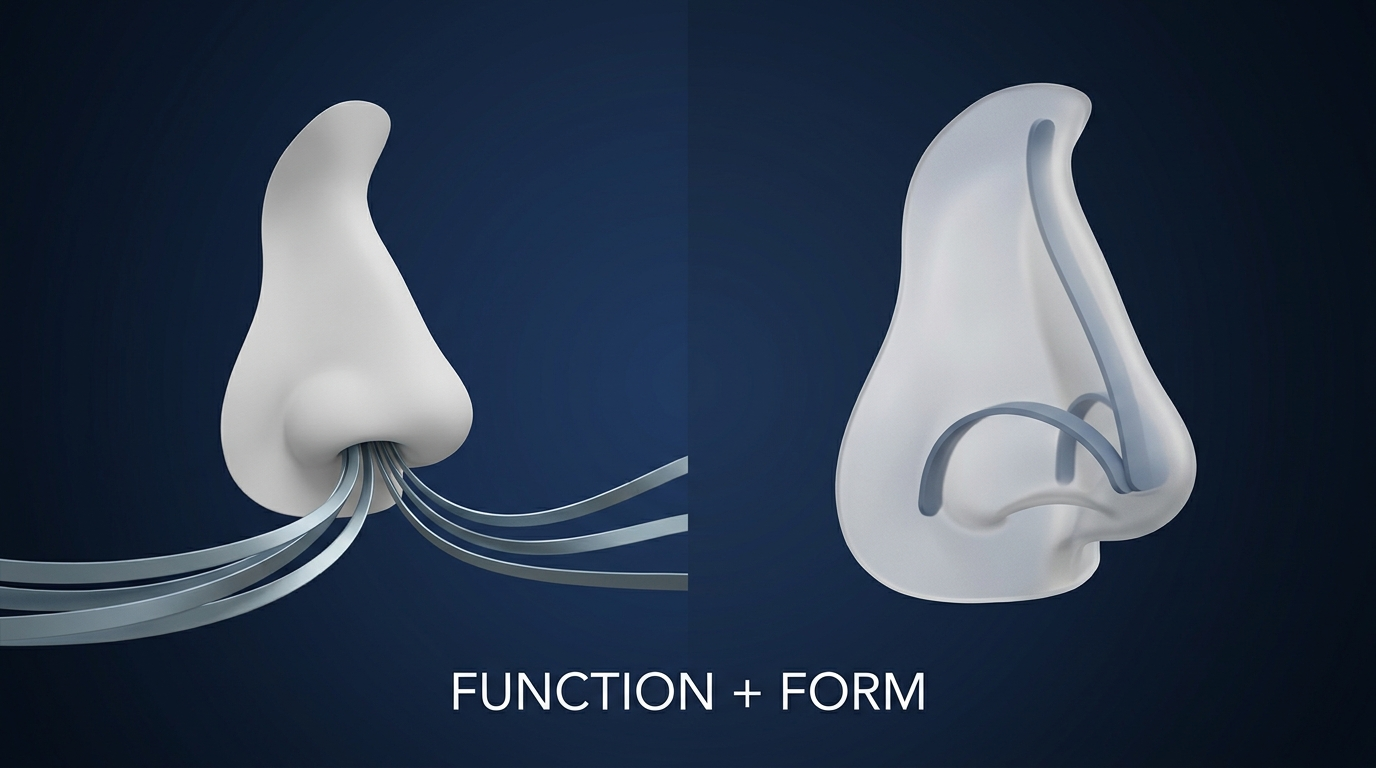
A simple way to picture it: if your septum is like the divider in a two-lane tunnel, septoplasty helps move that divider back toward center so both lanes are more open.
Choosing the right anesthesia isn’t just about being asleep vs. awake. Your plan also supports comfort and anxiety control, stillness and airway stability for precise surgery, bleeding control, and a smooth wake-up with less coughing, nausea, and discomfort. (MedlinePlus, 2025)
Takeaway: The right anesthesia plan supports comfort during surgery and a calmer, safer recovery immediately afterward.
Deviated Septum Symptoms and Causes (When Septoplasty Is Considered)
Common symptoms can include ongoing nasal blockage (one side or both), difficulty breathing through the nose (often worse at night), recurring nosebleeds (in some people), snoring or sleep disruption, and sometimes facial pressure or headaches.
A practical example: some patients breathe fine during the day, but when they lie down, one side “shuts off.” Others constantly switch sides at night to chase the clearer nostril. Explore more: https://sleepandsinuscenters.com/deviated-septum-relief.
Common causes include natural growth patterns or genetics, nasal injury/trauma, and occasionally prior nasal surgery. (Cleveland Clinic, 2025)
Takeaway: If your nasal blockage is persistent—especially at night—an evaluation can clarify whether a deviated septum is a key contributor.
Types of Anesthesia for Septoplasty
The two main approaches are general anesthesia and local anesthesia with sedation.
General anesthesia (often used): You are fully asleep and pain-free. It helps keep you comfortable and still, gives the team more control of breathing and oxygen levels, and creates a more controlled surgical environment. (Cleveland Clinic, 2025; Cambridge University Press)
Many patients prefer “being fully asleep” to avoid awareness of sounds or pressure; you go to sleep and wake up in recovery.
Local anesthesia with sedation (selected cases): Numbing medication is placed in the nose plus IV medication to help you relax. You may be drowsy and less aware, but not always fully out. This may be chosen when the deviation is less complex, the surgical plan is more limited, or a patient strongly prefers to avoid general anesthesia and the team feels it’s appropriate. Some practices use branded terms like “incisionless septoplasty” for select techniques; the exact approach varies. (Advanced ENT & Allergy, 2025)
Which one is better? It depends on deviation complexity, whether other procedures are planned (like turbinate reduction), your comfort level and anxiety, and your medical history, including snoring or obstructive sleep apnea risk. See more: https://sleepandsinuscenters.com/snoring-sleep-apnea-treatment and https://sleepandsinuscenters.com/blog/septoplasty-pain-level-and-recovery-what-to-expect-20260124121132.
Takeaway: Many septoplasties use general anesthesia, but carefully selected patients may do well with local anesthesia plus sedation—your team will recommend what’s safest and most comfortable.

How Your Anesthesia Team Keeps You Safe During Surgery (What Patients Don’t See)
Even though you may not remember much of surgery day, a lot is happening behind the scenes to keep your airway protected and your recovery smooth. Think of the surgeon doing precise work in the “tunnel,” while anesthesia manages the “traffic flow” of breathing, blood pressure, oxygen, comfort, and a smooth wake-up.
Airway management during general anesthesia: for nasal surgery, clinicians may use a laryngeal mask airway (LMA) or an endotracheal tube to support and manage breathing; the choice depends on the case and clinical judgment. (Cambridge University Press)
Reducing bleeding: because the nose has many small vessels, teams may use topical or injected vasoconstrictors, including epinephrine, to reduce bleeding and improve visibility. (Cambridge University Press)
A smooth wake-up is part of the plan: minimizing coughing, straining, and blood pressure spikes during emergence supports comfort and may lower bleeding risk. (Cambridge University Press)
Takeaway: Behind the scenes, your anesthesia team focuses on steady breathing, less bleeding, and a smooth emergence to support safer, more comfortable recovery.

Risks and Side Effects of Septoplasty Anesthesia (Honest, Non-Alarming)
Any anesthesia has potential side effects. Most are temporary, and your team monitors closely and responds quickly.
Common short-term side effects include grogginess or fatigue, nausea or vomiting (more with general anesthesia), sore throat or hoarseness (from airway devices), dry mouth, and dizziness when standing. (MedlinePlus, 2025)
Example: some people feel fine lying down but lightheaded when first standing—recovery staff will help you take it slow.
Less common but important risks can include allergic reactions, breathing problems (vary by personal health), aspiration (fasting rules help reduce this risk), and blood pressure or heart rhythm changes (monitored continuously).
With local anesthesia and sedation, considerations include numbing that feels incomplete (sometimes needing more numbing) and anxiety or claustrophobia if you are more aware during the procedure. If being “sort of awake” sounds stressful, say so early.
Who may have higher anesthesia risk? Factors often include obstructive sleep apnea or heavy snoring, significant heart or lung disease, severe reflux/aspiration risk, and certain medications or substance use history. More on surgical risks: https://sleepandsinuscenters.com/blog/septoplasty-complications-risks-symptoms-and-how-t-20260328011157.
Takeaway: Most side effects are short-lived, but your individual health history guides how the team prevents and manages risks.

How to Prepare for Septoplasty Anesthesia (Patient Checklist)
This section is educational—follow your team’s specific instructions.
One to two weeks before surgery: review medications and supplements (some affect bleeding or anesthesia), ask about pain relievers (some NSAIDs may need adjustment), and avoid smoking/vaping if possible.
Tip: bring a written list or photos of medication bottles to your pre-op visit.
The day before/day of surgery: follow fasting instructions carefully (timing varies), arrange a responsible adult to drive you home, wear comfortable clothes, and skip jewelry. If you get nauseated easily, mention it so your team can tailor prevention. (MedlinePlus, 2025)
Takeaway: Good prep—especially medication review and fasting—helps your anesthesia day go smoothly and safely.
What to Expect on Surgery Day (Step-by-Step)
Pre-op: review your history, confirm the plan, check vitals, and get an IV. Ask last-minute questions about anesthesia; say if you’re nervous.
Operating room: you’ll be connected to monitors for heart rate, oxygen, and blood pressure. Anesthesia begins—either general anesthesia or local numbing with sedation, per plan.
Recovery (PACU): expect sleepiness and congestion while the team manages pain, nausea, and readiness for discharge. Many patients notice “stuffy nose” and “dry mouth” more than sharp pain.
Takeaway: Expect a structured flow—pre-op review, anesthesia start, then recovery—with staff guiding comfort and safety at each step.
Recovery Tips After Septoplasty Anesthesia (Comfort + Safety)
First 24 hours: rest and keep activity light; sip fluids and try light foods as tolerated; avoid alcohol, driving, and major decisions for at least 24 hours (or per instructions).
If you’re caring for kids or juggling work, plan for a true downshift that first day.
Breathing and congestion: swelling and crusting are common early; mild oozing/spotting can occur. Early breathing can feel worse before it feels better—this reflects normal healing, not failure.
Bleeding prevention habits: avoid forceful nose blowing; avoid heavy lifting/straining; sneeze with your mouth open; consider head elevation if advised.
Nose care and rinses: if saline spray or rinses are recommended, follow timing and technique. How-to: https://sleepandsinuscenters.com/blog/how-to-do-a-saline-rinse-after-septoplasty-step-by-20260326011446. Week-by-week timeline: https://sleepandsinuscenters.com/blog/septoplasty-recovery-week-by-week-complete-timelin-20260123051106. (Cleveland Clinic, 2025)
Takeaway: Plan for extra rest the first day, expect swelling-related congestion early, and follow your team’s nose-care routine to support healing.

When to Call Your Surgeon or Seek Urgent Care
Call your surgeon for bleeding that doesn’t slow with given measures, fever, worsening pain, foul-smelling drainage, or new/worsening swelling.
Seek urgent/emergency care for trouble breathing, chest pain, fainting, or heavy uncontrolled bleeding. (MedlinePlus, 2025)
Takeaway: When in doubt, call—timely updates help your team keep your recovery on track.
Treatment Options If You’re Worried About “Going Under”
If general anesthesia makes you anxious, bring it up early. Ask whether local anesthesia with sedation fits your case, how to reduce nausea afterward, strategies for anxiety management before and on surgery day, and how sleep apnea or snoring might affect planning.
Sometimes the most reassuring moment is hearing the plan clearly: what will happen, why it’s recommended, and what alternatives may or may not fit your situation.
Takeaway: Share your concerns early—your team can tailor a plan that balances safety, comfort, and preferences.

FAQs
Will I be awake during septoplasty?
Usually no—general anesthesia is often used, but some patients may be candidates for local numbing with sedation depending on the plan. (Cleveland Clinic, 2025)
Is general anesthesia safe for septoplasty?
In modern settings, anesthesia is commonly performed safely with continuous monitoring and individualized planning; your personal risk depends on your health history. (MedlinePlus, 2025)
Why might I need an airway device for nose surgery?
During general anesthesia, devices such as an LMA or an endotracheal tube support and manage breathing while surgery is performed near the nasal airway. (Cambridge University Press)
How long does anesthesia take to wear off?
Grogginess often lasts several hours, and fatigue can extend into the next day depending on medications used and individual sensitivity.
Does anesthesia increase bleeding risk?
Plans may include steps to reduce bleeding, such as vasoconstrictors. (Cambridge University Press)
Can I choose my anesthesia type?
Preferences are considered when safe, but the choice depends on procedure complexity, comfort, and clinical judgment of your team.
Conclusion
For most patients, general anesthesia for septoplasty is common because it supports comfort, airway control, and a stable surgical environment. In selected situations—especially more limited or minimally invasive plans—local anesthesia with sedation may be an option. Either way, a well-planned strategy focuses on safety, bleeding control, and a smoother recovery. (Cleveland Clinic, 2025; Cambridge University Press)
For a personalized recommendation, request a visit: https://sleepandsinuscenters.com/appointments. Prefer to book now? https://www.sleepandsinuscenters.com/
Citations / References
MedlinePlus. “Anesthesia—general.” (Accessed 2025). https://medlineplus.gov/ency/article/003012.htm
Cleveland Clinic. “Septoplasty.” (Accessed 2025). https://my.clevelandclinic.org/health/treatments/17779-septoplasty
Cambridge University Press. Anesthesia for Otolaryngologic Surgery: Anesthesia for Septoplasty and Rhinoplasty. https://www.cambridge.org/core/books/anesthesia-for-otolaryngologic-surgery/anesthesia-for-septoplasty-and-rhinoplasty/9E39D3139E284A60A58B9B97D6944F4D
Advanced ENT & Allergy. “Incisionless Septoplasty with Dr. Rogers.” (Accessed 2025). https://advancedentpc.com/incisionless-septoplasty-with-dr-rogers/
Disclaimer
This article is for educational purposes only and is not medical advice. Please consult a qualified healthcare provider for diagnosis and treatment.
Don’t let allergies slow you down. Schedule a comprehensive ENT and allergy evaluation at Sleep and Sinus Centers of Georgia. We’re here to find your triggers and guide you toward lasting relief.