Nasal Endoscopy Procedure: Step-by-Step Guide, Benefits, and What to Expect
If you’ve been dealing with stubborn congestion, post-nasal drip, nosebleeds, or sinus symptoms that won’t quit, your ENT may recommend a nasal endoscopy procedure. For many patients at Sleep and Sinus Centers of Georgia, this quick, in-office exam helps answer a simple question: what’s actually happening inside the nasal passages and sinus drainage pathways?
Think of it like switching from “looking through a keyhole” to turning on a small flashlight inside the hallway. A standard nasal exam can only see the front of the nose, but endoscopy helps your ENT evaluate deeper areas where swelling, polyps, crusting, or drainage can hide.
Below is a practical, patient-friendly walkthrough of what nasal endoscopy is, why it’s done, and what to expect before, during, and after the visit.
Quick Take (1-minute overview)
What it is: A brief, in-office exam using a thin, lighted camera (an endoscope) to look inside the nose and parts of the sinus openings. ENTs may use a rigid or flexible scope.
Why it’s done: To help pinpoint causes of nasal obstruction, persistent drainage, nosebleeds, smell changes, suspected CSF leak, and to monitor healing after sinus surgery.
Typical time: The scope portion usually takes just a few minutes.
Comfort: Many clinics use a numbing and decongestant spray beforehand to improve comfort and visibility.
Next steps: Findings can guide medications, imaging like a sinus CT, cultures, or biopsy when appropriate.
What Is Nasal Endoscopy?
A diagnostic nasal endoscopy is a closer look beyond what a basic “peek” in the nostrils can show. Instead of relying only on an external exam and a light, an endoscope allows the ENT to visualize deeper structures and key drainage areas—often the exact spots that contribute to recurring sinus symptoms.
One clinician-friendly way to describe it is: “It’s the fastest way to see what your symptoms are trying to tell us.” That real-time visibility can be especially helpful when symptoms are persistent, one-sided, or not improving with typical medications.
Rigid vs Flexible Nasal Endoscopes
Rigid endoscope: Often provides sharper, clearer images and may be preferred for certain evaluations or when a biopsy is needed, depending on the location and clinical goal.
Flexible endoscope: Can navigate tighter anatomy and certain angles more easily, which can be helpful depending on your nasal structure and symptoms.
Areas your ENT can see
The nasal passages; the septum; the turbinates; the middle meatus and drainage pathways; portions of the sinus openings (visibility varies by anatomy and swelling). In short, endoscopy gives your ENT a real-time, detailed look at the areas most likely to explain persistent nasal and sinus symptoms.

Symptoms That Often Lead to a Nasal Endoscopy
If you’re experiencing the symptoms below, nasal endoscopy can help your ENT see what’s going on beyond what a basic nasal exam shows. In many cases, it helps separate “everything feels blocked” from why it feels blocked—swelling, structure, polyps, crusting, or drainage patterns.
Common symptom triggers:
Ongoing nasal blockage/congestion
Persistent post-nasal drip or drainage
Facial pressure/pain (especially if one-sided or persistent)
Frequent nosebleeds (epistaxis)
Reduced or lost sense of smell
Clear watery drainage that raises concern for a cerebrospinal fluid (CSF) leak (rare, but important to evaluate)
If symptoms are lingering, one-sided, or not responding to usual treatments, endoscopy helps move from guesswork to clarity.

What Causes These Symptoms? (And What Endoscopy Helps Detect)
Nasal and sinus symptoms can overlap—meaning different conditions can feel similar day-to-day. For example, chronic rhinitis and chronic sinusitis can both cause congestion and drip, but the underlying patterns your ENT sees may be different.
A diagnostic nasal endoscopy helps your ENT look for clues that point toward the most likely cause. Many patients find this reassuring: instead of guessing based on symptoms alone, your doctor can evaluate tissue and drainage areas directly.
Common causes your ENT may look for:
Swollen turbinates / chronic rhinitis. Related resource: https://sleepandsinuscenters.com/treating-chronic-rhinitis
Chronic or recurrent sinusitis. Related resource: https://sleepandsinuscenters.com/chronic-sinusitis
Deviated septum or other structural narrowing
Nasal polyps
Crusting or irritated areas that may contribute to bleeding
Signs of infection or inflammation
One-sided (unilateral) findings that deserve a closer look
When endoscopy is especially helpful
Endoscopy becomes especially valuable when a basic in-office look (anterior rhinoscopy) doesn’t show enough—particularly when symptoms persist, are one-sided, or don’t match what’s visible at the front of the nose. It helps answer questions like: Is the blockage from swelling or structure? Is there polyp tissue? Is drainage pooling in a way that suggests ongoing inflammation? By matching what you feel to what your ENT can see, endoscopy helps target the right next step.
Benefits of a Nasal Endoscopy (Why ENTs Recommend It)
More accurate diagnosis in the office: The major advantage of nasal endoscopy is direct visualization—your ENT can evaluate anatomy and drainage pathways in real time rather than relying only on symptoms. Many patients appreciate that it reduces uncertainty; your ENT can often explain what they’re seeing and how it ties to your symptoms.
Helps guide next steps: Endoscopy findings can clarify whether next steps might include adjusting or changing medications, ordering imaging for additional detail or surgical planning, or taking a culture or biopsy sample when appropriate.
If imaging is needed, your ENT may discuss a sinus CT scan. Endoscopy provides a live look at the nasal cavity and drainage areas, while CT shows detailed anatomy and sinus disease patterns and is often used for surgical planning or further evaluation. Related resource: https://sleepandsinuscenters.com/blog/sinus-ct-scan-what-it-shows-and-how-it-helps-diagnose-sinus-issues
Monitoring after sinus surgery
After sinus surgery, endoscopy can help monitor healing, check for inflammation or scarring, and spot issues early—one reason ENTs may recommend follow-ups. Think of these visits as progress checks, where your surgeon confirms healing is on track and adjusts aftercare if needed. Endoscopy turns a focused office visit into actionable insights that shape a personalized plan.

How to Prepare for a Nasal Endoscopy Appointment
What patients should tell the clinic beforehand
Blood thinners/anticoagulants or a history of bleeding problems (these can increase nosebleed risk)
Medication allergies (especially to topical anesthetics or decongestants)
Pregnancy, heart conditions, or known sensitivity to decongestants (clinic-specific considerations)
Any history of fainting with medical procedures
What you may be asked to do
Arrive a bit early for check-in and prep.
Follow staff instructions about masks/face coverings if requested.
Ask about driving policies if you have concerns; many people drive themselves after an in-office exam, but clinics vary.
Sharing your medication list and past reactions helps your team tailor a safe, comfortable exam.
Nasal Endoscopy: Step-by-Step (What to Expect)
Most visits feel more odd and brief than painful—especially once the numbing spray has time to work.
Step 1 — Symptom review and brief nasal exam: Your ENT will review symptoms, relevant history, and what you’ve tried so far. A basic nasal exam may happen first. Be ready with specifics (for example, left side only, worse at night, or bleeds happen when I blow my nose).
Step 2 — Numbing and decongesting spray: Many offices use a topical decongestant (often similar to oxymetazoline) and a topical anesthetic (often lidocaine). Sprays can reduce swelling (improving visibility) and reduce discomfort. Some people notice a brief sting, a bitter taste, or temporary throat numbness.
Step 3 — Scope insertion and guided inspection: The scope is gently guided into each nostril. Common sensations include pressure or a strange tickle, watery eyes, and an urge to sneeze. Breathing is usually still possible, though one side may feel temporarily more crowded or uncomfortable.
Step 4 — Optional sampling (only if needed): If your ENT sees an area that needs more information, they may collect a sample (for example, a culture swab or, in select cases, a biopsy). This is not part of every visit and depends on what’s seen and the clinical question.
Step 5 — Review of findings and next steps: At the end of the exam, your ENT explains what was seen and discusses potential next steps—such as treatment options, additional testing, or follow-up timing. A helpful question to ask is: What did you see that best explains my main symptom?
From sprays to scope to summary, most patients find the process quick and informative.

Does a Nasal Endoscopy Hurt?
Typical sensations: Most people describe brief pressure, mild burning from the sprays, watering eyes, and temporary throat or nose numbness.
Pain expectations: With topical numbing and decongestant, many patients tolerate the exam well. Comfort varies by person and by how inflamed or congested the nose is that day. If you’re nervous, tell your clinician—slowing down, adjusting technique, or allowing extra numbing time can help. Most people find the exam more odd than painful, and it’s over in minutes.
Risks, Side Effects, and Safety
Is nasal endoscopy safe? Overall, it’s considered a low-risk, commonly performed office procedure.
Possible side effects/complications (uncommon): Nosebleed (epistaxis)—risk may be higher for those on anticoagulants or with bleeding disorders; reaction to topical sprays (allergy or sensitivity); vasovagal episode (lightheadedness or fainting); infection is very uncommon. Your care team watches for irritation or bleeding during and after the exam and can manage most issues in the office.
Contraindications and special situations: There are few absolute contraindications, but clinicians consider bleeding risk, anatomy, tolerance, and recent surgery or nasal injury on a case-by-case basis. In some situations—such as certain pediatric exams or patients who cannot tolerate the scope—an exam under anesthesia may be considered. For most people, endoscopy is low risk; your ENT tailors precautions to your needs.

After the Procedure: Recovery and At-Home Care
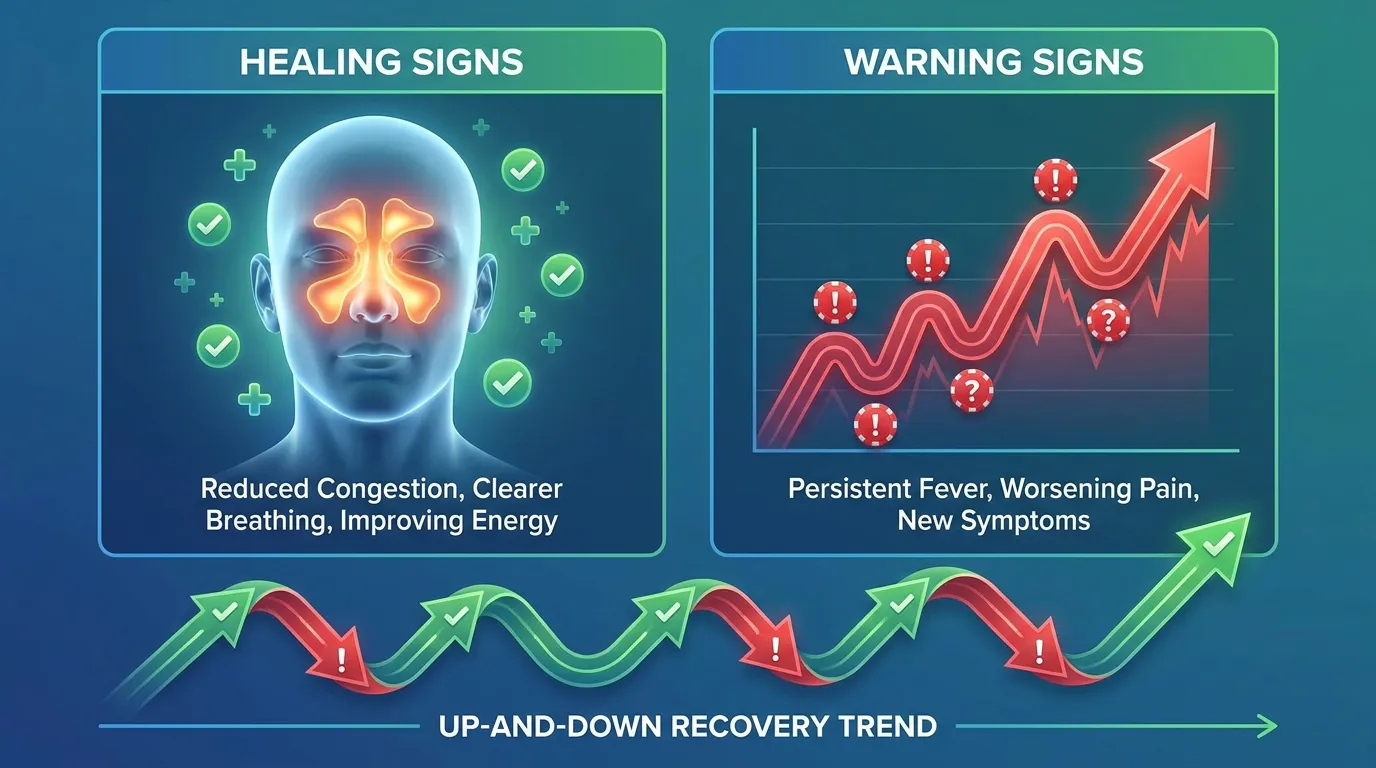
What’s normal right after: Temporary numbness in the nose and/or throat; mild bloody mucus when wiping or gently clearing the nose; mild congestion or drainage. If your throat feels numb, take small sips and be cautious with hot drinks until sensation returns.
Simple aftercare tips: Avoid aggressive nose blowing for the rest of the day (or follow your ENT’s instructions); use saline spray or rinses if suggested; hydration and humidified air can help with temporary dryness.
When to call your doctor: Heavy or persistent bleeding; fever, worsening facial pain, or concerning new symptoms; signs of a severe reaction after topical sprays (seek urgent evaluation if severe). Most people resume normal activities quickly with little more than brief stuffiness or mild spotting.
What Happens Next? Treatments Based on What the ENT Finds
Endoscopy is a diagnostic tool; what happens next depends on the cause. The goal is to match treatment to what’s actually happening—whether that’s inflammation, infection patterns, or structural narrowing.
If findings suggest inflammation/allergies: Your ENT may recommend nasal sprays, allergy evaluation, or ongoing symptom monitoring—based on the overall picture.
If sinus infection or chronic sinusitis is suspected: Your ENT may discuss medical management and whether imaging is useful. If a CT is recommended, it’s often to answer different questions than endoscopy—another common point in nasal endoscopy vs CT scan discussions.
If structural blockage is found (septum/turbinates/valve issues): Structural issues may lead to a conversation about medical options, procedures, or surgery depending on severity and goals. Related resource: https://sleepandsinuscenters.com/deviated-septum-relief
If polyps or suspicious lesions are seen: Your ENT may outline medication options, whether sampling is appropriate, and the follow-up plan. Endoscopy sets the stage for targeted care—so treatment fits the real cause, not just the symptoms.
FAQs
1) How long does a nasal endoscopy take? The scope portion often takes only a few minutes, though the full visit is longer due to history review, sprays, and discussion.
2) Can I drive home after nasal endoscopy? Many patients can, but clinic policies and individual factors vary—checking ahead is reasonable.
3) Will I be able to breathe during the test? In most cases, yes. One side may feel temporarily more crowded or uncomfortable during the exam.
4) What’s the difference between rigid and flexible nasal endoscopy? A rigid scope tends to provide clearer images and may be preferred for certain evaluations or when a biopsy is needed, depending on the location. A flexible scope can navigate tight anatomy and angles more easily.
5) Is nasal endoscopy safe if I’m on blood thinners? It’s often still possible, but bleeding risk can be higher. Your ENT team typically considers medication history when planning the exam.
6) Why do I need endoscopy if I already had a CT scan (or vice versa)? They answer different questions. Endoscopy is a live, in-office view of tissues and drainage areas; CT provides detailed anatomy and sinus disease patterns and is often used for surgical planning or further evaluation.
7) What does it mean if my symptoms are only on one side? One-sided symptoms can sometimes signal a localized issue that deserves a closer look, which is one reason ENTs may recommend endoscopy. Think of endoscopy and CT as complementary tools—each adds detail your doctor can’t get from symptoms alone.
When to See an ENT for Persistent Nasal/Sinus Problems
Signs it’s time to escalate care: Symptoms last longer than 10–12 weeks or keep coming back; one-sided blockage, bleeding, or drainage; smell loss that isn’t improving; severe facial pain/pressure or unusual drainage patterns. If symptoms keep interrupting sleep, work, or daily routines, that’s another practical sign it’s worth getting a closer look. If symptoms persist or are one-sided, sooner evaluation often leads to faster answers and relief.
How ENTs Document the Visit (Brief, Trust-Building Section)
What may be included in your note: key history details, the areas examined, endoscopy findings, and post-procedure observations (for example, whether any bleeding occurred or whether new facial pain was noted). This documentation also helps track progress over time—especially for chronic conditions or postoperative follow-ups where trends matter. Good documentation supports continuity of care and clearer long-term planning.
Summary + Call to Action
A nasal endoscopy procedure is a quick, low-risk, high-value way for ENTs to evaluate nasal and sinus concerns—especially when symptoms persist or when a basic exam doesn’t provide enough information. If you’re dealing with ongoing congestion, drainage, recurrent nosebleeds, smell changes, or one-sided symptoms, an ENT evaluation at Sleep and Sinus Centers of Georgia can help clarify what’s going on and what options may fit your situation.
To get started, you can book an appointment at https://www.sleepandsinuscenters.com/. A few minutes of in-office visualization can save weeks or months of trial-and-error.
Medical disclaimer
This article is for general educational purposes and is not a substitute for medical advice, diagnosis, or treatment. Always follow your clinician’s guidance for your specific symptoms and health history. This article is for educational purposes only and is not medical advice. Please consult a qualified healthcare provider for diagnosis and treatment.
Don’t let allergies slow you down. Schedule a comprehensive ENT and allergy evaluation at Sleep and Sinus Centers of Georgia. We’re here to find your triggers and guide you toward lasting relief.