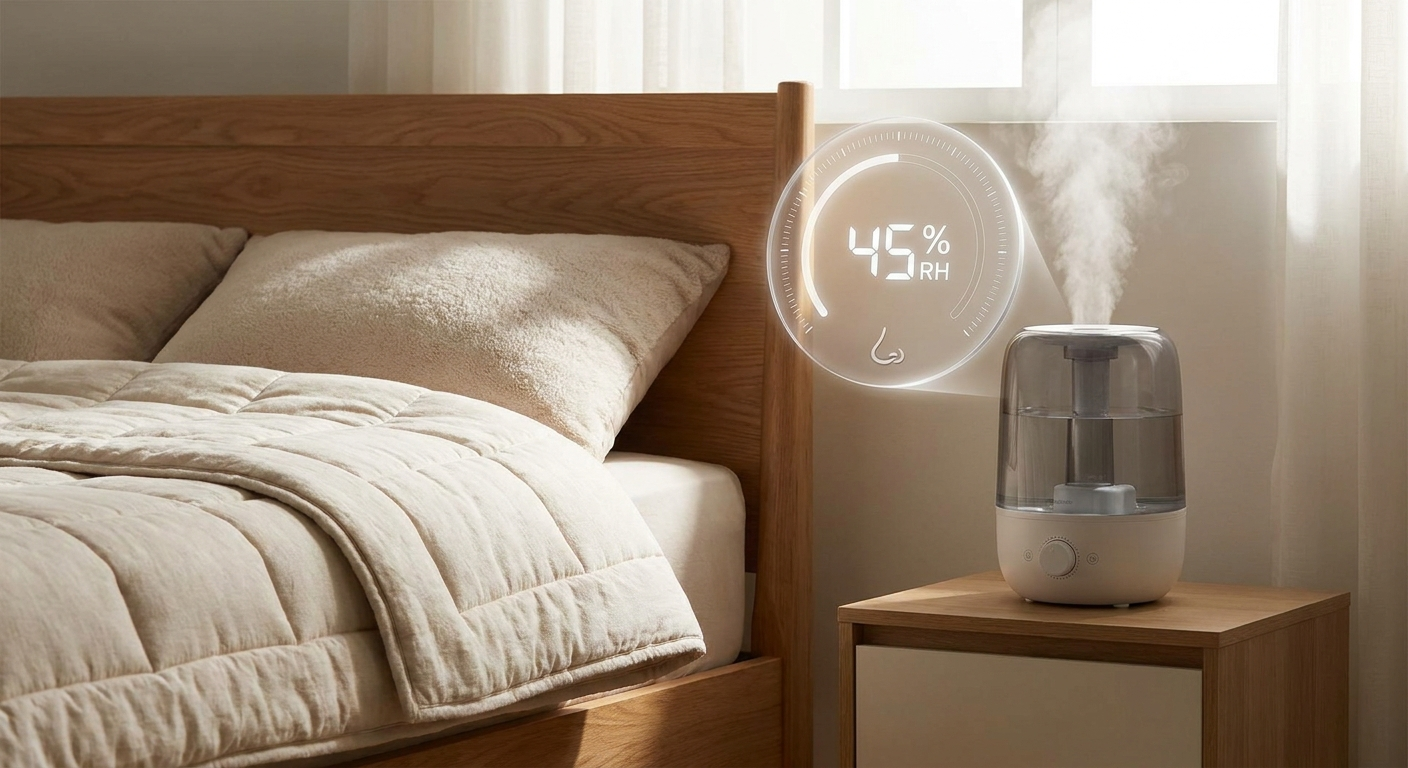
How to Humidify Your Bedroom Without Worsening Sinus Problems
If you wake up with sinus pressure, a dry nose, or congestion that feels worse at night, it’s natural to wonder whether adding moisture would help. The key is balance: you can humidify your bedroom without worsening sinus problems when you stay in a safe humidity range and keep your humidifier (and room) clean.
Think of humidity like seasoning in cooking: a little can improve comfort, but too much can ruin the whole dish. Below is a practical, patient-friendly guide to finding the best humidity for sinuses at night, avoiding mold and dust mites, and preventing a humidifier from turning into a source of irritation.
Why Bedroom Humidity Can Help—or Hurt—Sinus Symptoms
How dry air affects the nose and sinuses
When indoor air is very dry (common in winter or with heating), the nose and sinus passages can feel irritated. Dry air may:
- Dry out the nasal lining and make mucus feel thicker, contributing to “stuck” congestion
- Increase crusting, burning, or occasional nosebleeds for some people
- Make the throat feel scratchy overnight
A simple example: if you’ve ever woken up feeling like your nose is “paper dry,” that’s often an indoor-air issue—not something you did wrong. For some people, adding a controlled amount of moisture makes the bedroom feel less harsh.
For more background on comfort benefits and safe use, see how humidifiers may ease chronic sinusitis symptoms for some people—and how to use them responsibly: https://sleepandsinuscenters.com/blog/how-humidifiers-improve-chronic-sinusitis-symptoms-benefits-and-tips
How too much humidity backfires
More moisture isn’t always better. When indoor humidity climbs too high, it can encourage:
- Mold growth (especially on windows, walls, and in closets)
- Dust mites, which thrive in more humid environments and can trigger allergy symptoms
Musty odors, damp surfaces, and visible condensation are common warning signs that your room is too humid. If your bedroom is “sweating” (foggy windows, clammy corners), your sinuses may not love it either. The EPA emphasizes controlling humidity to help reduce indoor microbial growth risk [1].
Conclusion: Balanced moisture can soothe—excess can backfire.
Sinus Symptoms That May Improve With Proper Humidification (and Signs It’s Too Humid)
Symptoms that may respond to balanced humidity
Keeping humidity in a reasonable range may support comfort for:
- Dry nose or throat
- Irritated nasal passages
- Mild cold-related congestion (as part of general supportive care)
For many people, the goal isn’t to “treat” a sinus condition with humidity—it’s to make the bedroom less irritating so your nose can do its normal job more comfortably.
Symptoms that can worsen if humidity is high or the unit is dirty
If humidity is excessive—or if the humidifier isn’t maintained—some people notice:
- Increased nighttime congestion or sneezing
- Itchy, watery eyes (possible indoor allergy trigger)
- New cough or wheezing (especially for people with asthma)
- Musty smell, visible condensation, or any sign of mold in the bedroom
Humidification should feel neutral-to-soothing; if it starts to feel “heavy,” musty, or triggering, it’s time to check the humidity number and the machine. Mayo Clinic notes humidifiers may ease some breathing and skin symptoms, but upkeep is important [2]. The EPA and AAAAI also highlight indoor allergen and contamination risks when moisture and maintenance aren’t controlled [1,3].
Conclusion: Humidity should feel neutral-to-soothing; if it feels heavy or musty, reassess.

A Commonly Recommended Bedroom Humidity Range for Sinus Comfort
Target 30%–50% relative humidity
For most bedrooms, a commonly recommended target is 30%–50% relative humidity—and it’s best not to deliberately exceed 50% [1]. This is the foundation of how to humidify your bedroom without worsening sinus problems.
If you have indoor allergies, aim tighter: 40%–50%
If allergies are part of the picture, AAAAI recommends keeping indoor humidity roughly 40%–50% [3]. That “bedroom humidity 40–50 percent” range helps you find comfort without feeding dust mites and mold as easily.
Why “more moisture” isn’t better for sinuses
Once you get much above 50% humidity, the environment can become more welcoming to common indoor triggers like dust mites and mold [1,3]. For many people, that means more congestion—not less. Your humidifier shouldn’t “make the room feel humid.” It should simply bring a too-dry room back into a healthier middle range.
Conclusion: Aim for the middle, not the maximum.

Step-by-Step: How to Humidify Your Bedroom Without Triggering Mold or Dust Mites
Step 1 — Measure first (don’t guess)
Use a small hygrometer in your bedroom, or choose a humidifier with a built-in humidistat. Check readings at bedtime and again in the morning—humidity can rise overnight [1].
- Example: if you go to bed at 38% and wake up to 54%, your machine may be running too high for your room size (or your door/HVAC setup is trapping moisture).
Step 2 — Adjust the room, not just the machine
Humidity isn’t only about the humidifier setting. It’s also affected by door position, HVAC/heat settings, and outdoor weather. Try to keep conditions similar for a few nights when testing a new setting so your readings are comparable.
Step 3 — Place the humidifier correctly
- Place it on a stable surface a few feet from the bed (not blasting mist at your face)
- Don’t aim mist toward walls or windows
- If you see condensation on windows, lower output or shut it off
Watch “problem areas” first: windows, outside-facing walls, and closets tend to show excess moisture early.
Step 4 — Use the right water (this matters more than most people realize)
The EPA recommends distilled or demineralized water to reduce mineral buildup and “white dust” [1]. Refill with fresh water and follow the manufacturer’s guidance for your unit type.
Step 5 — Set a practical ceiling: stop around 50%
As a general rule of thumb, if your hygrometer reads above 50%, reduce output or turn the unit off [1,3]. An easy routine: set it, check it at night and in the morning, and cap humidity at 50%.
Conclusion: Measure, adjust, and cap humidity—then keep the unit clean.
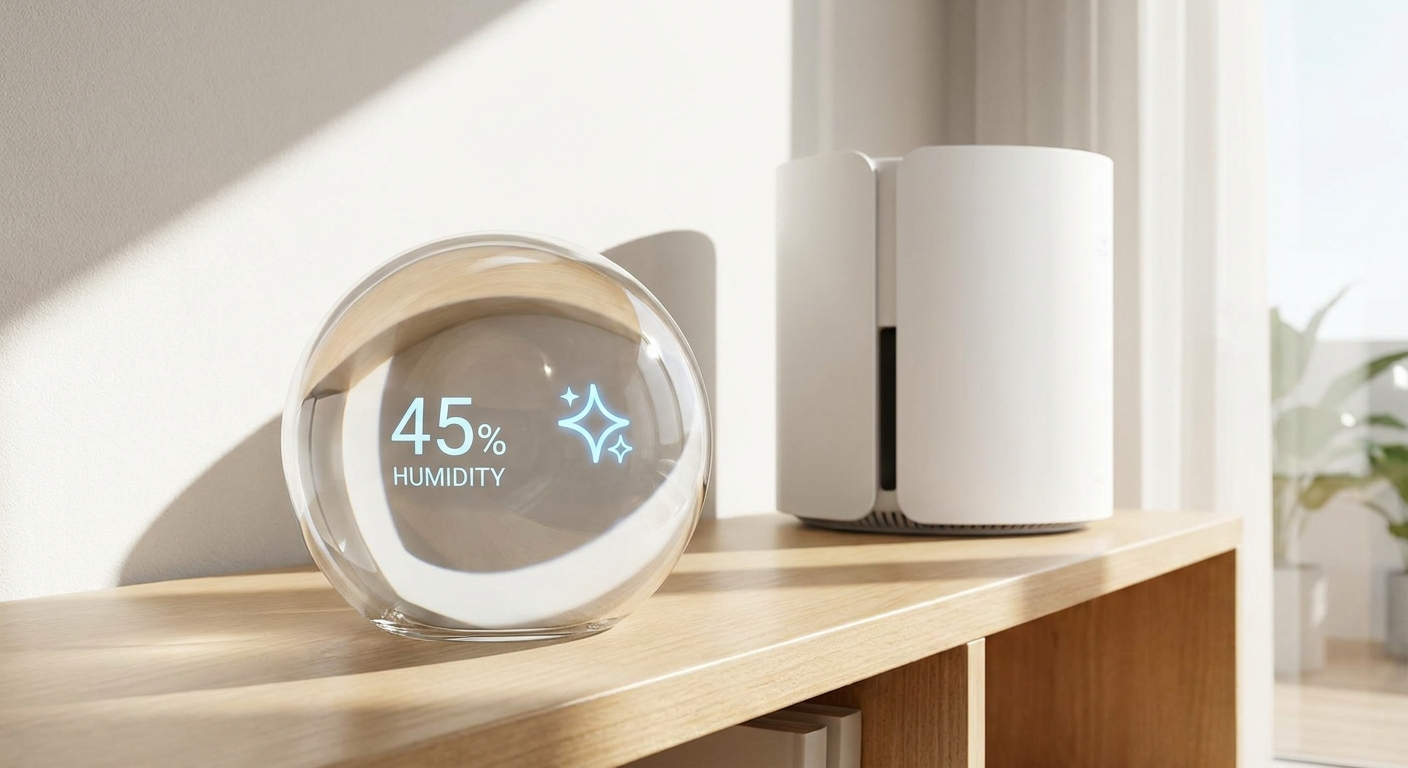
Cool Mist vs. Warm Mist: Which Is Better When You Have Sinus Problems?
Cool-mist humidifiers (commonly used)
For many households, cool mist is a practical option—especially for general comfort during a cold. Mayo Clinic notes humidifiers may ease some breathing and skin symptoms when used and cleaned properly [2]. If you’re deciding between cool mist vs warm mist for congestion, keep in mind: the humidity level and cleanliness usually matter more than mist temperature. Cool mist also avoids hot water/steam burn risk.
For added comfort ideas, see: https://sleepandsinuscenters.com/blog/blocked-nose-relief-best-humidifier-tips-to-clear-nasal-congestion
Warm-mist/steam humidifiers: what to consider
- Burn risk from hot water or steam (especially in homes with children) [1,2]
- The same need for careful cleaning and humidity monitoring
Bottom line: choose the type that’s safest and easiest for you to maintain. Measuring humidity, capping it around 50%, and keeping the unit clean matter most for comfort and safety.
Conclusion: Mist temperature matters less than cleanliness, placement, and staying under ~50% RH.
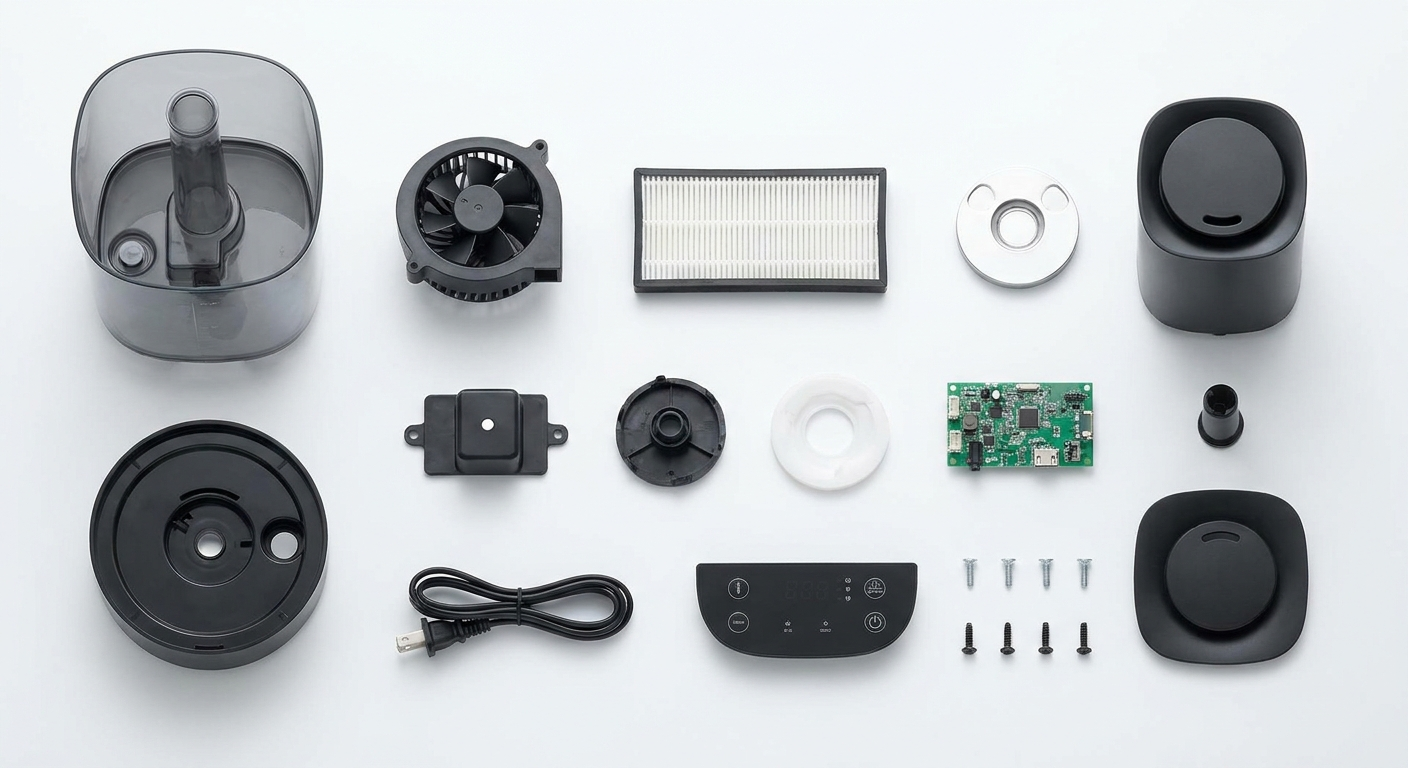
The #1 Mistake: A Dirty Humidifier Can Worsen Sinus and Allergy Symptoms
What can grow inside a humidifier
When tanks and internal parts stay wet, bacteria and mold can grow [1]. The humidifier can then disperse contaminated mist (or mineral particles) into the air you breathe. If the unit smells musty when you open it, treat that as a cleaning red flag—not something to ignore.
A general cleaning schedule (always follow your manufacturer’s instructions)
The EPA advises frequent maintenance [1]. A simple routine many people can follow:
- Daily: empty the tank, wipe it dry, and refill with fresh distilled water
- At least every third day: clean the unit per the manufacturer’s directions
- After cleaning: rinse thoroughly so cleaning agents aren’t left behind
For a deeper, step-by-step routine, see: https://sleepandsinuscenters.com/blog/humidifier-cleaning-schedule-ultimate-guide-for-better-air-quality
Filters and wicks
If your humidifier uses a filter or wick, replace it on schedule. Don’t stretch timing—an old, saturated filter can become a reservoir for growth [1].
If you’re searching for how to clean a humidifier to reduce the risk of dispersing contaminants, the most important themes are: empty/dry often, clean regularly, replace filters, use distilled water, and keep humidity at or below about 50% [1].
Conclusion: A clean, well-maintained unit is as important as the humidity number.
Common Causes of “Sinus Trouble at Night” That Humidification Won’t Fix (and What to Do Instead)
Indoor allergies (dust mites, mold, pet dander)
Humidity control can help, but it’s only one piece. If symptoms track with indoor exposure, additional allergen reduction steps may matter (for example, dust-mite-focused bedding strategies) [3,1].
Chronic rhinitis or chronic sinusitis
Ongoing inflammation can have multiple drivers. In that context, humidification may support comfort but may not address the underlying cause.
Structural or airflow issues
A deviated septum, turbinate enlargement, and other airflow limitations can contribute to nighttime congestion regardless of humidity. If congestion is persistent, it may be worth discussing evaluation options with a healthcare professional.
Conclusion: Humidity can support comfort, but it’s not a fix for every cause of congestion.
Treatment Options and Lifestyle Tips (Beyond Humidifiers) for Sinus-Friendly Sleep
Keep humidity in range AND keep air clean
Balanced humidity works best alongside cleaner air habits—especially if mold risk is a concern. The EPA’s indoor air guidance emphasizes controlling moisture to reduce microbial contamination risk [1].
Simple bedtime habits that support nasal comfort
- Drink enough fluids earlier in the day
- Use saline sprays or rinses if recommended by a clinician
- Consider allergen-focused bedding and regular laundering if dust mites are suspected [3]
When dehumidifying is the smarter move
If your bedroom already runs humid, adding a humidifier may backfire. Condensation on windows or a musty smell can be clues. In those cases, lowering humidity may reduce triggers more than adding moisture [1,3]. For many allergy-prone households, staying in that 40%–50% band is the goal.
Conclusion: Cleaner air habits plus balanced humidity work best together.
When to Call a Healthcare Professional
Red flags and “don’t wait” symptoms
Humidification is an environmental comfort tool—not a diagnosis or treatment plan. Consider seeking medical evaluation if you notice:
- Symptoms that persist or worsen despite humidity and cleaning changes
- Fever, severe facial pain, swelling around the eye, vision changes, or recurrent infections (seek prompt/urgent care for eye swelling or severe symptoms)
- Worsening asthma symptoms or significant wheezing (follow your asthma action plan and contact a clinician)
- Concern for mold exposure or chronic nasal obstruction
Mayo Clinic encourages evaluation for ongoing or worsening symptoms, and the EPA emphasizes avoiding microbial contamination in humidifier use [2,1].
CTA: Want a personalized plan instead of trial-and-error? If congestion, sinus pressure, or nighttime symptoms keep recurring, consider booking an appointment with Sleep and Sinus Centers of Georgia: https://www.sleepandsinuscenters.com/
Conclusion: If in doubt—especially with severe or worsening symptoms—seek care promptly.

FAQs
What humidity is best for sinuses at night?
In general, 30%–50% relative humidity is a commonly recommended target. If indoor allergies are a concern, AAAAI suggests 40%–50% [3,1].
Can a humidifier make sinusitis worse?
Yes. It can worsen symptoms if indoor humidity gets too high (supporting mold/dust mites) or if the unit is dirty (allowing microbes/minerals to disperse) [1,3].
Should I run a humidifier all night?
Only if your bedroom humidity stays at or below about 50% and the humidifier is maintained correctly (fresh water, regular cleaning, and appropriate filter changes) [1,3].
Is distilled water really necessary?
It’s strongly recommended because it reduces mineral “white dust” and buildup, supporting cleaner operation [1].
Cool mist or warm mist for a stuffy nose?
Both can add moisture. Cool mist is commonly used and avoids hot water/steam burn risk, especially around children. Regardless of type, proper cleaning and humidity control matter most [1,2].
How often should I clean my humidifier?
A practical baseline is: empty/wipe daily and clean at least every third day (or per the manufacturer’s directions) [1].
Footnotes (Citations)
[1] U.S. Environmental Protection Agency. Use and Care of Home Humidifiers. https://www.epa.gov/indoor-air-quality-iaq/use-and-care-home-humidifiers
[2] Mayo Clinic. Humidifiers: Ease skin, breathing symptoms. https://www.mayoclinic.org/diseases-conditions/common-cold/in-depth/humidifiers/art-20048021
[3] American Academy of Allergy, Asthma & Immunology (AAAAI). Humidifiers and Indoor Allergies. https://www.aaaai.org/tools-for-the-public/conditions-library/allergies/humidifiers-and-indoor-allergies
Medical disclaimer
This article is for educational purposes only and is not medical advice. Please consult a qualified healthcare provider for diagnosis and treatment. This content is not a substitute for professional medical advice, diagnosis, or treatment. If symptoms are persistent, worsening, or severe, seek care from a qualified healthcare professional.
Don’t let allergies slow you down. Schedule a comprehensive ENT and allergy evaluation at Sleep and Sinus Centers of Georgia. We’re here to find your triggers and guide you toward lasting relief.