
How to Do a Saline Rinse Correctly: Step-by-Step Guide
A nasal saline rinse is a drug-free technique that may help flush mucus and irritants—when you do it safely. The keys to learning how to saline rinse correctly are simple: use safe water, mix the right saline strength, rinse gently, and clean/dry your device every single time.
Think of it like rinsing sand out of a bottle: the rinse works best when the “water” is clean, the “flow” is steady (not blasted), and the “container” is washed and dried before you use it again. Done carefully, many people find it’s a practical tool for day-to-day comfort.【FDA 2025】【MedlinePlus 2025】
Below is a patient-friendly guide to nasal saline rinse basics, neti pot instructions, and safety tips—so you can seek symptom relief while reducing the risk of irritation or infection.【FDA 2025】【MedlinePlus 2025】
In short: safe water, gentle flow, and consistent cleaning make rinsing more comfortable and safer.
What a Nasal Saline Rinse Is (and Why People Use It)
A nasal saline rinse (also called saline nasal irrigation or a sinus rinse) is a technique that gently flushes the nasal passages with a salt-water solution. People commonly use:
– A neti pot
– A squeeze bottle
– A bulb syringe
If congestion feels “stuck” high in the nose, irrigation is designed to help move things along by physically washing the nasal lining. When performed properly, rinsing may help clear:
– Mucus
– Allergens
– Dust
– Debris (like dried secretions)
Many people use rinses for comfort during:
– Seasonal allergies
– Colds/flu congestion
– Sinus pressure symptoms or ongoing sinus irritation【FDA 2025】【MedlinePlus 2025】
Bottom line: a saline rinse may help wash away irritants and mucus, but it’s supportive care—not a cure.
Symptoms a Saline Rinse May Help
This is symptom support, not a cure. If symptoms persist or worsen, it’s worth getting evaluated.
Nasal congestion and thick mucus: When swelling and thick mucus make the nose feel blocked or “heavy,” a rinse may help thin and move secretions so the nose feels less stuffy. People often describe breathing feeling “clearer” afterward—especially if they rinse gently and then blow their nose lightly.
Allergy symptoms: Rinsing may help wash out allergens that trigger sneezing, an itchy nose, or postnasal drip. For example, after time outdoors on a high-pollen day, a rinse can help remove irritants clinging to the nasal lining (similar to washing pollen off your hands after gardening).
Sinus irritation during colds or viral infections: During a viral illness, gentle flushing may improve comfort by loosening thick mucus—though it doesn’t replace medical evaluation when symptoms are severe or unusual. If you feel pressure, a rinse may help “unstick” drainage, but it should never be painful or forceful.【Cleveland Clinic 2025】【MedlinePlus 2025】
If your symptoms don’t improve or get worse, get medical advice rather than pushing through with more rinses.
What Causes These Symptoms? (Quick Context)
Allergens and irritants: Common triggers include pollen, dust, pet dander, smoke, strong fragrances, and workplace irritants. Even when you can’t avoid triggers completely, lowering the irritant load in the nose can be part of feeling better.
Viral infections: Colds and flu can inflame nasal tissues and change mucus consistency, leading to congestion and pressure sensations. That’s why mucus can go from clear and watery to thick and sticky during an illness.
Chronic inflammation (for recurring symptoms): Some people have ongoing nasal/sinus inflammation patterns (such as rhinitis or sinusitis). In these cases, rinsing may be part of a longer routine discussed in chronic rhinosinusitis guidance.【CPG CRS 2022】
Understanding the “why” behind your symptoms helps you choose a gentle, consistent rinse routine that fits your needs.
The #1 Rule: Use Safe Water (Never Untreated Tap Water)
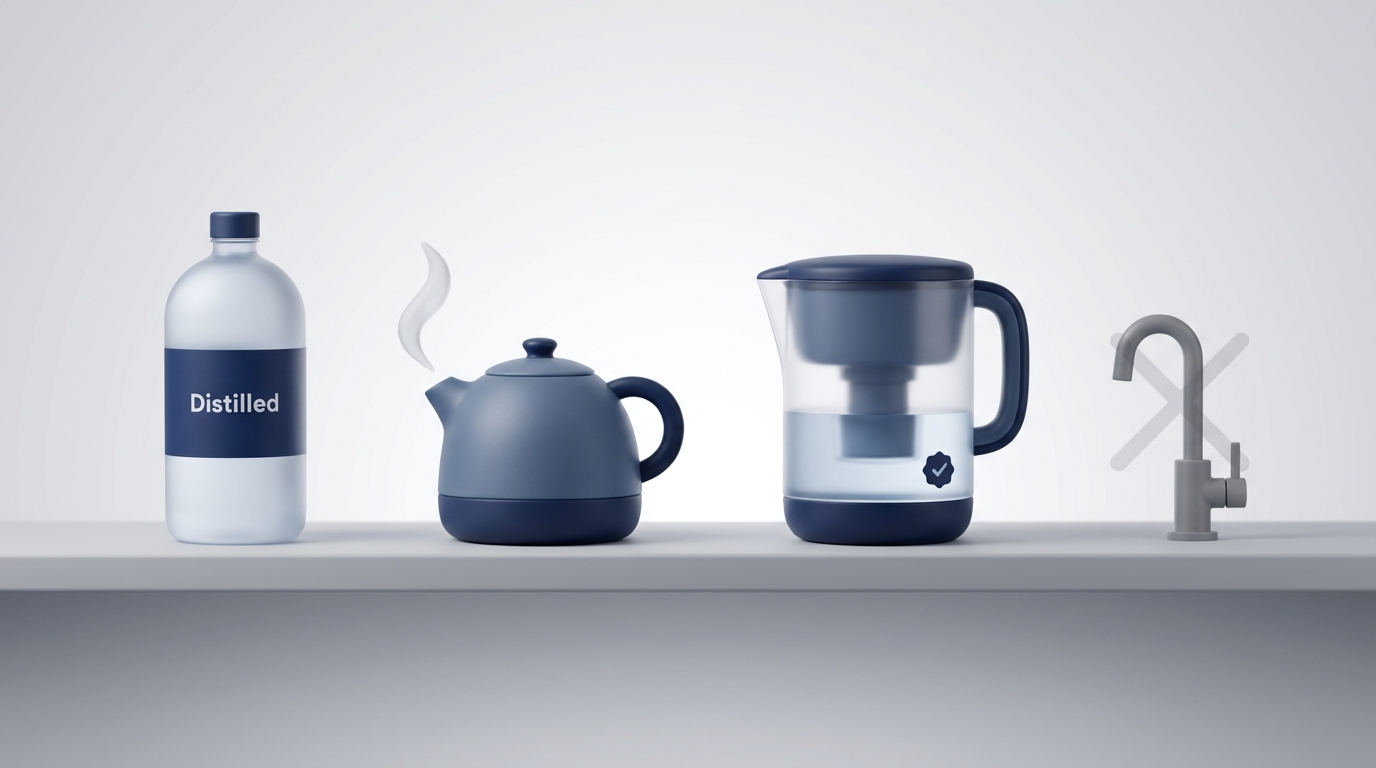
If you only remember one thing about how to saline rinse correctly, remember this: never use untreated tap water.
Why tap water can be dangerous (rare but severe infections): Untreated tap water can contain tiny organisms that are generally safe to swallow—but may be dangerous if introduced into the nose. Rare pathogens (including Naegleria fowleri and Acanthamoeba) have been linked to severe, sometimes fatal infections when contaminated water enters nasal passages.【CDC 2025】【FDA 2025】
A helpful way to think about it: your stomach acid can neutralize many germs you might swallow, but your nasal passages don’t have that same protection. So the safety standard for water used in the nose is higher than “safe to drink.”
Safe water options (choose one):
1) Distilled or sterile water (store-bought)
2) Boiled tap water (then cooled): bring water to a rolling boil for 1 minute, then let it cool to lukewarm before use (some locations may require longer boil times; follow local public health guidance)
3) Filtered water only if the filter is appropriately rated to remove microorganisms (not all household filters qualify)【CDC 2025】【FDA 2025】
For a deeper dive, see Sleep and Sinus Centers of Georgia’s guide on neti pot water safety (including why boiled or distilled water is essential).
Safe water rules (quick checklist):
– Use distilled/sterile, or boiled then cooled, or properly filtered
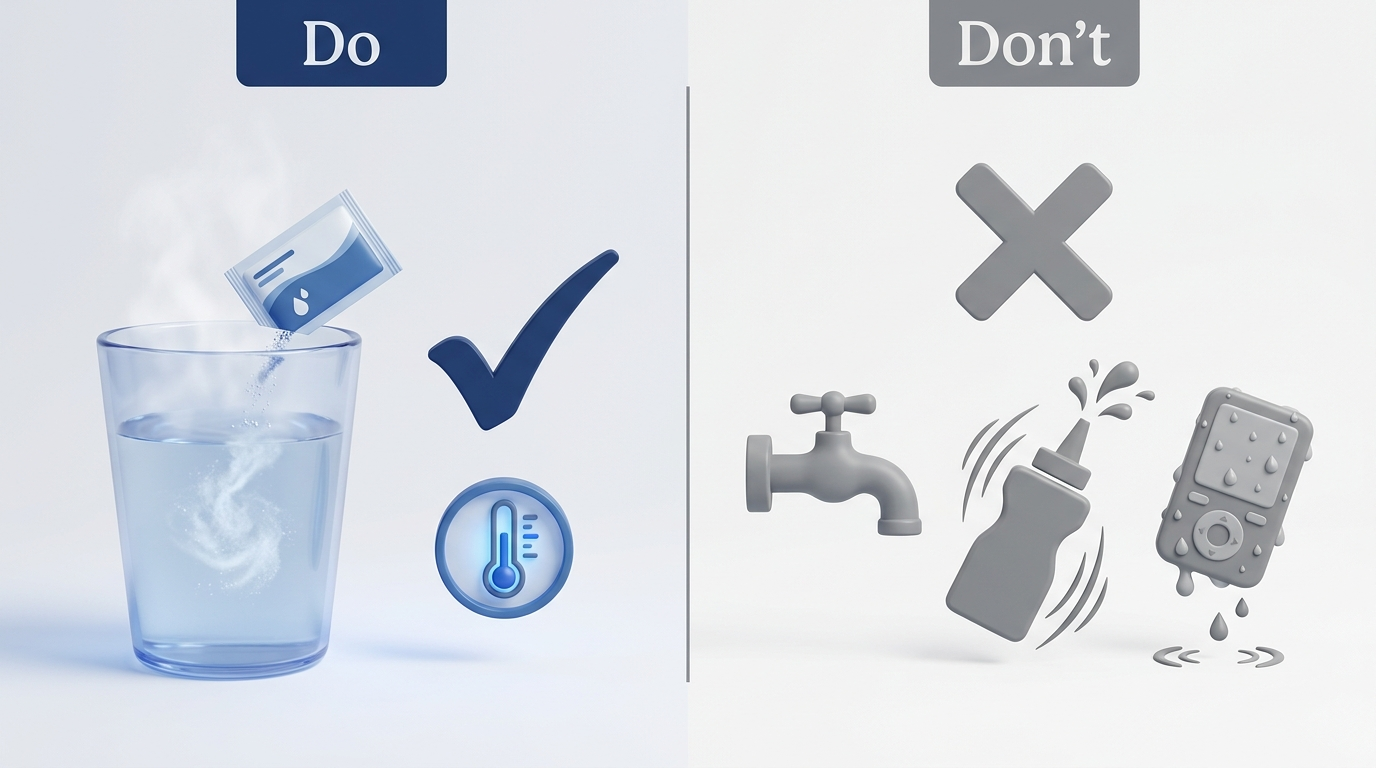
– Use lukewarm water for comfort (not hot)
– Don’t rely on “clean-tasting” tap water as a safety test【CDC 2025】【FDA 2025】
Always choose water that’s distilled, boiled-and-cooled, or properly filtered to reduce infection risk.
Choose the Right Saline (Not Plain Water)
Why saline is recommended: Using plain water can sting because it doesn’t match the body’s natural salt balance. A saline solution is usually more comfortable and helps reduce burning or irritation for many people.【MedlinePlus 2025】
Isotonic vs hypertonic: what patients should know:
– Isotonic saline is the typical “default” and is often well tolerated.
– Hypertonic saline (saltier than body fluids) may feel more irritating for some people and can increase burning, discomfort, or watery discharge in certain cases.【CPG CRS 2022】【MedlinePlus 2025】
In practice, many clinicians advise starting with isotonic, then only adjusting if you’re comfortable and have a reason to change. Comfort matters because the best rinse is the one you can do safely and consistently.
Store-bought packets vs DIY saline:
– Packets are convenient and consistent (helpful if you’re trying to saline rinse correctly every time).
– DIY saline can be done, but measuring and cleanliness matter.
If you prefer mixing your own, follow a reliable, measured method like this Sleep and Sinus Centers of Georgia resource: safe nasal saline recipe.
Start with isotonic saline for comfort, and only adjust if needed and well tolerated.
What You Need Before You Start (Checklist)
Supplies:
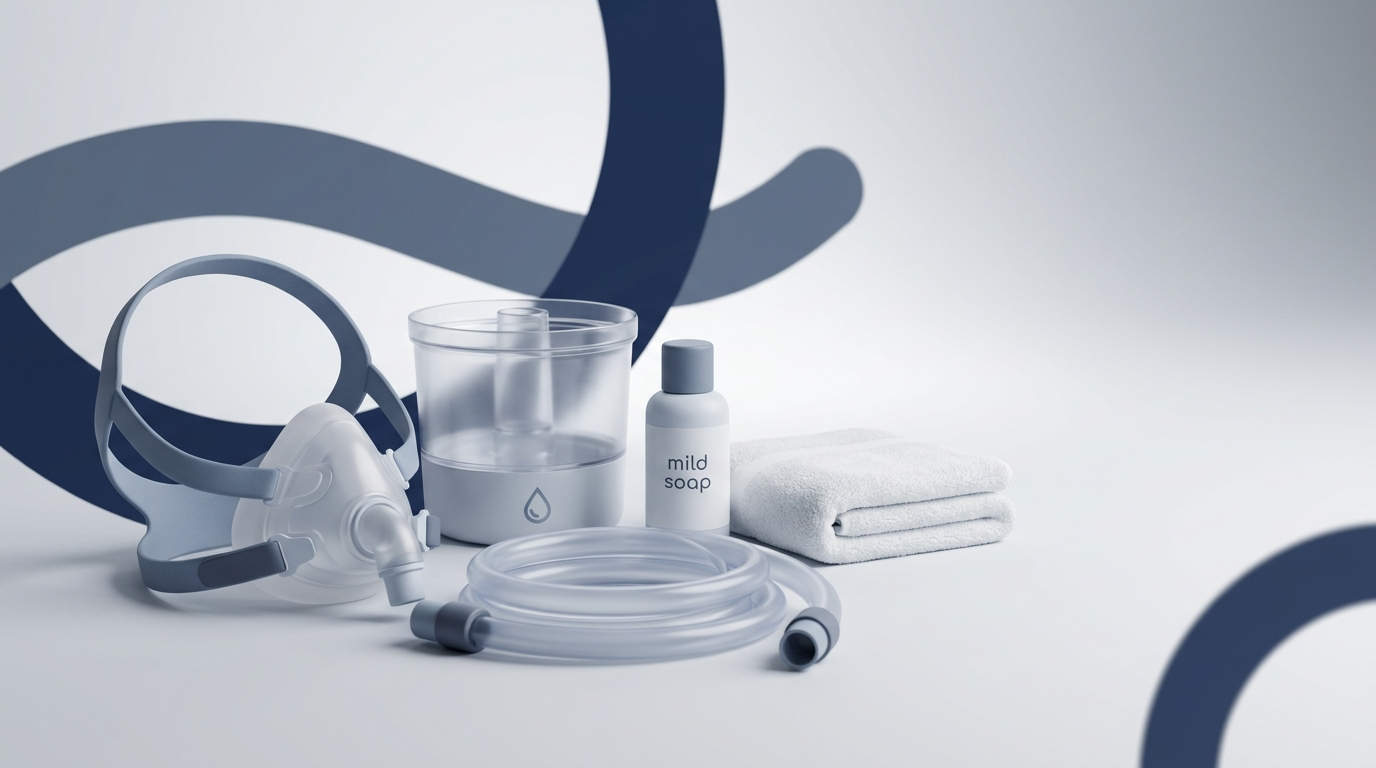
– Rinse device: neti pot, squeeze bottle, or bulb syringe
– Distilled/sterile water or boiled-and-cooled water
– Saline packets or pre-measured ingredients
– A clean towel and a sink
Quick safety checks:
– Avoid rinsing if the nose is completely blocked (don’t force high pressure; stop if painful).
– If you are immunocompromised, it’s smart to check with a clinician before starting nasal irrigation routines.【FDA 2025】【MedlinePlus 2025】
If this is your first rinse, give yourself a few unhurried minutes, and expect a short learning curve. Many people say the second or third try feels much easier than the first.
Set up your space, gather safe water and supplies, and give yourself time to go slowly.
Step-by-Step: How to Do a Saline Rinse Correctly
Use this numbered list as your “baseline” technique. Small details—like water safety, head position, and gentle pressure—make a big difference.
1. Wash your hands. This helps reduce contamination risk.【MedlinePlus 2025】
2. Prepare the solution with safe water. Use distilled/sterile or boiled then cooled water. Aim for lukewarm for comfort. Make sure the saline packet (or measured salt mix) dissolves fully.【CDC 2025】【MedlinePlus 2025】
3. Fill a clean device. Only use a device that has been cleaned and allowed to air-dry completely after the last use.
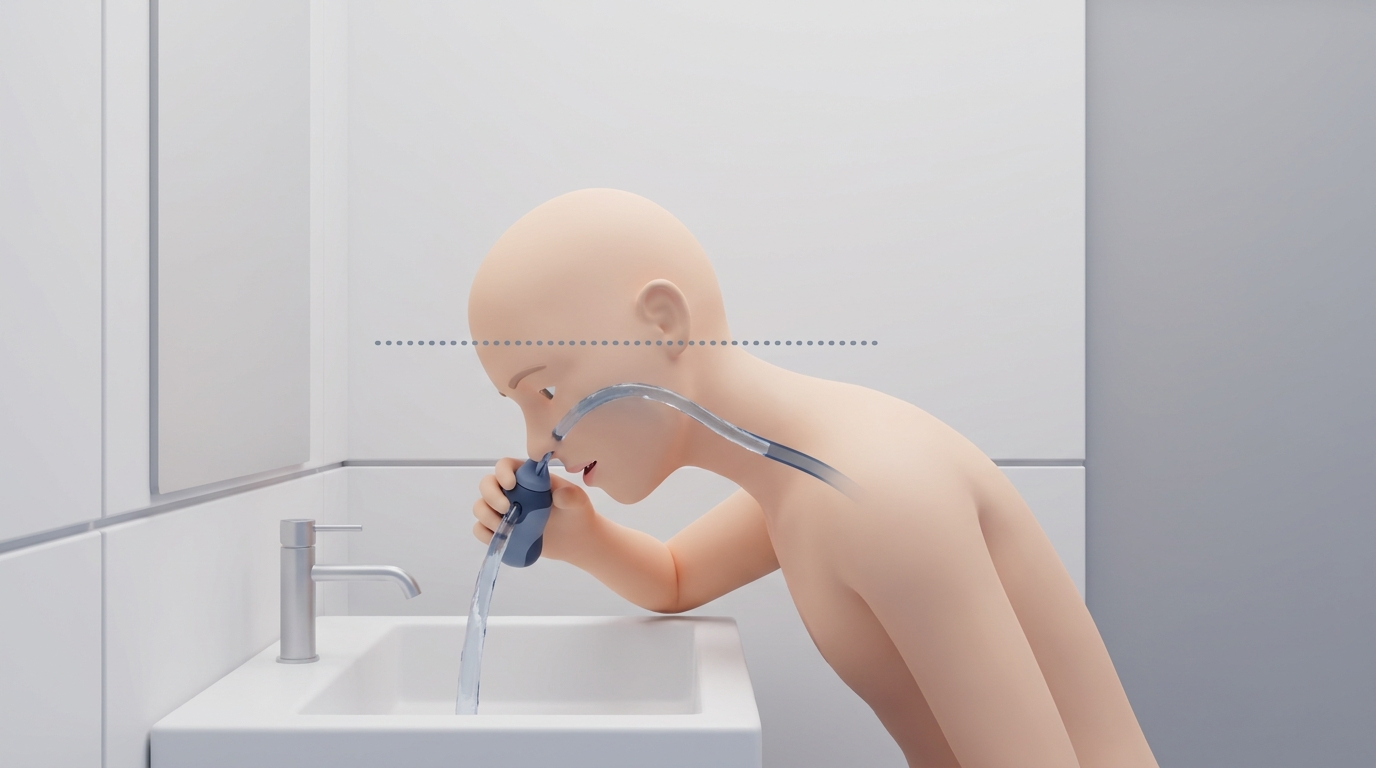
4. Get into the right position at the sink. Lean forward over the sink, tilt your head sideways, and keep your forehead and chin roughly level to help reduce solution running into your throat.
5. Breathe through your open mouth. Mouth breathing can help you stay relaxed and reduce swallowing during the rinse.
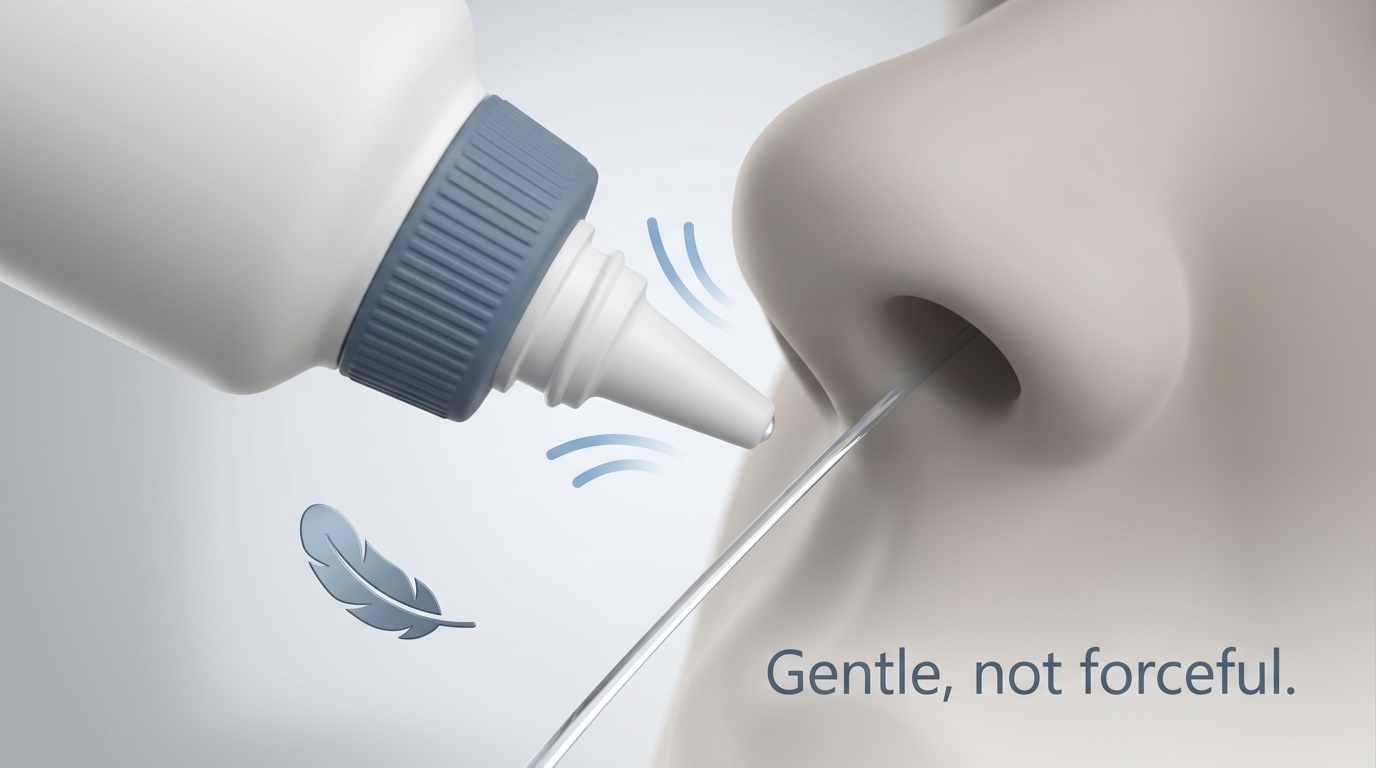
6. Gently pour/squeeze into the upper nostril. Use gentle pressure. Let the solution flow in one nostril and drain out the other. If it stings, pause and troubleshoot.【CDC 2025】【MedlinePlus 2025】
7. Repeat on the other side. Follow your device directions for how much solution to use per side.
8. Gently blow your nose afterward. Gentle is important—forceful blowing can irritate already-sensitive tissues.
9. Clean and dry the device after every use. Wash, rinse thoroughly, and allow to air-dry completely.【CDC 2025】【MedlinePlus 2025】
Think “gentle and steady”—not forceful or rushed—to keep rinses comfortable and effective.

Aftercare: Clean, Disinfect, and Store Your Rinse Device
Daily cleaning (after every use): Follow manufacturer instructions, and as a general rule:
– Wash with soap and safe water
– Rinse thoroughly
– Air-dry completely (don’t store it damp)【FDA 2025】
One simple habit that helps: take the device apart (if it comes apart) and place it in a clean area where it can fully dry. Damp storage can make it harder to keep your routine hygienic.
Replacement schedule (general guidance): Replace the device per product recommendations—especially if it becomes cloudy, cracked, or hard to clean effectively.
What not to do:
– Don’t “top off” yesterday’s leftover solution
– Don’t share devices
– Don’t store while damp【FDA 2025】
A clean, fully dried device every time reduces contamination risk and irritation.
How Often Should You Do a Saline Rinse?
Frequency varies. Some people use a rinse occasionally during symptoms, while others use it more routinely for ongoing issues. If you’re building a routine, individual guidance matters. For more, see: nasal rinse frequency: how often should you use nasal rinses?
Signs you may be overdoing it:
– Increasing dryness
– Burning
– Nosebleeds
– Irritation
It may be time to scale back and reassess your technique/solution strength.【MedlinePlus 2025】【CPG CRS 2022】
Use the least frequent schedule that keeps you comfortable, and pause if you’re getting drier or more irritated.
Common Problems (and How to Fix Them)
“It burns” during the rinse: Common causes include saline concentration that’s off (too little salt can sting), a hypertonic mix that’s too strong for you, or water that’s too cold (try lukewarm). If it still burns, double-check your measurements and consider an isotonic option first.【MedlinePlus 2025】【CPG CRS 2022】
Water goes down my throat: Re-check head position (tilt sideways; forehead/chin level), slow the squeeze/pour, and breathe steadily through your mouth. A “steady trickle” is usually more comfortable than a fast squeeze.
Ear pressure or fullness afterward: This can happen if pressure is too forceful or congestion is significant. Use gentler flow and consider pausing rinses if it persists. If it continues—especially if you have persistent one-sided ear pain, hearing changes, or dizziness—seek clinical evaluation.【MedlinePlus 2025】
Nosebleeds: Nasal tissues can be fragile when inflamed or dry. If bleeding occurs, pause rinses and consider factors like dryness in your environment. Ongoing or frequent nosebleeds deserve medical attention.【MedlinePlus 2025】
If something feels wrong—painful, forceful, or one-sided—stop and get guidance rather than pushing through.
When You Should NOT Do a Saline Rinse (Safety Red Flags)
Avoid rinsing a completely blocked nose: If solution can’t drain properly, the rinse may be uncomfortable and less effective. Don’t force high-pressure flow; stop if it’s painful.
If you’re immunocompromised, ask first: People undergoing chemotherapy, taking transplant medications, or living with advanced immune disorders may need additional precautions before starting saline nasal irrigation routines.【FDA 2025】
Seek medical care if symptoms are significant or worsening: Take seriously symptoms that persist or worsen, fever or significant facial pain/headache, recurrent nosebleeds, and urgent evaluation if severe headache, fever, confusion, or vomiting occur after a rinse.【FDA 2025】【CDC 2025】【MedlinePlus 2025】
Pause and get help if symptoms are severe, one-sided and persistent, or getting worse despite careful technique.
Where Saline Rinses Fit in Treatment (and What Else Helps)
A rinse is usually considered supportive care—one tool that may improve comfort and reduce irritant load. It’s not “all or nothing”: many people use rinses alongside other reasonable measures, based on symptoms and clinician advice.
At-home supportive options:
– Saline rinse routines (with safe water and careful cleaning)
– Humidification
– Hydration
– Trigger avoidance (when possible)
Medications that may be part of a plan (as appropriate): Depending on the situation, some people also use saline sprays, allergy medications (like antihistamines), and nasal steroid sprays (when appropriate).
If nasal sprays are part of your routine, timing can matter. Sleep and Sinus Centers of Georgia discusses rinse then spray (the idea of cleansing first so sprays can coat more effectively). Use medications only as directed by your clinician and/or product labeling.
When an ENT evaluation is helpful: If symptoms are chronic, infections are frequent, or basic measures aren’t helping, an ENT evaluation may clarify what’s driving symptoms and which treatments fit best.【Cleveland Clinic 2025】【CPG CRS 2022】
Use rinses as one supportive tool, and pair them with clinician-guided care when symptoms are persistent or complex.
Lifestyle Tips to Get More Relief (Without Overdoing It)
Reduce exposures: Track pollen days and limit exposure when counts are high; reduce dust accumulation (bedding, vents, carpets); keep smoke and strong fragrances away from your breathing space.
Support healthy nasal lining: Maintain comfortable indoor humidity; be gentle with nose blowing and wiping; avoid irritants that worsen dryness.
Use a routine that’s easy to maintain: If you boil water, plan ahead so it has time to cool. Keep your device clean and fully dry so it’s ready when symptoms flare.
Small daily habits—clean air, humidity, gentle care—can make rinses work better with less irritation.
FAQs About Saline Rinses
Can I use tap water if I “trust my city water”? No. Public tap water is not guaranteed to be safe for nasal rinsing. Use distilled/sterile water, or boiled then cooled water, or properly rated filtration.【CDC 2025】【FDA 2025】
Is a neti pot better than a squeeze bottle? It depends. Squeeze bottles offer more pressure control (which some people like), while neti pots may feel gentler. The “best” device is the one you can use comfortably and consistently—while following safe water and cleaning rules.
Should I use isotonic or hypertonic saline? Many people start with isotonic saline for comfort. Hypertonic saline may help some people but can cause more burning.【CPG CRS 2022】【MedlinePlus 2025】
Can I do a rinse if I have a sinus infection? Rinses are often used for symptom relief, but they do not replace evaluation if you’re worried about bacterial sinusitis or have severe symptoms (such as high fever, severe facial pain or swelling, vision changes, or symptoms that are getting worse).【MedlinePlus 2025】
What if symptoms get worse after rinsing? Stop rinsing and contact a clinician. Severe symptoms (like severe headache, fever, confusion, or vomiting) warrant urgent evaluation.【FDA 2025】【MedlinePlus 2025】
Conclusion + Next Step
To saline rinse correctly, focus on the “big three”: safe water, gentle technique, and a clean, fully dried device. When done carefully, a nasal saline rinse may help flush mucus and irritants and improve day-to-day comfort.
If symptoms are persistent, worsening, or recurring, consider scheduling an evaluation with Sleep and Sinus Centers of Georgia to better understand what’s driving your congestion and irritation. To book an appointment, visit https://www.sleepandsinuscenters.com/.
This article is for educational purposes only and is not medical advice. Please consult a qualified healthcare provider for diagnosis and treatment. If you have severe or concerning symptoms, seek prompt medical care.
Sources
【FDA 2025】 U.S. Food and Drug Administration. Is Rinsing Your Sinuses With Neti Pots Safe? (2025). https://www.fda.gov/consumers/consumer-updates/rinsing-your-sinuses-neti-pots-safe
【CDC 2025】 Centers for Disease Control and Prevention. How to Safely Rinse Sinuses (2025). https://www.cdc.gov/naegleria/prevention/sinus-rinsing.html
【MedlinePlus 2025】 MedlinePlus. Saline nasal washes (2025). https://medlineplus.gov/ency/patientinstructions/000801.htm
【CPG CRS 2022】 Clinical Practice Guideline: Nasal Irrigation for Chronic Rhinosinusitis in Adults (2022). https://pmc.ncbi.nlm.nih.gov/articles/PMC8901942/
【Cleveland Clinic 2025】 Cleveland Clinic. Nasal Irrigation (accessed 2025). https://my.clevelandclinic.org/health/treatments/24286-nasal-irrigation
Internal resources from Sleep and Sinus Centers of Georgia:
Neti pot water safety: why boiled or distilled water is essential — https://sleepandsinuscenters.com/blog/neti-pot-water-safety-why-boiled-or-distilled-water-is-essential-a906d
Safe nasal saline recipe for effective sinus relief — https://sleepandsinuscenters.com/blog/safe-nasal-saline-recipe-for-effective-sinus-relief
Nasal rinses: how often should you use them? — https://sleepandsinuscenters.com/blog/nasal-rinses-how-often-should-you-use-them
Rinse then spray: correct order for effective cleaning — https://sleepandsinuscenters.com/blog/rinse-then-spray-correct-order-for-effective-cleaning
Don’t let allergies slow you down. Schedule a comprehensive ENT and allergy evaluation at Sleep and Sinus Centers of Georgia. We’re here to find your triggers and guide you toward lasting relief.