Medical disclaimer: This article is for educational purposes only and is not a substitute for personalized medical care. Always follow the instructions provided by your surgical team.
Head and Neck Surgical Procedures: Expert Guide to Treatment and Recovery
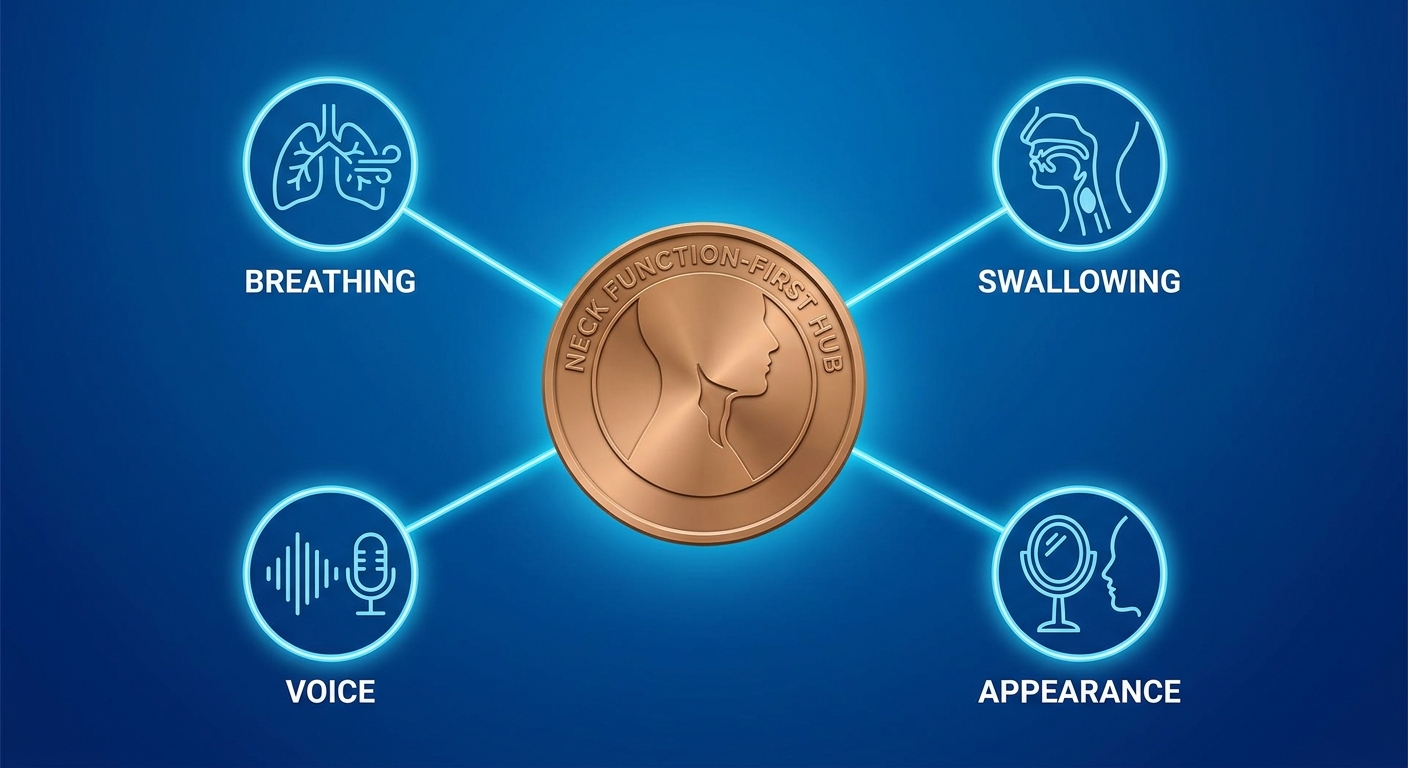
Hearing that you may need surgery in the head and neck can feel overwhelming—especially because this area is closely tied to breathing, swallowing, speaking, and appearance. It’s also normal to worry about visible scars, pain, or whether you’ll sound like yourself afterward.
The good news is that modern head and neck surgical procedures are increasingly designed to treat disease while protecting function whenever possible. In many practices, surgeons combine careful pre-op planning with better visualization and minimally invasive techniques (when appropriate) to reduce unnecessary disruption to healthy tissue. [1]
Below is a patient-friendly guide to what head and neck surgery includes, what symptoms deserve evaluation, how diagnosis works, common operations you may hear about, and what recovery often looks like. In short: head and neck surgery aims to treat the problem and preserve how you breathe, eat, speak, and look—whenever safely possible.
What Is Head and Neck Surgery?
Head and neck surgery is a surgical specialty focused on conditions affecting the structures of the head and neck—ranging from benign (non-cancer) problems to complex cancer care. Many patients are evaluated and treated by an ENT head and neck surgeon (an otolaryngologist with advanced expertise in this area), often working with other specialists as needed.
A helpful way to think about it: the head and neck is a busy intersection where air, food, nerves, blood vessels, and communication (voice) all share a tight space. Surgical plans aim to treat the problem while keeping those pathways working as normally as possible.
What areas does it include? Ears, nose, and sinuses; mouth, throat (pharynx), and voice box (larynx); salivary glands (parotid and submandibular glands); thyroid and parathyroid glands; lymph nodes and soft tissues of the neck; skin and soft tissue of the head and neck.
Care often overlaps ENT, surgical oncology, and reconstructive surgery to balance disease removal with restoration of form and function. You can learn more about our approach to comprehensive ENT care at Sleep and Sinus Centers of Georgia: https://sleepandsinuscenters.com/comprehensive-otolaryngology-care
Bottom line: expert head and neck care treats disease and plans for function from the start.
Why this specialty matters (function + quality of life)
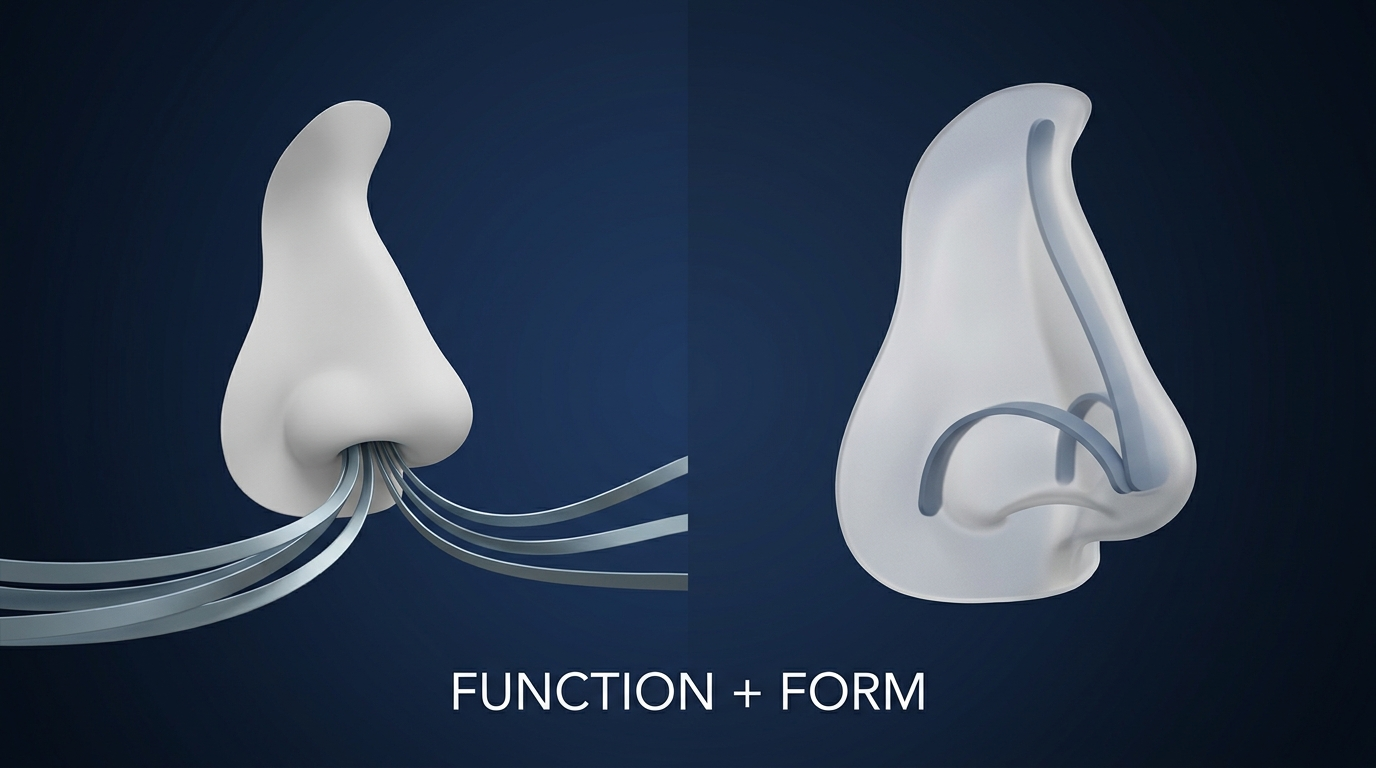
The goal isn’t only removing a tumor or fixing a structural problem. Many head and neck surgical procedures are planned to help preserve or restore breathing and airway safety; swallowing and nutrition; speech and voice quality; taste and smell (in select conditions); appearance and symmetry.
Because these functions are interconnected, interdisciplinary care is common (ENT, oncology, radiation oncology, speech-language pathology, nutrition, and reconstruction). Clinicians often emphasize that the plan includes not only removing disease, but also helping patients eat, speak, and heal afterward. [2] The focus is comprehensive: treat the condition and support daily life afterward.
Symptoms That May Signal a Head or Neck Condition (When to Get Checked)
Some symptoms are minor and short-lived (like temporary hoarseness with a cold), but others deserve timely evaluation—especially if they persist. In head and neck care, duration matters: symptoms that linger can signal inflammation, structural problems, or (less commonly) cancer.
Red flag symptoms (seek evaluation promptly). Common reasons people seek assessment include: a new or persistent neck lump; hoarseness or voice changes lasting more than 2–3 weeks; trouble swallowing (dysphagia) or pain with swallowing; unexplained weight loss, ongoing sore throat, or coughing up blood; one-sided ear pain or fullness without a clear ear infection; a mouth sore that doesn’t heal; persistent one-sided nasal blockage or nosebleeds.
If you’re specifically worried about a lump, this guide can help you understand common possibilities and next steps: https://sleepandsinuscenters.com/blog/what-is-a-neck-lump-or-swollen-lymph-node
Not sure if it’s time to be seen? Visit our decision-support page on when to see an ENT: https://sleepandsinuscenters.com/when-should-i-see-an-ent
Symptoms more common in benign conditions include: recurrent nasal blockage (including polyps); sinus symptoms that don’t resolve with standard care; congenital cysts or slow-growing neck masses. No single symptom can reliably distinguish benign from cancer-related causes. Persistent or worsening symptoms should be evaluated. If a symptom lasts, changes, or interferes with daily life, it’s time to get checked.

Common Causes and Risk Factors (Benign vs. Cancer-Related)
A useful framework is to separate common benign causes from conditions that raise concern for cancer—while remembering that symptoms can overlap.
Benign or non-cancer causes include examples such as congenital lesions (branchial cleft cysts), chronic inflammation (nasal polyps, recurrent infections), and thyroid nodules (many are benign). In everyday terms, some neck masses are like leftover developmental pockets (congenital cysts) that become noticeable later, while others are more like inflamed filters (reactive lymph nodes) responding to infection or irritation.
Cancer-related risk factors (high-level) vary by location and diagnosis, but common factors include tobacco exposure; heavy alcohol use; HPV-associated throat cancers (site-dependent); prior radiation exposure (in select thyroid or salivary cases); and family history (varies by condition). If risk factors are present, clinicians may recommend earlier imaging or biopsy—especially when symptoms persist. Risk depends on the specific site and history—your team will tailor testing to what’s most likely and most important to rule out.
How Doctors Diagnose Head and Neck Problems
Diagnosis typically combines an exam, imaging, and tissue sampling when needed. For many patients, the most reassuring step is simply getting a clear plan: here’s what we see, what we’re worried about (or not), and what we’ll do next.
In-office evaluation often includes a head and neck exam (including lymph nodes, mouth, throat) and a flexible scope exam of the nose or throat when appropriate. A flexible scope is often quick and well-tolerated and helps your clinician examine areas that are difficult to see with a standard exam—especially the voice box and deeper throat structures.
Imaging and testing may include ultrasound (thyroid, salivary glands, lymph nodes); CT or MRI to define anatomy and extent; PET imaging in selected cancer evaluations; and fine-needle aspiration (FNA) or biopsy for suspicious masses. FNA is commonly used for lumps or thyroid nodules and is a targeted sampling step that can provide essential clues to guide the safest next move.
Newer visualization tools in selected cases can improve detection and precision. Narrow Band Imaging (NBI) and autofluorescence may help clinicians identify suspicious mucosal changes and guide surgical planning in certain settings, but they do not confirm a diagnosis by themselves. [1] Diagnosis is a stepwise process: exam, imaging, and—when needed—tissue sampling to confirm what’s going on.

Treatment Options (Not Always Surgery)
Not every problem requires an operation. Treatment plans depend on symptoms, exam findings, imaging, and pathology (when sampled). In many cases, the best plan is the least invasive plan that still keeps you safe.
When monitoring or medication may be enough: observation of low-risk nodules or stable masses; medication for infection or inflammation; allergy or reflux management when relevant. Monitoring often includes scheduled follow-ups and repeat imaging when appropriate, with clear checkpoints for what changes would trigger biopsy, surgery, or a different treatment.
When surgery is recommended: suspicion or confirmation of malignancy; masses affecting airway, swallowing, or voice; benign disease that is recurrent or complicated or not improving; congenital abnormalities needing definitive correction. [2] The right treatment is tailored to your diagnosis and goals—sometimes that’s watchful waiting, sometimes medication, and sometimes surgery.

Types of Head and Neck Surgical Procedures (What Patients Commonly Hear About)
Here’s a practical overview of common procedures and what they address; your team will personalize the approach to your diagnosis and overall health.
Neck mass surgery (mass or cyst excision): Treats benign masses and congenital cysts (for example, branchial cleft cyst); recovery notes include incision care, swelling control, and pathology review.
Thyroid lobectomy: Treats select thyroid nodules or cancers by removing one thyroid lobe; recovery notes include temporary neck soreness and possible thyroid hormone monitoring.
Total thyroidectomy: Treats conditions requiring complete thyroid removal; recovery notes include calcium monitoring and, commonly, lifelong thyroid hormone replacement.
Parotidectomy: Treats parotid gland tumors or inflammation; recovery notes include facial nerve monitoring during surgery and possible temporary numbness or swelling.
Submandibular gland surgery: Treats submandibular gland stones or tumors; recovery notes include oral or neck discomfort and swelling management.
Neck dissection: Treats cancer by removing lymph node groups for staging or treatment; recovery notes include possible shoulder or neck stiffness, with physical therapy often helping.
Endoscopic throat procedures: Treat selected lesions in the throat or voice box; recovery notes include voice-use guidance and possible voice rest depending on the procedure.
Robotic head and neck surgery (selected cases): Treats certain hard-to-reach tumor locations where minimally invasive access may be appropriate; candidacy is individualized and benefits depend on tumor site, stage, anatomy, and surgeon expertise. [1]
Lymph node surgery in the neck—what neck dissection means: A neck dissection removes certain lymph node groups to diagnose, stage, or treat cancer. It may be described as selective, modified radical, or radical based on how extensive it is. The approach is tailored to the suspected spread pattern and the goal of preserving function when possible. [2] Procedure names sound technical—ask your surgeon which structures are involved and how that affects function, recovery, and next steps.
Minimally invasive and robotic approaches (when appropriate): Robotic head and neck surgery may be an option in selected cases and may offer improved access and precision for certain tumor locations. Benefits depend on tumor site, stage, anatomy, and surgeon expertise. [1] These tools can help the right patients, but they are not automatically the best choice for everyone.
Reconstruction and Restoration (Function + Appearance)
Why reconstruction may be part of the same operation: after tumor removal (or complex benign surgery), reconstruction can help restore swallowing and speech pathways; close defects and protect critical structures; support appearance and symmetry. [2] For patients, it can be reassuring to know that reconstruction is often part of completing the job safely—helping you heal and supporting long-term function.
Common reconstruction tools (high-level) may include local flaps (using nearby tissue); free tissue transfer (free flap); skin grafts; and nerve repair in select cases. Reconstruction is about form and function—so you can eat, speak, and heal as fully as possible.
How to Prepare for Head and Neck Surgery
Preparation typically focuses on safety, recovery readiness, and clear expectations. Many patients feel more in control when they have a written plan for medications, meals, help at home, and follow-up appointments.
Pre-op checklist (patient-friendly): medication and supplement list (especially blood thinners); smoking status and cessation planning (earlier is often better for healing); nutrition planning (protein and calories may matter more than you expect); logistics such as transportation, caregiver support, and time off work.
Questions to ask your surgeon: what exactly are we removing—and why; what are the expected changes to swallowing, voice, or appearance; could a temporary feeding tube or tracheostomy be needed; will lymph nodes be addressed (for example, via neck dissection); when will pathology results be reviewed and what might they change; might radiation or chemotherapy be recommended afterward. A clear plan for before, during, and after surgery can reduce stress and improve recovery.
Recovery After Head and Neck Surgery (Timeline + What’s Normal)
Recovery varies significantly by procedure, extent of surgery, and overall health. Your team will provide specific instructions and milestones.
The first 24–72 hours often include swelling and bruising near the incision; a structured pain-control plan; possible drains depending on surgery type; and emphasis on hydration and early movement as directed. Some patients say the most surprising part is how tight the neck can feel at first; that sensation often improves as swelling settles and normal movement returns.
The first 2 weeks typically focus on incision care and monitoring for infection signs; gradual diet progression (soft foods may be easier); and voice-use guidance (procedure-dependent). This is also when pathology results may be reviewed; if further treatment is needed, your team will explain what that means and why—step by step.
Weeks 3–6 and beyond often include a gradual return to work and exercise as cleared; scar maturation and sun protection; and follow-ups to review healing and pathology and plan next steps.
Rehab services that can support functional recovery include speech-language pathology for voice and swallowing therapy; nutrition support when appetite or swallowing is limited; and physical therapy for shoulder or neck stiffness after neck dissection. This supportive care is a major part of head and neck cancer surgery recovery planning. Expect your timeline to be individualized—your surgeon will tailor restrictions and milestones to your procedure and health.

Side Effects and Possible Complications (Plus Warning Signs)
Common, expected side effects may include temporary numbness or tightness near the incision; fatigue during the first few weeks; swelling and mild swallowing discomfort.
Potential complications (plain language) vary by site and extent of surgery, but may include bleeding or hematoma, infection, or wound-healing problems; nerve-related changes (for example, facial nerve risks with parotidectomy); low calcium symptoms after thyroidectomy in selected cases; and swallowing or voice changes (often procedure-dependent).
When to call your surgeon or seek urgent care: rapidly increasing neck swelling or any breathing difficulty; fever, pus-like drainage, or rapidly worsening redness; inability to swallow liquids, dehydration concerns, or uncontrolled pain. Know your red flags and how to reach your team 24/7—early attention can prevent complications.
Lifestyle Tips to Support Healing and Long-Term Outcomes
Nutrition for recovery: prioritize protein-forward meals and adequate hydration; have a plan for easy-to-swallow calories if swallowing is difficult (as directed). If chewing or swallowing is uncomfortable, your team may suggest softer textures temporarily—the goal is steady intake while tissues heal.
Protecting your airway and voice: consider humidification strategies; avoid smoke and irritants; pace voice use during healing if hoarseness is present.
Risk reduction (especially after cancer treatment): tobacco cessation and alcohol moderation; keep follow-up surveillance visits (early detection of recurrence matters). Small daily habits—sleep, hydration, protein, and smoke-free living—can add up to better healing and long-term results.
FAQs
How long does recovery take after head and neck surgical procedures? It depends on the operation. Some procedures heal enough for normal routines within a couple of weeks, while more extensive cancer surgery and reconstruction may involve a longer recovery and therapy support. Your surgeon can outline a procedure-specific timeline.
Will I have a visible scar? Many incisions are planned along natural skin creases when possible. Scar appearance also changes over time as it matures.
Is robotic head and neck surgery safer or better? Robotic approaches may be beneficial for the right patient and the right tumor location, but they are not automatically better for every case. Outcomes depend heavily on appropriate case selection and surgical expertise. [1]
What is a neck dissection, and will it affect shoulder movement? A neck dissection removes certain lymph node groups. Some patients notice shoulder or neck stiffness afterward, particularly if key structures are affected or manipulated. Rehabilitation and physical therapy can help many patients regain function.
When do I need radiation or chemotherapy after surgery? This depends on the final pathology (such as margins, lymph node involvement, and tumor features). Your care team reviews results and recommends next steps accordingly.
What can I do at home to heal faster? Many recovery plans emphasize sleep, hydration, protein intake, walking as tolerated, and careful incision care—plus avoiding smoking and keeping follow-up visits. Ask your team what to expect for your specific procedure—personalized guidance is best.
Conclusion + Next Step
Many head and neck conditions—benign and cancer-related—are treatable. Today’s head and neck surgical procedures increasingly emphasize precision, better visualization, and function-preserving techniques, including selected minimally invasive and robotic options. [1][2]
If you have a persistent symptom (like hoarseness, swallowing trouble, or a new neck mass), the next step is an expert evaluation. To get started, book an appointment with Sleep and Sinus Centers of Georgia: https://sleepandsinuscenters.com/appointments Early evaluation turns uncertainty into a clear plan.
Citations
1. Advances in head and neck surgery (robotics, minimally invasive trends, enhanced visualization such as NBI/autofluorescence): https://pmc.ncbi.nlm.nih.gov/articles/PMC10842243/
2. Procedural scope overview (thyroidectomy, parotidectomy, neck dissection; reconstructive goals): https://subent.com/expertise/surgical-procedures/head-neck-surgery/
This article is for educational purposes only and is not medical advice. Please consult a qualified healthcare provider for diagnosis and treatment.
Don’t let allergies slow you down. Schedule a comprehensive ENT and allergy evaluation at Sleep and Sinus Centers of Georgia. We’re here to find your triggers and guide you toward lasting relief.