Georgia Oak Pollen Peak Season: When It Peaks and What to Expect
If spring in Georgia makes you feel like you’re constantly sneezing, congested, and wiping watery eyes, you’re not imagining it. For many people, Georgia oak pollen peak season is the toughest stretch of the year—especially in and around Atlanta.
Oak pollen is also frustrating because it can feel “everywhere.” It’s lightweight, wind-blown, and persistent—more like smoke in the air than something you can simply avoid by stepping around it. Below is a patient-friendly guide to timing, symptoms, common triggers, and practical ways to plan ahead.
Quick Answer—When Does Oak Pollen Peak in Georgia?
In Georgia (especially the Atlanta area), oak pollen typically peaks from mid-March to mid-April, with the broader season often stretching from early March through late May. The “peak” refers to the days or weeks when pollen concentrations are highest—not the entire season. Timing can shift year to year depending on temperatures, rainfall, and how early trees begin to bloom.
If you want a month-by-month view of what tends to flare when, see our Georgia pollen calendar: https://sleepandsinuscenters.com/blog/georgia-pollen-calendar-2026-monthly-allergy-forecast-tips
Bottom line: Expect the roughest stretch in mid-March through mid-April, but plan for a longer early spring-to-late spring season.

Understanding Georgia’s Oak Pollen Season (What Makes It So Intense?)
Why oak pollen is a big spring trigger in Georgia: Oak trees are common across the state, and they release large amounts of lightweight pollen designed to travel by wind. Oak can be one of the most noticeable triggers—particularly for people who already deal with Georgia spring allergies. Spring can also feel relentless because oak rarely shows up alone; birch and other tree pollens often overlap, so symptoms can feel “stacked.” If your immune system is already on alert, overlapping pollens can feel like turning the volume up—not changing the song.
Typical oak pollen season timeline (Georgia + Atlanta focus): Early March often marks the start; mid-March to mid-April is the most intense stretch (especially in Atlanta); by late May, the season generally winds down. This is why the peak can feel like it arrives fast and hits hard—you can go from fine to miserable within a week if conditions line up. Bottom line: The core of oak season is short and sharp, but the lead-up and cooldown can still cause symptoms.
When Oak Pollen Peaks in Atlanta vs. Other Parts of Georgia
Metro Atlanta pollen dynamics: Spikes can feel extreme due to dense tree coverage, shifting wind patterns, and warm early springs that accelerate blooming. The most common peak window is still mid-March to mid-April, with variability year to year. Local tips: https://sleepandsinuscenters.com/blog/oak-pollen-in-atlanta-essential-tips-to-manage-allergies
North Georgia vs. Middle/South Georgia—why timing can differ: Cooler, higher-elevation areas in North Georgia may start slightly later; warmer Middle/South Georgia may start earlier and sometimes stay active longer. Your ZIP code and that year’s weather matter. Example: traveling from cooler North Georgia into Metro Atlanta during peak weeks can change symptoms quickly because exposure changes. Bottom line: Peak timing is broadly consistent statewide, but microclimates shift the exact week-to-week experience.
What to Expect During Peak Oak Pollen (Symptoms Patients Notice Most)
Common oak pollen allergy symptoms include sneezing; clear runny nose; nasal congestion or mouth breathing; itchy, watery, or red eyes; post-nasal drip with throat clearing; sore throat or a dry cough; sinus or facial pressure that can feel like a headache; and fatigue or poor sleep from nighttime congestion. Disruptive examples include waking with a dry mouth from mouth breathing, keeping tissues in the car every morning, or feeling unusually tired due to poor sleep.
Allergy vs. cold—quick differences: Allergies often include itchiness (eyes or nose), clear drainage, and symptoms that persist as long as exposure continues. Colds are more likely to include fever or body aches and typically improve in about 7–10 days. Tracking symptoms alongside daily pollen levels can help—if symptoms rise and fall with the forecast, that’s a useful clue to discuss with a clinician.
When to seek urgent care (red flags): Wheezing, shortness of breath, or an asthma flare; severe facial swelling or trouble breathing; severe sinus pain with fever, or symptoms that rapidly worsen. Bottom line: If symptoms track with pollen and persist, it’s likely allergies—escalate care quickly if red flags appear.
Causes & Triggers—Why Oak Pollen Feels Worse Some Days
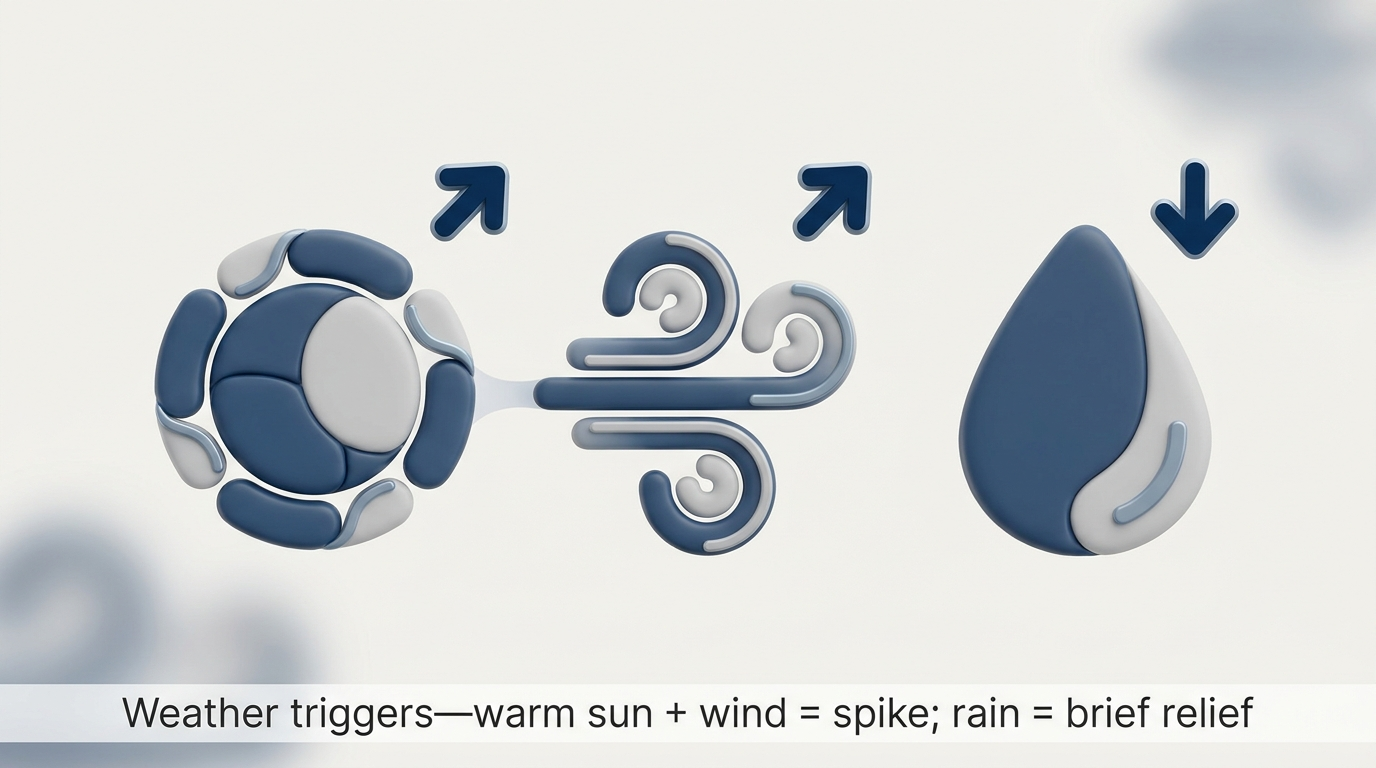
Weather conditions that increase oak pollen counts: Warm, dry days, windy conditions that keep pollen airborne, and sudden temperature jumps that accelerate blooming often drive surges—so a warm weekend with lots of outdoor time can feel like symptoms came out of nowhere.
Conditions that temporarily reduce counts (but not always symptoms): Rain can knock pollen out of the air, but symptoms may linger because nasal tissues remain inflamed and pollen clings to outdoor surfaces, clothing, shoes, and pets. Think of it like sunburn—your tissues need time to calm down even after exposure ends.
Cross-reactivity and stacking: Oak can overlap with other spring tree pollens, and later grass pollens may join in. Even if oak is your main trigger, overlapping exposures can keep symptoms intense. Bottom line: Warm, windy days drive spikes; rain brings brief relief; overlapping allergens can sustain symptoms.
How to Track Oak Pollen Levels in Georgia (So You Can Plan Your Day)
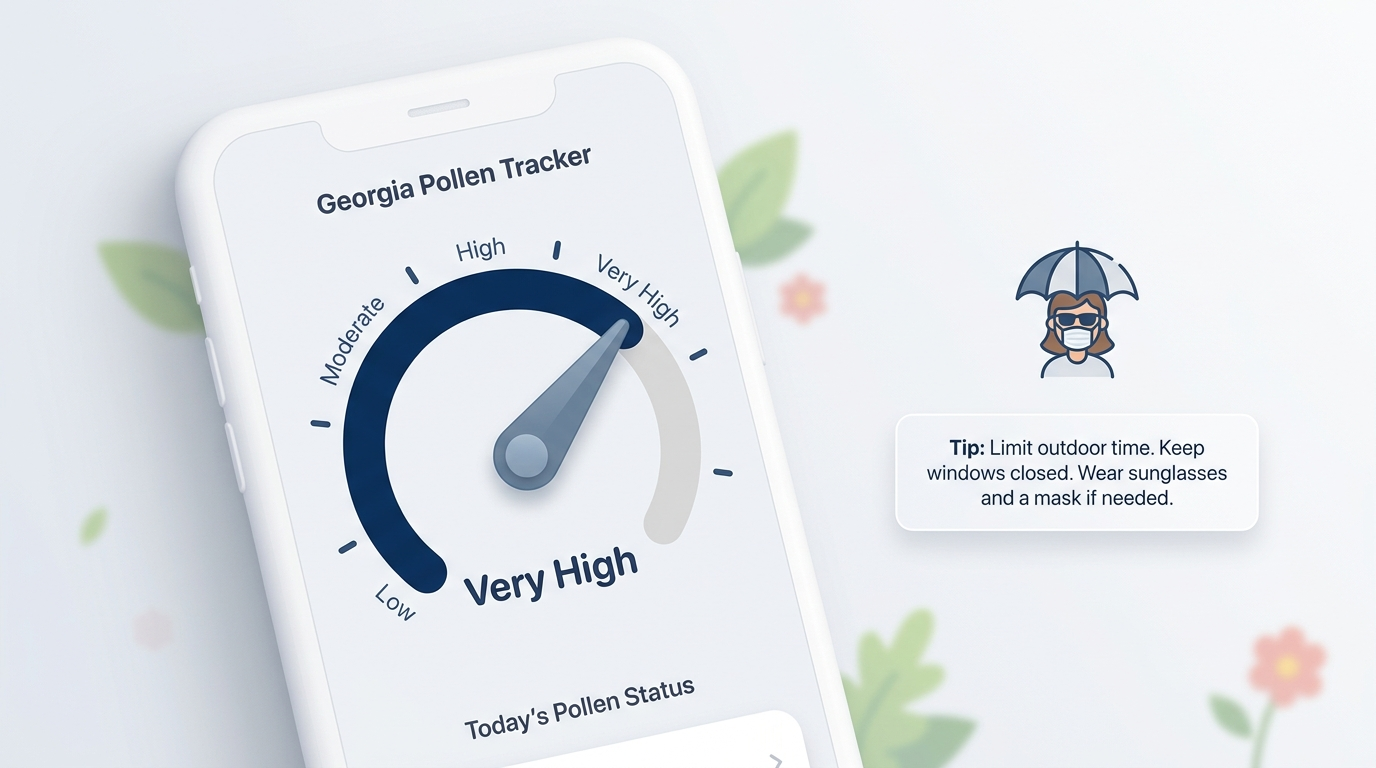
Use daily pollen counts and local forecasts, especially during Georgia oak pollen peak season. A good starting point is our Georgia pollen tracker: https://sleepandsinuscenters.com/georgia-pollen-tracker. To interpret “low,” “moderate,” or “very high,” see: https://sleepandsinuscenters.com/blog/atlanta-pollen-counts-explained-what-you-need-to-know
Practical planning tips: Schedule longer outdoor workouts or yardwork on days projected to be lower; consider indoor alternatives during very high days; if you do spend time outside, build a simple reset routine afterward. Example: take the dog out early, do an indoor workout later instead of a midday run, or swap a long yard session for a short errand on a very high day. Bottom line: A quick morning forecast check can help you time errands, workouts, and yardwork to feel better.
Lifestyle Tips to Reduce Exposure During Peak Season (Patient-Friendly Checklist)
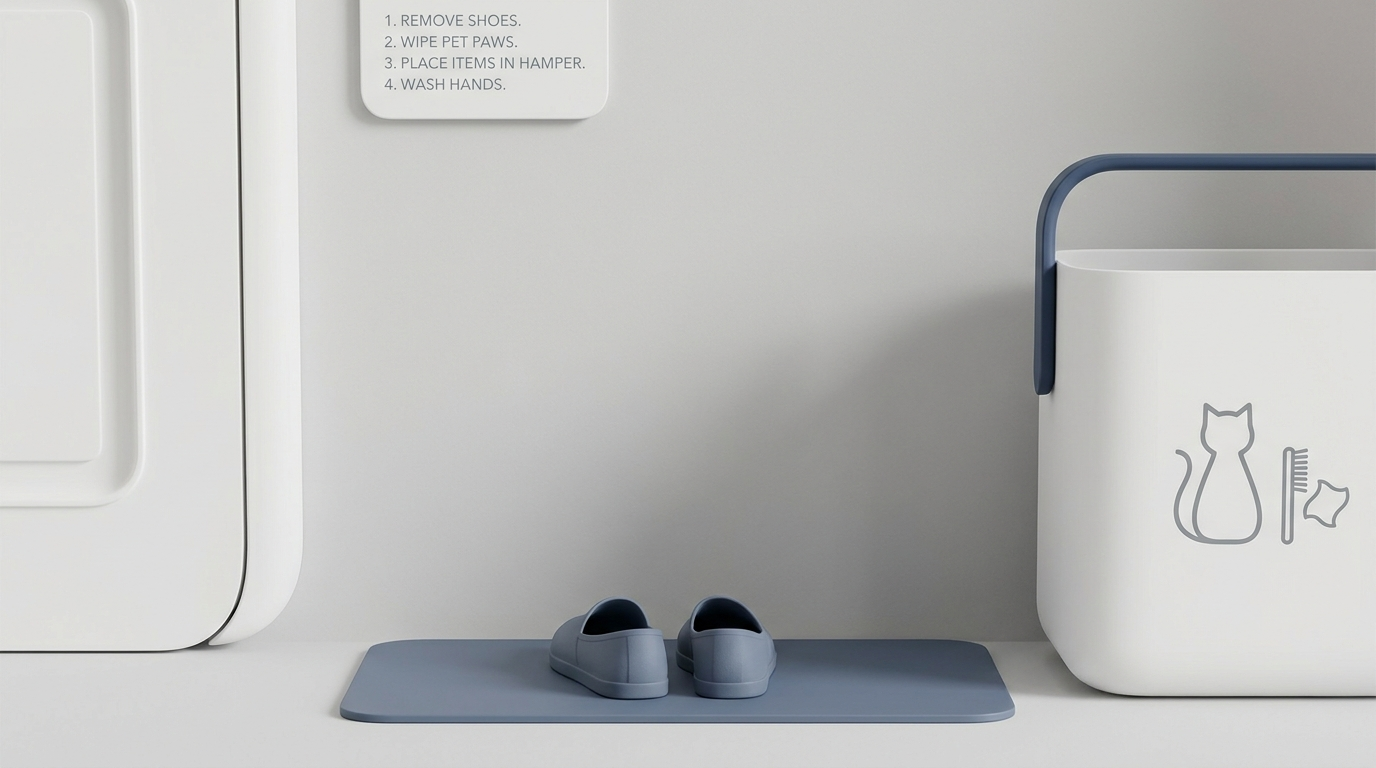
You can’t eliminate pollen outdoors, but you can reduce how much gets into your airways and home. At home, keep windows closed on high pollen days; use air conditioning instead of open-air ventilation during peak periods; maintain HVAC filters on schedule; shower and rinse hair after extended outdoor time; change clothes after outdoor activities and keep outside clothes off the bed; brush or wipe pets after walks to remove clinging pollen; consider saline sprays or rinses using safe technique and proper water sources. A simple reset routine helps: shoes by the door, clothes to the hamper, quick rinse or shower before the couch or bed.
Car and commute tips: Use recirculate when pollen is high and replace cabin air filters on schedule, especially if you commute daily. If your nose runs as soon as you start driving, your vehicle may be a bigger exposure zone than you think.
Bedroom allergy-safe sleep routine: Shower in the evening during peak weeks; keep windows closed overnight on high pollen days; consider a HEPA air purifier if symptoms are persistent and sleep is affected. A few small habits—especially around the bedroom and commute—can noticeably lower your daily pollen load.

Treatment Options for Oak Pollen Allergies (From OTC to Long-Term Relief)
Note: This information is general education, not personal medical advice. Some medications have specific warnings and interactions; review labels and consult a clinician—especially if you are pregnant or have cardiovascular, ocular, prostate, or other chronic health conditions.
OTC options for symptom control include non-drowsy oral antihistamines for sneezing, itching, and runny nose; nasal steroid sprays for congestion and inflammation (consistency matters); saline sprays or rinses as supportive options; and allergy eye drops for itchy or watery eyes. For proactive timing guidance: https://sleepandsinuscenters.com/blog/when-should-you-start-allergy-meds-for-atlanta-aos-seasons
Prescription options may help when OTCs aren’t enough, including prescription nasal sprays or coordinated plans if asthma flares in spring. A sign you may need a more structured approach is using multiple OTC products yet still missing sleep, avoiding outdoor activities, or feeling chronically congested.
Immunotherapy (allergy shots or other clinician-directed approaches) is a longer-term strategy aimed at reducing the intensity of future seasons rather than rescuing a single bad week; think of it as training the immune system to react less over time.
When to see a specialist: Consider evaluation if symptoms disrupt sleep, work, or school; you have recurring “sinus infection”-type symptoms every spring; you want clarity on whether oak is the main issue or one of several triggers; or you want a plan beyond short-term control. Learn about testing: https://sleepandsinuscenters.com/allergy-testing. Bottom line: Combine consistent symptom control now with a longer-term plan if spring knocks you down every year.
FAQs About Georgia Oak Pollen Peak Season
Q: When is oak pollen highest in Atlanta? A: Most often mid-March to mid-April, though weather can shift timing. Local context and tips: https://sleepandsinuscenters.com/blog/oak-pollen-in-atlanta-essential-tips-to-manage-allergies
Q: How long does oak pollen season last in Georgia? A: Commonly early March through late May, with a mid-season peak. Monthly outlook: https://sleepandsinuscenters.com/blog/georgia-pollen-calendar-2026-monthly-allergy-forecast-tips
Q: Why are my symptoms worse even when the count drops? A: Inflammation takes time to calm, pollen lingers indoors, and other spring allergens may overlap. Interpreting daily ranges: https://sleepandsinuscenters.com/blog/atlanta-pollen-counts-explained-what-you-need-to-know
Q: Can oak pollen cause sinus infections? A: Pollen doesn’t directly cause infection, but allergies can impair drainage and increase risk of complications for some people.
Q: What’s the best way to know what I’m allergic to? A: Allergy testing can identify specific triggers and guide a targeted plan: https://sleepandsinuscenters.com/allergy-testing
Bottom line: Use local tools to track daily levels, and consider testing if you need a more personalized plan.
Conclusion—Your Next Steps for Oak Pollen Season in Georgia
Georgia oak pollen peak season most often lands mid-March through mid-April, with a broader season from early March into late May. If spring derails your routine, combine daily tracking, exposure reduction, and consistent symptom-control options.
Start with the Georgia pollen tracker: https://sleepandsinuscenters.com/georgia-pollen-tracker
If symptoms return every year, affect sleep, or feel hard to control, consider a visit to discuss testing and longer-term relief: https://sleepandsinuscenters.com/allergy-testing
To book an appointment, visit https://www.sleepandsinuscenters.com/ and choose a convenient location. Bottom line: Plan your days with the forecast, lower exposure where possible, and get personalized care if spring allergies keep coming back.
References
1. Sleep and Sinus Centers of Georgia. Georgia Pollen Calendar 2026: Monthly Allergy Forecast + Tips. https://sleepandsinuscenters.com/blog/georgia-pollen-calendar-2026-monthly-allergy-forecast-tips
2. Sleep and Sinus Centers of Georgia. Oak Pollen in Atlanta: Essential Tips to Manage Allergies. https://sleepandsinuscenters.com/blog/oak-pollen-in-atlanta-essential-tips-to-manage-allergies
3. Sleep and Sinus Centers of Georgia. Georgia Pollen Tracker. https://sleepandsinuscenters.com/georgia-pollen-tracker
4. Sleep and Sinus Centers of Georgia. Atlanta Pollen Counts Explained: What You Need to Know. https://sleepandsinuscenters.com/blog/atlanta-pollen-counts-explained-what-you-need-to-know
5. Sleep and Sinus Centers of Georgia. When Should You Start Allergy Meds for Atlanta’s Allergy Seasons? https://sleepandsinuscenters.com/blog/when-should-you-start-allergy-meds-for-atlanta-aos-seasons
6. Sleep and Sinus Centers of Georgia. Allergy Testing. https://sleepandsinuscenters.com/allergy-testing
7. ENT of Georgia. Local Spring Allergens Unique to Georgia and Their Effects. https://www.entofga.com/blog/local-spring-allergens-unique-to-georgia-and-their-effects/
8. Allermi. Allergy Season in Georgia. https://www.allermi.com/blogs/allergy-101/allergy-season-in-georgia
This article is for educational purposes only and is not medical advice. Please consult a qualified healthcare provider for diagnosis and treatment.
Don’t let allergies slow you down. Schedule a comprehensive ENT and allergy evaluation at Sleep and Sinus Centers of Georgia. We’re here to find your triggers and guide you toward lasting relief.