CPAP Water Chamber Cleaning: How Often to Clean It and Why It Matters
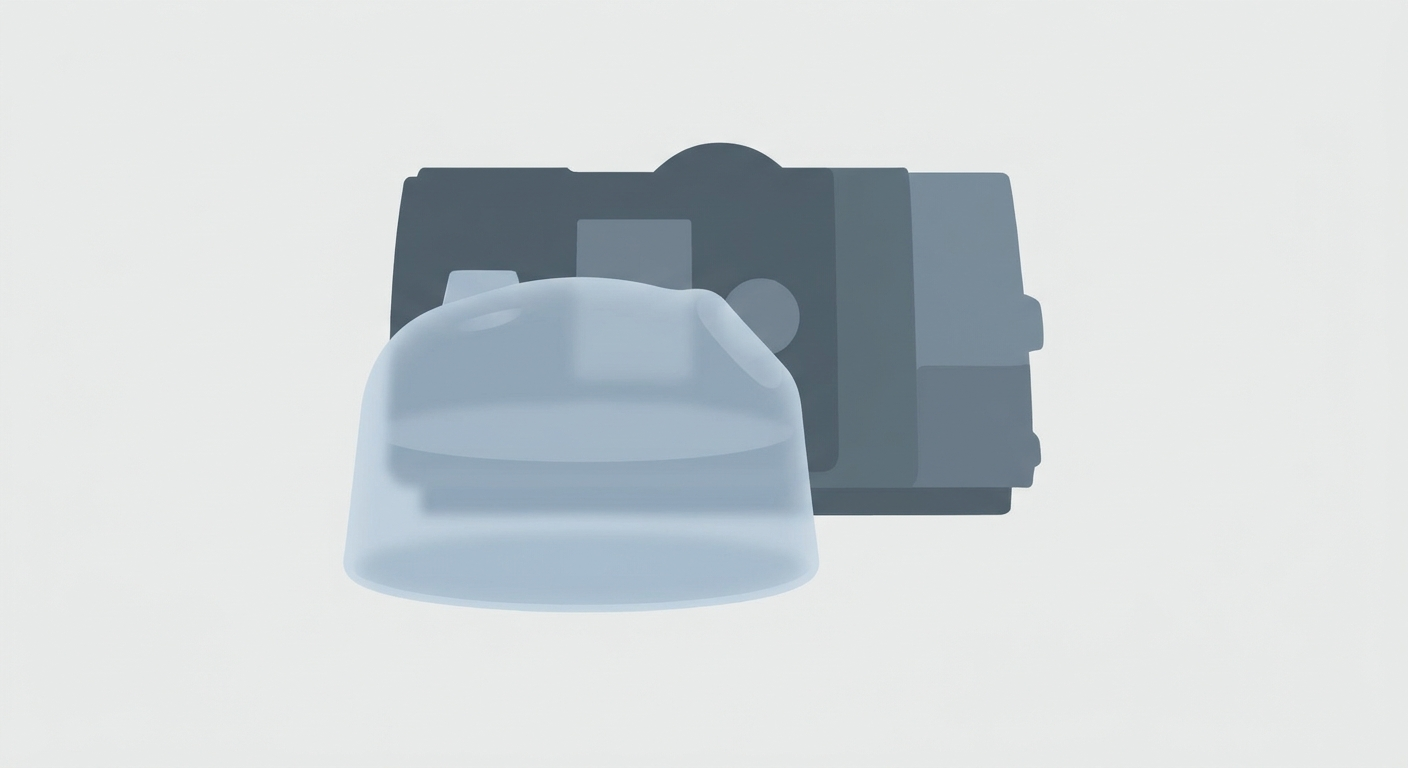
If you use a CPAP with a humidifier, your water chamber works nightly to make therapy more comfortable. It warms and holds water so your airflow feels less drying, which can make airflow noticeably more comfortable for many users.
Because it’s warm and wet by design, it also needs a simple cleaning routine to stay fresh, reduce buildup, and help your equipment perform consistently. Think of it like a reusable water bottle or a coffee maker reservoir: if water sits and the container stays damp, film and odor show up faster than you might expect—even if it “looks fine.”
Below is an easy, patient-friendly guide to CPAP water chamber cleaning, including how often to do it, what to use (and what to avoid), and how to troubleshoot common issues like odor and mineral “crust.”
Quick Answer: How Often Should You Clean a CPAP Water Chamber?
Here’s a practical schedule that aligns with common manufacturer-style recommendations. Always follow your specific owner manual first.
- Daily: Empty the chamber, rinse if needed, and air-dry completely. This helps prevent standing water from sitting in a warm environment. (Sources: CareProHS; ResMed)
- Weekly: Wash with mild dish soap and warm water, or do a 1:9 white vinegar soak (1 part vinegar to 9 parts water), then rinse thoroughly and air-dry. (Source: ResMed)
- Ongoing best practice: Use distilled water whenever possible to reduce mineral scale. (Sources: SleepApnea.org; RepairAuthority)
- Safety note: Follow your device’s owner manual and avoid harsh or unapproved cleaning methods/products. The FDA cautions consumers about devices that claim to “clean CPAPs” and emphasizes manufacturer instructions. (Sources: FDA; ResMed)
References: ResMed: https://www.resmed.com/en-us/sleep-health/resources/cleaning-cpap-equipment/ | FDA: https://www.fda.gov/consumers/consumer-updates/do-you-need-device-claims-clean-cpap-machine | SleepApnea.org: https://www.sleepapnea.org/cpap/should-you-use-distilled-water-for-a-cpap-machine/ | CareProHS: https://www.careprohs.com/blog/post/how-often-should-i-clean-my-cpap- | RepairAuthority: https://www.repairauthority.com/news/water-chamber
Summary: Consistent daily emptying and weekly washing are the core habits that keep your water chamber safe and reliable.
Why CPAP Water Chamber Cleaning Matters (More Than Just “Gross Factor”)
Keeping up with CPAP humidifier chamber cleaning isn’t about being perfect—it’s about preventing common problems that pop up when moisture sits too long or minerals build up over time.
As a general principle in sleep care: warm, moist environments reward consistent cleaning. The good news is you don’t need complicated steps—just repeatable ones.
- Helps prevent bacterial and mold growth: A humidifier chamber is warm and moist—exactly the kind of environment that can encourage unwanted growth if water is left sitting and the chamber stays damp. Consistent emptying, washing, and full drying helps reduce that risk. (Source: ResMed)
- Reduces mineral deposits you don’t want in your equipment: Tap water commonly leaves behind minerals. Over time, those minerals can coat the chamber as white, chalky scale. Even if you’re not “breathing in minerals,” scale can still create residue, odor, and performance issues that make therapy less pleasant. (Sources: SleepApnea.org; RepairAuthority)
- Keeps humidifier performance consistent: Buildup and film can interfere with how efficiently the chamber heats and humidifies. A clean chamber is more likely to deliver consistent comfort with fewer surprises (like odd smells). (Source: ResMed)
- Protects your equipment investment: Regular CPAP humidifier maintenance helps prevent avoidable wear—like damage from heavy scale, or deterioration that can happen when residue is left to accumulate.
Summary: Simple, repeatable cleaning keeps your humidifier safer, steadier, and more comfortable over time.
Signs Your CPAP Water Chamber Needs Cleaning (or Replacing)
Common symptoms people notice:
- A musty, sour, or “stale water” smell from the humidifier
- Cloudy film, slick residue, or visible spots inside the chamber
- White, chalky mineral deposits
- More dryness/irritation than usual despite humidification
- Allergy-like flare-ups (congestion/sneezing) that seem to improve when equipment is cleaned. This is an anecdotal pattern only, not a diagnostic indicator. Congestion or allergy-like symptoms have many possible causes and should be evaluated by a healthcare provider if new, worsening, or persistent.
Anecdotally, many users notice that problems show up after a lapse in cleaning rather than because of any single dramatic change.
Red flags—when to stop using it until addressed:
- Visible mold (black/green/pink residue)
- Cracks, warping, or leaking
- Strong odor that persists even after proper washing and drying
The FDA also advises caution with unapproved devices or methods marketed as cleaners—stick with manufacturer-approved steps. (Source: FDA)
Summary: If you see mold, damage, or persistent odor after cleaning, pause use and resolve the issue or replace the chamber.
What Causes CPAP Water Chambers to Get Dirty So Fast?
- Standing water (especially left all day): If water is left in the chamber, it can become stagnant. Daily emptying breaks that cycle. (Source: CareProHS)
- Using tap water instead of distilled: Tap water increases mineral deposits and scale—one of the most common reasons chambers look “dirty” even when they’re not slimy or moldy. (Sources: SleepApnea.org; RepairAuthority)
- Warmth + humidity + time: Humidifiers intentionally warm moisture for comfort. That’s great for your nose and throat, but it means the chamber benefits from consistent cleaning. (Source: ResMed)
- Infrequent drying and closed storage: Even after rinsing, storing a damp chamber (especially in an enclosed space) can trap moisture and worsen odors or film. If it can’t fully dry, it can’t fully reset.
Summary: Empty daily, dry fully, and use distilled water to slow down the most common causes of buildup.
Daily CPAP Water Chamber Routine (5 Minutes or Less)
A quick daily routine is the foundation of CPAP water chamber cleaning—and for many people, it prevents most odor and buildup problems by itself.
Step-by-step:
1) Unplug the CPAP (basic safety).
2) Remove the chamber and discard remaining water.
3) Rinse with warm water if needed.
4) Place it where it can air-dry completely (on a clean towel or drying rack).
5) Refill only at night with distilled water to the fill line.
Best-practice tips:
- Don’t “top off” yesterday’s water—empty first, then refill later.
- Avoid drying in direct sunlight or near high heat (helps prevent warping).
- If you travel, pack the chamber dry and refill when you arrive.
Related: Traveling with a CPAP machine (checklist): https://sleepandsinuscenters.com/blog/traveling-with-cpap-machine-essential-checklist-for-hassle-free-trips
Summary: A 1–2 minute morning empty-and-dry habit prevents most odor and film before they start.
Weekly Deep Clean (Soap + Water) — The Manufacturer-Style Standard
What you’ll need:
- Mild dish soap
- Warm water
- Soft cloth or non-abrasive sponge
- Clean towel or drying rack
Steps:
1) Disassemble the chamber if your model allows (check your owner manual).
2) Wash using mild dish soap and warm water.
3) Rinse thoroughly so no soap residue remains.
4) Air-dry completely before reassembling and using.
What to avoid (to prevent damage and irritation):
- Bleach (unless your manufacturer explicitly approves it)
- Harsh detergents or heavily scented antibacterial soaps that leave residue
- Abrasive scrub pads that scratch plastic
- Dishwasher cleaning unless the manual says it’s dishwasher-safe
- Ozone/UV devices or methods not approved for your model (Source: FDA)
More on safe CPAP cleaners (ozone/UV): https://sleepandsinuscenters.com/blog/safe-ozone-and-uv-cpap-cleaners-effective-hygiene-for-your-cpap-device
Summary: Wash weekly with mild soap and warm water, then let every surface dry completely.
Weekly Vinegar Soak Option (1:9) for Scale and Film
When vinegar helps most:
- White mineral scale (often from non-distilled water)
- Persistent odor after a normal soap wash
- Visible film buildup (Source: ResMed)
How to do a safe 1:9 vinegar soak:
1) Mix 1 part white vinegar with 9 parts water.
2) Soak the chamber for the time recommended by your manufacturer (often about 15–30 minutes).
3) Optional: wash afterward with mild soap.
4) Rinse very thoroughly.
5) Air-dry completely.
Vinegar safety notes:
- Never mix vinegar with bleach or other chemicals.
- If you still smell vinegar after rinsing, rinse again and allow more drying time.
Summary: Use a diluted white vinegar soak when scale or persistent odor appears, and rinse thoroughly afterward.

Distilled Water: Does It Really Matter?
Yes—using distilled water can make a noticeable difference in how quickly your chamber develops scale.
What distilled water does (and doesn’t) do:
- Does: reduce mineral buildup/scale and residue. (Sources: SleepApnea.org; RepairAuthority)
- Doesn’t: replace cleaning. Microbes and film can still develop if water sits or the chamber stays damp.
If you can’t get distilled water (short-term workaround):
If distilled water isn’t available briefly, use the cleanest water you can access short-term, then return to distilled as soon as possible and consider doing a vinegar soak sooner. Always follow your manufacturer’s guidance; if your manual prohibits tap water, that guidance takes precedence.
Summary: Distilled water greatly reduces scale, but it doesn’t replace daily emptying and weekly cleaning.
When Cleaning Isn’t Enough: When to Replace the Water Chamber
Even with excellent CPAP water chamber cleaning, there are times replacement is the better option—especially when the surface can’t be reliably cleaned anymore.
Replace if you have:
- Cracks, leaks, warping, or damaged seals
- Permanent cloudiness or scratches that won’t clean (scratches can trap residue)
- Repeated odor despite correct weekly cleaning and full drying
- Visible staining that persists even after thorough cleaning
For a broader replacement timeline: https://sleepandsinuscenters.com/blog/when-to-replace-cpap-supplies-essential-timeline-for-optimal-therapy
What to do if mold is present:
If you see mold, stop using the chamber until it’s fully cleaned or replaced. Then review habits that allow moisture to linger (like leaving water in all day or storing the chamber while damp). This is one of the most important steps for CPAP mold prevention.
Summary: If damage, persistent odor, or mold remains after cleaning, replacement is the safest next step.
Comfort and Health Tips (That Also Support Cleaner CPAP Use)
- Keep humidity comfortable—but not excessive. Higher humidity isn’t always better. Too much humidity can contribute to excess moisture and condensation. Settings guide: https://sleepandsinuscenters.com/blog/cpap-humidifier-settings-guide-for-optimal-therapy-comfort
If you deal with condensation in the tubing or mask, see tips to prevent CPAP rainout: https://sleepandsinuscenters.com/blog/how-to-stop-cpap-rainout-effective-solutions-to-prevent-moisture-build-up
- Don’t forget the “neighbors” of the chamber. Your chamber is only one piece. Tubing, mask components, and filters all influence overall hygiene and comfort. Align your water chamber routine with a simple whole-system schedule. (Source: ResMed)
- Build a routine that sticks. Pair your daily empty-and-dry with an existing habit (like morning coffee or brushing teeth), and keep supplies (soap, towel, basin) in one consistent spot.
Summary: Balanced humidity, whole-system care, and small daily habits add up to cleaner, more comfortable therapy.
Treatments for Common Problems (Troubleshooting)
“My chamber smells bad even after cleaning”
- Confirm it’s fully air-drying (damp storage is a common cause).
- Try the 1:9 vinegar soak, then rinse thoroughly.
- If odor persists, replacement may be more effective than repeated cleaning.
“I keep getting white crusty buildup”
- Switch to distilled water.
- Do a weekly vinegar soak until scale improves. (Sources: SleepApnea.org; RepairAuthority)
“I’m getting congestion or irritation with CPAP”
Irritation can have multiple contributors (humidity level, residues, mask leaks, and general equipment hygiene). Review your routine, avoid harsh or unapproved cleaners (Source: FDA), and consider small humidity adjustments for comfort. If symptoms are new, worsening, or persistent, seek evaluation from a qualified healthcare provider. Helpful resource: https://sleepandsinuscenters.com/blog/blocked-nose-during-cpap-ent-strategies
If symptoms persist despite good hygiene and reasonable comfort settings, Sleep and Sinus Centers of Georgia can help you review comfort variables and equipment setup (educational support—not a substitute for individualized medical care).
Summary: Persistent odor or irritation after proper care often means it’s time to replace parts or get clinical guidance.
FAQs About CPAP Water Chamber Cleaning
How often should I empty my CPAP water chamber?
- Daily is a solid minimum. Emptying helps prevent standing water from sitting in a warm environment. (Source: CareProHS)
Can I use tap water in my CPAP humidifier?
- It may work short-term, but it typically increases mineral buildup. Distilled water is preferred when possible. Always check your device manual, as some manufacturers explicitly recommend against tap water. (Sources: SleepApnea.org; RepairAuthority)
Is it safe to use vinegar to clean a CPAP water chamber?
- A diluted white vinegar solution (commonly 1:9) is widely recommended for scale/film, as long as you rinse thoroughly and follow your manufacturer’s instructions. (Source: ResMed)
Can I use CPAP cleaning machines (ozone/UV) instead of washing?
- The FDA advises caution about devices that claim to clean CPAP equipment and emphasizes following manufacturer-approved procedures. (Source: FDA) More context: https://sleepandsinuscenters.com/blog/safe-ozone-and-uv-cpap-cleaners-effective-hygiene-for-your-cpap-device
What if I see mold in the water chamber?
- Stop using it until it’s cleaned or replaced. Then improve drying habits and avoid leaving water sitting in the chamber to reduce the chance of recurrence.
How do I know if my chamber is dishwasher-safe?
- Only your specific model’s owner manual can confirm that.
Summary: When in doubt, defer to your device manual—and keep your routine simple and consistent.
Conclusion: A Simple Routine for Safer, More Effective CPAP Therapy
A simple routine goes a long way:
- Daily: empty and air-dry completely (Source: CareProHS)
- Weekly: wash with mild soap and warm water, with an optional 1:9 vinegar soak for scale/film (Source: ResMed)
- Use distilled water to reduce mineral buildup (Sources: SleepApnea.org; RepairAuthority)
- Follow your owner manual and avoid harsh/unapproved methods (Source: FDA)
If you’re keeping up with cleaning but still struggling with comfort, odor, or irritation, Sleep and Sinus Centers of Georgia offers resources and support to help you optimize the practical side of CPAP use. To get personalized help with your setup and symptoms, book an appointment: https://www.sleepandsinuscenters.com/
Summary: Small, consistent habits are the easiest way to keep your CPAP humidifier clean, comfortable, and dependable.
Citation List
- ResMed. How to clean your CPAP equipment. https://www.resmed.com/en-us/sleep-health/resources/cleaning-cpap-equipment/
- U.S. Food & Drug Administration (FDA). Do you need a device that claims to clean a CPAP machine? https://www.fda.gov/consumers/consumer-updates/do-you-need-device-claims-clean-cpap-machine
- SleepApnea.org. Should you use distilled water for a CPAP machine? https://www.sleepapnea.org/cpap/should-you-use-distilled-water-for-a-cpap-machine/
- CareProHS. How often should I clean my CPAP? https://www.careprohs.com/blog/post/how-often-should-i-clean-my-cpap-
- RepairAuthority. Water chamber (mineral buildup/maintenance). https://www.repairauthority.com/news/water-chamber
- Cleveland Clinic. CPAP Machine. https://my.clevelandclinic.org/health/treatments/22043-cpap-machine
This article is for educational purposes only and is not medical advice. Please consult a qualified healthcare provider for diagnosis and treatment.
Don’t let allergies slow you down. Schedule a comprehensive ENT and allergy evaluation at Sleep and Sinus Centers of Georgia. We’re here to find your triggers and guide you toward lasting relief.