Chronic Sinusitis Tooth Pain: Causes and Treatment Options
A nagging “toothache” usually sends people straight to the dentist—and that’s a smart first instinct. But there’s a common twist: upper tooth pain can sometimes come from the sinuses—not the tooth itself. Sinus infections and long-term sinus inflammation can mimic dental pain so closely that it’s easy to mistake one for the other.
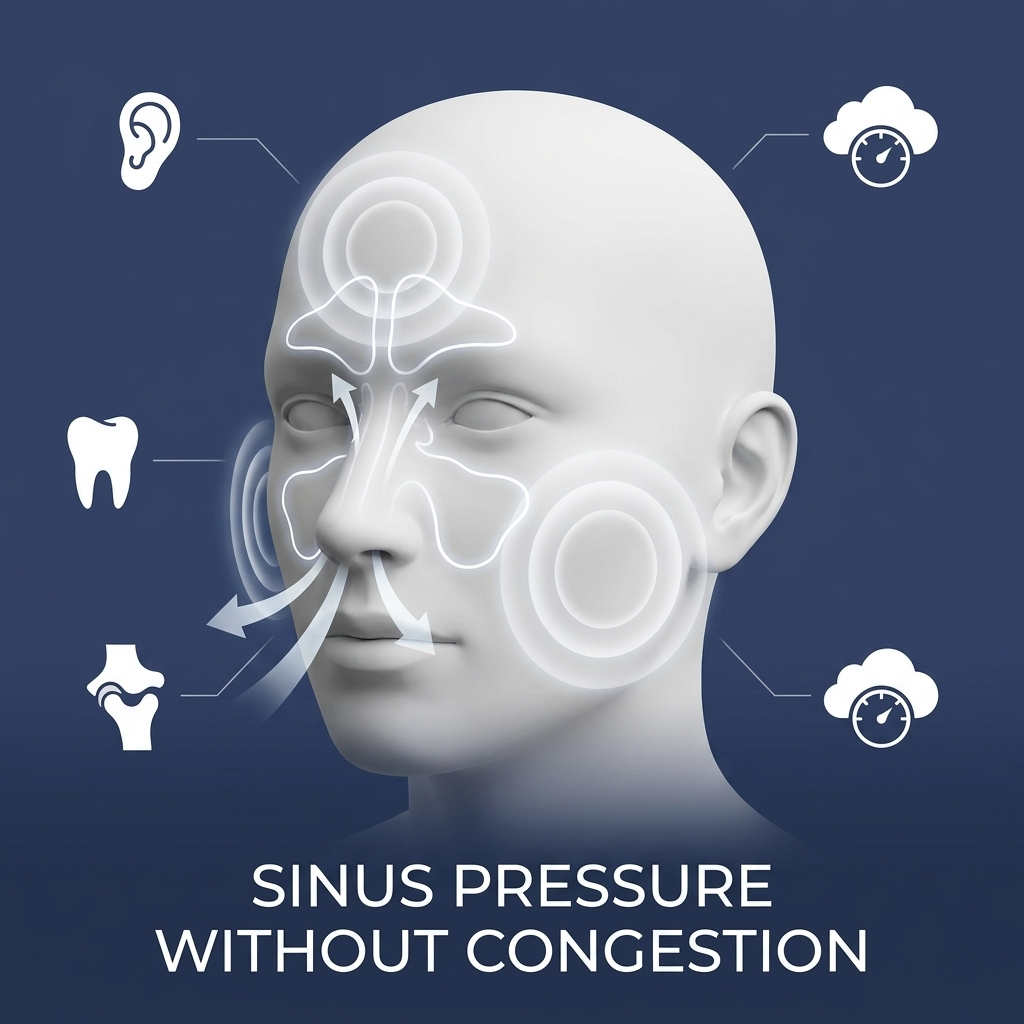
Think of it like this: if the “room” above your upper teeth (your maxillary sinus) gets swollen and pressurized, the sensation can travel and register as tooth pain—even when the tooth is structurally fine. In this post, you’ll learn what chronic sinusitis tooth pain is, why it often shows up in the upper teeth, how to tell sinus-related pain from a true dental problem, and what treatment options typically look like—from self-care to ENT evaluation and procedures.
What Is Chronic Sinusitis Tooth Pain?
Quick definition: sinusitis + referred pressure pain
Chronic sinusitis is ongoing inflammation of the sinus lining that lasts 12 weeks or longer, often but not always with congestion, facial pressure, and drainage. When the maxillary sinuses (located behind your cheeks) become inflamed and congested, that pressure and irritation can be “referred” to nearby structures—especially the upper teeth.
If you’d like a deeper overview, see the Sleep and Sinus Centers of Georgia page on chronic sinusitis: https://sleepandsinuscenters.com/chronic-sinusitis
Why the pain is usually in the upper teeth
Most cases of chronic sinusitis tooth pain involve the upper molars and premolars because their roots can sit close to the floor of the maxillary sinuses. When the sinus lining swells and mucus gets trapped, pressure can build in the sinus cavity and be perceived as tooth or jaw discomfort—even if the teeth themselves are healthy.
A practical example: someone may feel a spreading ache across the upper back teeth on one side during a congestion flare, schedule a dental visit, and find that the teeth look normal—because the true pressure source is above them.
Bottom line: chronic sinus pressure is often felt in the upper teeth because those nerves and structures are so close together.

Symptoms of Chronic Sinusitis Tooth Pain (What Patients Notice)
Tooth-related symptoms
Sinus-related tooth pain tends to feel different from a classic cavity or cracked tooth. Common patterns include:
- A dull ache, soreness, or pressure in the upper back teeth
- Discomfort affecting multiple teeth rather than one specific tooth
- Pain that may feel deep inside or “behind” the teeth rather than on the surface
Symptoms that can feel worse with:
- Bending forward
- Lying down
- Sudden head movement
These are common clues of chronic sinusitis tooth pain, especially when they track with congestion and facial pressure. Some patients describe it as, “My teeth feel bruised,” or “It’s like pressure pushing down on my molars.”
Sinus symptoms that often show up alongside it
Tooth pain from chronic sinus inflammation often comes with other sinus complaints, such as:
- Nasal congestion or blockage
- Facial pressure (especially cheeks/under-eye area)
- Thick nasal drainage or postnasal drip
- Reduced sense of smell or taste
- Headache or a “full” pressure sensation
- Fatigue or cough (often worse at night)
A helpful self-check: if your tooth discomfort rises and falls with your congestion (worse on “stuffy” days, better when you can breathe freely), that pattern can support a sinus contribution.
Red flags: when not to “wait it out”
Urgent evaluation is important if someone develops swelling around the eye, vision changes, severe headache, stiff neck, confusion, high fever, or rapidly worsening symptoms. If you or someone else experiences these symptoms, seek emergency medical care immediately.
If your upper tooth pain waxes and wanes with nasal congestion and facial pressure, a sinus source is likely.

Causes—Why Chronic Sinusitis Can Trigger Tooth Pain
Maxillary sinus inflammation and pressure on tooth roots
The main driver is proximity: when the maxillary sinuses stay inflamed, swollen tissue and fluid buildup can increase pressure near nerves that also serve the upper teeth. That’s why chronic sinusitis tooth pain often feels like it’s coming from the molars—even if dental X-rays look normal. One way clinicians explain this is that the area has “shared wiring.” This means the nerves serving the sinus and teeth overlap, so the brain can misread sinus pressure as tooth pain.
Postnasal drainage and congestion cycles
Chronic inflammation can interfere with normal mucus clearance. If mucus stays thick and drainage pathways stay narrowed, pressure may persist and symptoms can linger or recur. This can create a frustrating loop: congestion leads to pressure, pressure leads to facial/tooth discomfort, and discomfort makes sleep and recovery harder.
Allergy-driven inflammation (a common chronic trigger)
Allergies can keep the nasal lining irritated and swollen for long periods, which can raise the risk of blockage and ongoing sinus symptoms. If flares track with seasons, dust exposure, or indoor triggers, allergies may be part of the picture. Learn more about allergy testing at https://sleepandsinuscenters.com/allergy-testing
Structural/anatomical contributors
Some people have anatomy that makes sinus drainage more difficult—such as a deviated septum, nasal polyps, or naturally narrow drainage pathways. These issues can contribute to persistent congestion and pressure that doesn’t respond well to basic measures. When structure is part of the problem, it may explain why symptoms keep returning even when someone “does everything right.”
Viral vs bacterial vs non-infectious inflammation
Not all sinus symptoms come from bacteria. Chronic sinusitis can be inflammatory (sometimes tied to allergies or anatomy), and even acute flare-ups can be viral. Antibiotics are generally reserved for cases where bacterial infection is suspected or confirmed.
In short, inflammation and pressure in the maxillary sinus often “echo” into the upper teeth because the nerves and structures are closely connected.
Sinus Tooth Pain vs Dental Tooth Pain—How to Tell the Difference
Clues it’s likely sinus-related
These patterns commonly suggest sinus involvement:
- Pain in several upper teeth at once
- A pressure-like or “full” sensation
- Worse with posture changes (like bending forward)
- Improves as nasal congestion improves
A common scenario is “it hurts across the whole upper left side,” rather than a pinpoint tooth. Another clue is timing: symptoms may ramp up alongside facial pressure, postnasal drip, and a stuffy nose.
Clues it may be a true dental issue
Dental problems can overlap with sinus symptoms, but certain signs point more strongly toward a tooth source:
- Pain localized to one specific tooth
- Sharp pain with biting or chewing
- Hot/cold sensitivity that lingers
- Gum swelling, visible decay, or known prior dental work on that tooth
Because the two conditions can mimic each other, many people benefit from a stepwise approach: dental evaluation to rule out tooth infection, and ENT evaluation if symptoms persist or keep returning. Dentists and ENTs often collaborate on this overlap because upper molar pain is such a common “gray area.”
If pain is widespread, pressure-like, and tracks with congestion, think sinus; if it’s sharp, focal, and triggered by biting, think dental.

Treatment Options (Step-by-Step, From Home Care to Procedures)
This section is a general “what usually comes next” roadmap. The right plan depends on the cause (allergy, inflammation, anatomy, infection) and how long symptoms have lasted. For an overview of comprehensive care paths, see chronic sinusitis treatment options: https://sleepandsinuscenters.com/chronic-sinusitis-treatment

Step 1 — Home remedies (first-line support)
Common supportive measures that may help sinus pressure and mucus movement include:
- Hydration, which can help thin mucus and support overall sinus health
- Saline nasal rinses (neti pot or squeeze bottle)
Important safety note: rinses should be done using distilled, sterile, or previously boiled and cooled water. Details: https://sleepandsinuscenters.com/blog/neti-pot-water-safety-why-boiled-or-distilled-water-is-essential-a906d
- Steam (warm shower or steam inhalation) for temporary relief
Safety note: use caution to avoid burns when inhaling steam.
- Warm compresses over the cheeks/sinuses
- Humidifier use in dry seasons (with regular cleaning)
These measures won’t address every cause of chronic sinusitis tooth pain, but they often support comfort while you and your clinician identify the underlying driver.

Step 2 — Over-the-counter options (symptom relief)
OTC products may help some people manage symptoms short-term. Examples often discussed for sinus pressure include:
- Pain relievers (as labeled and appropriate for the individual)
- Decongestants (typically for short-term use; people with high blood pressure, heart disease, or other conditions should consult a healthcare provider before use)
- Antihistamines when allergies are suspected (some formulas can be drying, so product choice matters)
- General safety reminder: topical decongestant sprays are usually not intended for prolonged use because rebound congestion can occur.
If you’re unsure what’s safe with your health history or other medications, ask a pharmacist or clinician—especially when symptoms have been dragging on.
Step 3 — Medical treatments (for persistent symptoms)
When symptoms are frequent, prolonged, or affecting quality of life, clinicians often consider treatments such as:
- Prescription nasal corticosteroid sprays to reduce inflammation
- Antibiotics only when bacterial infection is suspected/confirmed (not for every sinus flare)
Antibiotics are ineffective for viral or allergy-related sinus symptoms and should only be taken under medical advice.
- Medication strategies to help mucus clearance, when appropriate
- Allergy management plans, which may include testing and targeted therapy
Step 4 — Advanced interventions for severe or refractory cases
If chronic symptoms persist despite appropriate medical therapy—or if anatomy is a major barrier—ENT procedures may be considered. Options can include:
- Endoscopic sinus surgery (ESS) to improve sinus ventilation and drainage pathways
- Procedures to address structural contributors (such as septum correction or polyp removal)
- For selected patients, minimally invasive approaches like balloon sinuplasty: https://sleepandsinuscenters.com/balloon-sinuplasty
In plain language, these interventions aim to open natural drainage routes so mucus doesn’t remain trapped and pressure doesn’t keep building—helping reduce symptoms that can include chronic sinusitis tooth pain.
Treat the source—reduce sinus inflammation and improve drainage—and the referred tooth pain often follows suit.
Lifestyle Tips to Prevent Chronic Sinus Tooth Pain Flares
Allergy and irritant control
- Reduce exposure to triggers such as pollen, dust, smoke, and strong odors
- Consider practical habits like showering after outdoor exposure and keeping windows closed on high-pollen days
Keep nasal passages comfortably moist
- Use humidification during dry months (and keep devices clean)
- Consider saline sprays/rinses as part of a routine during flare-prone seasons
Prevent upper respiratory infections from lingering
- Support recovery with rest, hydration, and everyday hygiene steps like handwashing
Dental health matters, too
- Regular dental checkups help rule out tooth infections or bite issues that can masquerade as sinus pain—especially when discomfort seems isolated to one tooth.
Small daily habits that reduce irritation and support nasal moisture can help prevent pressure that radiates into the teeth.
When to See an ENT (and What to Expect at the Visit)
Appointment timing guidelines
An ENT evaluation is commonly considered when tooth pain plus sinus symptoms lasts more than 10 days, recurs frequently, or persists 12+ weeks (the chronic sinusitis threshold). If you keep getting the same “sinus-toothache” pattern, that repeatability is often the sign that it’s time to look deeper.
How ENT confirms the cause
- A focused history (symptom timing, triggers, prior treatments, dental history)
- Nasal examination
- Sometimes nasal endoscopy and/or a sinus CT scan if symptoms are chronic or the cause is unclear
You can help the visit go faster by bringing a short list: what you’ve tried (rinses, sprays, OTC meds), how long symptoms have lasted, and whether a dentist has already ruled out a tooth infection.
Why treating the sinus issue often resolves the tooth pain
When sinus inflammation and pressure improve, the referred discomfort to the upper teeth often improves as well.
If symptoms are persistent or recurrent, an ENT can help pinpoint the cause and tailor the right treatment plan.
FAQs
Can chronic sinusitis really cause tooth pain?
Yes. Sinus inflammation can mimic dental pain, especially in the upper teeth because of how close the maxillary sinuses are to tooth roots.
Which teeth are usually affected?
Most often the upper molars and premolars.
How long can sinus-related tooth pain last?
It can last as long as sinus inflammation and pressure persist. By definition, chronic sinusitis can last 12 weeks or longer.
Do I need antibiotics for sinus tooth pain?
Not always. Antibiotics are typically used when bacterial infection is suspected or confirmed; many cases are viral or inflammatory. Antibiotics are ineffective for viral or allergy-related sinus symptoms and should only be taken under medical advice.
Will a dentist be able to tell if it’s sinus-related?
Often a dentist can rule out decay, abscess, and tooth fractures. If dental findings are normal but sinus symptoms continue, an ENT workup may clarify the cause.
What’s the fastest at-home relief?
Many people report short-term relief with saline rinses, steam or warm showers (use caution to avoid burns), hydration, and appropriate OTC pain relief—while keeping water safety and product labeling in mind.
Can sinus surgery help tooth pain?
If tooth pain is driven by chronic sinus disease that doesn’t respond to medical therapy, procedures that improve sinus drainage can reduce pressure and related symptoms.
Conclusion + Next Steps
Chronic sinusitis tooth pain is real—and it often targets the upper molars because sinus pressure can be felt through nearby nerves and tooth roots. The most helpful approach is usually stepwise: start with supportive care, consider OTC symptom relief, move to medical evaluation when symptoms persist, and explore ENT procedures when chronic inflammation or anatomy keeps the cycle going.
If tooth pain and sinus symptoms are lingering, recurring, or lasting beyond 12 weeks, consider scheduling an evaluation with Sleep and Sinus Centers of Georgia to clarify the cause and review treatment options. To book an appointment, visit https://www.sleepandsinuscenters.com/
Addressing the sinus source is often the key to ending “toothache” pain from above.
Sources
1. UCLA Health. Sinus infections can be disguised as toothaches. https://www.uclahealth.org/news/article/sinus-infections-can-be-disguised-toothaches
2. Healthline. Sinus toothache. https://www.healthline.com/health/dental-and-oral-health/sinus-toothache
3. Sleep and Sinus Centers of Georgia. How sinus tooth pain develops and ENT treatments that help. https://sleepandsinuscenters.com/blog/how-sinus-tooth-pain-develops-and-ent-treatments-that-help
This article is for educational purposes only and is not medical advice. Please consult a qualified healthcare provider for diagnosis and treatment.
Don’t let allergies slow you down. Schedule a comprehensive ENT and allergy evaluation at Sleep and Sinus Centers of Georgia. We’re here to find your triggers and guide you toward lasting relief.