Chronic Facial Pressure and Headaches: Is It a Sinus Infection or Something Else?
If you’ve ever felt pressure under your eyes with a nagging headache, it’s easy to assume it must be a “sinus infection.” But chronic facial pressure and headaches are often caused by something else—commonly migraine, jaw/TMJ strain, muscle tension, dental problems, or nerve-related pain.
Headaches are extremely common worldwide, affecting an estimated 50–75% of adults annually, depending on headache type and population studied. That’s one reason it’s so important to get beyond the label of “sinus headache” and identify what’s actually driving your symptoms—especially when they keep coming back.
One helpful way to think about it: facial pressure is like a “check engine light.” It tells you something is irritated, inflamed, or overloaded—but it doesn’t automatically tell you which system is responsible.
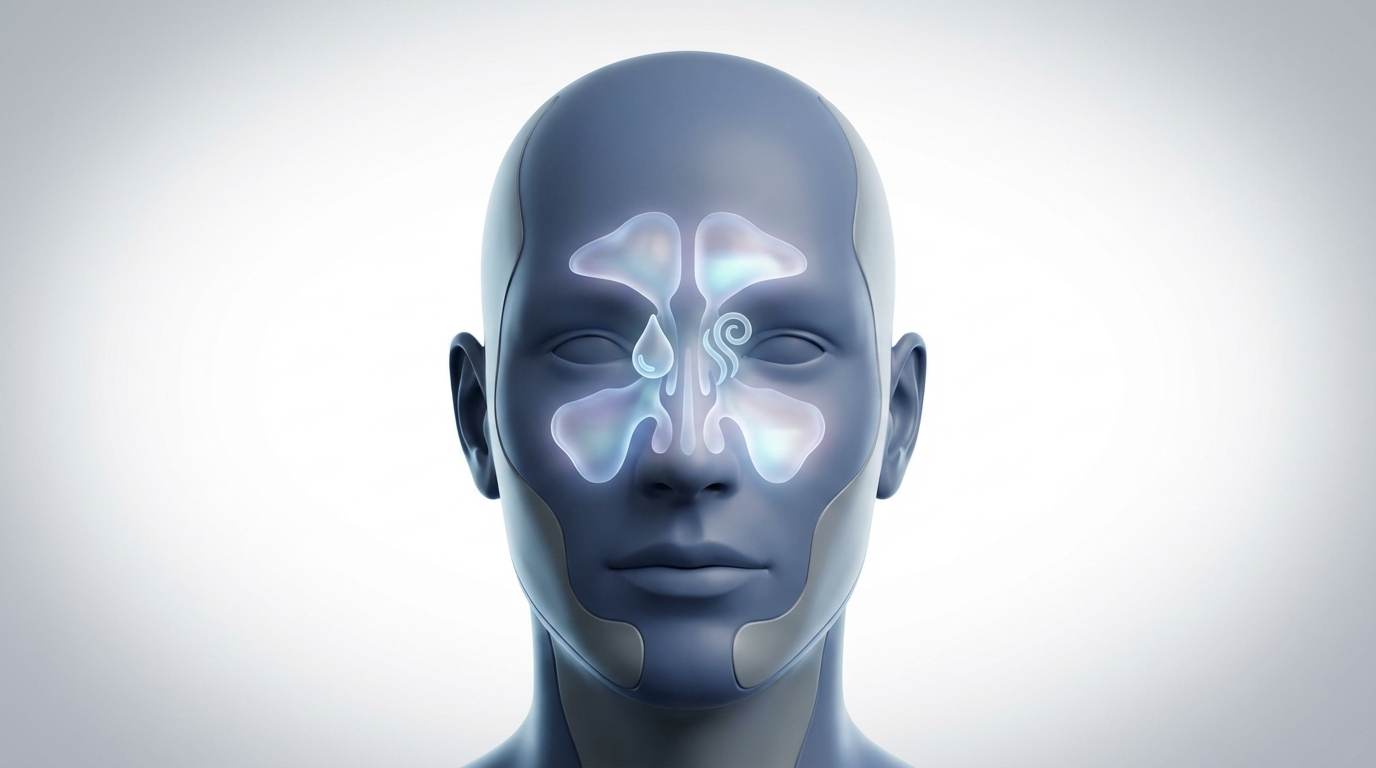
Why “Sinus Headache” Is Often Misleading
Facial pressure can come from many systems—not just sinuses. Your face is packed with structures that can generate or “refer” pain: nerves, jaw joints, teeth, muscles, nasal tissues, and the sinuses. Because these areas share nerve pathways, discomfort can feel “sinusy” even when the sinuses are not the root cause.
Concrete example: a tight jaw muscle can create aching in the cheeks and temples; a migraine can create pressure around the eyes and trigger a runny nose. The sensation is real—what varies is the source.
The key idea: treat the cause, not the label. Calling every pressure-type headache a sinus problem can lead to:
- Unnecessary antibiotics (when no bacterial infection is present), which can contribute to antibiotic resistance and side effects
- Delays in effective treatment (for migraine, TMJ, or nerve pain)
- Ongoing recurrence because the underlying issue wasn’t addressed
A common patient comment is, “I keep treating my sinuses, but it never fully goes away.” That’s often the clue that a broader differential diagnosis is needed.
If you want a deeper comparison, see our guide on sinus headache vs migraine: https://sleepandsinuscenters.com/blog/migraine-vs-sinus-headache-key-differences-and-symptoms-explained
Bottom line: treat the cause—not the label.
Symptoms Check: What a True Sinus Infection Often Looks Like
Note: Symptoms vary. This section is meant to help you “pattern match,” not self-diagnose.
Common sinusitis (rhinosinusitis) symptoms
A true sinus infection/inflammation pattern often includes several of the following:
- Nasal congestion or obstruction
- Thick nasal drainage, often yellow or green, which may suggest bacterial infection when combined with other signs
- Facial pressure/fullness (often worse when bending forward)
- Reduced sense of smell
- Possible fever, fatigue, cough, and post-nasal drip
A practical pattern is: you feel blocked, you’re blowing thicker mucus, your smell is off, and the facial pressure rises and falls with those nasal symptoms.
When headache is considered sinus-related (diagnostic concept)
Clinically, sinus-related headache tends to track closely with sinus inflammation—meaning it starts with sinusitis symptoms and improves as the sinus problem resolves. When head pain continues without clear nasal/sinus signs, it raises the likelihood of other causes.
In other words: if the congestion and drainage calm down but the “sinus headache” keeps marching on, the headache may not be sinus-driven.
Acute vs. chronic timing (simple definitions)
- Acute: symptoms that develop over days and improve over days to weeks
- Chronic: symptoms that persist, linger, or recur over longer periods
When symptoms become persistent or recurrent, chronic facial pressure and headaches often deserve a broader evaluation than “it must be an infection.” If you’re dealing with ongoing inflammation concerns, our chronic sinusitis page explains what chronic patterns can look like and how they’re typically approached: https://sleepandsinuscenters.com/chronic-sinusitis
Pattern matters more than any one symptom.
Signs It Might Not Be a Sinus Infection (Common Clues)
Migraine clues (often mistaken for sinus pressure)
Migraine can cause pain in the forehead, around the eyes, or cheeks—and it can come with nasal symptoms, which is why it’s so often confused with sinus trouble. Common migraine clues include:
- Throbbing or pulsating pain
- Moderate-to-severe intensity
- Nausea
- Light and sound sensitivity
- Worse with activity
Example: you feel “pressure” near the eyes, but you also want the lights dimmed, movement makes it worse, and you feel queasy. That overall cluster leans migraine more than infection.
Tension-type headache clues
Tension-type headaches often feel like:
- A tight band or pressure around the head
- Neck/shoulder muscle tightness
- A pattern related to stress, poor sleep, or screen/posture strain
Example: a long laptop day or stressful week triggers a steady, non-throbbing pressure—often with a stiff neck—without prominent drainage or smell changes.
Pain location doesn’t “prove” sinus disease
Pain around the eyes, cheeks, or forehead can occur with migraine, muscle tension, jaw issues, or nerve pain. Location alone doesn’t confirm the sinuses are the culprit.
A clinician might say it this way: “Where it hurts matters—but how it behaves matters more.”
If nasal symptoms are minimal or inconsistent, consider non-sinus causes.

Causes of Chronic Facial Pressure and Headaches (Beyond Sinusitis)
Primary headache disorders
Common non-sinus causes include:
- Migraine
- Tension-type headache
- Cluster headache (less common than migraine but often very severe, usually one-sided, and may include tearing or nasal congestion on the same side)
Cluster headache is a good example of why nasal symptoms can be confusing: tearing or congestion can occur, even though the underlying driver isn’t a sinus infection.
TMJ disorders and jaw muscle pain (myofascial pain)
TMJ and jaw muscle strain can mimic sinus pressure—especially in the cheeks and temples. Clues may include:
- Jaw clicking/popping
- Pain with chewing
- Morning headaches (often linked to clenching/grinding)
- Temple/cheek pressure that feels “sinusy”
Example: you wake up with temple pressure and a “tired” jaw, or you notice symptoms flare after chewing tough foods or clenching during stress.
Dental causes
Dental problems can refer pain into the cheek and upper face, particularly from upper molars. Possibilities include:
- Tooth infection/abscess
- Cracked tooth
- Bite-related strain
A common scenario is pain that feels like sinus pressure on one side, but it spikes with chewing, temperature (hot/cold), or tapping a tooth.
Nerve pain conditions
Some facial pain is nerve-driven rather than inflammatory. For example:
- Trigeminal neuralgia facial pain (often brief, sharp, electric shock-like bursts lasting seconds to minutes)
- Post-herpetic neuralgia (after shingles)
- Other neuropathic facial pain patterns
Nerve pain often has a distinctive quality: sudden, stabbing, or “electric,” sometimes triggered by touch, brushing teeth, or a light breeze.
Less common—but important—considerations
Sometimes symptoms relate to structural nasal issues, chronic rhinitis, or other head/neck or neurologic conditions—especially when the pattern doesn’t fit typical sinusitis or migraine.
The same “sinus” sensations can come from very different causes—getting the source right is the key to relief.

Sinusitis vs Migraine vs TMJ (Quick Comparison Highlights)
When facial pressure and headache occur, look at the whole pattern:
- Sinusitis/rhinosinusitis
- Common: nasal congestion, thick nasal discharge, facial pressure, smell reduction
- Often worse bending forward
- Headache tends to rise/fall with sinus symptoms
- Migraine
- Throbbing/pulsating pain, moderate-to-severe intensity
- Nausea, light/sound sensitivity, worse with activity
- Nasal symptoms can occur but are not the main driver
- TMJ/jaw muscle pain
- Jaw clicking/popping, chewing pain, morning headaches
- Temple/cheek pressure that may feel “sinusy”
- Symptoms often link to clenching/grinding or overuse
If nausea, light sensitivity, and activity-worsened pain are present, think migraine first.

How Doctors Figure It Out: What to Expect at an Evaluation
History questions that change the diagnosis
A good evaluation often focuses on patterns, such as:
- Timing (sudden vs gradual; episodic vs constant)
- Triggers (allergens, weather changes, stress, sleep disruption, chewing)
- Associated symptoms (drainage, smell loss, nausea, light sensitivity, jaw pain, tooth sensitivity)
If you’re not sure what matters, a simple rule helps: describe the first symptom you notice during a flare and the last symptom to resolve.
Physical exam (what clinicians look for)
Depending on the presentation, the exam may include:
- Nasal evaluation for swelling, drainage, or polyps
- Head/face tenderness assessment (helpful, but not definitive)
- Screening of jaw/TMJ movement and pain patterns
- Considering dental sources when symptoms point that way
For a detailed overview of the process, read how an ENT evaluates facial pain: https://sleepandsinuscenters.com/blog/ent-role-in-facial-pain-diagnosis-key-insights-for-effective-treatment
When imaging or procedures are helpful
For persistent or unclear cases, clinicians may use:
- CT scan to assess sinus anatomy and inflammation (often in chronic cases or pre-procedure planning)
- Nasal endoscopy to look inside the nose and sinus drainage pathways
These tools can help separate “sinus inflammation seen on exam/imaging” from “sinus-feeling pain with minimal sinus findings.”
Why “just trying antibiotics” isn’t always the best test
Many cases of facial pressure/headaches are not caused by bacterial infection. Overusing antibiotics can lead to side effects and antibiotic resistance and may delay the right treatment approach. Matching treatment to the most likely underlying cause improves outcomes.
A careful history and targeted exam are often more revealing than a trial of antibiotics.
Treatment Options (Based on the Cause)
Note: Treatment should be individualized by a qualified clinician.
If it is sinusitis/rhinosinusitis
Approaches often focus on reducing inflammation and improving drainage, such as:
- Saline rinses
- Nasal steroid sprays
- Hydration and humidification
Antibiotics may be considered only when bacterial infection is strongly suspected based on clinical evaluation. For longer-term inflammation, visit: https://sleepandsinuscenters.com/chronic-sinusitis
If it’s migraine
Migraine care often includes:
- Acute relief options (OTC and/or prescription, depending on severity and history)
- Preventive strategies when attacks are frequent
- Trigger tracking (sleep changes, dehydration, certain foods, hormonal shifts, stress)
A useful step: note whether your headache improves more with migraine-directed strategies than with decongestants.
If it’s tension-type or muscle-related headache
Common non-medication strategies include:
- Heat/ice to sore muscles
- Stretching and posture/ergonomic changes
- Physical therapy approaches
- Stress reduction and sleep consistency
If it’s TMJ-related
TMJ approaches commonly focus on:
- Reducing jaw overuse during flares (soft foods, limiting gum/chewy foods)
- Addressing clenching/grinding patterns (often dentist-guided)
- Targeted physical therapy and habit changes
If it’s dental
When symptoms suggest a tooth source, dental evaluation can be important—especially if there’s swelling, fever, or escalating pain.
If it’s nerve pain
Nerve-related facial pain may require a neurologic-focused evaluation and targeted therapies.
Matching care to the true cause is the fastest route to meaningful relief.

Lifestyle Tips That Help Regardless of the Cause
A simple “pressure & headache” daily checklist
- Hydration and regular meals
- Consistent sleep schedule
- Avoid overusing decongestant sprays (they can cause rebound congestion)
- Gentle saline nasal hygiene if congestion is present
Track patterns for 2–4 weeks
A short symptom diary can speed up diagnosis. Track:
- Location, intensity, and duration
- Nasal symptoms (congestion, drainage, smell changes)
- Sleep, stress, meals, hydration
- Response to any OTC medications
This gives your clinician something actionable—like a map—rather than a single snapshot of a bad day.
Small, consistent habits make headaches easier to decode and treat.
Quick Self-Check (Not a Diagnosis)
- Do you have thick nasal drainage plus significant congestion along with the pressure? (leans more sinus-related)
- Do you have nausea, light sensitivity, and pain worse with activity? (leans more migraine)
- Do you have jaw soreness, clicking, or morning headaches? (leans TMJ/muscle-related)
Red Flags—When Facial Pressure/Headache Needs Urgent Care
Seek urgent evaluation for any of the following
- Sudden, severe “worst headache”
- New neurologic symptoms (weakness, confusion, trouble speaking)
- Vision changes, eye swelling, or severe eye pain
- Facial numbness or persistent one-sided sensory changes
- Fever with stiff neck, or symptoms rapidly worsening
If any red flag is present, seek immediate medical attention.
FAQs
How can I tell the difference between a sinus headache and a migraine?
A sinus headache vs migraine distinction often comes down to the whole symptom picture. Migraine is more likely when there’s nausea, light/sound sensitivity, and activity makes it worse. Sinusitis is more likely when congestion and thick drainage are prominent and the headache clearly follows sinus flare-ups.
Can a sinus infection cause facial pressure without congestion?
It can happen, but isolated pressure—especially when persistent—often points to other facial pain causes. A clinician can help sort out whether inflammation, headache disorder, jaw issues, or another factor best fits the pattern.
Do I need a CT scan for chronic facial pressure?
Not always. CT imaging is typically considered after a focused history and exam—especially when symptoms persist, recur, or when procedural planning is being considered.
Why do antibiotics not help my “sinus headaches”?
Often because the symptoms weren’t caused by a bacterial infection. Migraine, tension-type headache, TMJ and headaches, dental problems, or nerve pain may not respond to antibiotics.
When should I see an ENT vs a neurologist vs a dentist?
- ENT: ongoing congestion, smell loss, suspected sinus disease, recurrent sinus flares
- Neurology: migraine pattern, neurologic symptoms, headaches that remain difficult to control
- Dentist: tooth pain, chewing pain, sensitivity, suspected dental source
Conclusion: The Fastest Path to Relief Is the Right Diagnosis
When chronic facial pressure and headaches keep returning, the most effective next step is usually clarifying the true cause. Key takeaways:
- Chronic facial pressure and headaches are common and often not a sinus infection.
- Migraine, tension headaches, TMJ, dental problems, and nerve pain (including trigeminal neuralgia facial pain) can mimic sinus pressure.
- A structured evaluation (history + exam ± endoscopy/CT) can improve accuracy and treatment success.
If symptoms are persistent, recurrent, not responding to typical over-the-counter measures, or associated with red flags, consider scheduling an evaluation with Sleep & Sinus Centers of Georgia or your trusted local provider. Book an appointment here: https://sleepandsinuscenters.com/appointments
The right diagnosis points you to the right treatment—and faster relief.
Disclaimer
This article is for educational purposes only and is not medical advice. Please consult a qualified healthcare provider for diagnosis and treatment.
Don’t let allergies slow you down. Schedule a comprehensive ENT and allergy evaluation at Sleep and Sinus Centers of Georgia. We’re here to find your triggers and guide you toward lasting relief.