Allergy-Proofing Your Car: Essential Steps Most People Skip
If your allergies flare up during your commute—even when your home feels under control—your vehicle may be the missing piece. Allergy-proofing your car is different from “just cleaning it.” Cars are small, enclosed spaces that constantly get reloaded with new triggers from outdoor air, clothing, bags, and pets. Over time, that buildup can lead to stubborn pollen, dust, and odors that keep circulating every time the fan turns on.
Think of it like cleaning a small room where someone keeps opening the window, shaking out a jacket, and tracking in grass—everything you remove can quickly come back unless you address how allergens enter and where they hide. The good news: a few overlooked steps make a big difference—especially a filter upgrade, the right vacuum, and a smarter wipe-down routine. Claritin offers a helpful overview of ways to minimize allergens in your car. Source: https://www.claritin.com/understanding-allergies/help-minimize-allergens-in-your-car
Why Your Car Can Trigger Allergies (Even If Your Home Is Clean)
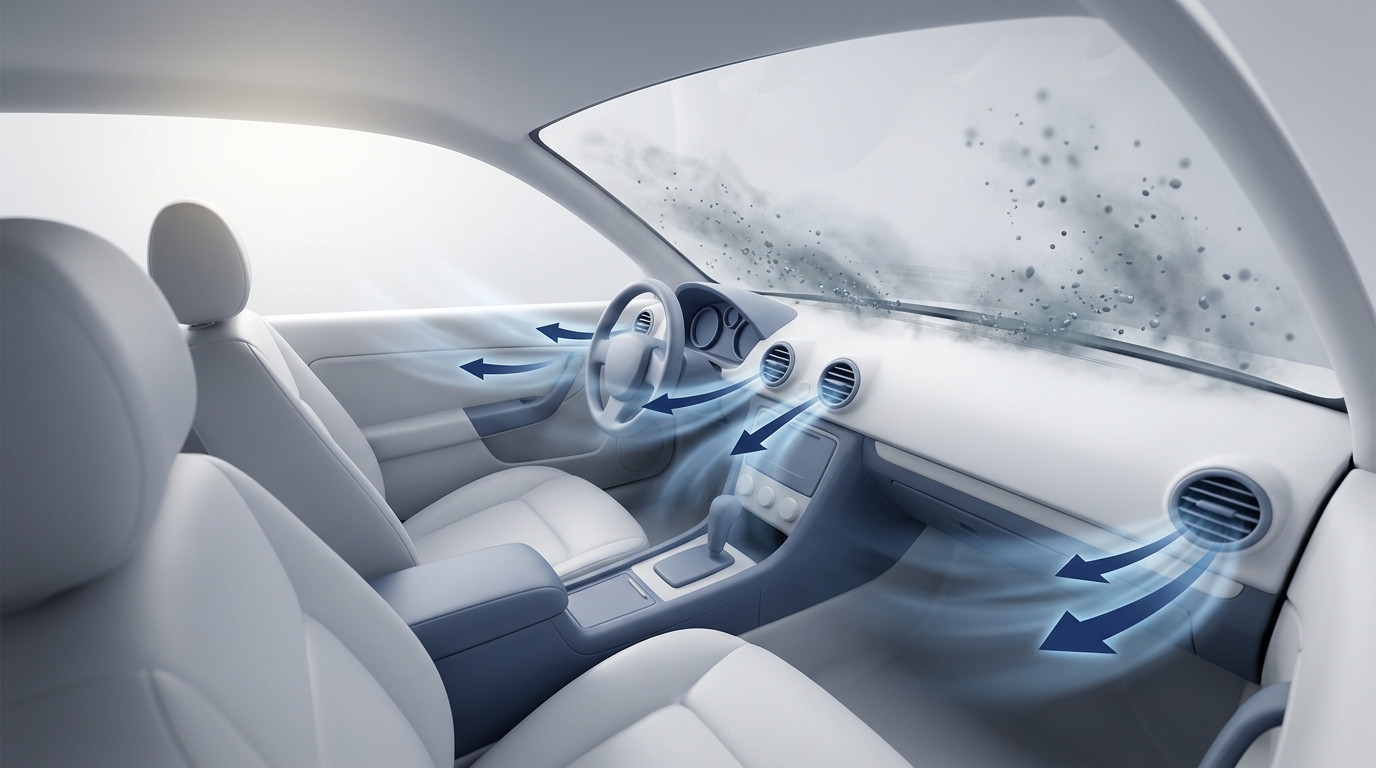
Think of your car as a high-traffic micro-environment: it’s a small, enclosed space where particles concentrate quickly; you continually bring in new allergens on jackets, hair, backpacks, and shoes; and HVAC airflow can keep allergens circulating, especially if your cabin filter is overdue. Every time you sit down, you “deposit” whatever is on your clothes into seat fabric, then the fan can lift and redistribute what’s settled. The most effective plan targets what most people skip: better filtration, removal without re-suspending, and materials that don’t hold dust and dander.
Common “Car Allergy” Symptoms to Watch For
Many people notice sneezing, runny nose, congestion, itchy or watery eyes, cough, throat irritation, postnasal drip, sinus pressure, headache, or commute fatigue that spike during or right after driving. If symptoms are noticeably worse only in the car, that’s a strong clue you’re dealing with trapped allergens rather than just seasonal exposure.
Where Allergens Collect Inside a Vehicle
Allergens concentrate in surprising spots: the cabin air intake and HVAC ducts/vents; floor mats and carpet padding (especially if damp); seat seams, headrests, and between cushions; the trunk/cargo area on blankets and gear; and on the dashboard and steering wheel where a thin pollen film sticks. The “crumb gap” between the seat and console also traps fine debris and dander that get kicked up when you move the seat.
What’s Actually in the Air (and on Surfaces)
Typical culprits include pollen (with seasonal spikes), dust and fine debris, pet dander embedded in upholstery and carpets, and mold spores when moisture collects—especially if growth occurs in the AC system. Consistent reduction steps matter because cars can trap and recirculate allergens. Source: https://www.claritin.com/understanding-allergies/help-minimize-allergens-in-your-car
Step 1 (Most Skipped): Upgrade Your Cabin Air Filter to HEPA-Grade
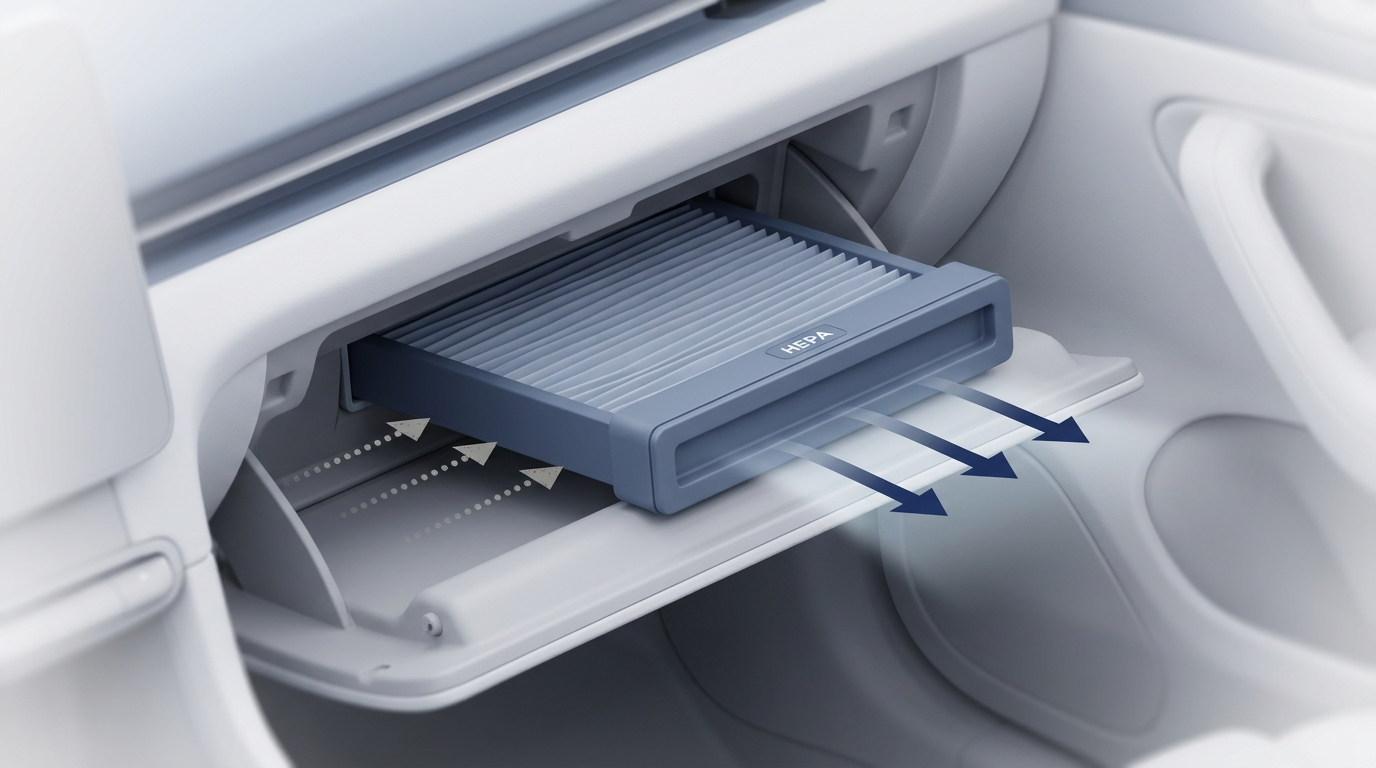
Your cabin air filter is the HVAC system’s “lungs.” If it’s weak, clogged, or low-quality, allergens keep circulating and undermine your other cleaning efforts. HEPA or HEPA-grade filters capture much smaller particles than basic filters, helping reduce pollen, dust, and microscopic irritants that drive symptoms. Source: https://filterbuy.com/resources/filters/cabin/best-for-allergies/
Note: Not every vehicle has a true HEPA option. If yours doesn’t, choose the highest-rated allergen or particulate filter available for your model. For comparisons and recommendations, see: https://sleepandsinuscenters.com/blog/best-car-cabin-air-filters-for-allergy-relief-in-2024
Replacement timing: aim for every 12 months or 12,000 miles and consider replacing before peak pollen season; if you drive windows-down, on dusty roads, or with pets, replace sooner. Source: https://filterbuy.com/resources/filters/cabin/best-for-allergies/
Quick how-to: check your owner’s manual for filter location (often behind the glovebox); select “allergen,” “odor,” or “HEPA-grade,” and install with the airflow arrow in the correct direction; if odors or weak airflow persist after replacement, consider professional ventilation cleaning. Source: https://www.goodyear.com/en-us/services/ventilation-cleaning_155301
Start with filtration so your other cleaning efforts actually stick.
Step 2 (Most Skipped): Vacuum with a HEPA-Filter Vacuum—Not Just Any Vacuum
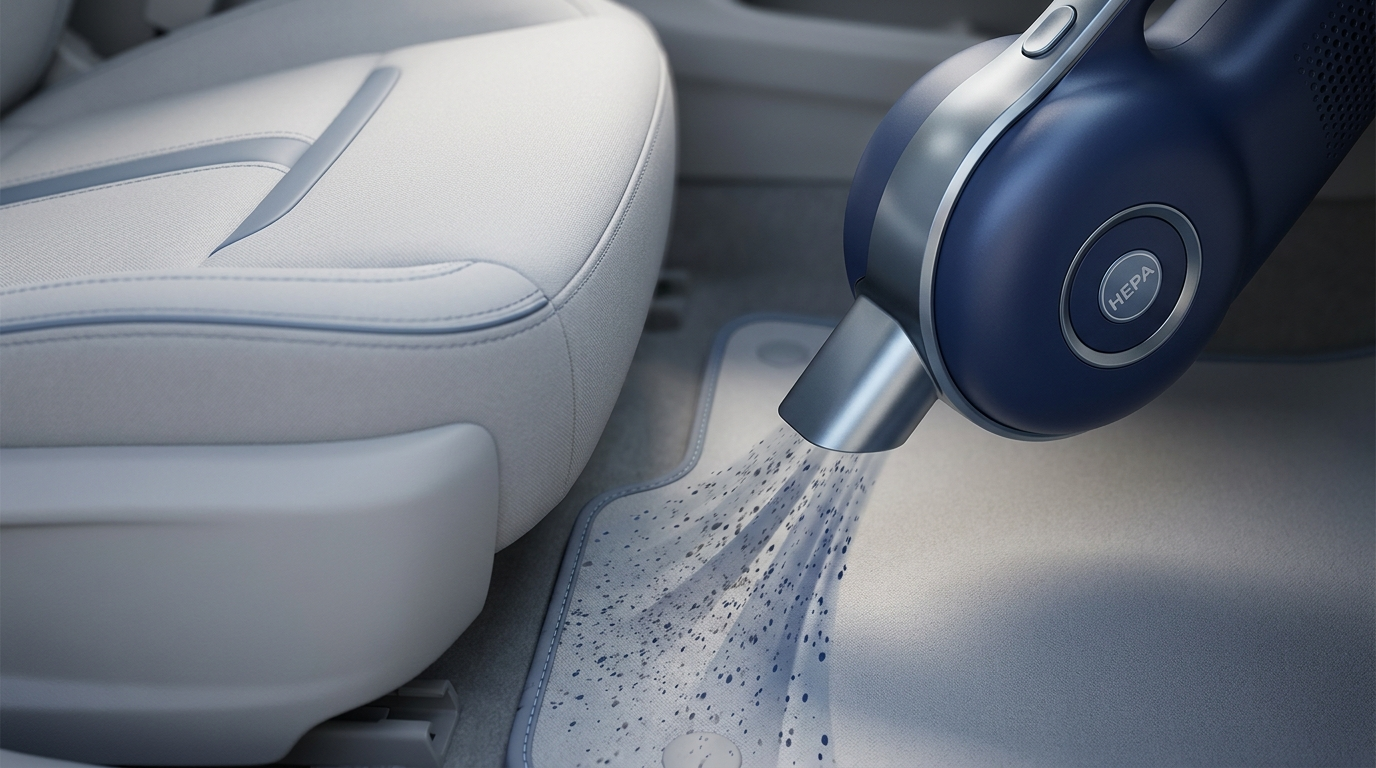
Regular vacuums can exhaust fine particles back into the air, leaving you sneezing right after you “clean.” A HEPA-filter vacuum captures and contains finer debris instead of re-aerosolizing it; a non-HEPA vacuum can behave like a tiny leaf blower for microscopic dust.
Allergy-focused routine (10–15 minutes): remove mats and vacuum both sides; move slowly along seat seams, under seats, and around console edges; include the trunk or cargo area; finish with slow, overlapping passes across carpets for best pickup. Move slowly—rushing skims the surface and misses embedded dust and dander. For choosing tools, see: https://sleepandsinuscenters.com/blog/hepa-vacuum-vs-bagless-vacuum-best-choice-for-allergy-relief
Contain what you lift—use a HEPA vacuum so allergens don’t blow back into the cabin.
Step 3: Wipe Hard Surfaces with a Damp Cloth (Vacuuming Alone Isn’t Enough)
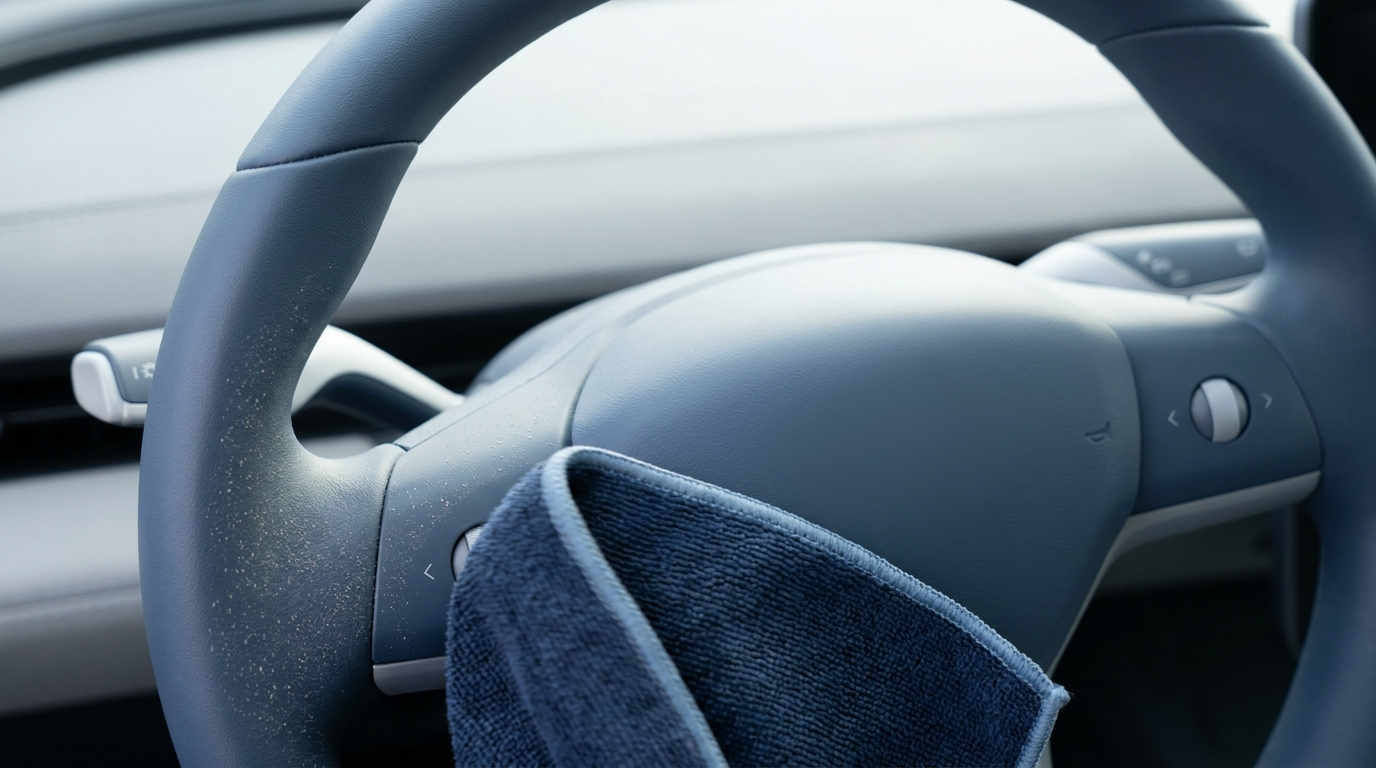
Pollen clings to dashboards, touchscreens, and steering wheels, where vacuuming does little. A slightly damp microfiber cloth physically picks up and removes that film instead of stirring it up—like wiping flour off a counter rather than sweeping it around. For heavy yellow spring buildup, see: https://sleepandsinuscenters.com/blog/effective-pine-pollen-cleanup-tips-for-cars-protect-your-vehicle-today
Quick high-touch checklist: steering wheel and stalks; dashboard and center controls; door handles and window switches; seatbelt buckle area. Think “lift, don’t loft”—damp wiping removes pollen without kicking it back into the air.
Step 4: Stop Allergens at the Door (Habits That Reduce What Gets Into the Cabin)
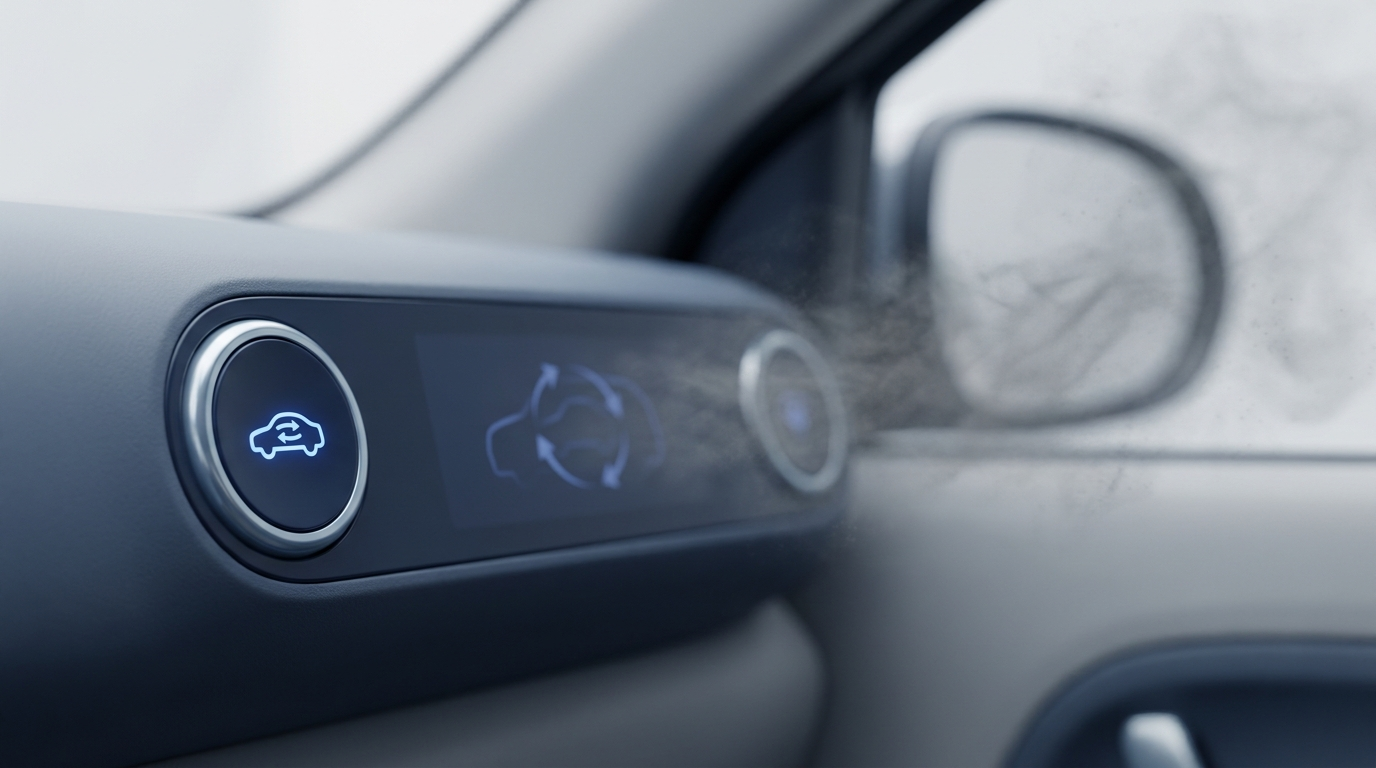
Adopt pollen-smart habits: keep windows closed during high pollen times; use recirculation mode in heavy traffic or high pollen; after outdoor activities, change clothes before long drives or use a lint roller on shoulders and lap. Claritin also recommends keeping the interior clean and limiting tracked allergens. Source: https://www.claritin.com/understanding-allergies/help-minimize-allergens-in-your-car
Example: if you mow the lawn, sitting in the driver’s seat in the same clothes transfers pollen into seat fabric, and you’re “re-exposed” on every commute until it’s removed.
Commute kit for allergy season: a couple of microfiber cloths or travel wipes, a small trash bag, a lint roller, and a calendar reminder for cabin filter replacement. Less in, less to clean—habits are your first line of defense.
Step 5: Fabric and Material Choices That Trap Allergens (And What to Use Instead)
Avoid plush or fuzzy seat covers and dust-holding accessories; they trap dust and dander and are harder to wipe clean. If something is difficult to wipe in one pass, it likely holds onto what you want gone. Better options include smooth, wipeable seat covers and rubber or all-weather mats that remove, rinse, and dry easily. Sources: https://www.claritin.com/understanding-allergies/help-minimize-allergens-in-your-car, https://www.lindsaychevrolet.com/blogs/2749/5-tips-for-keeping-your-car-allergen-free/, https://www.entofga.com/blog/how-to-allergy-proof-your-car/
Choose materials that release dust and dander easily, not ones that cling to it.

Step 6: Pet Dander in the Car—How to Reduce It Without “Banning the Dog”
Contain the dander: use a washable pet cover or crate, keep pets off porous upholstery when possible, and store pet blankets in a washable bag when not in use. After rides, HEPA vacuum the pet zone and seat seams, damp-wipe door panels where pets rub, and wash pet bedding regularly. Claritin includes pet-related tips among strategies to minimize allergens in vehicles. Source: https://www.claritin.com/understanding-allergies/help-minimize-allergens-in-your-car
Keep “pet stuff” to one zone so cleanup is fast and consistent.
Step 7: Don’t Ignore Moisture—It’s the Mold Trigger
Moisture drives persistent odors and irritation and can contribute to mold growth in the AC system. Warning signs include a musty odor when the AC starts, symptoms that worsen when heat or AC turns on, and windows that fog frequently or clear slowly.
What to do next: replace the cabin air filter first; if musty odor persists, professional ventilation cleaning may be appropriate. Source: https://www.goodyear.com/en-us/services/ventilation-cleaning_155301
Control moisture early to prevent a stubborn cycle of odors and irritation.
Treatment and Relief Options If Car Allergies Still Disrupt Your Day
This is general education only. Some people find over-the-counter options helpful, but consult a pharmacist or doctor before starting any new medication, especially if you take other medications or have chronic conditions. Short-term relief may include a non-drowsy antihistamine, saline nasal spray or rinse after high-exposure days, and selective decongestant use only with professional guidance. Many combine prevention (filter and cleaning) with symptom management on heavier exposure days.
Consider seeing an ENT or allergy specialist if symptoms persist despite consistent cleaning and filter upgrades, you suspect mold exposure or chronic sinus inflammation, or you want to identify triggers (pollen, dust, pets, or other). To pinpoint triggers, Sleep and Sinus Centers of Georgia offers allergy testing: https://sleepandsinuscenters.com/allergy-testing
FAQs
How often should I replace my cabin air filter for allergies? A common guideline is every 12 months or 12,000 miles, ideally before peak pollen season. Source: https://filterbuy.com/resources/filters/cabin/best-for-allergies/
Is a HEPA cabin filter really worth it? If pollen, dust, or mold are triggers, improved filtration can reduce what the HVAC system blows into the cabin. Source: https://filterbuy.com/resources/filters/cabin/best-for-allergies/
Why do I still sneeze after vacuuming my car? Often the vacuum is not HEPA-filtered (allowing fine particles back into the air), and pollen on hard surfaces needs damp wiping to remove it. After vacuuming, give particles a few minutes to settle before driving with the fan blowing.
What’s the fastest “before I drive” routine? Windows up and recirculation on high-pollen days, a quick damp wipe of the steering wheel and dash, and a lint roller pass for clothes or hair.
Can professional vent cleaning help? It may help when odors or suspected buildup persist after filter replacement and careful DIY cleaning. Source: https://www.goodyear.com/en-us/services/ventilation-cleaning_155301
Wrap-Up and Next Step
If you do nothing else, focus on the big three most drivers skip: a HEPA-grade cabin filter with seasonal timing, HEPA vacuuming, and a damp wipe-down of hard surfaces. These reduce what enters the cabin, what gets trapped in fabric, and what recirculates through vents. If symptoms still interfere after cleaning and upgrading filtration, consider targeted allergy testing at Sleep and Sinus Centers of Georgia: https://www.sleepandsinuscenters.com/
Sources
Claritin. Help Minimize Allergens in Your Car: https://www.claritin.com/understanding-allergies/help-minimize-allergens-in-your-car
Filterbuy (2024). Best Cabin Air Filters for Allergies: https://filterbuy.com/resources/filters/cabin/best-for-allergies/
ENT of Georgia. How to Allergy Proof Your Car: https://www.entofga.com/blog/how-to-allergy-proof-your-car/
Lindsay Chevrolet (2019). 5 Tips for Keeping Your Car Allergen Free: https://www.lindsaychevrolet.com/blogs/2749/5-tips-for-keeping-your-car-allergen-free/
Goodyear. Ventilation Cleaning: https://www.goodyear.com/en-us/services/ventilation-cleaning_155301
This article is for educational purposes only and is not medical advice. Consult a qualified healthcare provider for diagnosis and treatment.
Don’t let allergies slow you down. Schedule a comprehensive ENT and allergy evaluation at Sleep and Sinus Centers of Georgia. We’re here to find your triggers and guide you toward lasting relief.