Zyrtec vs Claritin vs Allegra: Which allergy medicine works best?
Choosing the best allergy medicine can feel surprisingly tricky—especially when the options look almost identical on the shelf. This guide compares three popular OTC allergy pills—Zyrtec (cetirizine), Claritin (loratadine), and Allegra (fexofenadine)—so you can match the right medication to your symptoms, schedule, and sensitivity to side effects like drowsiness.
Think of these three as different fits for the same job: they all target histamine-driven allergy symptoms, but they can differ in how quickly you feel relief, how likely you are to feel sleepy, and whether timing with food or drinks matters.
Quick answer (1-minute summary)
- Often rated for strong overall relief: Zyrtec (cetirizine). Individual response varies.
- Fast relief for many: Zyrtec often starts working within about 1 hour.
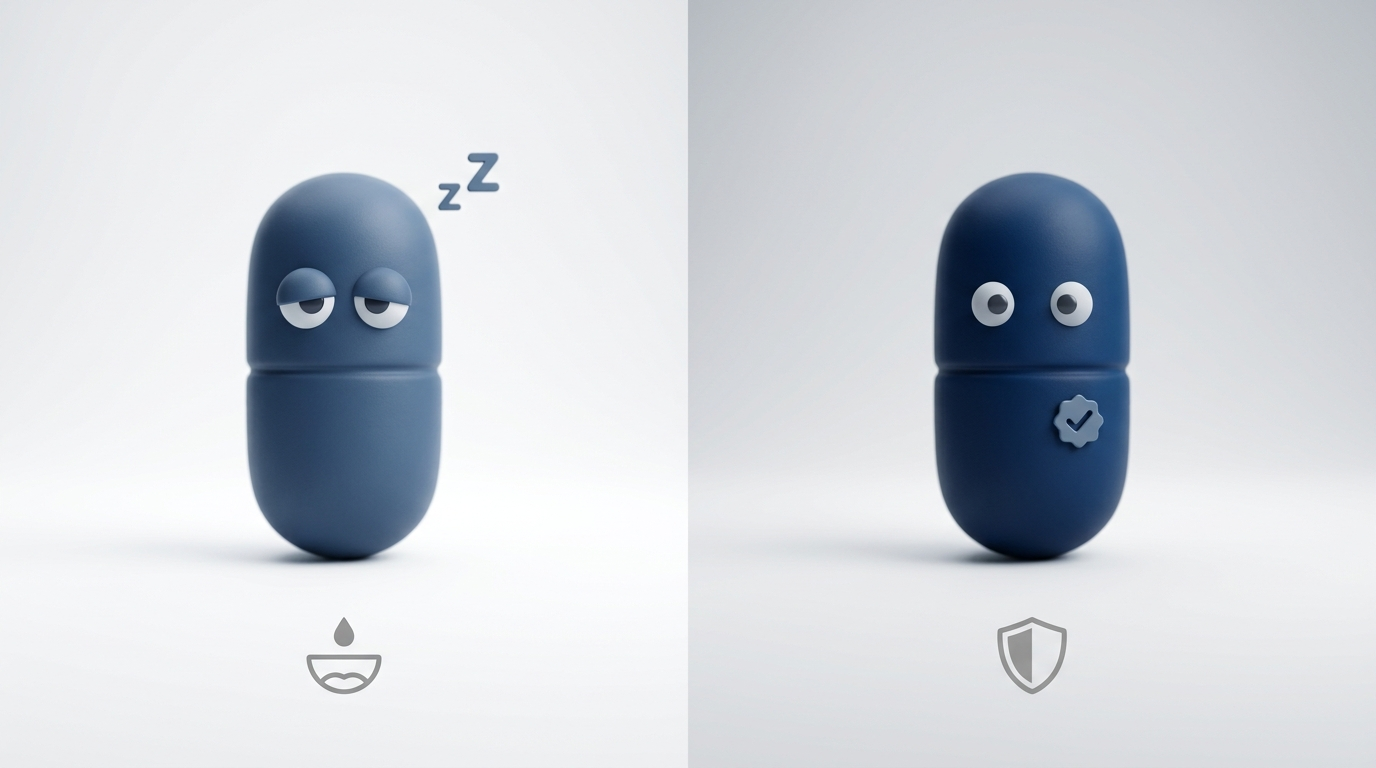
- Least drowsy profile: Allegra (fexofenadine) is widely considered the most non-drowsy of the three.
- Fewer notable food considerations (based on consumer references): Claritin (loratadine), compared with Allegra’s fruit-juice issue.
Bottom line: In the Zyrtec vs Claritin vs Allegra decision, the best pick depends on symptom severity, how fast you need relief, and whether drowsiness is a deal-breaker.
What symptoms do these allergy medicines treat?
Oral Zyrtec, Claritin, and Allegra are second-generation antihistamines. They’re designed to reduce symptoms driven by histamine—especially during seasonal allergies or exposure to triggers (like pets or dust). For a refresher on common allergy triggers and symptoms, see: https://sleepandsinuscenters.com/what-are-allergies
A practical example: If your classic allergy day is sneezing fits plus an itchy nose and watery eyes after mowing the lawn or visiting a friend with a cat, these meds are often a good starting point.
Symptoms these medicines usually help
- Sneezing
- Runny nose
- Itchy nose/throat
- Itchy/watery eyes (eye drops may be better if your only symptom is eye-related)
- Itching and hives (urticaria) in some people

Symptoms they may not fully relieve
- Nasal congestion/stuffy nose often responds better to other tools (like saline, intranasal steroid sprays, or sometimes a decongestant—when appropriate). Learn more: https://sleepandsinuscenters.com/blog/decongestant-vs-antihistamine-when-to-use-each-for-allergy-relief
When allergies might not be allergies
- Viral colds, sinus infections, irritants (smoke/fragrance), or non-allergic rhinitis can mimic allergies. If symptoms are unusual, severe, or persistent, discuss next steps with a clinician.
Summary: Antihistamines are great for itch/sneeze/runny nose, but you may need other tools for congestion or non-allergic triggers.
Why Zyrtec, Claritin, and Allegra are commonly compared
They’re all second-generation antihistamines. Compared with older antihistamines like diphenhydramine, these aim to control allergy symptoms with less sedation—often considered daytime-friendly (though some people still feel sleepy on certain options).
They’re available OTC and used similarly. All three are widely available, commonly taken once daily, and often used during seasonal flares. That’s why the cetirizine vs loratadine vs fexofenadine question comes up so often.
Summary: Same class and dosing convenience, but differences in speed, sedation, and food/juice considerations.
Side-by-side comparison (quick reference)
Zyrtec (cetirizine)
- Often chosen for: Strong, broad symptom relief when symptoms feel stubborn.
- Onset: Often within about 1 hour.
- Drowsiness risk: Higher than the other two (still far less than first-gen antihistamines).
- Food/drink notes: No standout issues in common consumer references; follow label.
- Switch to it when: Claritin or Allegra felt too weak.
- Switch from it when: Daytime fatigue or grogginess appears.
Claritin (loratadine)
- Often chosen for: Steady daytime option; low drowsiness for many.
- Onset: May feel slower than Zyrtec for some.
- Drowsiness risk: Generally low.
- Food/drink notes: No significant known food interactions in common references.
- Switch to it when: You want fewer food/juice considerations.
- Switch from it when: Onset feels too slow or relief feels mild.
Allegra (fexofenadine)
- Often chosen for: The most non-drowsy profile for work, driving, or exams.
- Onset: Often within about 1 hour; varies by individual.
- Drowsiness risk: Lowest among the three.
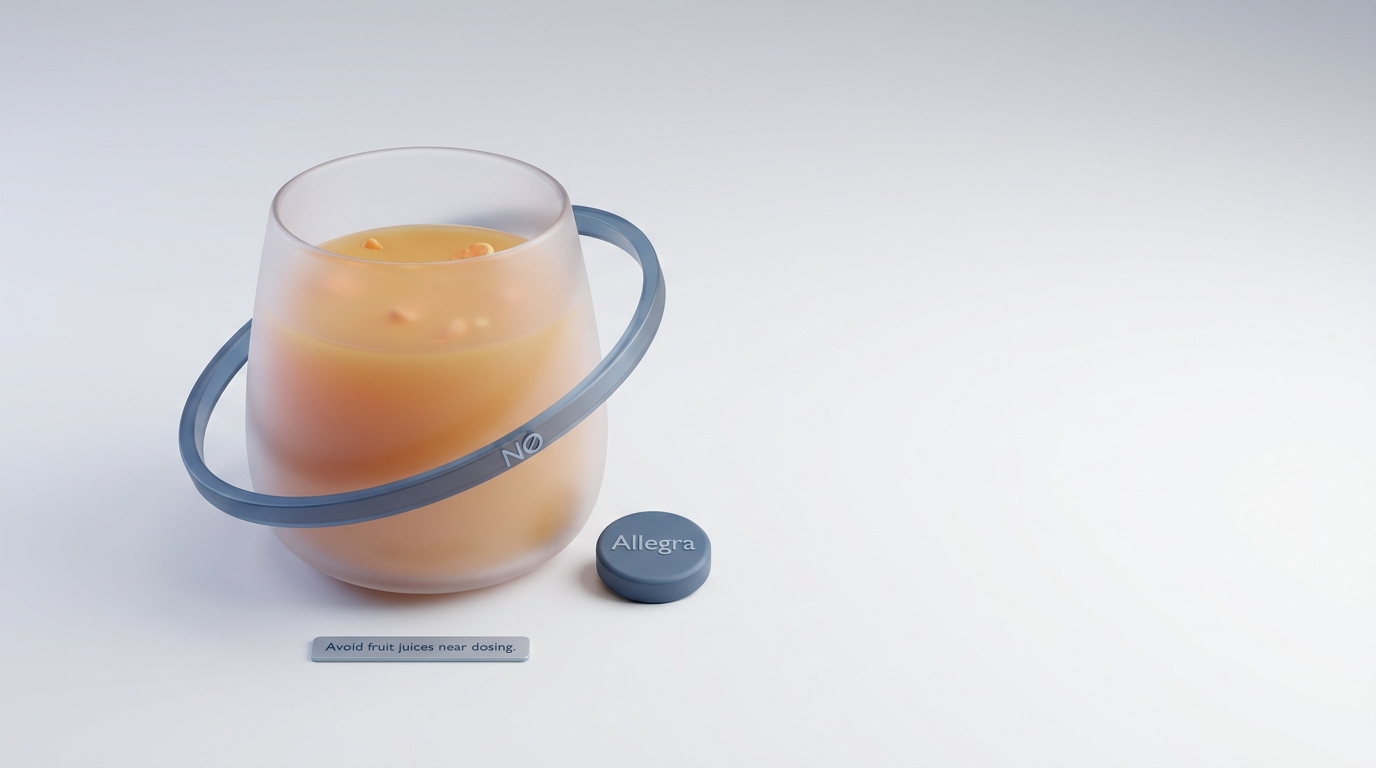
- Food/drink notes: Avoid grapefruit, orange, or apple juice (reduced absorption).
- Switch to it when: You must avoid sedation for safety-sensitive tasks.
- Switch from it when: Avoiding fruit juices around dosing is inconvenient.
Summary: Zyrtec is often felt as stronger/faster, Claritin is steady with fewer food concerns, and Allegra is the most non-drowsy—choose based on your priorities.

Zyrtec vs Claritin vs Allegra — the differences that matter most
These practical differences usually guide the decision.
1) Which tends to work fastest?
- Zyrtec: Often felt within about one hour for many people.
- Claritin/Allegra: Can work well, but some report a slower felt onset depending on timing and symptoms.
Why it matters: Sudden exposures (pets, windy high-pollen afternoons, yard work, travel) may benefit from faster onset.
2) Which feels strongest for overall symptom relief?
- Many head-to-head comparisons and reviews rate cetirizine (Zyrtec) as providing strong overall relief on average, though personal response varies.
Tip: Test one medication consistently during a similar exposure stretch before deciding it’s not helping—unless side effects show up quickly.
3) Which is least likely to cause drowsiness?
- Allegra: Generally the least sedating.
- Claritin: Usually low-drowsiness.
- Zyrtec: More likely to cause drowsiness or fatigue for some.
Pick the option you can take consistently without daytime sleepiness—especially if you drive, operate equipment, study, or work nights.
4) Food and drink considerations (often overlooked)
- Allegra + fruit juices (grapefruit, orange, apple): Can reduce absorption; avoid taking together.
- Claritin: No significant known food interactions in common references.
- Zyrtec: No standout food issues in common consumer references; follow label directions.
If fruit or citrus juice is part of your morning routine, this alone may make Claritin or Zyrtec feel simpler.
5) How long do they last?
All three are marketed as 24-hour options, though real-world coverage varies. Some people get smooth all-day control; others notice symptoms creeping back before the next dose—especially during peak pollen or heavy exposure.
Summary: Speed, strength, sedation, and fruit-juice interactions are the biggest practical differences for most people.
How to choose the best option for your allergies (simple decision guide)
Important: Health conditions, other medications, and individual sensitivities matter. Confirm your choice with a pharmacist or clinician—especially if you have chronic conditions, are pregnant/breastfeeding, or take other meds.
Zyrtec may be worth considering if…
- You prioritize quick relief or symptoms feel more intense.
- You can plan around the possibility of drowsiness.
- You’ve tried alternatives and still feel symptomatic.
Allegra may be worth considering if…
- You want the least drowsy option for work, driving, shift schedules, or studying.
- Avoiding fruit juices around dosing is realistic for you.
Claritin may be worth considering if…
- You want a consistent, low-drowsiness option with fewer notable food/juice concerns.
- You’re okay with a potentially slower onset.
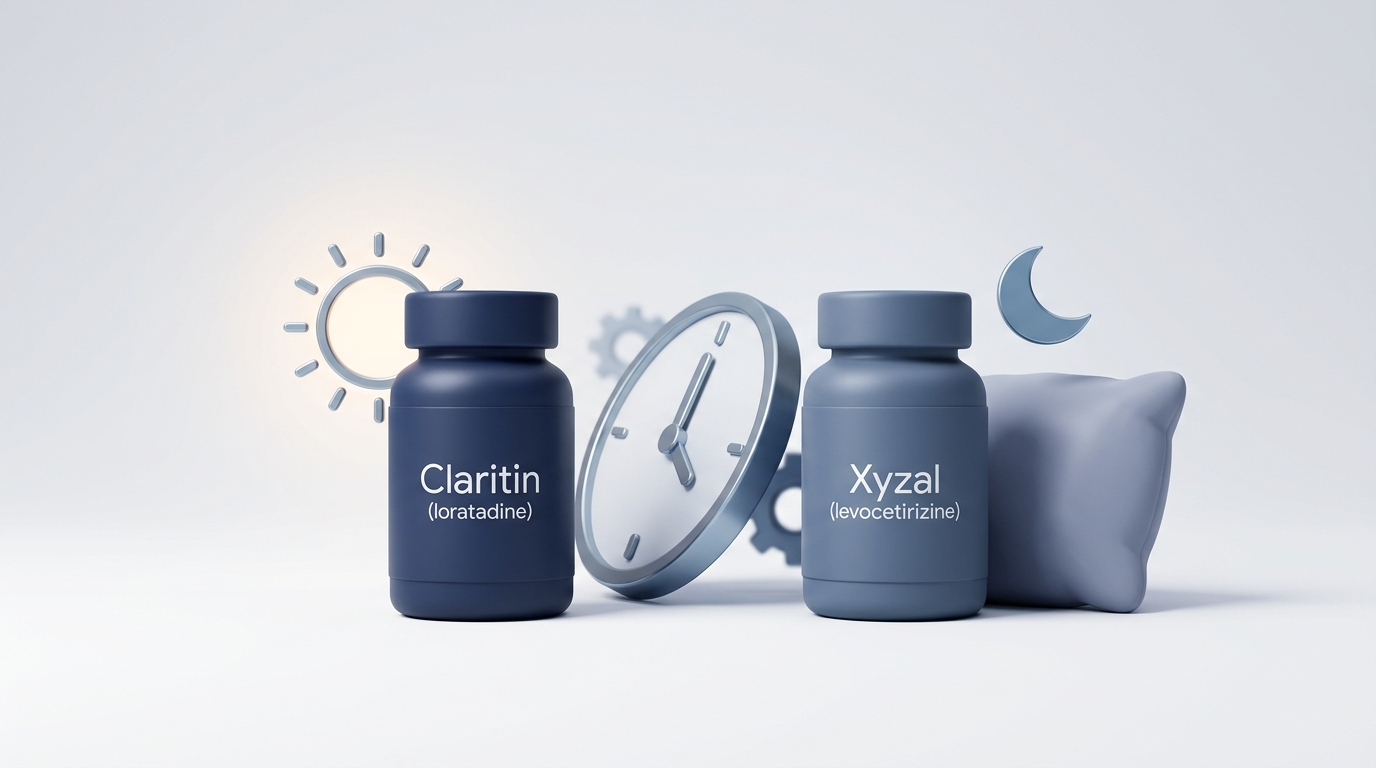
Timing: morning vs night (quick note)
Timing can help your choice fit better into your day. See: https://sleepandsinuscenters.com/blog/best-times-to-take-allergy-medicine-morning-vs-night
Summary: choose based on your top priority
Start with the med that best matches speed, minimal drowsiness, or simple routines—then reassess after a consistent trial.
Why symptoms may persist even on antihistamines
Persistent symptoms often point to exposure, timing, or tool mismatch.
High allergen load
Peak pollen days, open windows, outdoor chores, or pets in the bedroom can overwhelm what a pill can do.
Wrong tool for the symptom
Antihistamines help itching/sneezing/runny nose, but congestion may respond better to intranasal steroid sprays or other strategies. Review: https://sleepandsinuscenters.com/blog/decongestant-vs-antihistamine-when-to-use-each-for-allergy-relief
Timing issues
Starting too late (or waiting until symptoms are severe) and inconsistent use can reduce perceived benefit.
Mixed diagnosis
Irritants, non-allergic rhinitis, or sinus inflammation can overlap with allergies.
Summary: If an antihistamine isn’t working, it may be an exposure problem, a timing problem, or the wrong tool for the symptom mix.
Treatment plan options (beyond choosing a pill)
Medication works best as part of a practical plan.
A step-up approach for seasonal allergies (general framework)
- Allergen avoidance + lifestyle basics
- Daily second-generation antihistamine (Zyrtec/Claritin/Allegra)
- If congestion is prominent: consider an intranasal steroid (as directed)
- If symptoms are frequent/severe: consider evaluation and longer-term options, including allergy testing

When combination products matter (and when they don’t)
-D products combine an antihistamine plus a decongestant. They may help when congestion is a major issue, but decongestants aren’t a fit for everyone (possible insomnia, jitteriness, blood pressure concerns). A brief chat with a clinician or pharmacist can individualize this decision.
Summary: Pair the right medicine with exposure reduction—and add a nasal steroid if congestion leads the way.
Side effects and safety considerations
Common side effects
- Drowsiness/fatigue (more likely with cetirizine)
- Dry mouth
- Headache
Safety tips
- Try the first dose when you don’t need to drive or do safety-sensitive tasks—especially if you’re unsure how sleepy you’ll feel.
- Avoid combining with alcohol or other sedating medicines unless a clinician confirms it’s appropriate.
Special populations (brief)
Pregnancy/breastfeeding, older adults, kidney/liver disease, and children may need extra caution and label awareness. A pharmacist or clinician can help interpret what’s safest.
Summary: Most side effects are mild, but test your personal response before a busy day.
Lifestyle tips to help your allergy medicine work better
Reduce exposure: Shower after outdoor time, change clothes, keep windows closed on high-pollen days, consider HEPA filtration.
Bedroom strategies: Keep pets out, wash bedding weekly in hot water, manage dust.
Timing strategy: Be consistent during your allergy season. If a medication causes fatigue, adjusting morning vs night dosing can help: https://sleepandsinuscenters.com/blog/best-times-to-take-allergy-medicine-morning-vs-night
Summary: Small daily habits—especially in the bedroom—often amplify what your medicine can do.
FAQs
Is Zyrtec stronger than Claritin or Allegra? Many comparisons and reviews rate cetirizine (Zyrtec) as providing strong overall relief on average, but individual responses vary.
Which allergy medicine works the fastest? Zyrtec is often felt within about an hour for many people. Allegra and Claritin can also begin working within about an hour, though some users perceive a slower onset.
What’s the best non-drowsy allergy medicine? Allegra is generally the least likely to cause drowsiness.
Can I take Allegra with grapefruit juice? Avoid grapefruit, orange, or apple juice around dosing (reduced absorption).
If one antihistamine doesn’t work, should I switch? Many people respond better to one option than another; a short, consistent trial is often used to compare results.
When should I see a doctor for allergies? Consider evaluation if symptoms persist despite OTC options, sleep is disrupted, sinus infections are frequent, asthma symptoms occur, or you want longer-term solutions like immunotherapy. Learn about allergy testing: https://sleepandsinuscenters.com/allergy-testing
When to consider allergy testing or ENT/allergy specialist care
Signs OTC meds aren’t enough: Symptoms most days, poor sleep/daytime fatigue, missed work/school, recurrent sinus issues.
How testing can help: Identify triggers and tailor avoidance and longer-term treatment options.
Summary: If symptoms control your schedule—or you’re layering multiple meds without relief—it’s time to consider testing and a personalized plan.
A possible starting point in one sentence
- Need fast, strong-feeling relief? Zyrtec may be a good fit (watch for drowsiness).
- Need the most non-drowsy option? Allegra is a reasonable first pick (avoid fruit juices near dosing).
- Want steady, low-drowsiness relief with fewer notable food/juice concerns? Claritin is a solid option.
Need help?
If you’d like help matching your symptoms to a complete plan—especially if OTC options aren’t enough—you can book an appointment with Sleep and Sinus Centers of Georgia: https://www.sleepandsinuscenters.com/
Medical disclaimer
This article is for general education and is not a substitute for medical advice, diagnosis, or treatment. Always follow the product label, and talk with a clinician or pharmacist if you have chronic conditions, take other medications, are pregnant/breastfeeding, or aren’t improving. This article is for educational purposes only and is not medical advice. Please consult a qualified healthcare provider for diagnosis and treatment.
Sources
1) AAAAI. Rhinitis 2020: A practice parameter update. https://www.aaaai.org/Aaaai/media/Media-Library-PDFs/Allergist%20Resources/Statements%20and%20Practice%20Parameters/Rhinitis-2020-PPP.pdf
2) DailyMed/FDA labeling — Cetirizine hydrochloride (Zyrtec). https://dailymed.nlm.nih.gov/
3) DailyMed/FDA labeling — Loratadine (Claritin). https://dailymed.nlm.nih.gov/
4) DailyMed/FDA labeling — Fexofenadine (Allegra). https://dailymed.nlm.nih.gov/
5) ARIA guidelines. Allergy. 2010 update and later revisions.
6) Church MK, Church DS. Pharmacology of antihistamines. World Allergy Organ J. 2013;6:7.
7) GoodRx. Zyrtec-D vs Claritin-D vs Allegra-D. https://www.goodrx.com/conditions/allergies/zyrtec-d-claritin-d-allergra-d-for-allergies-which-is-best
Don’t let allergies slow you down. Schedule a comprehensive ENT and allergy evaluation at Sleep and Sinus Centers of Georgia. We’re here to find your triggers and guide you toward lasting relief.