Benign Paroxysmal Positional Vertigo (BPPV): Why It Keeps Coming Back and How to Prevent Recurrence
A sudden spinning sensation when rolling over in bed or looking up can be startling—and even more so when it happens again weeks or months later, just when you thought you were in the clear. This is a frequent experience with benign paroxysmal positional vertigo (BPPV).
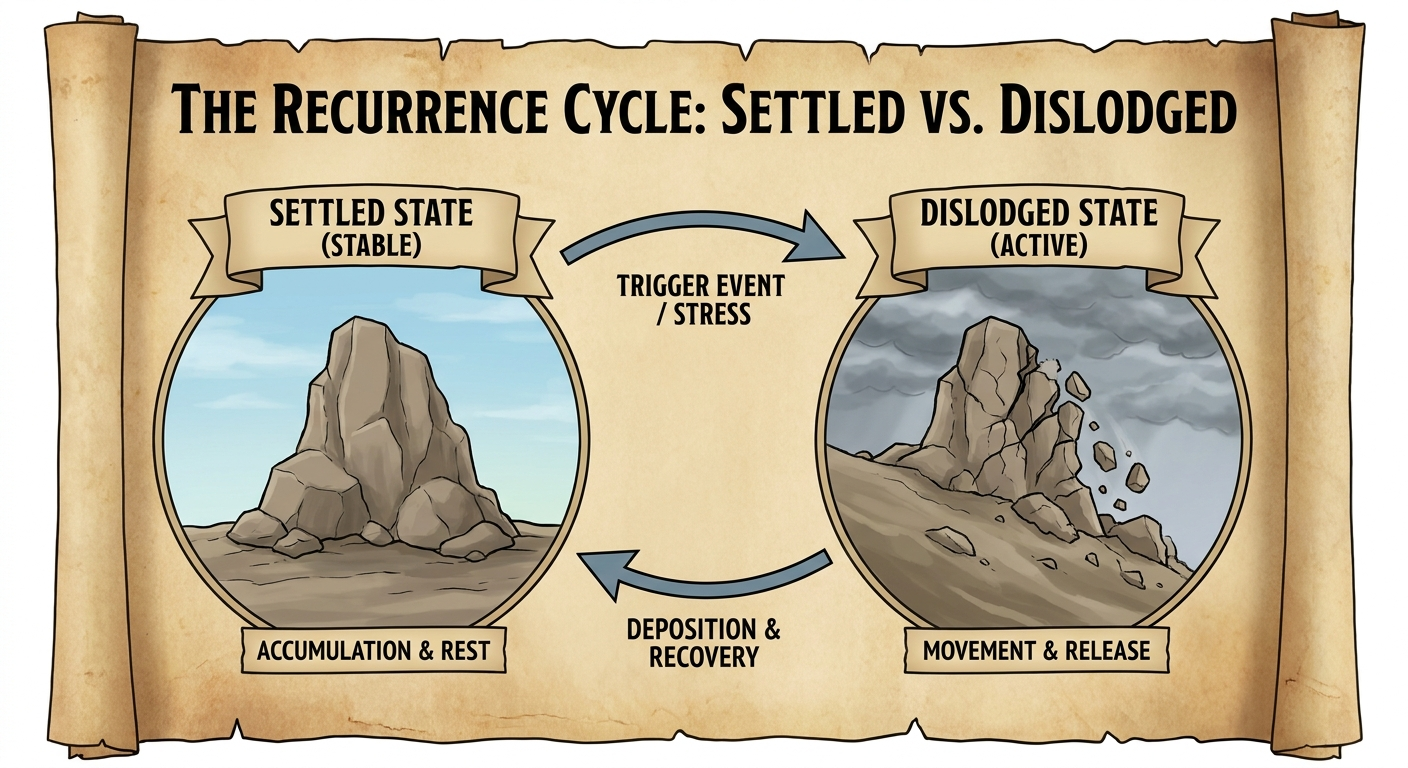
BPPV happens when tiny calcium-carbonate crystals (otoconia) in the inner ear become displaced from their usual location in the utricle and enter one of the semicircular canals. These crystals, no bigger than grains of sand, normally help the body sense gravity. Once loose in a canal—picture pebbles rolling inside a fluid-filled hoop—they send false balance signals to the brain with every head-position change, producing short bursts of spinning.
BPPV recurrence is common—long-term figures often approach 50 percent, though rates vary by study according to follow-up length and how an episode is defined. This post explains why BPPV keeps coming back, the main risk factors, how recurrent BPPV treatment typically works, and practical steps that may help prevent BPPV. Distinguishing BPPV from other forms of dizziness is also important; our guide on BPPV Vertigo vs. True Dizziness: Key Differences Explained (https://sleepandsinuscenters.com/blog/bppv-vertigo-vs-true-dizziness-key-differences-explained) covers those distinctions.
What Is BPPV and What Does a Recurrence Feel Like?
BPPV is one of the most common inner-ear causes of vertigo. Episodes are usually brief and tightly linked to specific head movements, such as lying down, sitting up, or tilting the head back.
Common Symptoms of BPPV
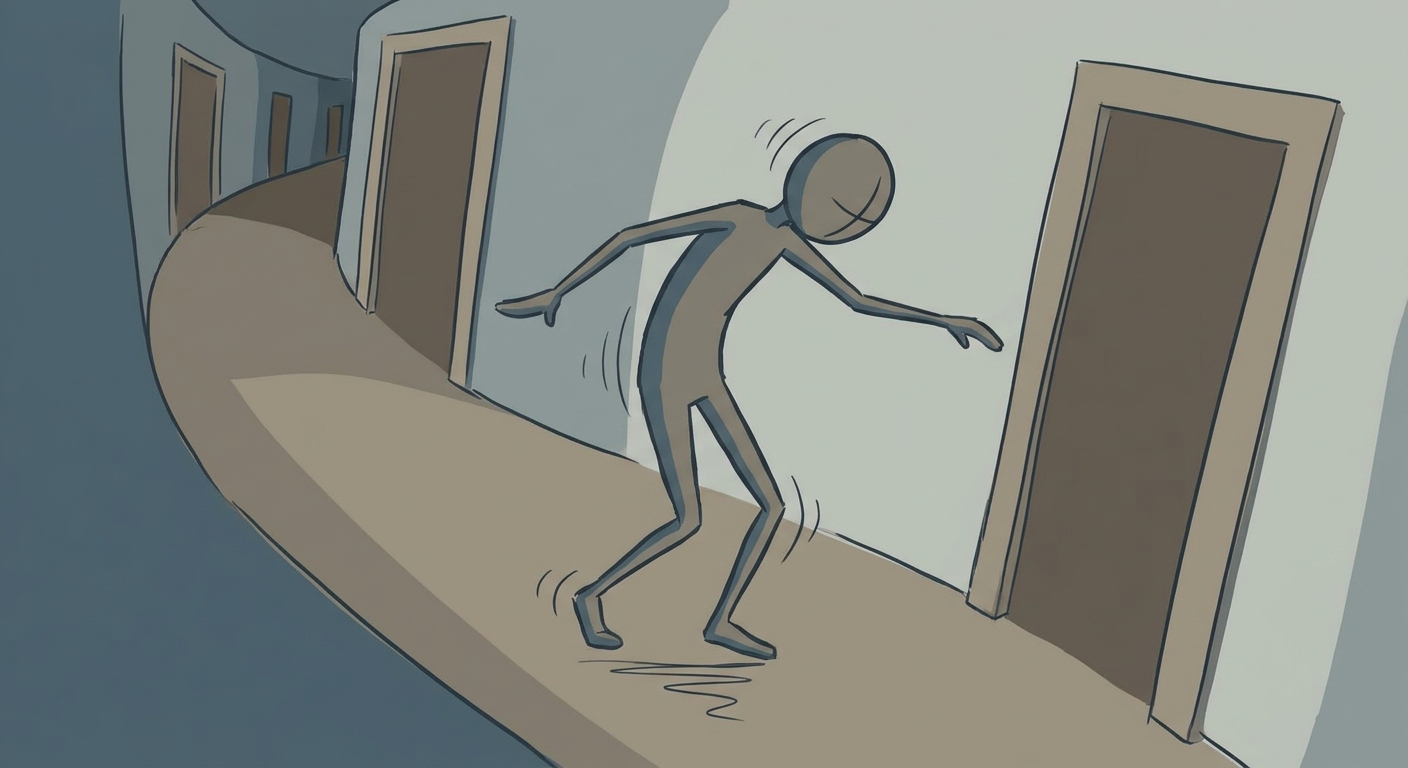
Typical symptoms include a spinning sensation lasting seconds to about a minute, triggered by rolling in bed, looking upward, or bending over. Many people notice it most when getting into or out of bed. Nausea or a lingering sense of unsteadiness can accompany the spinning. Hearing usually remains unaffected. These features help separate classic BPPV from longer-lasting or non-positional dizziness.
For instance, you might feel completely fine sitting still, yet the room whirls for 20–40 seconds the moment you glance up at a high shelf or turn to one side in bed.
How Recurrence Differs from the First Episode
A later episode often follows the same positional triggers. It may involve a different semicircular canal or feel milder or more intense than the original event. Some people describe it as exactly like the first time, while others notice a shorter spin or extra queasiness. Because other balance problems can mimic these symptoms, confirmation that the pattern truly matches BPPV remains useful. See our comparison of BPPV Vertigo vs. True Dizziness: Key Differences Explained (https://sleepandsinuscenters.com/blog/bppv-vertigo-vs-true-dizziness-key-differences-explained) for additional context.
Knowing the typical pattern of a recurrence helps you act quickly and seek the right evaluation.
Why Does BPPV Keep Coming Back?
The crystals that cause BPPV can detach again from the utricle or re-enter a canal after they have been successfully repositioned. Subsequent head movements then once more stimulate the balance organs incorrectly. After a successful maneuver the crystals sit back in place, yet they can loosen again—much like sediment that settles but can be stirred by a sudden jolt or gradual wear. Johns Hopkins Medicine and research such as Teggi et al. (2021) describe this simple mechanical process. Related inner-ear conditions can share similar crystal or fluid dynamics; see Inner Ear Balance Disorders: Causes, Symptoms & Treatment Guide (https://sleepandsinuscenters.com/blog/inner-ear-balance-disorders-causes-symptoms-treatment-guide).
How Common Is Recurrence?
Long-term estimates frequently approach 50 percent of people experiencing another episode, yet reported rates differ according to follow-up length and how recurrence is defined (Teggi et al., 2021; Sfakianaki et al., 2021; Li et al., 2022). A large experience involving 3,042 patients underscored how often repeat episodes occur over time.
Who Is at Higher Risk?
Factors associated with higher BPPV recurrence include older age, female sex, migraine, prior head trauma, Ménière’s disease, diabetes, hypertension, high cholesterol, cervical spondylosis (neck arthritis), and osteopenia or osteoporosis. Trauma-associated BPPV has been observed to recur more often than idiopathic cases in some reviews (approximately 57 percent versus 19 percent over about 22 months). Evidence linking vitamin D deficiency to recurrence is suggestive but not fully consistent across studies (Li et al., 2022; Sfakianaki et al., 2021). Older adults, for example, may have more fragile crystal attachments, while those with migraine can have overlapping inner-ear sensitivity.
Identifying personal risk factors supports more informed conversations with your clinician.

How Recurrent BPPV Is Diagnosed and Treated
When to See a Clinician
If spinning returns or the pattern feels atypical—especially with neurologic signs, hearing change, or constant rather than brief dizziness—reassessment is appropriate. Other causes should be ruled out, consistent with the American Academy of Otolaryngology–Head and Neck Surgery (AAO-HNS) 2017 clinical practice guideline. A clinician can perform simple office positional tests to confirm which canal is involved.
Canalith-Repositioning Maneuvers (First-Line Treatment)
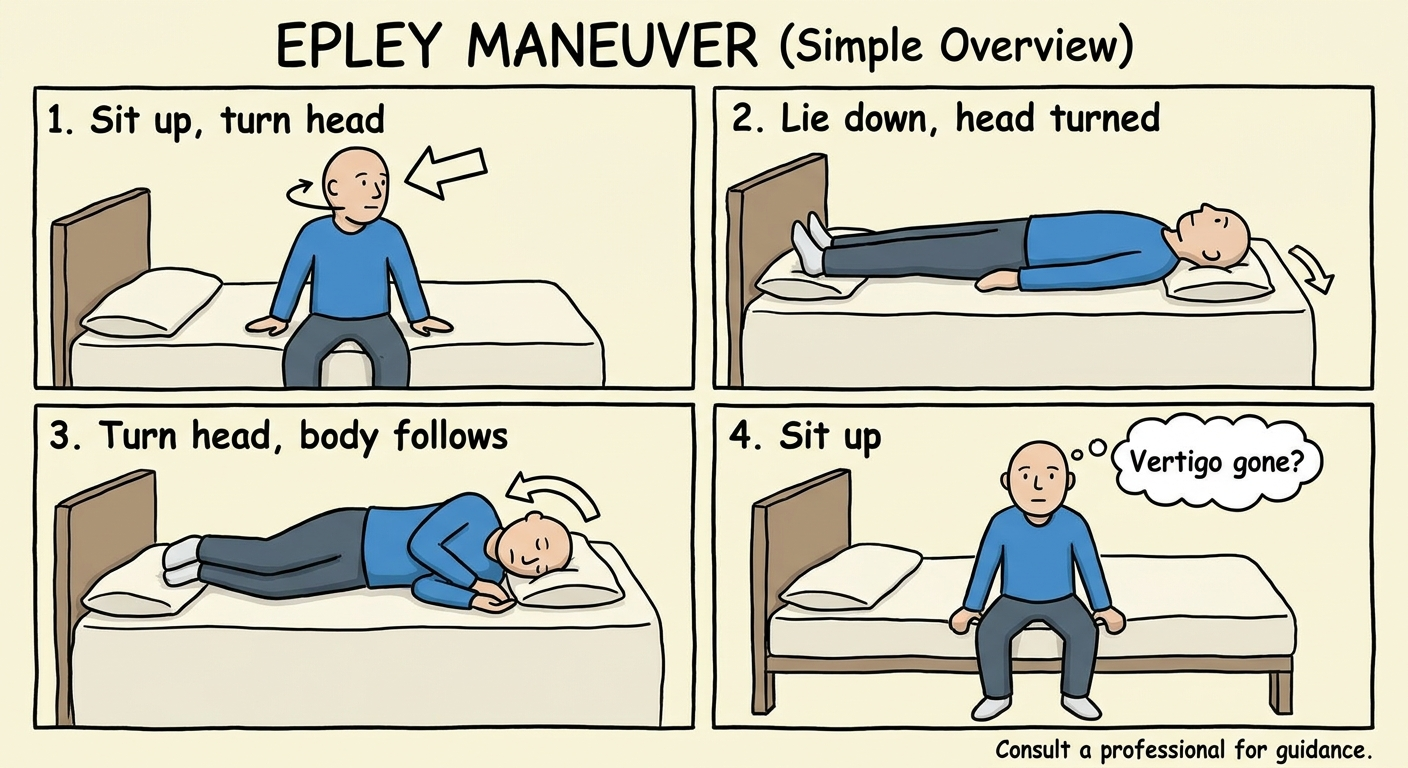
The standard approach for recurrent BPPV treatment is a canalith-repositioning maneuver such as the Epley maneuver, which uses gravity to guide the crystals back out of the affected canal. The sequence of head and body positions usually takes only a few minutes. Repeat sessions are often required if the first attempt does not fully clear the crystals. Vestibular suppressant medications do not correct the underlying crystal displacement (AAO-HNS 2017). Safety and technique details appear in Epley Maneuver Safety Tips for Effective Vertigo Relief (https://sleepandsinuscenters.com/blog/epley-maneuver-safety-tips-for-effective-vertigo-relief).
Home Exercises for Frequent Recurrence
Clinician-taught home repositioning exercises may benefit selected patients who experience frequent episodes (AAO-HNS 2017). These should be learned under proper instruction rather than attempted independently, because incorrect technique can be ineffective or uncomfortable. Once shown the steps, some patients keep a simple diagram handy for the first hint of spinning.
Supervised maneuvers and professional instruction remain the foundation of effective recurrent BPPV care.
Practical Ways to Help Prevent BPPV Recurrence
While no method guarantees that crystals will never displace again, several everyday practices and health measures are commonly discussed.
Daily Lifestyle and Movement Tips
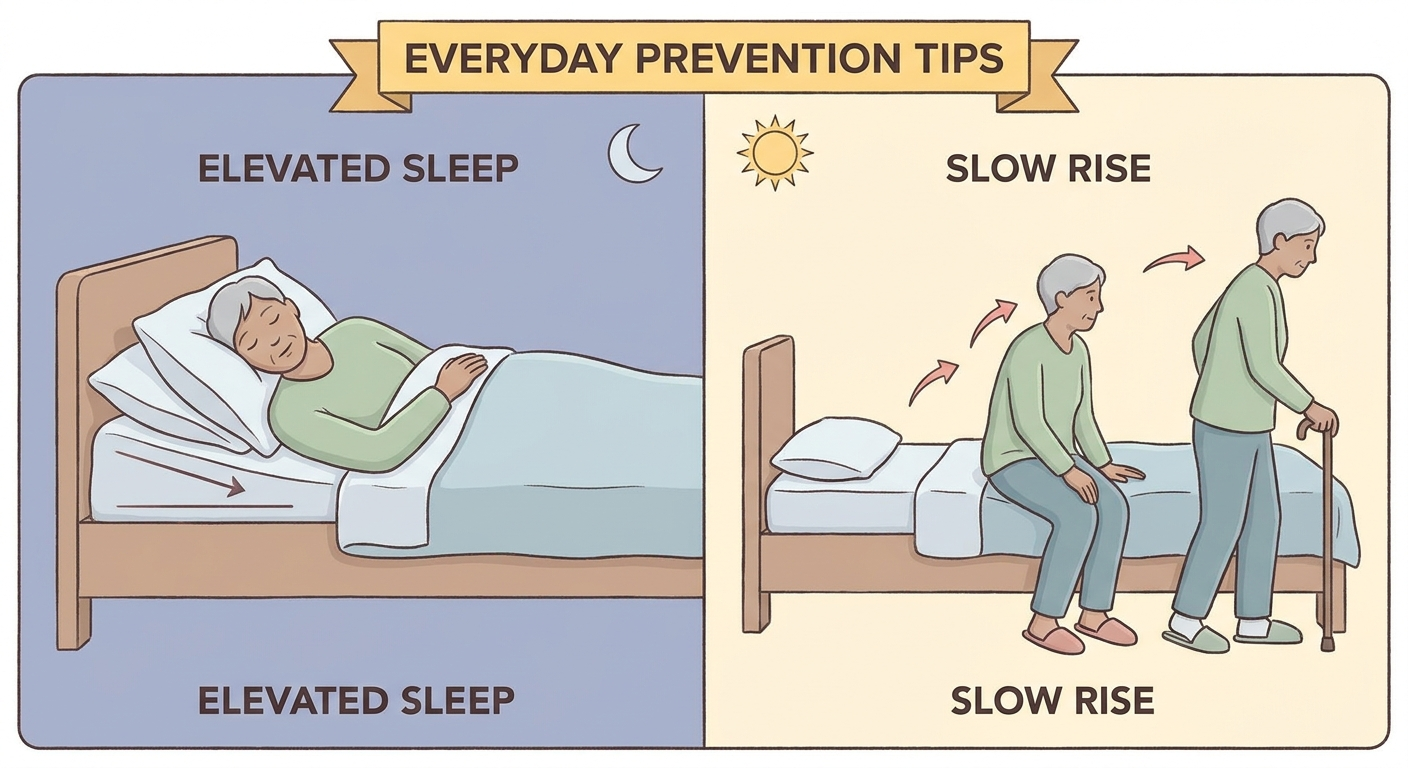
Rising slowly from bed, minimizing abrupt head tilts when practical, and using extra pillows or a slightly elevated sleeping position (if recommended) can reduce sudden triggers. Instead of sitting straight up in the morning, pause on the edge of the bed for a minute. Gentle neck and posture exercises may be considered when cervical issues are present, helping maintain smoother head control.
Address Underlying Health Factors
Managing migraine, blood pressure, diabetes, and bone health supports overall inner-ear stability. Individuals with risk factors can discuss vitamin D status and bone-density evaluation with their clinician. Keeping these conditions in check does not eliminate risk but may reduce how often crystals loosen.
Follow-Up and Self-Monitoring
Recognizing personal positional triggers and returning for evaluation if episodes become more frequent or change in character helps keep care on track. A brief note of which side or movement started the spin can help your provider target the correct canal next time.
Consistent attention to movement habits and underlying health can lower how often episodes return.
Frequently Asked Questions About Recurrent BPPV
Will it ever stop coming back completely? Many people experience additional episodes over years, yet each event can usually be treated with repositioning. Ongoing management of contributing factors may lower the chance of frequent returns. Some enjoy long quiet stretches; others treat BPPV as an occasional, manageable occurrence.
Can I do the Epley maneuver at home every time? Home performance is sometimes taught after in-office confirmation and instruction. Repeating it without guidance is not recommended, especially if symptoms differ from previous episodes. Your clinician can demonstrate the exact sequence and watch you perform it safely.
Is there a connection with allergies or sinus issues? BPPV itself is caused by displaced inner-ear crystals rather than allergies or sinus inflammation. Overlapping ear, nose, and throat conditions can coexist, so a comprehensive evaluation can clarify the picture. Sinus pressure might cause unrelated fullness that feels similar at first.
How soon after a maneuver can I return to normal activities? Most people resume ordinary movement after a short period of rest and any specific precautions their clinician suggests. Individual recommendations vary. Many return to daily routines the same day, simply avoiding extreme head-down positions briefly.
When is urgent care needed? Sudden hearing loss, constant rather than brief dizziness, weakness, speech difficulty, visual changes, or other neurologic symptoms warrant prompt medical attention to exclude other causes. These red flags are uncommon with typical BPPV but important not to ignore.
When to Seek Specialist Care
Recurrent, atypical, or treatment-resistant symptoms are best evaluated by an otolaryngologist who can confirm the diagnosis, identify contributing conditions, and provide supervised maneuvers. Learn more about comprehensive otolaryngology care (https://sleepandsinuscenters.com/comprehensive-otolaryngology-care). Personalized assessment and training are available by booking an appointment at Sleep and Sinus Centers of Georgia: https://sleepandsinuscenters.com/appointments. If BPPV keeps returning, schedule a visit so we can help you regain stable, vertigo-free days.
Conclusion
BPPV recurrence is common because the inner-ear crystals can become displaced again, particularly in the presence of age, migraine, trauma, metabolic, or bone-health factors. Canalith-repositioning maneuvers remain the primary treatment; prevention efforts focus on proper technique, attention to underlying conditions, and timely re-evaluation rather than repeated unguided self-treatment. Professional guidance helps ensure each episode is correctly identified and addressed. With the right approach, most people regain control and reduce how often the spinning returns.
Citations
Teggi et al., “Recurrence of benign paroxysmal positional vertigo: experience in 3042 patients” (2021)
Sfakianaki et al., “Risk Factors for Recurrence of Benign Paroxysmal Positional Vertigo: A Clinical Review” (2021)
Li et al., “Risk Factors for the Recurrence of Benign Paroxysmal Positional Vertigo: A Systematic Review and Meta-Analysis” (2022)
American Academy of Otolaryngology–Head and Neck Surgery, “Clinical Practice Guideline: Benign Paroxysmal Positional Vertigo (Update)” (2017)
Johns Hopkins Medicine, Benign Paroxysmal Positional Vertigo (BPPV) patient resource
This article is for educational purposes only and is not medical advice. Please consult a qualified healthcare provider for diagnosis and treatment.
Don’t let allergies slow you down. Schedule a comprehensive ENT and allergy evaluation at Sleep and Sinus Centers of Georgia. We’re here to find your triggers and guide you toward lasting relief.