Why Snoring Often Gets Worse After Menopause: Causes and Solutions
Introduction — “Why am I suddenly snoring after menopause?”
If you’ve noticed snoring after menopause—or a sudden jump in volume in your 50s—you’re not alone. For some women, it feels like a light switch: one week sleep seems normal; the next, a partner is nudging them awake or they’re waking with a dry mouth.
Snoring often changes in midlife, and it’s not automatically a sign of obstructive sleep apnea (OSA). But it can be a clue that your airway and sleep quality are shifting. Think of it like a “check engine” light: sometimes it’s something simple (like nasal congestion), and sometimes it points to a pattern that deserves evaluation (NHLBI/NIH). If your snoring feels like it appeared overnight, you may also find this helpful: Why am I snoring all of a sudden? https://sleepandsinuscenters.com/blog/why-am-i-snoring-all-of-a-sudden-causes-and-soluti-20260415181157
In short, menopause can remove some natural upper-airway “protection,” and aging-related changes (like body composition and muscle tone) can add risk. (Pathophysiology review, 2021)
Bottom line: a new or louder snore in midlife is common—and worth paying attention to, especially if other symptoms are present.
Quick refresher — what causes snoring?
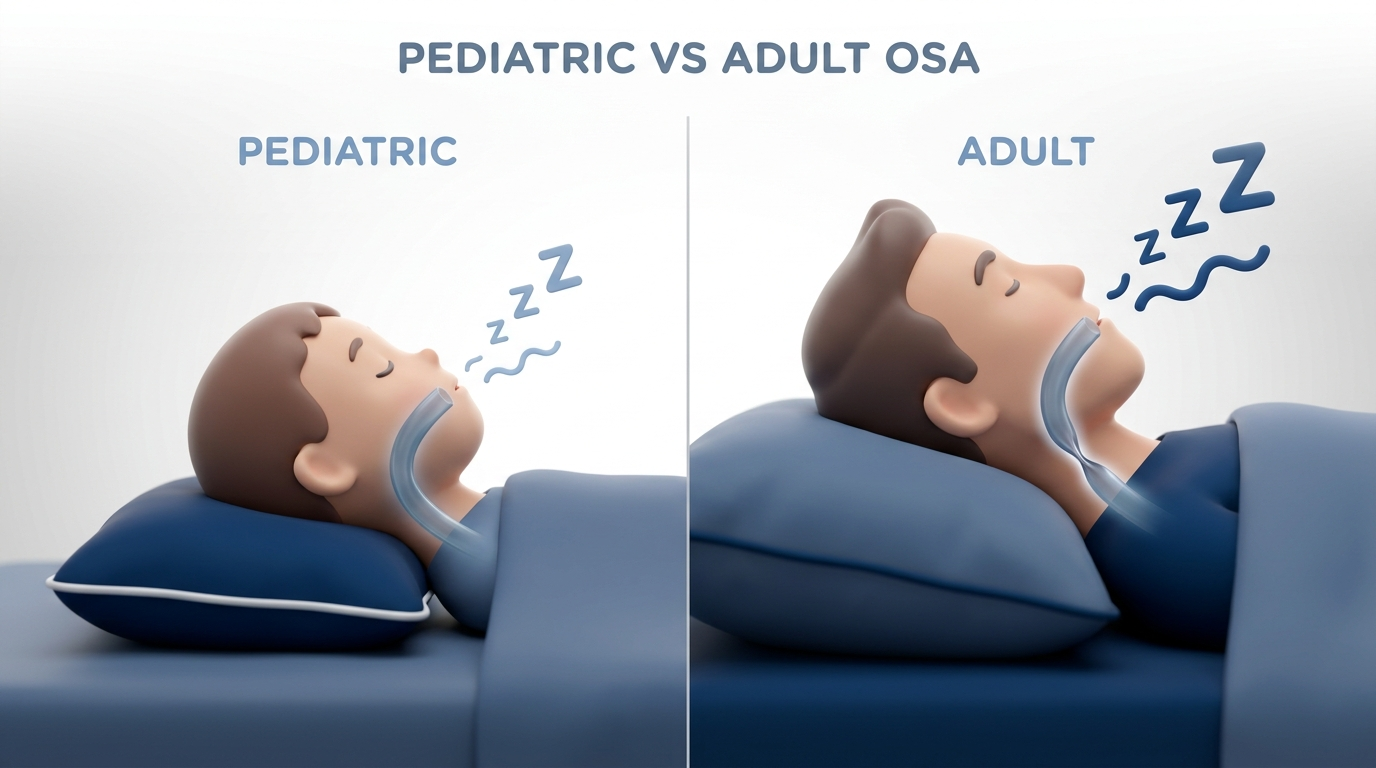
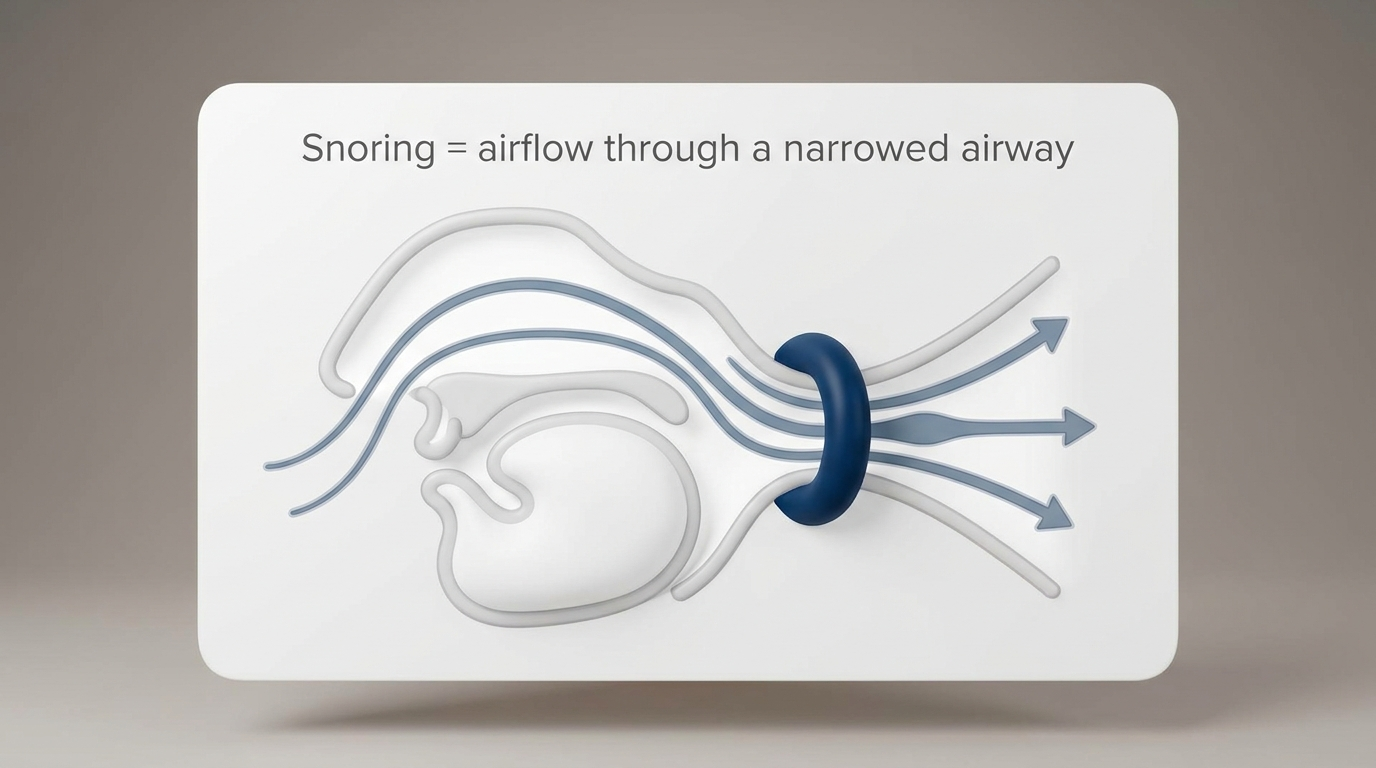
The simple mechanics: Snoring happens when airflow has to squeeze through a narrowed airway during sleep, causing relaxed tissues to vibrate—often the soft palate, uvula, and the base of the tongue. The more narrowed the passage, the more turbulence and vibration you can get—especially when surrounding tissues relax during sleep.
Common narrowing zones include:
- The nose (congestion, structural blockage)
- The back of the throat
- The tongue base
Snoring vs. obstructive sleep apnea (OSA): Snoring can be “benign,” but loud, frequent snoring may also be a sign of partial airway obstruction. OSA involves repeated breathing reductions or pauses during sleep, often paired with oxygen drops and brief arousals. It matters because untreated OSA is linked with health risks over time, and in women it can be under-recognized when symptoms show up as insomnia or fatigue rather than obvious daytime sleepiness (NHLBI/NIH). In short: snoring is the sound; sleep apnea is a pattern of blocked or reduced breathing that needs evaluation.
Why menopause can make snoring worse (the “perfect storm”)
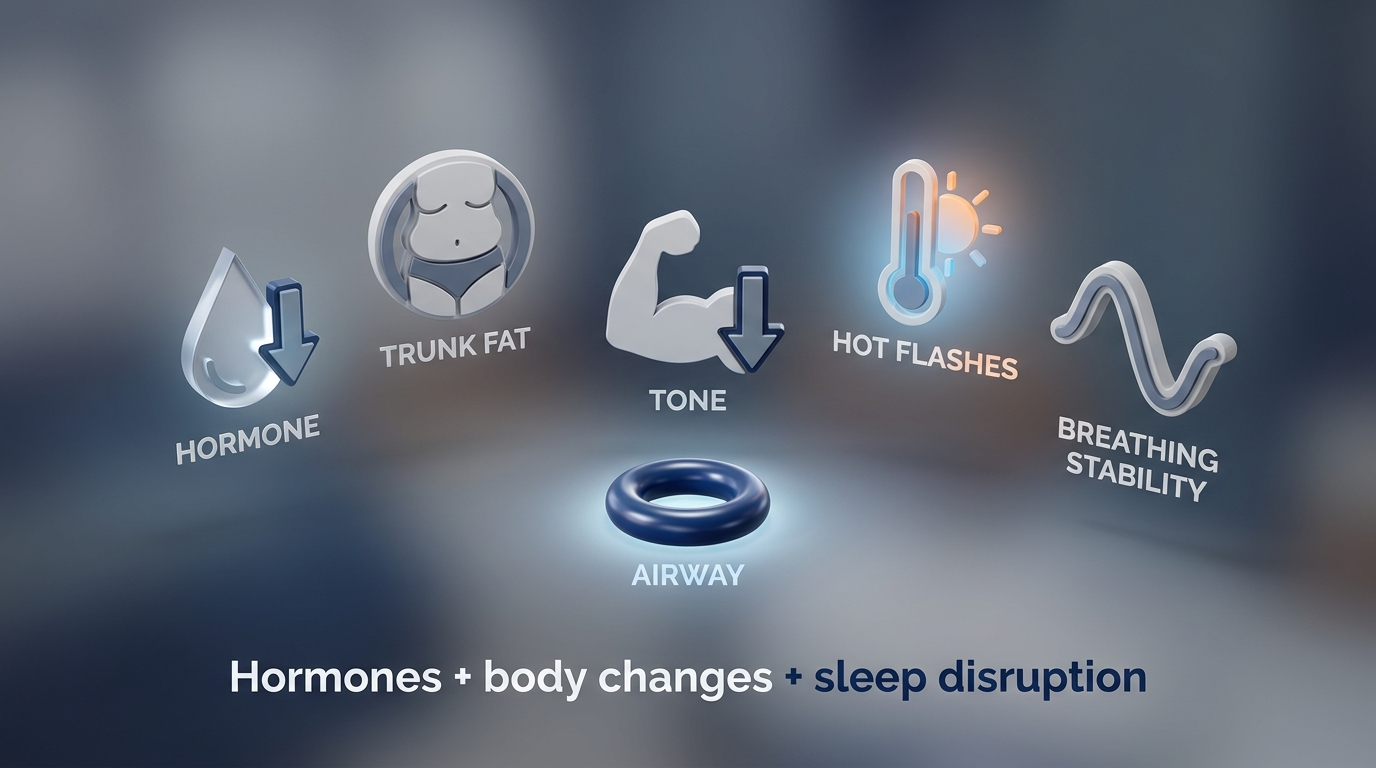
1) Hormone changes reduce upper-airway protection: After menopause, progesterone (and estrogen) levels fall. Declining progesterone is linked with reduced activity of airway-dilating muscles—especially the genioglossus (Pathophysiology review, 2021). Practically, the tongue and throat tissues may be more likely to relax inward at night.
2) Age + menopause-related body composition changes: Midlife can bring weight gain, fat redistribution toward the trunk/upper body/neck, and reduced muscle mass/tone. Extra tissue around the neck/airway can increase narrowing at night. In peri- and postmenopausal women, regular snoring was associated with ~2.4× higher odds of elevated trunk fat mass (association, 2020).
3) Reduced throat muscle tone with aging: Even without major weight changes, aging reduces baseline muscle tone—especially during sleep—leading to more vibration (snoring) and collapsibility (OSA risk) (2021).
4) Hot flashes/night sweats can worsen sleep and relate to apnea risk: Sleep fragmentation increases lighter sleep where snoring is noticeable; severe vasomotor symptoms are linked with increased OSA risk even with BMI < 25 (2018).
5) Breathing control and stability may change: Changes in ventilatory control during the menopause transition can contribute to snoring or apnea patterns (2021).
Together, hormone shifts, body composition, muscle tone, sleep fragmentation, and breathing stability can create a perfect storm for snoring after menopause.
Symptoms to pay attention to (for you—and your sleep partner)
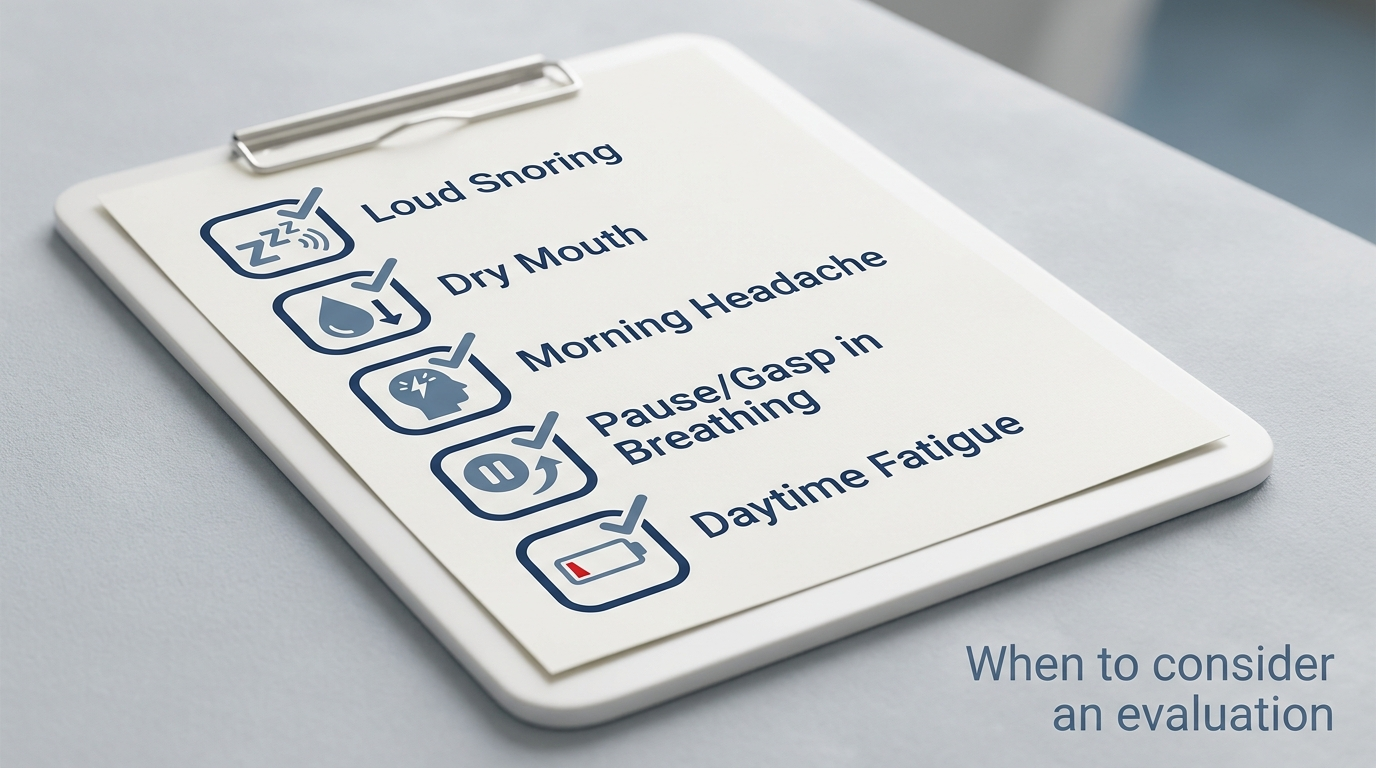
Common snoring-related complaints after menopause:
- Louder or more frequent snoring in midlife
- Dry mouth or sore throat in the morning
- Restless sleep or frequent awakenings
- Insomnia that begins or worsens in midlife (often alongside vasomotor symptoms)
Red flags that suggest possible obstructive sleep apnea:
- Gasping, choking, or witnessed pauses in breathing
- Morning headaches
- Daytime fatigue, “brain fog,” or concentration issues
- Mood changes/irritability
- High blood pressure or new/worsening cardiometabolic concerns
Women sometimes report fatigue or insomnia rather than classic sleepiness, which can make OSA easier to miss (NHLBI/NIH). If you’ve wondered, Can a thin person have sleep apnea? see: https://sleepandsinuscenters.com/blog/can-a-thin-person-have-sleep-apnea
If snoring is persistent and loud—especially with these red flags—consider an evaluation to rule out sleep apnea.
Causes checklist — what might be contributing in your case?
Hormonal/menopause transition factors:
- Postmenopause (lower estrogen/progesterone)
- Hot flashes/night sweats disrupting sleep (2018)
Anatomy and airway factors (often overlooked):
- Nasal congestion/obstruction (allergies, chronic rhinitis, deviated septum)
- Mouth breathing
- Jaw or tongue position at night
If nighttime nasal blockage is part of the picture, this may help: Can’t breathe through your nose at night? https://sleepandsinuscenters.com/blog/cant-breathe-through-nose-at-night
Lifestyle/medication contributors:
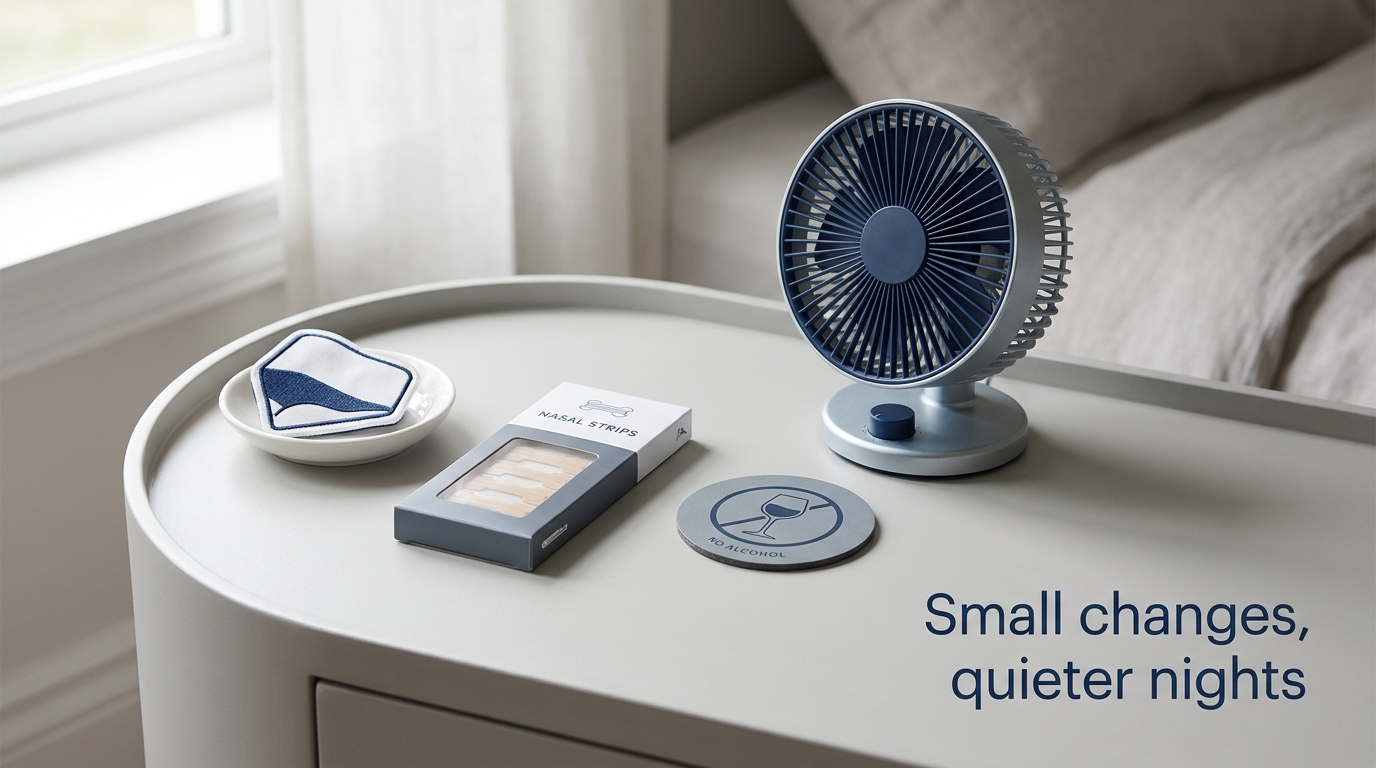
- Alcohol near bedtime (can relax airway muscles)
- Sedatives/sleep aids (may worsen airway collapse in some people)
- Back-sleeping (supine position can increase airway narrowing)
If alcohol is part of your evening routine, see: Alcohol and sleep apnea: what’s the risk? https://sleepandsinuscenters.com/blog/alcohol-and-sleep-apnea-what-is-the-risk
Often there’s a mix of factors—hormonal, anatomical, and lifestyle—that add up to a louder snore.
When to get evaluated (and what testing looks like)
Start with a symptom screen: Track for 1–2 weeks—snoring frequency/loudness (a phone recording can help), witnessed pauses/gasping, morning headaches or dry mouth, daytime fatigue, and any night sweats/awakenings/insomnia. If you sleep alone, a recording app can still reveal loud, habitual snoring or clusters suggesting instability. This isn’t a diagnosis, but it’s useful for an appointment.
Medical evaluation: why it matters: Persistent loud snoring—especially with red flags—often warrants assessment to rule out OSA (NHLBI/NIH). You’re not overreacting by getting checked—you’re gathering data about your sleep and breathing.
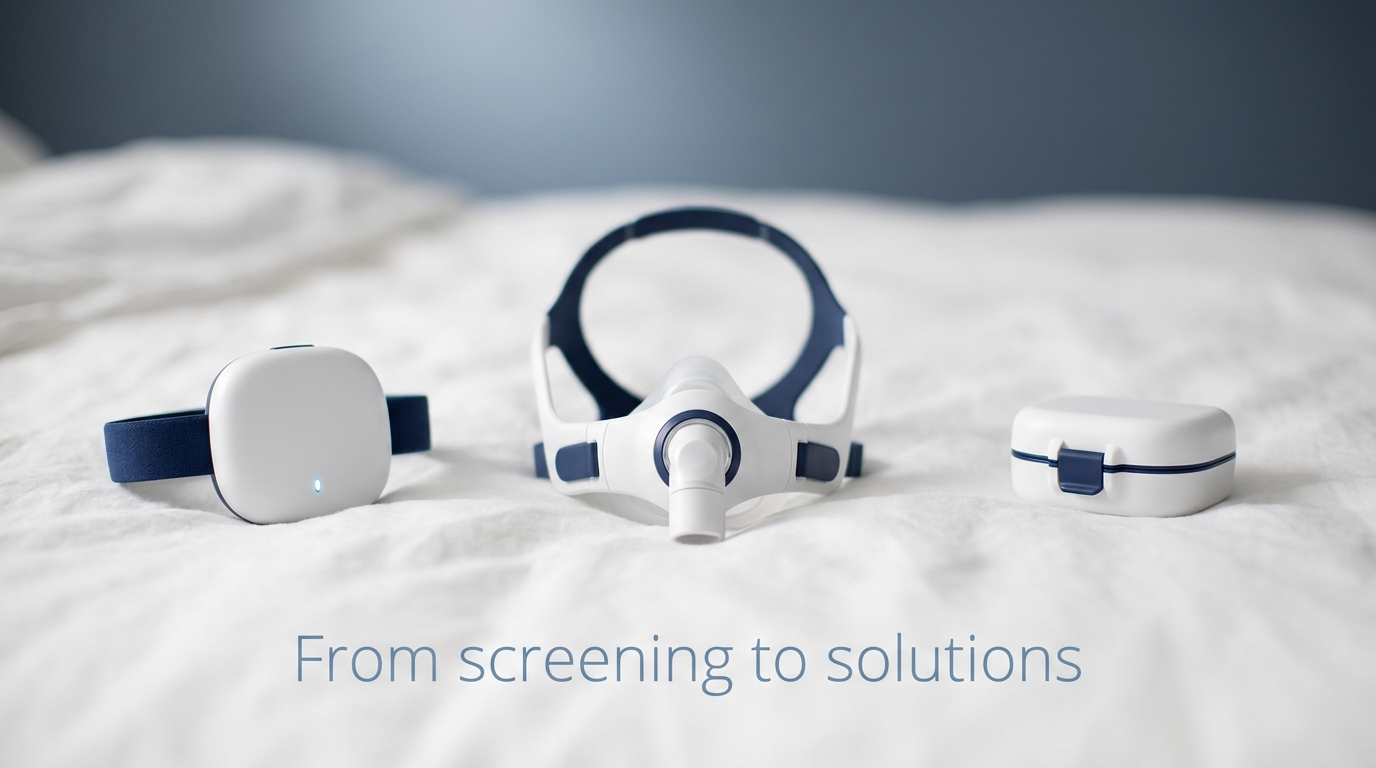
Sleep testing options (overview):
- Home sleep apnea testing (HSAT): done at home for many with suspected OSA
- In-lab sleep study (polysomnography): more comprehensive; preferred in certain situations or if results are unclear
Evaluation helps distinguish simple snoring from sleep apnea so you can choose the right treatment path.
Options that may help (discuss with a clinician)
These steps are commonly discussed in care settings. They are not individualized instructions.
Step 1 — Lifestyle changes that may reduce snoring risk:
- Weight management (especially central/trunk weight). Even modest changes can reduce pressure around the airway (2020; 2021).
- Sleep position: Side-sleeping may help positional snoring. Best sleeping position for snoring & mild apnea: https://sleepandsinuscenters.com/blog/best-sleeping-position-for-snoring-mild-apnea
- Alcohol timing: Avoid alcohol close to bedtime. https://sleepandsinuscenters.com/blog/alcohol-and-sleep-apnea-what-is-the-risk
- Optimize nasal breathing: Address nighttime congestion. https://sleepandsinuscenters.com/blog/cant-breathe-through-nose-at-night
Step 2 — Treat nasal and sinus contributors (ENT-focused): If chronic nasal obstruction is driving snoring, addressing allergies, chronic rhinitis, or structural blockage can reduce burden based on exam/history.
Step 3 — Anti-snoring devices (when appropriate):
- Nasal dilators/strips (often best for nasal valve narrowing)
- Oral appliances (mandibular advancement devices) for selected patients
- Positional therapy devices for positional snoring or positional OSA
Step 4 — If it’s sleep apnea: evidence-based treatments:
- CPAP/APAP (commonly first-line)
- Alternatives when CPAP isn’t tolerated: oral appliances, positional therapy, selected ENT procedures, or hypoglossal nerve stimulation for eligible patients
Learn more: Snoring and Sleep Apnea Treatment https://sleepandsinuscenters.com/snoring-sleep-apnea-treatment and Sleep apnea in women: symptoms, causes, and treatment options https://sleepandsinuscenters.com/blog/sleep-apnea-in-women-symptoms-causes-and-treatment-options
Step 5 — Address hot flashes/night sweats to protect sleep quality:
- Cooler bedroom temperature; breathable bedding/layered sleepwear; consistent sleep/wake times. For severe vasomotor symptoms, coordinate with your women’s health clinician (2018).
Small, consistent changes—matched to the true cause—often add up to better sleep and quieter nights.
What about hormone replacement therapy (HRT) for snoring or sleep apnea?
Because hormone changes play a role in upper-airway vulnerability, it’s reasonable to wonder if HRT would fix the problem. Limited/older evidence suggests HRT has not been shown to reliably treat established sleep apnea (Thorax, 1994), and recent reviews are similar (2021). HRT may still be appropriate for other menopause symptoms for some people, but it’s best viewed as part of a broader plan—not a stand-alone solution for sleep apnea.
Think of HRT, when appropriate, as supportive for menopause symptoms—not a primary treatment for sleep apnea.
FAQs
Is snoring after menopause normal?
It’s common, but persistent or loud snoring—especially with fatigue, gasping, or insomnia—deserves attention because it can be associated with OSA (NHLBI/NIH).
Can thin women get sleep apnea after menopause?
Yes. OSA risk can increase after menopause even in women with BMI < 25, particularly with severe hot flashes/night sweats (2018; NHLBI/NIH).
Why did my snoring start suddenly in my 50s?
Often it’s a convergence: hormone decline, aging-related airway changes, fat redistribution toward the trunk, and more fragmented sleep (2021; 2020).
How do I know if it’s snoring or sleep apnea?
Key clues include witnessed breathing pauses, gasping/choking, morning headaches, and significant fatigue or insomnia. If these are present, consider an evaluation (NHLBI/NIH).
What’s the fastest thing I can try tonight?
General low-risk ideas (not a diagnosis or treatment plan): side-sleeping, avoiding alcohol close to bedtime, addressing nasal congestion, and keeping the bedroom cooler if night sweats are an issue.
Key takeaways + next step
Snoring after menopause is usually multifactorial—hormone changes, aging-related airway and muscle changes, body composition shifts, and vasomotor symptoms can all contribute (2021; 2020; 2018). While not all snoring is sleep apnea, persistent loud snoring with red flags is worth evaluating because women’s symptoms can look like fatigue and insomnia rather than obvious sleepiness (NHLBI/NIH).
If you’d like help sorting out what’s driving your snoring—and what treatment options make sense—learn more and book an appointment through Sleep and Sinus Centers of Georgia: https://www.sleepandsinuscenters.com/ (you can also start with Snoring and Sleep Apnea Treatment: https://sleepandsinuscenters.com/snoring-sleep-apnea-treatment).
A brief evaluation can clarify whether it’s simple snoring or sleep apnea—and point you to the most effective next steps.
References
National Heart, Lung, and Blood Institute (NIH). Sleep Apnea in Women. https://www.nhlbi.nih.gov/health/sleep-apnea/women
Pathophysiology of Obstructive Sleep Apnea in Aging Women (2021). https://pmc.ncbi.nlm.nih.gov/articles/PMC8865406/
Association of snoring and body composition in peri- and postmenopausal women (2020). https://pmc.ncbi.nlm.nih.gov/articles/PMC7427281/
Association of vasomotor symptoms and sleep apnea risk in midlife women (2018). https://pmc.ncbi.nlm.nih.gov/articles/PMC5866162/
Thorax. Hormone-replacement study (1994). https://thorax.bmj.com/content/49/7/699
Disclaimer
This article is for educational purposes only and is not medical advice. Please consult a qualified healthcare provider for diagnosis and treatment.
If you have symptoms that may suggest sleep apnea (such as gasping, witnessed breathing pauses, or significant daytime fatigue), seek prompt evaluation from a qualified clinician.
Don’t let allergies slow you down. Schedule a comprehensive ENT and allergy evaluation at Sleep and Sinus Centers of Georgia. We’re here to find your triggers and guide you toward lasting relief.