Steroid-Dependent Sinus Disease: Causes, Symptoms, and Treatment Options
If you’ve ever taken a course of steroids for sinus symptoms and felt dramatically better, only to have congestion, pressure, and smell loss creep back after the medication ends, you’re not alone. This “works fast, wears off fast” pattern is a common reason people search for answers about steroid-dependent sinus disease and what to do next.
A typical story sounds like: “By day two of prednisone I could breathe again, and I could smell my coffee; then a week after finishing, it all came back.” That roller-coaster can be frustrating and exhausting, especially when you’re doing “all the right things” at home.
Below is a patient-friendly guide to what this pattern usually means, why it happens, the risks of repeated oral steroid use, and the long-term treatment strategies ENT specialists often use to reduce flare-ups and limit oral steroid exposure.
What Is Steroid-Dependent Sinus Disease?
A patient-friendly definition
In most cases, steroid-dependent sinus disease describes a pattern of chronic rhinosinusitis (CRS) where symptoms improve significantly while using steroids, but return when steroids are stopped. CRS is a long-term inflammatory condition of the nose and sinuses—often discussed under the broader umbrella of chronic sinusitis—and it doesn’t always behave like a simple infection. Many people with CRS respond to anti-inflammatory treatment, especially corticosteroids, but need a longer-term plan to keep inflammation controlled.
It can help to think of CRS like a “smoldering” inflammation rather than a one-time event. Steroids can tamp it down quickly, but if the underlying drivers are still present, the inflammation can slowly build back up after the medication is gone.
It’s also important to clarify what this term doesn’t mean: it’s usually not an “addiction.” In everyday conversation, “steroid addiction” is a non-medical phrase people sometimes use to describe needing steroids for symptom relief. In reality, this pattern reflects that inflammation is being temporarily suppressed, not fully controlled long term.
Why this topic matters (the “short relief, then relapse” cycle)
A common experience goes like this: breathing opens up, drainage improves, and smell returns—then a week or two after finishing steroids, congestion and pressure come back. The big concern is that repeating oral steroids over and over can add up to meaningful health risks over time. That’s why “steroid-sparing” strategies matter—options that help you stay controlled without needing frequent oral steroids.
For a broader overview of the condition itself, see chronic sinusitis. In short, steroids can quiet the fire, but long-term control keeps it from reigniting.

Common Symptoms (What Patients Notice)
Nose and sinus symptoms
- Nasal blockage/congestion (sometimes severe)
- Thick drainage or postnasal drip
- Facial pressure, heaviness, or fullness
- Reduced or lost sense of smell/taste
Some people also notice “secondary” effects: mouth breathing at night, restless sleep, snoring that worsens during flares, or a constant need to clear the throat from postnasal drip. These don’t prove CRS on their own, but they’re common in the same overall pattern.
Symptoms that suggest nasal polyps may be involved
- Persistent congestion despite daily sprays and rinses
- A strong improvement in smell during oral steroids, followed by loss again afterward
Steroids can reduce swelling, and polyp size temporarily, improving airflow and smell—one reason the “rebound” can feel so dramatic.
A practical example: someone may feel “100% open” while on medication, then feel like the nose “swells shut” again once the course is over. When that happens repeatedly, it’s worth asking your ENT specifically about polyps and the overall inflammatory type.
When symptoms may signal something more urgent
Seek urgent evaluation if symptoms include high fever, new vision changes, significant swelling around the eye, stiff neck, or a sudden severe one-sided headache. These are not typical CRS patterns and may require urgent care.
If your symptoms predictably improve on steroids, then fade after stopping, inflammation—not infection alone—is likely the main driver.

Causes and Triggers (Why Symptoms Keep Coming Back)
The underlying condition: chronic inflammation (CRS)
CRS is best thought of as ongoing inflammation of the nasal/sinus lining. Infection can play a role at times, but many cases are not primarily driven by bacteria. Common factors that can keep inflammation “switched on” include:
- Allergic inflammation
- Non-allergic inflammation/irritant sensitivity
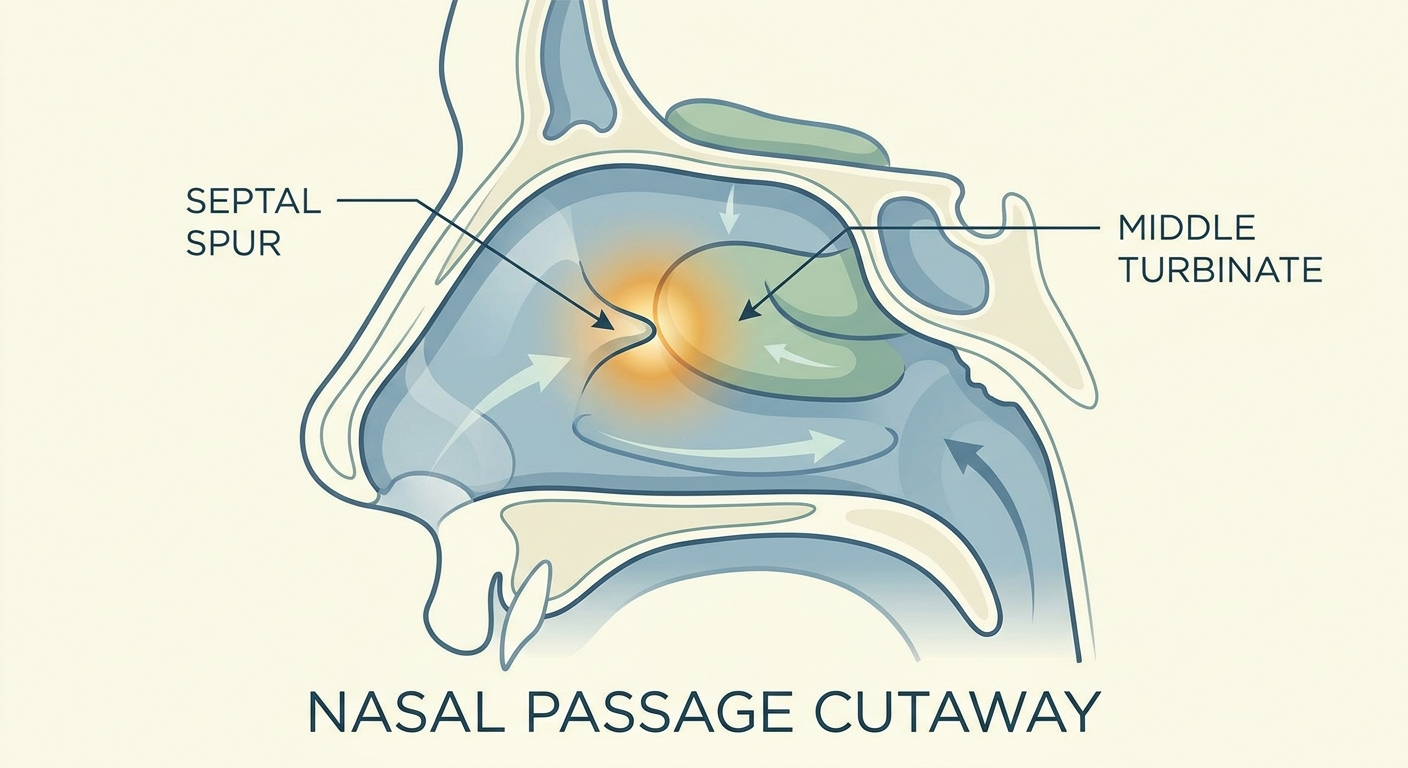
- Structural narrowing or blockage that affects drainage (for example, a deviated septum or narrow sinus openings)
In other words, if the “plumbing” is narrow, or the lining stays inflamed, mucus can get trapped and symptoms can persist—even if there isn’t an active bacterial infection driving the entire problem.
Nasal polyps and “type 2” inflammation (common in steroid-responsive disease)
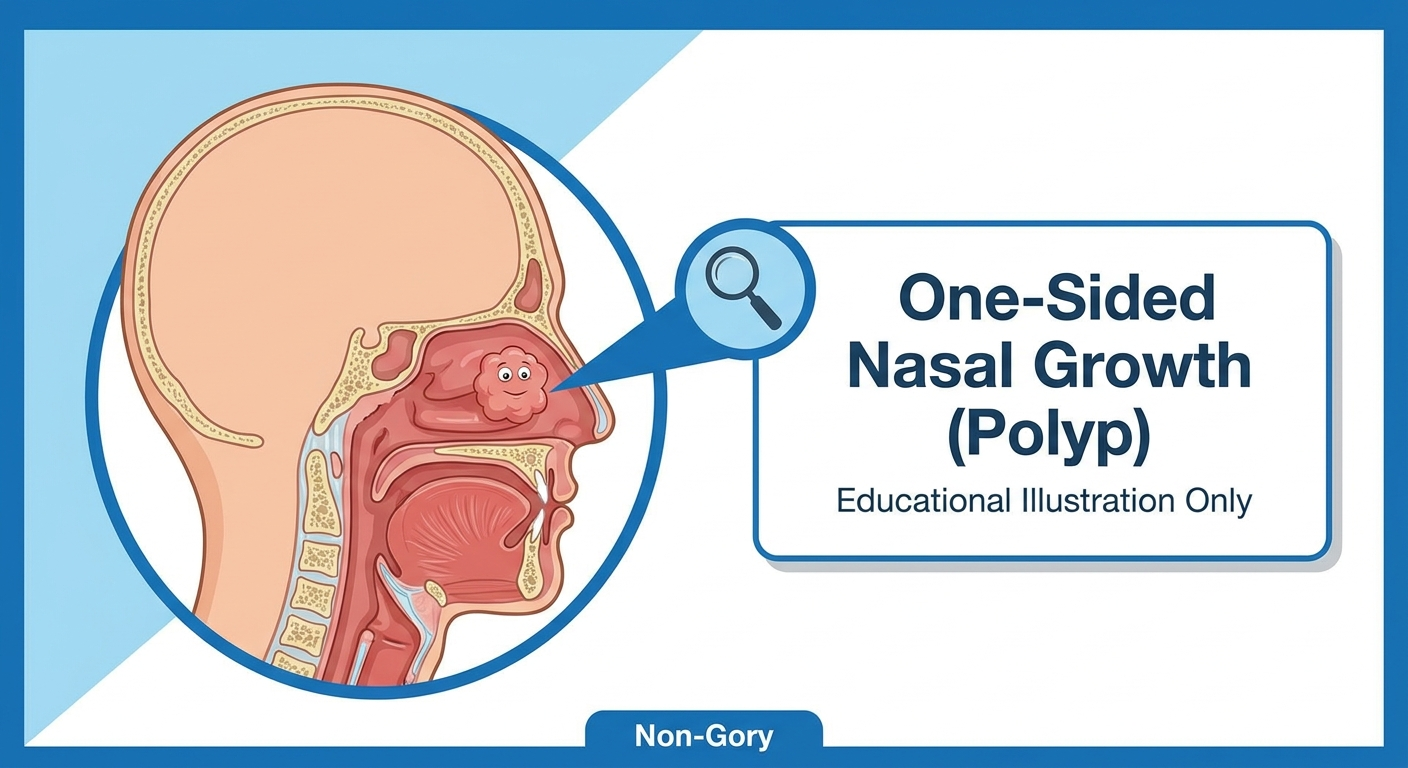
Many steroid-responsive cases involve CRS with nasal polyps (CRSwNP) and a specific inflammatory pathway often described as “type 2” inflammation. Steroids can calm this pathway and shrink swollen tissue—helpful, but often temporary if the underlying inflammatory driver remains active.
This helps explain why antibiotics alone may not fix the pattern: the core issue is inflammation, not just germs.
Coexisting conditions that can worsen CRS control
Some conditions can make CRS harder to control and more likely to relapse after steroids, such as:
- Environmental allergies (seasonal or year-round)
- Asthma, including aspirin-exacerbated respiratory disease (AERD) in some patients
- Less commonly, immune system issues (which may prompt additional evaluation)
When these overlap, it’s common for patients to feel like they’re treating “the same sinus problem” repeatedly, when in reality multiple factors are stacking the deck toward flare-ups.
Lasting control comes from addressing the inflammation itself and any anatomic or environmental factors that keep it smoldering.
Why Steroids Help—And Why Symptoms Rebound
What steroids do in the sinuses
Steroids (corticosteroids) are powerful anti-inflammatory medications. In CRS, they may:
- Reduce mucosal inflammation and swelling
- Shrink nasal polyps
- Improve airflow and decrease obstruction
- Improve sense of smell
As one ENT might put it: “Steroids are great at turning down the volume on inflammation—but they don’t always change why the inflammation started in the first place.” That’s why maintenance matters.
Why relief may get shorter over time
Even when steroids work well, symptoms may return because:
- The underlying inflammatory condition persists
- Polyps and swelling can regrow after stopping treatment
- Triggers (allergens/irritants) or anatomy-related drainage problems continue
While oral corticosteroids can provide significant short-term improvement, symptoms may return after stopping if underlying inflammation persists, highlighting the need for long-term management. Steroids can flip symptoms fast, but consistent maintenance is what helps you keep the gains.
Steroid Dependence vs. Steroid Withdrawal (Important Safety Distinction)
“My symptoms return” vs. “my body needs steroids”
When symptoms come back after a steroid course, that typically means the sinus disease isn’t controlled long term—this is the common “dependence” people are describing.
A different issue is physiologic dependence, where the body’s own steroid production can be suppressed after repeated or prolonged oral steroid exposure.
Why you should not stop oral steroids abruptly
Stopping oral steroids suddenly—especially after longer or repeated courses—can increase the risk of adrenal insufficiency and withdrawal symptoms. Always consult your clinician before changing or stopping steroid medications.
If you’re ever unsure whether you should taper, don’t guess—ask your prescribing clinician or pharmacist for clear instructions. When it comes to oral steroids, safety first: always involve your clinician before starting, stopping, or tapering.
Diagnosis: How ENTs Evaluate Steroid-Dependent CRS
Key history questions your clinician may ask
To understand a steroid-dependent sinus disease pattern, ENTs often ask:
- How many oral steroid “bursts” you’ve needed in a year
- How long symptom relief lasts after each course
- Whether you have asthma symptoms, aspirin sensitivity, or strong allergy patterns
- What you use daily (and how consistently), including spray technique and irrigation routine
A helpful tip: if you can, write down the dates (or approximate months) of steroid courses and how long you felt better afterward. That timeline can make patterns much clearer in an office visit.
Office exam and nasal endoscopy
Nasal endoscopy lets an ENT directly look for:
- Nasal polyps
- Inflammation and drainage
- Anatomy that may contribute to blockage
Because endoscopy shows what’s happening in real time, it can help distinguish “swollen tissue” from “true polyp disease,” and it can help guide a more tailored plan.
When imaging is used (CT scan)
A sinus CT scan may be used to map inflammation and blockage patterns and to help with procedural planning when appropriate. A clear picture up front sets the stage for a tailored, steroid-sparing plan.
Treatment Options (Stepwise, Long-Term Focus)
The long-term goal is to control inflammation with the lowest-risk approach and reduce repeated oral steroid exposure. For a broader overview, see chronic sinusitis treatment options.
First-line daily care (foundation for almost everyone)
Common starting points include:
- Topical nasal steroid sprays (technique and consistency matter)
- Saline irrigation (often daily)
- Antihistamines when allergies contribute
These steps aim to control inflammation between flares—important for anyone in a steroid-dependent sinus disease cycle. For example, missing sprays for a week during travel, or stopping rinses when you “feel fine,” can sometimes set the stage for the next flare.
A quick note on consistency (why it matters)
Topical treatments often work more like “maintenance” than “rescue.” In other words, they may not feel dramatic on day one, but over weeks they can reduce baseline swelling and help prevent the next rebound.
Steroid rinses / high-volume topical steroids (when sprays aren’t enough)
Some patients benefit from high-volume medicated rinses, which may reach deeper than spray particles in certain nasal/sinus areas. These require clinician guidance for proper dosing and preparation. Related reading: steroid rinses
Oral corticosteroids (short courses for flares or severe polyps)
Oral steroids may be used for more severe inflammation, major smell loss, or significant polyp flares because they can bring faster relief. The tradeoff is that symptoms may return if the underlying inflammation persists, especially without a strong maintenance plan in place.
Many ENTs try to use oral steroids strategically—when the likely benefit is high—and pair them with a plan that aims to “hold onto the gains” after the course ends.
Antibiotics—only in specific situations
Not all CRS flares are bacterial infections. Antibiotics may be considered when there are signs suggesting bacterial involvement (for example, certain discharge patterns plus clinical findings), but they’re not automatically the answer for chronic inflammation. Overuse of antibiotics can lead to resistance and side effects, so they are not routinely used for CRS unless a bacterial infection is clearly suspected.
Managing contributing conditions (often overlooked)
Better CRS control often requires addressing drivers such as:
- Allergy testing and targeted avoidance strategies (and immunotherapy in select cases)
- Coordinated care for asthma/AERD when relevant
This can be especially important for patients who say their symptoms are “year-round,” or clearly spike with seasons, dusty environments, or strong odors.
Biologic medications (for some patients with CRSwNP)
For severe, polyp-driven CRS that remains uncontrolled despite standard therapy—and sometimes even after surgery—biologic medications may be an option. Biologics are advanced, targeted therapies that block specific immune pathways involved in inflammation and nasal polyp growth. These are prescription injections used in carefully selected patients and require specialist evaluation. Build the foundation first, then add or escalate thoughtfully to minimize the need for oral steroids.

Risks of Frequent Oral Steroid Use (Why Long-Term Planning Matters)
Short-term side effects patients often notice
Even short courses may cause:
- Insomnia or feeling “wired”
- Mood changes or irritability
- Increased appetite, and fluid retention
If you’ve ever felt unusually energetic, hungry, or restless on prednisone, that experience is common—and it’s worth mentioning to your clinician when weighing how often to use oral steroids.
Long-term or cumulative risks (especially with repeated bursts)
Repeated courses can increase risks such as:
- Elevated blood sugar
- Cataracts
- Osteoporosis/bone thinning
These risks increase with cumulative dose and frequency; therefore, minimizing repeated oral steroid courses whenever possible is recommended under medical supervision. The more often you need oral steroids, the more important it is to find steroid-sparing solutions.
A practical “red flag” threshold to discuss with your ENT
If you’re needing multiple steroid bursts per year—or if each course seems to help for less and less time—it’s reasonable to ask about a longer-term strategy (including procedural options) designed to reduce reliance on oral steroids.

When Sinus Surgery Becomes the Better Long-Term Option
Why surgery can help steroid-dependent CRS
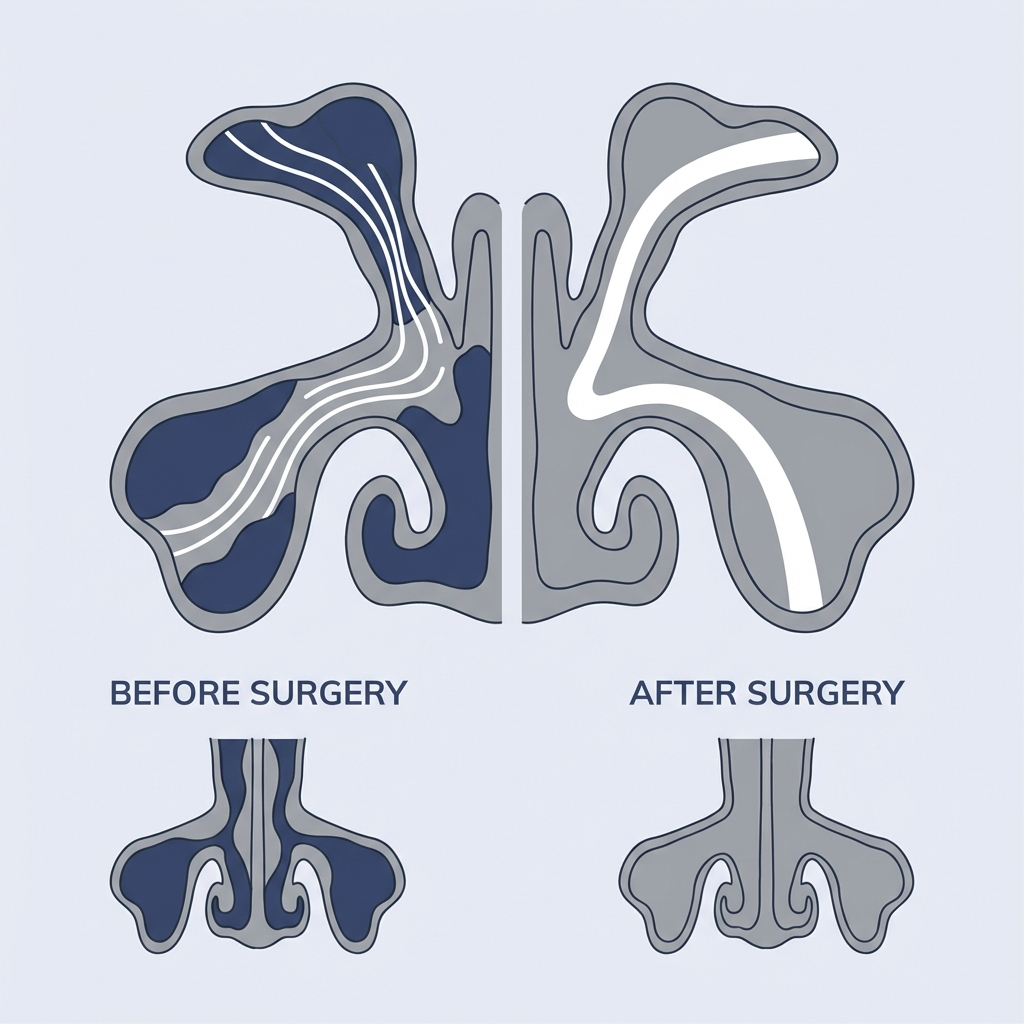
In the right patient, surgery can:
- Improve ventilation and sinus drainage
- Reduce blockage that traps inflammation
- Make topical treatments (sprays/rinses) more effective after healing
- Help reduce the need for repeated oral steroids
Learn more: endoscopic sinus surgery
Types of procedures patients may hear about
- Endoscopic sinus surgery (ESS) (commonly used for CRS with/without polyps)
- Balloon dilation in select blockages (see balloon sinuplasty)
- Septoplasty and/or turbinate reduction when nasal airflow obstruction contributes
What recovery and follow-up usually involve
Post-procedure care often includes saline rinses, follow-up visits to monitor healing, and continued topical anti-inflammatory therapy to reduce recurrence risk.
Many patients are surprised by this part: surgery is often the “access” step—opening pathways so that ongoing topical therapy can do a better job long term. Surgery often opens the door so topical therapies can keep you well.
Lifestyle & Home Tips to Support Long-Term Control
Daily habits that help many CRS patients
- Keep a consistent saline irrigation routine
- Optimize indoor humidity (avoid overly dry air)
- Avoid smoke, strong scents, and known irritants when possible
Allergy-smart routines (especially during pollen seasons)
- Shower after outdoor exposure
- Keep windows closed during high pollen
- Change HVAC filters on schedule
Medication safety tips
- Avoid saving leftover prednisone for self-treatment
- Don’t stop prescribed oral steroids abruptly; follow taper instructions when given
Small daily habits can make a big difference between stability and flares.
FAQs About Steroid-Dependent Sinus Disease
“Does this mean I’m addicted to steroids?”
Usually no. In steroid-dependent sinus disease, the “dependence” people describe is symptom relapse from uncontrolled inflammation—not addiction. Physiologic dependence is different and relates to how the body responds to repeated systemic steroid exposure.
“How many steroid courses are too many?”
There’s no single number that fits everyone, but repeated bursts raise cumulative risk and are a good reason to discuss steroid-sparing options with an ENT.
“Can steroid nasal sprays cause the same side effects as oral steroids?”
Topical nasal steroids generally have much lower systemic absorption than oral steroids. Used correctly, they’re considered a foundational long-term therapy in CRS. As with any medication, proper use and follow-up matter.
“Will sinus surgery cure it permanently?”
Surgery is best viewed as a way to improve long-term control—often fewer flares, better breathing, improved access for topical therapy, and less need for oral steroids—rather than a guaranteed permanent cure.
“What if symptoms come back after surgery?”
Maintenance therapy is still common. If symptoms recur, ENTs often reassess for polyps, allergy/AERD drivers, and whether advanced medical options could help.
When to See an ENT (and What to Ask at Your Visit)
Signs your current plan isn’t controlling inflammation
- Symptoms rebound quickly after a steroid taper
- Repeated need for oral steroid bursts
- Persistent smell loss, or severe obstruction
Questions to bring to your appointment
- “Do I have nasal polyps?”
- “What’s my long-term plan to reduce oral steroid use?”
- “Would I benefit from sinus CT or nasal endoscopy?”
- “Am I a candidate for sinus surgery or balloon sinuplasty?”
- “Should I be evaluated for allergies or AERD?”
Next step
If you feel stuck in a cycle where steroids help briefly but symptoms keep returning, an evaluation at Sleep and Sinus Centers of Georgia can help clarify what’s driving the inflammation and what options may better support durable control—especially strategies designed to reduce repeated oral steroid exposure.
To take the next step, you can book an appointment through https://www.sleepandsinuscenters.com/ and ask specifically about long-term, steroid-sparing management for chronic rhinosinusitis. If the pattern keeps repeating, it’s time for a long-term, steroid-sparing plan.
References
1. Chronic rhinosinusitis overview, inflammation, and management context. PMC8504433. https://pmc.ncbi.nlm.nih.gov/articles/PMC8504433/
2. Systemic steroid risks and concerns with repeated courses in CRS. PMC6941282. https://pmc.ncbi.nlm.nih.gov/articles/PMC6941282/
3. Sinus steroid use, expectations, and cautions (patient handout). https://www.tricare.mil/-/media/Files/MTFs/NCR-Region/WalterReed/Forms/AppDocs/Sinus-Steroid-Handout.pdf
4. Corticosteroids overview, side effects, and tapering/adrenal insufficiency considerations. https://www.pavolsurda.com/corticosteroids
5. Clinical trials context (optional background). https://clinicaltrials.gov/study/NCT00841802
This article is for educational purposes only and is not medical advice. Please consult a qualified healthcare provider for diagnosis and treatment.
Don’t let allergies slow you down. Schedule a comprehensive ENT and allergy evaluation at Sleep and Sinus Centers of Georgia. We’re here to find your triggers and guide you toward lasting relief.