Recurring Bad Breath After Brushing: ENT Causes and Treatments
If you’re thinking, “I brush, floss, use mouthwash—why is it still there?” you’re not alone. Persistent breath odor can be frustrating (and confusing) when you’re doing all the “right” dental habits.
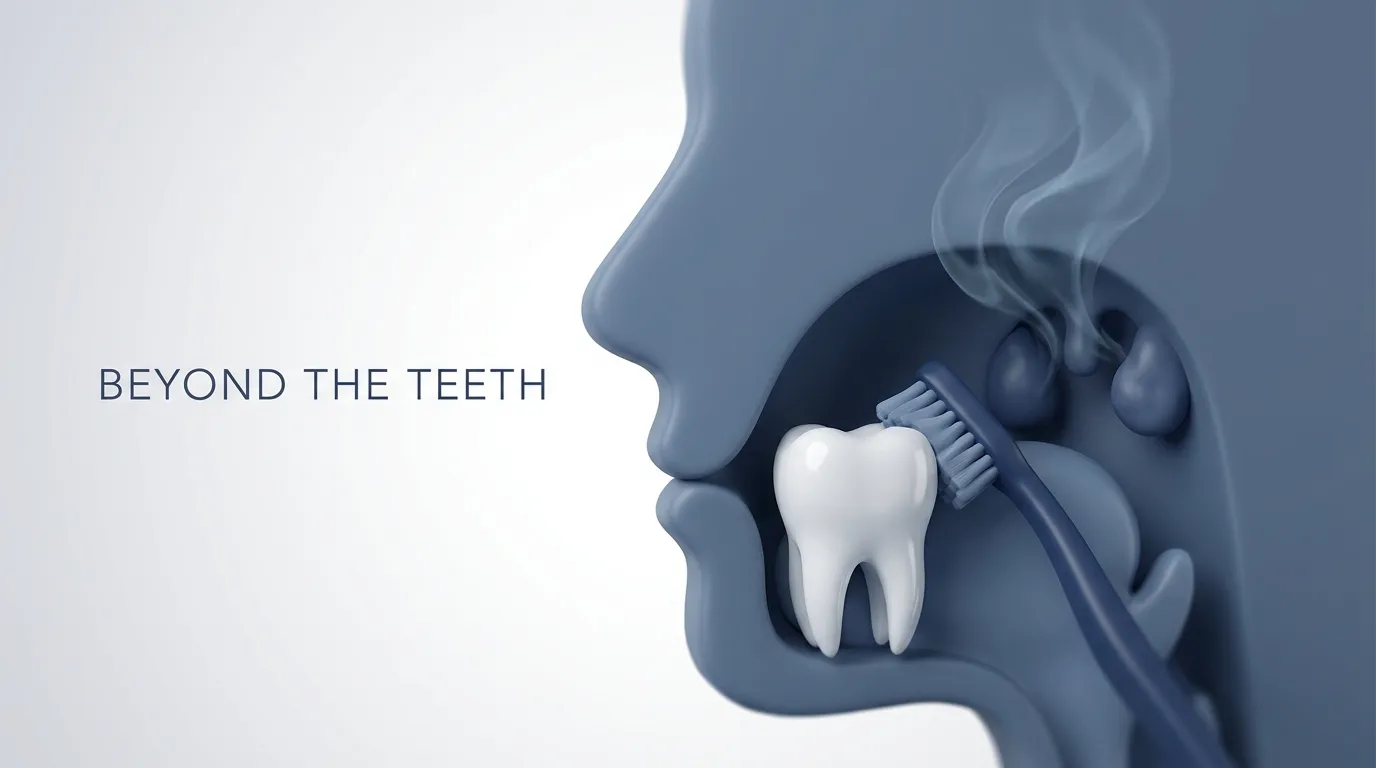
One important reason: not all bad breath starts in the teeth and gums. In some cases, odor can come from the tonsils, throat, or nasal/sinus pathways—areas your toothbrush can’t reach. Tonsil stones and other ENT-related sources are recognized non-dental contributors to halitosis and the odor-causing gases involved. 1
A helpful way to think about it: brushing is like cleaning the front room. If the smell is coming from the hallway (throat) or a back closet (sinuses/tonsils), the front room can be spotless—and the odor still returns.
In this guide, you’ll learn what symptoms to watch for, the most common ENT causes, what typically helps, and when it’s worth scheduling an ENT evaluation.
If odor rebounds quickly after brushing, it’s reasonable to think beyond the teeth.
When Bad Breath Isn’t a Dental Problem
Quick self-check: “Is it likely ENT-related?”
Recurring breath odor may be more likely tied to an ENT source if you notice:
- Odor returns within 1–2 hours after brushing
- A bad taste or a “something stuck” sensation in your throat
- Frequent throat clearing, thick mucus, or hoarseness
- Chronic congestion, facial pressure, or reduced sense of smell
- Waking up with a very dry mouth or habitual mouth breathing
- The smell seems worse with colds, allergies, or sinus flare-ups
If this sounds familiar, it may help to think beyond dental hygiene—especially when recurring bad breath after brushing keeps happening despite consistent oral care.
“A common pattern we hear is: ‘It’s better right after brushing… and then it comes right back.’ That timing can be a clue the source is higher up than the teeth.”
Why brushing doesn’t fix ENT-related odor
Tooth brushing targets plaque and bacteria on tooth surfaces, but ENT-related odor can come from:
- Tonsil crypts (tiny crevices where debris can collect)
- The back of the tongue/throat
- Mucus drainage from the nose/sinuses into the throat
Some of the strongest “bad breath” smells come from volatile sulfur compounds (VSCs)—sulfur-like gases produced when bacteria break down proteins and trapped debris. Tonsil stones, in particular, are known to produce VSCs. 1
If your mouth is clean but the odor source is higher up, brushing alone won’t reach it.
Common Symptoms That Point to an ENT Cause (and What They Mean)
Tonsil-related clues
You might suspect tonsils when you notice:
- White or yellow “crumbs” (sometimes coughed up)
- Throat irritation or frequent sore throats
- A persistent feeling that something is lodged in the tonsils
- Odor that seems to worsen even shortly after brushing
These symptoms are commonly reported with tonsil stones and related throat irritation. 2 3 Some people notice odor flares after dairy or a heavy meal, then improves briefly after gargling—only to return because the debris remains trapped in crypts.
Sinus/post-nasal drip clues
Possible sinus or post-nasal drip and bad breath connections include:
- Thick mucus and frequent throat clearing
- Cough, especially lingering after colds
- Hoarseness or a “wet” feeling in the throat
- Facial pressure, congestion, reduced smell
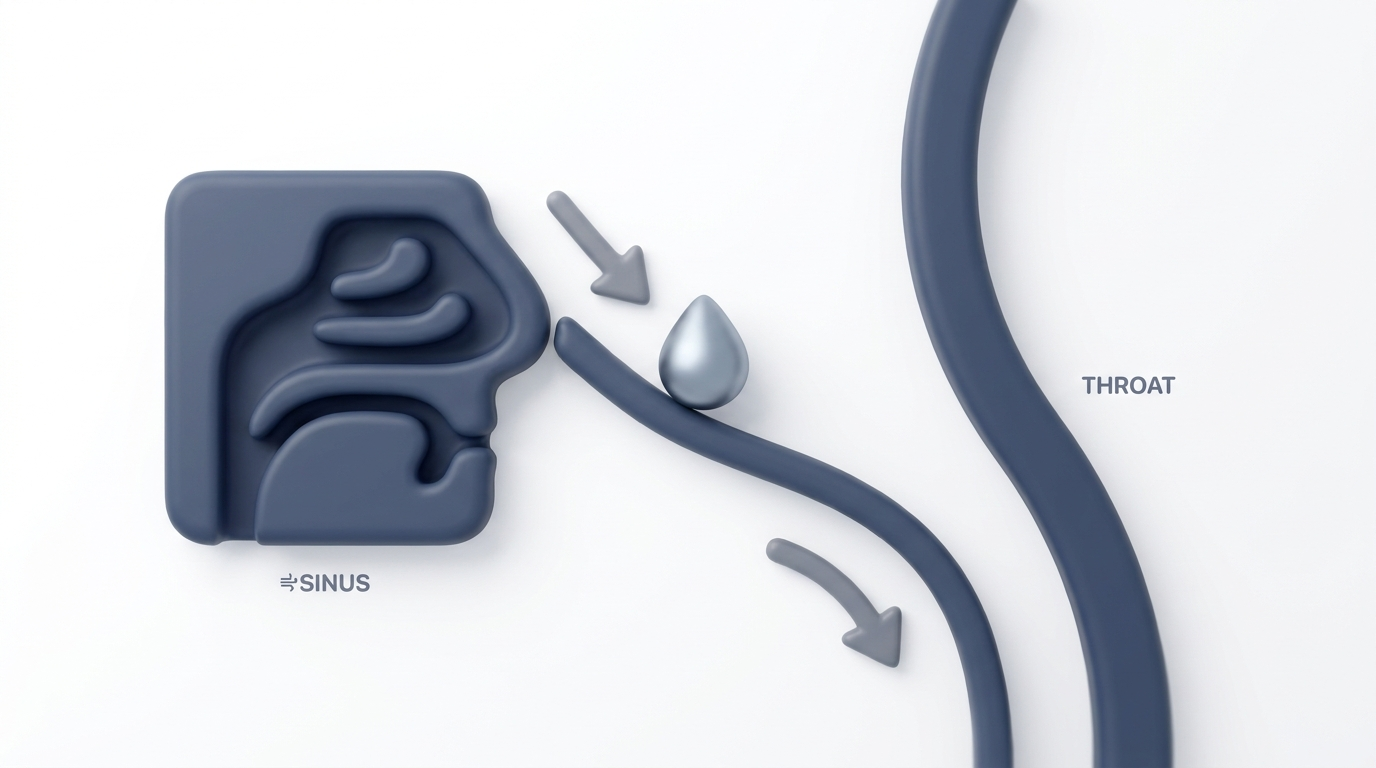
Sinus inflammation can create an environment where bacteria thrive, and odor may become more noticeable when mucus is thicker or draining more heavily. 4 Think of post-nasal drip like a slow faucet: even a small, constant flow can keep the back of the throat coated, which may feed odor-producing bacteria.
Mouth-breathing clues
“Mouth breathing dry mouth” patterns often look like:
- Very intense morning breath
- Dry mouth on waking, cracked lips
- Symptoms worse during sleep or when congested
Saliva helps naturally cleanse the mouth; when the mouth is dry, odor can become stronger and harder to control. 1 If your breath is mostly a morning problem that improves after water and being up for a while, dryness from sleep (often linked to mouth breathing) may be a major driver.
Clues like tonsil “crumbs,” thick drainage, or dry-mouth mornings help pinpoint where odor starts.
The Most Common ENT Causes of Bad Breath After Brushing
1) Tonsil stones (tonsilloliths)
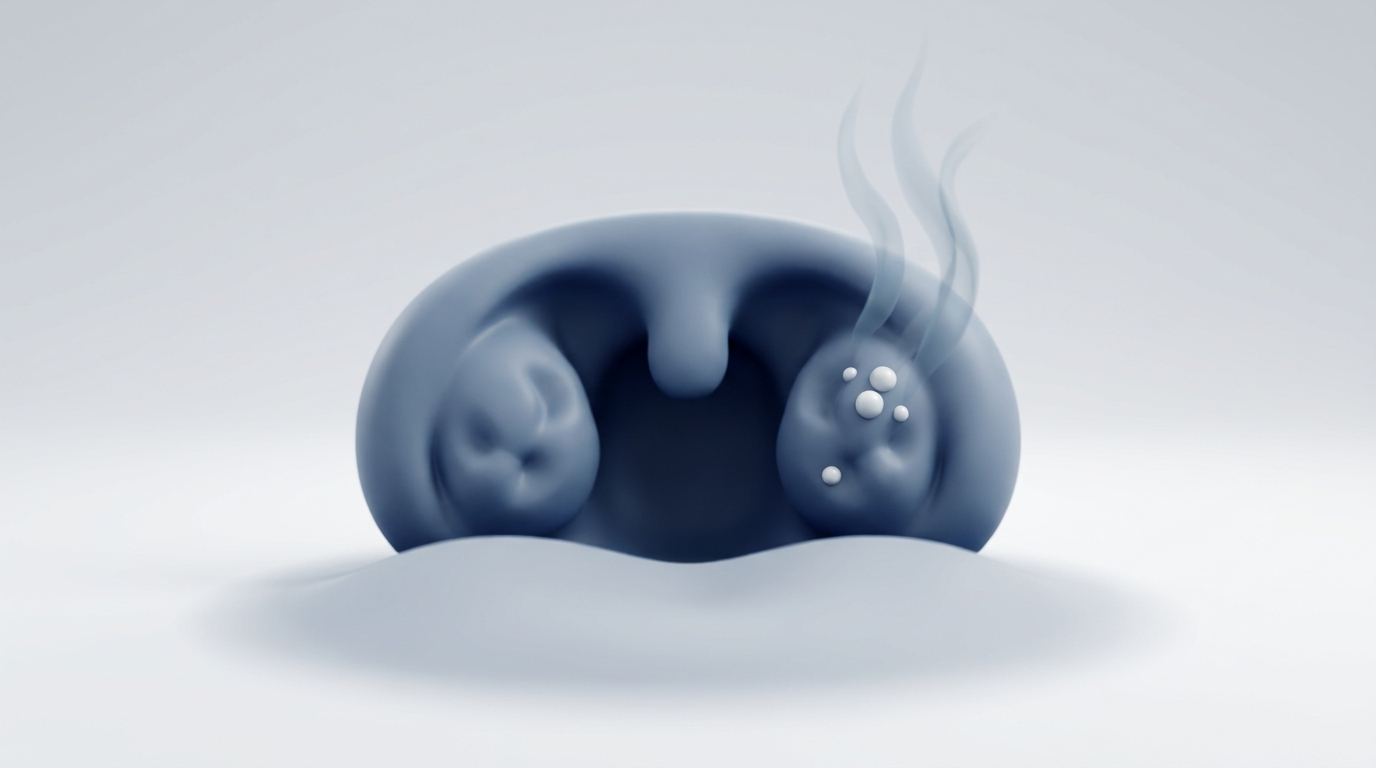
What they are: Tonsil stones are collections of trapped material (food particles, dead cells, and bacteria) that lodge in tonsil crypts and can harden over time.
Why they smell: Bacteria break down trapped debris and release sulfur-smelling compounds—often described as “rotten egg” or sulfur-like—tied to VSC production. 1
Common triggers:
- Chronic tonsil inflammation
- Deep tonsil crypts (natural anatomy)
- Ongoing post-nasal drainage that feeds debris buildup
If tonsils are a recurring theme for you, this deeper guide may help: https://sleepandsinuscenters.com/blog/tonsil-stones-causes-symptoms-and-effective-removal-tips
2) Post-nasal drip (PND) and chronic sinusitis
How it can contribute: When mucus consistently drains down the throat, it can act like a “fuel source” for bacteria in the back of the throat and around the tonsils, contributing to odor.
Important nuance: Post-nasal drip isn’t usually considered a direct cause of bad breath on its own, but persistent symptoms deserve a closer look—especially when there’s underlying inflammation, infection, or thick mucus. 5
To explore sinus-related symptoms and care, see https://sleepandsinuscenters.com/chronic-sinusitis and our practical overview: https://sleepandsinuscenters.com/blog/chronic-post-nasal-drip-ent-treatments-that-work
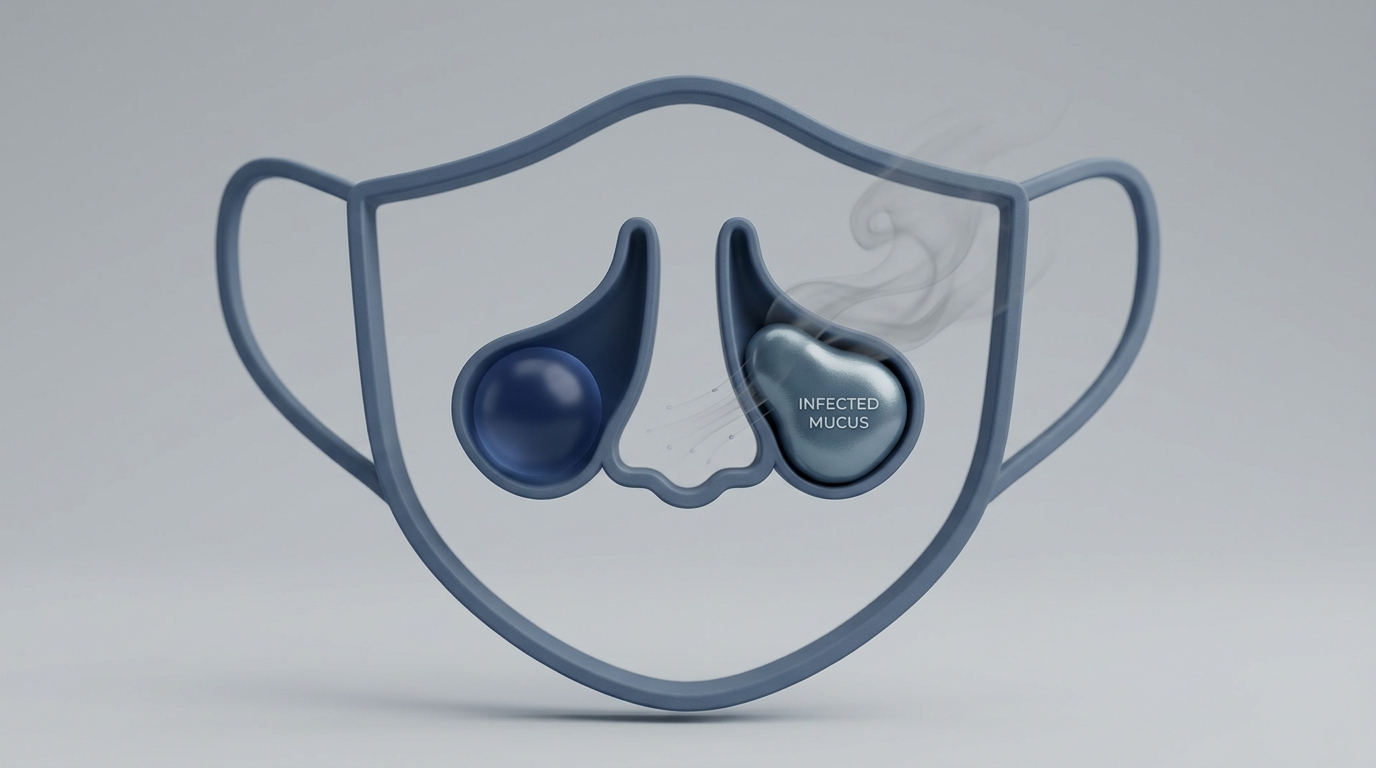
3) Bacterial sinus infections (odor from the source)
A bacterial sinus infection can sometimes create a foul smell that seems to “come from the nose” or shows up on the breath—because the odor can originate from infected mucus inside the sinus cavities.
Clues that can point to a bacterial sinus issue include:
- Thick, discolored drainage
- Facial pain/pressure
- Reduced smell
- Sometimes fever
- Sometimes one-sided symptoms (not always)
This is one reason recurring bad breath after brushing may spike during or after “sinus infections,” even when your dental routine is solid.
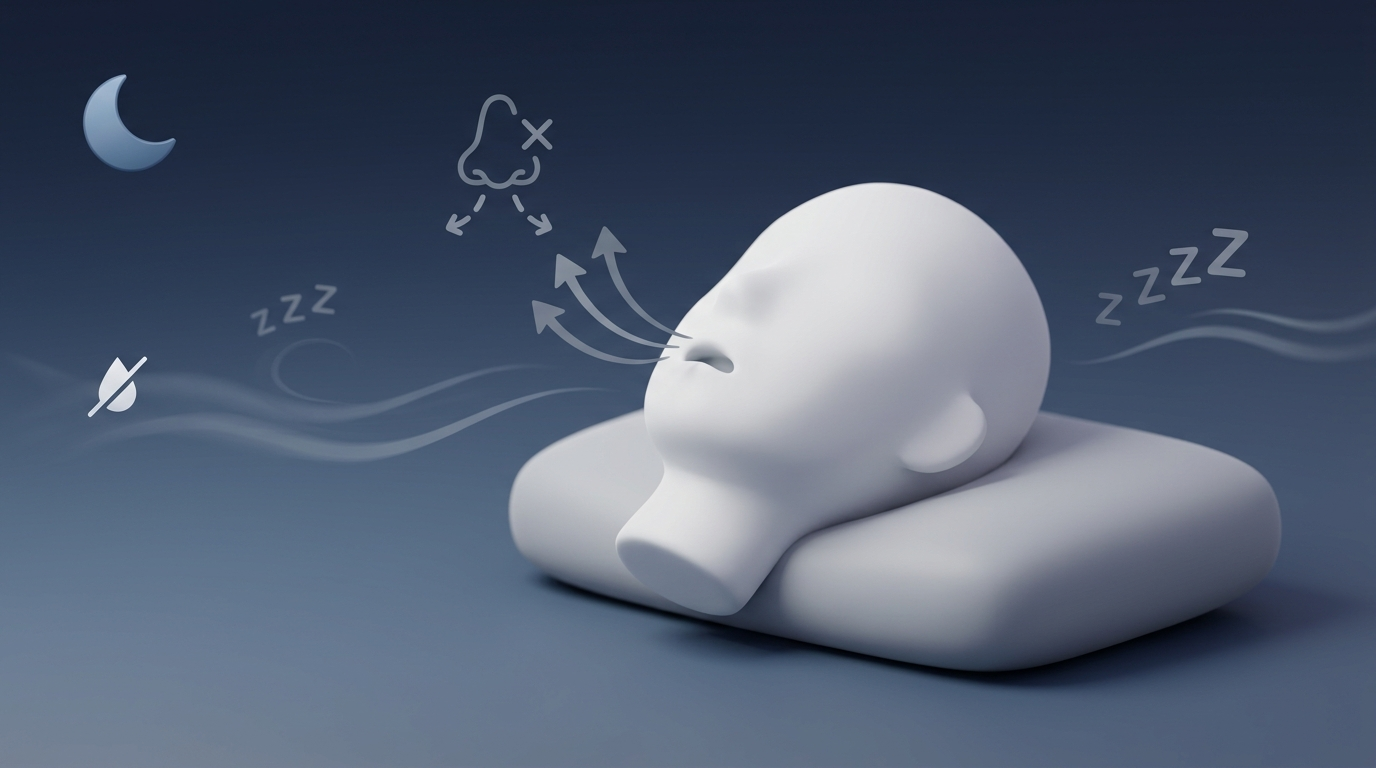
4) Mouth breathing from nasal obstruction
Many people don’t choose mouth breathing—it happens because the nose feels blocked. ENT contributors may include:
- Deviated septum
- Enlarged turbinates
- Nasal polyps
- Allergic or nonallergic rhinitis
Why it affects odor: less nasal breathing often means more dryness, and less saliva makes it easier for odor-producing bacteria to build up. 1 A common real-life scenario is “I can breathe through my nose during the day, but at night I’m always stuffed up”—which is when mouth breathing (and morning breath) tends to be worst.
Once you identify which of these causes fits your pattern, treatment becomes more targeted—and more effective.
Other Conditions to Consider (Briefly)
Acid reflux / LPR (“silent reflux”): Reflux can irritate the throat and contribute to symptoms that overlap with ENT causes (throat clearing, irritation, excess mucus sensation). If dental and ENT evaluations don’t reveal a clear cause, reflux is sometimes part of the broader discussion.
Medications and dry mouth: Some medications (like certain antihistamines, decongestants, and antidepressants) can reduce saliva and worsen dryness—making odor harder to control.
Reflux, medications, and dry mouth can amplify ENT-related odor even when dental care is solid.
How an ENT Evaluates Persistent Bad Breath
What to expect at your visit
An ENT visit often includes:
- A symptom timeline (morning vs all-day, seasonal patterns, triggers)
- Throat and tonsil exam (looking for crypts, inflammation, visible stones)
- Nasal exam (signs of obstruction, swelling, drainage)
- Discussion of allergies and chronic sinusitis symptoms
Tip: it helps to note when symptoms are worst (morning only vs all day), what makes them flare (colds, allergies), and whether you’ve noticed tonsil “crumbs” or chronic throat clearing.
Possible testing (as appropriate)
Depending on symptoms and history, an ENT may consider:
- Nasal endoscopy to assess inflammation and drainage pathways
- Imaging (often CT) if chronic sinusitis is suspected
- Culture in select cases of persistent or recurrent infection
A focused ENT exam—often with a quick endoscopic look—can usually localize the source.

Treatments That Actually Help (Based on the Cause)
This section is educational (not personalized medical advice), but it can help you understand why certain approaches work better than “just brushing again.”
If tonsil stones are the main issue
At-home / conservative approaches (often first-line):
- Hydration (helps saliva do its job)
- Gargling after meals
- Gentle rinsing/irrigation approaches (aggressive picking can injure tissue)
In-office / procedural options:
- Removal when appropriate
- If frequent, severe, or very disruptive: discussion of longer-term options (including tonsil surgery in carefully selected cases)
If stones are occasional, conservative care may be enough. If they’re frequent and disruptive, it’s reasonable to discuss longer-term options: https://sleepandsinuscenters.com/blog/tonsil-stones-causes-symptoms-and-effective-removal-tips
If post-nasal drip or chronic sinusitis is the driver
Often, treatment focuses on improving nasal/sinus function and reducing inflammation:
- Saline irrigation routines (with safe technique)
- Nasal steroid sprays when appropriate
- Allergy identification and management when indicated
- Antibiotics only when a bacterial infection is suspected by exam/history
For practical strategies, see: https://sleepandsinuscenters.com/blog/chronic-post-nasal-drip-ent-treatments-that-work and learn more about chronic sinusitis here: https://sleepandsinuscenters.com/chronic-sinusitis
If a sinus infection is producing foul odor
When odor seems to come “from the source” (infected mucus), the goal is to reduce infection and restore drainage:
- Medical therapy guided by symptoms and exam
- For recurrent/chronic issues: evaluation of anatomy and airflow/drainage problems
- In some chronic cases, procedures may be considered to improve ventilation/drainage
If mouth breathing and dry mouth are worsening it
The most effective path is usually addressing why the nose is blocked:
- Treat rhinitis/inflammation when present
- Evaluate structural issues (septum, turbinates, polyps)
- Sleep/environment adjustments that reduce dryness (cause-specific)
To talk through options tailored to your symptoms, you can request an ENT visit here: https://www.sleepandsinuscenters.com/
Treat the source—not just the smell—and results tend to last longer.
Lifestyle Tips to Reduce ENT-Related Bad Breath Between Visits
Daily habits that help
- Consistent hydration (many people notice the biggest dip mid-morning and mid-afternoon)
- Rinse/gargle after dairy or high-protein meals if mucus feels heavier afterward
- Limit smoking/vaping and alcohol, which can increase dryness and irritation
Sleep and environment tips
- Use a humidifier if bedroom air is dry (and keep it clean)
- Reduce allergen exposure (dust, mold, pet dander) if congestion is chronic
Do mouthwashes help?
Mouthwash may reduce odor briefly, but it won’t remove tonsil stones or resolve sinus infection breath odor. Also, alcohol-based mouthwashes can worsen dryness for some people—potentially making symptoms rebound.
Explore related ENT how-to’s and care tips on our blog: https://sleepandsinuscenters.com/blog/
Small, consistent habits support treatment and help keep odor under control.
When to See an ENT (Red Flags)
Make an appointment if:
- Breath odor lasts weeks to months despite good dental care
- You have recurrent tonsil stones, chronic sore throat, or persistent throat clearing
- Ongoing nasal congestion, facial pressure, frequent “sinus infections,” or reduced smell
- Chronic mouth breathing, loud snoring, or disrupted sleep
Seek urgent care if:
- High fever, severe facial swelling, vision changes, severe headache, or neck stiffness
If it lingers despite solid dental care—or you notice red flags—get evaluated promptly.
FAQs
1) Why do I have bad breath right after brushing?
If smell returns quickly, the source may be beyond the teeth—such as tonsil crypts, throat bacteria, or nasal/sinus drainage. That’s a common pattern with recurring bad breath after brushing.
2) Can tonsil stones cause a sulfur or “rotten egg” smell?
Yes. Tonsil stones can produce sulfur-like odor due to VSCs. 1
3) Can a sinus infection cause bad breath even if my teeth are healthy?
Yes. In some cases, infected sinus mucus can create odor that’s noticeable on the breath.
4) Is post-nasal drip always the cause of bad breath?
Not usually. Persistent symptoms may still warrant evaluation to look for underlying sinus inflammation or infection. 5
5) What’s the safest way to get rid of tonsil stones at home?
Conservative methods (hydration, gentle gargling/rinsing) are often discussed first; digging aggressively can irritate tissue. If stones are frequent, an ENT visit can clarify safer options.
6) Will a tonsillectomy cure bad breath?
It can help in selected cases when tonsils are confirmed as the primary source, but it’s not the right solution for everyone—especially if sinus disease or dry mouth is driving symptoms.
7) When should I suspect mouth breathing is the main issue?
If odor is strongest in the morning, you wake with dry mouth, and you often feel congested or sleep with your mouth open, mouth breathing dry mouth may be a major contributor.
Conclusion
When dental care is solid but recurring bad breath after brushing continues, it often points to an ENT source—commonly tonsil stones bad breath, post-nasal drip and bad breath patterns linked to sinus inflammation, sinus infection breath odor, or dryness from mouth breathing.
If you’ve ruled out dental causes and the problem keeps returning, an ENT evaluation can help pinpoint the true source and match treatment to what’s actually driving the odor. To explore next steps, you can book an appointment with Sleep and Sinus Centers of Georgia: https://www.sleepandsinuscenters.com/
Pinpoint the source, personalize the plan, and fresher breath tends to follow.
References
1. https://pmc.ncbi.nlm.nih.gov/articles/PMC4529540/
2. https://www.healthdirect.gov.au/tonsil-stones
3. https://www.scripps.org/news_items/7239-are-tonsil-stones-causing-your-bad-breath
4. https://www.atlantaent.com/blog/how-sinus-issues-can-cause-bad-breath
5. https://newsnetwork.mayoclinic.org/discussion/postnasal-drip-not-usually-related-to-bad-breath/
6. https://sinusdoctor.com/relieving-sinus-related-bad-breath/
7. https://en.wikipedia.org/wiki/Tonsil_stones
Don’t let allergies slow you down. Schedule a comprehensive ENT and allergy evaluation at Sleep and Sinus Centers of Georgia. We’re here to find your triggers and guide you toward lasting relief.