How to Know If Your Child Needs a Hearing Test: Signs of Hearing Loss in Children
Many hearing issues in kids are easy to miss until speech, school, or social skills start to show effects. A baby who seems quiet during playtime, a toddler whose words are hard to understand even at home, or a school-age child who often says “what?” can all point to the same underlying concern. Parents, caregivers, teachers, or doctors should act on those observations right away rather than waiting to see if things improve. Early identification of hearing loss can reduce impacts on communication, language, learning, and social development. When support begins sooner, children have a better chance of reaching their full potential.
Think of it like spotting a child who squints at the board; you would not delay a vision check. Hearing works the same way. Hearing checks happen in two ways: routine screening at recommended ages and extra evaluation whenever someone close to the child notices a possible problem. Both paths matter. If concerns arise, a specialist evaluation through comprehensive ENT care (https://sleepandsinuscenters.com/comprehensive-otolaryngology-care) can help clarify next steps.
Acting quickly on even small concerns can make a big difference in your child’s development.
Why Hearing Tests Matter for Children (and Why Timing Is Critical)
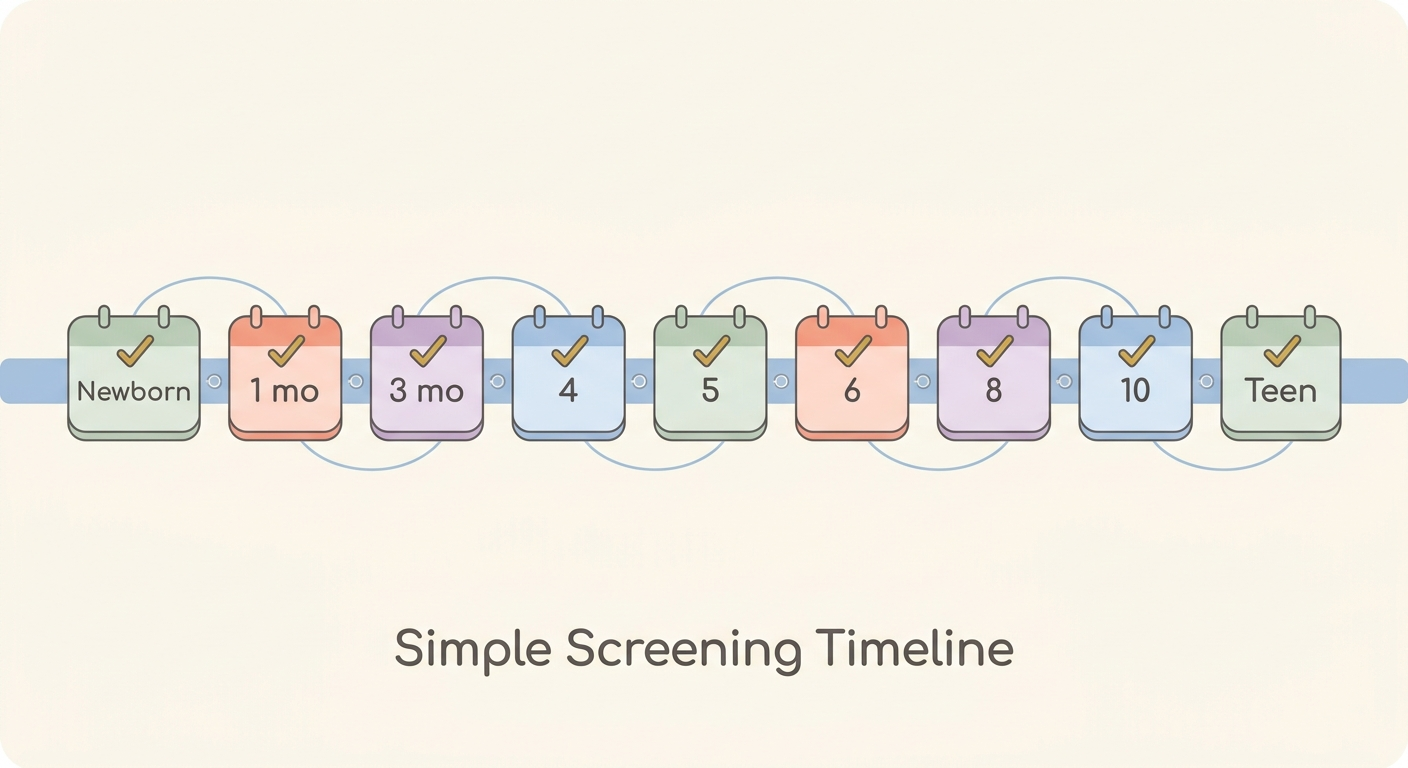
Hearing loss can be present at birth or develop later in childhood. Newborns should receive a screening by 1 month of age. If a baby does not pass that first check, a complete diagnostic hearing test should take place as soon as possible and no later than 3 months. Even after a normal newborn result, hearing can change over time, so routine follow-up remains important. It is like scheduling regular dental visits even when teeth look fine at first.
The American Academy of Pediatrics recommends screening at ages 4, 5, 6, 8, and 10, plus additional checks during adolescence. These ages catch issues that may appear after the newborn period. The 2023 AAP hearing-assessment update outlines seven recommendations that reinforce timely, age-appropriate testing. CDC guidance on screening for hearing loss and AAP/HealthyChildren.org information on hearing screening for newborns, children, and adolescents (2023) both emphasize that earlier services improve outcomes.
A hearing test at the right moment gives families information they can use. Waiting can allow small differences to affect speech and learning more than necessary. Hearing is the foundation for language; missing pieces early is like leaving gaps in a wall that later make the whole structure less steady.
Timely testing builds a stronger foundation for language and learning.
Signs of Hearing Loss in Children (Watch for These Red Flags)
If you notice any of the following, a hearing screening can provide useful answers. These signs of hearing loss in children often appear gradually, so they are easy to overlook. They can feel like a radio with static: some words come through clearly while others fade.
Signs in Babies and Infants
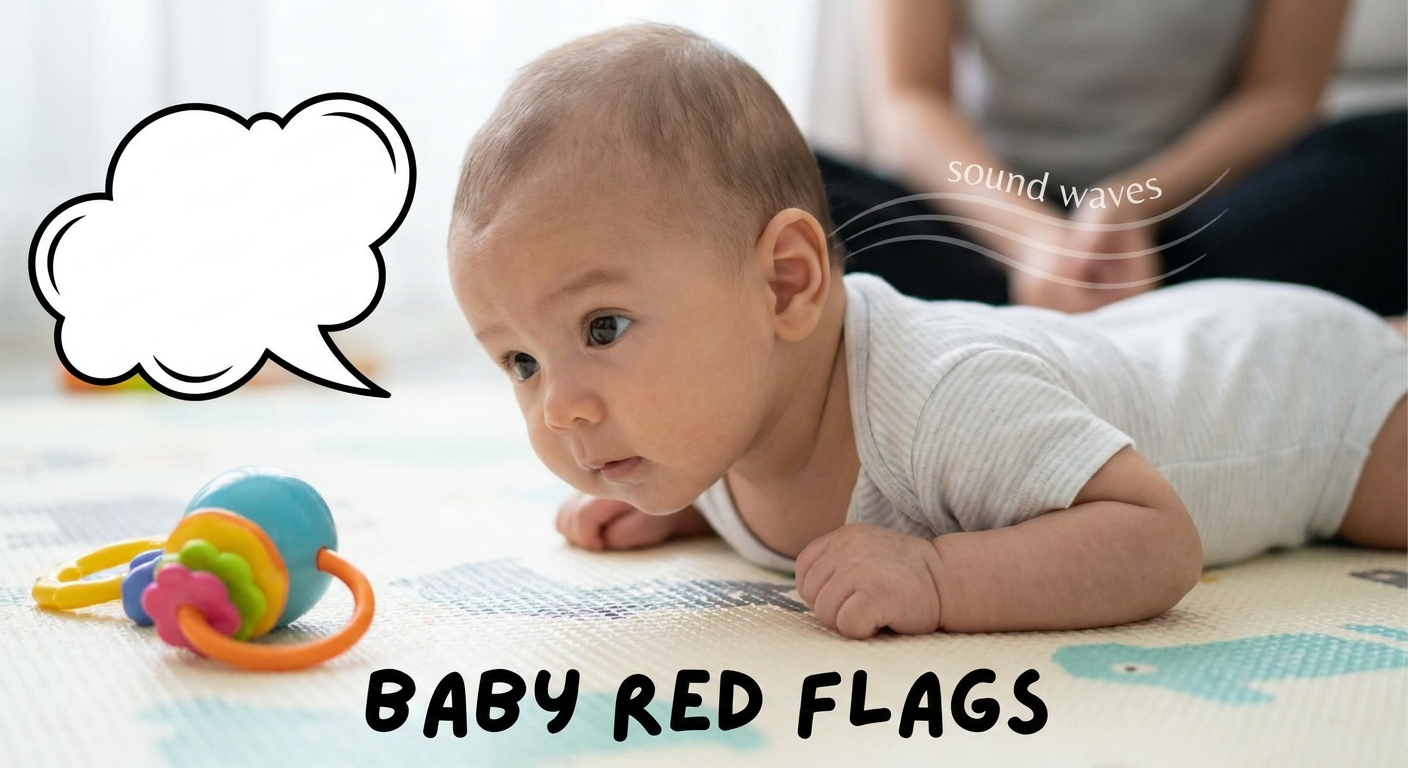
Signs include: does not startle or turn toward sounds; does not respond consistently to voices or everyday noises; delayed babbling or seems quieter than other babies the same age.
A baby who stays silent when a sibling laughs nearby or does not turn toward a parent’s voice may simply need a closer look.

Signs in Toddlers and Young Children
Signs include: delayed, unclear, or hard-to-understand speech; does not respond when called or only answers from certain directions; hears some sounds but misses others; pulls or tugs at ears frequently (sometimes linked to fluid or infection).
Speech delay and hearing checks often go hand in hand; early attention to both can support language growth. See our related post on speech delay and hearing checks (https://sleepandsinuscenters.com/blog/speech-delay-and-hearing-checks-key-signs-and-early-intervention-tips) for more on this connection. A toddler who points instead of speaking or whose words stay jumbled past expected ages is a common reason families seek answers.
Signs in School-Age Children and Teens
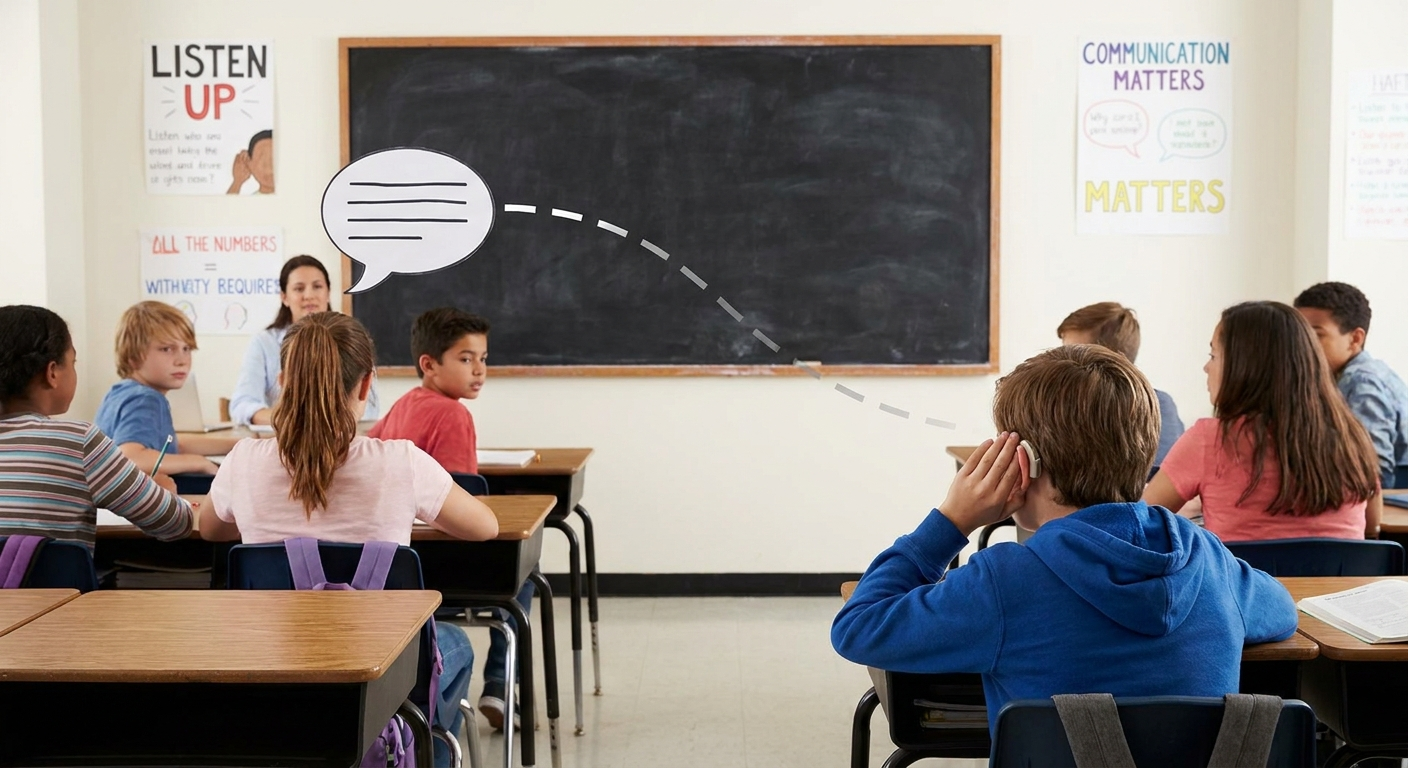
Signs include: struggles socially or academically; frequently says “what?” or seems to ignore people; turns up the volume on devices or sits very close to the television; difficulty following conversations in noisy places such as classrooms or playgrounds.
ASHA’s information on hearing loss in children and CDC screening guidance both highlight these patterns. Not every child with these behaviors has hearing loss, yet they are common reasons families seek a hearing test. A teacher might notice a student who seems inattentive but is actually missing spoken directions in a busy classroom.
Watching for these patterns and seeking a check can catch issues before they affect daily life.
When Should You Arrange a Hearing Test?
A hearing test is appropriate immediately whenever a parent, caregiver, teacher, or clinician has concerns. CDC advice is clear: do not wait. Additional times include: after any failed or incomplete newborn screening; at the recommended well-child ages even if the newborn screen was normal; sooner or more often for children with known risk factors.
These timing points keep screening both proactive and responsive. One clinician often tells families, “If you are wondering about your child’s hearing, that is reason enough to test.”
If something feels off, trust that instinct and get it checked.
Risk Factors That May Call for Earlier or More Frequent Testing
Some children benefit from extra attention. Risk factors include: family history of childhood hearing loss; prolonged NICU stay; certain infections before or after birth; syndromes associated with hearing loss; frequent ear infections or persistent middle-ear fluid.
CDC and AAP sources list these as reasons for earlier or more frequent assessment. Persistent fluid is a common, often treatable cause that an ENT specialist (https://sleepandsinuscenters.com/comprehensive-otolaryngology-care) can evaluate. It can muffle sound the way a fogged window blurs a view.
Knowing the risks helps families stay one step ahead with extra screenings.
What Happens During a Pediatric Hearing Test?
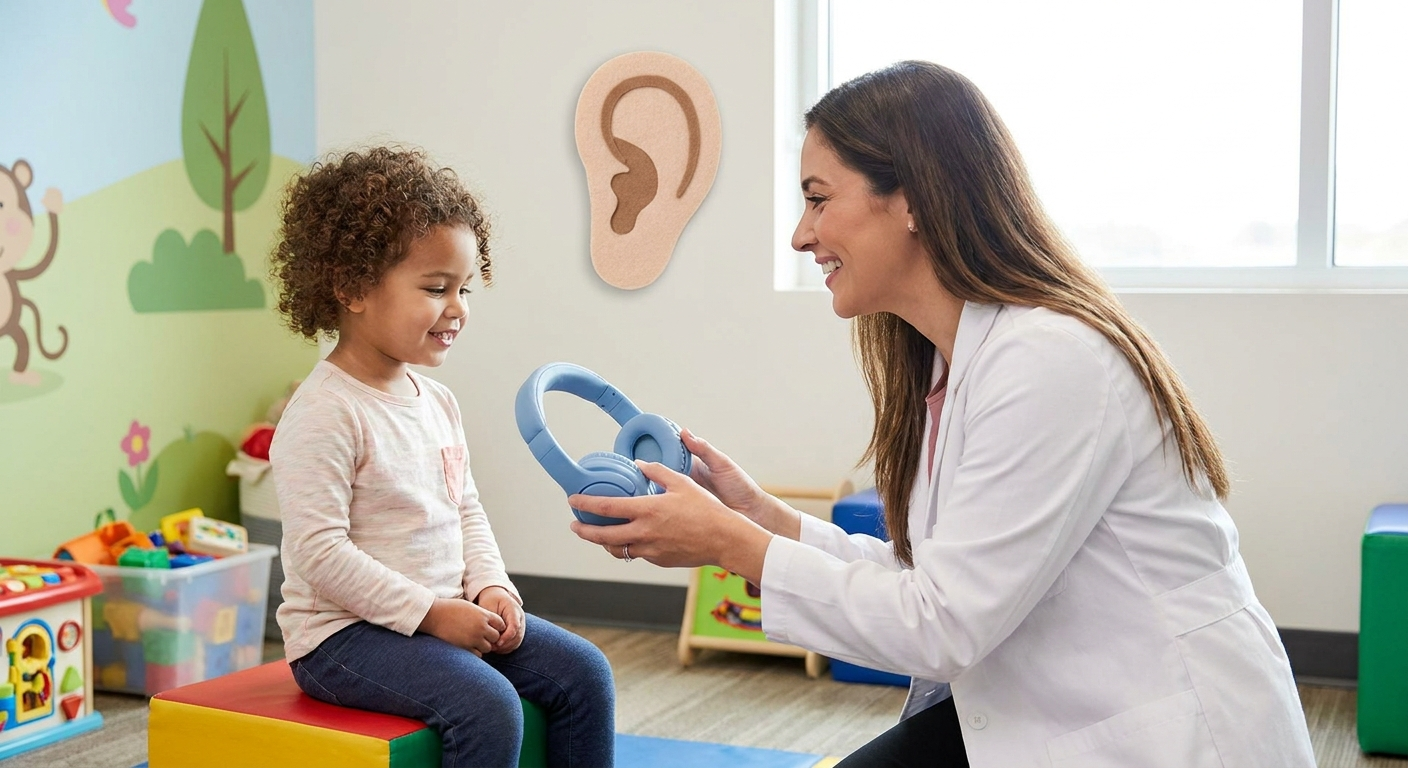
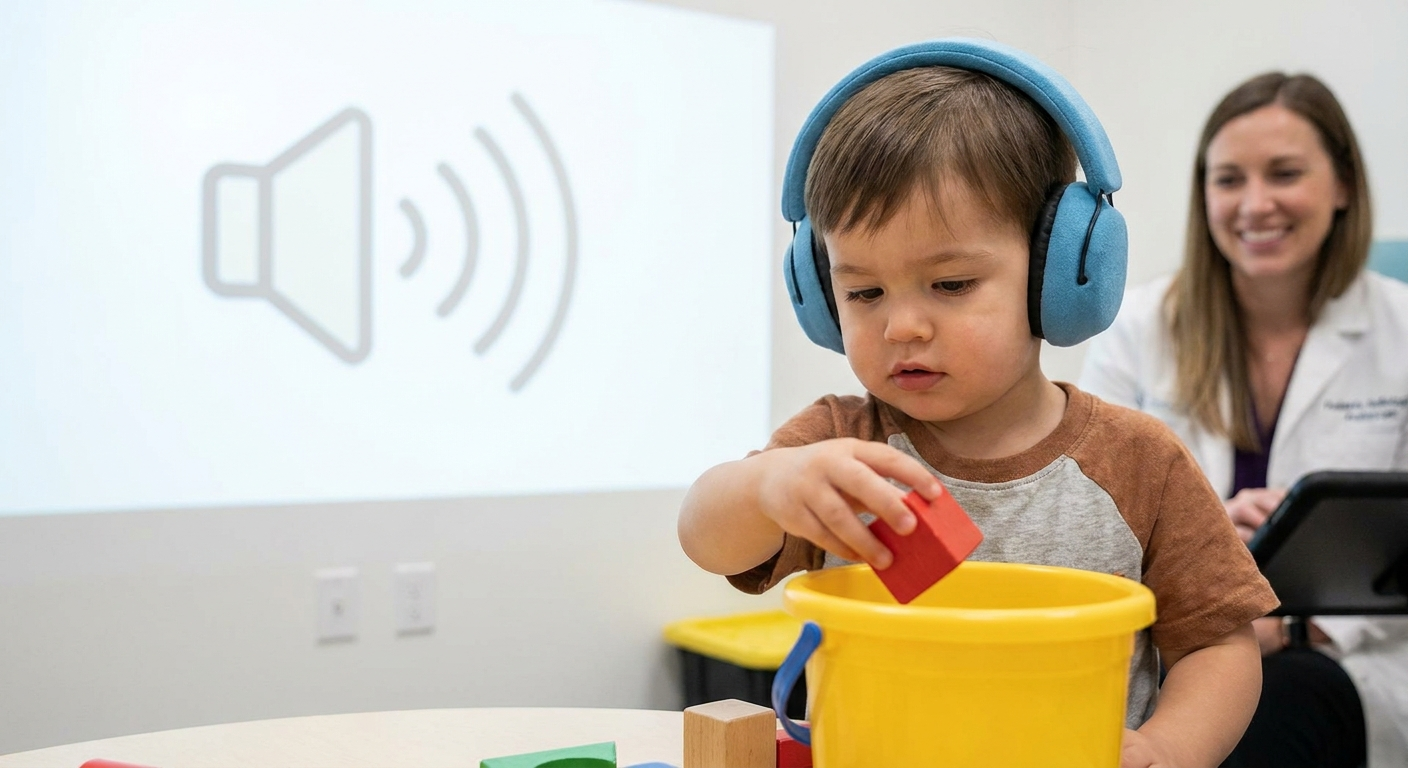
Pediatric testing is age-appropriate and painless. Infants may receive otoacoustic emissions (OAE) or auditory brainstem response (ABR) measures that do not require a response from the baby. Older children often participate in behavioral or play audiometry that feels like a game. The process is designed to be child-friendly, and most visits are quick.
Results help determine whether hearing is within typical range or whether further support would be helpful. For a parent-accessible explanation of what an audiogram shows, see audiogram basics (https://sleepandsinuscenters.com/blog/audiogram-basics-explained-a-patients-guide-to-hearing-tests). Most children treat the session like play, stacking blocks or raising a hand when they hear a tone.
The tests are designed to be simple and comfortable for children of all ages.
Treatment and Support If Hearing Loss Is Found
When hearing loss is identified, early intervention services—such as speech-language therapy, hearing aids, or other recommended supports—can begin promptly. ASHA and AAP both note that earlier services improve language, learning, and social outcomes. An ENT specialist plays a key role in diagnosing and managing underlying causes, including ear fluid or recurrent infections. The combination of medical care and developmental support gives children the best chance to thrive.
Families often see progress once support starts, much like extra practice helping a child catch up after missed school days.
Early support often leads to noticeable improvements in communication and confidence.
Everyday Tips to Protect Your Child’s Hearing
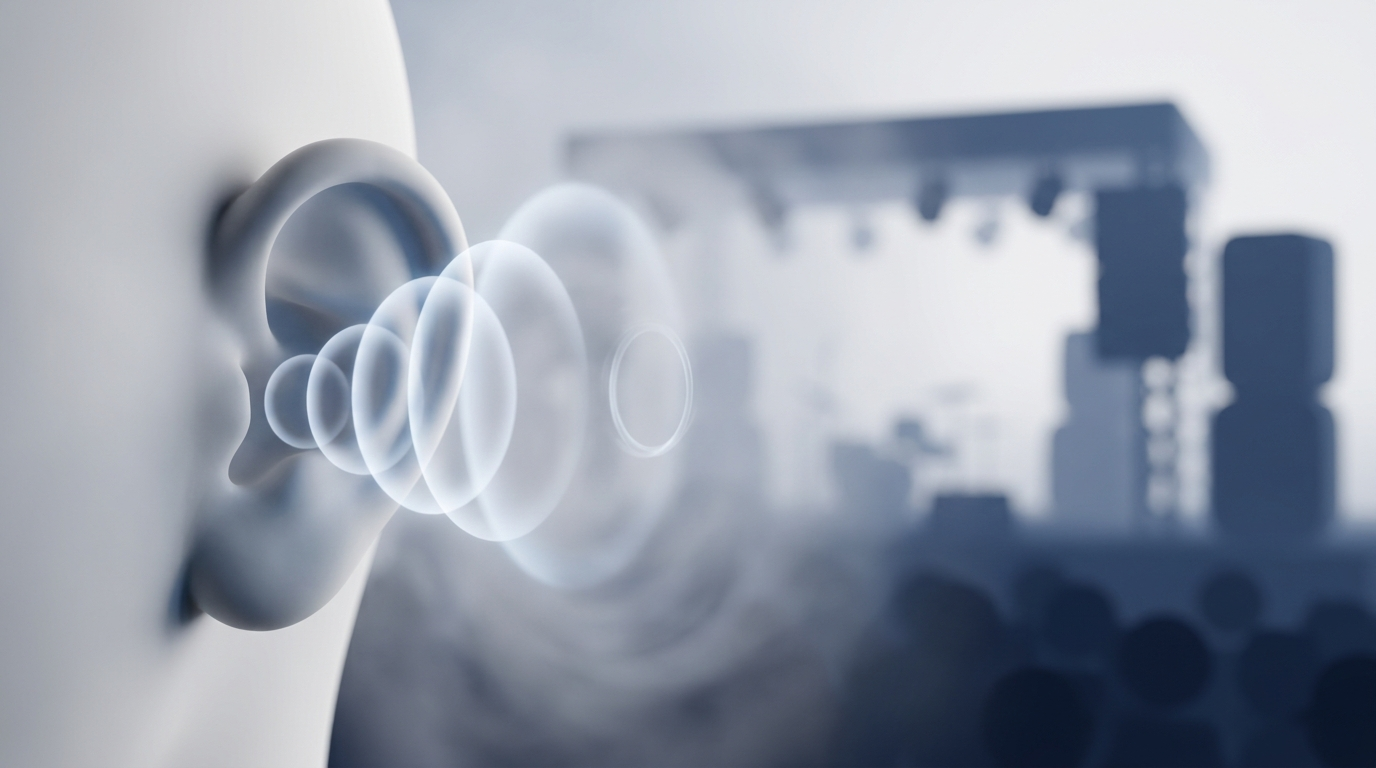
Simple habits support healthy hearing: treat ear infections and fluid promptly; use hearing protection around loud noises such as concerts, fireworks, or lawn equipment; keep volume low on headphones and earbuds and practice safe listening; attend regular well-child visits that include hearing checks.
These steps complement the recommended screening schedule and act as daily prevention.
Small daily habits plus regular check-ups go a long way in protecting hearing.
Frequently Asked Questions
Q: My child passed the newborn hearing screen. Can they still have hearing loss later? A: Yes. Hearing can change, which is why AAP recommends additional screenings at specific ages and whenever concerns arise.
Q: Is a hearing test scary or painful for kids? A: No. Most tests are quick, painless, and presented in a game-like way that children tolerate well.
Q: Who should I see first—pediatrician or ENT? A: Start by sharing concerns with the child’s regular doctor. An ENT can provide diagnostic testing and manage related ear conditions. Families in Georgia can schedule an appointment at https://sleepandsinuscenters.com/appointments.
Q: How often do kids need hearing tests? A: Follow the AAP ages (4, 5, 6, 8, 10, and adolescence) plus any time a parent, teacher, or clinician notices a possible issue.
Trust Your Observations and Take the Next Step
Any concern about how a child responds to sound, how speech is developing, or how they are doing in school or with friends is a valid reason to consider a hearing test. Early action makes a real difference in communication, learning, and social growth. The signs of hearing loss in children listed above are meant to help families notice patterns sooner rather than later. Trust what you see; you know your child best.
If you would like a pediatric hearing evaluation or an ENT visit, the team at Sleep and Sinus Centers of Georgia is ready to help. Book an appointment today. Request an appointment at https://sleepandsinuscenters.com/appointments or learn more about comprehensive otolaryngology care at https://sleepandsinuscenters.com/comprehensive-otolaryngology-care. Convenient locations: https://sleepandsinuscenters.com/locations.
Sources
Centers for Disease Control and Prevention, “Screening for Hearing Loss” — https://www.cdc.gov/hearing-loss-children/screening/index.html
American Academy of Pediatrics/HealthyChildren.org, “Hearing Screening for Newborns, Children & Adolescents” (2023)
American Speech-Language-Hearing Association, “Hearing Loss in Children”
American Academy of Pediatrics, “Hearing assessment update offers 7 recommendations” (2023)
This article is for educational purposes only and is not medical advice. Please consult a qualified healthcare provider for diagnosis and treatment.
Don’t let allergies slow you down. Schedule a comprehensive ENT and allergy evaluation at Sleep and Sinus Centers of Georgia. We’re here to find your triggers and guide you toward lasting relief.