Nose Pressure Without Congestion: 6 ENT Causes and Treatments Explained
Feeling facial or nose pressure without congestion can be confusing—especially when you can breathe through your nose just fine. Many people assume it must be a sinus infection, but pressure in the face can come from several sources that have nothing to do with infection or “being stuffed up.”
At Sleep and Sinus Centers of Georgia, this is a common reason patients seek an ENT evaluation. Understanding the likely causes can help you pursue more targeted relief and avoid treatments that don’t match the problem. (Sleep and Sinus Centers, 2026; Verywell Health, 2026)
A helpful way to think about it: “pressure” is a sensation your brain interprets, and pain pathways and inflammation signals can sometimes be perceived as sinus pressure—even when airflow is normal.
Why you can feel sinus or nose pressure even when your nose is “clear”
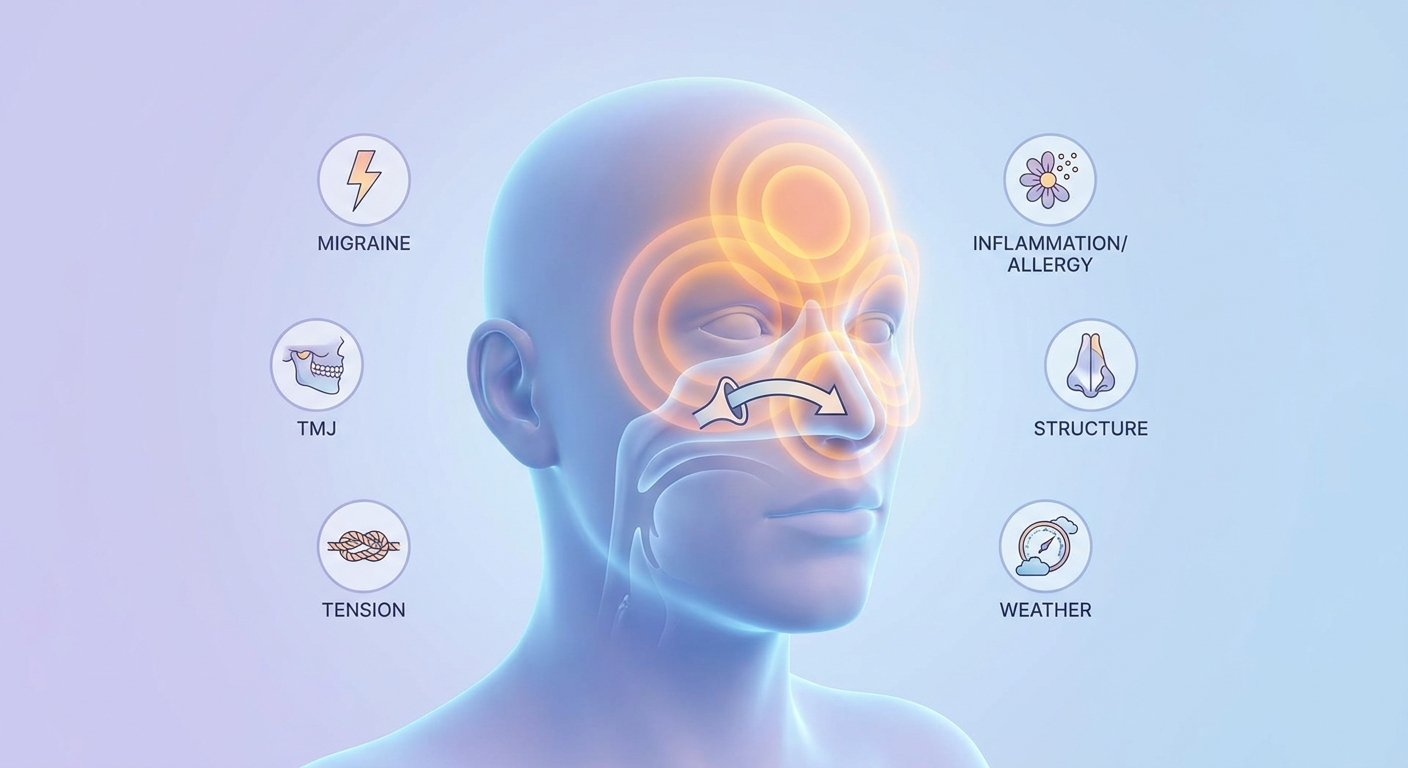
“Pressure” is a sensation, not a diagnosis. While sinus infections can cause pressure, facial pressure can also come from:
- Nerves (especially pain pathways in the face)
- Muscles and jaw joints (referred pain into the cheeks/temples)
- Inflammation inside the nose/sinuses that doesn’t fully block airflow
- Anatomy/structure (narrowing or contact points inside the nose)
- Pressure changes (weather shifts, altitude, flying)
One reason this matters: when sinus pressure without congestion is mislabeled as a “sinus infection,” people may try antibiotics or decongestants that don’t help if the underlying cause is not bacterial infection or nasal congestion. (Sleep and Sinus Centers, 2026; Verywell Health, 2026)
A simple analogy: a “clear” nose is like a road with traffic still moving—but if the roadside is irritated (inflammation) or the navigation system is heightened (nerve sensitivity), you can still feel trouble even without a full blockage.
Summary:
- Bottom line: pressure is a perception that can come from nerves, muscles, inflammation, structure, or environment—even when airflow is normal.
Common symptoms (and what they suggest)
What “nose pressure without congestion” can feel like:
- Forehead tightness or heaviness
- Pressure around the eyes or behind the eyes
- Cheek pressure or upper tooth sensitivity
- Pressure along the bridge of the nose or a “mask-like” tightness
- Ear fullness, popping, or a blocked-ear sensation (sometimes overlapping symptoms)
Some patients also say discomfort moves—cheeks one day and forehead the next—which can hint that nerves or muscles are involved rather than a single infected sinus pocket.
Symptoms that lean away from infection:
- No thick, discolored nasal drainage
- No fever
- Symptoms that come in episodes and seem linked to triggers (weather, stress, certain foods, jaw clenching, sleep disruption)
These features can suggest migraine, TMJ dysfunction, or tension-type headache rather than infection. (Sleep and Sinus Centers, 2026; Verywell Health, 2026)
A practical example: if pressure flares after a stressful workday (jaw tight, shoulders up) or after a poor night of sleep, that pattern often fits headache or TMJ-related causes better than an infection.
Symptoms that lean toward sinus inflammation (with or without infection):
- Reduced or altered sense of smell
- Post-nasal drip, throat clearing, or chronic cough
- Facial pressure that feels worse when bending forward
- Symptoms that last weeks to months (often seen with chronic rhinosinusitis)
If you think, “I’m not stuffed up, but I always feel puffy or full in my face,” that’s a common way chronic inflammation shows up.
Summary:
- Patterns and triggers often tell you more than how “stuffy” you feel.
6 ENT-related causes of nose pressure without congestion (and what helps)
Below are common ENT-related causes and practical relief approaches.
Cause #1 — Migraine (“sinus pressure imposter”)
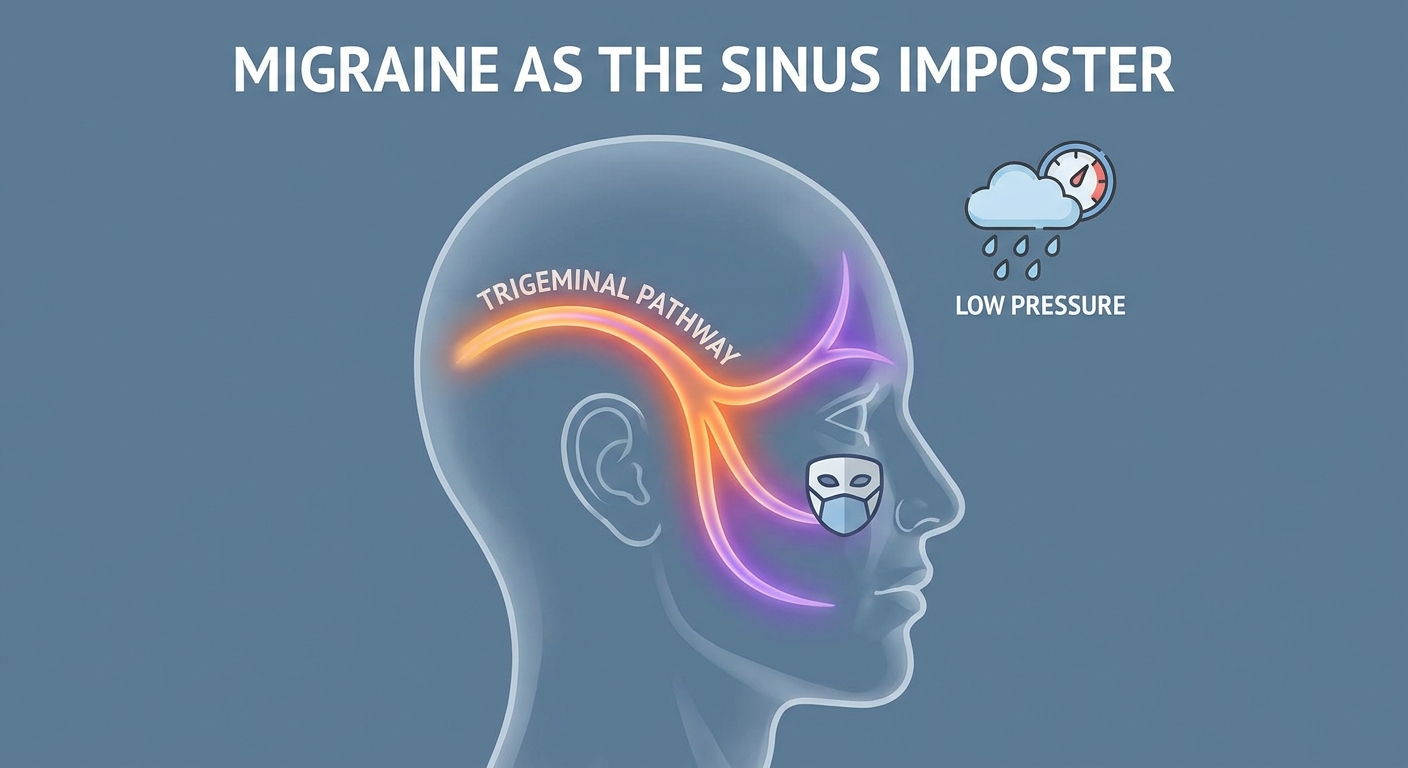
Migraine is a common “look-alike” for sinus trouble. It can create facial pressure or pain via irritation of the trigeminal nerve—so it may feel like sinus pain even when the sinuses aren’t the main issue. (Sleep and Sinus Centers, 2026; Verywell Health, 2026)
Clues it may be migraine-related:
- One-sided pain, throbbing, or pulsating discomfort
- Light or sound sensitivity
- Nausea
- Worse with physical activity
- Attacks that flare with weather changes
What may help:
- Migraine-specific abortive treatments and/or prevention options (when appropriate)
- Trigger management (sleep consistency, hydration, stress management)
- ENT coordination with neurology or a headache specialist when migraine features are strong
More detail: https://sleepandsinuscenters.com/blog/migraine-vs-sinus-headache-key-differences-and-symptoms-explained
Cause #2 — TMJ disorder (jaw joint dysfunction)
TMJ problems can refer pain into the cheeks, temples, and around the ears—often mistaken for sinus pressure without congestion. (Sleep and Sinus Centers, 2026)
Clues it may be TMJ-related:
- Jaw clicking, popping, locking, or pain with chewing
- Morning facial pressure (often linked to clenching or grinding)
- Ear fullness without signs of ear infection
What may help:
- Softer foods during flares
- Warm compresses for sore muscles
- Dental evaluation for a night guard if grinding is suspected
- Physical therapy or jaw relaxation techniques
- Anti-inflammatory medications may be discussed based on health history
Example: waking with “sinus pressure” plus a sore jaw or worn teeth often points to nighttime clenching rather than sinus blockage.

Cause #3 — Tension-type or cervicogenic (neck-related) headache
Muscle tension in the scalp, face, jaw, and neck can create a steady “pressure” feeling—often centered in the forehead or between the eyes—without true nasal blockage. (Sleep and Sinus Centers, 2026)
Clues it may be muscle/neck related:
- “Band-like” pressure on both sides
- Neck stiffness or shoulder tension
- Worse after screen time, driving, poor posture, or high stress
What may help:
- Ergonomic changes and posture support
- Stretching, heat, and guided physical therapy
- Stress reduction strategies
- Evaluate for migraine overlap (more than one issue can coexist)
Common with “forward head” posture; pain can radiate forward, making the face feel pressurized even when airflow is normal.

Cause #4 — Chronic rhinosinusitis (inflammation can create pressure even without obvious blockage)
Chronic rhinosinusitis is long-term inflammation in the nose and sinuses. You don’t have to feel “stuffy” to have sinus inflammation; some people mainly notice facial pressure, post-nasal drip, or smell changes. (Sleep and Sinus Centers, 2026)
Clues it may be chronic inflammation:
- Symptoms lasting 12+ weeks, supported by exam or imaging
- Ongoing post-nasal drip, throat clearing, or cough
- Reduced sense of smell
- “Sinus infections” that don’t respond well to antibiotics
What may help:
- Saline irrigation routines
- Intranasal steroid sprays or rinses (when appropriate)
- Consider allergy evaluation when seasons or triggers suggest it
- Further evaluation if symptoms persist despite medical therapy
Allergy testing info: https://sleepandsinuscenters.com/allergy-testing

Cause #5 — Structural nasal issues (deviated septum, turbinate hypertrophy, contact points)
Structural issues inside the nose can contribute to pressure sensations—sometimes even when breathing feels “mostly okay.” Narrow areas, irritated tissue, or contact points can mimic sinus disease. (Sleep and Sinus Centers, 2026; Verywell Health, 2026)
Clues anatomy may be involved:
- One-sided pressure more than the other
- Symptoms that change with sleep position
- History of nasal trauma
- Recurrent infection evaluations that come back “normal”
What may help:
- Medical management when inflammation is present (saline, topical nasal steroids)
- Procedural or surgical options in selected cases (e.g., septoplasty, turbinate reduction)
Related reading: https://sleepandsinuscenters.com/deviated-septum-relief

Cause #6 — Barometric pressure changes + environmental triggers (weather, altitude, irritants)
Weather shifts, altitude changes, and irritants (smoke, strong scents, pollution) can trigger facial pressure or headache symptoms, often without classic congestion. (Sleep and Sinus Centers, 2026; Verywell Health, 2026)
Clues it’s pressure/environment related:
- Flares with storms, barometric changes, flying, or mountain driving
- Worse around smoke, fragrance, cleaning chemicals, or poor air quality
What may help:
- Track weather patterns and plan ahead with a provider-guided approach
- Nasal moisturizing or saline care
- Improve indoor air quality (ventilation, reducing irritants)
More: https://sleepandsinuscenters.com/blog/barometric-pressure-headaches-and-sinus-relief-causes-treatment
Why antibiotics and decongestants often don’t work (and what to try instead)
Antibiotics target bacteria. If the cause isn’t bacterial, antibiotics typically won’t help. Decongestants may also fall short if you’re not actually congested—because the driver may be nerve sensitivity, muscle tension, or pressure-triggered headache rather than blocked airflow. (Sleep and Sinus Centers, 2026; Verywell Health, 2026)
Checkpoint: if “sinus meds” haven’t helped and the pattern keeps returning—especially in episodes—reassess the diagnosis instead of repeating the same approach.
Smarter first-line options:
- Saline rinses (with proper technique and safe water)
- Intranasal steroid sprays when inflammation is suspected (technique matters)
- Warm compresses for TMJ or muscle-tension components
- Hydration and sleep consistency, especially with headache disorders
Summary:
- Treat the cause—not just the sensation of pressure—for better results.
How ENTs diagnose nose pressure without congestion
What to expect at the visit:
- Symptom timeline (episodic vs persistent)
- Weather sensitivity, stress, sleep changes
- Jaw clenching/grinding symptoms
- Allergy patterns or seasonal flares
A focused exam typically includes the nose, ears, and throat, with a brief jaw/neck screen when those symptoms are prominent. (Sleep and Sinus Centers, 2026)
Bring specifics: “Started after a big storm,” “Worst in the morning,” or “Happens every time I fly.”
Tests that may be recommended (when appropriate):
- Nasal endoscopy to look for swelling, drainage patterns, polyps, or structural concerns
- CT scan of the sinuses for persistent/chronic symptoms or surgical planning
- Allergy testing when history suggests an allergic driver (Sleep and Sinus Centers, 2026)
Summary:
- A focused history plus targeted exam and tests can separate sinus inflammation from look-alikes.
At-home lifestyle tips to reduce pressure episodes
Track patterns to find your trigger:
- Barometric pressure/weather apps
- Headache or symptom diary
- Notes on sleep, hydration, alcohol, and specific foods
- Awareness of jaw clenching (during focus or stress)
TMJ-friendly habits:
- Limit gum and very chewy foods during flares
- “Unclench” reminders during the day
- Posture and desk ergonomics to reduce neck/jaw strain
Sinus-friendly environment:
- Reduce indoor irritants (smoke, strong fragrance, harsh cleaners)
- Keep indoor humidity comfortable
Summary:
- Small, consistent habits often reduce pressure episodes more than one-off fixes.
When to seek urgent care vs schedule an ENT visit
Seek urgent evaluation for red flags:
- Swelling around the eye or vision changes
- High fever with severe facial pain
- Severe headache with neurological symptoms
- Stiff neck, confusion, or rapidly worsening symptoms
Make an ENT appointment if:
- Symptoms persist repeatedly beyond ~10 days, or linger for weeks
- Treatments for “sinus infection” haven’t helped
- Pressure is frequent, one-sided, or disrupting sleep/work (Sleep and Sinus Centers, 2026; Verywell Health, 2026)
Summary:
- If red flags show up, get urgent help; otherwise, schedule a focused ENT visit.
FAQs
Q: Can you have sinus pressure without congestion?
A: Yes. It can come from migraine, TMJ dysfunction, tension/neck-related headache, sinus inflammation, nasal anatomy, or barometric pressure changes. (Sleep and Sinus Centers, 2026; Verywell Health, 2026)
Q: How do I know if it’s a sinus infection or a migraine?
A: Infection is more likely with thick drainage, significant congestion, fever, or persistent/worsening symptoms. Migraine is more associated with nausea, light/sound sensitivity, episodic attacks, and activity-related worsening. More detail: https://sleepandsinuscenters.com/blog/migraine-vs-sinus-headache-key-differences-and-symptoms-explained
Q: What is the fastest way to relieve nose pressure without congestion?
A: It depends on the cause. Common options to discuss include saline rinses, hydration, sleep regularity, and addressing jaw/neck tension—especially when the pattern suggests headache or TMJ involvement. (Sleep and Sinus Centers, 2026)
Q: Should I take a decongestant if I’m not congested?
A: Often less helpful when the issue isn’t congestion-driven. A targeted plan usually fits the suspected cause (headache, TMJ, inflammation, anatomy, or weather triggers). (Sleep and Sinus Centers, 2026)
Q: When should I ask for imaging like a CT scan?
A: Consider CT when symptoms are persistent/chronic, severe, one-sided, or not responding to appropriate therapy—especially if structural concerns or chronic inflammation are suspected.
Summary:
- When in doubt, your pattern plus a focused exam guides the next step.
Conclusion + next step
Nose pressure without congestion is common, and often treatable once the true cause is identified—whether migraine, TMJ dysfunction, muscle tension, chronic inflammation, structural anatomy, or weather/irritant triggers. If symptoms keep recurring or standard “sinus infection” treatment hasn’t helped, an ENT evaluation at Sleep and Sinus Centers of Georgia can clarify what’s driving the pressure and what options fit best—without relying on repeated unnecessary antibiotics. (Sleep and Sinus Centers, 2026; Verywell Health, 2026)
Ready for a clearer answer and a plan that fits the cause? Book: https://www.sleepandsinuscenters.com/
Summary:
- If pressure keeps returning, a tailored ENT plan can help you feel better and avoid ineffective treatments.
Sources
Sleep and Sinus Centers. (2026). Sinus pressure without congestion: causes, symptoms & relief options. https://sleepandsinuscenters.com/blog/sinus-pressure-without-congestion-causes-symptoms-20260213191136
Verywell Health. (2026). Sinus headache without congestion. https://www.verywellhealth.com/sinus-headache-without-congestion-7500819
Medical disclaimer
This article is for educational purposes only and is not a substitute for professional medical advice, diagnosis, or treatment. If you have severe symptoms or red-flag signs, seek urgent evaluation.
Please consult a qualified healthcare provider for diagnosis and treatment.
Don’t let allergies slow you down. Schedule a comprehensive ENT and allergy evaluation at Sleep and Sinus Centers of Georgia. We’re here to find your triggers and guide you toward lasting relief.