Itchy Eyes From Allergies: Why Eye Drops Alone Aren’t Enough for Lasting Relief
Introduction — Why “Just Use Eye Drops” Often Fails
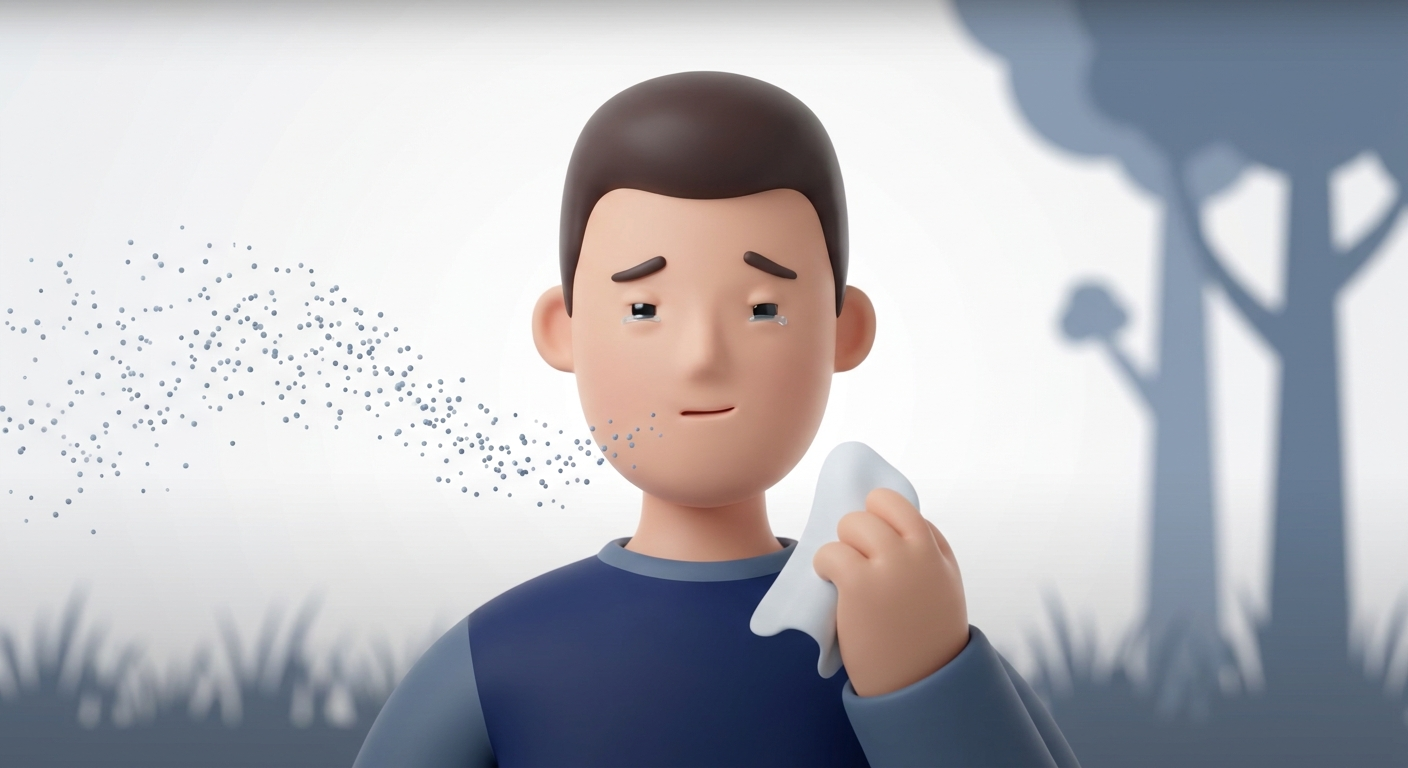
If spring (or fall) hits and your eyes instantly turn itchy, watery, and red, you’re not alone. For many people, the first move is to grab over-the-counter eye drops and hope for quick relief—especially when you’ve got work, school pickup, or a meeting and you just want to stop thinking about your eyes.
Eye drops can absolutely help—but there’s a catch: most drops mainly treat symptoms (like itching and redness), not the trigger (ongoing allergen exposure plus your immune system’s reaction). It’s a little like mopping up a leak without fixing the dripping pipe: you may look better for a while, but the problem keeps returning as long as allergens keep landing on the eye surface.
And some OTC decongestant (“get-the-red-out”) drops can even backfire when used too often, leading to rebound redness.
This article explains what itchy eyes from allergies usually feel like, why they keep coming back, how to choose safer and more effective allergy eye drops, what a long-term plan looks like, and when it’s time to consider evaluation with Sleep and Sinus Centers of Georgia. For a medical overview of allergic conjunctivitis and common treatment principles, see StatPearls/NCBI Bookshelf: https://www.ncbi.nlm.nih.gov/books/NBK448118/
If you’d like a primer on the basics behind allergic reactions, start here: https://sleepandsinuscenters.com/what-are-allergies.
Bottom line: Eye drops help, but lasting relief comes from targeting the triggers and the allergic response—not just the symptoms.
What Allergy Eye Symptoms Feel Like (Symptoms Checklist)
Common symptoms of allergic conjunctivitis
Many people with allergic conjunctivitis notice a pattern: symptoms flare with seasons, outdoor exposure, or certain indoor environments. For example, you might feel fine in the morning, then get itchy and red after a dog cuddles your face, you mow the lawn, or you walk through a high-pollen parking lot.
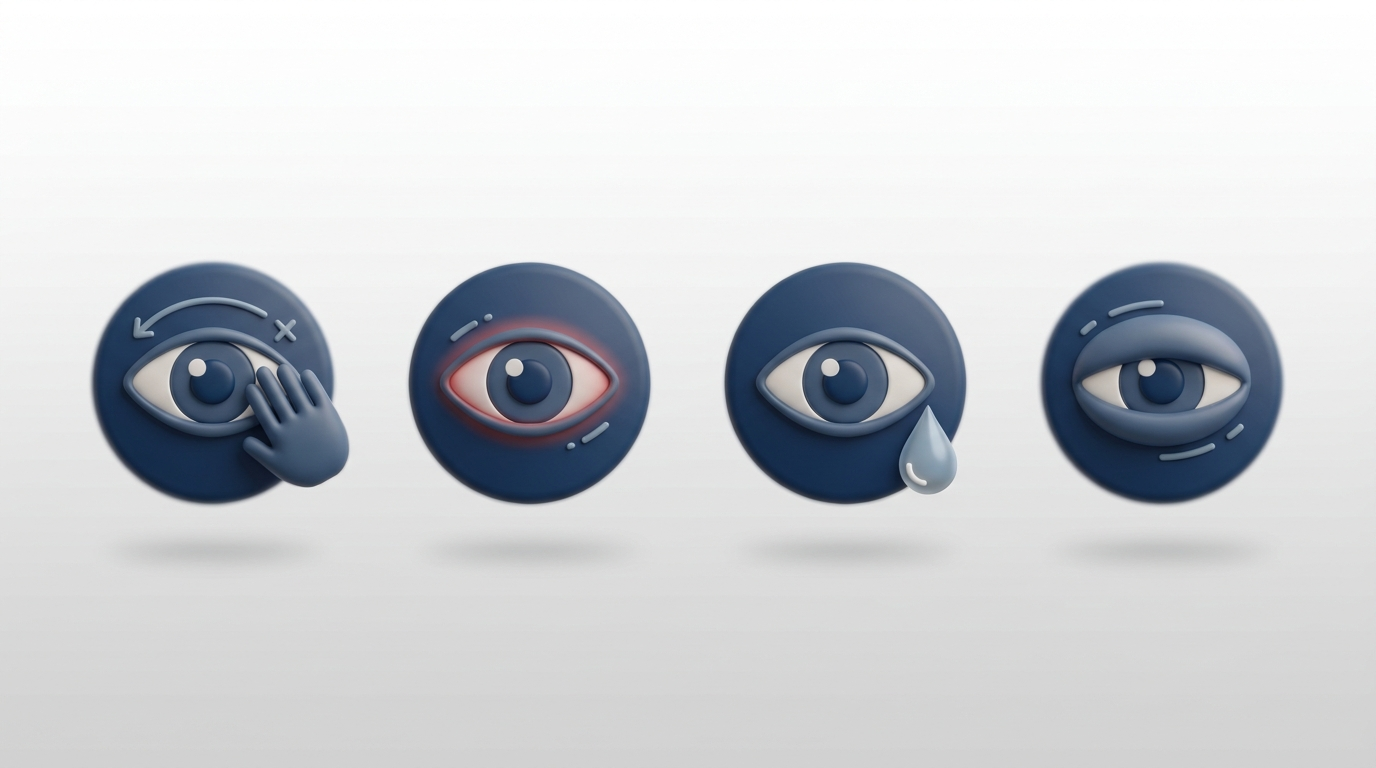
Common symptoms include:
- Itching (often the most prominent sign)
- Redness
- Watery tearing
- Swollen eyelids (puffiness)
- Burning or gritty sensation (which can overlap with dry eye)
This symptom cluster is a common reason people describe “itchy eyes from allergies,” especially during pollen seasons. (StatPearls overview: https://www.ncbi.nlm.nih.gov/books/NBK448118/)
Symptoms that suggest something other than allergies
- Thick yellow/green discharge (possible infection)
- Eye pain, significant light sensitivity, or blurred vision
- One-sided severe redness/swelling
- Contact lens wear + redness (higher risk of complications)
When to seek urgent care: vision changes, severe pain, significant light sensitivity, or rapidly worsening swelling. (StatPearls red flags: https://www.ncbi.nlm.nih.gov/books/NBK448118/)
If your symptoms don’t fit the classic allergy pattern—or include any red flags—seek prompt medical care.
Why Allergies Make Your Eyes Itch (Root Cause Explained Simply)
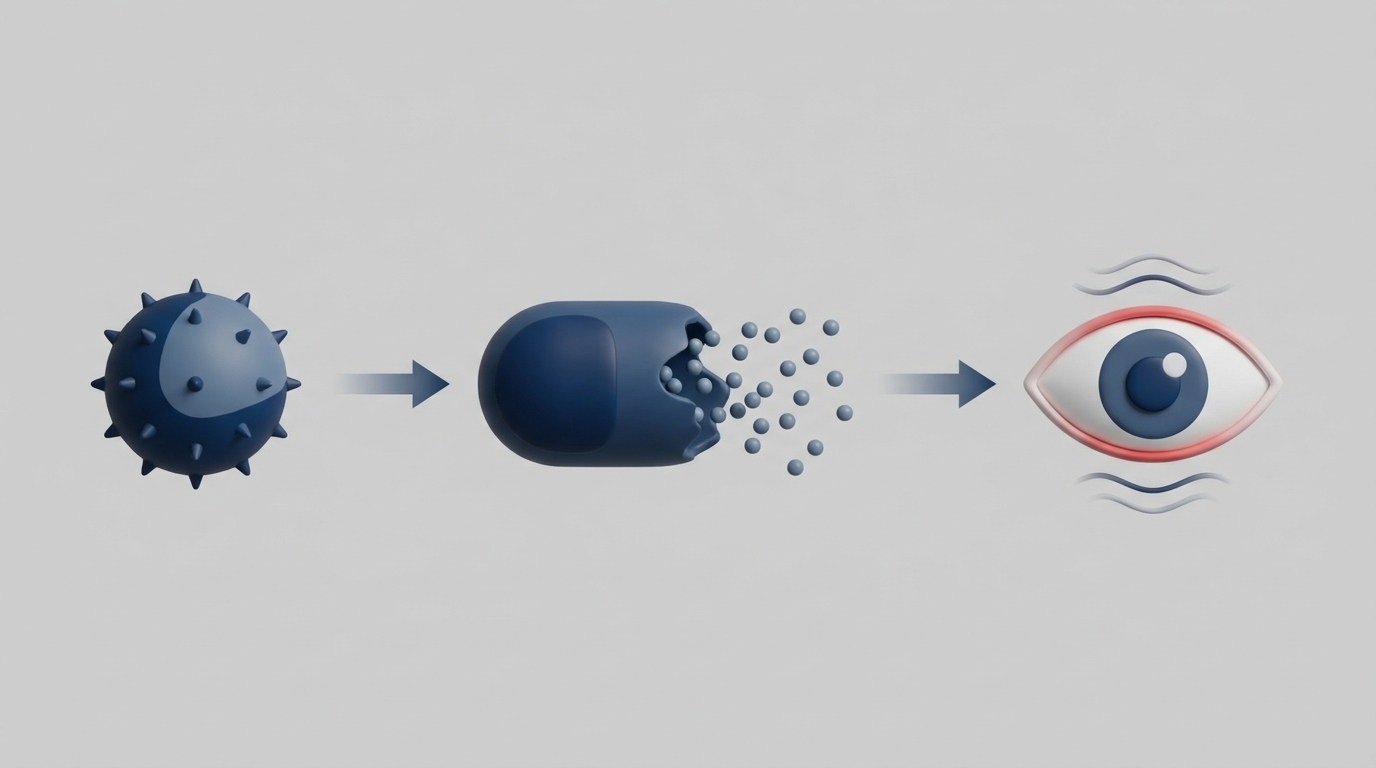
The “allergen → mast cells → histamine” chain reaction
Your eye surface (the conjunctiva) is exposed to the world all day. When allergens land on that surface, the immune system can react:
1. An allergen contacts the eye
2. Mast cells release histamine and other inflammatory chemicals
3. That cascade triggers itching, redness, swelling, and tearing
A simple way to picture this: allergens act like “unwanted visitors,” and mast cells react like overly sensitive security alarms. Once the alarm goes off (histamine and inflammation), the eye feels miserable—even if the allergen exposure was brief.
If the allergen exposure continues, symptoms can keep recurring—one reason itchy eyes from allergies can feel like a loop that never ends. (StatPearls: https://www.ncbi.nlm.nih.gov/books/NBK448118/)
Common triggers
Eye allergies are often triggered by the same things that cause nasal allergies, including:
- Pollen (trees, grass, weeds)
- Dust mites
- Pet dander
- Mold spores
ACAAI’s patient-friendly overview is here: https://acaai.org/allergies/allergic-conditions/eye-allergy/
In short: allergens land on the eye, mast cells release histamine, and the itch-redness cycle continues until exposure drops or the reaction is blocked.
The Core Problem — Eye Drops Treat the Fire, Not the Smoke Detector
Symptom relief vs. prevention
Many eye drops can temporarily reduce itching and redness, which is why they’re so appealing. But even the best drop can struggle if allergens keep landing on the eyes all day—like sitting outside during peak pollen or sleeping in a room where dust mites or pet dander are constantly present.
Longer-lasting eye allergy relief often involves more than one layer:
- Allergen avoidance (reducing exposure)
- Preventive medications (to blunt the reaction)
- Rescue medications (for breakthrough symptoms)
As one way to frame the goal: fewer flare days matter more than finding “a stronger drop.” This stepwise approach aligns with clinical overviews of allergic conjunctivitis treatment. (StatPearls: https://www.ncbi.nlm.nih.gov/books/NBK448118/)
Managing exposure plus using the right mix of preventive and rescue tools usually beats “drops only.”
The Rebound Effect — When OTC “Redness Relief” Drops Make Things Worse
What “rebound redness” (rebound vasodilation) means
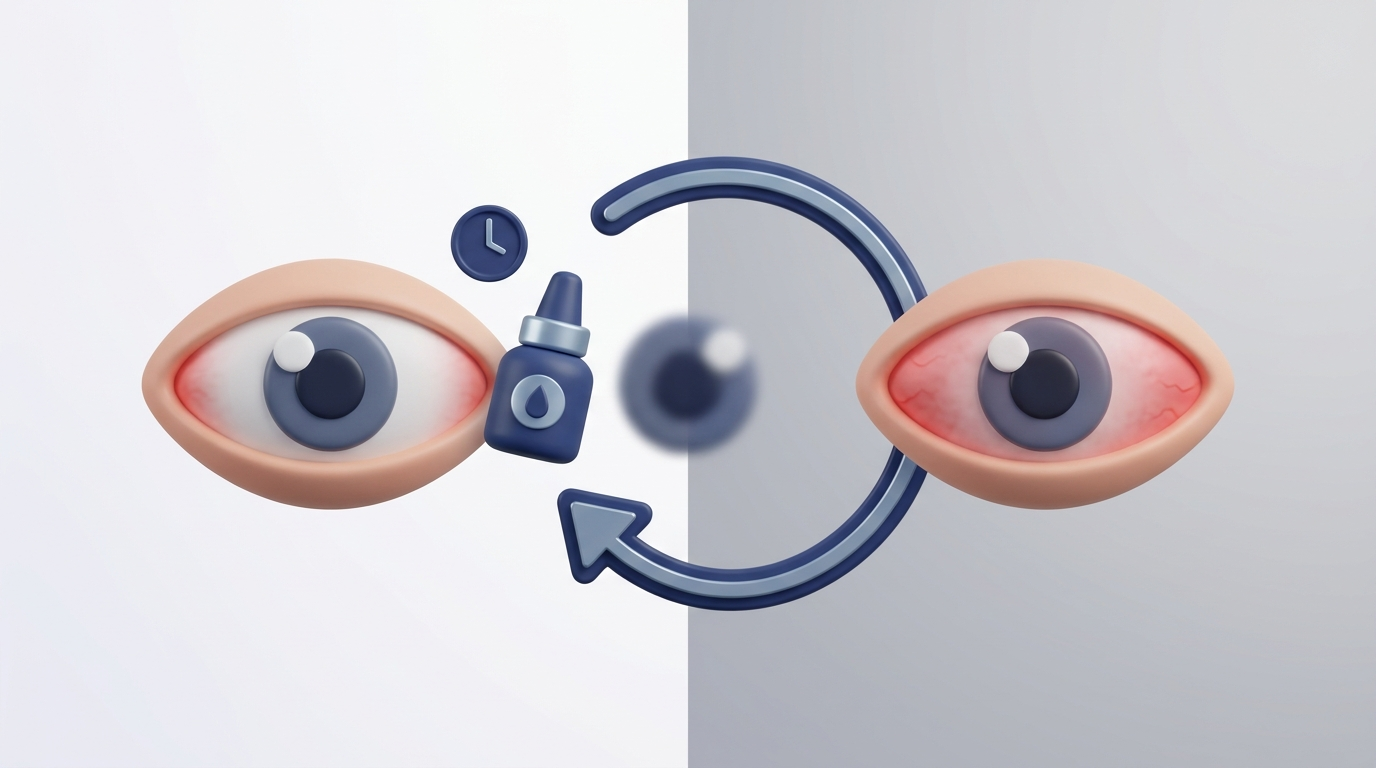
Some OTC drops marketed to “get the red out” work by constricting blood vessels (vasoconstriction). Eyes look less red quickly—but when the medication wears off, the vessels can dilate again and redness may return, sometimes worse. This is often described as rebound vasodilation or rebound redness from eye drops. A review discussing rebound phenomena with ocular decongestants is available here: https://pmc.ncbi.nlm.nih.gov/articles/PMC11233348/
How to recognize rebound redness
People often notice patterns like:
- Redness returns quickly, sometimes worse than before
- A growing sense of needing the drop multiple times per day to look “normal”
- Symptoms becoming more noticeable on days you skip the drop
Safer takeaway for patients
“Redness relief” decongestant drops may be tempting before photos, presentations, or special events, but they aren’t the same as true allergic conjunctivitis treatment. If you find you’re relying on them frequently, it’s a good sign to reassess your approach with a clinician and consider options that target allergy pathways rather than just the appearance of redness.
If you’re stuck in a redness–drop–redness loop, switch focus to allergy-targeted treatments and prevention.
Types of Eye Drops for Allergies (And What Each One Actually Does)
Antihistamine drops (fast, short-term relief)
Antihistamine eye drops are designed for quick itch control—often helpful for sudden flares. They’re commonly used when symptoms feel urgent and distracting, like the moment you step outside and your eyes start itching within minutes. Healthify’s overview of drop categories is here: https://healthify.nz/medicines-a-z/e/eye-drops-for-eye-allergies
Mast cell stabilizer drops (prevention; work best when started early)
Mast cell stabilizer eye drops focus more on prevention than immediate relief. Instead of only calming symptoms after they start, they help reduce mast cell activation that drives the allergic response—often working best when used consistently and started early in the season. (StatPearls: https://www.ncbi.nlm.nih.gov/books/NBK448118/)
Combination antihistamine + mast cell stabilizer drops (common best-of-both)
Many people do well with combination drops because they can offer:
- Faster itch relief (antihistamine effect)
- Better long-term control (mast cell stabilization)
If itchy eyes from allergies are frequent, combo drops are one reason some people finally feel steadier control rather than constant cycles of “fine one day, miserable the next.”
Lubricating/artificial tear drops (supportive care)
Artificial tears don’t “treat the allergy,” but they can help by:
- Rinsing allergens off the eye surface
- Reducing dryness and grittiness that can amplify discomfort
For frequent use, preservative-free options are often discussed because they may be gentler for repeated dosing—especially if you’re using drops multiple times per day.
Vasoconstrictor “redness relief” drops (use caution)
These are primarily cosmetic. They don’t meaningfully address the underlying allergy inflammation and carry a rebound risk with overuse. (Rebound discussion: https://pmc.ncbi.nlm.nih.gov/articles/PMC11233348/)
Prescription options for more severe cases (provider-guided)
When symptoms are more severe or persistent, clinicians may consider additional options (for example, short monitored courses of topical anti-inflammatory medications), which require follow-up monitoring due to potential side effects on eye health. (StatPearls: https://www.ncbi.nlm.nih.gov/books/NBK448118/)
Pick drops based on what they do: rescue for fast itch, preventives for stability, and avoid routine use of cosmetic redness reducers.
The “Whole-Plan” Strategy for Lasting Relief (What Works Long-Term)
Lasting relief usually combines allergen avoidance, preventive therapy, and rescue tools—plus clarity on triggers—so you have fewer flare days, not just a “stronger” drop. (StatPearls: https://www.ncbi.nlm.nih.gov/books/NBK448118/)

Step 1 — Reduce allergen exposure (lifestyle + environment)
Because eye drops can’t remove allergens from your environment, allergen avoidance is a powerful foundation.
For pollen:
- Keep windows closed during high pollen periods
- Shower/wash hair after outdoor time (pollen sticks to hair and brows)
- Change clothes after yardwork
For indoor allergens:
- Wash bedding regularly (hot wash when appropriate)
- Consider dust mite covers for pillows/mattress
- Keep pets out of the bedroom if you’re sensitized
- Manage humidity to reduce mold
ACAAI offers practical strategies here: https://acaai.org/allergies/allergic-conditions/eye-allergy/
Step 2 — Treat the nose to help the eyes (the “one airway” concept)
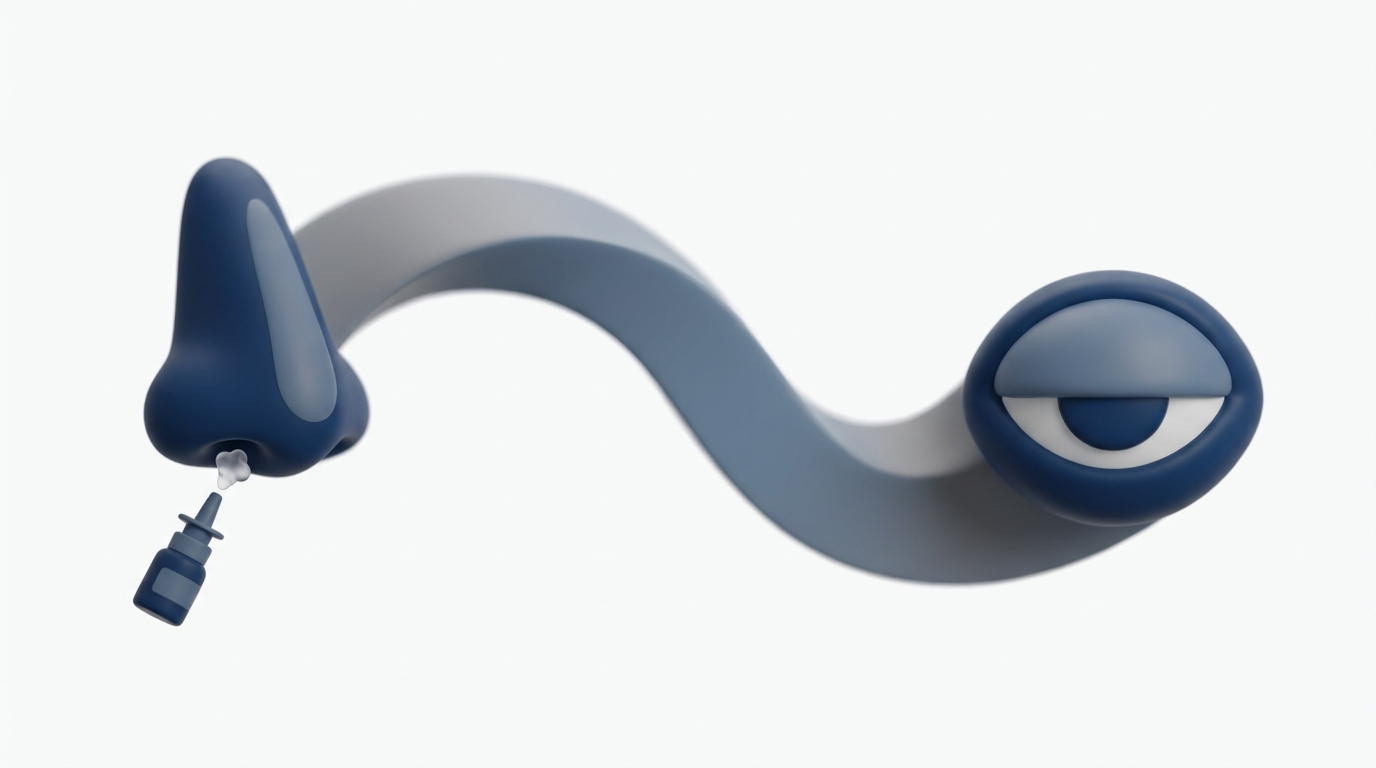
Eye symptoms and nasal symptoms often travel together. If you also deal with congestion, sneezing, or post-nasal drip, improving nasal control can reduce overall allergy burden and may reduce eye flares. Learn more about coordinated care for nasal symptoms here: https://sleepandsinuscenters.com/treating-chronic-rhinitis.
Step 3 — Use preventive + rescue meds in combination (not “one product forever”)
A patient-friendly framework many people discuss with their clinician looks like:
- During allergy season (prevention): a mast cell stabilizer or combo drop used consistently
- Breakthrough days: antihistamine drops as needed + artificial tears to rinse allergens
- Ongoing moderate/severe symptoms: consider whether nasal and/or systemic treatments and trigger identification are needed
This kind of layered plan is often more effective than cycling through random OTC bottles when itchy eyes from allergies keep returning. (StatPearls: https://www.ncbi.nlm.nih.gov/books/NBK448118/)
Step 4 — Consider allergy testing and immunotherapy when symptoms keep coming back
If you don’t know what’s triggering symptoms, avoidance becomes guesswork. Testing can help identify whether pollen, pet dander, dust mites, mold, or multiple triggers are driving your symptoms. Sleep and Sinus Centers of Georgia offers testing options here: https://sleepandsinuscenters.com/allergy-testing.
For some people with recurring symptoms or frequent reliance on medication, immunotherapy is another long-term option to discuss. A helpful comparison is here: https://sleepandsinuscenters.com/allergy-drops-vs-allergy-shots. (ACAAI overview: https://acaai.org/allergies/allergic-conditions/eye-allergy/)
A whole-plan strategy—avoidance, preventive therapy, rescue tools, and trigger clarity—delivers more stable relief than drops alone.
When Eye Drops Aren’t Working — Common Reasons (And Fixes)
Wrong diagnosis (not allergies)
Dry eye disease, infection, blepharitis, and irritant exposure can mimic allergy symptoms. (StatPearls differential: https://www.ncbi.nlm.nih.gov/books/NBK448118/) A common real-life example: someone treats “allergies” for weeks, but the main issue is dry eye plus screen time—so itching and grittiness never fully resolve.
Wrong drop type (treating redness instead of allergy inflammation)
Relying on vasoconstrictor “get-the-red-out” drops may reduce visible redness but won’t address allergic inflammation—and may trigger rebound redness patterns. (PMC review: https://pmc.ncbi.nlm.nih.gov/articles/PMC11233348/)
Not using preventive drops early enough
Mast cell stabilizers often perform better when started before peak season and used consistently, rather than only after symptoms are severe. (StatPearls: https://www.ncbi.nlm.nih.gov/books/NBK448118/)
Ongoing exposure overwhelms the drops
If your bedroom has dust mites or pet dander, you may wake up symptomatic. If pollen is high, outdoor exposure can overwhelm symptom-only approaches. A patient-focused discussion of why drops may miss the mark is here: https://www.dulyhealthandcare.com/health-topic/why-arent-my-eye-drops-working
If drops aren’t working, rethink the diagnosis, the drop category, the timing, and the level of ongoing exposure.
Treatment Options Your Clinician May Add (Beyond Eye Drops)
Oral antihistamines (pros/cons)
Oral antihistamines may help multi-site symptoms (sneezing, itching, watery eyes). However, some people notice increased dryness, which can matter if dry eye is also part of the picture.
Nasal steroid sprays / allergy nasal regimens
Nasal sprays and structured rhinitis care can be central for people whose eyes and nose flare together—another reason “eyes-only” treatment sometimes falls short.
Allergen immunotherapy (shots or drops)
Immunotherapy is a longer-term strategy that may reduce sensitivity over time for selected patients. It usually requires commitment over months to years, so it’s typically discussed when symptoms are recurring or hard to control with routine measures. (ACAAI: https://acaai.org/allergies/allergic-conditions/eye-allergy/)
For stubborn symptoms, broader allergy care—especially nasal therapy and immunotherapy—can lighten the load on your eyes.
Practical Lifestyle Tips for Eye Allergy Relief (Quick, Patient-Friendly)
“Do this today” tips
- Cold compress for swelling/itch
- Artificial tears to rinse allergens (preservative-free may be preferred for frequent use)
- Avoid rubbing your eyes (rubbing can worsen inflammation)
“Do this this week” home adjustments
- Set a bedding wash routine
- Improve cleaning/filtration habits
- Establish pet boundaries—especially in the bedroom if you’re sensitive
Contact lens users: extra precautions
Contacts can trap allergens and worsen discomfort during flares. Some people do better switching to glasses temporarily and asking their eye care provider about lens-safe drop options.
Small daily habits that remove allergens and reduce irritation can noticeably cut symptom days.
FAQs (SEO-Friendly)
Are itchy eyes always allergies?
Not always. Dry eye, infection, irritants, and eyelid inflammation can look similar. (StatPearls: https://www.ncbi.nlm.nih.gov/books/NBK448118/)
Can I use “redness relief” drops every day?
Frequent long-term use isn’t generally recommended due to the risk of rebound redness patterns. (PMC review: https://pmc.ncbi.nlm.nih.gov/articles/PMC11233348/)
What eye drops work best for fast relief?
Many people use antihistamine drops for quick itch relief. Combination drops (antihistamine + mast cell stabilizer) may help both fast symptom control and longer-term stability. (Healthify: https://healthify.nz/medicines-a-z/e/eye-drops-for-eye-allergies)
Should I treat my nose if my main issue is my eyes?
Often, yes—especially if you also have congestion, sneezing, or post-nasal drip. Coordinated rhinitis care can reduce overall flares. Explore options here: https://sleepandsinuscenters.com/treating-chronic-rhinitis.
When should I see a specialist?
Consider evaluation if symptoms are persistent, recur every season, require daily drops for weeks, or triggers are unclear (testing can help). Learn about testing here: https://sleepandsinuscenters.com/allergy-testing.
When to See a Doctor Urgently (Safety Section)
Seek urgent evaluation for:
- Eye pain, light sensitivity, or vision change
- Severe swelling (especially if mainly one eye)
- Redness with contact lens use
- Thick discharge or fever (possible infection)
(StatPearls: https://www.ncbi.nlm.nih.gov/books/NBK448118/)
Don’t wait on urgent symptoms—prompt care protects your vision.
Conclusion — A Better Path to Lasting Relief
Eye drops can be a helpful part of managing itchy eyes from allergies, but they’re rarely the whole solution. Lasting relief usually comes from a plan that combines trigger reduction, the right category of drops (not just cosmetic redness reducers), and—when needed—broader allergy management. Avoiding a cycle of rebound redness from decongestant eye drops is another reason it’s worth choosing products carefully and focusing on prevention.
If you’re relying on drops daily, symptoms keep returning each season, or you’re not sure what’s triggering your itchy eyes from allergies, consider scheduling an evaluation with Sleep and Sinus Centers of Georgia to discuss testing and a longer-term strategy. To book an appointment, visit https://www.sleepandsinuscenters.com/.
Treat the cause, not just the redness—and your eyes will thank you long-term.
This article is for educational purposes only and is not medical advice. Please consult a qualified healthcare provider for diagnosis and treatment.
If you have severe symptoms, vision changes, significant pain, or urgent concerns, seek prompt medical care.
Don’t let allergies slow you down. Schedule a comprehensive ENT and allergy evaluation at Sleep and Sinus Centers of Georgia. We’re here to find your triggers and guide you toward lasting relief.