High AHI on CPAP: Why It Happens and How to Fix It
If your CPAP screen says you’re still having 10+ breathing events per hour, it’s easy to feel like therapy isn’t working—or like you’re doing something wrong. The good news: a high AHI on CPAP usually points to something actionable, like mask leaks, back-sleeping, or pressure settings that don’t quite match your needs. In other words, it’s often a signal, not a failure.
In some cases, though, persistent residual events can be a clue that a different breathing pattern—such as central events—needs a clinician’s attention. That’s why it helps to troubleshoot in a structured way rather than making random changes night to night.
In this guide, you’ll learn what AHI means on CPAP, what a “good” number often looks like, symptoms that matter, the most common reasons CPAP AHI is too high, and a step-by-step path to fix it. We’ll also cover when it’s time to schedule a therapy review with Sleep and Sinus Centers of Georgia.
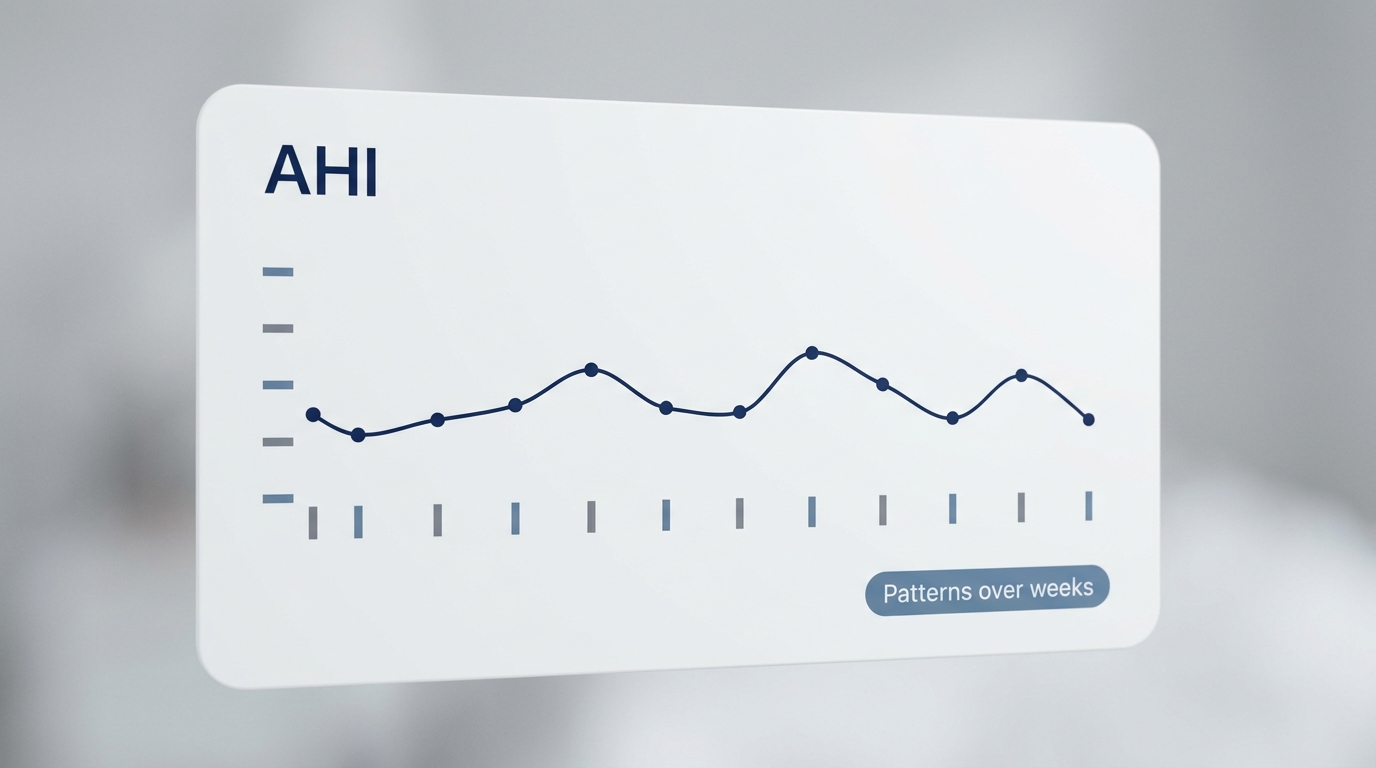
AHI can legitimately change from night to night due to sleep stage, sleep position, congestion, alcohol, and other factors—so it’s important to think in patterns, not single-night spikes. Sources: https://www.resmed.com/en-us/sleep-health/blog/why-does-my-apnea-hypopnea-index-ahi-change/ and https://shop.aeroflowsleep.com/blog/what-does-ahi-mean
Bottom line: treat high AHI as useful feedback, and look for recurring patterns rather than reacting to one rough night.
What AHI Means on CPAP (and What It Doesn’t)
AHI definition in plain language
AHI stands for Apnea-Hypopnea Index—the number of breathing interruptions per hour. On CPAP, the machine estimates how many apneas (pauses in breathing) and hypopneas (partial reductions in airflow) occur while the machine is running. It’s a therapy tracking metric, not a judgment of your effort.
Here’s the practical idea: CPAP pressure helps keep your airway open. If your airway still partially collapses—or if leaks reduce effective pressure—your device may record more events, and AHI can rise.
AHI can vary from night to night for common reasons, including:
- Sleep stage shifts (like more REM sleep)
- Sleeping position (back vs. side)
- Nasal congestion or allergies
- Alcohol use
- Mask or mouth leaks
More on why AHI fluctuates: https://www.resmed.com/en-us/sleep-health/blog/why-does-my-apnea-hypopnea-index-ahi-change/ and https://shop.aeroflowsleep.com/blog/what-does-ahi-mean
For a deeper explanation of AHI ranges and severity: https://sleepandsinuscenters.com/blog/ahi-score-explained-understanding-your-sleep-apnea-severity
What’s a “good” AHI score on CPAP?
Many CPAP users aim for an AHI under 5 as a common therapy target, though the “right” goal can vary based on your medical history. Just as importantly, “good” therapy is also about how you feel—energy, morning headaches, blood pressure trends, and daytime alertness. Typical targets discussed here: https://www.cpap.com/blogs/cpap-therapy/good-ahi-score
A practical way to think about it: numbers and symptoms should agree. If your AHI is improving and you feel better, you’re likely moving in the right direction. If your AHI looks “okay” but symptoms persist, it may still be worth reviewing the data.
Important limitation: CPAP-reported AHI isn’t identical to a lab sleep study
Your machine’s AHI is extremely useful for trends, but it’s not the same as a full sleep study that measures brain waves, oxygen levels, sleep stages, and effort belts. Devices use airflow and pressure signals to estimate events—so it’s best to watch patterns over a couple of weeks rather than panic over one rough night.
Use CPAP AHI to spot trends, and let symptoms and clinician guidance set your goals.
Symptoms That May Suggest Your CPAP Therapy Isn’t Fully Working
AHI is helpful, but symptoms help you decide how urgent it is to troubleshoot or schedule a review—especially if high AHI on CPAP matches how you feel.
Nighttime clues
- Snoring while using CPAP
- Waking up gasping or choking
- Frequent awakenings or restless sleep
- Dry mouth (often linked to mouth leak)
Dry mouth can be a strong hint that mouth leak is reducing effective pressure. If that sounds familiar, start here: https://sleepandsinuscenters.com/blog/effective-cpap-mouth-leak-fixes-top-solutions-for-better-therapy
Daytime clues
- Morning headaches
- Excessive daytime sleepiness or “brain fog”
- Mood changes/irritability
- High blood pressure that isn’t improving over time
When symptoms + high AHI is more concerning
Consider prompt medical evaluation if you have significant sleepiness while driving or at work, or any new chest discomfort, severe shortness of breath, fainting, confusion, or neurologic symptoms.
When in doubt, let symptoms guide how quickly you seek a data review.
The Most Common Causes of High AHI on CPAP
A consistent pattern of high AHI often points to something specific and fixable—pressure, leaks, position, or event type.
Minimum pressure is set too low (especially on APAP)
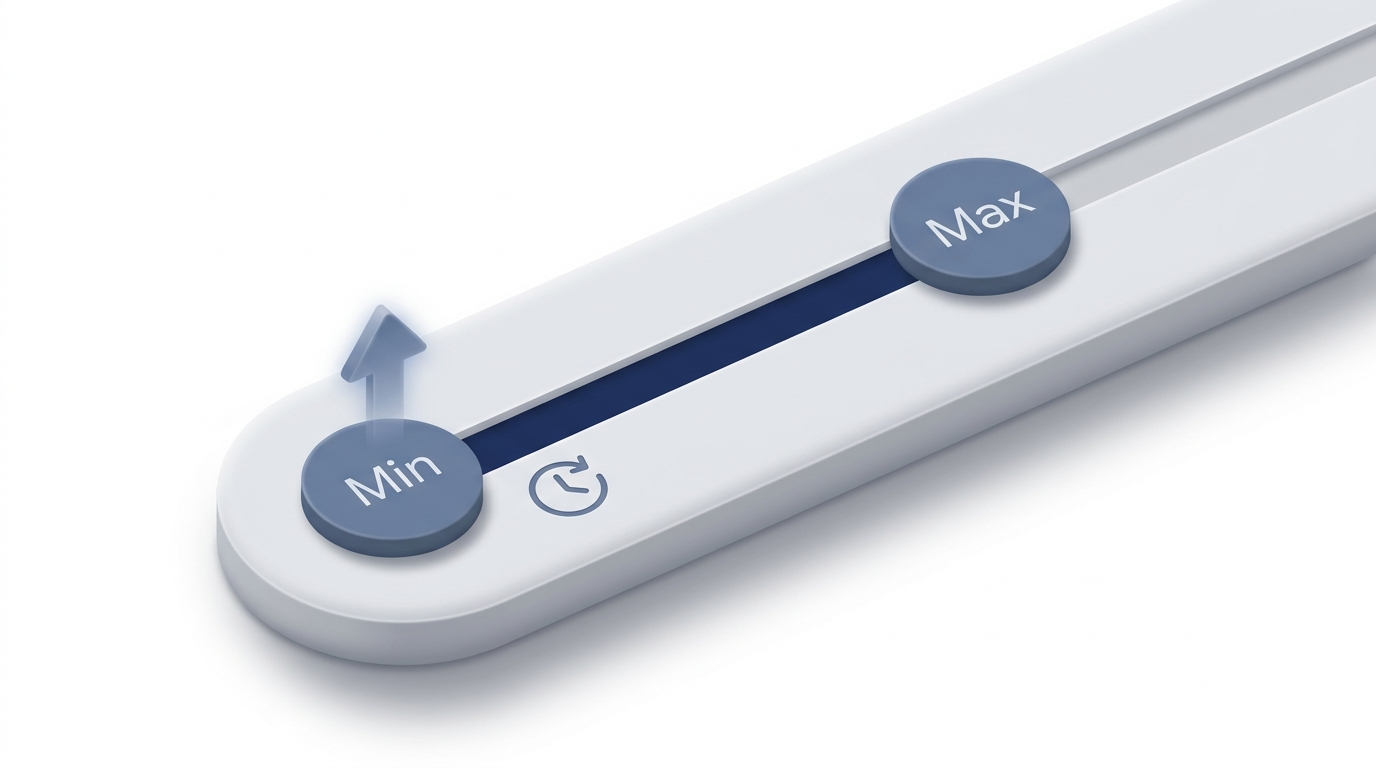
With APAP, the machine can increase pressure when it senses obstruction—but if the minimum pressure starts too low, events may occur before the device “catches up.” For many people, the minimum pressure has a bigger impact than the maximum pressure.
This is a common reason people see CPAP AHI too high even with consistent use. More on factors and strategies: https://www.thecpapshop.com/blog/how-to-improve-your-ahi-score-overnight/ and https://www.resmed.com/en-us/sleep-health/blog/why-does-my-apnea-hypopnea-index-ahi-change/
For a safety-first overview of pressure adjustments: https://sleepandsinuscenters.com/blog/how-to-adjust-cpap-pressure-step-by-step-guide-for-safe-effective-therapy
Mask leaks (or mouth leaks) reduce effective therapy
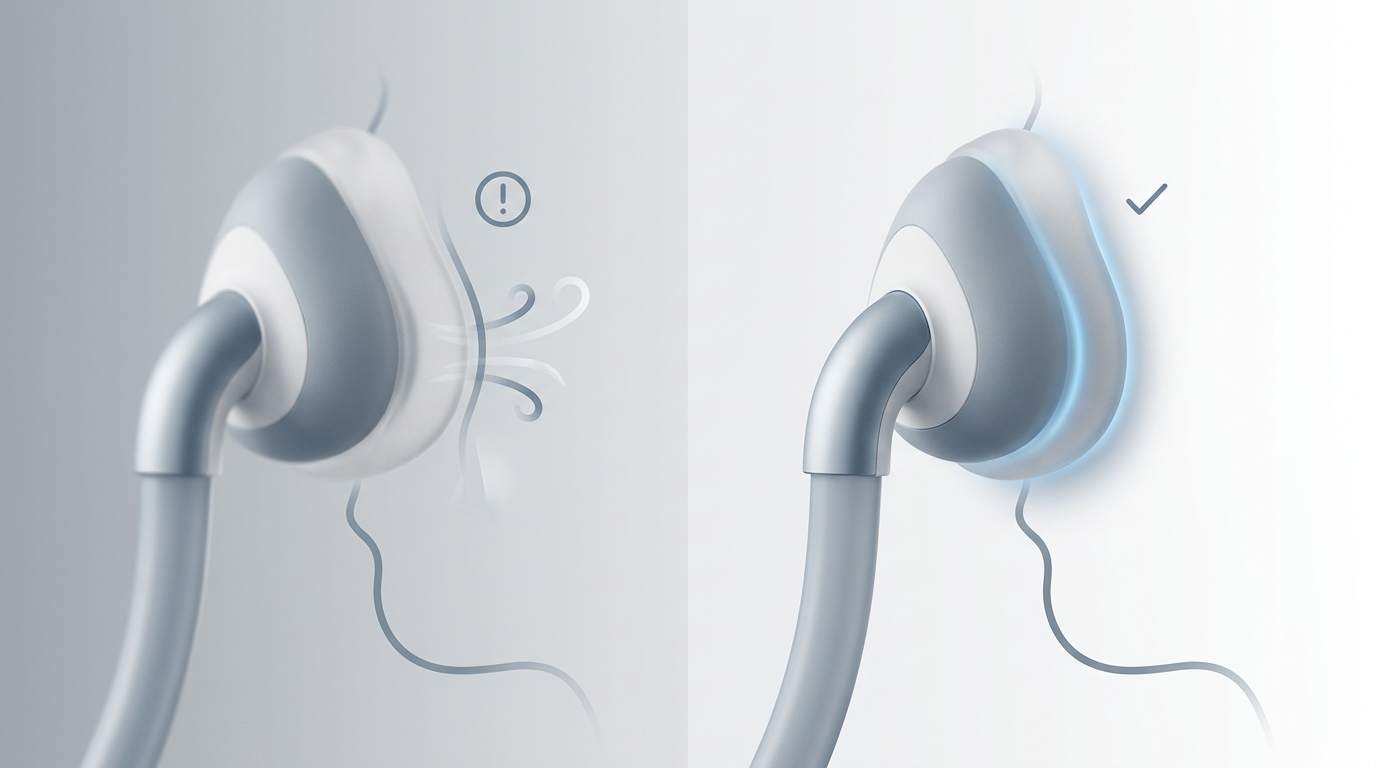
Leaks can make it harder for your device to maintain stable pressure—especially during deeper sleep or when you roll onto your back. Leaks may also interfere with accurate detection, which is why “mask leak AHI” is such a common troubleshooting topic.
Common causes include:
- Wrong mask size or style
- Worn cushion/pillows
- Straps that are too loose (or too tight)
- Changes in facial hair or skin oils
- Hose tugging when you turn over
Leak control tips: https://www.thecpapshop.com/blog/how-to-improve-your-ahi-score-overnight/
If you suspect leaking, start here: https://sleepandsinuscenters.com/blog/mask-leak-solutions-quick-fixes-to-stop-air-leaks
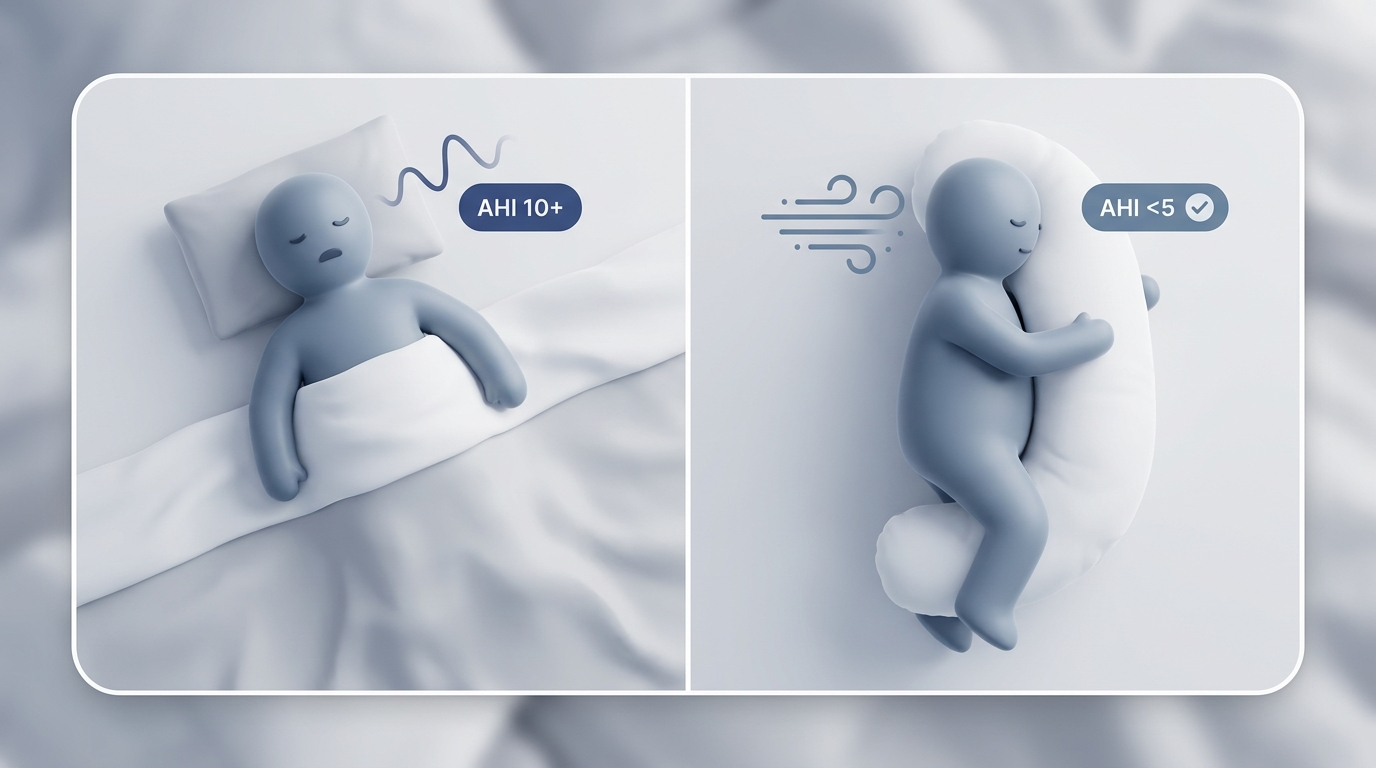
Positional sleep apnea (back-sleeping)
Many people have worse obstruction when sleeping on their back. If your AHI looks great some nights and jumps on others, positional sleep apnea may be part of the story—especially if you also notice more leaks or mouth breathing on your back. More on position and AHI: https://www.resmed.com/en-us/sleep-health/blog/why-does-my-apnea-hypopnea-index-ahi-change/
Alcohol or sedatives before bed
Alcohol can relax upper-airway muscles and worsen obstruction. It can also fragment sleep and destabilize breathing patterns. If you notice higher AHI after evenings with alcohol (or certain sedating medications), bring it up during your next therapy review. References: https://www.resmed.com/en-us/sleep-health/blog/why-does-my-apnea-hypopnea-index-ahi-change/ and https://www.thecpapshop.com/blog/how-to-improve-your-ahi-score-overnight/
Weight changes, nasal congestion, or untreated nasal obstruction
Pressure needs can change over time. Weight changes may alter obstruction risk, and nasal congestion can push you toward mouth breathing—often increasing leaks and dryness. Allergies, chronic rhinitis, and structural issues (like a deviated septum) can also affect comfort and CPAP effectiveness.
Central sleep apnea or complex sleep apnea
CPAP is designed primarily for obstructive sleep apnea. If your AHI remains elevated despite good mask fit and adequate pressure, your clinician may want to review the breakdown of events—especially if central events are prominent. Central sleep apnea can require a different approach than simply raising pressures. More context: https://www.resmed.com/en-us/sleep-health/blog/why-does-my-apnea-hypopnea-index-ahi-change/
A consistent pattern of high AHI often points to a specific fixable cause—leaks, pressure, position, or event type.
How to Fix High AHI on CPAP (Step-by-Step Troubleshooting)
Step 1 — Confirm you’re getting enough nightly use
If you only wear CPAP for a few hours, you may still be having untreated events for the rest of the night. Check your device’s nightly usage alongside AHI.
Step 2 — Address leaks first (often the easiest win)
Refit the mask lying down with pressure running, replace worn cushions, consider mouth-leak strategies with clinician guidance, and manage hose routing. Tips: https://www.thecpapshop.com/blog/how-to-improve-your-ahi-score-overnight/
Step 3 — Talk to your provider about pressure settings (don’t self-adjust blindly)
If leaks are controlled and usage is solid, pressure—especially APAP minimum—may be the next lever. References: https://www.thecpapshop.com/blog/how-to-improve-your-ahi-score-overnight/ and https://www.cpap.com/blogs/cpap-therapy/good-ahi-score
Step 4 — Try positional strategies (especially if AHI spikes on your back)
Use a body pillow, wedges, simple positional training (like the tennis ball method), and check pillow height. Position is a major reason AHI changes: https://www.resmed.com/en-us/sleep-health/blog/why-does-my-apnea-hypopnea-index-ahi-change/
Step 5 — Make lifestyle tweaks that can lower events over time
Avoid alcohol near bedtime, pursue regular activity, manage weight when appropriate, and keep a consistent sleep schedule. References: https://www.resmed.com/en-us/sleep-health/blog/why-does-my-apnea-hypopnea-index-ahi-change/ and https://www.thecpapshop.com/blog/how-to-improve-your-ahi-score-overnight/
Step 6 — If centrals are suspected, ask for a clinical review (don’t “crank up” pressure)
Ask your team to review full device data, consider repeat studies, or different therapy modes when appropriate.
Work through leaks, pressure, position, and habits systematically—and loop in your clinician early if numbers stay high.
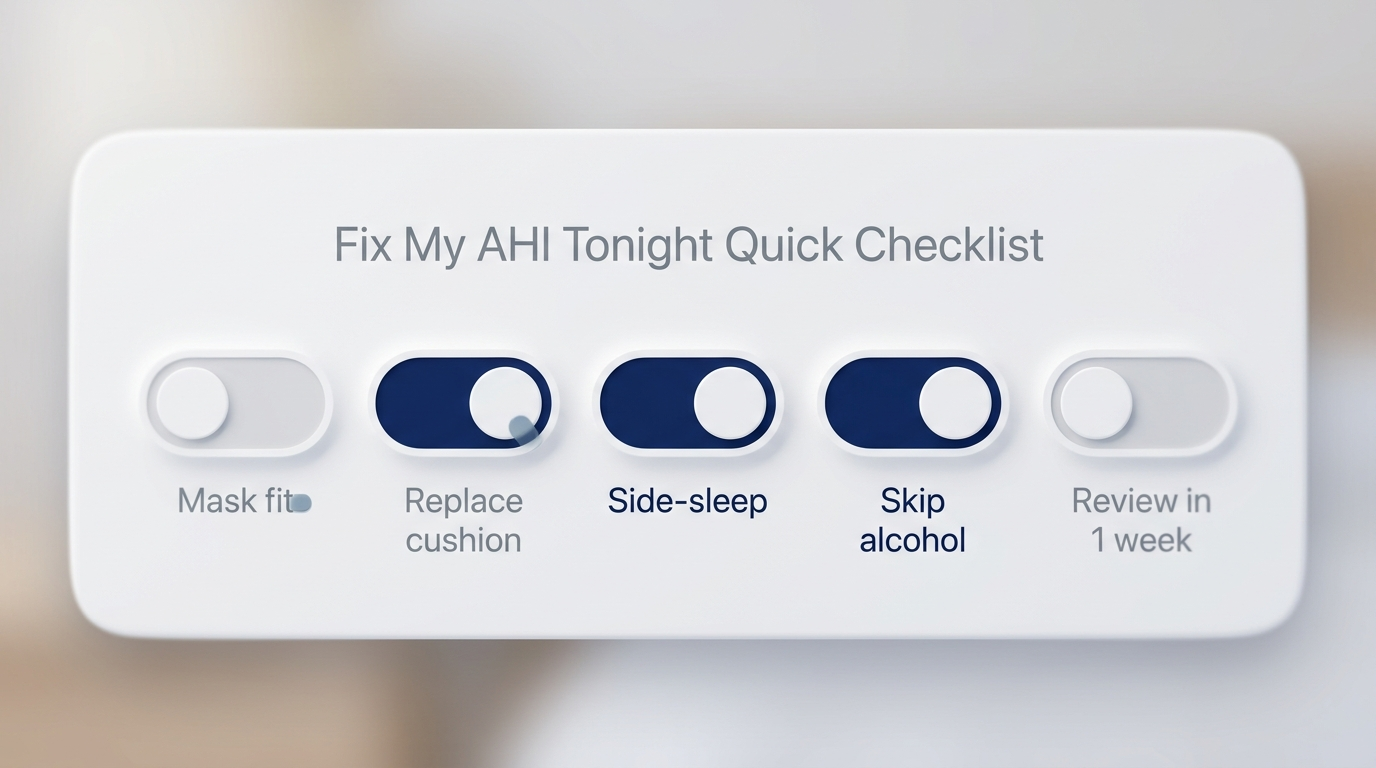
“Fix My AHI Tonight” Checklist (Patient-Friendly Summary)
These are general strategies—if problems persist, contact your provider rather than continuing to self-troubleshoot indefinitely.
- Re-seat your mask and check straps while lying down
- Clean or replace components if overdue
- Use mouth-leak strategies if dry mouth is a pattern
- Aim for side-sleeping
- Skip alcohol/sedatives near bedtime (discuss prescribed meds with your clinician)
- If AHI stays high for a week, schedule a CPAP review appointment
Strategies align with guidance on improving results and understanding nightly variability: https://www.thecpapshop.com/blog/how-to-improve-your-ahi-score-overnight/ and https://www.resmed.com/en-us/sleep-health/blog/why-does-my-apnea-hypopnea-index-ahi-change/
A simple reset night can help—but give it a week of steady habits before judging results.
When to Call Your Sleep Doctor (or ENT) About High AHI
Call soon (within days to weeks) if:
- Many clinicians consider an AHI consistently above about 5 worth discussing at a follow-up (your personal target may differ—ask your provider)
- Daytime sleepiness, headaches, or brain fog continue
- You suspect pressure is too low or your mask isn’t a good match
Call urgently if:
- You’re dangerously sleepy while driving or at work
- You have worsening breathing issues, chest pain, fainting, confusion, or other severe symptoms
- You develop any concerning neurologic symptoms
When safety is at stake, seek care right away—don’t wait for numbers to improve on their own.
FAQs About High AHI on CPAP
Why is my AHI higher some nights than others? Position, REM sleep, congestion, alcohol, and mask leak are common causes of night-to-night changes. More: https://www.resmed.com/en-us/sleep-health/blog/why-does-my-apnea-hypopnea-index-ahi-change/
Is an AHI of 5–10 on CPAP “bad”? Not necessarily—but it often suggests incomplete control that may improve with mask optimization, pressure adjustments, or addressing positional factors. Typical targets: https://www.cpap.com/blogs/cpap-therapy/good-ahi-score
Can mask leaks cause a falsely high AHI? Leaks can reduce effective pressure and may affect event detection—so yes, leaks can contribute to higher reported AHI and poorer therapy quality. https://www.thecpapshop.com/blog/how-to-improve-your-ahi-score-overnight/
Should I increase my CPAP pressure myself? In general, pressure changes are best handled with clinician guidance and a data review—especially with persistent residual events or possible central events.
Could this mean I have central sleep apnea? Possibly. If leak and pressure issues are addressed and events remain high—particularly if device data suggests central events—ask for a clinical review. https://www.resmed.com/en-us/sleep-health/blog/why-does-my-apnea-hypopnea-index-ahi-change/
Conclusion: High AHI Is a Signal—And It’s Often Fixable
Seeing a high AHI on CPAP can be discouraging, but it’s often a sign of something practical: a leak that needs attention, a minimum pressure that’s too low, or a pattern of back-sleeping. And when it’s not one of those, it may be a useful clue that your clinician should take a closer look at event types and treatment approach.
If your CPAP AHI is too high for more than a week—or you’re still tired despite consistent use—schedule a CPAP data review with Sleep and Sinus Centers of Georgia: https://www.sleepandsinuscenters.com/
With a structured approach and clinician support, most CPAP users can bring residual AHI down and feel better.
Medical disclaimer
This article is for educational purposes only and is not medical advice. Please consult a qualified healthcare provider for diagnosis and treatment. Do not change prescribed CPAP settings or medications without guidance from your sleep clinician.
Don’t let allergies slow you down. Schedule a comprehensive ENT and allergy evaluation at Sleep and Sinus Centers of Georgia. We’re here to find your triggers and guide you toward lasting relief.