Four Sinus Cavities Explained: Functions of Each Sinus Cavity
Introduction—What are sinus cavities, and why do they matter?
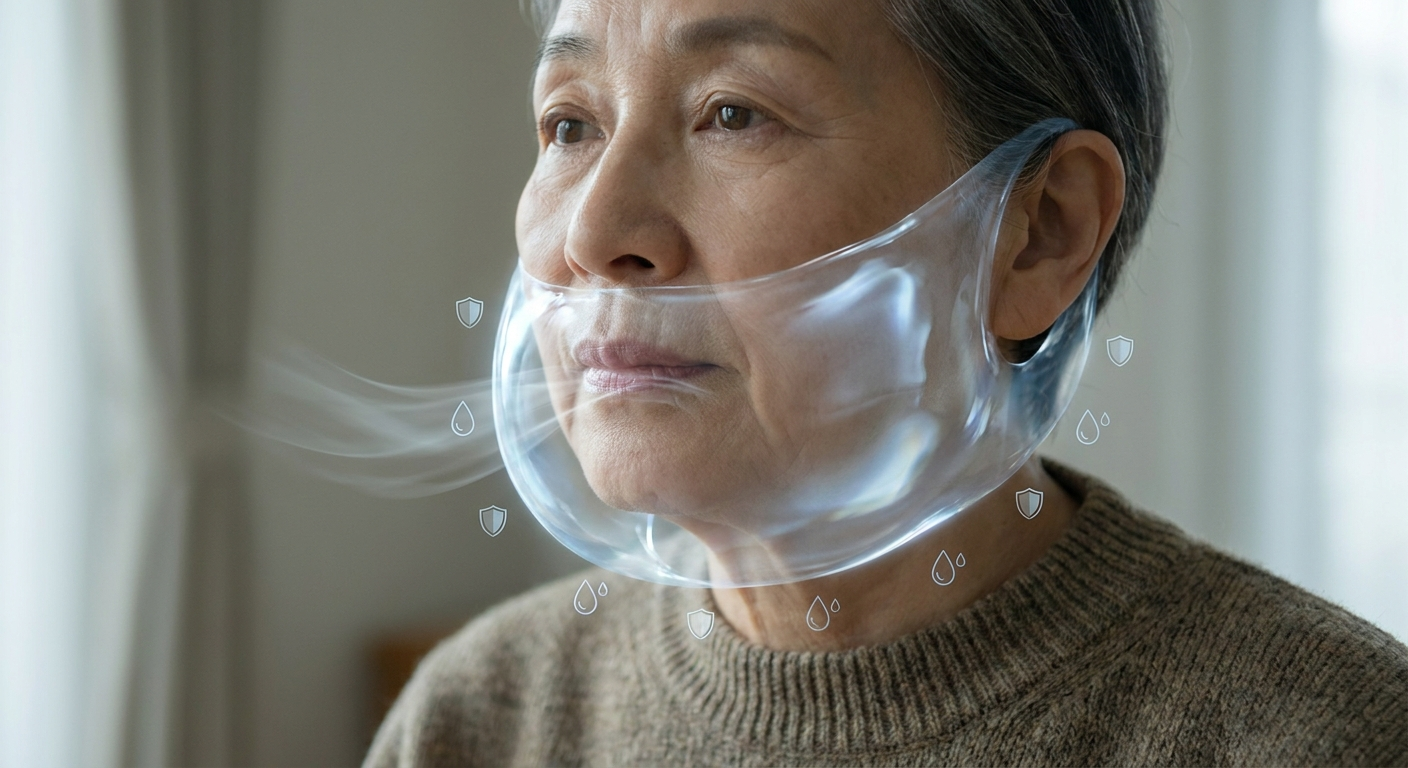
Your sinus cavities (paranasal sinuses) are air-filled spaces in the bones around your nose that connect to the nasal cavity. They’re part of the “plumbing and airflow” system of your upper airway—helping manage moisture, mucus flow, and how air moves through your nose. Source: https://my.clevelandclinic.org/health/body/paranasal-sinuses
A practical way to picture them: your nose is the “main hallway,” and the sinuses are side rooms that open into it. When those side rooms are open and draining normally, you usually don’t notice them. When their openings swell shut—like a door that won’t open—pressure, congestion, and thick drainage are much easier to feel.
In this guide, you’ll learn:
- Where each sinus is located
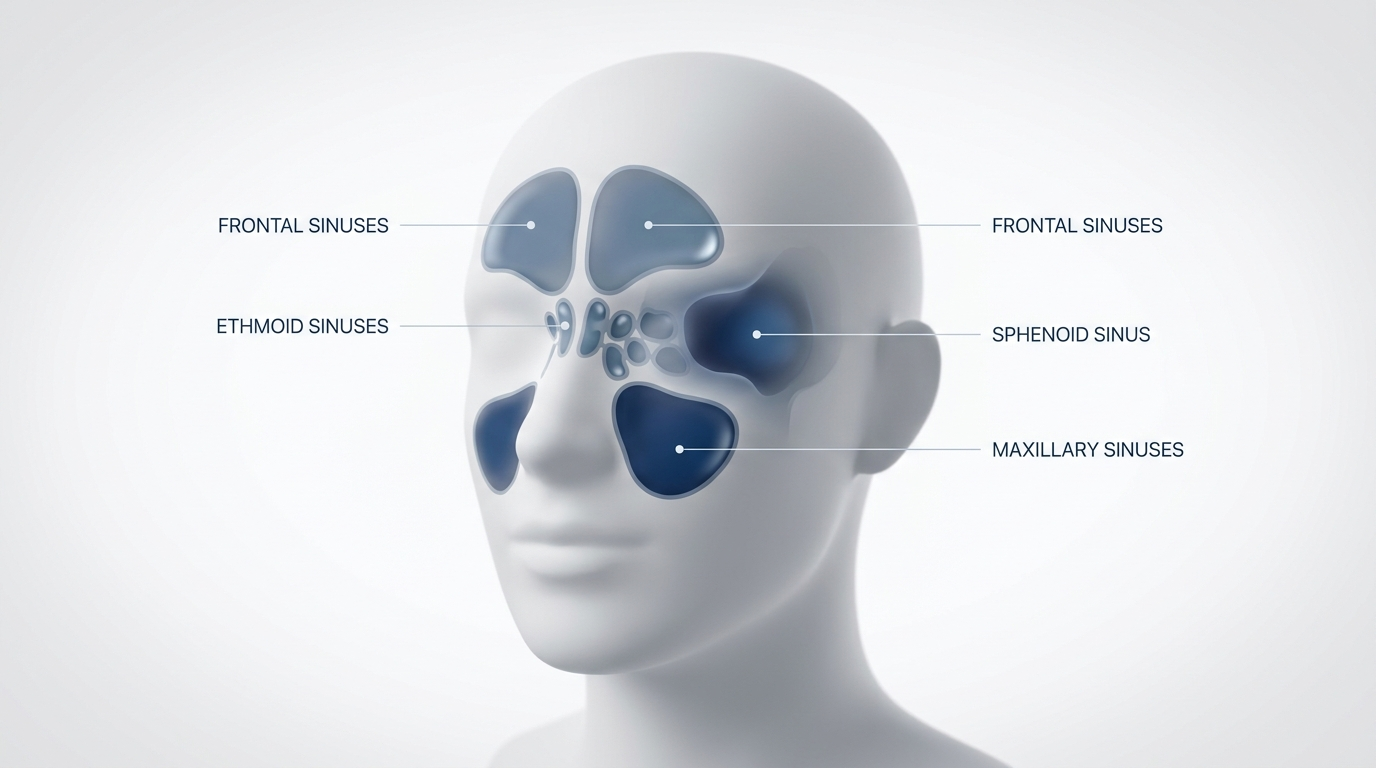
- What each one does (including maxillary sinus function, ethmoid sinus function, sphenoid sinus function, and frontal sinus function)
- Common sinus cavity symptoms when inflammation or infection disrupts normal drainage
In short: healthy, open sinus “side rooms” keep airflow and drainage running smoothly.
Quick overview—The four pairs of paranasal sinuses (at a glance)
The “4 sinus cavities” list
- Maxillary sinuses (cheek area)
- Ethmoid sinuses (between the eyes)
- Sphenoid sinuses (deep behind the nose)
- Frontal sinuses (forehead)
Overview source: https://my.clevelandclinic.org/health/body/paranasal-sinuses
Simple table (highly skimmable)
Maxillary — Where you feel it: Cheeks / upper teeth; Main jobs: Mucus production, resonance, lighter skull; possible local defense support; Common symptoms when inflamed: Cheek pressure, upper tooth pain, one-sided facial pressure
Ethmoid — Where you feel it: Between eyes / bridge of nose; Main jobs: Supports mucociliary clearance and moisture in upper nasal passages; Common symptoms when inflamed: Between-the-eyes pressure, congestion, reduced smell
Sphenoid — Where you feel it: Deep behind nose / behind eyes; Main jobs: Produces mucus and participates in shared drainage pathways; Common symptoms when inflamed: Deep headache, behind-eye pressure, postnasal drip
Frontal — Where you feel it: Forehead (above eyes); Main jobs: May aid air “conditioning” (warming/humidifying) and resonance; Common symptoms when inflamed: Forehead pressure/tenderness, headache worse bending forward
Note: The precise function of the paranasal sinuses is still debated among researchers; the functions listed reflect commonly cited theories.
Big picture: all four pairs share overlapping roles—location mainly changes how symptoms feel, not the core functions.
Shared functions—What all sinus cavities do together
Even though each sinus has its own location and “feel,” your sinus cavities work as a connected system. That’s why symptoms can overlap: one area may be more irritated, but the whole network still shares airflow and drainage pathways. Research on exactly why we have sinuses is ongoing, but several shared roles are well described.
1) Produce mucus to protect and moisturize
The lining of the sinuses produces mucus, which helps keep tissues moist and can help trap dust, allergens, and germs so they can be moved out through normal drainage pathways. Source: https://my.clevelandclinic.org/health/body/paranasal-sinuses
2) Help condition incoming air
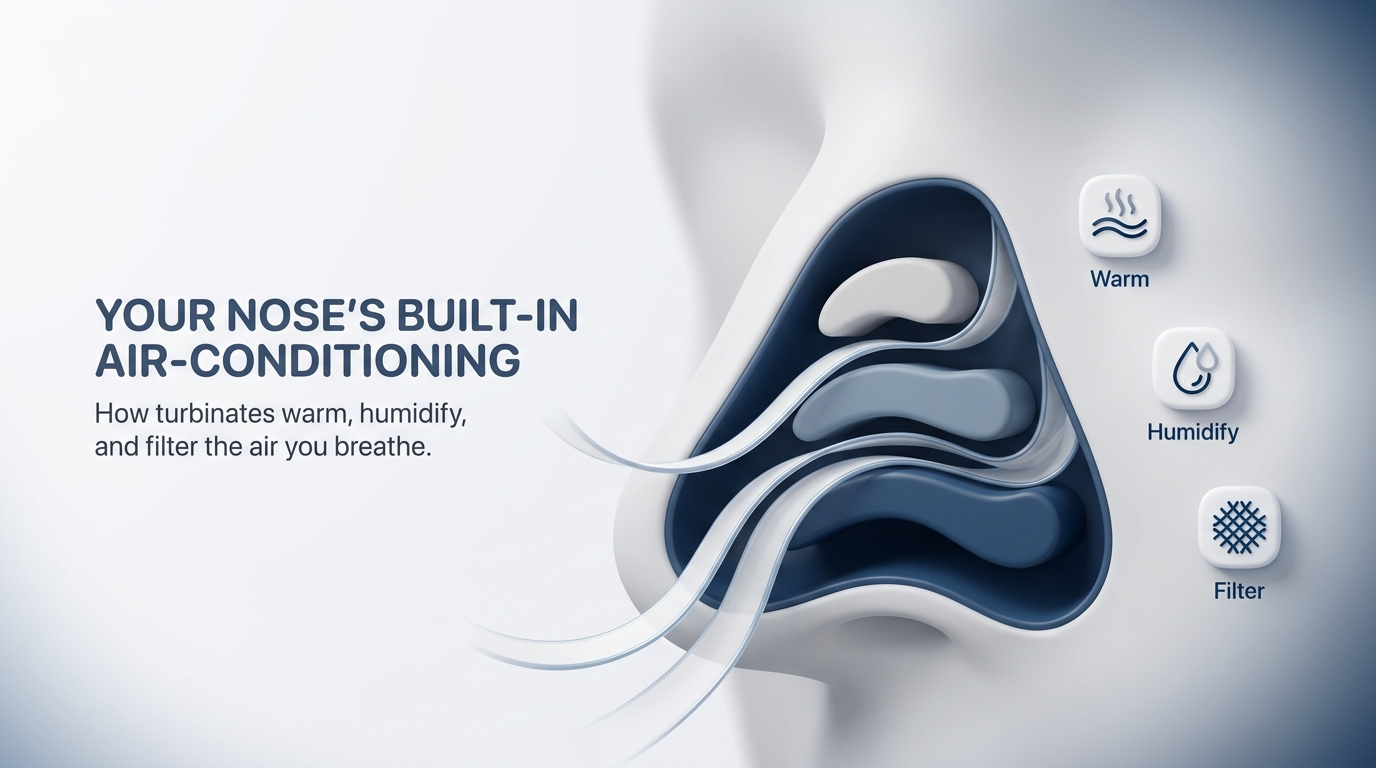
Your nose and connected air spaces help “condition” the air you breathe—filtering particles and adjusting temperature and humidity before air moves deeper into the respiratory system. Most filtration happens in the nasal passages, but nearby sinus tissues contribute to overall airflow and moisture balance. Source: https://training.seer.cancer.gov/anatomy/respiratory/passages/nose.html
3) Reduce skull weight + affect voice resonance
Because they’re hollow, the sinuses help make the skull lighter. They can also influence voice resonance—how your voice sounds as it vibrates through connected spaces. Source: https://my.clevelandclinic.org/health/body/paranasal-sinuses
Bottom line: your sinuses act as a connected, mucus-moving air-conditioning system—when one area swells shut, the whole network can feel it.
Maxillary sinuses (cheek sinuses)—function and why they’re often symptomatic
Where they are + why patients notice them
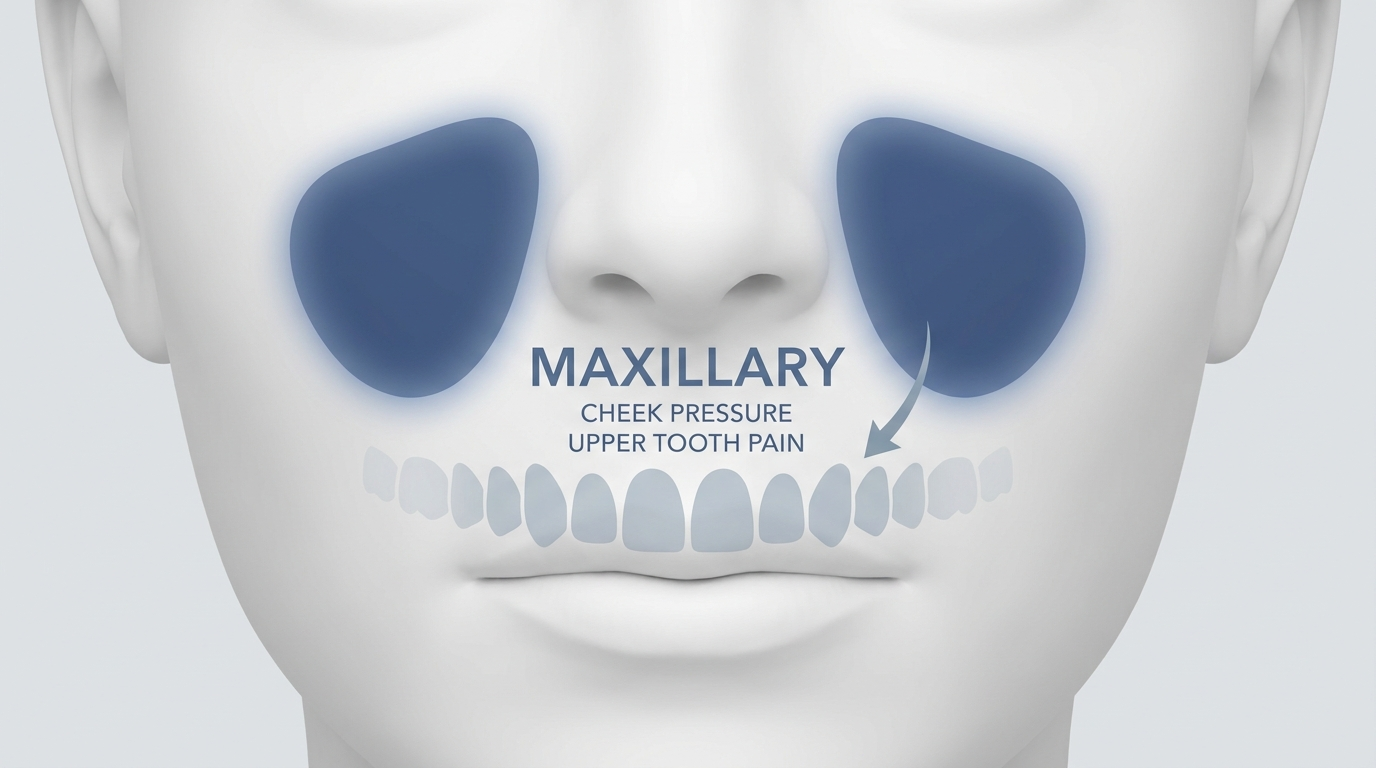
Your maxillary sinuses sit behind your cheeks and above your upper teeth—one reason inflammation here can feel like facial pressure or even tooth pain. Source: https://www.healthline.com/health/maxillary-sinus
Key functions of the maxillary sinuses
Like the other sinus cavities, the maxillary sinuses contribute to mucus production, resonance, and reducing skull weight. Some studies suggest the sinus environment (including locally produced nitric oxide) may support protective mechanisms—but this is based on limited and evolving research rather than settled fact. Sources: https://my.clevelandclinic.org/health/body/paranasal-sinuses and https://pubmed.ncbi.nlm.nih.gov/32405680/
Symptoms that may point to maxillary sinus irritation
- Cheek pressure or fullness
- Upper tooth pain (pain that feels dental but isn’t)
- One-sided facial pressure (depending on which side drains poorly)
Common causes/problems in the maxillary sinuses
- Viral upper respiratory infections (colds)
- Allergies that swell nasal tissues and narrow drainage pathways
- Bacterial sinusitis (less common than viral causes overall)
- Dental-related contributors (because upper tooth roots can sit close to the sinus floor)
Clue to remember: cheek pressure plus “tooth pain” that isn’t from a tooth often points to maxillary involvement—especially with congestion.
Ethmoid sinuses (between-the-eyes sinuses)—supporting clearance and moisture
Where they are
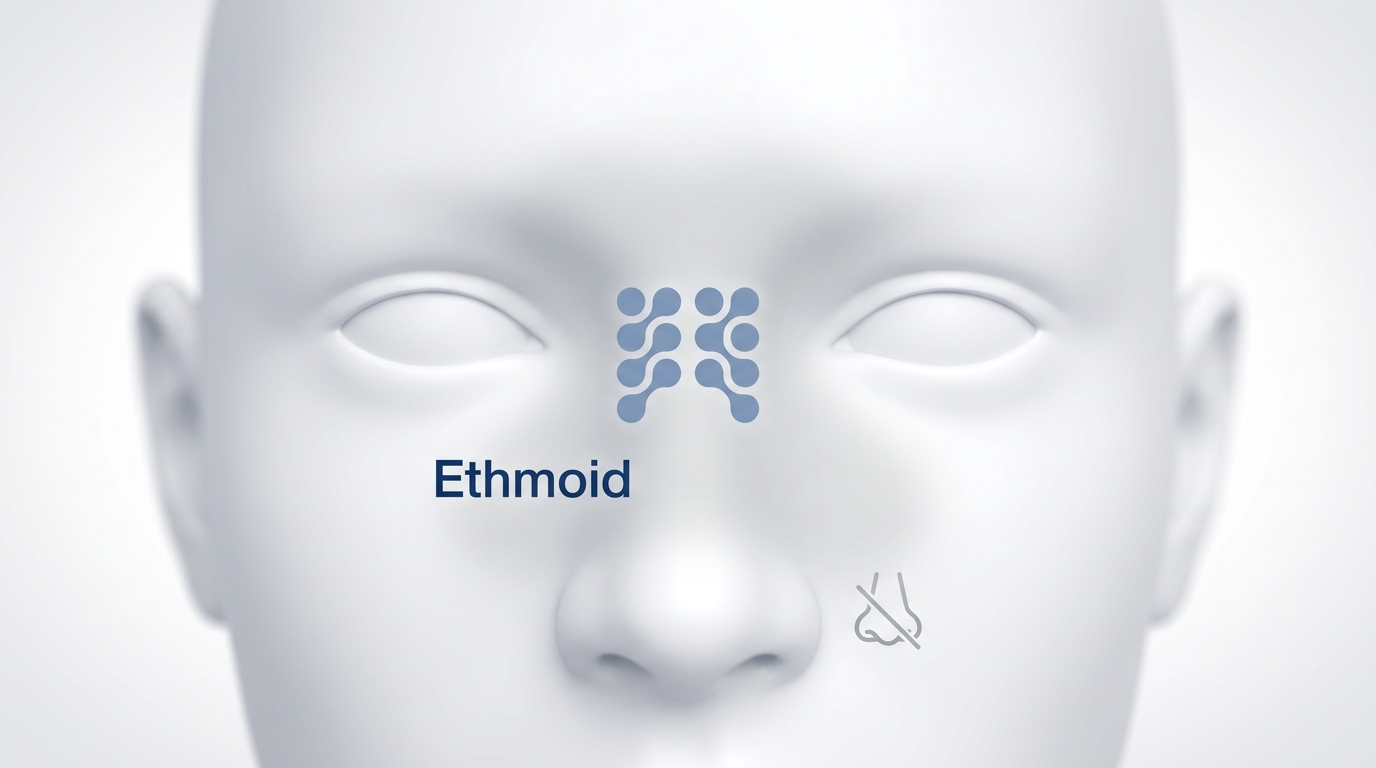
The ethmoid sinuses are a cluster of small air cells between the eyes. Source: https://my.clevelandclinic.org/health/body/ethmoid-sinus
Key functions of the ethmoid sinuses
Like nearby nasal tissues, the ethmoid region produces mucus and supports mucociliary clearance—helping move irritants out through normal drainage. While people often describe “filtration” here, most filtration occurs in the nasal cavity; roles across the sinuses overlap, and research is still evolving. Sources: Cleveland Clinic ethmoid sinus and overview pages
Symptoms that may point to ethmoid sinus inflammation
- Pressure/pain between the eyes
- Nasal congestion
- Reduced sense of smell
- Headache around the bridge of the nose
Common causes/problems
- Upper respiratory infections
- Allergic rhinitis
- Chronic inflammation patterns (sometimes associated with nasal polyps, depending on the individual)
If pressure centers between the eyes with stubborn congestion, the ethmoid region may be involved—especially during colds or allergy flares.
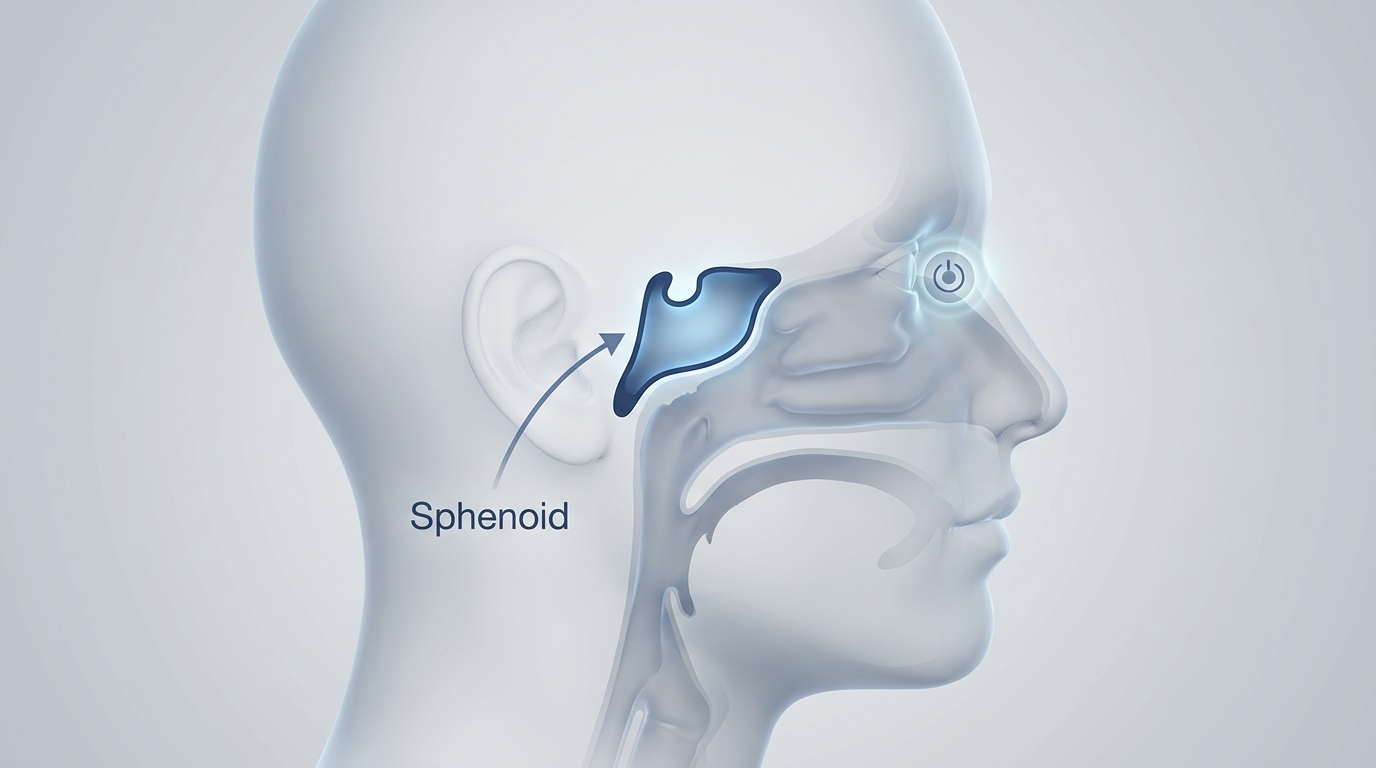
Sphenoid sinuses (deep central sinuses)—hard-to-pinpoint symptoms
Where they are (and why symptoms can be “weird”)
The sphenoid sinuses sit deep behind the nose, closer to the center of the head than the other sinuses. Because of that location, discomfort can feel less obvious and more like a deep, hard-to-pinpoint headache. Source: https://my.clevelandclinic.org/health/body/sphenoid-sinus
Key functions of the sphenoid sinuses
As with all paranasal sinuses, the sphenoid sinuses produce mucus and participate in shared drainage pathways that help clear debris and irritants; their specific, unique function isn’t fully defined. Sources: Cleveland Clinic sphenoid sinus and paranasal sinuses pages
Symptoms that may point to sphenoid sinus issues
- Deep headache (sometimes at the top of the head or behind the eyes)
- Pressure that feels “behind” the face
- Postnasal drip
Why sphenoid sinus infections should be taken seriously
The sphenoid sinuses are close to the brain, the eyes (including the optic nerves), and major blood vessels such as the cavernous sinus and internal carotid arteries. Because of this proximity, persistent, severe, or unusual symptoms deserve medical evaluation rather than prolonged home care.
Deep, central headaches with persistent pressure—especially behind the eyes—warrant a check-in with a clinician, given the sphenoid’s location.
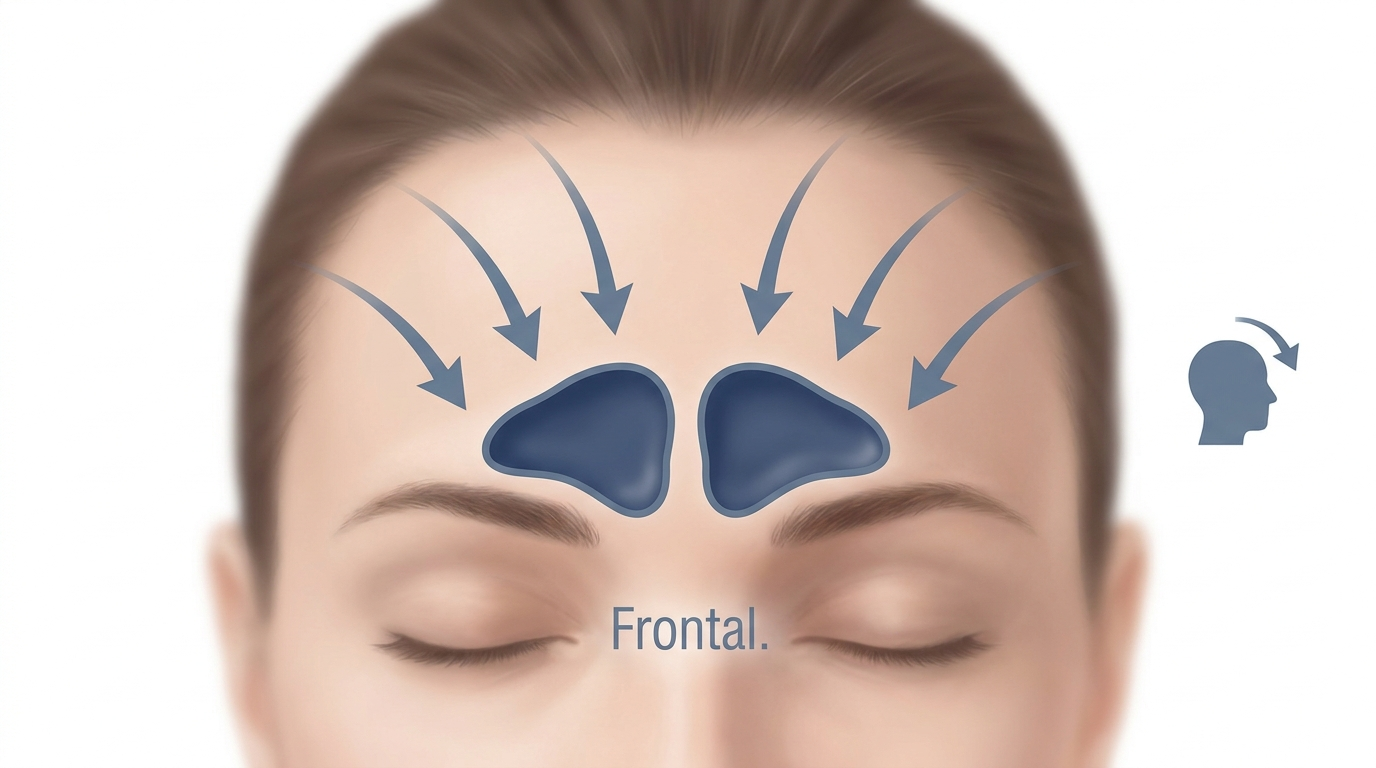
Frontal sinuses (forehead sinuses)—air “conditioning” and resonance
Where they are
The frontal sinuses are located in the forehead region above the eyes. Sources: https://www.kenhub.com/en/library/anatomy/frontal-sinus and https://www.cancer.gov/publications/dictionaries/cancer-terms/def/frontal-sinus
Key functions of the frontal sinuses
The frontal sinus function is often explained as supporting the nose’s role in warming and humidifying inhaled air and contributing to resonance—part of overall “air conditioning” before air moves into the lower respiratory tract. These roles overlap with the rest of the sinonasal system. Context: https://training.seer.cancer.gov/anatomy/respiratory/passages/nose.html
Symptoms that may point to frontal sinus inflammation
- Forehead pressure or tenderness
- Headache that worsens when bending forward
- Congestion
Variations: not everyone has large frontal sinuses
Size and shape vary. Some people have small or underdeveloped frontal sinuses, which is one reason sinus symptoms can differ from person to person. Source: Kenhub frontal sinus anatomy
Forehead pressure that flares when leaning forward often points toward the frontal sinuses—but anatomy varies widely from person to person.
What happens when sinuses get inflamed? (Sinusitis explained simply)
Acute vs. chronic (high-level)
- Acute sinusitis often follows a cold and improves over days to weeks.
- Chronic sinusitis involves longer-lasting symptoms and ongoing inflammation and/or blockage patterns.
Overview source: https://my.clevelandclinic.org/health/body/paranasal-sinuses
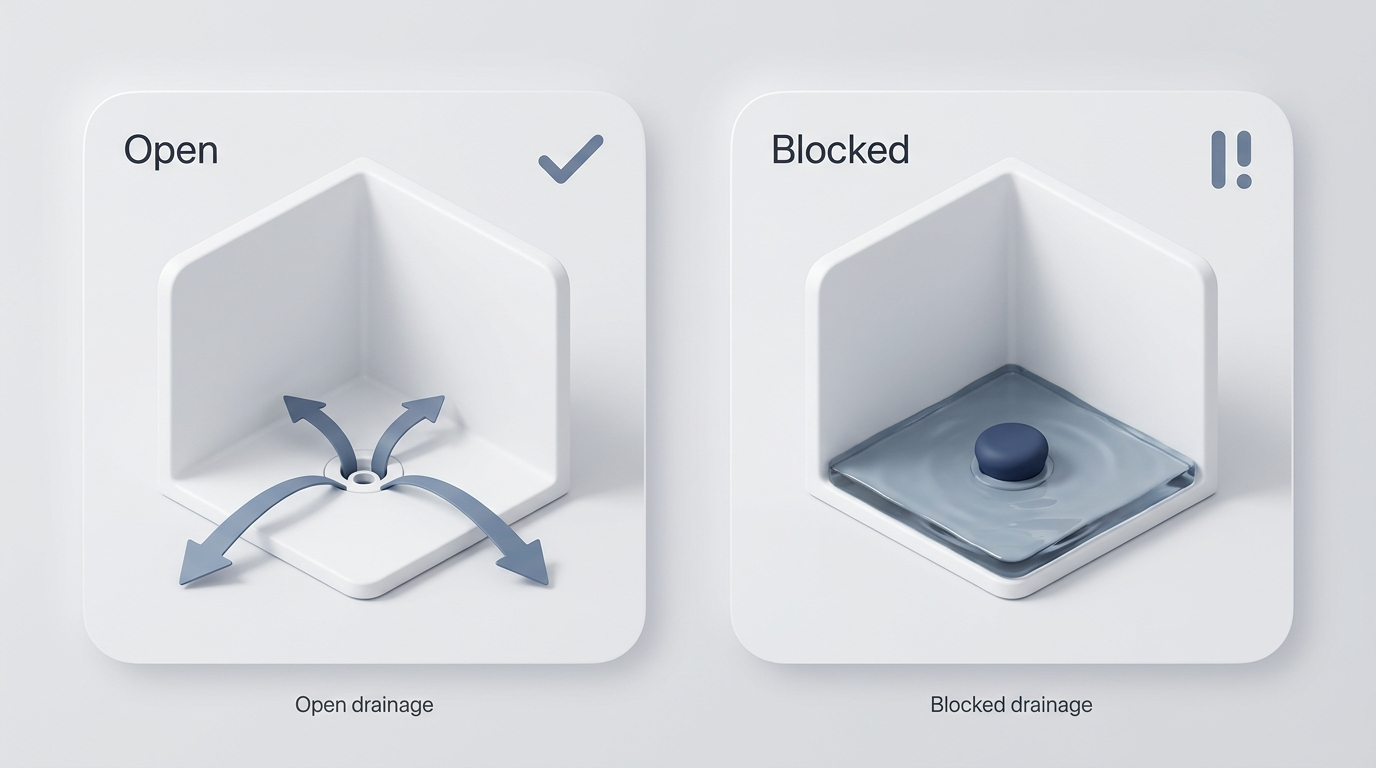
Why drainage matters (the “blocked sink” analogy)
Think of each sinus as a small room with a drain. If swelling narrows the opening—like a sink drain getting blocked—mucus can’t exit efficiently. That backup can lead to:
- Pressure and fullness
- Thick drainage and postnasal drip
- Higher likelihood that infection or persistent inflammation takes hold
When the “drain” narrows, pressure builds and symptoms linger—restoring drainage is key to feeling better.
Symptoms—how to tell if your sinuses might be involved
Common sinus-related symptoms (any sinus)
Across all sinus cavities, common symptoms include:
- Nasal congestion
- Facial pressure/pain
- Thick drainage or postnasal drip
- Reduced sense of smell
- Headache
- Cough (often related to postnasal drip)
More detailed checklist: https://sleepandsinuscenters.com/symptoms-of-sinus-problems
“Symptom location” guide (help patients self-identify)
- Cheek / upper teeth → often maxillary
- Between eyes / bridge of nose → often ethmoid
- Deep headache / behind eyes → can be sphenoid
- Forehead → often frontal
Noting what you feel, where you feel it, and how long it’s lasted helps a clinician zero in on likely causes faster.
Causes & risk factors—why sinus problems start (or keep coming back)
Infections (viral, bacterial)
Viral infections (colds) are a common trigger for temporary sinus inflammation. Bacterial sinus infections can occur, especially when inflammation and blockage linger.
Allergies and chronic inflammation
Allergies can cause swelling inside the nose, narrowing drainage routes and increasing the chance of recurring symptoms. For patients with persistent patterns, allergy testing can be part of the root-cause conversation: https://sleepandsinuscenters.com/allergy-testing
Structural contributors (when anatomy blocks airflow/drainage)
Sometimes the issue is partly mechanical—reduced airflow or narrowed drainage pathways due to anatomy such as:
- Deviated septum
- Nasal polyps
- Enlarged turbinates (small bone-and-tissue structures inside the nose)
Learn more: https://sleepandsinuscenters.com/deviated-septum-relief
Symptoms that recur with colds, allergies, or known anatomical narrowing often point to a drainage bottleneck that can be addressed.
Treatments—what helps each type of sinus problem (home + medical)
This section is educational (not individualized medical advice). Treatment depends on the cause—viral, allergic, bacterial, structural, or mixed—and how long symptoms have been present. General overview: https://my.clevelandclinic.org/health/body/paranasal-sinuses
Home care / lifestyle tips (safe, general)
- Saline rinse to help clear mucus (follow product directions and safe water practices)
- Humidification if indoor air is dry
- Staying hydrated
- Warm shower/steam for comfort
- Reducing triggers such as smoke and strong fragrances
Over-the-counter options (general guidance)
Common OTC categories people use for sinus symptoms include:
- Saline sprays/rinses
- Intranasal steroid sprays (for inflammation/allergy patterns)
- Pain relievers
These are general categories, not recommendations for your specific situation—use products as labeled, and a pharmacist or clinician can advise on suitability.
When to see a clinician/ENT
Consider evaluation if:
- Symptoms last beyond the typical cold window
- Pain is severe or worsening
- There is swelling around the eyes, high fever, or symptoms that worsen after initially improving
In-office and procedural options (for chronic or recurrent cases)
For chronic or recurring symptoms, evaluation can help identify whether inflammation, infection, allergies, or structural blockage is driving the problem. For some patients, balloon sinuplasty may be an option to improve drainage, depending on anatomy and diagnosis:
- Chronic sinusitis overview: https://sleepandsinuscenters.com/chronic-sinusitis
- Balloon sinuplasty overview: https://sleepandsinuscenters.com/balloon-sinuplasty
Consistent, simple measures help for short-term flares—lasting or recurrent problems deserve a tailored plan from a clinician.
Prevention—daily habits that support healthy sinuses
Air + allergy control
- Manage seasonal triggers when possible (indoor air quality, dust control)
- If symptoms are persistent or seasonal, discussing allergy evaluation may be useful: https://sleepandsinuscenters.com/allergy-testing
Nasal hygiene basics
- Saline rinses can be helpful during congestion (avoid overuse; follow product guidance)
- Avoid overusing topical decongestant sprays beyond label directions
Travel/pressure tips
Changes in altitude can increase pressure sensations. Some people find it helpful to chew/swallow during takeoff and landing and to address congestion ahead of travel as advised by a clinician.
Small daily habits that support moisture, airflow, and trigger control go a long way toward calmer sinuses.
FAQs about the four sinus cavities
How many sinus cavities do we have?
Most people have four paired paranasal sinuses: maxillary, ethmoid, sphenoid, and frontal. Source: https://my.clevelandclinic.org/health/body/paranasal-sinuses
Do sinuses really affect your voice?
They can influence voice resonance, although voice sound depends on many factors (throat, vocal cords, airflow, and more). Source: https://my.clevelandclinic.org/health/body/paranasal-sinuses
Why do sinus infections cause tooth pain?
The maxillary sinuses sit close to the roots of the upper teeth, so pressure or inflammation can sometimes be felt as dental discomfort. Source: https://www.healthline.com/health/maxillary-sinus
What’s the most common sinus to get infected?
Many people experience symptoms in the maxillary area, in part because of anatomy and drainage patterns—but symptoms overlap, and location alone can be misleading. If symptoms are persistent or severe, evaluation helps clarify what’s actually going on.
Conclusion—Key takeaways (recap for patients)
Your sinus cavities work together to moisturize, filter, defend, and condition the air you breathe. When these spaces become inflamed, swollen openings and poor drainage can lead to pressure, congestion, postnasal drip, and other familiar complaints.
Understanding paranasal sinuses anatomy—and noticing where symptoms are felt—can make it easier to describe issues clearly during a visit. Even a simple note like “cheek pressure with upper tooth pain for 10 days” can be surprisingly helpful context.
Call to action
If sinus symptoms are lingering, recurring, or interfering with sleep and daily comfort, book an appointment to get a clear diagnosis and a plan: https://sleepandsinuscenters.com/appointments
Knowing where symptoms show up helps guide care—getting the right diagnosis gets you to the right relief.
Sources
- Cleveland Clinic – Paranasal Sinuses: https://my.clevelandclinic.org/health/body/paranasal-sinuses
- Cleveland Clinic – Ethmoid Sinus: https://my.clevelandclinic.org/health/body/ethmoid-sinus
- Cleveland Clinic – Sphenoid Sinus: https://my.clevelandclinic.org/health/body/sphenoid-sinus
- PubMed (2020, PMID: 32405680): https://pubmed.ncbi.nlm.nih.gov/32405680/
- SEER Training (NCI) – Nose & air passages: https://training.seer.cancer.gov/anatomy/respiratory/passages/nose.html
- Kenhub – Frontal sinus anatomy: https://www.kenhub.com/en/library/anatomy/frontal-sinus
- NCI Dictionary – Frontal sinus definition: https://www.cancer.gov/publications/dictionaries/cancer-terms/def/frontal-sinus
- Healthline – Maxillary sinus overview: https://www.healthline.com/health/maxillary-sinus
This article is for educational purposes only and is not medical advice. Please consult a qualified healthcare provider for diagnosis and treatment.
Don’t let allergies slow you down. Schedule a comprehensive ENT and allergy evaluation at Sleep and Sinus Centers of Georgia. We’re here to find your triggers and guide you toward lasting relief.