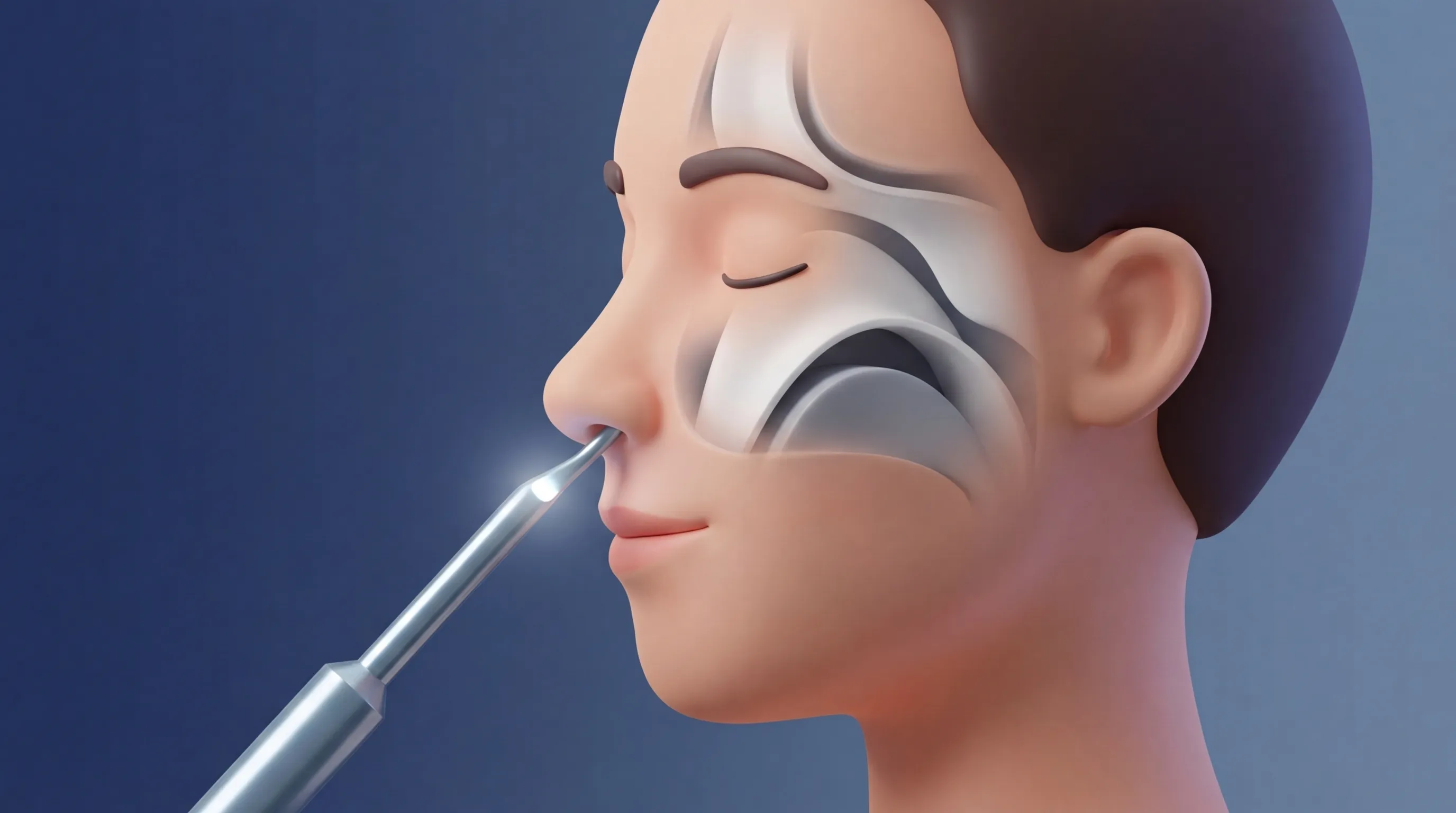
Eosinophilic Sinusitis Treatment: Why Steroids Help but Don’t Cure
If you have eosinophilic sinusitis, you’ve probably lived through the same cycle: corticosteroids often make many patients feel dramatically better—sometimes within days—yet congestion, loss of smell, and nasal polyps can creep back when the medication stops.
That pattern isn’t “all in your head,” and it doesn’t mean steroids are pointless. It usually means the condition is chronic and relapsing. A strong eosinophilic sinusitis treatment plan is less like a one-time repair and more like long-term maintenance: keeping inflammation quiet, preventing flares, and avoiding repeated oral steroid bursts when possible.
Quick takeaways (for fast readers)
- Steroids work well because they strongly reduce eosinophilic (Type 2) inflammation, often shrinking nasal polyps and improving breathing and smell.
- They don’t “cure” eosinophilic sinusitis because the condition is typically chronic and relapsing, so inflammation can return when steroids stop.
- Long-term oral steroid use is limited by side effects (bone loss, blood sugar changes, immune suppression), so safer long-term plans matter.
- Some patients don’t respond well, and steroids can lower tissue eosinophil counts, which may make it harder to identify the precise inflammatory pattern used to guide targeted options like biologics.
- Antibiotics still matter when bacterial infection is confirmed or strongly suspected, but they usually don’t fix the underlying Type 2 inflammation driving eosinophilic sinusitis.
What is eosinophilic sinusitis (in plain English)?
The “type” of chronic sinusitis where eosinophils drive inflammation
Eosinophils are a type of white blood cell involved in allergic and Type 2 inflammatory responses. In eosinophilic sinusitis, eosinophils become major drivers of long-term inflammation in the nose and sinuses—leading to persistent swelling, thick mucus, and often nasal polyps.
This is why eosinophilic disease commonly overlaps with eosinophilic chronic rhinosinusitis, especially chronic rhinosinusitis with nasal polyps (CRSwNP). Many patients also notice related “upper and lower airway” patterns like asthma or allergic rhinitis.
Learn more background here: Chronic Sinusitis Overview
https://sleepandsinuscenters.com/chronic-sinusitis
Why it often behaves like a long-term condition
If you’re expecting something that behaves like a standard infection—treat it, clear it, move on—eosinophilic sinusitis can be especially frustrating. Instead, it often acts like a long-running immune “loop”:
- The lining of the nose/sinuses stays swollen
- Drainage pathways narrow or block
- Mucus thickens
- Symptoms flare, calm down, then recur
A helpful analogy: steroids can put out the “flame” of inflammation, but they don’t necessarily remove the “fuel source” that keeps reigniting it.
*Bottom line: eosinophilic sinusitis is usually a chronic inflammatory condition that needs ongoing control, not a one-time cure.*

Symptoms patients commonly notice
Nose and sinus symptoms
People often report:
- Persistent congestion or blockage
- Thick drainage and post-nasal drip
- Facial pressure (not always present)
- Reduced or lost sense of smell (hyposmia/anosmia)
- A “polyp” or “blocked airflow” feeling, with more mouth breathing
More on polyps: What Are Nasal Polyps?
https://sleepandsinuscenters.com/blog/what-are-nasal-polyps
Quality-of-life symptoms
Because the nose is central to sleep and breathing comfort, symptoms may also include:
- Poor sleep and fatigue
- “Brain fog” (cognitive sluggishness or difficulty focusing)
- Reduced exercise tolerance, especially if asthma is also present
A common experience sounds like: “I can push through my day, but I’m never breathing comfortably—and I’m always tired.”
When symptoms suggest polyps may be involved
A classic pattern is: the nose always feels stuffed, smell is reduced or gone, and symptoms persist despite typical allergy medications. When that happens, clinicians often become more suspicious of CRSwNP (and eosinophilic inflammation as a driver).
*If congestion and smell loss persist despite basic allergy meds, polyps and Type 2 inflammation may be part of the picture.*
Causes and risk factors (what sets eosinophilic disease apart)
The underlying immune pattern: Type 2 (eosinophilic) inflammation
In many patients, eosinophils are elevated in sinus tissue and sometimes on bloodwork (though not always). The key point is that the inflammation can become self-perpetuating—meaning it may continue even when there’s no active infection to “treat.”
Common comorbidities that can fuel flares
Eosinophilic inflammation often travels with other airway conditions, including:
- Allergic rhinitis (seasonal or year-round)
- Asthma
- AERD (aspirin-exacerbated respiratory disease) in a subset of patients
- Irritants like smoke, pollution, or workplace exposures
Related resources:
Allergy Testing
https://sleepandsinuscenters.com/allergy-testing
Understanding AERD
https://sleepandsinuscenters.com/blog/understanding-aspirin-exacerbated-respiratory-disease-aerd-symptoms-and-treatment
Why antibiotics often aren’t the main answer
Antibiotics are appropriate when there’s a likely bacterial infection. But in eosinophilic sinusitis, the core problem is often inflammation-first, not infection-first—so antibiotics alone usually don’t change the long-term cycle. They still have an important role when infection is confirmed or strongly suspected by your clinician.
*Think of eosinophilic sinusitis as inflammation-led: antibiotics matter for infections, but controlling Type 2 inflammation is the long-term key.*
Why steroids help so much (what they’re actually doing)
Steroids are powerful anti-inflammatory “volume knobs”
Corticosteroids broadly reduce inflammatory signaling. In the nose and sinuses, that often translates into:
- Less swelling of the lining
- Less “waterlogged” polyp edema
- Improved airflow and drainage
Benefits patients often feel quickly
When swelling drops, many people notice:
- Easier nasal breathing
- Less congestion and pressure
- Better sleep quality
- Sometimes partial return of smell (often when polyps shrink)
A short, realistic summary is: “Steroids can be excellent rescue medication—but they’re not a long-term foundation by themselves.”
Different forms of steroids used in eosinophilic sinusitis treatment
Delivery method matters:
- Topical (local) steroids: sprays and irrigations/rinses
- Systemic steroids: oral pills (like prednisone), usually reserved for significant flares or severe polyp burden
Notes:
- “Steroid nasal rinse,” “steroid irrigation,” and “steroid rinse” typically refer to the same approach: saline rinses mixed with a prescribed corticosteroid to target inflamed tissue more directly.
- Always follow clinician instructions on dosing, tapering, and duration to reduce risk and improve results.
More detail on topical therapies:
Corticosteroid Nasal Sprays (pros/cons)
https://sleepandsinuscenters.com/blog/corticosteroid-nasal-sprays-friend-or-foe
Steroid Rinses
https://sleepandsinuscenters.com/blog/steroid-rinses-a-modern-approach-to-sinus-relief
*Steroids are great at turning inflammation down fast, especially when delivered topically to the nose and sinuses.*

Why steroids don’t cure eosinophilic sinusitis (the relapse cycle)
Steroids control inflammation—but don’t remove the underlying “inflammatory wiring”
Steroids suppress active inflammation. But eosinophilic sinusitis is often driven by immune pathways that can reactivate. So when steroids are reduced or stopped, the same inflammatory signals may turn back on—bringing back swelling, mucus, and symptoms.
Why recurrence is common—especially with nasal polyps
Polyps can shrink impressively on steroids. The discouraging part is that regrowth is common if baseline inflammation remains high or if maintenance therapy isn’t strong enough.

The “maintenance gap”
A short course of oral steroids can feel like hitting “reset.” Without a long-term plan, many patients get stuck in a loop: feel better → stop meds → relapse → need another burst. A sustainable plan aims to narrow that gap.
*Steroids treat the fire; long-term maintenance reduces the chance it reignites.*

The big limitation—side effects of long-term oral steroids
Why doctors try to minimize repeated prednisone courses
Oral steroids don’t just act in the nose—they affect the whole body. That’s why repeated courses prompt a broader risk–benefit conversation, especially if flares are frequent.
Potential serious risks (especially with repeated/long courses)
- Osteoporosis/bone thinning
- Hyperglycemia and worsening diabetes risk
- Immune suppression (higher infection risk)
- Mood changes, sleep disruption, weight gain, and blood pressure effects
“Topical steroids are different”
Topical sprays and rinses generally have much lower systemic absorption than oral steroids, though they still should be used as directed and monitored as part of an overall plan. If you’re prescribed oral steroids, follow the dose and taper instructions exactly as given.
*Because oral steroids have meaningful risks, plans that rely more on topical therapy and other steroid-sparing tools are preferred when possible.*
When steroids don’t work well—or complicate the picture
Not everyone responds
Some people have a different inflammatory mix (for example, more neutrophilic inflammation or a mixed “endotype”), and they may not get the same dramatic response.
Steroids can mask diagnostic clues
Because steroids reduce eosinophil levels in tissue, they may sometimes make it harder to identify the precise inflammatory pattern (“endotype”) used to select targeted treatments like biologics.
Why endotyping matters now
Sinus care is increasingly personalized. Understanding whether inflammation is primarily Type 2/eosinophilic vs another pattern can shape expectations and treatment selection.
*If steroid response is limited or confusing, reassessing the underlying inflammatory endotype can help personalize next steps.*

Eosinophilic sinusitis treatment options beyond “just steroids”
The overall goal is usually: better symptom control, fewer recurrences, and fewer oral steroid bursts.
Foundation therapies (often long-term)
- Saline irrigation to clear mucus/allergens and improve medication delivery
- Intranasal corticosteroid sprays for daily maintenance
- Steroid nasal rinse/irrigation in selected patients (often after surgery or with more significant inflammation)
Treating contributing conditions (often overlooked)
Because the upper and lower airways are connected, long-term control often improves when contributing issues are addressed, such as:
- Allergy evaluation and management
- Asthma optimization
- Considering AERD when the history fits (asthma + polyps + NSAID sensitivity)
Procedures and surgery (when anatomy + inflammation both need attention)
Endoscopic sinus surgery (ESS) can open blocked drainage pathways and improve access for topical therapies. It can reduce overall “disease load,” but it doesn’t erase the inflammatory tendency—so maintenance still matters.
Biologic medications (targeted therapy for severe Type 2 disease)
Biologics for nasal polyps target specific inflammatory signals involved in Type 2 disease. They’re often considered when symptoms remain significant despite consistent topical therapy and/or surgery, or when reliance on oral steroids becomes a concern.
Shared decision-making often includes:
- How severe symptoms are (especially smell loss and obstruction)
- How quickly polyps return
- The risks of repeated systemic steroids
- Whether asthma is also active
Other medication classes sometimes used (case-by-case)
- Leukotriene modifiers (sometimes helpful in asthma/AERD patterns)
- Antibiotics when bacterial infection is likely—not as routine inflammation control
Related internal resources:
Endoscopic Sinus Surgery (ESS): What Patients Should Know
https://sleepandsinuscenters.com/blog/endoscopic-sinus-surgery-what-patients-should-know
Allergy Testing
https://sleepandsinuscenters.com/allergy-testing
Corticosteroid Nasal Sprays
https://sleepandsinuscenters.com/blog/corticosteroid-nasal-sprays-friend-or-foe
Steroid Rinses
https://sleepandsinuscenters.com/blog/steroid-rinses-a-modern-approach-to-sinus-relief
*An effective long-term plan layers daily topical care, addresses triggers and comorbidities, and adds surgery or biologics when needed.*
Lifestyle and home-care tips that support long-term control
These steps don’t replace medical care, but they can support a long-term plan.
Reduce exposure to triggers that inflame the nasal lining
- Avoid smoke and vaping
- Limit strong fragrances or chemical irritants when possible
- Consider air filtration and balanced humidity (overly damp environments may worsen mold)
Get the most out of topical treatments
- Use consistent technique with sprays (aim slightly outward, away from the septum)
- When advised, rinse first to help medication reach inflamed tissue more effectively
- Follow your clinician’s instructions on frequency and duration
Track patterns to reduce flare frequency
A simple symptom log can help identify trends:
- Smell changes
- Congestion severity
- Sleep quality
- Seasonal allergy timing
*Small daily habits—done consistently—can meaningfully reduce flares over time.*
When to see an ENT (or return sooner)
Signs you need a more advanced plan than repeated prednisone
These patterns often signal it’s time to revisit the long-term strategy:
- Multiple oral steroid bursts per year
- Smell loss that keeps returning
- Persistent blockage or suspected polyp regrowth
- Symptoms affecting sleep or work despite consistent daily therapy
Urgent red flags
Seek urgent evaluation for:
- Eye swelling or vision changes
- Severe headache with fever/neck stiffness
- Facial swelling or neurologic symptoms
*If you’re cycling through steroid bursts or losing smell repeatedly, it’s time to consider stronger maintenance or targeted options.*
FAQs
“If steroids shrink my polyps, why do they come back?”
Because steroids suppress inflammation temporarily, but the underlying chronic inflammatory process can persist and restart when medication is stopped.
“Are steroid nasal sprays safer than oral steroids?”
Generally, yes. Topical delivery usually means much lower whole-body exposure compared with systemic oral steroids.
“How many rounds of prednisone are too many?”
There isn’t a single number that fits everyone. Repeated systemic steroid courses increase side effect risk and usually indicate the need to optimize maintenance therapy or consider steroid-sparing options (such as surgery and/or biologics).
“Can steroids affect my biopsy or lab results?”
They can reduce tissue eosinophils and alter inflammation findings, which may blur endotype assessment that helps guide targeted treatment decisions.
“What’s the next step if steroids stop working?”
Common next steps include reassessing the diagnosis and endotype, checking medication technique/adherence, addressing comorbidities, and discussing procedures or targeted therapies based on severity.
Conclusion — A better goal than “a cure”
For many people, eosinophilic sinusitis is less about finding a one-time cure and more about building a plan that keeps symptoms controlled long-term. The most successful strategies typically aim for:
- Fewer flares
- Fewer oral steroid bursts
- Better breathing, smell, and sleep
- Less nasal polyp recurrence
If symptoms are persistent, recurring, or increasingly dependent on oral steroids, Sleep and Sinus Centers of Georgia can help evaluate what’s driving the inflammation and which longer-term options may fit your situation.
Book an appointment: https://www.sleepandsinuscenters.com/
*The goal is sustained control with the fewest risks—not just short-term relief.*
Citations / Sources
1. Patsnap/Synapse. How do different drug classes work in treating chronic rhinosinusitis with nasal polyps? https://synapse.patsnap.com/article/how-do-different-drug-classes-work-in-treating-chronic-rhinosinusitis-with-nasal-polyps
2. PubMed Central. Systemic steroid limitations/adverse effects in CRS/CRSwNP contexts. https://pmc.ncbi.nlm.nih.gov/articles/PMC12206776/
3. PubMed Central. CRS/CRSwNP treatment and endotype discussion. https://pmc.ncbi.nlm.nih.gov/articles/PMC12419965/
4. BackTable ENT. Eosinophilic vs Neutrophilic Nasal Polyps: Treatment, Recurrence, Long-Term Maintenance. https://www.backtable.com/shows/ent/articles/eosinophilic-vs-neutrophilic-nasal-polyps-treatment-recurrence-long-term-maintenance
5. Rhinology Journal manuscript on CRS/CRSwNP endotyping and treatment considerations. https://www.rhinologyjournal.com/Rhinology_issues/manuscript_3385.pdf
Disclaimer
This article is for educational purposes only and is not medical advice. Please consult a qualified healthcare provider for diagnosis and treatment.
Don’t let allergies slow you down. Schedule a comprehensive ENT and allergy evaluation at Sleep and Sinus Centers of Georgia. We’re here to find your triggers and guide you toward lasting relief.