Empty Nose Syndrome After Turbinate Surgery: Symptoms, Causes, and Treatment Options
Feeling like you can’t breathe through your nose—even when it looks open on exam—can be frightening and exhausting. For a small number of patients, that “open but blocked” sensation may be linked to empty nose syndrome after turbinate surgery (ENS).
Patients often describe it in a way that surprises even experienced clinicians: “My nose looks clear, but I feel like I’m suffocating.” This article explains what ENS is, why it may happen, what symptoms patients commonly report, how ENTs evaluate it, and what ENS treatment options may be discussed.
Quick takeaways (summary box)
- Empty nose syndrome after turbinate surgery is uncommon and can occur after turbinate reduction or resection, causing a mismatch between a visibly open nose and a subjective sense of blockage or air hunger.
- Symptoms often relate to dryness, crusting, burning, and abnormal airflow sensation, and may begin months to years after surgery.
- Diagnosis is challenging—there’s no single definitive test—but tools like ENS6Q and the office cotton test can help.
- Treatments range from moisturizing and humidification to selected reconstructive procedures. Reconstructive options often improve patient-reported outcomes in carefully selected patients, though research quality varies. (AAO-HNS, 2024; Leong et al., 2015; Basurrah et al., 2024)
Takeaway: ENS is real and treatable for many—but confirming the cause of symptoms is the first step.
What are the turbinates—and why are they reduced?
What turbinates do (more than “take up space”)
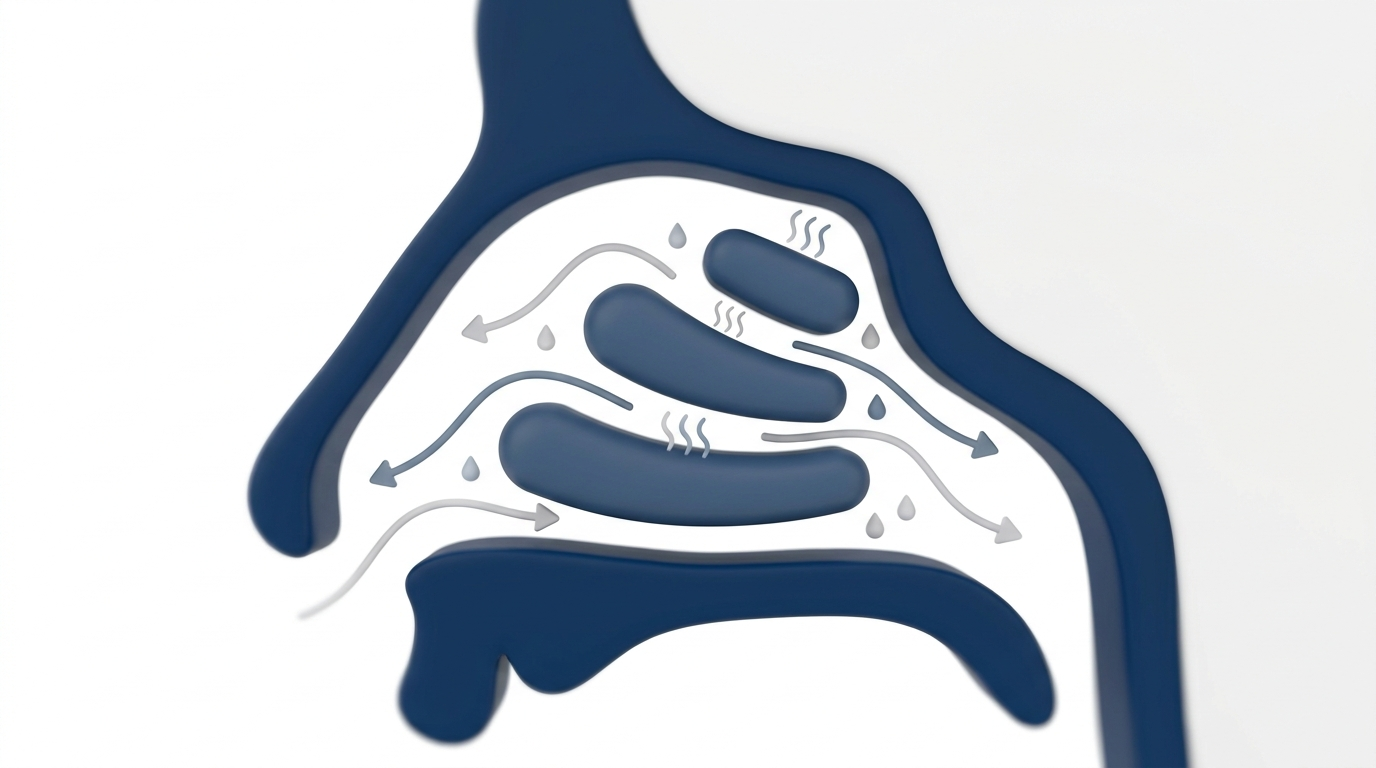
Turbinates are structures inside the nose covered with mucosa (the lining tissue). They help the nose do important “air processing,” including:
- Warming and humidifying inhaled air
- Filtering particles
- Guiding airflow patterns through the nasal cavity
- Supporting nasal “feedback” and sensation—part of how your brain interprets airflow as normal
A helpful analogy: turbinates are less like “extra tissue” and more like the nose’s built-in air-conditioning and sensor system—conditioning the air and helping your brain register airflow in a comfortable, familiar way.
Takeaway: Healthy turbinates help air feel right—not just move through an open space.
Common reasons turbinate surgery is performed
Turbinate procedures may be recommended for persistent nasal congestion related to:
- Chronic turbinate enlargement (hypertrophy)
- Allergic or nonallergic rhinitis
- Breathing issues addressed alongside septoplasty or sinus procedures
For many patients, turbinate reduction is done because medical therapy hasn’t been enough. In clinic, it’s common to hear: “I can breathe okay sometimes, but at night it’s miserable,” or “Sprays help, but I can’t stay on them forever.”
If you want a patient-friendly overview of goals, techniques, and common turbinate reduction complications, see our guide to turbinate reduction surgery: https://sleepandsinuscenters.com/blog/everything-you-need-to-know-about-turbinate-reduction
Takeaway: Surgery aims to improve airflow while preserving normal nasal function whenever possible.
Types of turbinate procedures (patient-friendly overview)
Broadly, approaches range from:
- Reduction (tissue-sparing) techniques intended to preserve function while improving airflow
- Partial or complete resection (removal) of turbinate tissue
Modern goals generally emphasize improving breathing while preserving nasal function when possible, and aggressive/total resection is less favored in current functional approaches. (AAO-HNS, 2024)
Takeaway: Today’s techniques prioritize function-preserving methods tailored to your anatomy.
What is Empty Nose Syndrome (ENS)?
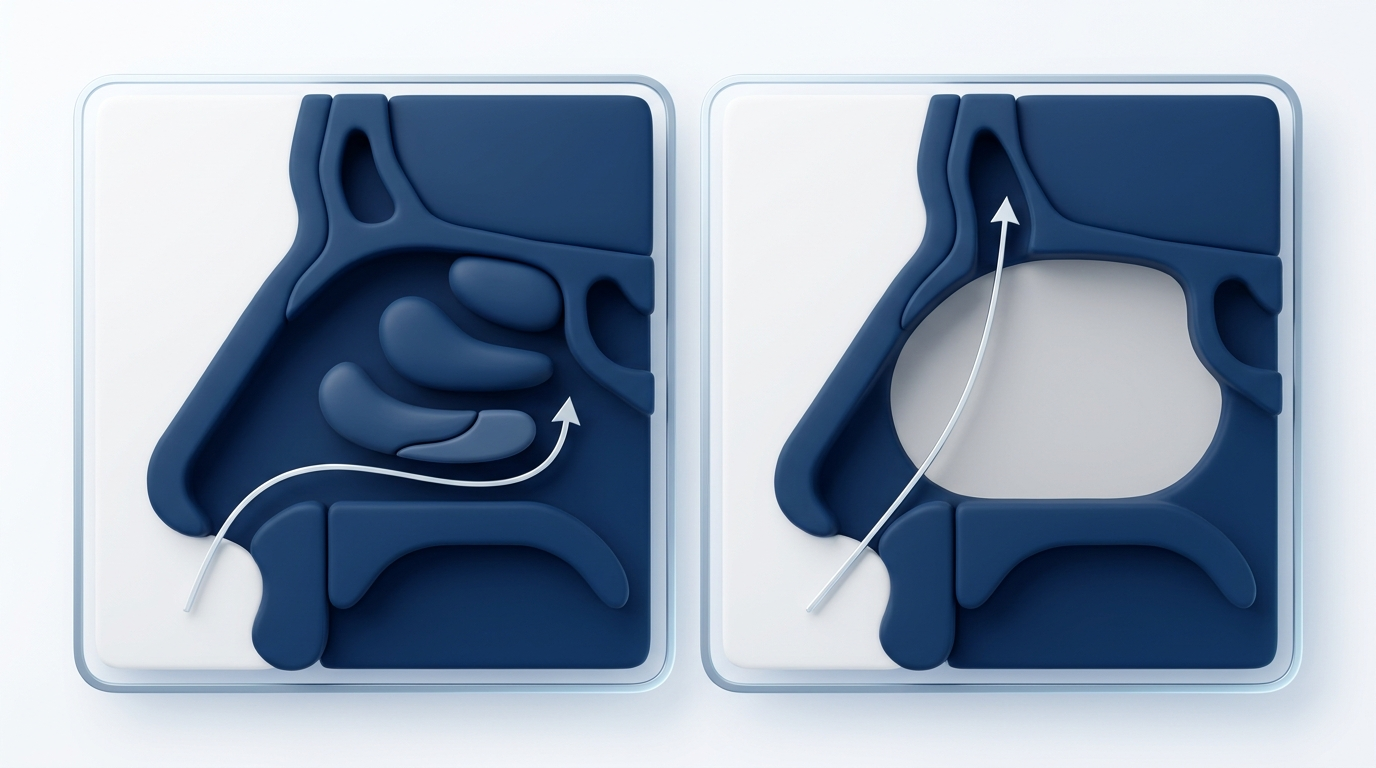
The “open nose, but feels blocked” paradox
ENS is typically described as a post-surgical condition where the nasal passage may look open, but the person experiences symptoms such as:
- A persistent sensation of obstruction
- Dryness, burning, or irritation
- Shortness of breath or “air hunger” (AAO-HNS, 2024)
This mismatch can feel confusing: if the “pipe” looks open, why does breathing feel worse? ENS is one situation where the issue may be less about space and more about airflow quality, humidification, and sensory feedback.
For a broader primer, you can also read Empty Nose Syndrome (ENS) basics: https://sleepandsinuscenters.com/blog/empty-nose-syndrome-essential-basics-and-key-symptoms-explained
Takeaway: In ENS, how air flows and feels often matters more than how open the nose looks.
Why it can feel so distressing
Many people describe the discomfort as more than congestion—it can feel like the body can’t find a satisfying breath. Sleep and quality of life may suffer, especially when symptoms trigger stress or panic. (Leong et al., 2015)
A clinician-friendly way to frame it is: the nose may be “open,” but the signals your brain expects during nasal breathing may be altered—creating a persistent sense that something is wrong, even when airflow is technically present.
Takeaway: The brain’s perception of airflow is a key part of comfortable nasal breathing.
How common is ENS after turbinate surgery?
Why incidence numbers vary so much
Published frequency estimates vary widely across studies. One review focused on patients after turbinate resection reported estimates in the 8–22% range, while a later meta-review suggested much lower rates closer to 0.05–0.1% in broader populations. Figures differ because some studies look only at high-risk or post-resection cohorts, while others consider all turbinate surgeries; diagnosis is also not standardized. The true rate remains uncertain due to:
- Inconsistent diagnostic criteria
- Underrecognition or mislabeling
- Differences in surgical technique and patient selection (Aguirre-Peña et al., 2025; AAO-HNS, 2024)
Takeaway: ENS appears uncommon overall; higher estimates come from selected post-resection series.
Important point for patients
ENS is real and uncommon—and many post-operative nasal symptoms have other explanations that may respond to targeted treatment. (AAO-HNS, 2024)
Takeaway: A thorough evaluation often reveals treatable contributors beyond ENS.
ENS symptoms (what patients commonly report)
Core symptoms
Common ENS symptoms include:
- Paradoxical nasal obstruction (feels blocked despite a relatively open nasal cavity)
- Dryness and irritation/burning
- Crusting
- A sensation of too much airflow or, conversely, not enough airflow (altered perception)
- Breathlessness/air hunger or “can’t get a full breath” feelings (AAO-HNS, 2024)
A concrete example patients often recognize: the nose may feel “too open” when you inhale (almost like cold air rushing in), yet you still feel unsatisfied—as if you can’t “complete” a breath through the nose.
Because dryness can masquerade as “stuffiness,” this may help: nasal dryness vs congestion: https://sleepandsinuscenters.com/blog/nasal-dryness-vs-congestion-key-differences-and-effective-treatments
Takeaway: Many ENS complaints blend airflow perception changes with dryness-related discomfort.
Common related symptoms that may show up in clinic visits
Some patients also report:
- Poor sleep or frequent waking
- Anxiety symptoms triggered by breathing discomfort
- Reduced exercise tolerance
- Throat irritation/voice changes related to dryness (AAO-HNS, 2024)
It can become a cycle: nighttime dryness and uncomfortable airflow lead to lighter sleep, then the next day feels harder—physically and emotionally.
Takeaway: Breaking the sleep–dryness–anxiety cycle can be a meaningful part of care.
Timing: when can ENS begin?
One confusing feature of empty nose syndrome after turbinate surgery is timing: symptoms may begin months to years after the procedure, and severity does not consistently correlate with how much turbinate tissue was altered. (AAO-HNS, 2024)
Takeaway: ENS can emerge well after surgery and does not strictly track with the amount of tissue changed.
Causes and mechanisms (why ENS can happen)
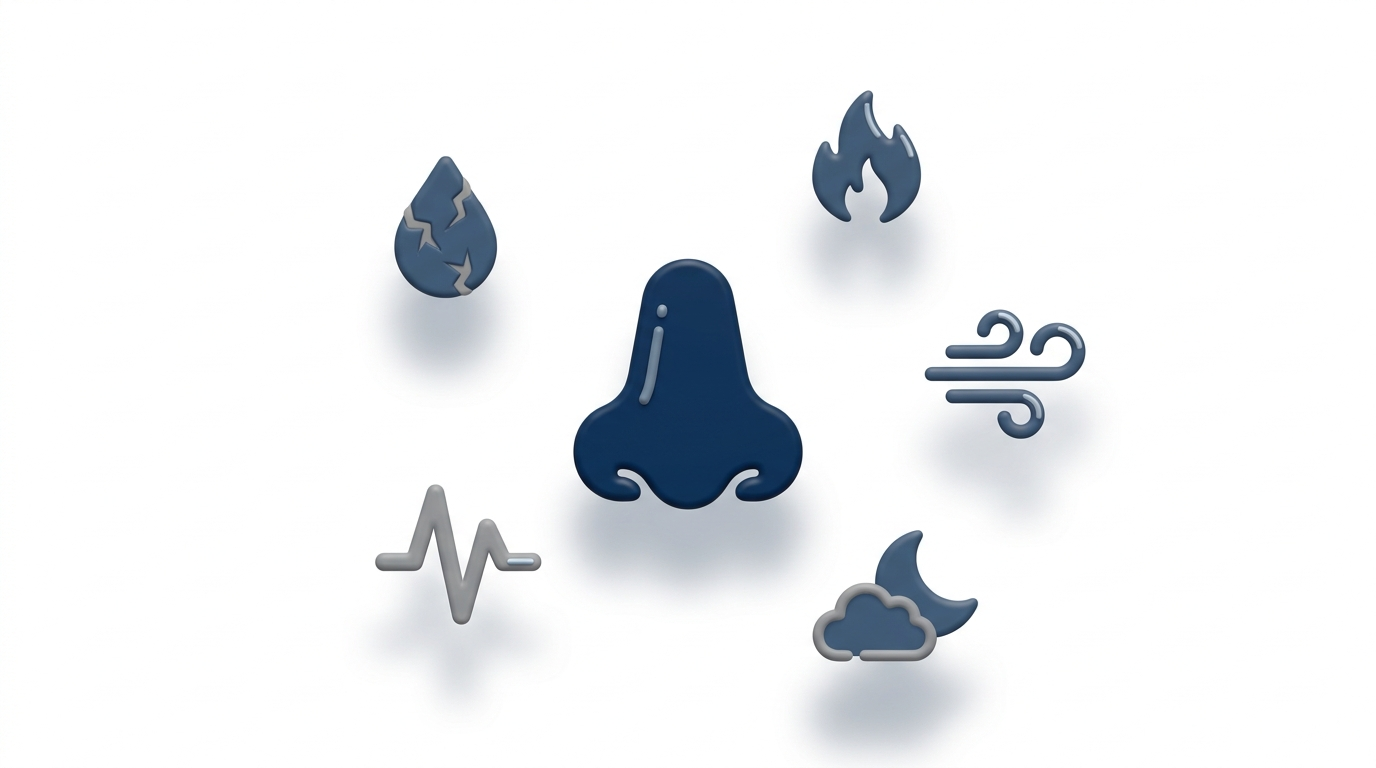
ENS is generally considered multifactorial, meaning more than one process can contribute at the same time.
Altered airflow patterns (“the wind tunnel effect”)
When turbinate tissue is reduced, the nose may have less normal resistance and different airflow distribution. Even if airflow is technically “open,” it may feel uncomfortable or unnatural. (AAO-HNS, 2024)
Takeaway: Air that moves “too freely” can paradoxically feel worse.
Reduced humidification and warming of air
Less functional mucosal surface area may reduce the nose’s ability to condition air. Drier, cooler airflow can contribute to burning, irritation, and crusting. (AAO-HNS, 2024)
This is why some people notice symptoms more in winter, with indoor heating, or in naturally dry climates.
Takeaway: Drier air often magnifies ENS-like discomfort.
Mucosal injury and impaired nasal function
Surgery can sometimes be followed by scarring, inflammation, altered secretions, or other changes in mucosal function that worsen dryness and sensitivity. (Gordiienko et al., 2021)
Even without obvious scarring, changes in how the mucosa produces and manages moisture can matter.
Takeaway: The health of the nasal lining itself strongly affects comfort.
Disrupted sensory signaling (“the nose-brain mismatch”)
The nose contains receptors that help the brain interpret airflow. If signaling is disrupted, a person may perceive “not enough air” even when the nasal passage is open—one reason empty nose syndrome after turbinate surgery can be so perplexing. (AAO-HNS, 2024; Gordiienko et al., 2021)
Takeaway: A sensor problem can feel like an airflow problem—even when air is passing.
Psychological comorbidity (not “all in your head,” but part of care)
Anxiety and depression can be consequences of chronic breathing discomfort and poor sleep—and they can also amplify distress. Supportive evaluation and treatment may be part of comprehensive care. (AAO-HNS, 2024)
Takeaway: Addressing mental health is supportive care—not a substitute for nasal treatment.
ENS vs. other causes of “blocked nose after surgery” (differential diagnosis)
Common alternatives your ENT should rule out
Symptoms that resemble ENS may also be caused by:
- Persistent or recurrent allergic/nonallergic rhinitis
- Chronic sinusitis or infection
- Septal deviation or nasal valve collapse
- Scar tissue (synechiae) or crusting from dryness alone
- Medication effects (including rebound congestion from decongestant sprays)
Why this step matters
Because several treatable conditions can mimic ENS, careful evaluation helps avoid missing a more straightforward explanation. (AAO-HNS, 2024)
In practice, many “ENS-like” complaints improve when the underlying driver (for example, dryness plus inflammation, or valve collapse) is identified and addressed.
Takeaway: Thoroughly ruling out mimics can open faster, simpler paths to relief.
How ENS is diagnosed (what to expect at an ENT visit)
The challenge: no universally accepted criteria
There is no single gold-standard test for empty nose syndrome after turbinate surgery, and physical findings may not match symptom severity. (AAO-HNS, 2024)
Takeaway: Diagnosis relies on history, exam, and supportive tools—not one decisive test.
Common components of an evaluation
A typical workup may include:
- Detailed history (procedure type, timeline, symptom pattern)
- Nasal exam and endoscopy
- Sometimes CT imaging to evaluate sinus disease or anatomy (AAO-HNS, 2024)
It may help to bring your operative report (if available) and a brief symptom timeline (when it started, what worsens it, what temporarily helps).
Takeaway: The story of your symptoms is a key part of the diagnostic puzzle.
ENS6Q questionnaire (screening tool)
ENS6Q is a symptom questionnaire often used to:
- Identify symptom patterns associated with ENS
- Track changes over time and response to treatment (AAO-HNS, 2024)
Takeaway: ENS6Q helps quantify symptoms and monitor progress over time.
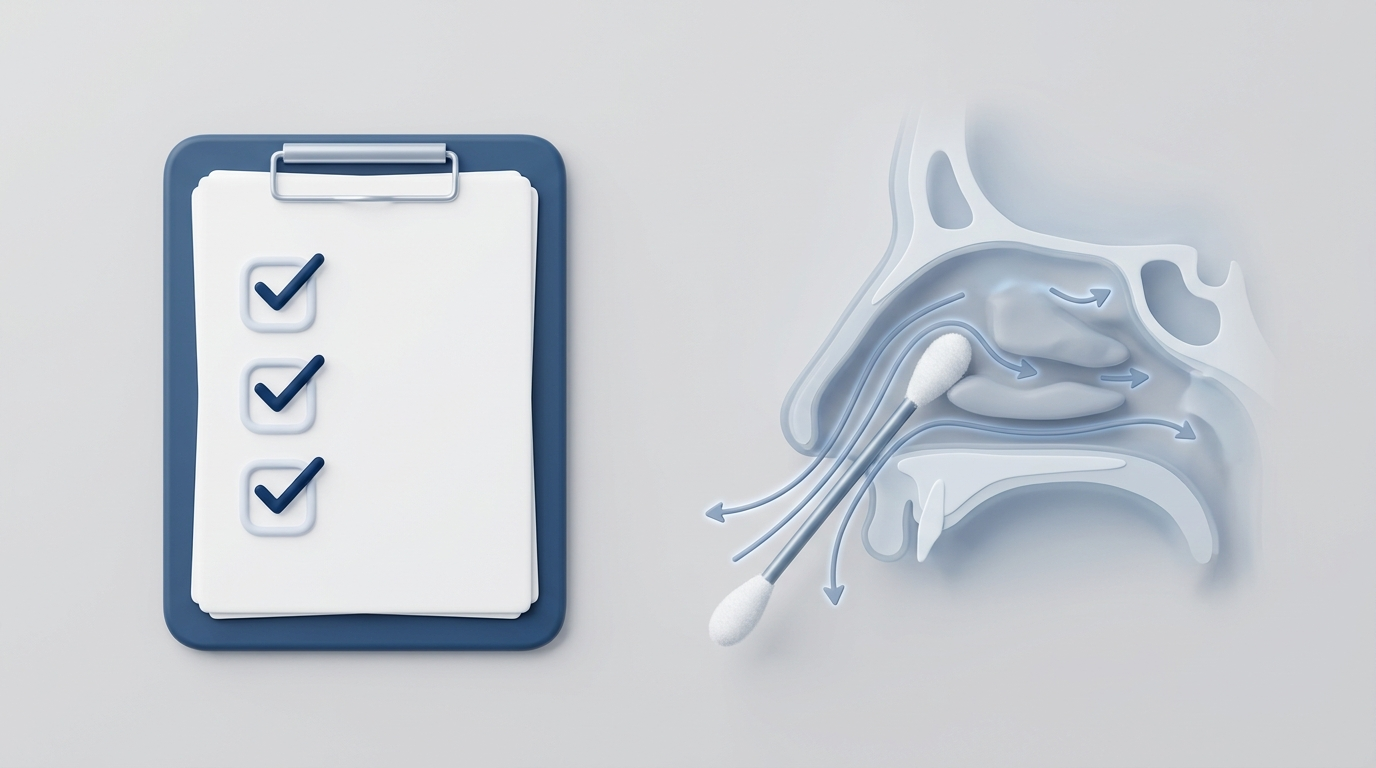
Office cotton test (practical, widely discussed adjunct)
The cotton test involves placing small pieces of cotton in specific nasal areas to temporarily change airflow and resistance. If symptoms improve during the test, it may:
- Support ENS as a possibility
- Help identify potential sites for augmentation or turbinate reconstruction surgery planning (AAO-HNS, 2024)
Improvement on the cotton test can be informative but is not definitive on its own.
Takeaway: A positive cotton test can guide planning, but it does not confirm diagnosis by itself.
Treatment options (stepwise, individualized care)
Research on ENS treatment options includes many case series and reviews, with limited randomized trials. Still, many patients report meaningful improvement with individualized plans. (Basurrah et al., 2024; Leong et al., 2015)
Takeaway: A stepwise plan—starting conservatively—can improve comfort for many patients.

Step 1 — Conservative (non-surgical) symptom management
Common supportive strategies discussed in clinic include:
- Moisturization: saline sprays/rinses and clinician-recommended gels/ointments
- Humidification: especially during sleep and in dry seasons
- Crust management: gentle approaches aimed at minimizing irritation
A practical example: some patients do better with a consistent routine (humidifier overnight plus saline moisture during the day) rather than “catch-up” care only when symptoms flare.
For practical education on this topic, see treating nasal crusting: https://sleepandsinuscenters.com/blog/treating-nasal-crusting-at-home-and-in-the-clinic
Takeaway: Small, consistent moisture strategies often beat occasional intensive efforts.
Step 2 — Treat contributing conditions
Because ENS-like symptoms can overlap with other problems, treatment plans may also address:
- Allergies/rhinitis
- Reflux if throat symptoms are present
- Infection or ongoing inflammation when identified (AAO-HNS, 2024)
Takeaway: Reducing every source of irritation supports better day-to-day comfort.
Step 3 — Counseling and mental health support (supportive care)
Breathing discomfort can disrupt sleep and trigger panic cycles. Addressing anxiety, depression, and insomnia—alongside nasal care—may improve overall quality of life. (AAO-HNS, 2024)
This isn’t about dismissing symptoms. It’s about treating the whole impact of ENS-like illness—especially when fear of breathing discomfort becomes a constant background stressor.
Takeaway: Caring for mood and sleep can make nasal symptoms easier to manage.
Step 4 — Reconstructive or augmentation procedures (for selected patients)
In carefully selected cases, turbinate reconstruction surgery or other nasal augmentation procedures aim to:
- Add volume in targeted areas
- Improve airflow dynamics and comfort
- Reduce the “too open but can’t breathe” sensation (Leong et al., 2015; Basurrah et al., 2024)
What the evidence shows (in plain language): Many studies report improved patient-reported symptoms after reconstruction, but results vary and the overall evidence base is mixed in quality. Not everyone is a candidate, and expectations should be individualized. (Basurrah et al., 2024; Aguirre-Peña et al., 2025; Leong et al., 2015)
Takeaway: Reconstructive options can help selected patients, but careful evaluation and realistic goals are essential.
Step 5 — Regenerative/experimental therapies (emerging)
Some publications discuss regenerative or cell-based approaches, but these remain evolving and are not standardized. (Gordiienko et al., 2021)
Takeaway: Emerging therapies are promising but not yet routine clinical care.
Lifestyle tips for living with ENS-like symptoms (daily comfort + prevention)
Home environment
- Stable bedroom humidity may help reduce dryness sensations.
- Avoiding smoke and strongly scented irritants may reduce inflammation triggers. (AAO-HNS, 2024)
Takeaway: A calmer, more humid home environment often means calmer nasal symptoms.
Sleep strategies
- Many patients find symptoms more noticeable at night; sleep optimization and addressing anxiety/insomnia cycles early can be part of supportive care.
- Consider a consistent, simple nighttime routine that pairs humidification with clinician-recommended moisture measures.
Takeaway: A reliable bedtime routine can reduce overnight flare-ups.
Travel and work tips
- Dry environments (including airplane cabins) can worsen dryness for some people; hydration and clinician-approved nasal comfort strategies may be discussed.
Takeaway: Plan ahead for dry settings so you stay comfortable on the go.
When to call your doctor urgently
Nasal symptoms can feel severe, but urgent evaluation is especially important if any of the following occur:
- Significant shortness of breath not clearly related to nasal discomfort
- Chest pain, fainting, bluish lips, or wheezing
- High fever, severe facial swelling, vision changes, a severe headache, new neurological deficits, or a stiff neck (possible sinus/orbital or central nervous system complications)
If symptoms suggest an emergency, seeking emergency care is appropriate.
Takeaway: If breathing or infection red flags appear, do not wait—seek urgent care.
Questions to ask your ENT (helps patients advocate for thorough care)
Diagnosis and workup
- Could anything else explain my symptoms besides ENS?
- Can we use the ENS6Q and consider a cotton test as part of the evaluation? (AAO-HNS, 2024)
Takeaway: Ask how your clinician will distinguish ENS from its mimics.
Treatment planning
- What conservative steps should we try first, and how will we measure progress?
- If reconstruction is considered, what are the potential benefits and risks in my specific anatomy and surgical history?
Takeaway: Clear goals and metrics help you and your clinician track what’s working.
FAQs
Q: Can Empty Nose Syndrome happen after turbinate reduction (not full removal)?
A: Yes. Empty nose syndrome after turbinate surgery has been reported after reduction and resection, and symptom severity doesn’t always match the amount of tissue changed. (AAO-HNS, 2024)
Q: How long after surgery can ENS start?
A: Months to years after surgery has been described. (AAO-HNS, 2024)
Q: Why do I feel like I’m suffocating if my nose looks open?
A: ENS may involve altered airflow, reduced humidification, mucosal changes, and disrupted sensory signaling—creating a mismatch between what’s seen and what’s felt. (AAO-HNS, 2024; Gordiienko et al., 2021)
Q: Is there a definitive test for ENS?
A: No. There’s no universal diagnostic standard; ENS6Q and the cotton test are commonly used adjuncts. (AAO-HNS, 2024)
Q: Does surgery always help ENS?
A: Not always. Reviews often report improvement in many patients, but the research is heterogeneous and not uniformly randomized. (Basurrah et al., 2024; Leong et al., 2015)
Q: What home measures are commonly discussed to reduce dryness?
A: Many plans start with humidification and clinician-recommended saline/moisturizers, tailored to individual needs and nasal findings. Ask your clinician before starting new products. (AAO-HNS, 2024)
Conclusion
Symptoms consistent with empty nose syndrome after turbinate surgery can be very real and very disruptive—but ENS remains uncommon overall, and a careful evaluation is important to rule out other treatable causes. If you’re dealing with persistent “open but blocked” breathing sensations, dryness, burning, crusting, or air hunger after turbinate surgery, a stepwise approach—often using tools like ENS6Q and sometimes the cotton test—may help clarify next steps.
If you’d like help sorting out complex post-surgical nasal breathing symptoms, you can book an appointment with the team at Sleep and Sinus Centers of Georgia: https://www.sleepandsinuscenters.com/ for a focused evaluation and treatment discussion.
Takeaway: With the right evaluation and a tailored plan, many patients feel and function better.
References
1. American Academy of Otolaryngology–Head and Neck Surgery (AAO-HNS). Empty Nose Syndrome Position Statement (2024). https://www.entnet.org/resource/empty-nose-syndrome/
2. Gordiienko I, et al. Empty nose syndrome pathogenesis and cell-based biotechnology products as a new option for treatment (2021). https://pmc.ncbi.nlm.nih.gov/articles/PMC8474723/
3. Basurrah MA, et al. Surgical and Regenerative Treatment Options for Empty Nose Syndrome: A Systematic Review (2024). https://pmc.ncbi.nlm.nih.gov/articles/PMC11375171/
4. Aguirre-Peña M, et al. Surgical interventions for empty nose syndrome: A meta-analysis of meta-analyses (2025). https://pmc.ncbi.nlm.nih.gov/articles/PMC12321921/
5. Leong SC, et al. The clinical efficacy of surgical interventions for empty nose syndrome: A systematic review (2015). https://pubmed.ncbi.nlm.nih.gov/28349563/
This article is for educational purposes only and is not medical advice. Please consult a qualified healthcare provider for diagnosis and treatment.
If you have severe or rapidly worsening symptoms—especially breathing difficulty with chest pain, fainting, bluish lips, or signs of serious infection—seek urgent or emergency care.
Don’t let allergies slow you down. Schedule a comprehensive ENT and allergy evaluation at Sleep and Sinus Centers of Georgia. We’re here to find your triggers and guide you toward lasting relief.