CPAP Mask Red Marks and Skin Sores: Causes, Prevention, and Solutions
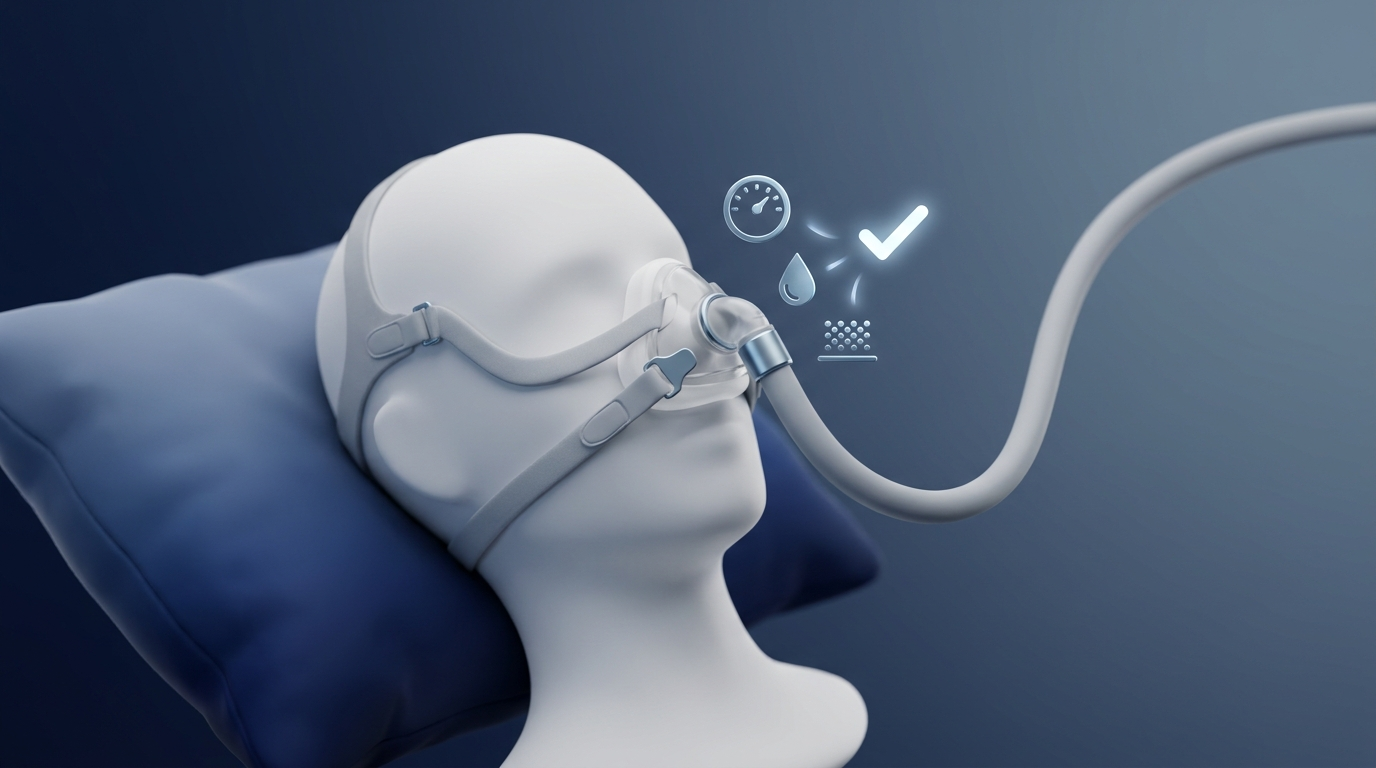
Waking up with lines on your cheeks or a tender spot on your nose can be frustrating—especially when CPAP therapy is helping you sleep and breathe better. The good news: CPAP mask red marks and skin sores are common, and they’re usually fixable with a few targeted changes to fit, comfort accessories, and hygiene.
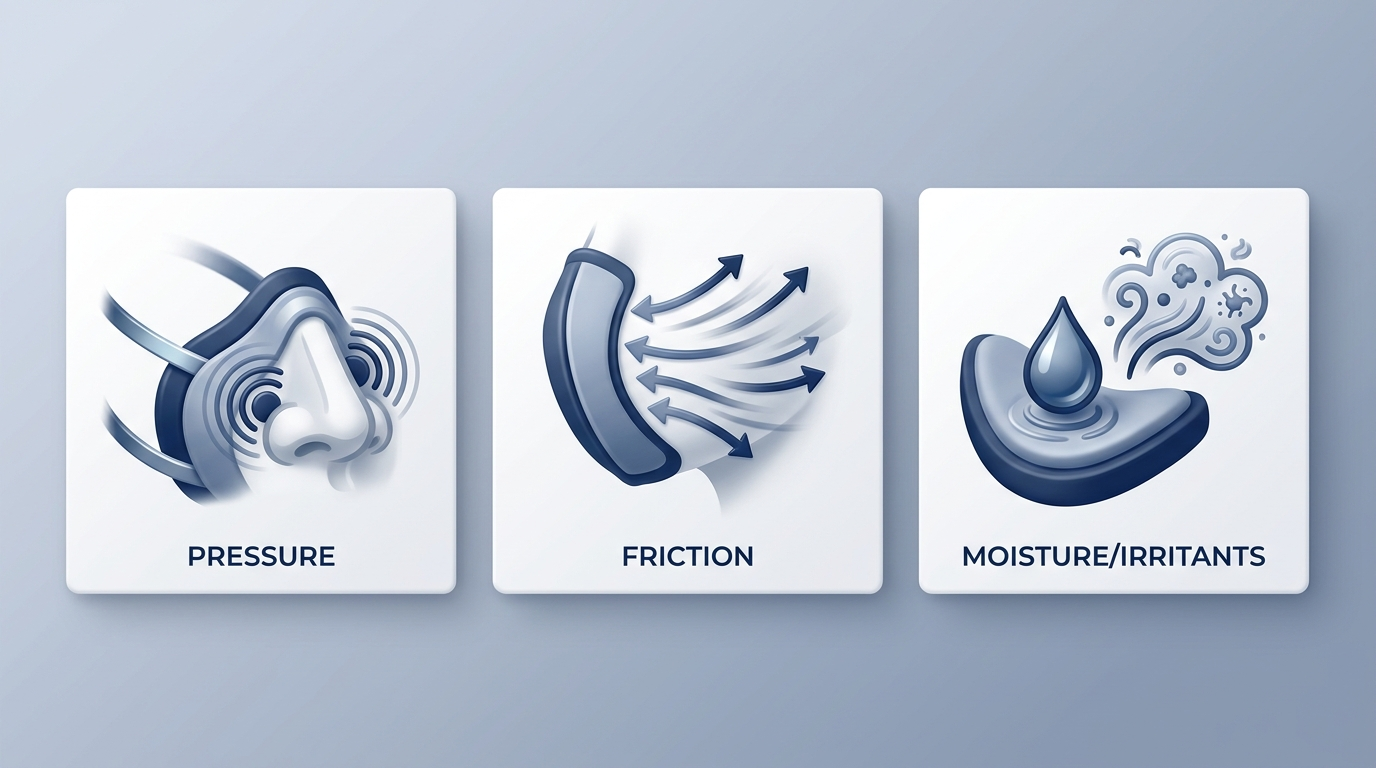
Think of it like a new pair of shoes: a little pressure in the wrong place can leave a mark, and repeated rubbing can turn into a blister. CPAP masks work the same way—pressure + friction + moisture/oils can add up over time.
Below is an educational guide to help you understand what’s happening, what typically helps, and when it’s time to loop in your sleep team at Sleep and Sinus Centers of Georgia.
Quick Take—Why CPAP Mask Marks Happen (and What Usually Fixes Them)
The most common reasons
- Too much pressure from over-tightening or a mask that’s the wrong size/shape. This can lead to deeper strap lines and, over time, CPAP pressure sores—often on the bridge of the nose or cheekbones. (Sleep Foundation)
- Friction from movement during sleep. Side-sleeping, tossing/turning, and minor mask shifting can cause chafing and CPAP mask irritation. (Sleep Foundation; CPAP.co.uk)
- Contact irritation/dermatitis. Skin can react to sweat, facial oils, residual soap, fragrances, or aging mask materials—sometimes showing up as CPAP dermatitis or a CPAP skin rash in the outline of the mask. (SleepApnea.org; CPAP.com; Apria)
The fastest comfort upgrades
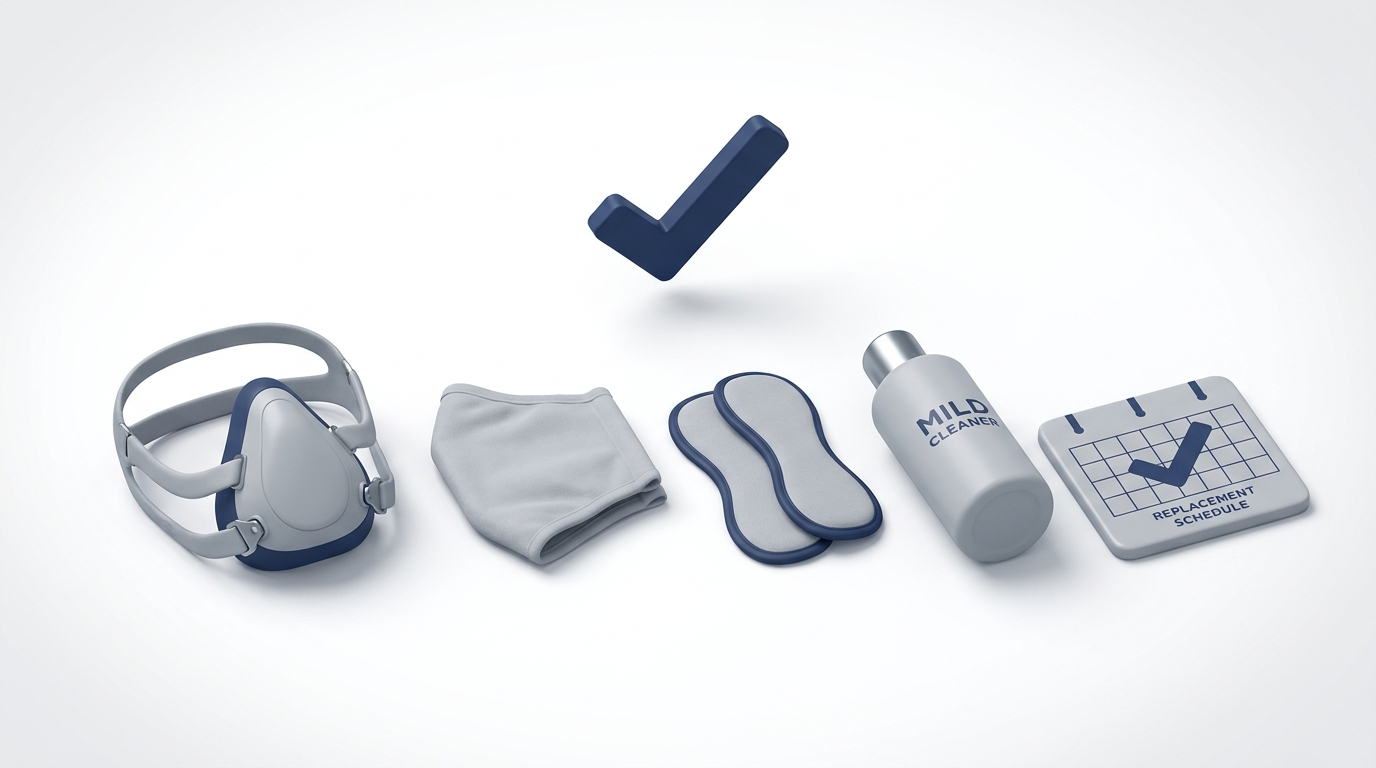
- A mask refit + small strap adjustments (instead of “cranking down” to stop leaks)
- Adding a CPAP mask liner or strap pads to reduce friction and absorb oils
- Following a consistent CPAP cleaning schedule
- Replacing worn cushions/headgear on time (older materials seal worse and can irritate more)
Sources: Sleep Foundation; SleepApnea.org; CPAP.com; Apria; CPAP.co.uk; Mayo Clinic
- https://www.sleepfoundation.org/cpap/how-to-treat-cpap-pressure-sores
- https://www.sleepapnea.org/cpap/cpap-dermatitis/
- https://www.cpap.com/blogs/cpap-therapy/how-to-treat-cpap-dermatitis
- https://www.apria.com/home-healthcare-insights/managing-cpap-related-dermatitis
- https://www.cpap.co.uk/2019/07/solving-red-marks-and-skin-damage-from-your-cpap-mask/
- https://www.mayoclinic.org/diseases-conditions/obstructive-sleep-apnea/in-depth/cpap/art-20044164
What Do CPAP Red Marks and Skin Sores Look and Feel Like? (Symptoms)
Common symptoms (mild to moderate)
- Temporary red lines where the cushion or straps touch (often fading within 30–60 minutes)
- Itching, burning, dryness, flaking, or a rash-like outline
- Tenderness on the nose bridge or cheeks
A helpful self-check: if the skin looks irritated but calms down soon after you remove the mask, it’s often a fit/friction issue that can be improved with small tweaks. This is a general guide, not a diagnosis—persistent or recurring irritation should still be discussed with your provider.
Signs you may be developing a pressure sore
- Redness that doesn’t fade after a few hours
- Skin that feels painful/warm or looks shiny and swollen
- Blistering, scabbing, or broken skin (more consistent with CPAP pressure sores) (Sleep Foundation)
Possible infection warning signs (don’t ignore)
- Increasing pain, drainage/pus, honey-colored crusting
- Fever, spreading redness, or rapidly worsening swelling
Sources: Sleep Foundation; SleepApnea.org
- https://www.sleepfoundation.org/cpap/how-to-treat-cpap-pressure-sores
- https://www.sleepapnea.org/cpap/cpap-dermatitis/
If irritation lingers or worsens, check in with your provider rather than self-diagnosing.
Causes—Why Your Mask Is Irritating Your Skin
Pressure from poor fit (the #1 driver)
When leaks show up, it’s common to tighten the straps. Unfortunately, that can concentrate force on a small area and contribute to CPAP mask red marks and skin sores.
Pressure problems are more likely when:
- The mask is the wrong size
- The mask style doesn’t match your facial structure (or sleep position)
- The cushion is worn and requires tighter straps to seal (Sleep Foundation)
If you want a practical walkthrough, see this CPAP mask sizing guide: https://sleepandsinuscenters.com/blog/cpap-mask-sizing-guide-find-the-perfect-fit-for-comfortable-sleep
Friction and mask movement during sleep
Even a well-sized mask can irritate if it shifts overnight. Friction tends to increase with:
- Side sleeping
- Oily skin (mask slips → more rubbing)
- Stretched headgear (mask moves more easily)
A common pattern: a mask that feels “fine” at bedtime slowly migrates with position changes, and you wake up with a hot spot in the exact place it rubbed for hours. Barriers like liners and strap pads can help reduce rubbing. (Sleep Foundation; CPAP.co.uk)
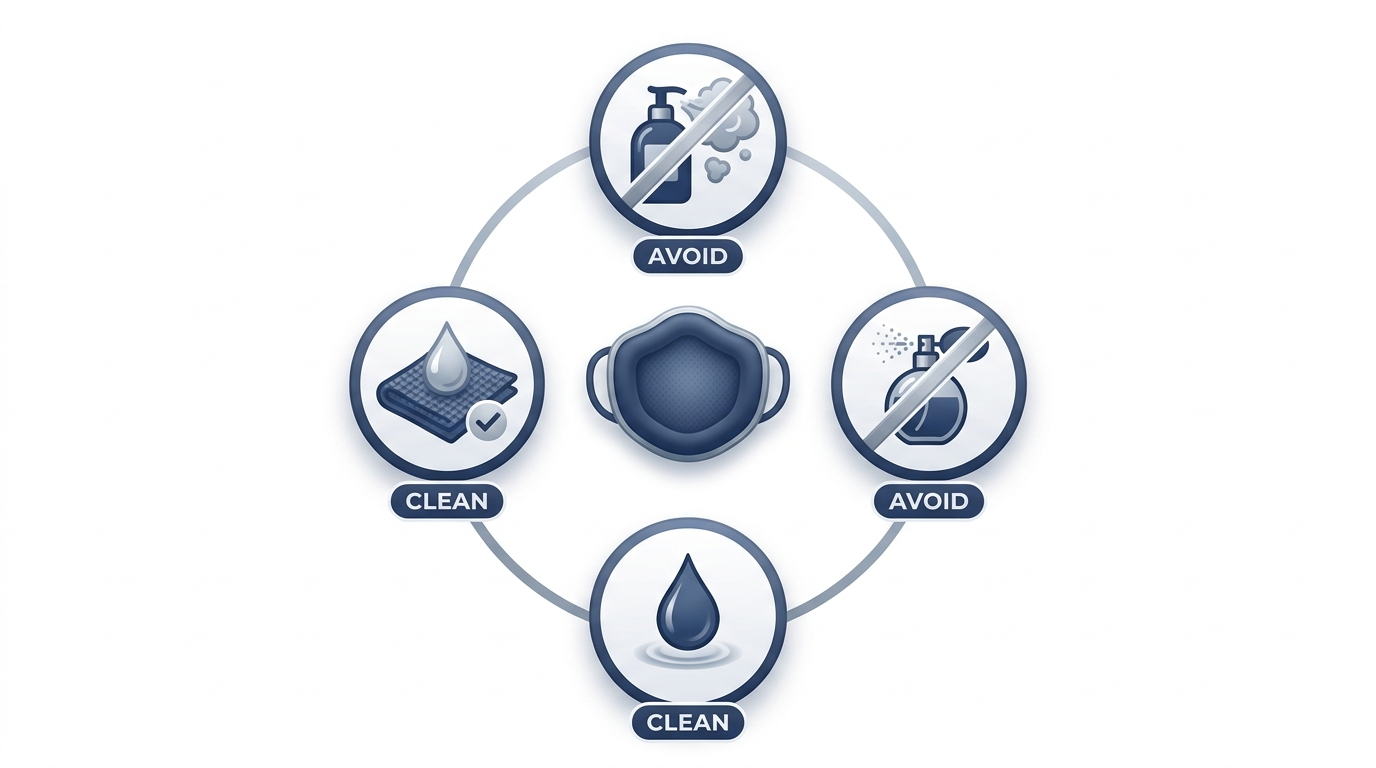
CPAP dermatitis (irritant or allergic/contact dermatitis)
CPAP dermatitis typically shows up as redness, itching, or a rash where the mask touches skin. Common triggers include:
- Residual soap or cleaning agents on the cushion
- Fragrance-containing products
- Sensitivity to mask materials (or changes as the mask ages)
- Sweat and facial oils
Over time, in some cases, skin oils can degrade silicone cushions, which can worsen sealing and may contribute to irritation. (SleepApnea.org; CPAP.com; Apria)
For more detail: https://sleepandsinuscenters.com/blog/contact-dermatitis-from-nose-masks-causes-symptoms-treatment
Hygiene issues (bacteria/yeast buildup)
A drifting routine—skipping cushion cleaning, infrequent headgear washing, or a neglected humidifier chamber—can contribute to odor and irritation in sensitive skin. (SleepApnea.org)
Small changes to fit, movement, and cleaning often remove the root cause.
Prevention—How to Stop CPAP Marks Before They Start
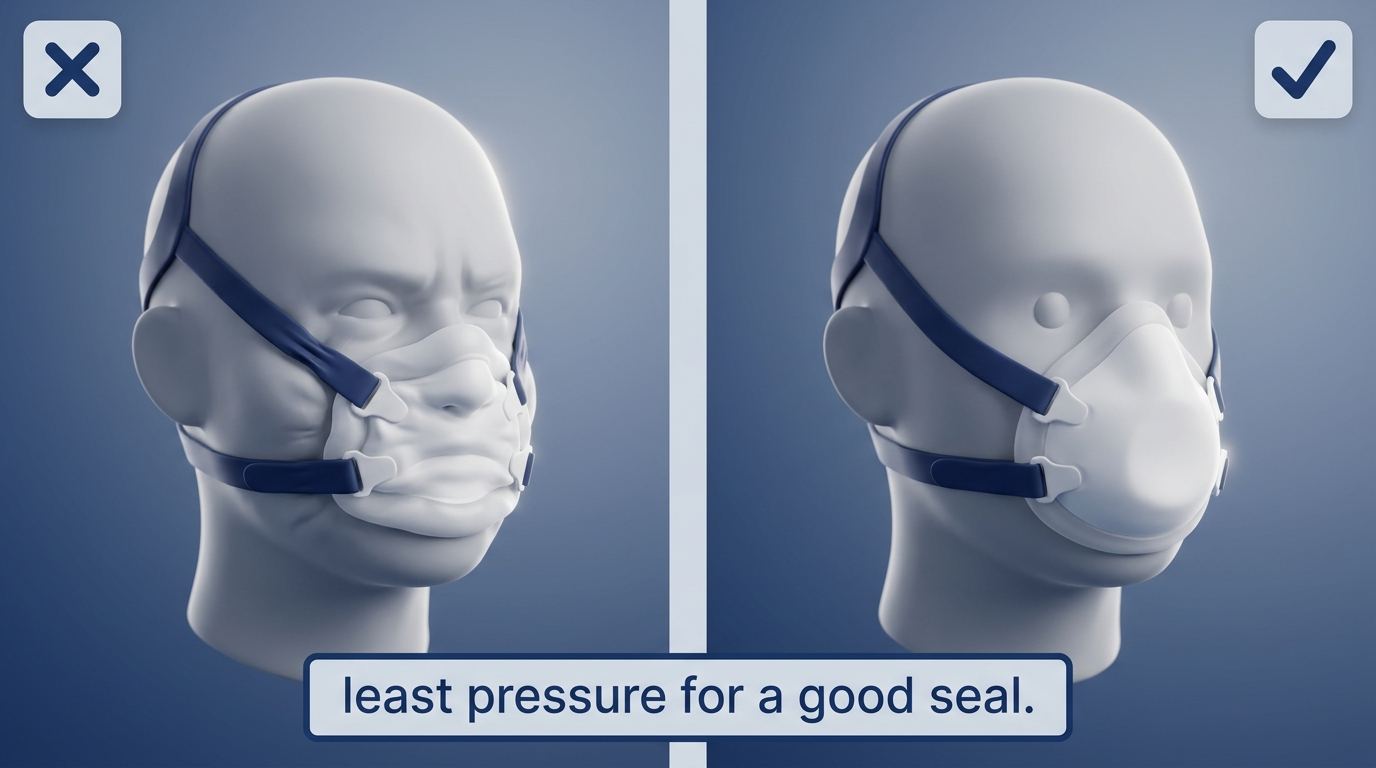
Get the fit right (without “cranking down” the straps)
A useful rule of thumb: aim for a stable seal with the least pressure needed.
Educational fit strategies often include:
- Fitting the mask while lying down with the machine running (your facial contours change)
- Adjusting cushion position first, then tightening gradually
- Considering a different mask style (nasal pillows vs nasal vs full-face) if pressure points persist (Sleep Foundation)
If you have to keep tightening to stop leaks, it may indicate the mask type doesn’t fit your face shape well, rather than a fit technique issue.
Add a protective barrier
If you’re prone to CPAP mask irritation, a barrier can be a game-changer:
- CPAP mask liner (cloth or disposable): reduces friction, absorbs sweat/oils
- Strap pads: help reduce strap lines and “hot spots”
- Nasal bridge pads: useful if the nose bridge is the trouble area (Sleep Foundation; CPAP.co.uk)
Keep your equipment and skin clean (simple schedule)
A consistent CPAP cleaning schedule supports both seal quality and skin comfort. As a general practice:
- Wash your face before bed (removes oil/makeup that can increase slipping)
- Clean the mask cushion regularly with mild, fragrance-free soap
- Avoid harsh chemicals or heavily scented products on mask parts
- Replace cushions/headgear as recommended, since worn materials can leak and irritate more (SleepApnea.org; Apria)
Aim for the best seal with the least pressure—and let accessories do the rest.
Solutions—What to Do If You Already Have Red Marks or Sores
If you’re already dealing with CPAP mask red marks and skin sores, think in steps—reduce the cause first, then support healing.
Step 1: Reduce pressure tonight (safe adjustments)
- Loosening straps slightly and reseating the cushion
- Troubleshooting leaks by fit and positioning before tightening further
- Considering a different cushion size or mask model if the same spot keeps getting irritated (Sleep Foundation)
A concrete example: if the bridge of your nose is sore, you may do better with a style that shifts contact away from that area rather than trying to “pad through” a poor pressure point.
Step 2: Calm irritation and itching
- Some people find relief from non-prescription anti-itch or soothing products, but any medicated cream should only be used after checking with a clinician or pharmacist
- Use a petroleum-free moisturizer as a general practice to support the skin barrier, applied earlier in the evening so it absorbs before masking up (SleepApnea.org; CPAP.com; Apria)
Step 3: If skin is broken (pressure sore care basics)
- Reduce pressure on that exact spot (padding, liner, or alternate mask type if available)
- Keep the area clean and dry and avoid products that sting
- Contact your sleep team if sores persist or worsen (Sleep Foundation)
Step 4: Replace worn parts
If your cushion is cloudy, sticky, stiff, or leaking despite correct fit, it may be worn. Stretched headgear can also cause shifting and friction. (CPAP.co.uk; Sleep Foundation)
Reduce the cause first, then support skin recovery.
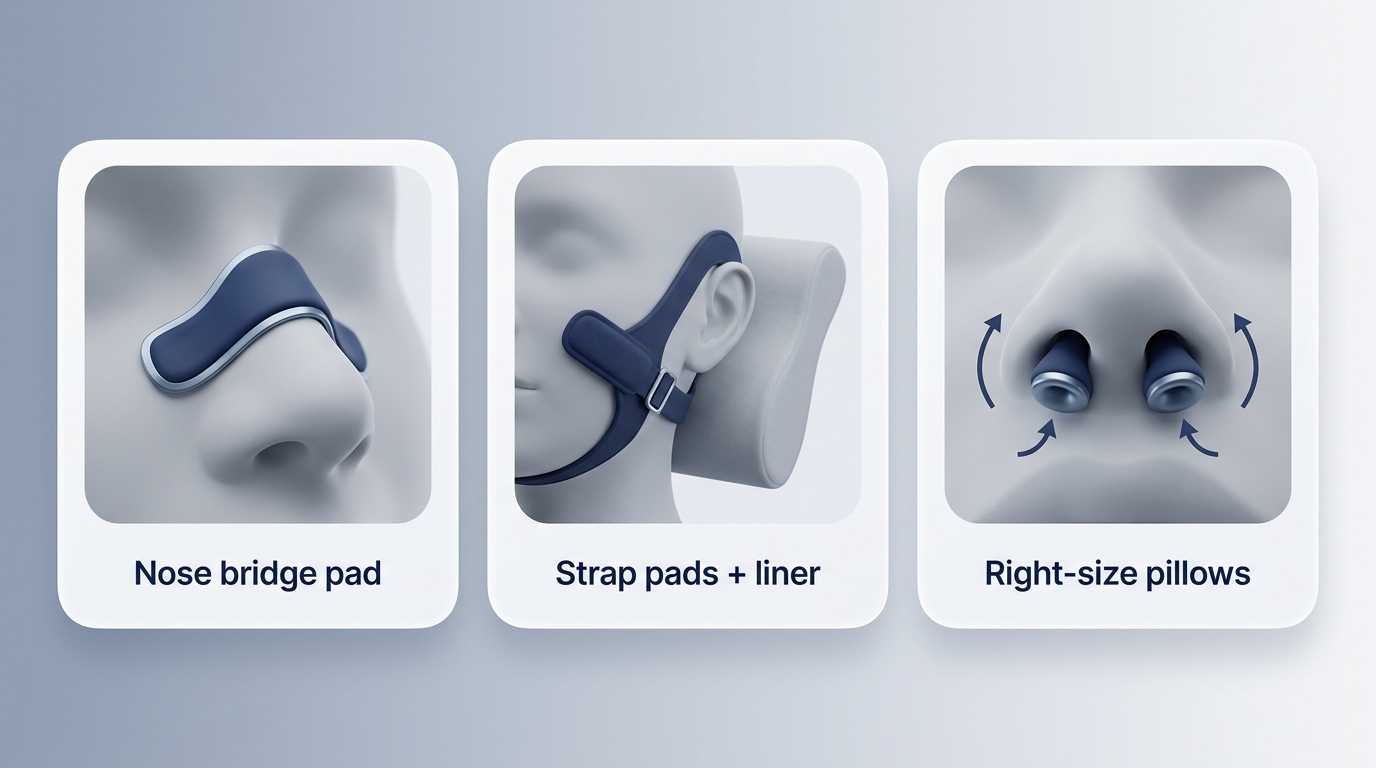
Troubleshooting by Location (Targeted Fixes)
Nose bridge marks
- Consider a nasal bridge pad
- Reassess mask size and shape
- Consider a mask design that avoids the bridge altogether (Sleep Foundation)
Cheek irritation
- Add a liner + strap pads
- Check for side-sleeping shift (a CPAP pillow or thoughtful hose positioning can reduce tugging)
- Explore more CPAP comfort tips: https://sleepandsinuscenters.com/blog/
Around the nostrils (nasal pillow soreness)
Nasal pillows can cause tenderness when the pillow size is off or straps are too tight. Education resources commonly point to:
- Checking pillow size and fit
- Reducing strap tension and minimizing movement
- Using clinician-approved soothing strategies
Related: CPAP sores in nostrils (ENT advice for healing): https://sleepandsinuscenters.com/blog/cpap-sores-in-nostrils-ent-advice-for-healing
Sources: Sleep Foundation; SleepApnea.org
- https://www.sleepfoundation.org/cpap/how-to-treat-cpap-pressure-sores
- https://www.sleepapnea.org/cpap/cpap-dermatitis/
Target the spot and adjust the setup that’s stressing it.
Lifestyle & Comfort Tips That Also Protect Your Skin
Reduce sweating and moisture
- Keep the bedroom cool
- Adjust humidity settings if you wake up clammy (too much moisture can increase slipping and friction)
Keep facial products CPAP-friendly
- Avoid heavy, occlusive products right before masking up (they can increase sliding)
- Choose fragrance-free options when possible—helpful for reactive skin (SleepApnea.org)
Protect sensitive skin
If you have eczema, rosacea, or frequent rashes, it may help to discuss mask materials and cleaning methods with your sleep clinic.
Cool, clean, and fragrance-free usually plays best with CPAP.
Red Marks vs Dermatitis vs Pressure Sores (Quick Comparison)
- Lines that fade within 30–60 minutes: likely typical strap/cushion marks. Next step: recheck fit; consider liner/strap pads.
- Itchy, burning, or dry patches in the mask outline: could be contact dermatitis. Next step: review cleaning products/residue, consider a barrier, and ask a clinician/pharmacist about non-prescription options if needed.
- Redness that persists for hours, becomes painful or swollen, or blisters/scabs: consistent with pressure injury. Next step: reduce pressure on the spot, consider an alternate mask style, and contact your sleep team.
Escalate care as signs progress from fleeting marks to persistent pain or open skin.
When to Call Your Provider (or Seek Urgent Care)
Call your sleep clinic/ENT if:
- Redness lasts into the day or sores keep recurring
- Pain is increasing
- You suspect CPAP dermatitis or a reaction to materials/cleaners
- Leaks persist and you find yourself tightening more and more (Sleep Foundation)
Seek urgent evaluation if:
- Spreading redness, fever, drainage/pus
- Severe swelling or rapidly worsening pain
When in doubt, message your sleep team early—small issues are easier to fix.
FAQs (SEO-Friendly)
Q: How long should CPAP mask red marks last?
A: Mild strap lines often fade within an hour. Redness that lasts for hours, becomes painful, or breaks the skin may suggest developing pressure injury and deserves closer attention. (Sleep Foundation)
Q: Should I stop using CPAP if I have a sore?
A: Some people can reduce pressure on the irritated spot by changing mask fit, adding a barrier, or switching mask styles—but persistent or worsening sores are a reason to contact your sleep team for individualized guidance. (Sleep Foundation)
Q: Do mask liners really work?
A: A CPAP mask liner can reduce friction and absorb oils/sweat, which may help with CPAP mask irritation and mask shifting—especially for side sleepers. (Sleep Foundation; CPAP.co.uk)
Q: Can CPAP cause contact dermatitis or an allergic reaction?
A: Yes. Irritant reactions are often related to moisture, oils, friction, or cleaning residues; less commonly, sensitivity to materials may play a role. (SleepApnea.org; CPAP.com; Apria)
Q: What moisturizer is often recommended with a CPAP mask?
A: Many CPAP education sources suggest petroleum-free moisturizers and applying them well before bedtime so the skin absorbs the product, which may reduce mask slip. (SleepApnea.org; CPAP.com)
Q: Why do my mask problems get worse over time?
A: Cushions and headgear wear out. Silicone can degrade from oils, headgear can stretch, and cleaning habits can drift—making leaks, friction, and CPAP mask red marks and skin sores more likely. (SleepApnea.org; CPAP.co.uk)
Your setup can evolve; revisit fit, barrier, and hygiene as needs change.
Conclusion: A Simple Plan for Healthier CPAP Skin
If you’re dealing with CPAP mask red marks and skin sores, the most reliable approach is usually: fit → barrier → hygiene → skin soothing → replace worn parts.
Red marks, CPAP dermatitis, and even CPAP pressure sores are common CPAP hurdles—and they’re often manageable with the right adjustments. If irritation persists, recurs in the same spot, or you’re stuck tightening straps to control leaks, consider scheduling a mask check-in with Sleep and Sinus Centers of Georgia to review fit and options.
Book an appointment: https://www.sleepandsinuscenters.com/
This article is for educational purposes only and is not medical advice. Please consult a qualified healthcare provider for diagnosis and treatment. If you have worsening pain, broken skin, signs of infection, or concerns about an allergic reaction, contact your clinician promptly.
Don’t let allergies slow you down. Schedule a comprehensive ENT and allergy evaluation at Sleep and Sinus Centers of Georgia. We’re here to find your triggers and guide you toward lasting relief.