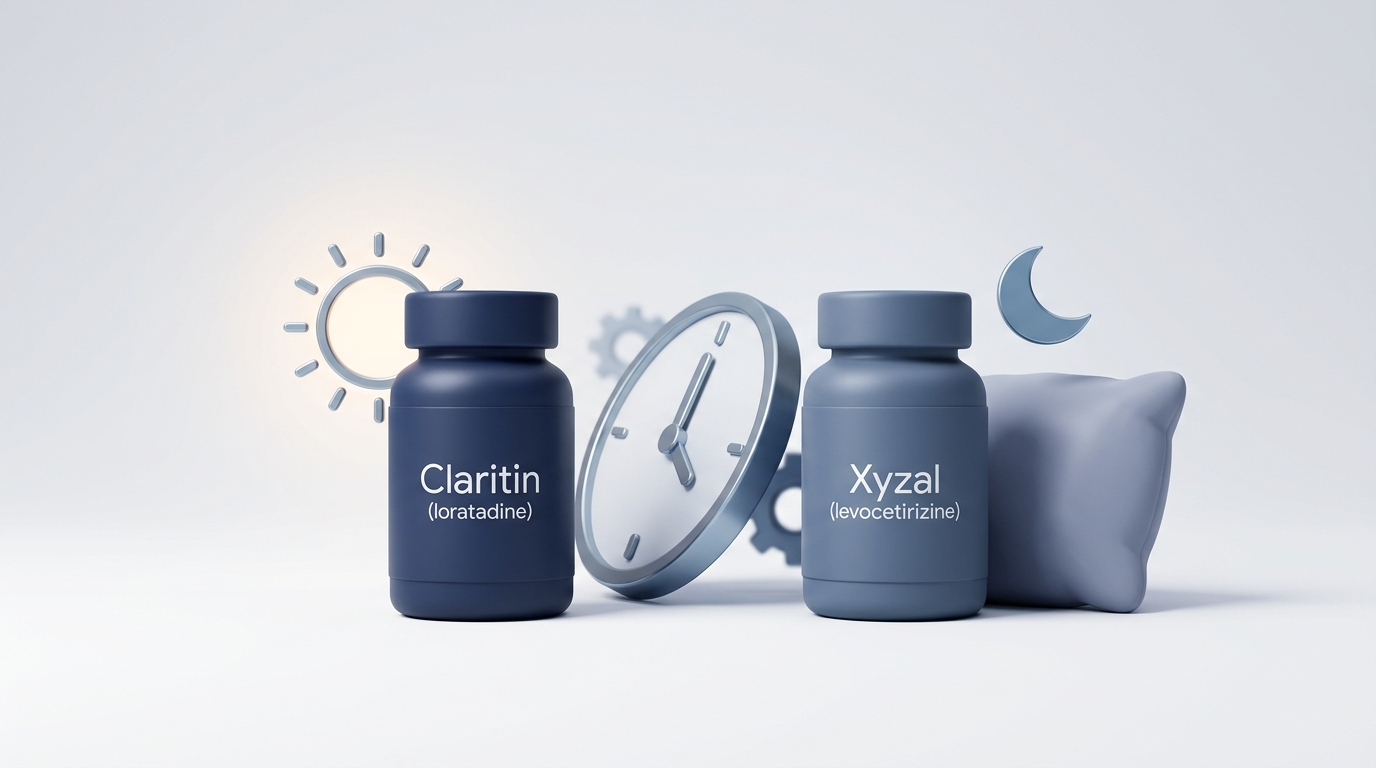
Claritin vs Xyzal: Key Differences, Side Effects, and Which Allergy Medicine Works Faster
Featured snippet — speed, drowsiness, who should use which:
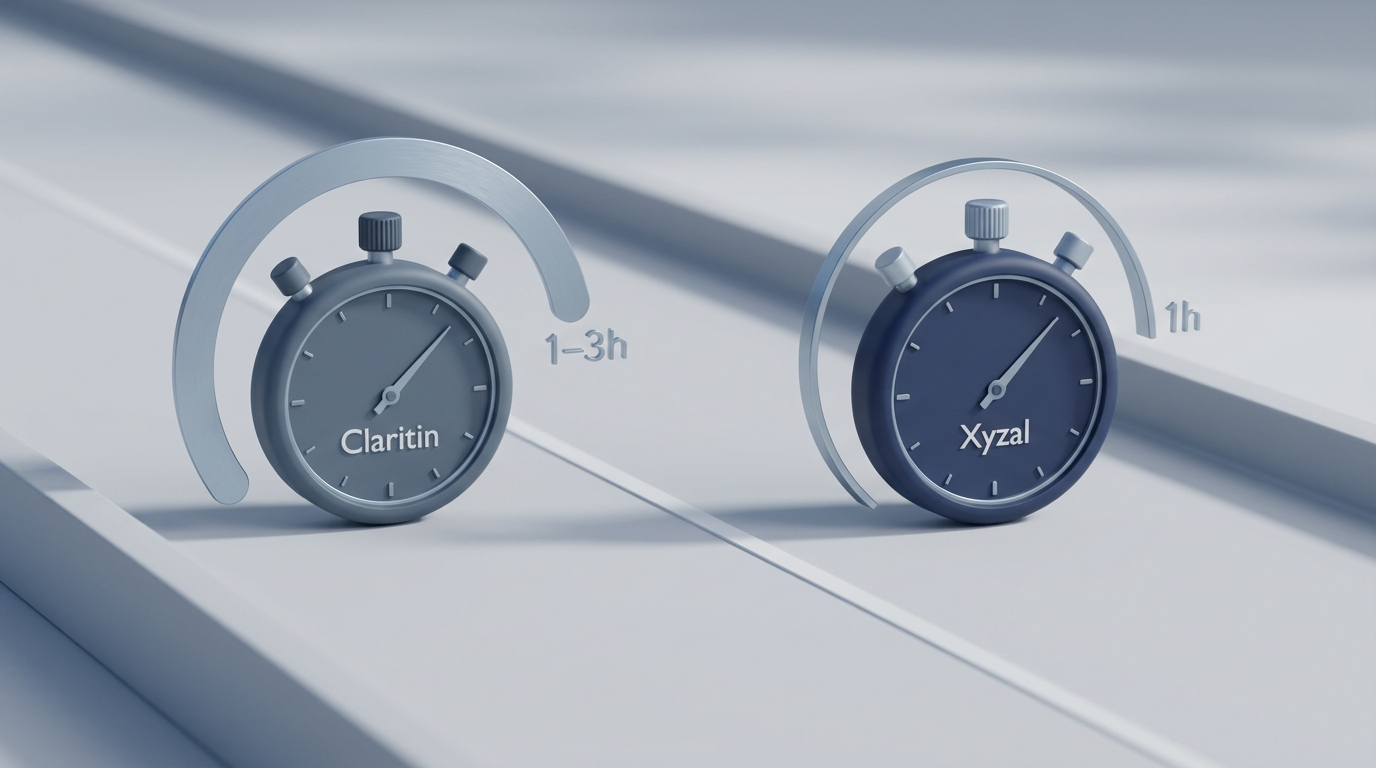
- Works faster: Xyzal (levocetirizine) often starts in ~1 hour; Claritin (loratadine) may take 1–3 hours. Sources: GoodRx; Drugs.com
- Less drowsiness: Claritin is generally less sedating than Xyzal. Sources: GoodRx; Drugs.com
- Who might prefer which: Faster/stronger relief = Xyzal (but higher sleepiness risk). Most “non-drowsy” daytime use = Claritin.
Choosing between two popular OTC antihistamines can feel complicated—especially when you’re sneezing, itchy, and trying to function at work or school. Both are second-generation antihistamines, but they don’t always feel the same in real life.
This guide explains Claritin vs Xyzal in plain language: how fast they work, side effects, and how to decide which one fits your symptoms and schedule.
Quick Answer — Which Works Faster and Which Is Stronger?
A helpful frame: both medicines “turn down” histamine, but they differ in speed and sleepiness risk.
If you need faster relief
- Xyzal often starts working in about 1 hour; Claritin may take 1–3 hours. Sources: GoodRx; Drugs.com
Example: If you wake up symptomatic and need relief before a commute or meeting, earlier onset can matter.
If you want the least drowsiness
- Claritin is generally less likely to cause drowsiness than Xyzal. Sources: GoodRx; Drugs.com
Example: If you drive for work or take exams, “least sleepy” often wins even if relief feels slightly gentler.
If your symptoms are more severe
- Some studies suggest levocetirizine may be more potent/effective than loratadine for symptom scores and certain skin responses. Sources: Walsh 2009 (PMC); Mösges 2011 (PubMed)
Bottom line: Choose based on how fast you need relief and how sensitive you are to drowsiness.
Allergy Symptoms These Medicines Can Help With
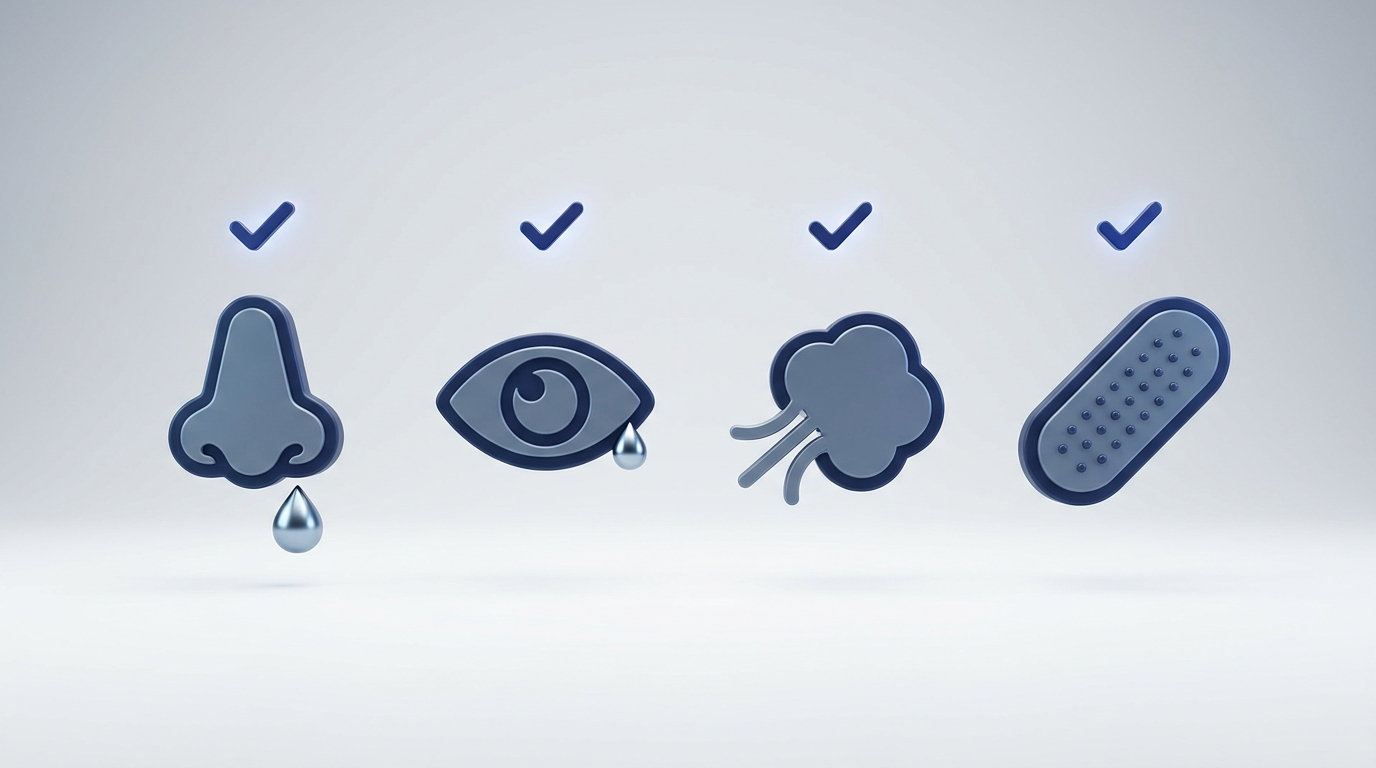
Common allergy symptoms (both medicines help):
- Sneezing
- Runny nose
- Itchy nose/throat
- Itchy/watery eyes
- Postnasal drip (if allergies are the driver)
- Hives/itchy skin (urticaria)
Real-world pattern: Antihistamines shine for the “itchy, drippy, sneezy” version of allergies.
Symptoms that may need a different treatment:
- Stuffy nose (congestion): Many do better with a nasal steroid spray. See decongestant vs antihistamine: https://sleepandsinuscenters.com/blog/decongestant-vs-antihistamine-when-to-use-each-for-allergy-relief
- Wheezing/shortness of breath: May signal asthma or another condition; seek prompt care.
Tip: Match medicine to the main symptom—antihistamines for “itchy/sneezy,” nasal steroids for “stuffy.”
What Causes Allergy Symptoms in the First Place?
The role of histamine: When exposed to allergens (pollen, dust mites, pet dander, mold), your immune system can release histamine—driving itching, sneezing, runny nose, watery eyes.
Analogy: Histamine is like an alarm. Antihistamines don’t remove the allergen; they quiet the alarm so symptoms aren’t as loud.
Why “second-generation” antihistamines are preferred: Claritin and Xyzal aim to relieve symptoms with less sedation than older options like diphenhydramine (Benadryl).
Claritin vs Xyzal — What Are They? (levocetirizine vs loratadine)
Claritin (loratadine) basics
- Active ingredient: loratadine
- Type: second-generation antihistamine
- Often marketed as “non-drowsy,” though mild drowsiness can still occur (Drugs.com)
How patients describe it: “I want relief, but I need to feel like myself at work.”
Xyzal (levocetirizine) basics
- Active ingredient: levocetirizine (related to cetirizine; the active mirror-image form)
- Type: second-generation antihistamine
- More likely to cause drowsiness than loratadine (GoodRx; Drugs.com)
How patients describe it: “It works—sometimes I notice the sleepiness.”
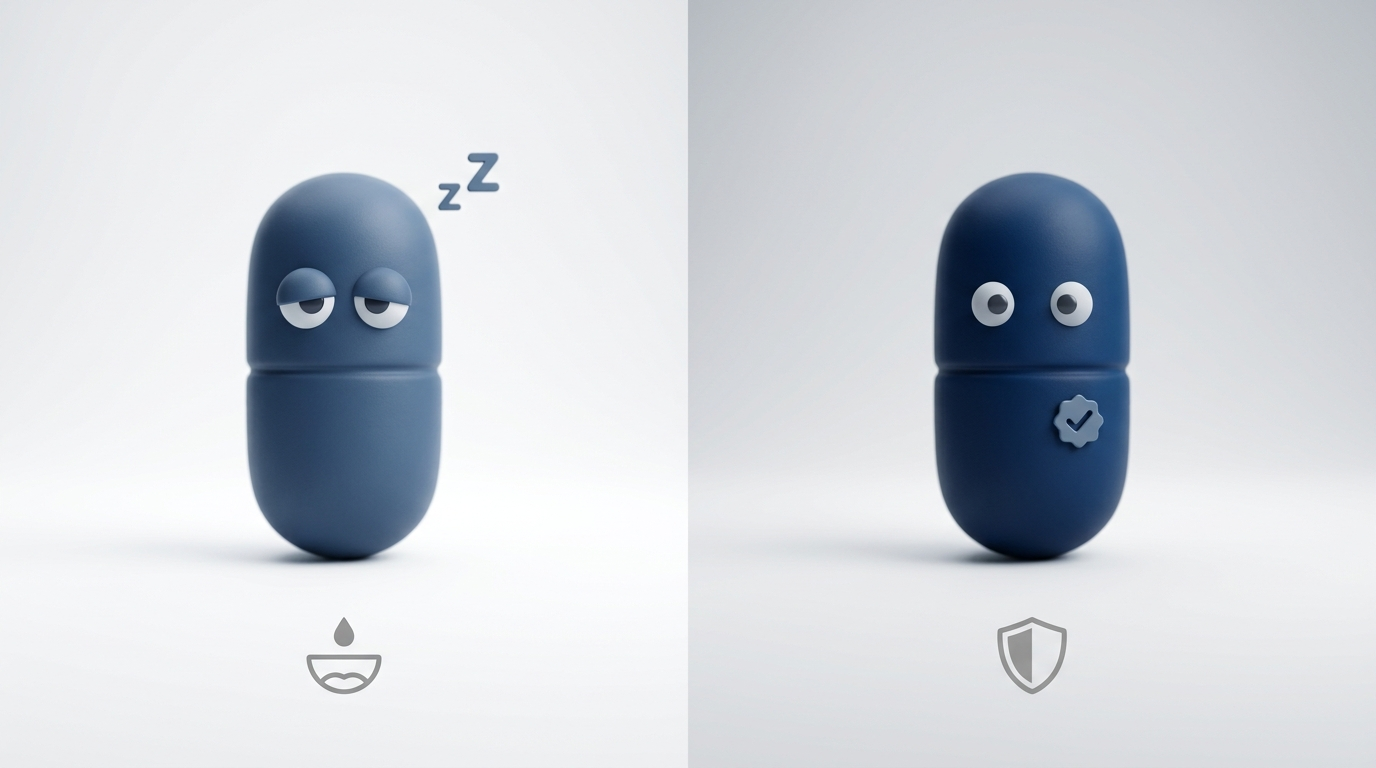
Summary: Claritin leans “non-drowsy,” while Xyzal often feels “stronger but sleepier.”
How They Work (and Why Xyzal May Feel “Stronger”)
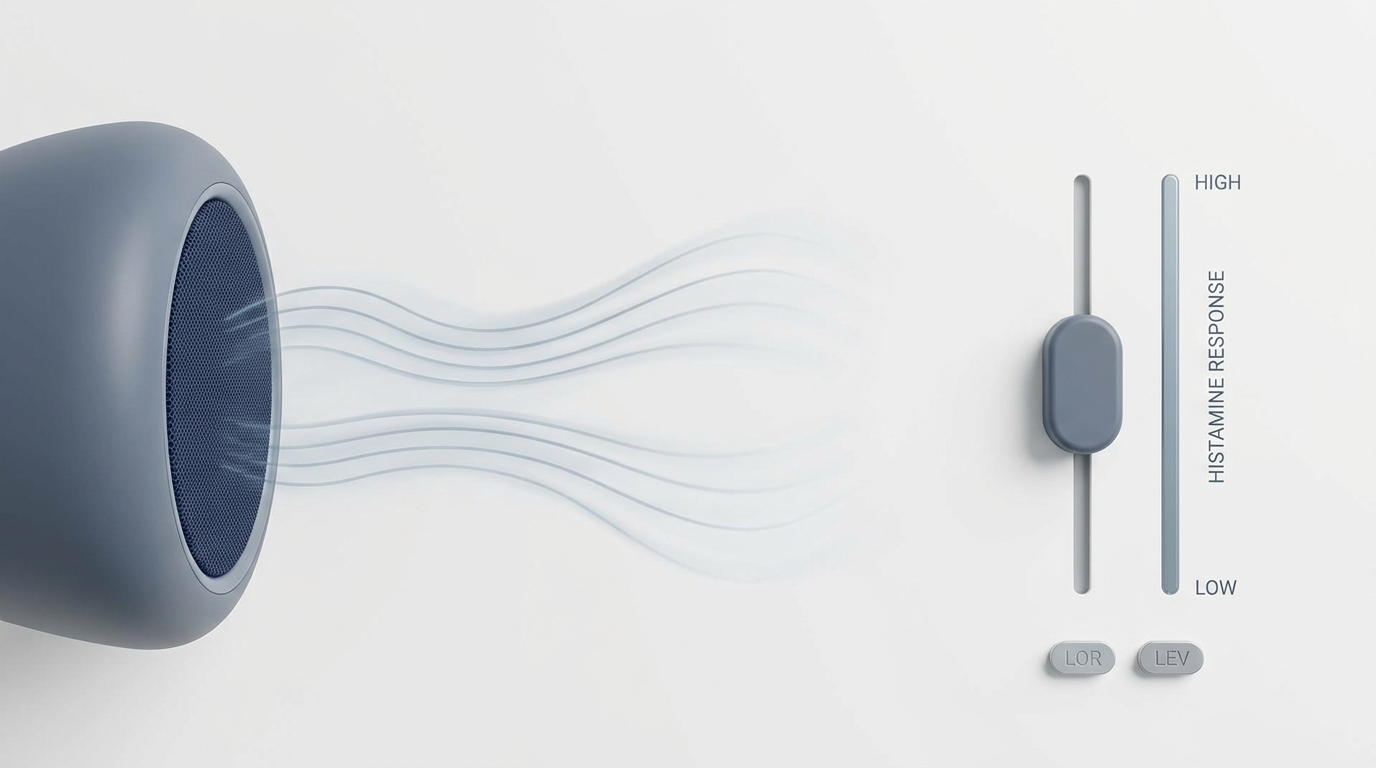
Both block H1 histamine receptors to reduce:
- Itching
- Sneezing
- Runny nose
- Watery eyes
Xyzal’s possible added anti-inflammatory effects: Levocetirizine has documented anti-allergic/anti-inflammatory actions that may contribute to more noticeable relief. Source: Mösges 2011 (PubMed)
Takeaway: Same core mechanism; Xyzal may have added anti-allergic effects some users feel as “stronger.”
Which Works Faster? Onset and Duration
Time to start working
- Xyzal: ~1 hour (GoodRx; Drugs.com)
- Claritin: ~1–3 hours (GoodRx; Drugs.com)
How long they last: Both are generally once daily (follow the product label).
Timing tips
- If Xyzal makes you sleepy, some prefer taking it in the evening (if label-appropriate).
- Claritin often fits daytime use for minimal sedation.
More on timing: https://sleepandsinuscenters.com/blog/best-times-to-take-allergy-medicine-morning-vs-night
Summary: If speed matters most, Xyzal usually wins; if daytime alertness matters most, Claritin often fits better.
Which Works Better for Symptoms? (What Studies Suggest)
Overall symptom control: In some comparisons, levocetirizine improved total symptom scores more than loratadine. Sources: Walsh 2009 (PMC); Mösges 2011 (PubMed)
Skin responses: Levocetirizine more strongly suppressed histamine wheal-and-flare than loratadine in some models. Source: Walsh 2009 (PMC)
Real-world takeaway: If Claritin isn’t enough, Xyzal may offer stronger relief—but with higher sleepiness risk (GoodRx; SingleCare). Choose based on your top priority: speed/strength vs zero sedation.
Side Effects and Safety — Claritin vs Xyzal
Common side effects (both): Headache, dry mouth, fatigue (Drugs.com). Individual responses vary.
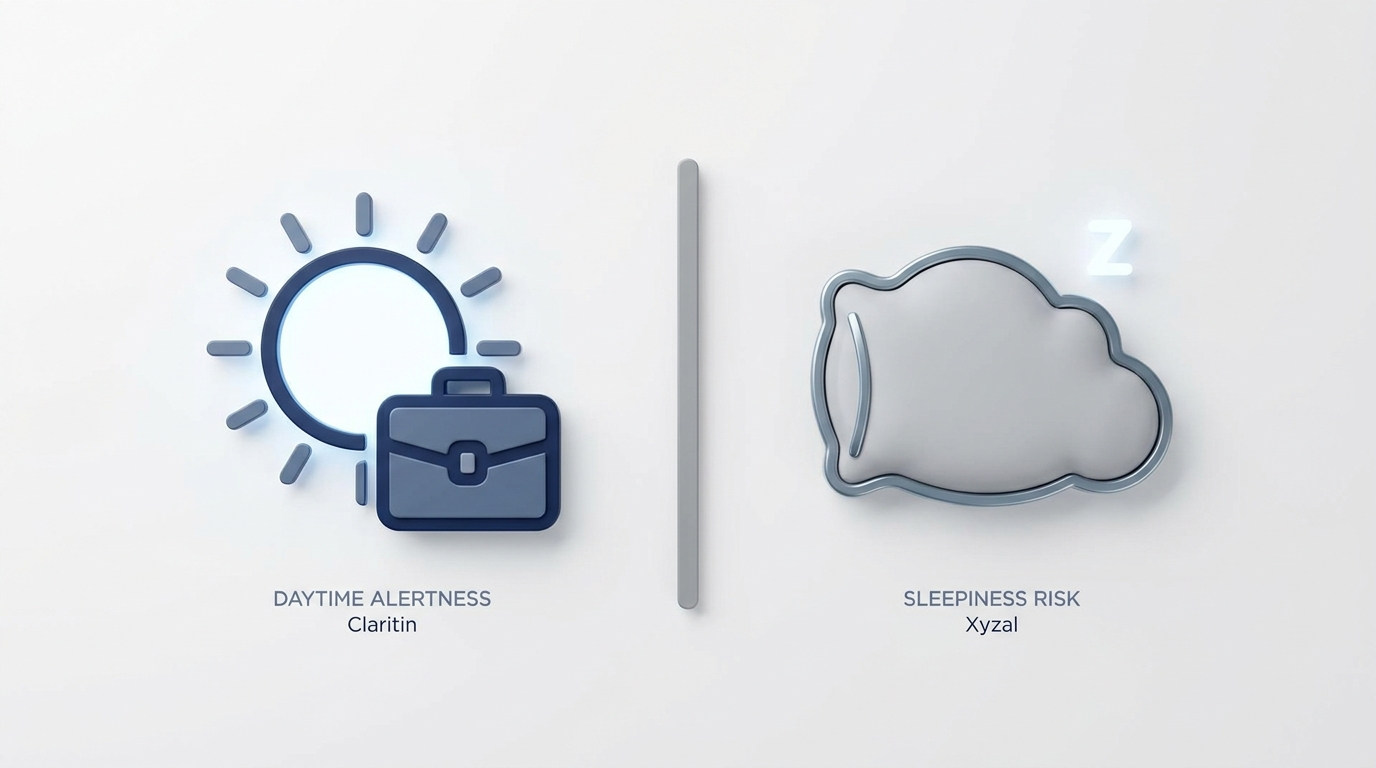
Drowsiness and sedation (key difference): Xyzal is more likely to cause drowsiness than Claritin (GoodRx; Drugs.com; SingleCare). If trying a new antihistamine, test it when peak alertness isn’t required to see your response.
Less common but important: Seek urgent care for severe dizziness, swelling, trouble breathing, fainting, or chest tightness.
Safety cautions: If drowsy, use extra caution with driving or machinery. Alcohol and other sedatives increase sleepiness—especially with Xyzal.
Who Should Choose Claritin?
Best fit:
- People prioritizing a more non-drowsy allergy medicine for work, school, or daytime responsibilities
- Mild-to-moderate seasonal allergy symptoms
Example: If symptoms are annoying but manageable, Claritin is a reasonable first choice.
When Claritin may not be enough:
- Breakthrough symptoms during peak pollen days
- More stubborn hives/itching for some individuals
Summary: Choose Claritin when daytime alertness is key and symptoms are moderate.
Who Should Choose Xyzal?
Best fit:
- People wanting faster onset and possibly stronger symptom relief (GoodRx; Walsh 2009; Mösges 2011)
- More severe, persistent, or “hard to knock down” symptoms
Example: If you still wake with intense itching/sneezing despite consistent measures, Xyzal may be worth considering—especially if you can time it to minimize sedation impact.
When Xyzal may be a problem:
- If you’re sensitive to drowsiness
- If your job requires high alertness
- If you take other sedating medications
Summary: Choose Xyzal when you need faster, stronger relief and can manage the drowsiness risk.
Dosing & Special Situations (General Info)
Typical OTC dosing: Both are commonly once daily; always follow the specific product label.
Considering daily use during allergy season? Overview: https://sleepandsinuscenters.com/blog/daily-allergy-medicine-benefits-side-effects-and-best-options
Kids and age limits: Pediatric dosing is not “smaller adult dosing.” Follow children’s labels or clinician guidance.
Kidney or liver disease: Levocetirizine is more affected by kidney function; dosing adjustments may be needed (Drugs.com comparison).
Pregnancy/breastfeeding: Review options with your OB/GYN or pharmacist to match needs with safety information.
Drug Interactions & “Can I Take This With…?”
Alcohol: Increases drowsiness risk—especially with Xyzal.
Other allergy meds: Avoid two antihistamines together unless specifically directed.
Decongestants: Combo products exist but aren’t ideal for everyone (blood pressure/heart concerns need caution). If congestion is the main issue, see decongestant vs antihistamine: https://sleepandsinuscenters.com/blog/decongestant-vs-antihistamine-when-to-use-each-for-allergy-relief
If Claritin or Xyzal Isn’t Working, What Next?
Check the basics: Are you taking it consistently during your trigger season? Are you timing it around higher-exposure days?
Example: On warm, windy, high-pollen days, consistent dosing (not just “as needed”) can prevent playing catch-up.
Consider layering (with clinician guidance):
- Nasal steroid sprays (especially for congestion/inflammation)
- Saline rinses
- Allergen-avoidance steps
When to consider testing or immunotherapy: Frequent symptoms, unclear triggers, or inadequate OTC relief may warrant testing. Learn more: https://sleepandsinuscenters.com/allergy-testing
For personalized help, book with Sleep and Sinus Centers of Georgia: https://www.sleepandsinuscenters.com/
Lifestyle Tips to Boost Relief (Alongside Medication)
Reduce exposure at home: HEPA filtration where you sleep; wash bedding regularly; reduce dust collectors (carpets, heavy drapes).
Outdoor/pollen strategies: Shower and change clothes after being outside; keep windows closed during high pollen counts.
Sleep-focused tips: Keep the bedroom “allergen-light” and pair exposure reduction with smart medication timing: https://sleepandsinuscenters.com/blog/best-times-to-take-allergy-medicine-morning-vs-night
When to See a Doctor (Red Flags)
Seek urgent care if: Trouble breathing, swelling of lips/tongue/face, chest tightness, fainting or severe dizziness.
Make an appointment if: Symptoms persist for weeks despite OTC options; persistent nasal blockage or recurring sinus infections; you’re relying on multiple OTC products to get through the day.
FAQs
Does Xyzal work faster than Claritin?
- Yes. Xyzal often starts in ~1 hour; Claritin commonly takes 1–3 hours. Sources: GoodRx; Drugs.com
Is Xyzal stronger than Claritin?
- It can be. Studies suggest levocetirizine may be more potent for symptom scores and certain skin responses, but with higher drowsiness risk. Sources: Walsh 2009; Mösges 2011
Which one is less likely to make me sleepy?
- Claritin is generally less sedating than Xyzal. Sources: GoodRx; Drugs.com
Can I switch from Claritin to Xyzal?
- Many people do. If you’re older, pregnant, have kidney disease, or take multiple meds, confirm with a pharmacist.
Can I take Claritin and Xyzal together?
- Typically, no—avoid two antihistamines together unless specifically directed.
What if neither works?
- Check consistency and consider nasal steroid sprays for congestion. If symptoms persist, consider evaluation/testing: https://sleepandsinuscenters.com/allergy-testing
Summary — Choosing the Best Option for You
- Fastest relief: Xyzal (tradeoff: more drowsiness). Sources: GoodRx; Drugs.com
- Minimal drowsiness: Claritin. Sources: GoodRx; Drugs.com
- For frequent/severe symptoms: Build a personalized plan—often including congestion-focused treatment and, when appropriate, allergy testing.
Pick the medicine that aligns with your top priority—speed/strength vs staying alert—and adjust your plan if symptoms break through.
Sources
GoodRx — Claritin vs. Xyzal: https://www.goodrx.com/compare/claritin-vs-xyzal
Drugs.com — Levocetirizine vs loratadine: https://www.drugs.com/compare/levocetirizine-vs-loratadine
SingleCare — Xyzal vs Claritin: https://www.singlecare.com/blog/xyzal-vs-claritin/
Mösges R. (2011) PubMed: https://pubmed.ncbi.nlm.nih.gov/21918368/
Walsh GM. (2009) PMC: https://pmc.ncbi.nlm.nih.gov/articles/PMC2804563/
Medical disclaimer
This article is for educational purposes only and is not medical advice. Consult a qualified healthcare provider for diagnosis and treatment—especially if you are pregnant, have kidney disease, or take other medications.
Don’t let allergies slow you down. Schedule a comprehensive ENT and allergy evaluation at Sleep and Sinus Centers of Georgia. We’re here to find your triggers and guide you toward lasting relief.