Brain Fog From Allergies: Causes, Symptoms, and How to Clear It Fast
Quick Take—Is Allergy Brain Fog Real?
Yes. Brain fog from allergies is real and commonly reported, especially in people with allergic rhinitis. Peer-reviewed reviews and clinical summaries link allergic rhinitis with problems in attention, working memory, mental stamina, and daytime fatigue. See an overview here (PMC review): https://pmc.ncbi.nlm.nih.gov/articles/PMC8317644/
Note: Specific prevalence figures vary by study; exact percentages are not consistent across the literature.
In this article, you’ll learn what “allergy brain fog” feels like, why it happens, how to tell if allergies are a likely driver, and practical steps to feel clearer the same day—plus longer-term strategies to keep it from coming back.

What “Brain Fog From Allergies” Means (In Plain English)
Common ways patients describe it
- “Cloudy head”
- “Slow thinking”
- “Can’t focus”
- “Low motivation”
- “Wired but tired”
A simple way to picture it: it can feel like your brain is running with too many tabs open—everything still works, but it’s slower, noisier, and easier to lose your place.
Brain fog vs. normal tiredness—what’s different?
Normal sleepiness is mostly about wanting to rest. Allergy-related brain fog tends to feel like your brain won’t “click into gear,” even when you try to push through.
It commonly affects:
- Concentration
- Working memory (holding thoughts in your head)
- Mental stamina (how long you can stay sharp)
People often notice they can start tasks but it’s harder to stay on track—like rereading the same email twice or walking into a room and forgetting why.
Who gets it most often?
- Seasonal allergies (pollen)
- Allergic rhinitis
- Chronic nasal congestion and sinus symptoms
- In some people, mast cell–related conditions
For patient-friendly overviews: Banner Health https://www.bannerhealth.com/healthcareblog/teach-me/why-spring-allergies-can-cause-fatigue-headaches-or-brain-fog
For a deeper look at how allergies affect sleep, see: https://sleepandsinuscenters.com/blog/chronic-allergic-rhinitis-and-its-impact-on-sleep-quality
In short: If allergies are active, mental clarity can dip—especially when congestion and sleep loss pile on.
Symptoms of Brain Fog From Allergies
Cognitive symptoms
- Trouble concentrating
- Forgetfulness
- Slower processing (“everything takes longer”)
- Word-finding difficulty (tip-of-the-tongue moments)
Physical symptoms that often travel with it
- Fatigue (sometimes described as allergic rhinitis fatigue)
- Headaches or head pressure
- Heavy or tired eyes
- Dizziness or lightheadedness
Classic allergy symptoms that hint at the cause
- Sneezing
- Itchy or watery eyes
- Runny nose
- Post-nasal drip
- Nasal congestion (often tied to congestion-related sleep disruption)
Quality-of-life impact
Even mild fog can affect:
- Work or school performance
- Driving focus and reaction time
- Mood and irritability (especially when sleep is disrupted)
Quick checklist: Could this be allergy-driven?
If you have 3 or more of the following during allergy season or after clear exposures (like mowing, dusty rooms, or pets), allergies may be contributing:
- Brain fog or cloudy thinking
- Nasal congestion or mouth breathing
- Itchy eyes, sneezing, or runny nose
- Poor sleep or waking unrefreshed
- Head pressure or headache
- Symptoms improve when exposure drops (indoors, after showering, after cleaning)
This checklist is a general guide, not a diagnostic tool. A healthcare provider can confirm the cause of your symptoms.
Bottom line: Fog plus typical allergy symptoms, especially in a seasonal or exposure pattern, points toward an allergy role.
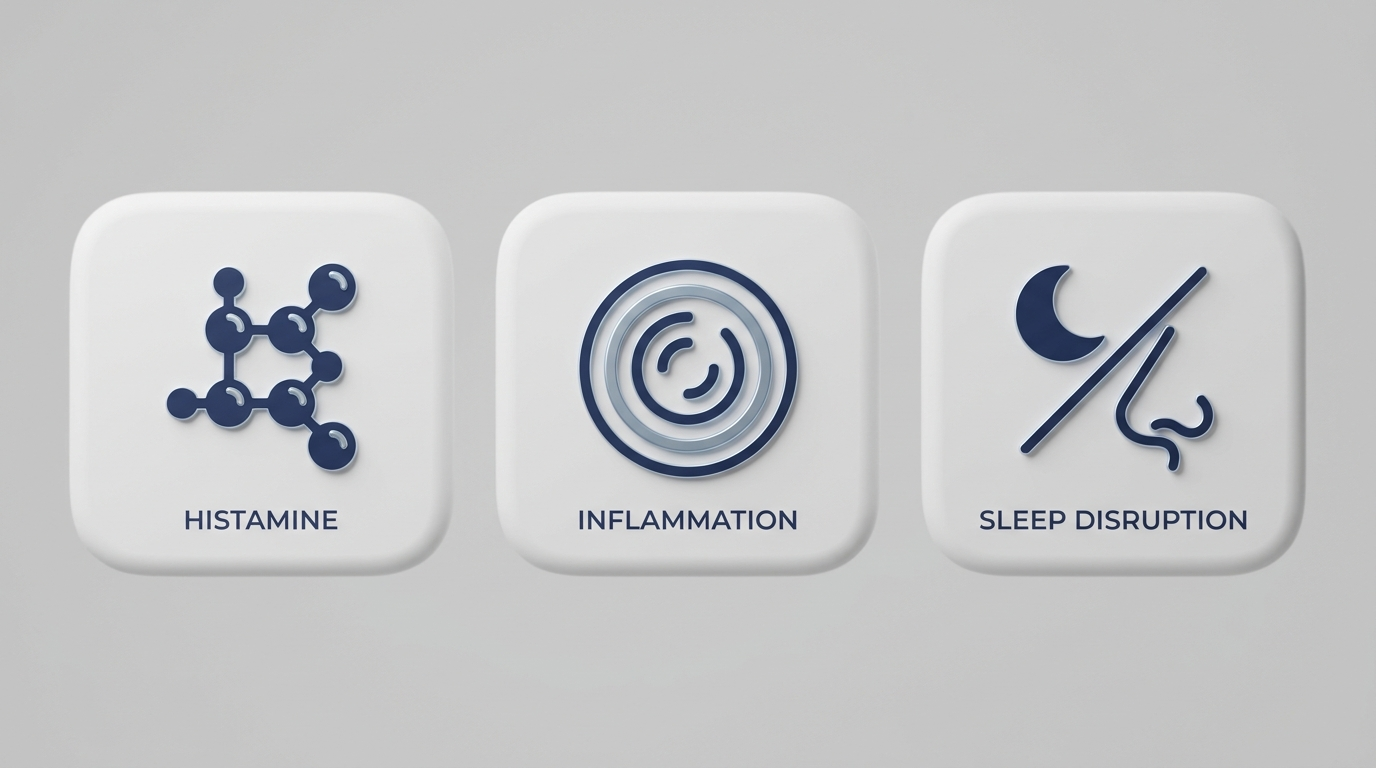
What Causes Brain Fog From Allergies? (The 3 Big Drivers)
1) Histamine can affect the brain (not just your nose)
Histamine isn’t only involved in sneezing and itching—it also acts as a neurotransmitter. During allergy flares, histamine activity and related signaling can shift, which may contribute to slowed thinking, jittery fatigue, and difficulty focusing. Many people describe feeling paradoxical: tired, but mentally “buzzing” or restless.
2) Systemic inflammation and inflammatory mediators
Allergic inflammation isn’t always confined to the nose. Research on allergic rhinitis describes broader, body-wide effects that can include fatigue and cognitive complaints—especially when inflammation is persistent (PMC review): https://pmc.ncbi.nlm.nih.gov/articles/PMC8317644/
A simple way to put it: when your immune system stays activated, your baseline energy can drop, and focus becomes harder to sustain.
3) Sleep disruption from congestion (the underestimated cause)
Nasal blockage can lead to mouth breathing, snoring, and fragmented sleep. Less restorative sleep can amplify brain fog the next day—one reason many people notice it’s worse in the morning after a stuffy night. For a deeper look at this mechanism, see: https://sleepandsinuscenters.com/blog/chronic-allergic-rhinitis-and-its-impact-on-sleep-quality
Big picture: Histamine shifts, inflammation, and sleep loss often work together to create that “cloudy head” feeling.

Related Conditions That Can Make Allergy Brain Fog Worse
Allergic rhinitis vs. sinusitis—why it matters
Rhinitis is inflammation in the nasal lining, often allergy-driven. Sinusitis involves the sinus cavities and may be inflammatory and/or infectious. Symptoms can overlap—pressure, headache, fatigue—so it’s easy to mislabel sinus-driven issues as “just allergies.” For help sorting overlap, this related article may help: https://sleepandsinuscenters.com/blog/brain-fog-and-sinus-disease-symptoms-causes-and-th-20260302121333
Mast Cell Activation Syndrome (MCAS) and cognitive dysfunction
Some people with multi-system, trigger-sensitive symptoms explore mast-cell conditions. In MCAS, cognitive issues may relate to mediator release (including histamine). Note: the source below is a clinical resource blog, not a peer-reviewed journal. https://www.rthm.com/resources/blogs/mcas-brain-fog
Medication side effects that mimic brain fog
Some medications can cause sedation or “fogginess,” especially older, first-generation antihistamines and certain combination cold products. If you suspect a medication effect, discuss options with a clinician or pharmacist before making changes.
Key takeaway: Overlap with sinus disease, medication effects, or mast-cell conditions can magnify fog—clarifying the root cause helps target the plan.
How to Tell If Your Brain Fog Is From Allergies (Not Something Else)
The timing clue
Allergy-related fog often tracks with:
- Pollen peaks and seasonal shifts
- Indoor triggers (dust, pets, mold)
- Specific exposures (yard work, cleaning)
It can help to check today’s pollen levels and compare them with your symptoms using our pollen tracker: https://sleepandsinuscenters.com/georgia-pollen-tracker
The “cluster” clue
A common pattern is brain fog plus typical allergy symptoms (itchy eyes, sneezing, congestion) with a seasonal or exposure-based rhythm. For example: you feel clearer after being indoors with windows closed, then foggier again after outdoor time.
When it might not be allergies
Consider prompt medical evaluation if symptoms include:
- Persistent fever
- Sudden severe headache
- New neurologic symptoms
- New or escalating confusion
- Fainting, chest pain, or severe shortness of breath
When to seek urgent care (red flags)
Urgent evaluation is important for symptoms such as:
- One-sided weakness or numbness
- Slurred speech
- A sudden “worst headache”
- Confusion that is rapidly worsening
If your fog does not track with allergies or you have red flags, get medical care promptly.
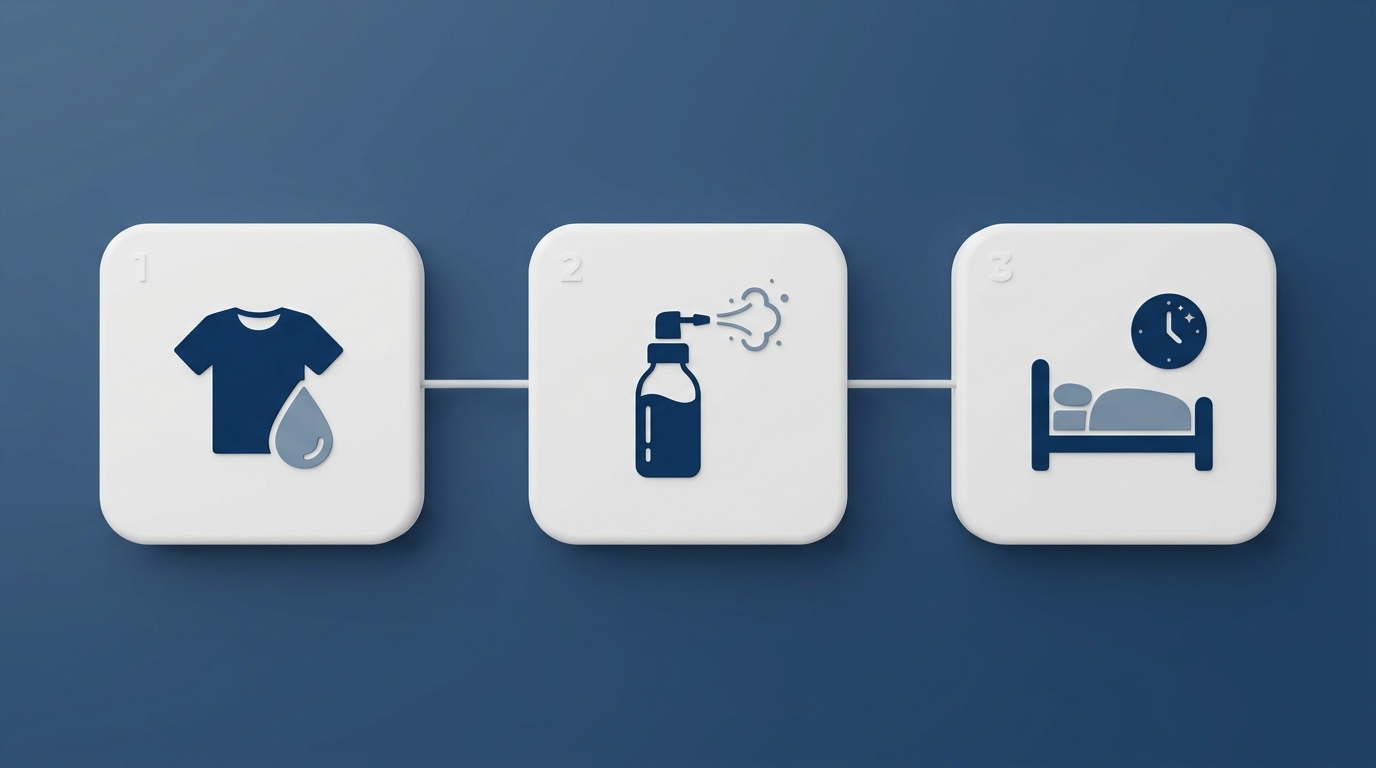
How to Clear Brain Fog From Allergies Fast (Same-Day Relief Plan)
These are educational suggestions on strategies some people find helpful—individual results and safety depend on personal health history. This is not a treatment plan.
Step 1: Reduce exposure right now (often the fastest win)
Many people feel some improvement by reducing the allergen load:
- Go indoors and close windows
- Change clothes after outdoor exposure
- Shower or rinse hair to remove pollen
For indoor triggers, strategies may include cleaning dust reservoirs and using HEPA filtration. If you react after cleaning, dust may get stirred up before it settles—so a quick reset (wash face and hands, change clothes) can help.
Step 2: Open the nose to support sleep and oxygenation
Because congestion-related sleep disruption is a major driver, supporting nasal airflow can matter:
- Saline sprays or rinses (with safe technique and clean water)
- Humidification if dry air worsens symptoms
- Warm shower or steam if it feels helpful
Even modest improvement in nighttime breathing can pay off the next morning with better energy and sharper attention.
Step 3: Talk with a clinician about evidence-based allergy options
Common categories discussed with healthcare providers for allergic rhinitis include:
- Non-sedating oral antihistamines (daytime use is often considered to limit drowsiness)
- Intranasal steroid sprays (a key option for nasal inflammation and congestion)
- Decongestants (short-term use only and not appropriate for everyone)
These are categories commonly discussed with clinicians; choice and dosing should be personalized by a healthcare provider or pharmacist. Patient-friendly overviews: Banner Health https://www.bannerhealth.com/healthcareblog/teach-me/why-spring-allergies-can-cause-fatigue-headaches-or-brain-fog and Aspire Allergy https://www.aspireallergy.com/blog/allergies-and-brain-fog
Step 4: Support alertness while inflammation cools down
While symptoms settle, people often use low-risk supports:
- Hydration (helps keep mucus thinner)
- Light movement (brief walk indoors, gentle stretching)
- A short nap (about 20–30 minutes to avoid grogginess)
- Caffeine timing earlier in the day to protect nighttime sleep
If you’re searching for how to clear brain fog fast, the biggest same-day gains usually come from combining exposure reduction and nasal relief and sleep protection.
Medical note: This article is for education and does not replace medical advice. Medications (including antihistamines, nasal sprays, and decongestants) are not safe for everyone—check with a clinician or pharmacist, especially if you’re pregnant, have high blood pressure, or take other prescriptions.
Quick relief often comes from reducing exposure now and protecting tonight’s sleep.

Long-Term Treatment: Prevent Brain Fog From Coming Back
Confirm your triggers (so you’re treating the right problem)
Seasonal pollen, pets, dust mites, and mold can look similar day to day. Confirming triggers can reduce trial and error and make your plan more targeted. If symptoms are frequent or unclear, consider allergy testing to identify your allergy triggers: https://sleepandsinuscenters.com/allergy-testing
Allergy management plan (the “layered” approach)
Many long-term plans use layers such as:
- Environmental controls (home and bedroom)
- Daily controller therapies during high season
- “Rescue” measures for flare days
This layered approach can reduce overall inflammation and make allergy brain fog less likely to snowball—especially for people who feel “fine” until a heavy exposure day pushes them over the edge.
Immunotherapy (allergy drops or shots) for durable improvement
For persistent symptoms, immunotherapy is sometimes used to reduce sensitivity over time. Timelines and fit vary, so it’s typically a longer-range strategy rather than a quick fix.
Treat chronic nasal obstruction if it’s driving sleep loss
If chronic blockage keeps sleep fragmented, an ENT evaluation can help clarify whether inflammation, recurrent sinus issues, or structural factors are contributing. Related overview: https://sleepandsinuscenters.com/blog/brain-fog-and-sinus-disease-symptoms-causes-and-th-20260302121333
Strategy matters: Identify triggers, layer prevention, and fix sleep-disrupting congestion for the best odds of staying clear.
Lifestyle Tips That Support Clearer Thinking During Allergy Season
Sleep-protection habits when congested
- Keep a consistent sleep schedule
- Slight head-of-bed elevation (for some people)
- Address nighttime stuffiness earlier in the evening (so sleep is less interrupted)
Home air and bedroom hygiene (high ROI)
- HEPA filtration
- Wash bedding regularly
- Reduce dust reservoirs (carpets, heavy drapes, clutter)
- Keep pets out of the bedroom if pet allergy is suspected
Hydration and nutrition basics
Staying hydrated may support mucus clearance and comfort. Simple, repeatable nutrition tends to be more sustainable than complex rules during flare season.
Track patterns to get ahead of flares
A quick symptom diary can help predict flare days and connect the dots between exposure and cognition—especially when paired with a pollen tracker: https://sleepandsinuscenters.com/georgia-pollen-tracker
Small daily habits can prevent big flare days.
FAQs
Can allergies cause brain fog even without sneezing?
Yes. Some people have more congestion, sleep disruption, or inflammation than sneezing. Reviews link allergic rhinitis with fatigue and concentration issues even when classic symptoms vary (PMC review): https://pmc.ncbi.nlm.nih.gov/articles/PMC8317644/
How long does allergy brain fog last?
It often improves as exposure drops and inflammation is controlled, but it can persist when triggers are constant (ongoing indoor allergen exposure) or sleep remains disrupted.
Do antihistamines cause brain fog?
Some can—especially sedating, first-generation antihistamines. Many newer options are designed to be less drowsy, but responses vary. Ask a clinician or pharmacist which choices fit your situation.
Why is brain fog worse in the morning?
Overnight congestion can fragment sleep and increase mouth breathing and snoring, leading to less restorative rest and next-day fog.
Could this be MCAS instead of “regular allergies”?
It may be worth discussing if symptoms are multi-system, unpredictable, and triggered by many exposures. MCAS discussions often focus on mediator release and cognitive effects. Note: clinical resource blog, not peer-reviewed: https://www.rthm.com/resources/blogs/mcas-brain-fog
When to See a Specialist
Consider allergy testing if:
- Symptoms are frequent or severe
- Triggers aren’t clear
- Over-the-counter approaches aren’t controlling symptoms well
Learn more about allergy testing at Sleep and Sinus Centers of Georgia: https://sleepandsinuscenters.com/allergy-testing
Consider an ENT visit if:
- Congestion is persistent
- There are recurrent sinus infections
- Sleep is regularly disrupted
- Structural blockage is suspected
What to bring to your appointment
- A symptom timeline (including “brain fog days”)
- Medications tried (and side effects)
- Known exposures or triggers
- Sleep concerns (snoring, mouth breathing, frequent awakenings)
If symptoms persist or keep affecting your life, a personalized plan can make a real difference.
Conclusion: Clearer Thinking Starts With Better Allergy Control
If you’ve been struggling with brain fog from allergies, it’s not “all in your head”—and it’s not uncommon. Reviews support an association between allergic rhinitis and concentration and energy problems, with key drivers that include histamine activity, inflammation, and sleep disruption (see PMC review above).
The most effective approach usually isn’t powering through. It’s addressing the full picture: triggers and inflammation and congestion-related sleep loss. With a clearer plan, many people find that mental clarity improves right along with their allergy control.
CTA: Ready for a clearer plan? If brain fog, congestion, or poor sleep keeps showing up during allergy season, you can book an appointment with Sleep and Sinus Centers of Georgia here: https://www.sleepandsinuscenters.com/
This article is for educational purposes only and is not medical advice. Please consult a qualified healthcare provider for diagnosis and treatment.
Don’t let allergies slow you down. Schedule a comprehensive ENT and allergy evaluation at Sleep and Sinus Centers of Georgia. We’re here to find your triggers and guide you toward lasting relief.