Biologics and Other Targeted Treatments for Chronic Hives (CSU): Benefits, Risks, and What to Expect
Biologic and other targeted treatments can help chronic spontaneous urticaria (CSU)—often called chronic hives—when daily H1 antihistamines aren’t enough. Omalizumab is the long‑established benchmark biologic, dupilumab is an FDA‑approved alternative for patients 12+ years, and newer targeted options such as oral BTK inhibitors (for example, remibrutinib) are expanding choices. Many people notice improvement within weeks, but it’s common for clinicians to reassess response around 3 months (about 12 weeks).
Quick Takeaways (for skimmers)
- Chronic spontaneous urticaria (CSU) means hives (sometimes with swelling) that persist on most days for 6+ weeks.
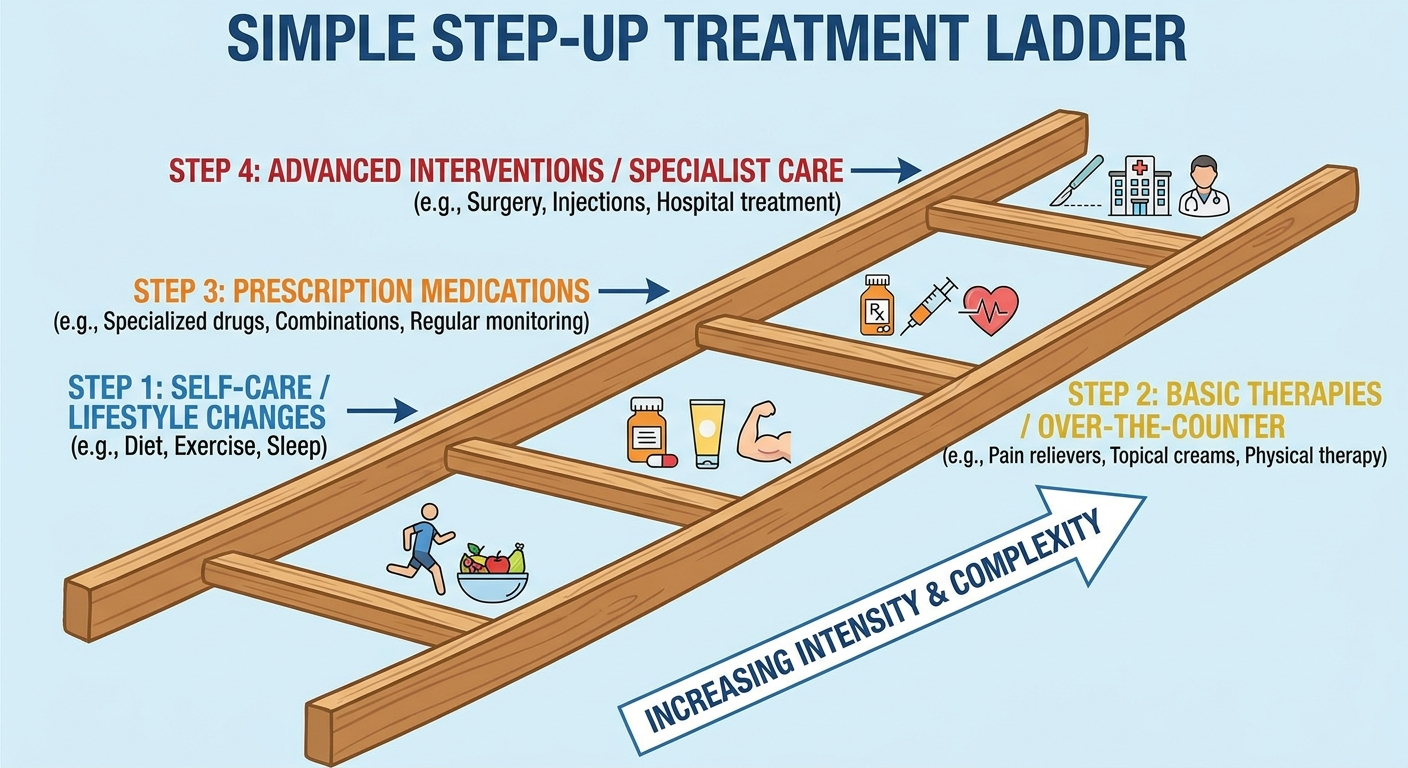
- Treatment typically follows a step‑up approach, starting with daily non‑sedating H1 antihistamines.
- Biologic treatments for chronic hives are considered when symptoms are antihistamine‑refractory and quality of life is significantly affected.
- The best‑established biologic is omalizumab; dupilumab is FDA‑approved for CSU in adults and pediatric patients aged 12+ years who remain symptomatic on H1 antihistamines.
- A key non‑injection, targeted option is oral BTK inhibition (for example, remibrutinib)—not a biologic, but increasingly relevant where available.
- Common downsides include injection‑site reactions, cost/insurance steps, and variable time to response—most plans reassess around 12 weeks.
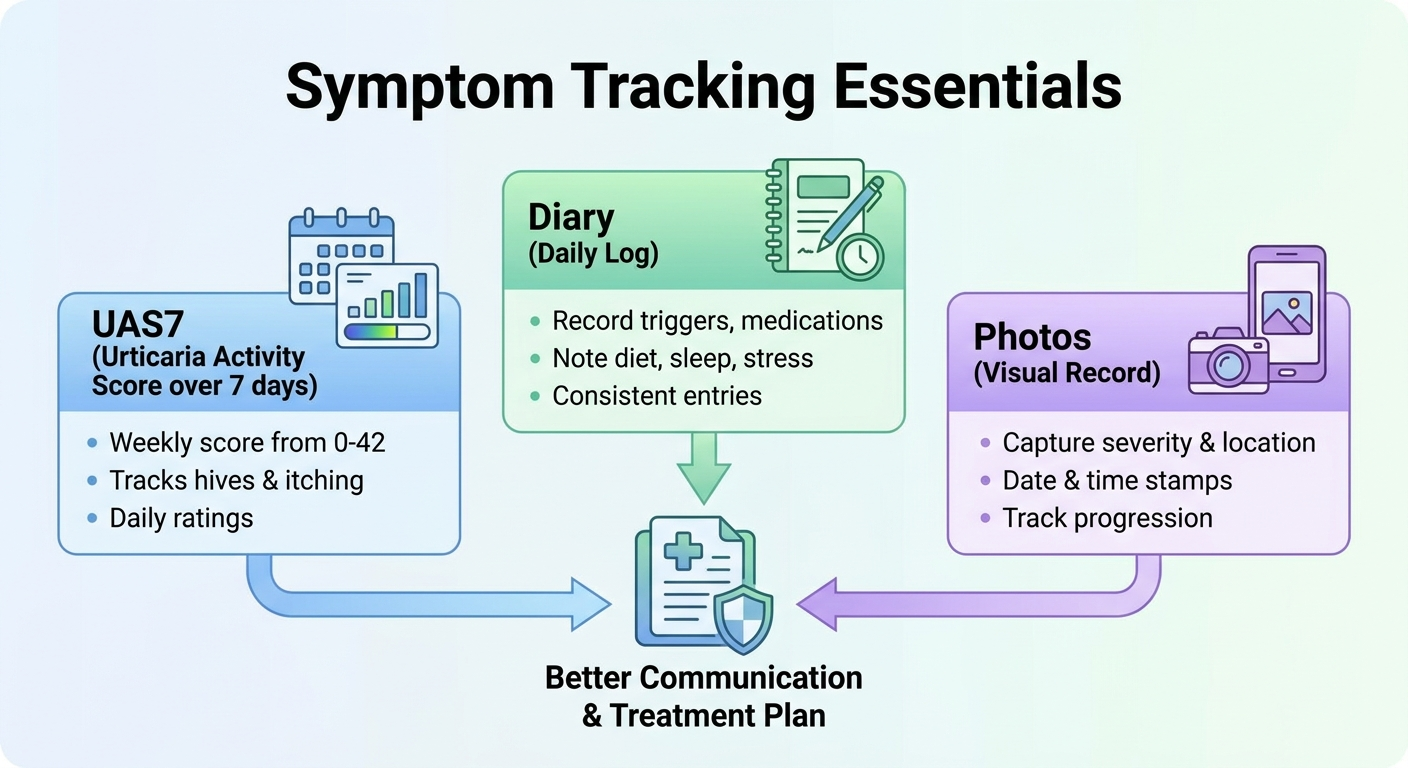
- Come prepared to visits with a symptom diary, photos, and questions (a checklist is included below).
- For a refresher on immune mechanisms vs classic allergy, see our guide on what allergies are: https://sleepandsinuscenters.com/what-are-allergies
In short: biologics and newer targeted therapies can help when antihistamines aren’t enough—expect a 12‑week checkpoint to decide next steps.
What Are Chronic Hives (Chronic Spontaneous Urticaria)?
Chronic spontaneous urticaria (CSU) is the medical term for hives that appear “out of the blue” (without a consistent external trigger) and persist on most days for 6 weeks or longer.
For many patients, the hardest part isn’t just the itch—it’s the unpredictability.
Key symptoms patients notice
- Raised, itchy welts that come and go (often moving around the body)
- Angioedema (swelling), commonly of the lips, eyelids, hands, or feet
- Day‑to‑day fluctuation—even when nothing obvious changed
When to seek urgent care
CSU can be miserable, but it’s not the same thing as anaphylaxis. Seek urgent evaluation for:
- trouble breathing, throat tightness, wheezing
- fainting, dizziness, or rapidly worsening swelling
- any severe reaction that feels different from your typical CSU pattern
In short: CSU is chronic, unpredictable hives—with urgent care warranted if breathing, throat, or fainting symptoms occur.
Why Do Chronic Hives Happen? (Common Causes & Triggers)
“Cause” vs “trigger” (simple explanation)
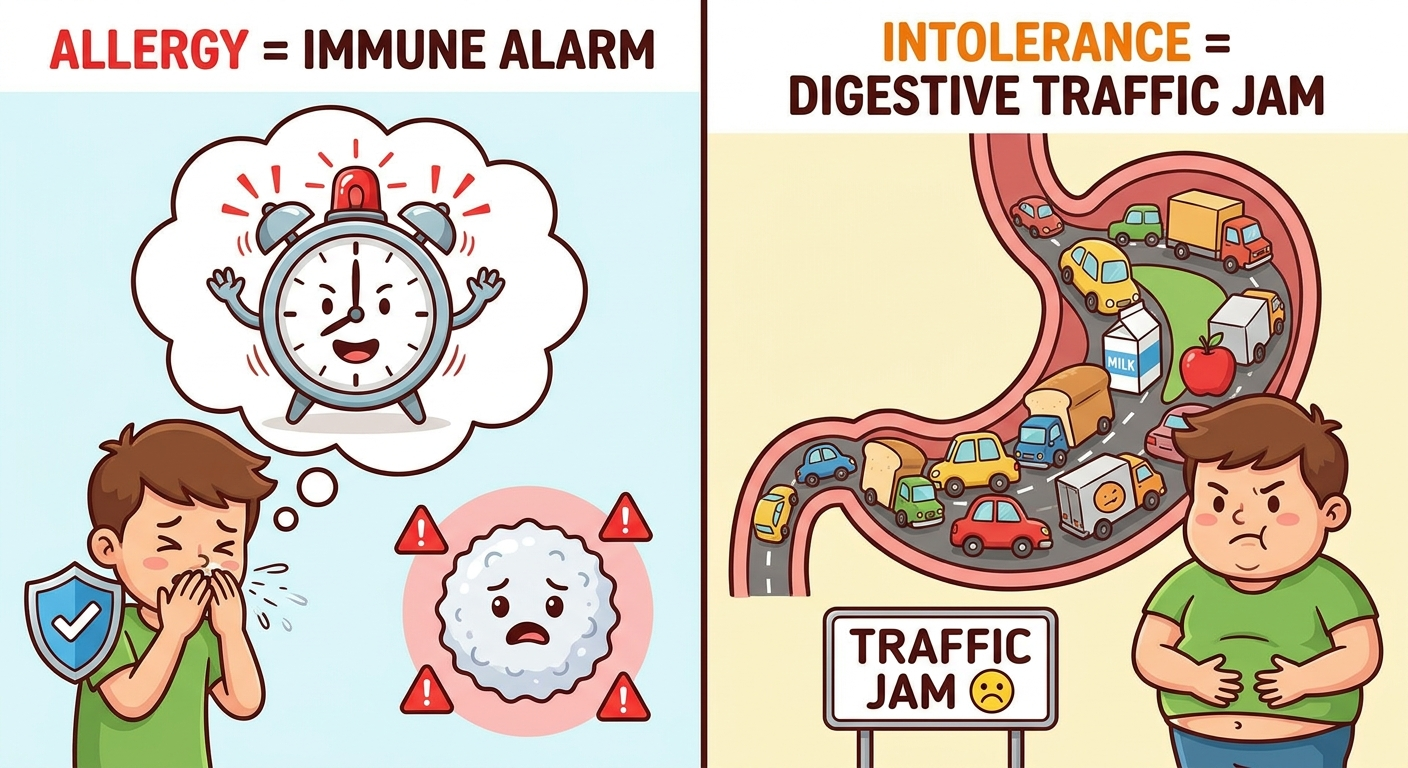
In many people, CSU is immune‑driven and not due to a single allergy. Think of an alarm system that’s extra sensitive—it can go off even when you can’t find obvious “smoke.” You may not find one clear “cause,” even though certain exposures can still trigger flares. For more on allergy vs other immune reactions, see: https://sleepandsinuscenters.com/what-are-allergies
Common triggers that can flare CSU
- Heat, sweating, hot showers
- Pressure/friction (tight clothing, straps)
- Alcohol
- Stress and sleep disruption
- Viral illness or other infections
- Certain medications (notably NSAIDs for some patients)
A common misconception: food is less often the root cause of chronic daily hives than people assume. Food can cause hives in classic immediate allergy, but CSU is frequently different—so it’s usually better to evaluate thoughtfully rather than starting broad elimination diets without guidance.
Why standard allergy testing may or may not help
Because CSU often isn’t a “single allergen” problem, testing may not identify a clear culprit. Still, testing can be useful in select situations based on your history. Learn more: https://sleepandsinuscenters.com/allergy-testing
In short: CSU is typically immune‑driven and trigger‑sensitive; broad food eliminations and blanket testing rarely solve it.

First-Line CSU Treatment (Before Biologics)
Daily non‑sedating H1 antihistamines (the foundation)
For most people, daily H1 antihistamines are the starting point. “Antihistamine‑refractory” generally means symptoms continue despite an appropriate, clinician‑guided plan with H1 antihistamines. If you’re noticing your usual options aren’t helping, this article may help before your visit: https://sleepandsinuscenters.com/blog/when-antihistamines-stop-working-why-allergy-sympt-20260709051440
Step‑up options your clinician may consider before/alongside biologics
Plans can include dose adjustments, combinations, or short‑term “rescue” approaches for severe flares—always individualized and reassessed over time. Real‑world goals include better sleep, fewer surprise swelling episodes, and fewer days planned around symptoms.
In short: antihistamines are the base; “refractory” means it’s time to discuss targeted options.
When Are Biologic Treatments Considered for Chronic Hives?
Who is a candidate?
Biologic treatments are usually discussed when:
- CSU is not controlled with H1 antihistamines, and/or
- symptoms significantly impact life: poor sleep, missed work/school, persistent itch, anxiety, or frequent swelling episodes
What “biologic” means in plain language
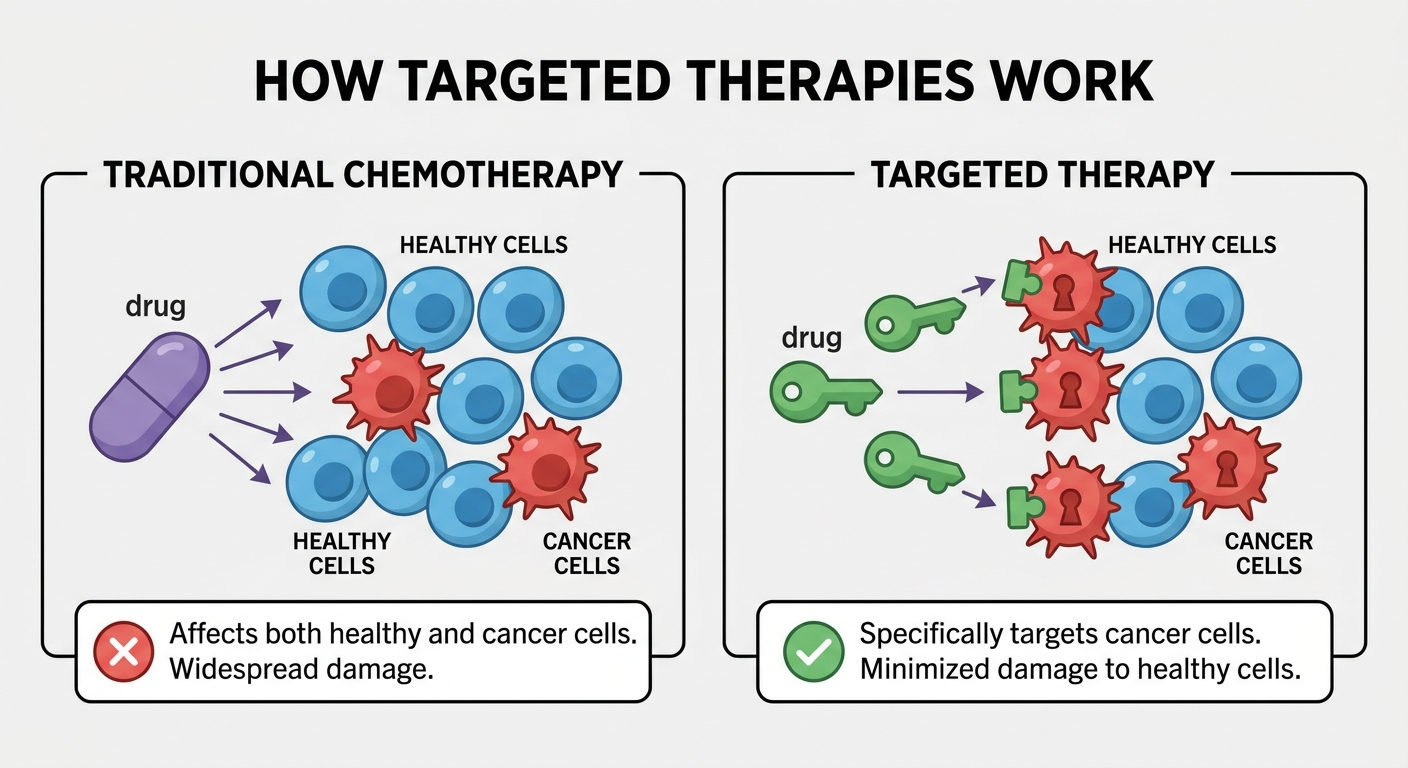
Biologics are targeted immune therapies—often injectable antibodies—designed to block specific pathways involved in hives and inflammation. They aim to quiet key signals rather than suppress the whole immune system.
What to expect before starting
Clinicians often document a baseline so progress is measurable:
- Symptom scoring (commonly UAS7—Urticaria Activity Score over 7 days)
- Photos of flares (helpful when hives come and go)
- Medication list review and comorbidities
- Pregnancy planning and vaccine timing questions (if relevant)
In short: candidates are antihistamine‑refractory or highly impacted; tracking with scores and photos helps decisions.
Omalizumab (Anti‑IgE): The Established Benchmark for Antihistamine‑Refractory CSU
How it works (plain-language mechanism)
Omalizumab targets IgE, a key immune signal involved in allergic‑type activation. By binding free IgE and reducing downstream activation, it can lower the tendency for hives and swelling to flare.
Typical dosing and scheduling
The labeled CSU regimen often used is 300 mg every 4 weeks, though dosing is clinician‑directed and individualized.
How fast does it work—and how well?
Response time varies. Some people improve within weeks; others need longer. Many clinics build in a structured reassessment around week 12 (3 months) because a substantial portion of responders declare by then. “Minimal disease activity” is often defined as UAS7 ≤6, a level many responders reach within the first few months.
Benefits patients often report
- Fewer welts and less itch
- Better sleep and daytime focus
- Fewer “rescue” medication needs
- Less disruption from unpredictable swelling episodes
Risks and safety notes (what to watch for)
- Common: injection‑site reactions, headache, fatigue
- Important: anaphylaxis is uncommon but serious. Many clinics give first doses in a healthcare setting with observation and review emergency precautions. Seek urgent care for symptoms of a severe allergic reaction (such as wheezing, throat tightness, fainting, or widespread hives with breathing trouble).
If it works: how long do you stay on it?
Some people remain on therapy to maintain control; others attempt carefully planned spacing or discontinuation after stable periods. Because relapse can happen, decisions are shared and guided by symptom tracking.
In short: omalizumab is the best‑established biologic for CSU; week‑12 is a common check‑in, and clinics observe early doses due to rare anaphylaxis risk.
Dupilumab (Blocks IL‑4/IL‑13 Pathway): An FDA‑Approved Alternative
Who is it approved for?
In the U.S., dupilumab is FDA‑approved for adults and pediatric patients aged 12 years and older with CSU who remain symptomatic despite H1 antihistamines. Confirm local indications and age ranges in your region.
What the best evidence shows (and what’s still uncertain)
Phase 3 data support benefit most clearly in patients who are omalizumab‑naive. In patients who previously used omalizumab with limited benefit or intolerance, responses can occur but were smaller and less consistent in key trials—so expectations after omalizumab failure are more uncertain.
Practical expectations
Dupilumab is an injection medication. Depending on clinic policies and patient preference, it may be started in‑office with training and then continued at home. Many clinicians reassess benefit around 12–16 weeks, using symptom scores and real‑life outcomes (sleep, swelling frequency, rescue medication use).
Side effects and safety notes
Common side effects can include injection‑site reactions. Eye symptoms (irritation, redness) are known to occur with dupilumab in other conditions; report new or worsening eye discomfort promptly so it can be addressed.
In short: dupilumab is an FDA‑approved option for CSU ages 12+; results are strongest in omalizumab‑naive patients.
Remibrutinib (Oral BTK Inhibitor): A Targeted Non‑Biologic Option Changing the CSU Landscape
Why it’s included here (even though it’s not a biologic)
Remibrutinib is a BTK inhibitor—an oral, targeted immune therapy that affects signaling involved in hive formation. For people who prefer to avoid injections, an effective oral option can change the treatment conversation.
What studies show (patient‑friendly summary)
Late‑stage trials have reported significant improvements in itch, hives, and UAS7 compared with placebo, with ongoing studies assessing durability and safety. Regulatory status varies by region and over time; ask your clinician about availability where you live and review the most current label.
Pros/cons vs injectable biologics
Pros
- Oral dosing (no injections)
- Targeted approach with promising trial outcomes
Cons
- Requires daily adherence
- Clinicians review potential drug interactions and any monitoring needs based on the approved label
In short: remibrutinib is an oral, non‑biologic targeted option with promising data; check current availability and label details in your region.
What’s Next? Investigational Biologics and “Pipeline” Treatments (Not Yet Standard Care)
Barzolvolimab (anti‑KIT monoclonal antibody)
Barzolvolimab targets KIT on mast cells and is in Phase 3 studies for CSU and chronic inducible urticaria. Phase 2 data suggest some patients achieve deep and durable responses, including months after treatment ended in certain cohorts. Because Phase 3 confirmation and regulatory review are still needed, it is not yet standard care.
Ligelizumab (investigational anti‑IgE)
Ligelizumab outperformed placebo in Phase 3 CSU studies but did not show superiority over omalizumab, underscoring how challenging it is to beat the current anti‑IgE benchmark.
How to consider clinical trials
Trials may be worth discussing when symptoms remain uncontrolled or when standard options aren’t tolerated. Trials include informed consent and safety monitoring; availability is often listed on clinicaltrials.gov or through academic research networks.
In short: the pipeline is active—ask about clinical trials if standard options fall short.
Comparing Options: Which Treatment Might Fit Which Patient?
If you have never tried a biologic before
Omalizumab is often used first for antihistamine‑refractory CSU. Dupilumab is an FDA‑approved alternative, with the clearest Phase 3 evidence in omalizumab‑naive patients.
If omalizumab helped but didn’t fully control symptoms
Some patients discuss timing adjustments, switching strategies, or adding alternative approaches—guided by symptom scores and clinical judgment. Details matter: how many days per week are you still itchy, are swelling episodes ongoing, and are you sleeping through the night?
If omalizumab didn’t work or you couldn’t tolerate it
Evidence for dupilumab after omalizumab failure is mixed/less certain. Where available and appropriate, an oral targeted option like BTK inhibition may be part of the conversation.
In short: treatment matching is individualized—your history, scores, and goals guide the choice.
What to Expect After You Start Treatment (Timeline + Follow‑Up)
The first month
You may notice fewer flares, less itch intensity, or shorter episodes—even if symptoms don’t disappear right away. Tracking matters, because partial response can still be meaningful (for example: fewer wake‑ups, fewer rescue‑med days, or swelling that resolves faster).
The 3‑month checkpoint (common decision point)
Many plans reassess around 12 weeks, aligning with typical evaluation windows used in CSU care and response patterns seen in practice and trials. This is when clinicians decide whether to continue, adjust, switch, or add another strategy.
Longer‑term management
Once stable, ongoing maintenance and periodic “step‑down” discussions may be considered—balanced against the possibility of relapse.
In short: expect early signs in weeks, a formal check‑in at ~12 weeks, and shared long‑term planning.

Benefits and Risks of Biologic/Targeted Therapy (Balanced, Patient‑Friendly)
Potential benefits
- Better symptom control and improved quality of life
- Fewer nights disrupted by itch and swelling
- Less reliance on repeated short‑term rescue approaches
Common risks/downsides
- Injection reactions (for injectable biologics)
- Time to response varies (weeks to months)
- Cost and insurance authorization steps (plans may require documentation of antihistamine trials and symptom scoring)
Safety monitoring and precautions
Clinics may use observation policies early in therapy. Clinicians typically review medication lists, comorbidities, pregnancy/breastfeeding considerations, and vaccine planning on an individualized basis.
In short: the upside is better control; the trade‑offs are time, logistics, and side‑effect vigilance.
Lifestyle Tips That Can Make Treatment Work Better (or Reduce Flares)
Trigger tracking without over‑restricting your life
A simple diary can help identify patterns without turning life into a long list of “don’ts.” Consider noting:
- Heat/exercise and sweating
- Stress level and sleep quality
- Alcohol intake
- NSAID use
- Infections
- Menstrual cycle timing (if applicable)
If you can, add quick context like “hot shower + tight waistband” or “cold symptoms this week.” Those small notes often make patterns easier to spot later.
Skin care strategies for itch
- Fragrance‑free moisturizer
- Gentle cleansers
- Short lukewarm showers
- Cool compresses and breathable clothing during flares
Sleep and stress basics
CSU and sleep can worsen each other. A consistent bedtime routine and a cooler bedroom can help. Support for anxiety/insomnia can be an important part of symptom control.
In short: simple, sustainable habits and a brief diary often pay off more than strict restrictions.
FAQs
Are biologics a cure for chronic hives?
They are best thought of as control therapies, not guaranteed cures. Some people go into remission over time, but it isn’t predictable.
How long do I have to stay on omalizumab or dupilumab?
It depends on response, relapse risk, side effects, and personal preferences—usually decided through shared planning and reassessment.
What if I’m scared of injections?
Many patients do well with in‑clinic starts and training. If injections are a major barrier, ask whether an oral targeted option (such as BTK inhibition) is appropriate and available.
Why didn’t allergy shots fix my hives?
Allergy shots treat specific allergic triggers. CSU often isn’t driven by a single allergen, so shots may not address the main mechanism.
Can chronic hives be dangerous?
CSU is usually not life‑threatening, but severe swelling or breathing symptoms need urgent evaluation.
What’s UAS7 and why does my doctor track it?
UAS7 (Urticaria Activity Score over 7 days) quantifies itch and hive severity. It helps you and your clinician measure progress objectively—especially when symptoms fluctuate. For example, a week with frequent intense itch and many hives scores higher than a week with mild, occasional symptoms—making “better” easier to see over time.
In short: biologics control more than they cure; scoring tools like UAS7 make progress visible.
Questions to Ask Your Specialist (Bring This to Your Visit)
- Do I meet criteria for antihistamine‑refractory CSU?
- Should I start with omalizumab or consider dupilumab—and why?
- How will we judge success at the 3‑month mark?
- If I don’t respond, what’s our next plan (switch, oral targeted therapy, or clinical trial)?
- What side effects should prompt a call right away?
- What will insurance require for approval?
Conclusion: More Options Than Ever—And a Clear Next Step
The landscape of biologics and other targeted treatments for chronic hives has expanded. Omalizumab remains the established benchmark for antihistamine‑refractory CSU, dupilumab is an FDA‑approved alternative for patients 12+, and oral BTK inhibition adds a non‑injection path where available. Promising pipeline agents may further expand choices, but many are still investigational.
If you’re dealing with persistent hives or swelling, consider booking an appointment with Sleep and Sinus Centers of Georgia: https://sleepandsinuscenters.com/appointments. Bringing a symptom diary, flare photos, and a current medication list can help your clinician tailor a plan—and help you see progress more clearly.
References (selected)
- International urticaria guideline (EAACI/GA2LEN/EuroGuiDerm/APAAACI). Allergy. 2022 update.
- Xolair (omalizumab) Prescribing Information (U.S.). Genentech/Novartis.
- Dupixent (dupilumab) Prescribing Information (U.S.)—CSU indication for ages 12+ who remain symptomatic on H1 antihistamines.
- Late‑stage BTK inhibitor trials in CSU (remibrutinib). Check the most current peer‑reviewed publications and regional labels for availability and safety details.
This article is for educational purposes only and is not medical advice. Please consult a qualified healthcare provider for diagnosis and treatment.
Don’t let allergies slow you down. Schedule a comprehensive ENT and allergy evaluation at Sleep and Sinus Centers of Georgia. We’re here to find your triggers and guide you toward lasting relief.