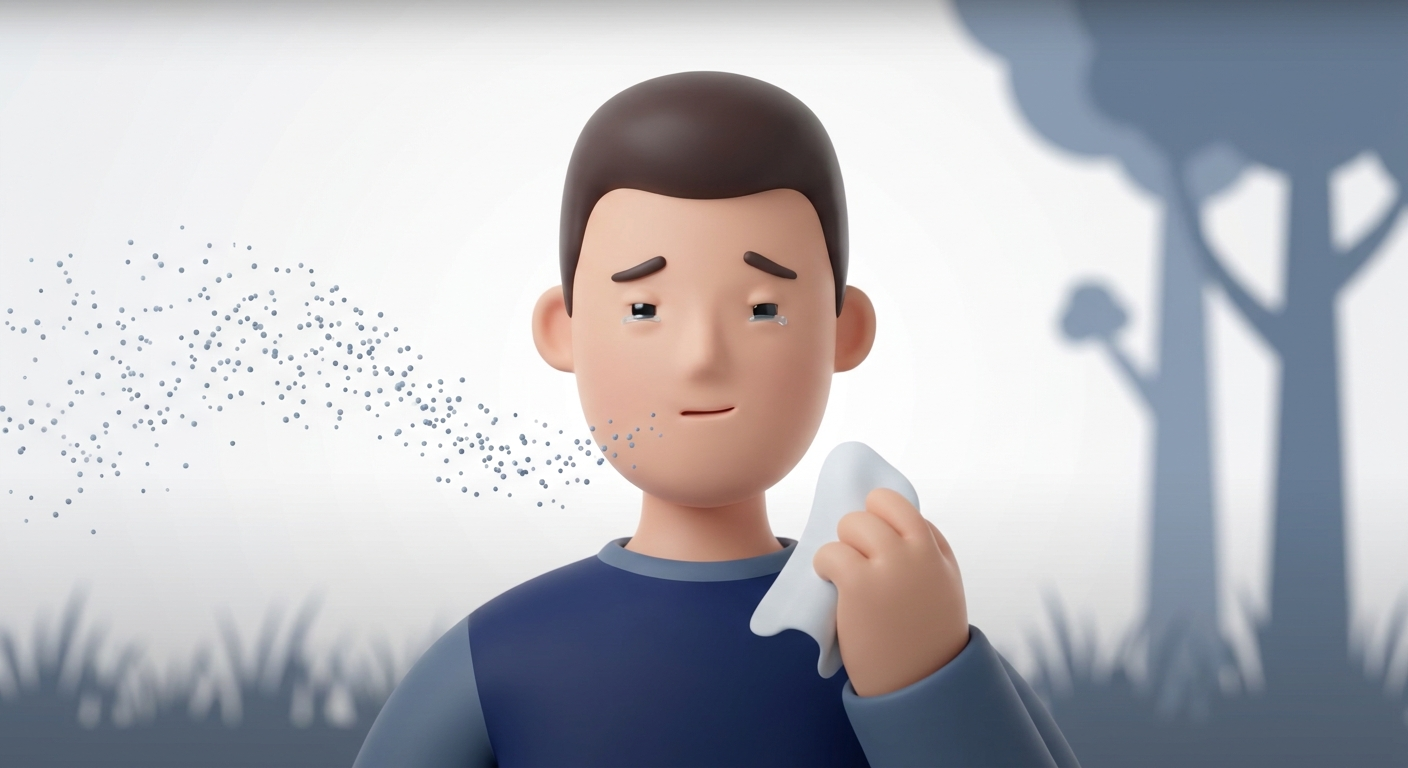
Allergy Fatigue: Why Seasonal Allergies Make You Feel Exhausted Every Spring
If you dread spring not just for sneezing—but for the crushing tiredness that comes with it—you’re not imagining things. Many people notice that seasonal allergies and fatigue show up together, especially when pollen counts spike. This “dragging through the day” feeling is often called allergy fatigue, and it can come with brain fog, headaches, and sleep issues that make even simple tasks feel harder.
A common pattern sounds like this: you wake up already congested, you’re clearing your throat all morning, your eyes feel heavy by lunch—and by late afternoon, you feel like you’ve done a full day of work twice. That’s the experience we’re unpacking here.
Below is an educational, patient-friendly breakdown of why spring can feel so exhausting—and what tends to help.
Quick Take—Why allergies can make you tired
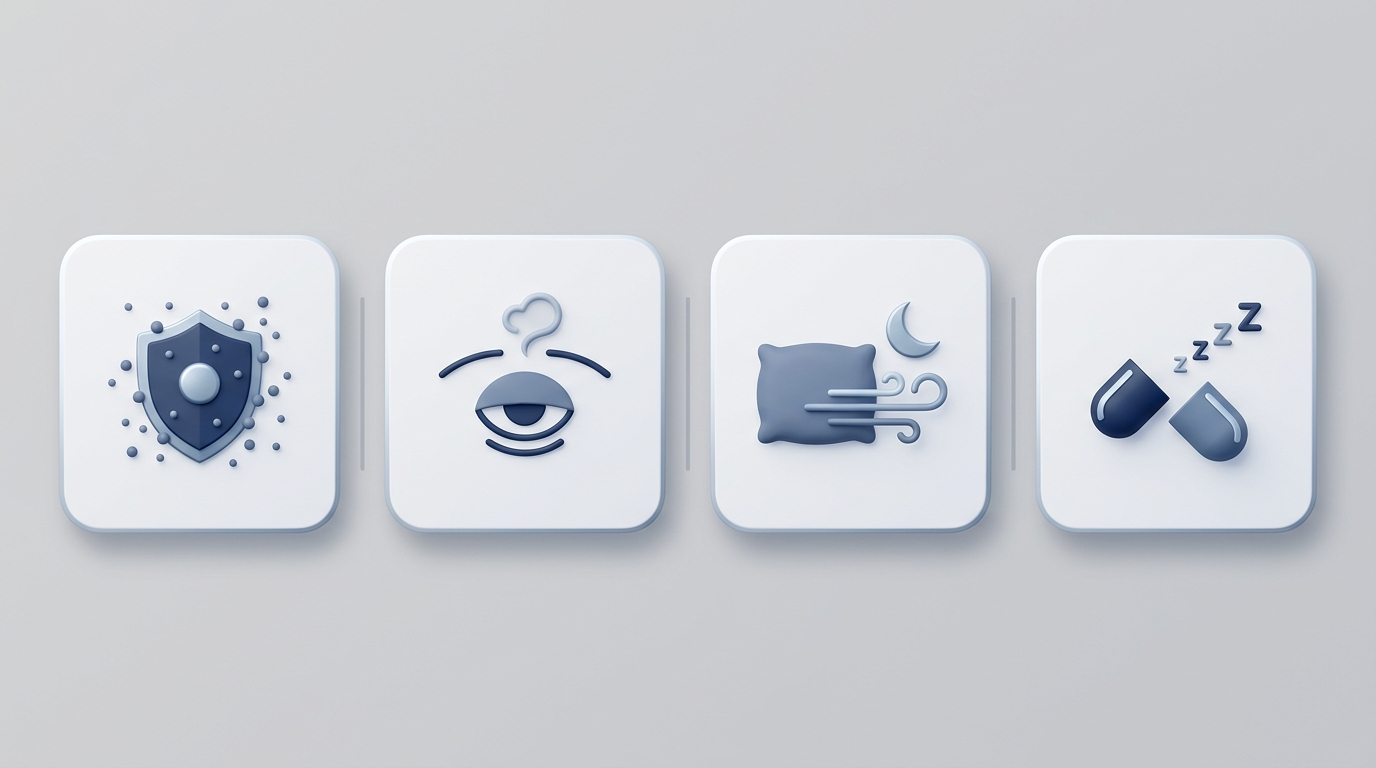
Seasonal allergies can affect your energy in several overlapping ways:
- Your body can react to pollen, triggering an immune response that may contribute to fatigue.
- Histamine and inflammation can add to that “heavy” feeling and brain fog.
- Congestion disrupts sleep, leading to daytime tiredness.
- Some over-the-counter allergy medicines can cause drowsiness.
What is “allergy fatigue” (and is it real?)
Allergy fatigue typically refers to daytime exhaustion linked to allergy flare-ups—often alongside reduced focus, lower motivation, and allergy brain fog. It’s especially common in spring when pollen counts rise and symptoms stack up day after day.
One helpful way to think about it: this isn’t just “I stayed up too late” tired. It’s more like feeling run down while your body is stuck in “reaction mode.” Even if you’re technically getting time in bed, allergy symptoms can keep your rest from feeling restorative.
If you’d like a quick primer on what’s happening in the body during allergic reactions, see our overview of what allergies are: https://sleepandsinuscenters.com/what-are-allergies
Who’s most likely to get it?
- People with moderate to severe seasonal allergies
- People who get nighttime congestion or wake up often
- People sensitive to sedating antihistamines
Symptoms—How to tell if your fatigue is allergy-related
Common fatigue-related symptoms
When spring allergy exhaustion is the culprit, people often report:
- Daytime tiredness and low energy
- Brain fog and difficulty concentrating
- Headache or facial pressure
- Feeling “worn down” even without fever
A practical clue is timing: if you feel noticeably worse on high-pollen days (or after yard work, a run outside, or open windows), and better after lowering exposure, allergies may be playing a major role.
If your fatigue tracks with pollen spikes and eases as exposure drops, allergies are a likely driver.
Classic seasonal allergy symptoms that often travel with fatigue
- Sneezing, runny nose, itchy/watery eyes
- Nasal congestion, post-nasal drip
- Cough from drainage or throat irritation

Red flags—when fatigue may not be “just allergies”
Fatigue isn’t specific to allergies, so it’s worth watching for signs that point elsewhere, such as:
- Fever, body aches, or a severe sore throat (more consistent with infection)
- Shortness of breath or wheezing
- Unexplained weight loss or fatigue that persists well beyond allergy season
If you’re unsure, it’s reasonable to get checked—especially if symptoms feel new, severe, or out of proportion to your usual spring pattern.
Causes—Why spring allergies drain your energy
1) Your immune system is burning extra fuel
Seasonal allergies happen when your immune system overreacts to something harmless (like tree, grass, or weed pollen). That response can take a toll—so even if you’re not sick with a virus, you can still feel depleted. Think of it like background apps running on your phone: nothing looks “wrong” at first glance, but your battery drains faster.
Ongoing immune activation during peak pollen weeks can leave you feeling unusually wiped out.
2) Histamine release can make you feel sluggish
Histamine contributes to symptoms like itching, runny nose, and watery eyes—and many people also associate it with that “heavy eyes” feeling. When histamine-driven symptoms ramp up, your overall comfort and energy take a hit. It’s hard to feel sharp when you’re rubbing your eyes and reaching for tissues every ten minutes.
More histamine symptoms often mean more fatigue and brain fog.
3) Inflammation can contribute to aches, headaches, and brain fog
Allergies don’t only affect your nose and eyes. Inflammatory chemicals released during flares can make you feel “off” overall—more head pressure, more headaches, and more difficulty focusing. Many patients describe it as: “I’m not sick, but I don’t feel like myself.”
Allergy-related inflammation can nudge your whole system toward low energy and fuzzy thinking.
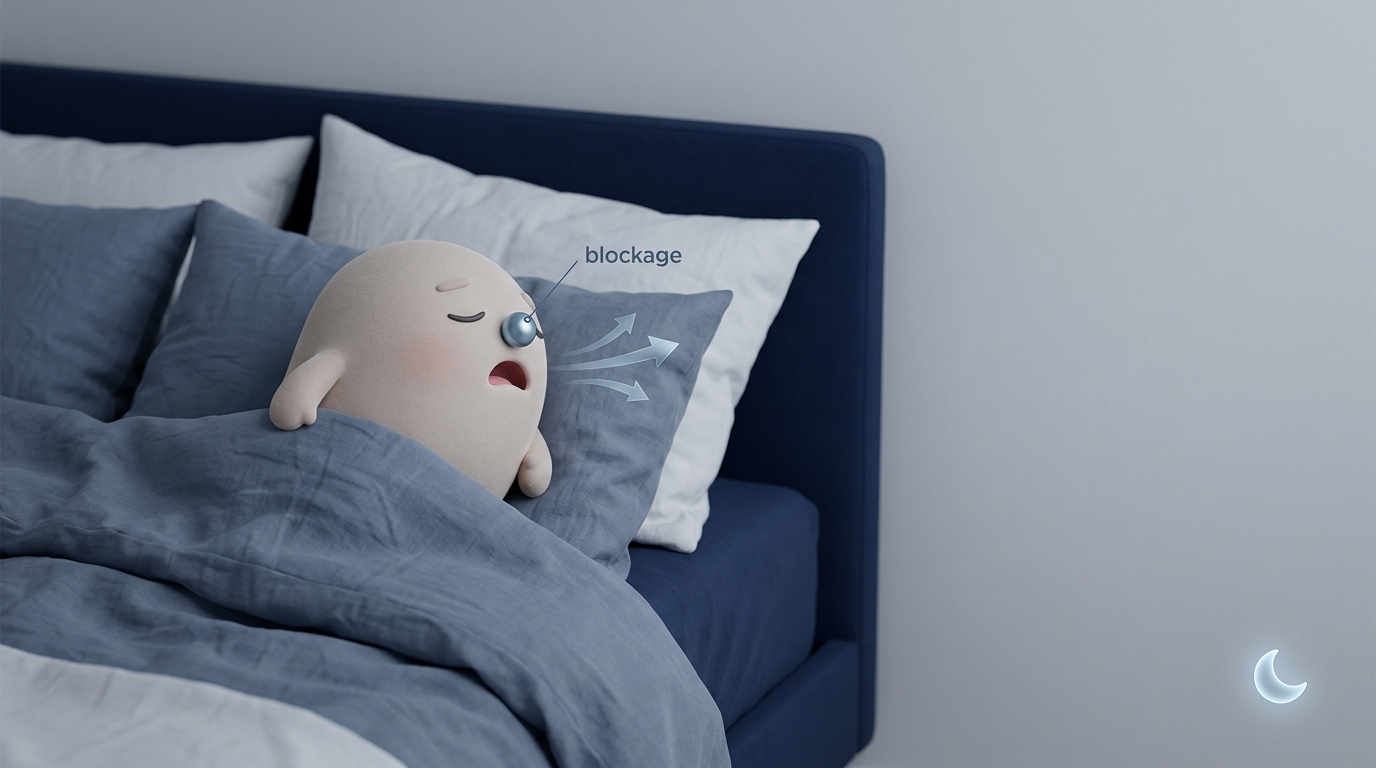
4) Poor sleep from congestion is a major driver
Nasal blockage can lead to mouth breathing, snoring, and frequent awakenings—so you may spend enough hours in bed but still get low-quality rest. Even mild congestion can fragment sleep: you might not fully “wake up,” but your sleep becomes lighter and less refreshing. Over several nights, that builds into daytime sleepiness, irritability, trouble concentrating, and low stamina.
Protecting sleep is often the fastest way to improve daytime energy during allergy season.
5) Medication side effects: some allergy meds can make you drowsy
Some allergy medicines can cause drowsiness, which may intensify allergy fatigue. First-generation antihistamines are more likely to be sedating; second-generation options are generally less sedating, though sensitivity varies. Timing can matter, too—some people do better taking certain medicines at night. For a deeper dive, see our guide on the best times to take allergy medicine (morning vs. night): https://sleepandsinuscenters.com/blog/best-times-to-take-allergy-medicine-morning-vs-night
Choosing the right medicine—and when you take it—can make a real difference in daytime alertness.
Allergy fatigue vs. other problems (quick self-check)
Allergies vs. cold/flu
Allergies often involve itching/sneezing and clear drainage and typically don’t cause fever. Viral illnesses are more likely to come with fever, body aches, and a shorter course (often days to a couple of weeks).
Allergies vs. sinus infection
Allergies can cause congestion and pressure, which sometimes makes people wonder about a sinus infection. Symptoms that may be more concerning for infection include persistent facial pain, thick discolored discharge, or symptoms that worsen after initially improving.
Treatments—How to feel less exhausted during allergy season
This section is meant to be practical and educational—options to consider today, this week, and longer-term, depending on your symptoms.
Step 1: Reduce pollen exposure (simple but powerful)
- Track local pollen counts and plan outdoor time accordingly. In Georgia, our Georgia pollen tracker is a quick way to check levels: https://sleepandsinuscenters.com/georgia-pollen-tracker
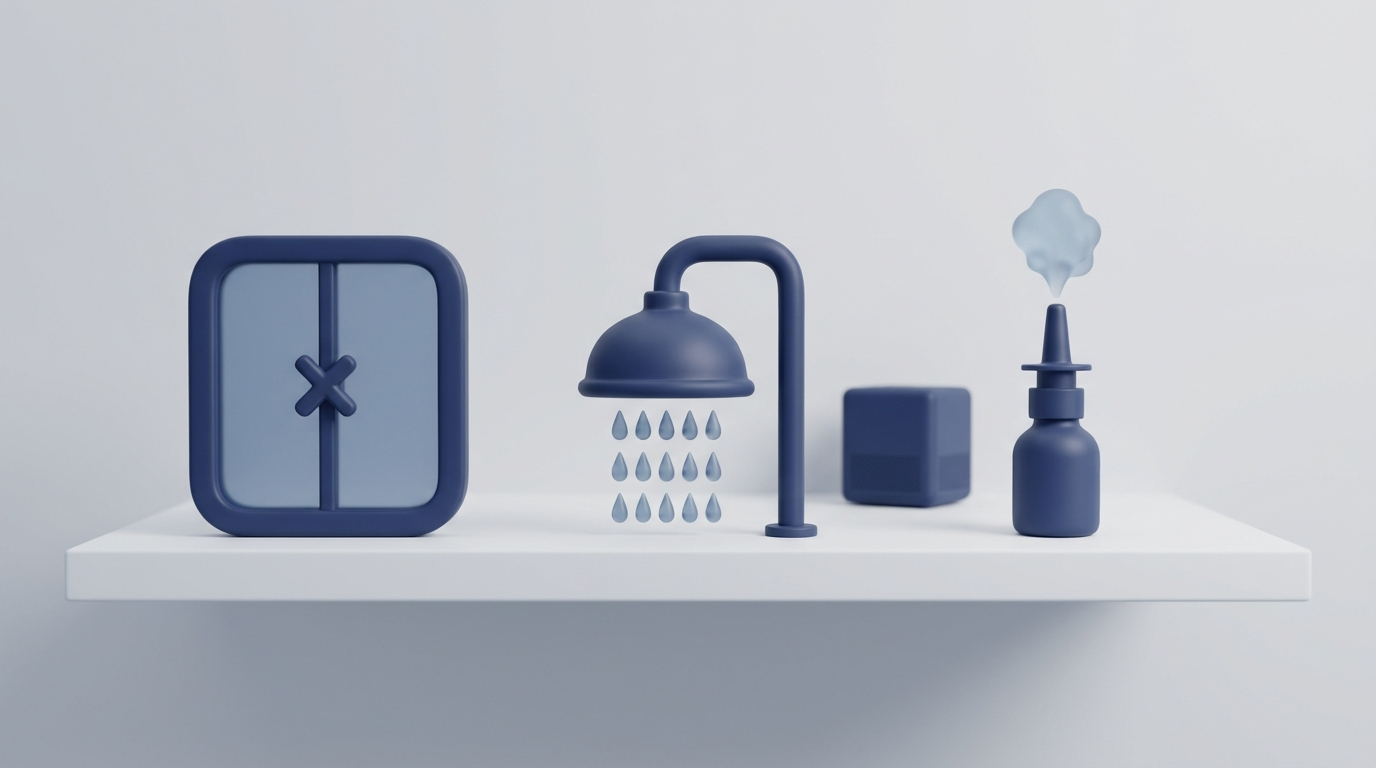
- Shower and change clothes after being outside (pollen sticks to hair, skin, and fabric).
- Keep windows closed during high-count days and consider indoor filtration strategies.
Less pollen exposure often means fewer symptoms—and less fatigue.
Step 2: Treat the nose to improve sleep quality
- Saline sprays or rinses can help clear allergens and mucus.
- Consistent symptom control may reduce nighttime blockage and post-nasal drip.
For many people, the best “energy hack” isn’t a supplement—it’s getting airflow back through the nose so sleep becomes deeper and more restorative.
Better nasal breathing at night can quickly translate to better energy in the day.
Step 3: Choose medications strategically (and safely)
- Antihistamines for sneezing, itching, and runny nose (with attention to possible drowsiness; first-generation options are more sedating than most second-generation options).
- Nasal steroid sprays to address nasal inflammation and congestion when used as directed.
- Eye drops for itchy eyes when needed.
Because side effects and timing can influence daytime energy, it can help to review options with a clinician or pharmacist—especially if you’re dealing with spring allergy exhaustion or medication-related sleepiness.
Right medicine, right timing, right dose—small tweaks can reduce fatigue.
Step 4: Protect your sleep (fatigue relief multiplier)
- Slightly elevating your head may reduce the feeling of congestion at night for some people.
- Keeping pollen out of the bedroom (clean bedding, changing clothes after outdoor time) can reduce nighttime triggers.
- If daytime sleepiness becomes a safety concern (driving, operating equipment, or critical tasks), seek medical input.
A few targeted sleep upgrades can break the “bad sleep → worse fatigue” cycle.
Step 5: Consider longer-term solutions if spring knocks you out every year
- Allergy testing to clarify your specific triggers (trees vs. grasses vs. weeds, etc.). Learn more: https://sleepandsinuscenters.com/allergy-testing
- Immunotherapy (such as shots or drops) may be discussed for persistent or severe symptoms.
When allergies are predictable and severe, long-term options can change the season for the better.
Lifestyle tips that support energy while allergies are flaring
Hydration and nutrition basics (supportive care)
Staying hydrated may help keep mucus thinner, and balanced meals can support steadier energy (rather than “crash” patterns that feel even worse when you’re already run down). If your appetite is off, aim for simple, consistent meals rather than skipping and “catching up” later.
Movement without overdoing it
Light activity can support daytime energy and mood. On high-symptom days, many people do better with shorter, easier movement and more recovery time. If outdoor exercise triggers symptoms, shifting workouts indoors during peak counts can be a practical compromise.
Caffeine and allergy fatigue—helpful or harmful?
Caffeine can temporarily mask sleep debt, but it doesn’t replace real rest. Late-day caffeine may also make sleep harder, which can worsen the next-day fatigue cycle. If you rely on caffeine to function during spring, that can be a sign your symptom control (or sleep) needs a stronger plan.
Gentle routines, steady hydration, and smart sleep habits support better energy while symptoms flare.
When to see a doctor (and when to see an ENT)
Make an appointment if:
- Fatigue affects work/school or persists despite over-the-counter treatment
- You have frequent sinus infections or severe congestion
- You suspect medication side effects or want a tailored plan
What an ENT/allergy evaluation may include
An evaluation often includes:
- A detailed symptom history and seasonal pattern review
- A nasal exam
- Discussion of testing and longer-term options when symptoms are recurring
If allergies keep sidelining you, a tailored plan can help you get your seasons back.
FAQs about allergy fatigue
Can seasonal allergies really cause extreme tiredness?
Yes. The immune response, histamine and inflammation effects, and sleep disruption are common reasons people feel wiped out during peak pollen season.
How long does allergy fatigue last?
It often tracks with pollen exposure and how consistently symptoms are controlled—so it may improve as counts drop or when management is steadier.
Do allergy medicines make you sleepy?
Some can, especially first-generation antihistamines. Reviewing non-drowsy options and timing with a clinician or pharmacist can be helpful.
Why do I feel brain fog with allergies?
Inflammation and poor sleep are common contributors to trouble concentrating during allergy season.
When should I worry that it’s not allergies?
Fever, worsening symptoms, shortness of breath or wheezing, or fatigue that doesn’t match allergy timing are reasons to get evaluated.
Conclusion—A simple plan to get your spring energy back
Springtime exhaustion usually isn’t “just in your head.” Allergy fatigue can be driven by an immune response to pollen, histamine and inflammation effects, disrupted sleep from congestion, and (sometimes) medication-related drowsiness. The most helpful approach is often a combination: reduce pollen exposure, manage nasal symptoms to protect sleep, and use medications thoughtfully.
If seasonal allergies and fatigue are impacting your daily life each year, Sleep and Sinus Centers of Georgia can help you identify triggers and discuss longer-term options like allergy testing: https://sleepandsinuscenters.com/allergy-testing. To get a personalized plan, book an appointment at https://www.sleepandsinuscenters.com/
This article is for educational purposes only and is not medical advice. Please consult a qualified healthcare provider for diagnosis and treatment.
Don’t let allergies slow you down. Schedule a comprehensive ENT and allergy evaluation at Sleep and Sinus Centers of Georgia. We’re here to find your triggers and guide you toward lasting relief.