Why Sinus Symptoms Persist After Moving: Causes and Solutions
Unpacking boxes is exhausting enough—so it’s frustrating when sinus pressure that worsens when bending over, a sinus headache with movement, or even sinus dizziness when moving your head shows up and seems to “stick.” If you’ve been wondering, “Why do my sinuses hurt when I move?” you’re not alone.
Many people notice post-move sinus symptoms that feel constant, especially during the first few weeks in a new home or city. You may feel “fine” at rest—but as soon as you start lifting, bending, or walking room to room, the pressure ramps up again.
Below is an educational guide to why sinus symptoms persist after moving, what symptoms commonly occur, and practical next steps you can use to guide your decisions.
Quick Answer—Why Movement Can Make Sinus Symptoms Feel “Constant”
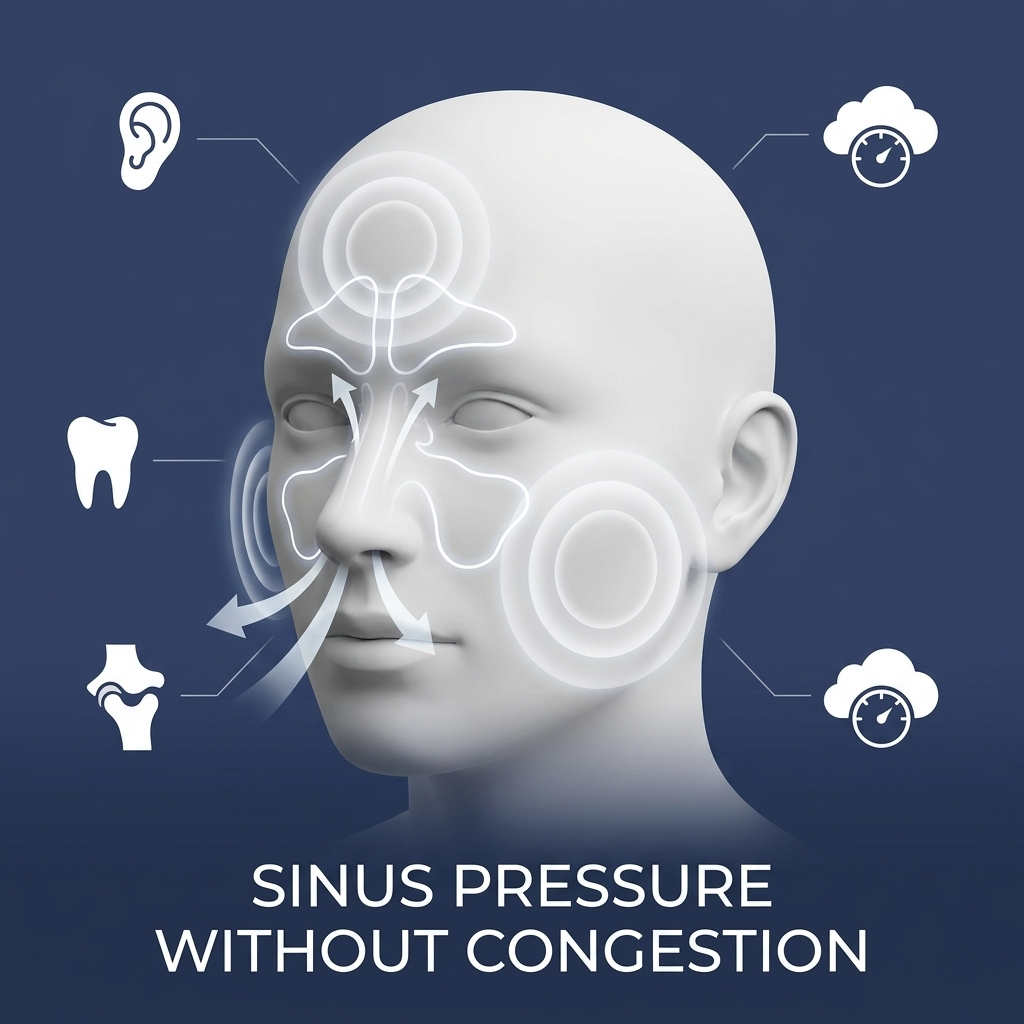
Your sinuses are air-filled spaces in your skull lined with tissue that can swell when irritated or inflamed. When that lining swells and mucus thickens, the sinuses can behave like pressure-sensitive air pockets.
A helpful analogy: imagine a small, partially blocked sponge or balloon inside a rigid space. When you tilt or jostle it, the contents shift and press on sensitive tissue—so the sensation gets louder, fast.
That’s why when you bend over, stand up quickly, lift something heavy, or turn your head, pressure and fluid can shift with gravity and inertia, making discomfort more noticeable. This is one reason sinus pressure or “sinus headache” sensations can flare with posture changes or movement (Cleveland Clinic: Sinus Pressure; Sinus Headaches).
In short: movement redistributes pressure and fluid in already inflamed sinuses, so symptoms feel louder whenever you change position.

Common Symptoms People Notice After Moving (And Why They’re Confusing)
Pressure or Pain That Spikes When Bending Over
A heavy, full feeling in the forehead, cheeks, or around the eyes—especially when leaning forward—can be a classic clue that inflamed sinus cavities are involved (Cleveland Clinic: Sinus Pressure; Sinus Headaches). This often shows up during “moving-life” moments: tying your shoes, picking up a box, unloading the dishwasher, or wiping down baseboards.
Headache That Feels Like It “Moves” With Your Posture
Some people describe a headache that intensifies with sudden head turns, bending to pick up boxes, certain yoga poses, or even making the bed. This “positional” quality is commonly associated with sinus pressure patterns (Cleveland Clinic: Sinus Headaches). A common description is: “It’s not there until I lean forward—and then it hits.”
Dizziness, Off-Balance, or a “Floating” Sensation When Walking or Turning
Sinus congestion and inflammation can be associated with mild imbalance or lightheadedness (not true spinning). Motion can make it more noticeable—creating a cycle where activity seems to “trigger” symptoms again and again (CHC Florida: Sinuses & Dizziness).
Nasal Congestion, Postnasal Drip, Cough, Ear Fullness
Nasal swelling can contribute to a blocked, stuffy feeling and drainage down the throat. Some people also notice ear fullness or pressure because nasal inflammation can affect the Eustachian tube’s ability to equalize pressure.
When Symptoms Suggest It May Not Be Sinus-Related
Not every “sinus” complaint is truly sinus-driven. Symptoms that may point elsewhere include one-sided severe headaches, migraine-type features (light/sound sensitivity, nausea), neurologic symptoms, jaw or tooth pain causes, or true spinning vertigo. (More on when to seek care below.)
If symptoms spike with posture changes and accompany congestion or postnasal drip, inflamed sinuses are a common culprit.

Why Sinus Symptoms Can Persist After You Start Moving Around
Pressure Dynamics in Inflamed Sinuses (The Main Reason)
Inflamed sinus lining plus trapped mucus/air can create pressure buildup. When body position changes, that pressure can feel sharper—especially with bending over, getting out of bed, or sudden head turns (Cleveland Clinic: Sinus Pressure; Sinus Headaches). When drainage is impaired, any change in head position can shift where the pressure is felt.
Gravity and Fluid Movement
Drainage pathways can already be narrow when tissue is swollen. Posture changes may shift mucus in a way that temporarily blocks those pathways even more—so pressure sensations spike during movement, then ease, then spike again.
Sinus-Related Dizziness Amplified by Motion
When congestion and inflammation contribute to imbalance sensations, movement can amplify awareness of symptoms—walking, turning your head, climbing stairs, or working out may feel disproportionately uncomfortable. This dizziness is typically mild imbalance or lightheadedness rather than spinning vertigo (CHC Florida: Sinuses & Dizziness).
When to Worry About Sinus Pressure (Rare Red Flags)
Most sinus pressure is not dangerous, but some symptoms should prompt urgent evaluation—such as severe symptoms that escalate quickly, high fever, swelling around the eyes, vision changes, confusion, or a stiff neck (Teladoc Health: Sinus Pressure—When You Should Worry).
Bottom line: once sinus tissue is swollen, everyday motion keeps “poking” the pressure, so discomfort can seem constant until inflammation settles.
Why Symptoms May Worsen Specifically After Moving to a New Home or City
New Allergens in a New Environment
Different regions have different pollens and seasonal patterns. Even within the same city, new landscaping, nearby trees, and weeds can change daily exposure. New allergens can drive nasal swelling, which then makes pressure more sensitive to bending and movement.
Indoor Air Quality Changes (HVAC, Dust, Humidity, Renovations)
Moving kicks up dust, cardboard particles, and sometimes renovation irritants like paint fumes or new carpet off-gassing. HVAC systems may also circulate old dust if filters aren’t fresh. For a deeper overview, see Sleep and Sinus Centers of Georgia’s guide to indoor air quality and sinus health: https://sleepandsinuscenters.com/blog/air-quality-sinus-health
Hidden Mold or Water Damage in the New Home
Bathrooms, basements/crawlspaces, under-sink cabinets, and around HVAC systems can hide moisture problems. Mold isn’t always obvious and doesn’t always smell musty. If you suspect this, learn more about how mold exposure can trigger sinusitis: https://sleepandsinuscenters.com/blog/how-mold-exposure-can-trigger-sinusitis
Temperature/Barometric Pressure Differences
Some people notice facial pressure changes with weather shifts. If you’ve moved to a place with different temperature swings or storm patterns, weather-related pressure sensitivity may “stack” on top of inflammation.
Stress and Poor Sleep During Moving Week
Stress and sleep disruption don’t create sinus inflammation by themselves, but they can increase headache sensitivity and amplify how intense dizziness feels—especially with activity.
New exposures and indoor air shifts after a move often stack on existing inflammation, prolonging symptoms.

Underlying Medical Causes (What Could Be Driving Inflammation and Pressure)
Viral Upper Respiratory Infection (“Cold”)
A cold can cause early swelling and congestion that leads to pressure sensitivity—so bending over or lifting may hurt more than expected.
Acute Sinusitis vs. Chronic Sinusitis
Timelines matter. Acute symptoms are short-term; chronic patterns last longer and may recur. If you’re trying to gauge what’s “normal,” see our breakdown of acute vs. chronic sinusitis and how they’re typically evaluated: https://sleepandsinuscenters.com/blog/acute-vs-chronic-sinusitis-key-differences-and-treatment-options
Allergic Rhinitis (Seasonal/Perennial)
Itching, sneezing, watery eyes, and a clear runny nose can point toward allergy-driven swelling. Allergy swelling can be a major reason sinus symptoms persist after moving to a new region.
Non-Allergic Rhinitis (Irritants, Fragrance, Smoke, Cleaning Chemicals)
This is easy to overlook after a move: new detergents, air fresheners, scented candles, and heavy-duty cleaners can inflame nasal tissue without a true allergy.
Migraine Mistaken for “Sinus Headache”
Many people who feel facial pressure assume it’s sinus-related, but migraine can mimic sinus symptoms and may worsen with movement as well. If headaches are recurring or come with nausea or light/sound sensitivity, compare migraine vs. sinus headache: https://sleepandsinuscenters.com/blog/migraine-vs-sinus-headache-key-differences-and-symptoms-explained
Vestibular (Inner Ear) Conditions vs. Sinus-Related Dizziness
Sinus-related dizziness is often described as off-balance or “floating.” True vertigo typically feels like spinning and may point more toward inner ear causes—another reason evaluation can be helpful when dizziness persists.
A brief evaluation can help separate sinus inflammation, allergy, migraine, and inner ear causes.

At-Home Treatments and Relief Strategies (Patient-Friendly, Step-by-Step)
General safety note: This is educational information, not medical advice. Always follow product labels, and consider checking with a clinician/pharmacist if you’re pregnant, have high blood pressure, glaucoma, prostate issues, heart conditions, or take other medications.
Saline Irrigation or Saline Spray to Reduce Congestion
Saline can help rinse irritants and thin mucus. Many people use it morning/evening or after heavy dust exposure. If doing a rinse, hygiene matters—use distilled/sterile water (or previously boiled and cooled).
Nasal Steroid Sprays (For Inflammation)
These aim at inflammation (not instant “unclogging”) and often work best with consistent use over days to weeks. Some people pair them with saline (saline first, then spray) for comfort and effectiveness.
Antihistamines (If Allergy Symptoms Are Present)
These may be most helpful when itching, sneezing, and watery eyes suggest an allergy pattern—common with post-move sinus symptoms in a new climate.
Decongestants (Short-Term Only, for Select Patients)
Some decongestants can raise blood pressure or cause jitteriness and sleep disruption, and certain nasal sprays can lead to rebound congestion if overused. If pressure feels severe or keeps returning, review guidance on when symptoms warrant more caution (Teladoc Health: When You Should Worry).
Heat/Steam and Hydration (Symptom Comfort)
Warm compresses over the face, steamy showers, and staying well hydrated can make pressure sensations more tolerable by helping mucus stay thinner.
Movement Modifications That Can Reduce Flare-Ups
- Bend at the knees/hips instead of dropping your head down quickly
- Slow transitions (lying → sitting → standing)
- Avoid heavy lifting during periods when sinus pressure is worse
Start with gentle, consistent measures; escalate to medical care if symptoms persist or red flags appear.

Lifestyle and Home Environment Fixes (Especially Important After Moving)
Run a “New Home Sinus Checklist” (1-Weekend Plan)
- Replace HVAC filters (and ensure the system is compatible before using higher-rated filters)
- Vacuum with a HEPA filter when possible; damp-dust hard surfaces
- Wash bedding hot; consider dust-mite covers if symptoms point that direction
Humidity Targets
Many home and indoor air recommendations aim for about 30–50% indoor humidity—often high enough to reduce dryness but low enough to discourage mold growth.
Reduce Irritants That Inflame the Nose
Smoke, candles, diffusers, aerosols, and strong cleaning products can aggravate sensitive nasal tissue—especially right after a move. For practical strategies, see avoiding irritants that trigger sinus flare-ups: https://sleepandsinuscenters.com/blog/avoiding-irritants-that-trigger-sinus-flare-ups
Mold Prevention Basics
Fix leaks promptly, run bathroom fans, and consider a dehumidifier in damp areas. If you’re concerned about exposure, revisit how mold exposure can trigger sinusitis: https://sleepandsinuscenters.com/blog/how-mold-exposure-can-trigger-sinusitis
Track Patterns for 2 Weeks
A simple log can be surprisingly clarifying when sinus symptoms persist after moving:
- Time of day
- Weather changes
- Specific activities (bending/turning/lifting)
- Which rooms you spend time in
- Pollen counts
- What you tried (saline, humidifier adjustments, etc.)
Improving indoor air and reducing irritants after a move can meaningfully lower daily sinus load.
When to See an ENT or Get Medical Evaluation
Seek Urgent Care Now If You Have Red-Flag Symptoms
Examples include vision changes, swelling around the eyes, severe headache with fever, confusion, stiff neck, facial droop, or rapidly worsening symptoms (Teladoc Health: Sinus Pressure—When You Should Worry).
Make an Appointment If Symptoms Last Longer Than Expected or Keep Returning
Consider evaluation if you have persistent facial pressure and congestion, dizziness with movement that doesn’t settle, frequent “sinus infections,” or symptoms that interfere with sleep, work, or exercise.
What an ENT Might Do (Set Expectations)
Evaluation often includes symptom history, a nasal exam, and sometimes nasal endoscopy. Depending on the pattern, imaging or allergy evaluation may be considered.
Advanced Options If Inflammation/Drainage Issues Persist
For selected candidates, treatment may include targeted medical therapy and, in some chronic cases, in-office procedures aimed at improving drainage (an ENT can determine whether options such as balloon sinuplasty are appropriate).
Timely evaluation can clarify the cause and prevent repeated flares.
FAQs
Why does sinus pressure get worse when I bend over?
Inflamed, congested sinus cavities can be pressure-sensitive. When you lean forward, gravity and pressure shifts can make discomfort feel more intense (Cleveland Clinic: Sinus Pressure; Sinus Headaches).
Can sinus issues cause dizziness when I move my head?
Some people report dizziness or off-balance sensations linked with sinus congestion and inflammation, and movement can amplify the sensation. This is typically mild imbalance or lightheadedness rather than spinning vertigo (CHC Florida: Sinuses & Dizziness).
How long should sinus pressure last after moving?
If symptoms are driven by irritants or new allergens, improvement may track with environmental changes (filter replacement, dust reduction, humidity control). If symptoms persist beyond 2–3 weeks, worsen, or interfere with daily life, consider medical evaluation to clarify the cause.
Is it a sinus headache or a migraine?
Both can cause facial pressure and discomfort. Migraine is more likely when headaches recur and come with nausea or light/sound sensitivity, and it may still worsen with movement. For a side-by-side comparison, see migraine vs. sinus headache: https://sleepandsinuscenters.com/blog/migraine-vs-sinus-headache-key-differences-and-symptoms-explained
When should I worry about sinus pressure?
Worry signs include severe symptoms with high fever, swelling around the eyes, vision changes, confusion, stiff neck, facial weakness, or rapidly worsening illness (Teladoc Health: When You Should Worry).
If symptoms linger beyond a couple of weeks or worsen, seek personalized care.
Conclusion: A Practical Plan for the Next 7 Days
If sinus symptoms persist after moving, a short, structured plan can help you see what’s improving and what needs a clinician’s input.
- Day 1–2: Reduce irritants (fragrance, smoke, harsh cleaners). Consider a gentle saline routine and a consistent anti-inflammatory approach if that’s already part of your care plan.
- Day 3–5: Address the home environment: replace HVAC filters, HEPA vacuum, damp-dust, and aim for moderate indoor humidity.
- Day 6–7: Review your symptom log. If you still have frequent flares (especially sinus headache with movement or sinus dizziness when moving your head), or symptoms are escalating, consider scheduling an evaluation to clarify triggers and rule out look-alike conditions.
If you’d like a specialist’s help sorting out whether this is allergy, sinus inflammation, migraine, or something else, you can book an appointment with Sleep and Sinus Centers of Georgia at https://www.sleepandsinuscenters.com/.
A short, structured trial plus clear thresholds for care keeps you moving forward.
References
- Cleveland Clinic. Sinus Pressure. https://my.clevelandclinic.org/health/symptoms/24690-sinus-pressure
- Cleveland Clinic. Sinus Headaches. https://my.clevelandclinic.org/health/diseases/9641-sinus-headaches
- Teladoc Health. Sinus Pressure: When You Should Worry. https://www.teladochealth.com/library/article/sinus-pressure-when-you-should-worry
- Center for Connected Health (CHC) Florida. Could Sinuses Cause Dizziness? Understanding the Connection. https://www.chcfl.org/could-sinuses-cause-dizziness-understanding-the-connection/
“This article is for educational purposes only and is not medical advice. Please consult a qualified healthcare provider for diagnosis and treatment.”
Don’t let allergies slow you down. Schedule a comprehensive ENT and allergy evaluation at Sleep and Sinus Centers of Georgia. We’re here to find your triggers and guide you toward lasting relief.