Sphenoid Sinusitis: Symptoms, Diagnosis & Treatment for Deep Sinus Infections Often Missed
A “sinus infection” doesn’t always look like congestion, thick drainage, and facial pressure. In some people, a deep sinus infection in the sphenoid sinus can present mainly as a severe, persistent headache—sometimes a headache behind the eyes—with few (or no) obvious nasal symptoms.
This article is for educational purposes only and is not medical advice. If symptoms feel severe, unusual, or rapidly worsening, seek urgent care.
Quick takeaway (for skimmers)
- Sphenoid sinusitis is uncommon, but it matters because the sphenoid sinus sits next to critical structures like the optic nerve, cavernous sinus, internal carotid artery, pituitary region, and several cranial nerves.
- A persistent, atypical, or severe headache may be the main symptom—nasal congestion can be minimal or absent.
- When sinus disease is the main concern, a CT scan for sinusitis is often first-line; MRI with contrast may be added when complications or invasive disease are suspected.
- Vision changes, double vision, neurologic symptoms, fever with worsening headache, or a sudden “worst headache” should be treated as urgent warning signs.
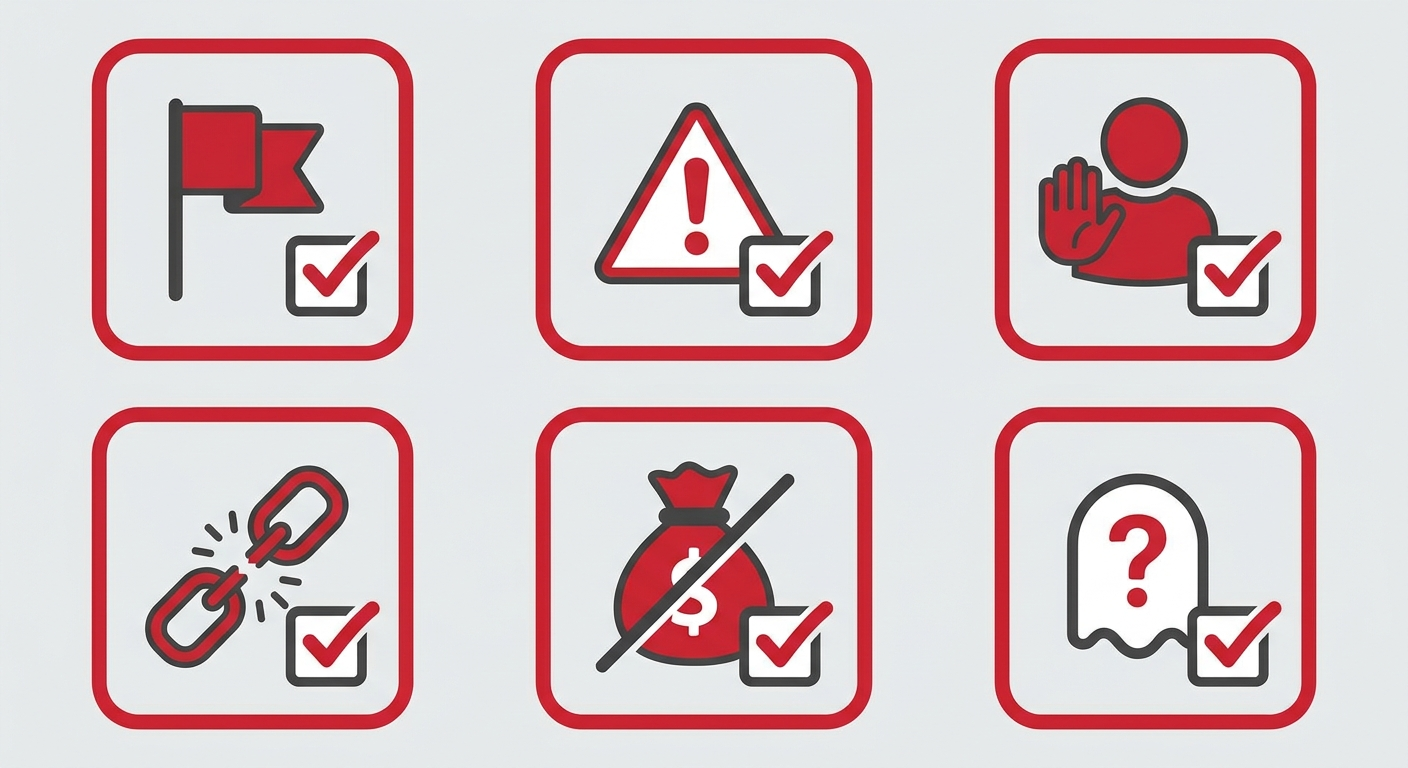
Red Flag Checklist (seek urgent/emergency evaluation)
- New vision changes (blurred vision, loss of vision)
- Double vision or trouble moving an eye
- Drooping eyelid, facial numbness, weakness, or other neurologic changes
- Rapidly worsening severe headache, stiff neck, confusion
- Fever with worsening head pain
Sources: Fooanant 2017, Villemure‑Poliquin 2021
What is sphenoid sinusitis (and why it’s different from “regular” sinus infections)?
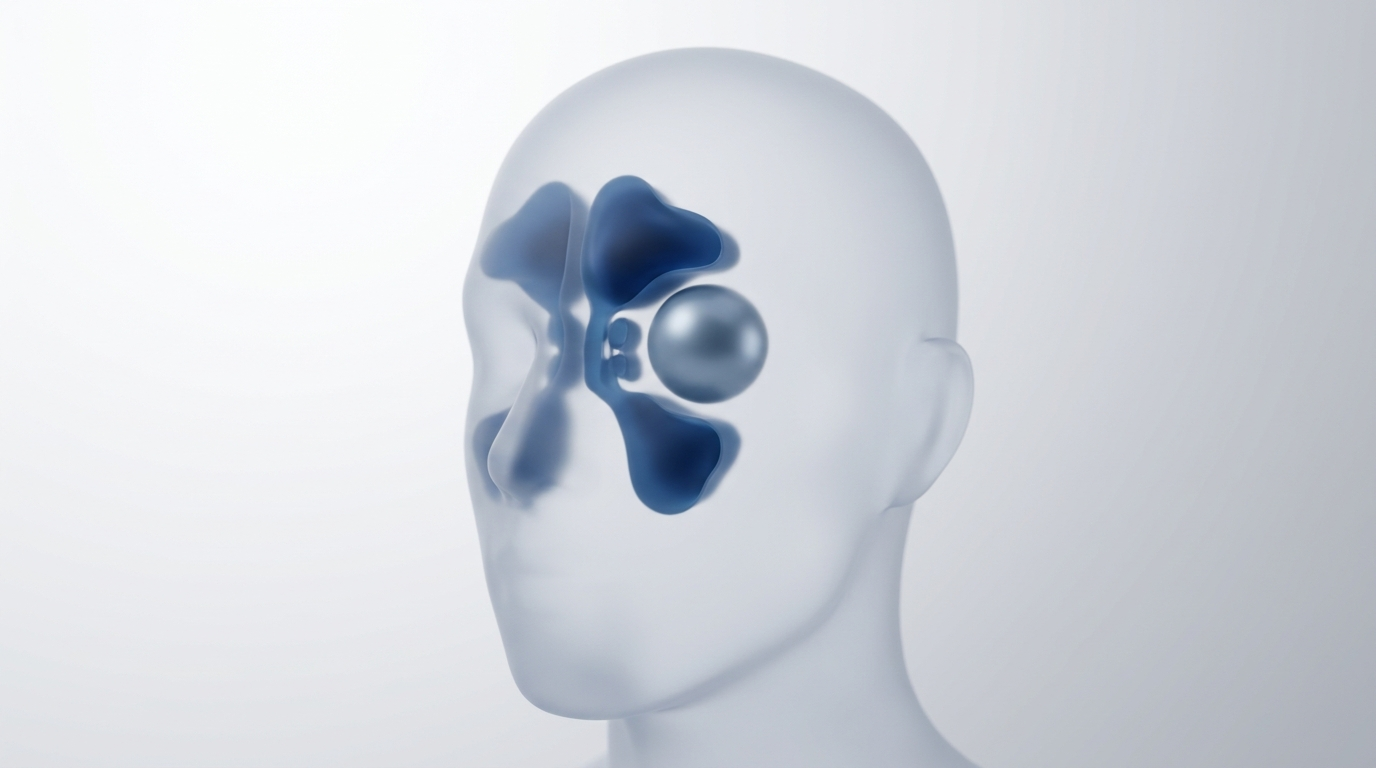
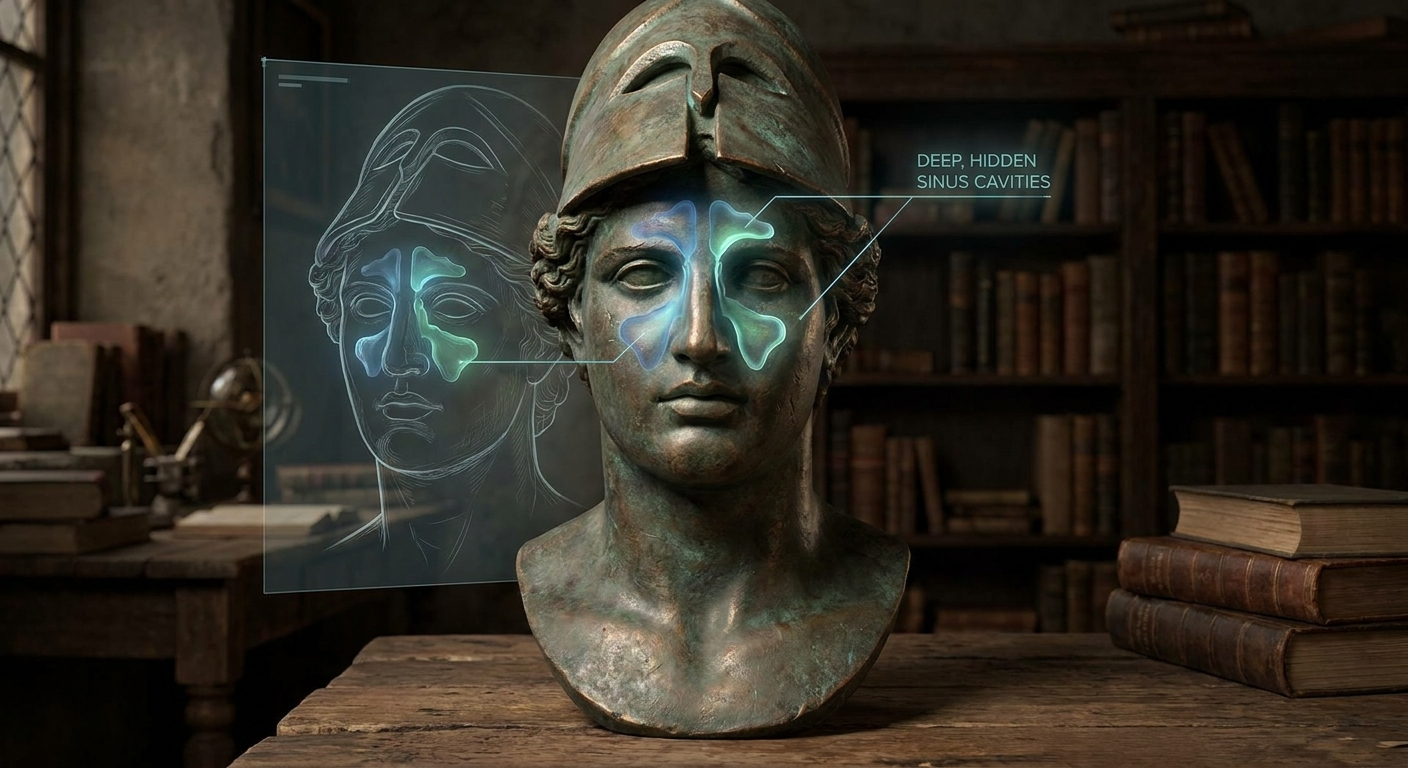
The sphenoid sinus is located deep in the skull, behind the nose and below the brain. If you imagine the sinuses as “air pockets” in the face, the sphenoid is less like the cheeks (maxillary sinuses) and more like a small room tucked behind the central hallway—harder to see, harder to feel, and easier to overlook.
Because it’s not close to the cheeks or forehead like other sinuses, symptoms can feel less “sinus-like” and more like generalized head pain.
Importantly, the sphenoid sinus borders structures that control vision, eye movement, and sensation. That’s why inflammation or infection here can carry higher stakes than many routine sinus infections. Sources: Fooanant 2017, Karpishchenko 2023
How rare is it?
Isolated sphenoid sinusitis (meaning the sphenoid sinus is affected without the other sinuses) is uncommon—reviews suggest it represents only a small fraction of paranasal sinus disease (on the order of a few percent, with figures that vary by study). Sources: Villemure‑Poliquin 2021, Fooanant 2017
One reason we have decent estimates is that sphenoid disease has been summarized in larger clinical reviews (for example, a review of 1,442 patients with sphenoid sinus diseases). Those reports consistently highlight the same theme: rare, but important. Source: Fooanant 2017
Why diagnosis can be delayed
- Symptoms may not include classic congestion or obvious drainage.
- Headache has many possible causes (migraine, tension, TMJ, eye strain, etc.).
- Confirming a sphenoid problem often requires nasal endoscopy plus imaging. Source: Fooanant 2017
A clinician might put it this way: “If the story is mostly headache, we have to keep a wide differential—sphenoid sinusitis is on the list, but we usually need imaging to prove it.”
If you’re exploring broader long-term inflammation patterns that can overlap with or contribute to sinus problems, see our page on chronic sinusitis: https://sleepandsinuscenters.com/chronic-sinusitis.
- In short: sphenoid sinusitis is less common and harder to spot because it lives deep in the skull and often presents as headache more than congestion. -
Symptoms of sphenoid sinusitis (what patients actually notice)
The most common symptom: headache
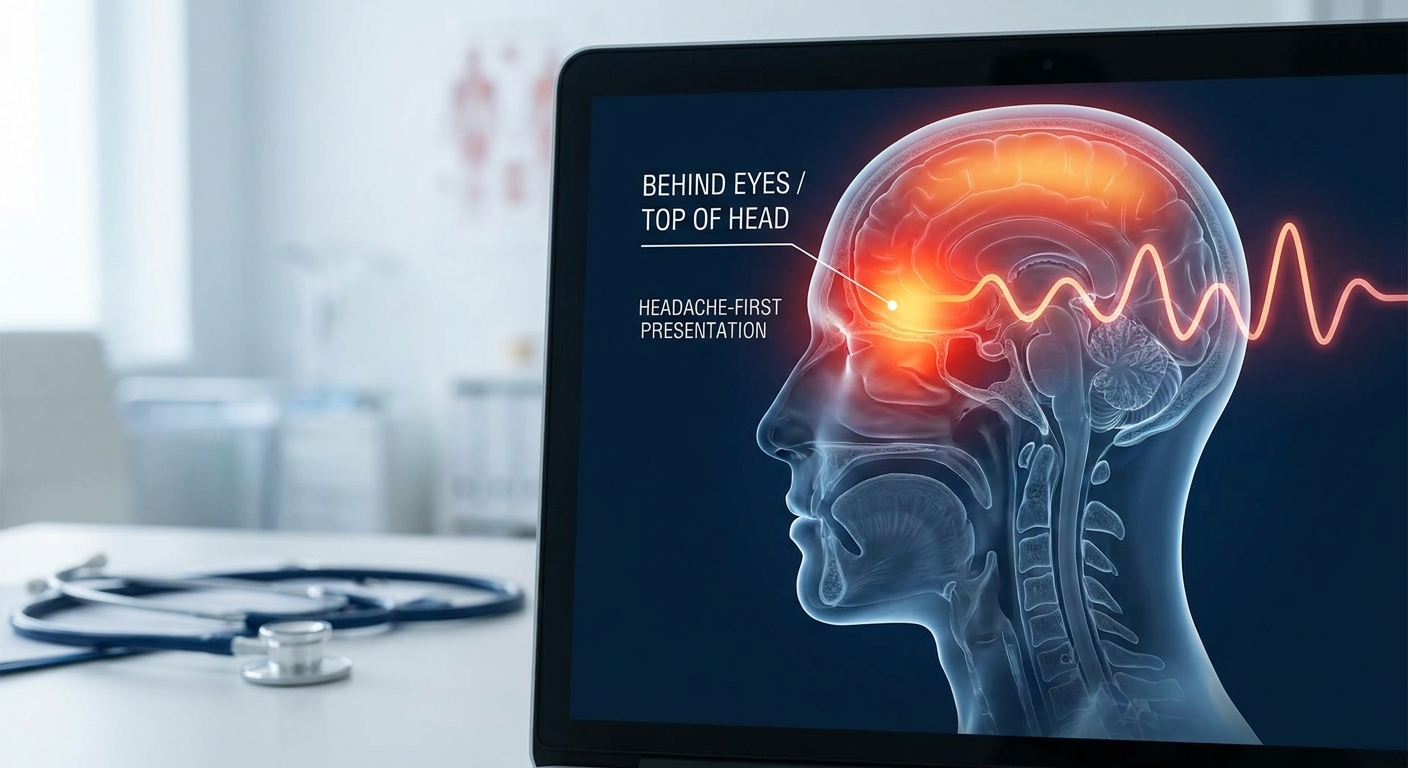
Headache is often the dominant symptom reported in isolated sphenoid disease. People may describe:
- Deep, persistent head pain
- Pain at the top of the head, the back of the head, or behind the eyes
- A headache that feels different from their usual pattern
Source: Villemure‑Poliquin 2021
A practical example: someone who “never gets headaches” may develop a daily, deep pressure that doesn’t respond the way their usual headaches do. Or a person with migraines may notice a new headache pattern (location, persistence, triggers) that stands out.
Nasal symptoms may be minimal or absent
Because drainage pathways are deep, nasal symptoms may be mild compared to other sinus infections. Some people have little or no congestion, runny nose, or postnasal drip—even with significant sphenoid inflammation. Source: Fooanant 2017
A common patient reaction is: “But I can breathe fine—how could it be a sinus problem?” With the sphenoid sinus, that’s a real possibility.
Other possible symptoms (when present)
- Fever or fatigue
- Pain that worsens with bending forward (nonspecific)
- Bad breath, cough, sore throat (nonspecific; these alone do not suggest sphenoid disease)
Red flags that require urgent evaluation
Because the sphenoid sinus sits near nerves and blood vessels that serve the eyes and brain, urgent warning signs can include:
- Vision changes
- Double vision (possible cranial nerve palsy)
- New neurologic symptoms
- Severe headache with rapid progression
Sources: Fooanant 2017, Karpishchenko 2023
- Bottom line: if you have a new, persistent deep headache—especially behind the eyes—and any eye or neurologic symptoms, seek urgent care. -
Causes and risk factors (why sphenoid sinusitis happens)
Infectious causes
A sphenoid sinus infection can occur through similar pathways as other sinus infections—often after a viral upper respiratory infection that leads to bacterial overgrowth.
A less common but higher-risk category is fungal sphenoid sinusitis. In particular, invasive fungal sinusitis is most concerning in people with compromised immune systems and can progress quickly. Invasive fungal sinusitis is uncommon in otherwise healthy people, but it is an emergency when suspected. Source: Lee 2014
Non-infectious or structural causes (that can mimic or trigger sphenoid problems)
Not all sphenoid disease is a straightforward acute infection. Other possibilities include:
- Chronic inflammation
- Drainage obstruction
- Mucoceles
- Fungus ball (non-invasive fungal disease)
- Anatomic variants that affect ventilation and drainage (often best seen on imaging)
Source: Karpishchenko 2023
This is one reason imaging matters: it helps distinguish “fluid and inflammation” from other sphenoid pathologies that may need different treatment.
Patient risk factors that raise concern
Situations that may increase concern for complications or atypical infections include:
- Immune suppression (certain medications, uncontrolled diabetes, chemotherapy, transplant)
- Prior sinus surgery or known chronic sinus disease
- Persistent symptoms despite appropriate initial treatment
- Key idea: cause and risk guide urgency—imaging helps sort infection from structural issues, and immune status raises the stakes. -

Why sphenoid sinusitis can be dangerous (potential complications)
The “neighborhood problem”: vital anatomy next door
The sphenoid sinus borders the:
- Optic nerve/chiasm (vision)
- Cavernous sinus (major venous channel) and several cranial nerves (eye movement, facial sensation)
- Internal carotid artery
- Brain/meninges
Sources: Fooanant 2017, Karpishchenko 2023
In other words, sphenoid sinusitis is like a small kitchen fire in an apartment building: the space is small, but what’s adjacent to it matters. That proximity is why specialists take concerning symptoms seriously, even if nasal symptoms seem mild.
Complications to name clearly
While many cases do not progress to complications, the potential complications are the reason sphenoid disease gets special attention:
- Vision loss or significant visual disturbance
- Cranial nerve palsy (often felt as double vision)
- Cavernous sinus thrombosis
- Meningitis
- Brain abscess
Sources: Villemure‑Poliquin 2021, Fooanant 2017
- Take-home: most patients are treated before major complications occur, but red flags demand urgent evaluation. -

How sphenoid sinusitis is diagnosed (step-by-step)
1) Medical history + symptom pattern
Clinicians often focus on headache details (new vs typical, duration, severity, triggers), presence or absence of nasal symptoms, any red flags (vision/neurologic symptoms), and immune risk factors. If your main complaint is “just headache,” it can help to bring concrete details: when it started, how often it happens, what makes it better/worse, and whether it’s truly different from prior headaches.
2) Nasal exam and nasal endoscopy
A routine look in the nose can appear normal. Nasal endoscopy gives a better view of deeper areas where drainage occurs and can help identify inflammation, drainage, or structural issues. Source: Fooanant 2017
Helpful overview: what a nasal endoscopy is (and whether it’s painful): https://sleepandsinuscenters.com/blog/what-is-nasal-endoscopy----and-is-it-painful
3) Imaging (the key to confirming a deep sinus problem)
Because the sphenoid sinus is so deep, imaging often confirms the diagnosis.
- CT scan of the sinuses (often first-line when sinus disease is the main concern). CT is excellent for sinus anatomy, sinus “opacification” (fluid/inflammation), bony detail, and surgical planning—making it the most common CT scan for sinusitis when sphenoid disease is suspected. Sources: Karpishchenko 2023, Villemure‑Poliquin 2021
Related reading: sinus CT scan—what it shows and how it helps diagnose sinus issues: https://sleepandsinuscenters.com/blog/sinus-ct-scan-what-it-shows-and-how-it-helps-diagnose-sinus-issues
- MRI with contrast (when complications are suspected). An MRI is especially useful when there’s concern for soft-tissue involvement, orbital/intracranial spread, a mass, or invasive fungal disease. Source: Karpishchenko 2023
In emergency settings with neurological or eye findings, brain imaging may be prioritized right away. Many patients are evaluated with CT alone when there are no features suggesting complication.
4) When cultures or specialty consults matter
For persistent, recurrent, or severe cases—especially when fungal disease is a possibility—more targeted evaluation and specialty care may be needed. ENT involvement is common in confirmed isolated sphenoid disease. Source: Villemure‑Poliquin 2021
- Summary: history and endoscopy raise suspicion, but imaging seals the diagnosis—CT maps structure; MRI clarifies soft-tissue and complication concerns. -
Treatment options (what actually helps)
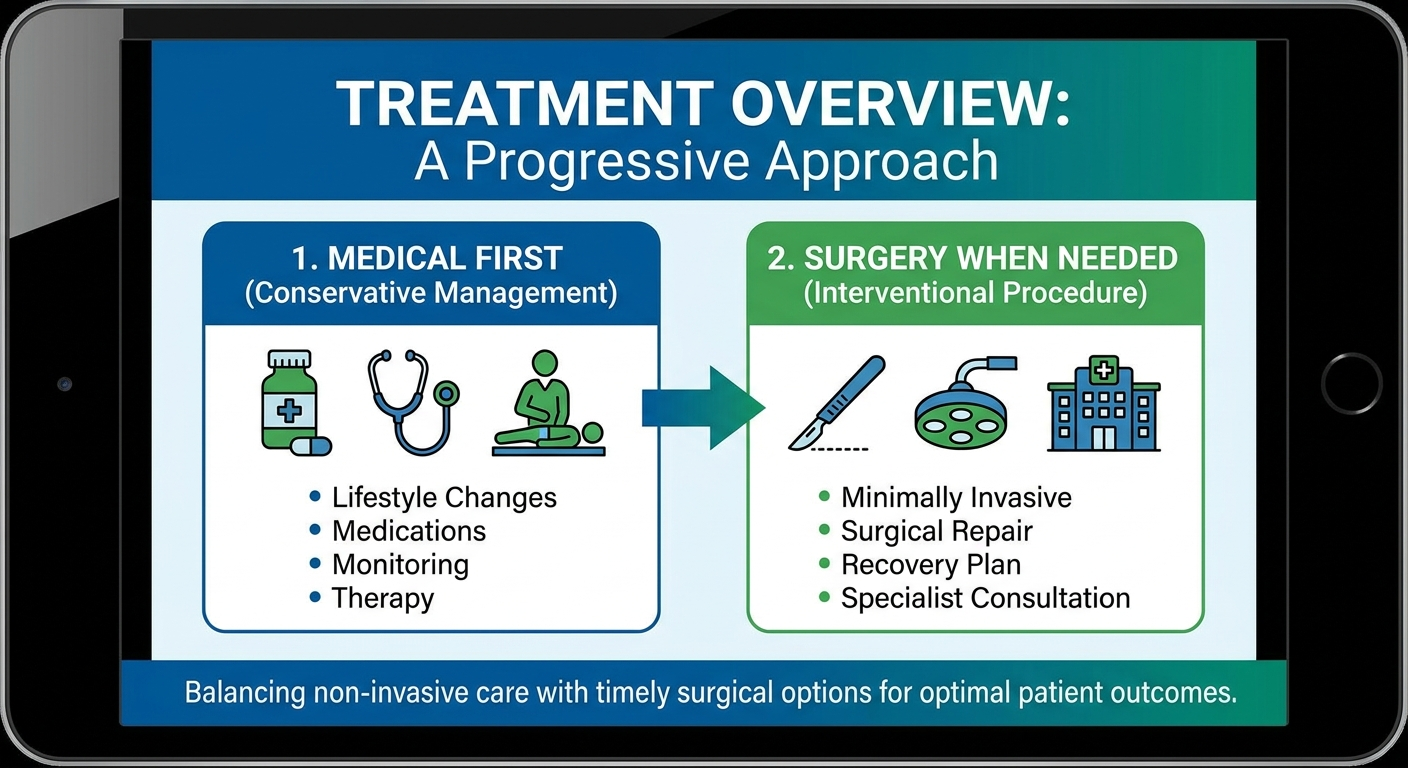
Treatment for sphenoid sinusitis depends on the cause (bacterial vs fungal vs inflammatory/obstructive) and the severity, including whether complications are present.
Medical treatment for uncomplicated cases
Uncomplicated cases may be managed with a combination of:
- Symptom support (pain control strategies and nasal care, when appropriate)
- Antibiotics only when bacterial sinusitis is considered likely based on established clinical criteria (duration, severity, or “double-worsening” pattern)—and only a clinician can decide whether antibiotics are appropriate
Source: IDSA 2012 (as of the 2012 IDSA guideline)
When surgery is considered (and why)
Endoscopic approaches may be considered when there is:
- Persistent disease despite medical therapy
- Chronic sphenoid disease
- Mucocele
- Fungus ball
- Orbital/intracranial complications
Source: Villemure‑Poliquin 2021
In plain language, surgery is usually about restoring drainage and access—especially when the sinus stays blocked, when a structural problem is driving recurrence, or when there’s a complication that needs urgent control.
Special situation: invasive fungal sphenoid sinusitis (time-sensitive)
Invasive fungal disease requires urgent recognition and treatment and may involve:
- Prompt endoscopic debridement
- Systemic antifungal therapy
Source: Lee 2014
What recovery and follow-up can look like
Follow-up commonly focuses on:
- Tracking whether the headache resolves (and monitoring for any eye symptoms)
- Repeat endoscopy or imaging if symptoms persist or worsen
- Addressing contributing factors such as chronic inflammation or anatomy that affects drainage
- Practical aim: treat the cause, relieve the headache, and ensure safety through follow-up. -
At-home and lifestyle tips (safe support—not a substitute for care)
Symptom support that’s generally low-risk (if your clinician approves)
- Saline sprays or rinses for nasal hygiene (use proper water safety if rinsing)
- Hydration and humidification if dry air worsens symptoms
- Sleep with head elevation if it reduces pressure sensation
What to avoid
- Overusing topical decongestant sprays (can cause rebound congestion)
- Waiting on evaluation if symptoms are severe, unusual, or worsening—especially with red flags
When to seek urgent care vs schedule an ENT visit
- Urgent/emergency evaluation: vision changes, double vision, neurologic deficits, stiff neck/confusion, rapidly worsening severe headache (Source: Fooanant 2017)
- Schedule an ENT visit soon: persistent deep headache with suspected sinus involvement, recurrent symptoms, lack of improvement, or immune-risk factors
- Remember: supportive care can help symptoms, but evaluation is crucial if pain persists or red flags appear. -
What to ask your doctor
- Could this headache pattern suggest a sphenoid sinus infection or isolated sphenoid sinusitis?
- Do I need a sinus CT to evaluate for a deep sinus problem?
- Should we consider an MRI with contrast because of eye or neurologic symptoms?
- Would an ENT evaluation and nasal endoscopy be helpful?
- If this is recurrent, could there be an anatomic or obstructive issue contributing to poor drainage?
FAQs
Can sphenoid sinusitis cause headache without congestion?
Yes. In many reports, headache is the main symptom, and nasal congestion may be absent because the sphenoid sinus is deep and doesn’t always create prominent nasal blockage. Source: Villemure‑Poliquin 2021
How is sphenoid sinusitis different from migraine?
Symptoms can overlap, but sphenoid disease is typically confirmed with endoscopy and imaging, and red flags may include visual or neurologic symptoms. For a general comparison, see migraine vs. sinus headache: https://sleepandsinuscenters.com/blog/migraine-vs-sinus-headache-key-differences-and-symptoms-explained Source: Fooanant 2017
What scan is best for sphenoid sinusitis—CT or MRI?
A CT scan for sinusitis is often first-line for sinus anatomy and diagnosis when sinus disease is the main concern. MRI with contrast is added when complications, soft-tissue spread, mass concerns, or invasive fungal disease are suspected. Source: Karpishchenko 2023
Is sphenoid sinusitis dangerous?
It can be, because of its proximity to the optic nerve, cavernous sinus, and brain. Potential complications include vision loss, cranial nerve palsy, meningitis, brain abscess, and cavernous sinus thrombosis. Most evaluated cases are managed before major complications occur; red flags warrant urgent care. Source: Fooanant 2017
When are antibiotics necessary?
Antibiotics are generally reserved for cases where bacterial infection is likely based on evidence-based criteria (duration, severity, or worsening pattern). Only a clinician can determine whether antibiotics are appropriate for your situation. Source: IDSA 2012
When is surgery needed?
Surgery is more commonly considered for chronic/persistent cases, mucoceles, fungus balls, or complications—often using endoscopic techniques. Source: Villemure‑Poliquin 2021
References
- Villemure‑Poliquin E, et al. Surgical treatment of isolated sphenoid sinusitis (2011–2019 series; published 2021). https://pmc.ncbi.nlm.nih.gov/articles/PMC7808905/
- Fooanant S, et al. Sphenoid Sinus Diseases: A Review of 1,442 Patients (2017). https://pmc.ncbi.nlm.nih.gov/articles/PMC5635283/
- Karpishchenko S, et al. Sphenoid sinus anatomical variants and pathologies: pictorial essay (2023). https://pmc.ncbi.nlm.nih.gov/articles/PMC10195661/
- Lee et al. Invasive Fungal Sinusitis of the Sphenoid Sinus (2014). https://pmc.ncbi.nlm.nih.gov/articles/PMC4135153/
- IDSA Clinical Practice Guideline: Acute Bacterial Rhinosinusitis in Children and Adults (2012). https://academic.oup.com/cid/article/54/8/e72/367144
Book an appointment
If you’re dealing with a persistent, unusual headache (especially a deep headache behind the eyes) and you’re concerned about a possible sinus source, you can book an appointment with our team here: https://www.sleepandsinuscenters.com/
This article is for educational purposes only and is not medical advice. Please consult a qualified healthcare provider for diagnosis and treatment.
Don’t let allergies slow you down. Schedule a comprehensive ENT and allergy evaluation at Sleep and Sinus Centers of Georgia. We’re here to find your triggers and guide you toward lasting relief.