Sinus Symptoms During Pregnancy: Safe Treatments, Relief Tips, and When to Call Your OB
Dealing with congestion, pressure, and headaches is tough at any time—especially during pregnancy, when your options can feel more limited and every symptom comes with extra worry. The reassuring part: most sinus symptoms in pregnancy are manageable, and there are pregnancy-safe ways to find relief while also knowing when to reach out for medical care.
This guide is educational (not personal medical advice) and focuses on safe relief ideas, medication cautions, and red flags to discuss promptly with your OB/midwife. It also helps you tell the difference between a true infection and common pregnancy-related nasal congestion, which can feel surprisingly similar day to day.
Sources for symptom and safety guidance: American Pregnancy Association — https://americanpregnancy.org/pregnancy/sinus-infection-while-pregnant/; Cleveland Clinic — Pregnancy Rhinitis: https://my.clevelandclinic.org/health/diseases/pregnancy-rhinitis; PMC/NCBI review: https://pmc.ncbi.nlm.nih.gov/articles/PMC8646218/; Healthline: https://www.healthline.com/health/pregnancy/sinus-infection
Why Sinus Symptoms Can Feel Different During Pregnancy
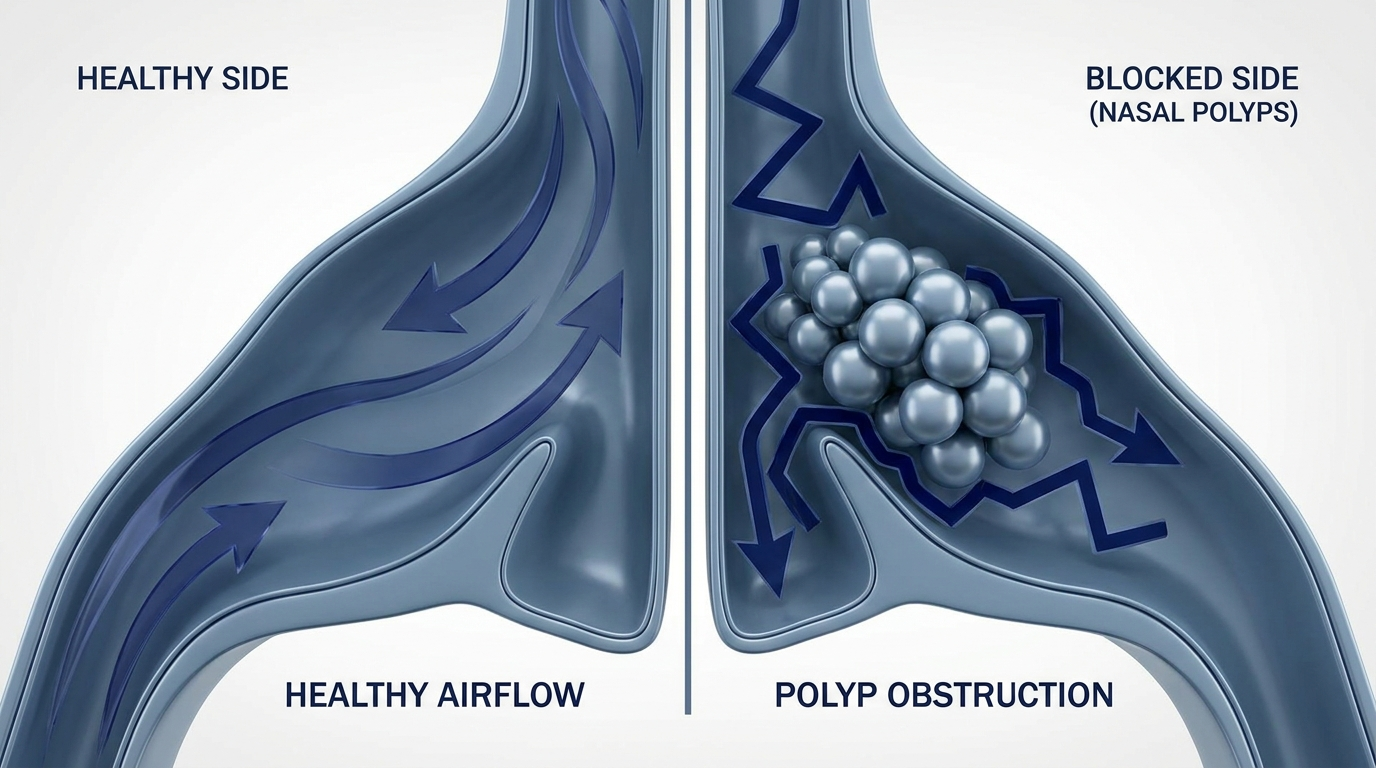
Pregnancy can change how your nose and sinuses feel—sometimes seemingly overnight. Hormonal shifts and increased blood flow can cause swelling of nasal tissues and more congestion (pregnancy rhinitis), which can mimic infection-like symptoms even when no infection is present. Source: Cleveland Clinic.
Think of swollen nasal passages like a narrowed hallway: even normal mucus moves more slowly, so you feel blocked, stuffy, and drippy—without necessarily being sick.
Goals are twofold: find pregnancy-safe relief, and recognize when symptoms may signal a sinus infection or another issue that needs evaluation. Source: American Pregnancy Association.
In short, pregnancy hormones can make your nose feel clogged even when you don’t have an infection.

Sinus Infection vs. Pregnancy Rhinitis: How to Tell the Difference
Pregnancy rhinitis is non-infectious nasal congestion linked to hormonal changes and increased blood flow. It often includes a stuffy nose, postnasal drip, and worse symptoms at night, typically without fever. Source: Cleveland Clinic.
Real-life feel: “I can breathe a bit during the day, but as soon as I lie down, my nose closes up,” plus frequent throat-clearing from postnasal drip.
Sinusitis (viral or bacterial) involves inflammation of the sinus cavities. Compared with pregnancy rhinitis, it is more likely to include facial pain/pressure, thick or discolored nasal drainage (color alone does not confirm a bacterial infection), and sometimes fever. Sources: American Pregnancy Association, PMC review.
Practical clue: deep pressure in the cheeks or forehead that worsens when you bend forward can fit sinus inflammation more than pregnancy rhinitis.
Quick comparison: More consistent with pregnancy rhinitis—lingering congestion, clear/runny mucus, postnasal drip, no fever. Signs that may warrant evaluation for sinusitis—facial pressure or pain, thick mucus (color alone does not prove bacteria), headache, fever or feeling acutely ill.
Timeline tip: bacterial sinusitis becomes more likely when symptoms persist beyond about 10 days, worsen after improving, or feel unusually severe. Source: PMC review.
Bottom line: track your symptoms and timeline, and ask your clinician when patterns suggest sinusitis over pregnancy rhinitis.
Common Symptoms of a Sinus Infection During Pregnancy
Nasal and throat: thick nasal drainage (yellow/green can occur; color alone does not confirm bacteria), postnasal drip, sore throat from drainage, reduced smell and taste. Sources: American Pregnancy Association, Healthline.
Example: you may notice more frequent swallowing from mucus sliding down the back of your throat; a scratchy morning throat may improve once you’re upright and drinking fluids.
Face and head: facial pressure or pain (cheeks, forehead, around the eyes), headache, and sometimes tooth or upper jaw pressure.
These can range from a dull “face feels full” heaviness to sharper discomfort around the eyes or upper teeth.
Systemic: fever; fatigue and body aches (more common with viral illness). Source: Healthline.
Because pregnancy already affects energy levels, watch for a sudden “I feel sick” shift—especially when paired with fever.
In short, think about clusters—facial pressure, thick drainage, and fever raise the index of suspicion for sinusitis.
Causes and Triggers (Why It Happens During Pregnancy)
Viral upper respiratory infections are a common starting point: swelling blocks drainage, mucus builds up, and pressure increases.
Bacterial sinus infection is less common and antibiotics aren’t automatically needed. It becomes more likely with persistent, worsening, or unusually severe patterns. Sources: PMC, American Pregnancy Association.
Allergies can trigger congestion and swelling that blocks drainage and mimics infection. If your symptoms track with dust, pets, or pollen seasons and you don’t feel “sick,” discuss this with your OB.
To sum up, colds, allergies, and pregnancy-related swelling can all converge to make sinuses feel blocked.

Safe Home Remedies for Sinus Relief During Pregnancy
Start with non-drug approaches, and check with your OB/midwife if you have a high-risk pregnancy or underlying conditions.
Saline spray or saline rinse can thin mucus and support drainage. For rinses, use distilled or previously boiled-and-cooled water. Source: Healthline. Neti pot water safety: https://sleepandsinuscenters.com/blog/neti-pot-water-safety-why-boiled-or-distilled-water-is-essential-a906d
Comfort tip: if rinses sting, try a gentle saline spray first.
Warm compresses over the cheeks or forehead for 10–15 minutes can ease pressure, especially before bed.
Steam and humidification: shower steam can loosen mucus temporarily; a clean, cool-mist humidifier may help at night.
Hydration and warm fluids keep mucus thinner and soothe throat irritation from postnasal drip.
Rest and sleep positioning: mild head elevation at night may reduce congestion and postnasal drip.
In brief, simple measures like saline, steam, and hydration can make a big difference during pregnancy.

Pregnancy-Safe Medications: What You Can (and Shouldn’t) Take
Medication choices depend on trimester, symptoms, and personal health history. Use these points as a discussion guide for your OB/midwife.
Pain/fever relief: acetaminophen is commonly referenced for pregnancy-related pain or fever when used as directed and approved by your clinician. Sources: American Pregnancy Association, Healthline.
When antibiotics may be needed: not for most viral infections. Considered when symptoms last more than about 10 days without improving, worsen after initial improvement, or include significant facial pain/pressure or notable fever. Source: PMC review.
If antibiotics are indicated, clinicians may choose pregnancy-appropriate options such as amoxicillin-clavulanate or certain cephalosporins, considering allergies and severity. Sources: PMC, American Pregnancy Association.
Medications to be cautious with (talk to your OB first): decongestants like pseudoephedrine or phenylephrine may not be appropriate, especially in the first trimester or with high blood pressure; combination cold/flu products can hide multiple active ingredients; NSAIDs such as ibuprofen and naproxen are often avoided later in pregnancy. Source: Healthline.
Rule of thumb: stick to the simplest effective option and confirm any medication with your OB/midwife.

When to Call Your OB or Seek Urgent Care (Important in Pregnancy)
Have a lower threshold for checking in during pregnancy, especially if symptoms are not improving.
Call your OB/midwife for persistent or high fever; symptoms lasting more than 10 days or worsening after initial improvement; severe facial swelling; eye pain/swelling or any vision changes. Sources: American Pregnancy Association, PMC.
Do not ignore headache red flags. Severe headache, vision changes, swelling, or concerns about blood pressure warrant urgent evaluation to rule out complications such as preeclampsia. Sources: American Pregnancy Association, PMC.
Serious sinusitis complications are rare but possible; seek prompt care for severe or rapidly progressive symptoms. Source: PMC. ENT warning signs guide: https://sleepandsinuscenters.com/blog/when-to-see-an-ent-for-a-sinus-infection-key-warni-20260131051218
Bottom line: in pregnancy, err on the side of checking in early if symptoms persist, worsen, or feel severe.

Prevention and Lifestyle Tips (Reduce Repeat Sinus Issues During Pregnancy)
Manage indoor air by keeping filters clean, avoiding smoke or strong scents, and aiming for comfortable humidity.
Allergy control matters. Track patterns and discuss pregnancy-safe options with your OB if allergies are a trigger.
Daily habits that support drainage include gentle saline, steady hydration, and sleeping with slight elevation.
A brief symptom diary noting time, room, season, and exposures can make your OB or ENT visit more efficient.
In short, small environmental changes plus consistent routines can reduce flare-ups.
FAQs: Sinus Symptoms and Infections During Pregnancy
Can a sinus infection hurt my baby? Most sinus infections are manageable with appropriate care; the bigger concerns are maternal fever, dehydration, or a severe untreated infection. Involve your OB/midwife if symptoms escalate. Sources: American Pregnancy Association, Healthline.
How do I know if it’s bacterial and needs antibiotics? Bacterial sinusitis is more likely when symptoms persist beyond about 10 days, worsen after improving, or involve significant facial pain/pressure and fever. Source: PMC.
What’s the safest medicine for sinus pain in pregnancy? Acetaminophen is commonly referenced, but confirm dosing and appropriateness with your OB/midwife. Source: American Pregnancy Association.
Is it just pregnancy rhinitis? Congestion with mostly clear mucus, no fever, and minimal facial pain/pressure—especially worse at night—suggests pregnancy rhinitis. Source: Cleveland Clinic.
When should I see an ENT instead of just my OB? Consider ENT for recurrent infections, persistent or severe symptoms, suspected chronic sinusitis, or complications. ENT tips: https://sleepandsinuscenters.com/blog/ent-tips-for-managing-sinus-pain-during-pregnancy
In a nutshell, your OB is a great first stop; an ENT helps with recurrent, persistent, or complicated cases.
Conclusion: A Safe Plan for Relief (Quick Recap)
1) Consider pregnancy rhinitis versus infection; fever, facial pain, and thick drainage may point toward sinusitis (color alone does not confirm bacteria). 2) Start with pregnancy-safe home relief such as saline, humidity, hydration, and rest. 3) Discuss pain or fever options like acetaminophen with your OB/midwife. 4) Seek evaluation for red flags such as severe headache, vision changes, or facial or eye swelling, or for symptoms that persist or worsen. 5) Use antibiotics only when clearly indicated by your clinician.
If symptoms linger, keep recurring, or you want specialty guidance, you can book an appointment with Sleep and Sinus Centers of Georgia: https://www.sleepandsinuscenters.com/
This article is for educational purposes only and is not medical advice. Please consult a qualified healthcare provider for diagnosis and treatment.
Don’t let allergies slow you down. Schedule a comprehensive ENT and allergy evaluation at Sleep and Sinus Centers of Georgia. We’re here to find your triggers and guide you toward lasting relief.