Sinus Infection vs. Cold: Key Symptoms, Differences, and When to See a Doctor
Nasal congestion, a runny nose, and pressure in your head can make it hard to tell what’s going on—especially when you’re tired and just want relief. The good news: in many cases, a few practical clues can help you sort out a sinus infection vs. cold and decide when it’s worth getting checked.
Below is an educational guide to the most common differences, typical timelines, and red flags to watch for, based on guidance from the CDC, Mayo Clinic Health System, WebMD, and Spire Healthcare.
Quick Answer: Cold vs. Sinus Infection (At a Glance)
A common cold is a viral upper respiratory tract infection. Symptoms often peak over a few days and then improve, with many people feeling noticeably better within 7–10 days. (WebMD; Spire)
A sinus infection (sinusitis) involves inflammation of the lining of the sinus cavities. It can happen after a cold, when swelling blocks normal drainage and mucus builds up—often leading to facial pain/pressure, thicker drainage, and symptoms that last longer or follow a “get-better-then-worse” pattern. (CDC; Mayo Clinic Health System; WebMD)
Most helpful rule of thumb
- If symptoms improve within 7–10 days, that pattern is more consistent with a cold. (WebMD; Spire)
- If symptoms last more than 10 days without improving or worsen after initially improving, sinusitis becomes more likely. These patterns can suggest sinusitis and may help distinguish it from a typical cold. (CDC; WebMD)
The “10-day rule” callout: Persistent symptoms beyond 10 days or “double worsening” (better, then worse) can suggest sinusitis. These are guidelines rather than absolute rules. Some viral colds can last longer than 10 days, and some cases of sinusitis can improve sooner. (CDC; WebMD)
A quick real-life example: If you have a sore throat and sneezing for a couple of days, then congestion and a cough that slowly fades by the end of week one, that pattern fits a typical cold timeline. But if you feel like you’re turning a corner—and then a few days later your facial pressure ramps up and your drainage becomes thicker again—that “second wave” is a common sinusitis clue. (CDC; WebMD)

Why They Feel So Similar (And Why It Matters)
Colds and sinus infections overlap because both can cause:
- Stuffiness and nasal congestion
- Runny nose/post-nasal drip
- Cough (often from throat irritation and drainage)
- Fatigue and “brain fog”
Knowing the difference matters because antibiotics don’t treat colds, and many cases of sinusitis are viral—so antibiotics are not helpful unless bacterial sinusitis is suspected. (CDC; Mayo Clinic Health System)
What’s happening in your nasal passages and sinuses
- Cold: A virus irritates and inflames the nasal passages and throat, increasing mucus and congestion.
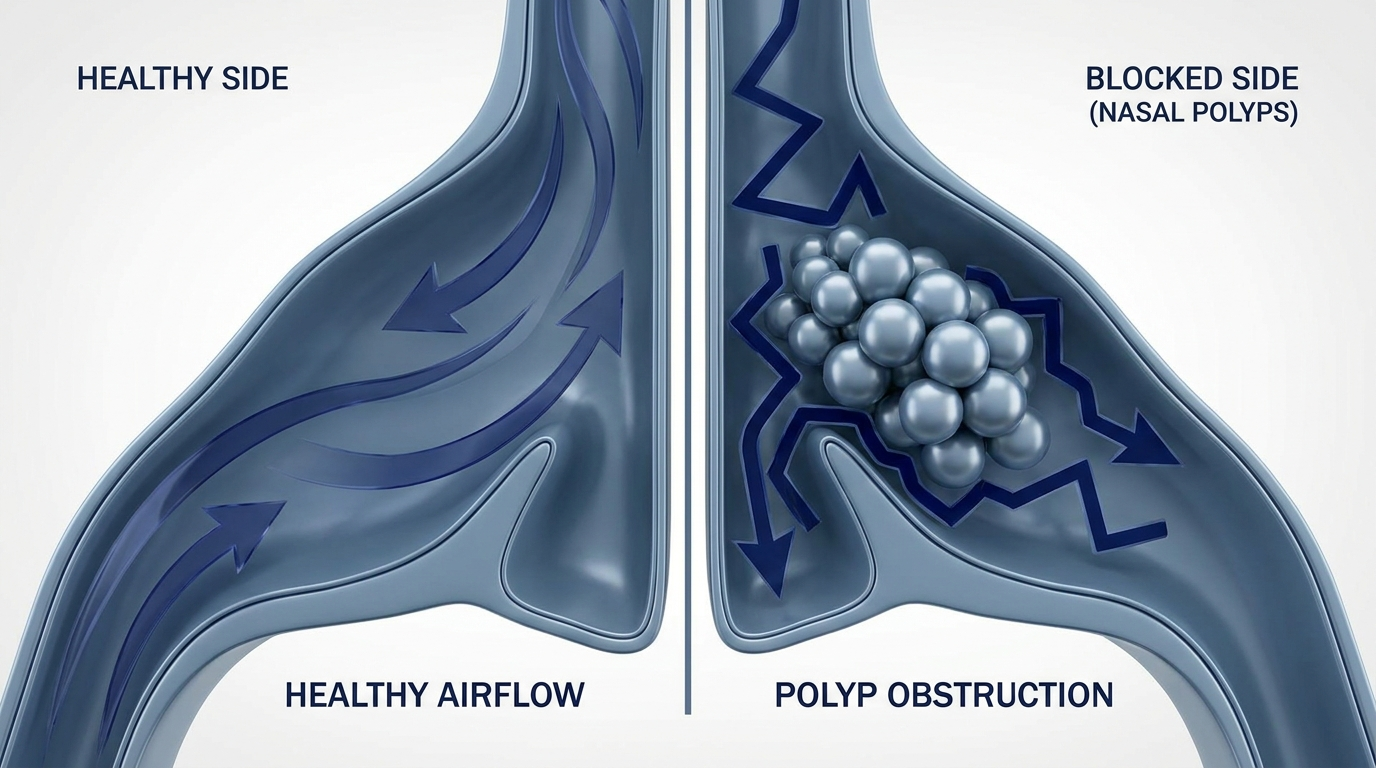
- Sinusitis: The sinus lining becomes swollen, drainage gets trapped, and pressure can build in the sinus cavities—leading to facial discomfort and often thicker mucus. Thicker mucus can also happen with viral colds, so this clue is more helpful when combined with other factors. (CDC)
Think of your sinuses like small “side rooms” off your nasal passage. When swelling blocks the doorway, mucus can’t drain the way it normally does—like a sink that can’t empty. That backup is a big reason sinusitis tends to feel more pressure-heavy than a straightforward cold.
In short: similar symptoms, different timelines and patterns often tell the story.

Symptom Checklist—Cold vs. Sinus Infection
If you’re weighing a sinus infection vs. cold, focus on the patterns below rather than any single symptom.
More consistent with a common cold
- Duration: Often improves within 7–10 days (Spire; WebMD)
- Sneezing: Often prominent (Spire)
- Mild sore throat early on
- Runny nose that may start clear and become thicker over time
- Low-grade fever possible early (not specific)
- Mild body aches and an overall run-down feeling (Spire)
More suggestive of sinusitis (especially when combined)
- Duration: More than 10 days without improvement or “double worsening” (better, then worse) (CDC; WebMD)
- Facial pain/pressure in the cheeks, around the eyes, or forehead (CDC; Spire)
- Tooth or jaw pressure (Spire; WebMD)
- Thick nasal discharge and/or post-nasal drip (also occurs in colds, so look at the overall pattern) (CDC; WebMD)
- Reduced sense of smell/taste (CDC)
- Fever can occur, though it is not specific to sinusitis (Spire)
Symptoms that overlap (not reliable tie-breakers)
- Nasal congestion
- Headache
- Cough
- Fatigue
What about mucus color (clear vs. yellow/green)? It’s a common myth that yellow/green mucus automatically means a bacterial infection. Color can change simply due to inflammation and time. Mucus color alone should not be used to diagnose bacterial infection. A more reliable way to separate sinus infection vs. cold is to focus on:
- Duration (more than 10 days)
- Facial pain/pressure
- Worsening after initial improvement (CDC; Mayo Clinic Health System; WebMD)
If you’re unsure, step back and ask: “Am I steadily improving?” The overall trend matters more than any single symptom.
Bottom line: look at duration, overall trend, and facial pressure patterns—not just mucus color.
For a broader overview of ongoing sinus symptoms, see our page on common sinus symptoms: https://sleepandsinuscenters.com/symptoms-of-sinus-problems

Timeline and Progression: The Biggest Clue
Typical cold timeline (days 1–10)
- Days 1–3: sore throat, sneezing, runny nose
- Days 4–7: congestion and cough often peak
- Days 7–10: gradual improvement (Spire; WebMD)
It’s also common for cough or mild congestion to linger as everything settles down—but you should still feel like you’re slowly trending better rather than getting hit with a second spike of symptoms. Some viral colds can last a bit longer, especially the cough. (WebMD; Spire)
When a cold can turn into sinusitis: Sinusitis commonly follows a cold that doesn’t fully resolve. If swelling blocks drainage, mucus can get trapped and symptoms can shift from “typical cold” to more sinus-focused discomfort. (CDC; WebMD)
A clinician-style way to frame it: “We pay attention to how long symptoms last and whether they follow a smooth recovery or a ‘double worsening’ pattern.” These clues can suggest sinusitis but are not diagnostic on their own. (CDC; WebMD)
Red pattern for sinus infection
- Symptoms lasting more than 10 days without improvement (CDC; WebMD)
- Double worsening: you start to feel better, then symptoms flare again (WebMD; CDC)
Key takeaway: steady improvement points toward a cold; prolonged or double-worsening patterns point toward sinusitis.
Causes—Viral vs. Bacterial (and Where Allergies Fit In)
What causes a cold? Colds are caused by viruses and spread through respiratory droplets and contact with contaminated surfaces. Because they’re viral, antibiotics won’t help a cold. (CDC)
What causes a sinus infection? Sinus infections can be viral or bacterial, and they can also be driven by underlying inflammation (including allergies). Many cases improve without antibiotics. (CDC; Mayo Clinic Health System)
Common risk factors that make sinusitis more likely
- A recent cold (one of the most common triggers) (WebMD)
- Allergies or chronic nasal irritation
- Structural blockage (like nasal polyps or a deviated septum)
- Smoke exposure or strong irritants
In brief: viruses start many cases; anatomy, allergies, and inflammation influence who gets stuck with sinusitis.
How to Treat a Cold (Supportive Care)
At-home relief that actually helps: Cold care is usually focused on comfort while your immune system clears the virus.
- Rest and hydration
- Saline nasal spray or gentle rinses
- Humidifier/steam (use caution to avoid burns)
- Honey for cough when age-appropriate
- Over-the-counter pain relief as directed on the label
A practical tip: choose just a couple of strategies and do them consistently (for example, saline + hydration + rest). Stacking too many products at once can make it harder to tell what’s actually helping.
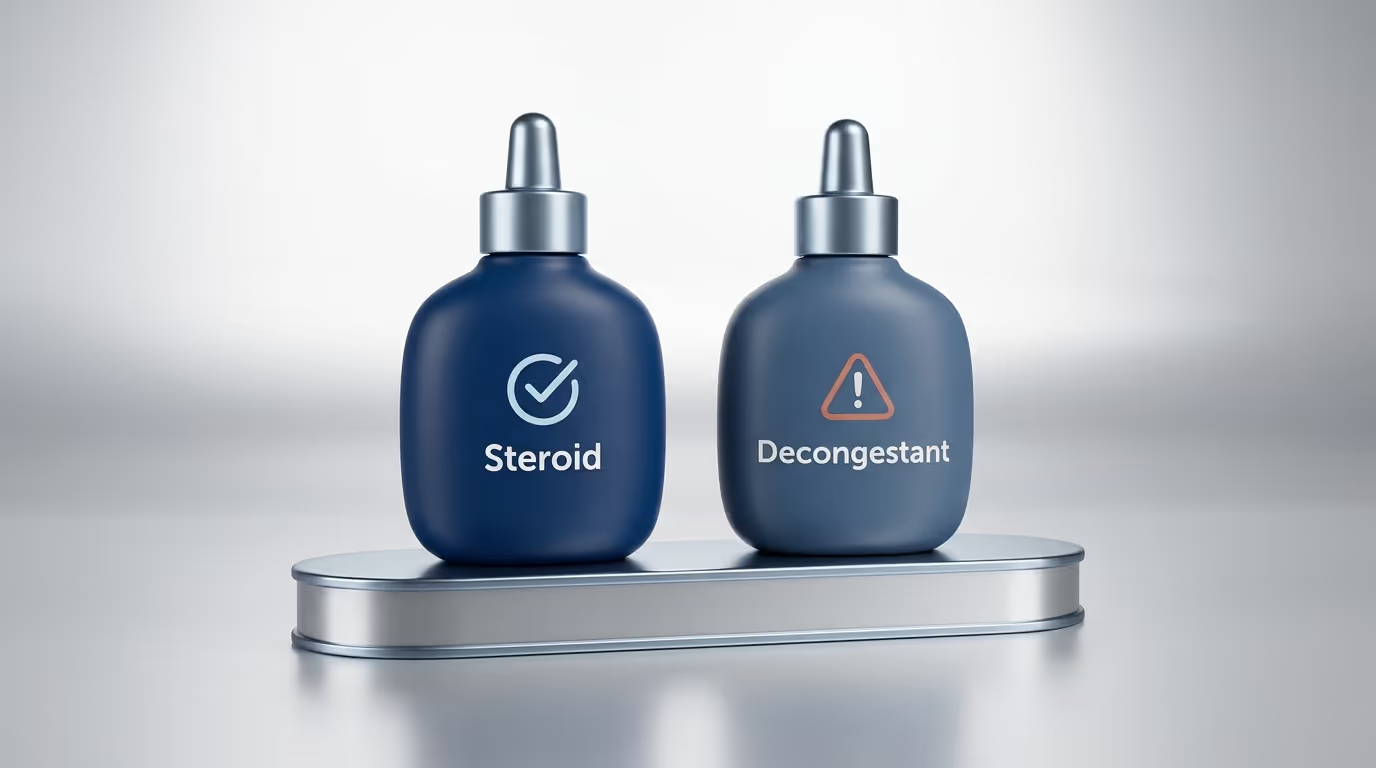
Cold meds: what to use (and what to avoid). Some people use OTC decongestants short-term, but they aren’t ideal for everyone (for example, certain health conditions or pregnancy may change what’s appropriate). If you’re unsure, a pharmacist or clinician can help you choose safely. And again: avoid unnecessary antibiotics for cold symptoms. (CDC)
Short version: soothe symptoms and give your body time—antibiotics don’t treat colds.

How to Treat a Sinus Infection (What to Do First)
First-line home care (often enough for viral sinusitis). Many sinus infections improve with supportive care that helps drainage and reduces inflammation, such as:
- Saline irrigation/saline sprays
- Hydration and humidified air
- OTC pain relief as directed
- In some situations, clinicians may suggest intranasal steroid sprays—especially when allergies or inflammation are contributing (CDC; Mayo Clinic Health System)
If facial pressure is your main complaint, warm compresses and consistent saline rinsing can be especially soothing because they support the same goal: better drainage and less swelling. (CDC; Mayo Clinic Health System)
When antibiotics might be considered: Antibiotics may be considered when bacterial sinusitis is suspected, but many cases still improve without them. Certain patterns (such as more than 10 days without improvement or double worsening) may prompt a clinician to consider bacterial sinusitis, but evaluation is needed to guide treatment. (CDC; Mayo Clinic Health System; WebMD)
If you want a deeper look at this topic, read: Do I always need antibiotics for a sinus infection? https://sleepandsinuscenters.com/blog/do-i-always-need-antibiotics-for-a-sinus-infection
What doctors may recommend (if symptoms are moderate/severe or persistent)
- Review your timeline and symptom pattern in detail
- Examine the nose and throat
- Consider further evaluation in select cases (CDC; Mayo Clinic Health System)
Bottom line: start with drainage and inflammation relief; antibiotics are reserved for suspected bacterial cases.

When to See a Doctor (and When to Seek Urgent Care)
Make an appointment if you have:
- Symptoms lasting more than 10 days without improvement (CDC; WebMD)
- Symptoms that worsen after improving (WebMD)
- Significant facial pain/pressure or tooth pain affecting sleep or daily life (Spire)
- Frequent “sinus infections,” which can signal an underlying issue worth evaluating (CDC)
If you’d like to be evaluated, you can schedule an appointment with Sleep and Sinus Centers of Georgia: https://sleepandsinuscenters.com/appointments
Urgent/emergency red flags (don’t wait). Seek urgent medical evaluation for symptoms that could signal a rare but serious complication, such as:
- Swelling/redness around the eye or vision changes
- Severe headache, stiff neck, confusion
- High fever with rapidly worsening illness
- Shortness of breath or chest pain (general emergency symptoms that require prompt care) (CDC)
In short: persistent or worsening symptoms deserve an appointment; severe or eye/neurologic symptoms are urgent.
Lifestyle Tips to Prevent Future Colds and Sinus Infections
Reduce cold spread
- Wash hands regularly
- Avoid close contact when sick
- Clean high-touch surfaces
Support sinus drainage and reduce irritation
- Manage allergies if relevant
- Avoid smoke and strong fragrances
- Use a humidifier appropriately and keep it clean to reduce mold buildup
If you get “sinus infections” often: Recurrent symptoms are a good reason to discuss possible contributors like allergies, chronic inflammation, or nasal blockage. Learn more about common sinus symptoms and when to follow up here: https://sleepandsinuscenters.com/symptoms-of-sinus-problems
Takeaway: small daily habits and allergy management can lower your risk over time.
FAQs
Q: Can a cold turn into a sinus infection? A: Yes. Sinusitis can develop after a cold—especially when symptoms persist beyond 10 days or worsen after initially improving. (WebMD; CDC)
Q: How long does a sinus infection last? A: Many improve on their own, but duration varies. If symptoms are prolonged or worsening, it’s reasonable to seek evaluation. (CDC; Mayo Clinic Health System)
Q: Do I need antibiotics for a sinus infection? A: Not always. Many sinus infections are viral and clear without antibiotics. Antibiotics may help in cases where bacterial sinusitis is suspected based on clinical evaluation. (CDC; Mayo Clinic Health System)
Q: Is facial pressure always a sinus infection? A: Not always, but facial pain/pressure is more suggestive of sinusitis than a typical cold—especially when combined with thick drainage and a longer timeline. (CDC; Spire)
Q: What’s the fastest way to relieve sinus pressure? A: Symptom relief often comes from measures that support drainage and reduce inflammation, such as saline rinses, hydration, warm compresses, humidified air, and appropriate OTC pain relief. (Mayo Clinic Health System; CDC)
Quick recap: patterns and trends matter more than any single symptom.
Conclusion + Next Step
Most colds—and many sinus infections—are self-limited. When deciding sinus infection vs. cold, the three most helpful clues are:
1) Duration (more than 10 days) (CDC; WebMD)
2) Double worsening (WebMD)
3) Facial pain/pressure with thick drainage (consider the overall pattern) (CDC; Spire)
For more guidance, explore our page on common sinus symptoms: https://sleepandsinuscenters.com/symptoms-of-sinus-problems or read when antibiotics are (and aren’t) needed: https://sleepandsinuscenters.com/blog/do-i-always-need-antibiotics-for-a-sinus-infection. If your symptoms match the red-flag patterns—especially more than 10 days without improvement or “better, then worse”—it’s a good time to get personalized advice. You can book an appointment here: Sleep and Sinus Centers of Georgia https://sleepandsinuscenters.com/appointments
Medical note: This article is for general education and isn’t a substitute for professional medical advice, diagnosis, or treatment.
This article is for educational purposes only and is not medical advice. Please consult a qualified healthcare provider for diagnosis and treatment.
Sources
CDC – Sinus infection overview: https://www.cdc.gov/sinus-infection/about/index.html
Mayo Clinic Health System – Will it clear up on its own?: https://www.mayoclinichealthsystem.org/hometown-health/speaking-of-health/will-my-sinus-infection-clear-up-on-its-own
WebMD – When a cold becomes a sinus infection: https://www.webmd.com/cold-and-flu/cold-becomes-sinus-infection
Spire Healthcare – Cold vs. sinus infection: https://www.spirehealthcare.com/health-hub/specialties/ear-nose-and-throat/sinus-infection-vs-the-common-cold-whats-the-difference/
Don’t let allergies slow you down. Schedule a comprehensive ENT and allergy evaluation at Sleep and Sinus Centers of Georgia. We’re here to find your triggers and guide you toward lasting relief.