Nasal Blockage Reasons: Common Causes of a Stuffy Nose
Introduction — Why Your Nose Feels “Blocked”
A “blocked nose” can mean two related but distinct issues:
- Congestion: the nasal lining is often swollen and inflamed, sometimes with extra mucus.
- True obstruction: something physically narrows or blocks the nasal airway (an anatomic issue).
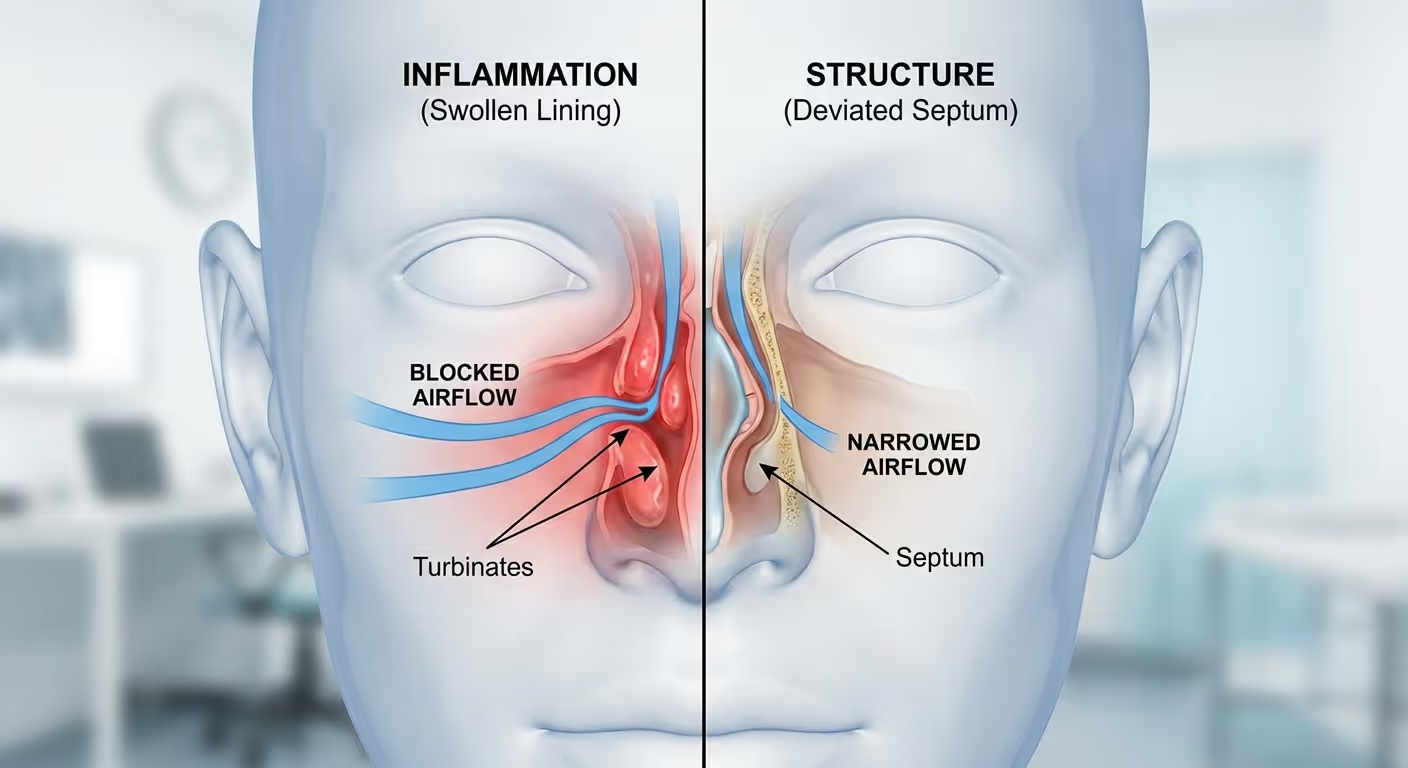
Most nasal blockage reasons fall into two broad categories:
1) Inflammation/swelling (medical causes)
2) Structural narrowing/physical blockage (anatomic causes)
This distinction matters because inflammatory problems often improve with medications and trigger management, while structural problems may need targeted procedures to improve airflow. The feeling of blockage isn’t always a perfect match to the actual size of the airway—how the nose senses airflow also influences symptoms (overview: http://pmc.ncbi.nlm.nih.gov/articles/PMC2866558).
In short: congestion usually reflects swollen lining; obstruction reflects narrowed structure—and perception also plays a role.
Symptoms of Nasal Blockage (And What They Can Suggest)
Common symptoms
People describe nasal obstruction in many ways. Common signs include:
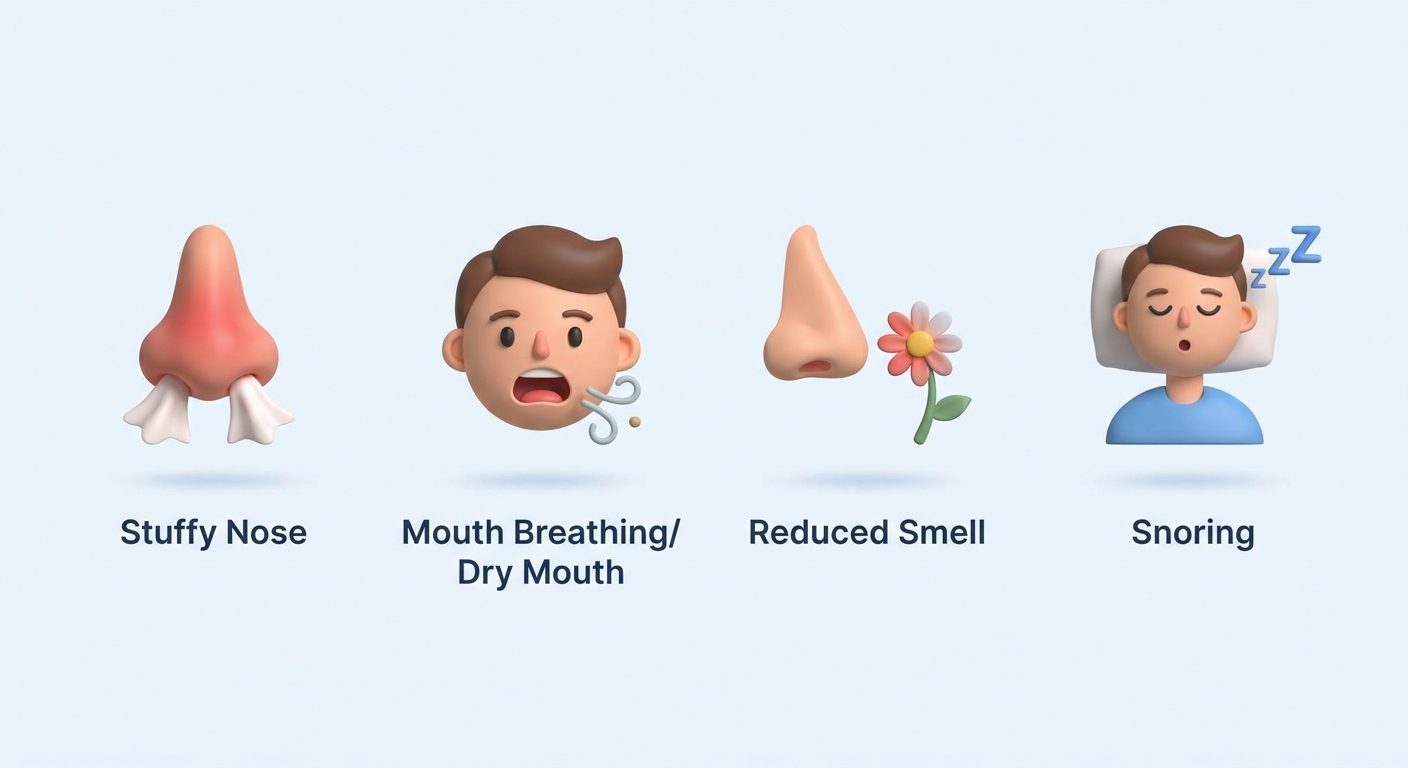
- A stuffy nose (one side or both)
- Mouth breathing, dry mouth, or sore throat in the morning
- Reduced smell and taste
- Snoring, restless sleep, or daytime fatigue
- Facial pressure or thicker drainage (more common when sinus-related)
Patterns can be helpful. For example, some people breathe fairly well during the day but feel much more blocked at night—especially when lying flat. Others notice congestion most after being in a specific place (a dusty room, a home with pets, or outdoors during pollen season).
Clues that point toward inflammation vs structure
- Inflammatory clues (swelling):
- Symptoms come and go or are seasonal
- Itching, sneezing, watery eyes
- Tends to improve with allergy-focused strategies or avoiding triggers
- Structural clues (narrowing/physical blockage):
- Long-standing or consistently one-sided obstruction
- Worse with exercise or when lying down
- Minimal sneezing/itching
- Limited improvement with typical sprays
A more clinical framing: if symptoms are itchy, sneezing-related, and seasonal or trigger-based, inflammation is more likely. If one side has felt blocked for years, or symptoms persist despite well-used sprays, anatomy may be contributing.
In short: seasonal, itchy, sneezy patterns suggest inflammation; long-standing or one-sided blockage suggests structural factors.
The Two Big Buckets: Inflammatory vs Structural Nasal Blockage
Airflow usually drops for one of two reasons:
- Swollen lining/tissue inflammation: the nasal lining enlarges, reducing space for air to pass.
- Narrowed passage from anatomy or collapse: the “pipe” is smaller, bent, or partially collapses during breathing.
An additional layer is perception. Research shows nasal obstruction is influenced not only by actual airflow, but also by how the nose and brain interpret airflow and pressure (http://pmc.ncbi.nlm.nih.gov/articles/PMC2866558). That helps explain why people with similar anatomy can feel differently.
In short: swelling shrinks the passage from the inside; structure narrows or kinks the passage itself; perception modifies how blockage feels.
Inflammatory Causes (Swelling/Inflamed Nasal Lining)

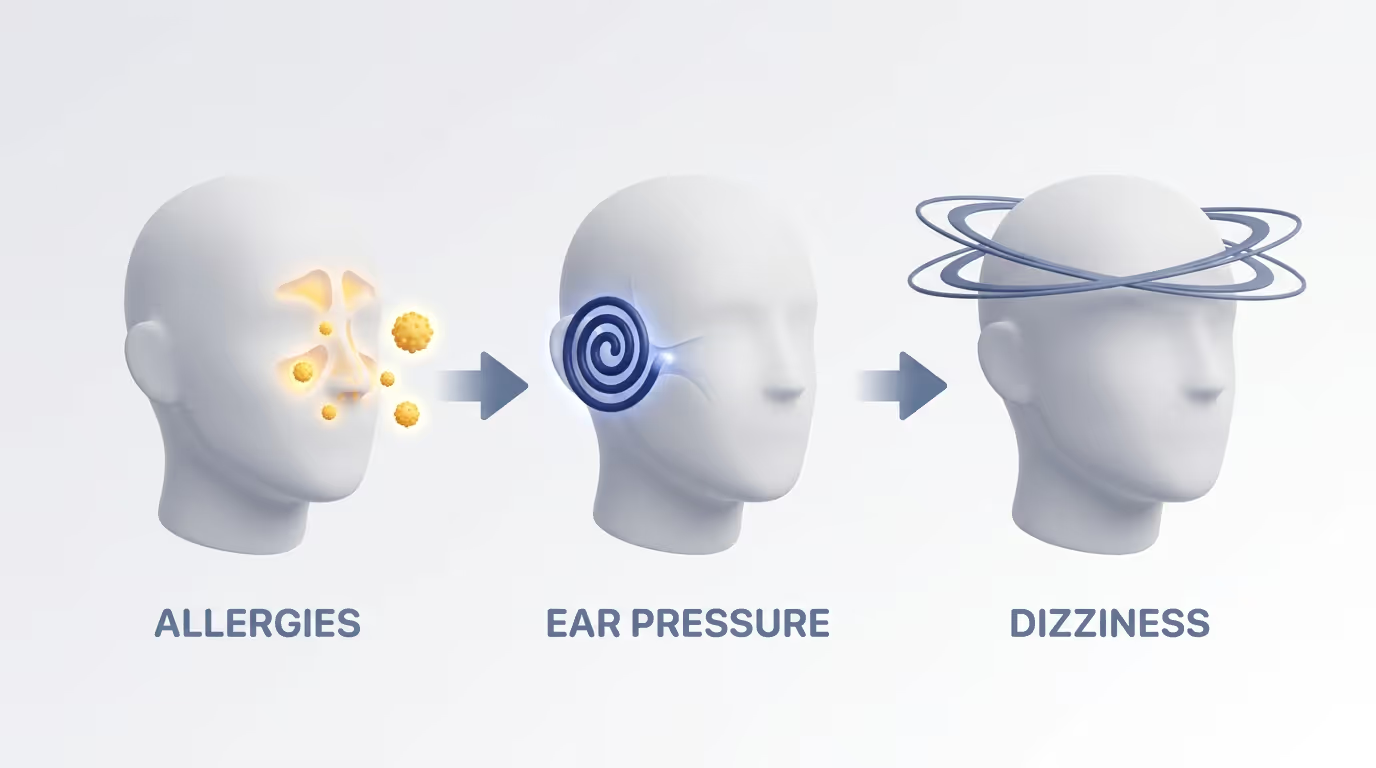
Allergies (Allergic Rhinitis / Hay Fever)
Allergic rhinitis is one of the most common nasal blockage reasons—especially when symptoms are recurrent or tied to specific environments.
Common triggers:
- Pollen
- Dust mites
- Pet dander
- Mold
Hallmark symptoms:
- Itching (nose/eyes)
- Frequent sneezing
- Clear runny nose
- Watery eyes
Why allergies cause blockage: allergic inflammation makes the nasal tissues swell and increases mucus production, narrowing the airway. Over time, ongoing exposure can contribute to chronic congestion. A healthcare professional can help determine likely triggers and whether allergy testing would be useful. Learn more about allergy testing at Sleep and Sinus Centers of Georgia: https://sleepandsinuscenters.com/allergy-testing
Common Cold (Viral Upper Respiratory Infection)
A cold typically causes short-term swelling of the nasal lining and changes in mucus (often more watery at first, then thicker). Many people notice peak congestion in the first few days, with gradual improvement over about a week—though lingering stuffiness can last longer for some.
Sinus Inflammation / Rhinosinusitis
Rhinosinusitis refers to inflammation of the nasal cavity and sinuses. It may be viral, allergic, or sometimes bacterial. Sinus-related inflammation can contribute to more persistent nasal blockage, especially when swelling narrows sinus drainage pathways. When drainage is impaired, symptoms such as pressure, congestion, and thicker mucus may become more noticeable—though not everyone has facial pain.
Red flags that warrant timely evaluation can include severe facial pain, high fever, or symptoms that worsen after initial improvement.
In short: when the lining is inflamed—by allergies, viruses, or rhinosinusitis—swelling and mucus can narrow airflow, often in patterns linked to seasons or exposures.
Structural (Anatomic) Causes (Physical Narrowing/Blockage)
Structural causes often don’t fully respond to allergy medications alone, because the main problem is the shape or stability of the nasal airway. In specialty-clinic evaluations of patients with nasal obstruction, findings such as septal deviation, inferior turbinate hypertrophy, and nasal valve narrowing are commonly identified. Rates vary widely by study and population, which is why an in-person exam is important when symptoms persist.

Deviated Septum
The nasal septum is the wall of cartilage and bone that divides the nose into left and right sides. If it’s significantly off-center, it can reduce airflow—sometimes mainly on one side.
Common features may include:
- One-sided blockage (or one side consistently worse)
- Snoring or sleep disruption
- Nosebleeds (dryness/turbulence can contribute)
- In some cases, recurrent sinus symptoms
For a deeper overview, see deviated septum symptoms and relief options: https://sleepandsinuscenters.com/deviated-septum-relief

Inferior Turbinate Hypertrophy (Enlarged Turbinates)
Turbinates are normal structures that warm, humidify, and filter inhaled air. The inferior turbinates can become enlarged (“hypertrophy”), which reduces airflow space.
Why turbinates enlarge:
- Allergies and chronic inflammation
- Long-term irritation (smoke, pollutants)
- Rebound congestion from overused decongestant sprays
- Baseline anatomy
When turbinates are chronically enlarged, a person may feel blocked even with good allergy control. Learn more: https://sleepandsinuscenters.com/blog/nasal-turbinate-hypertrophy-causes-symptoms-and-treatment-guide
Nasal Valve Collapse
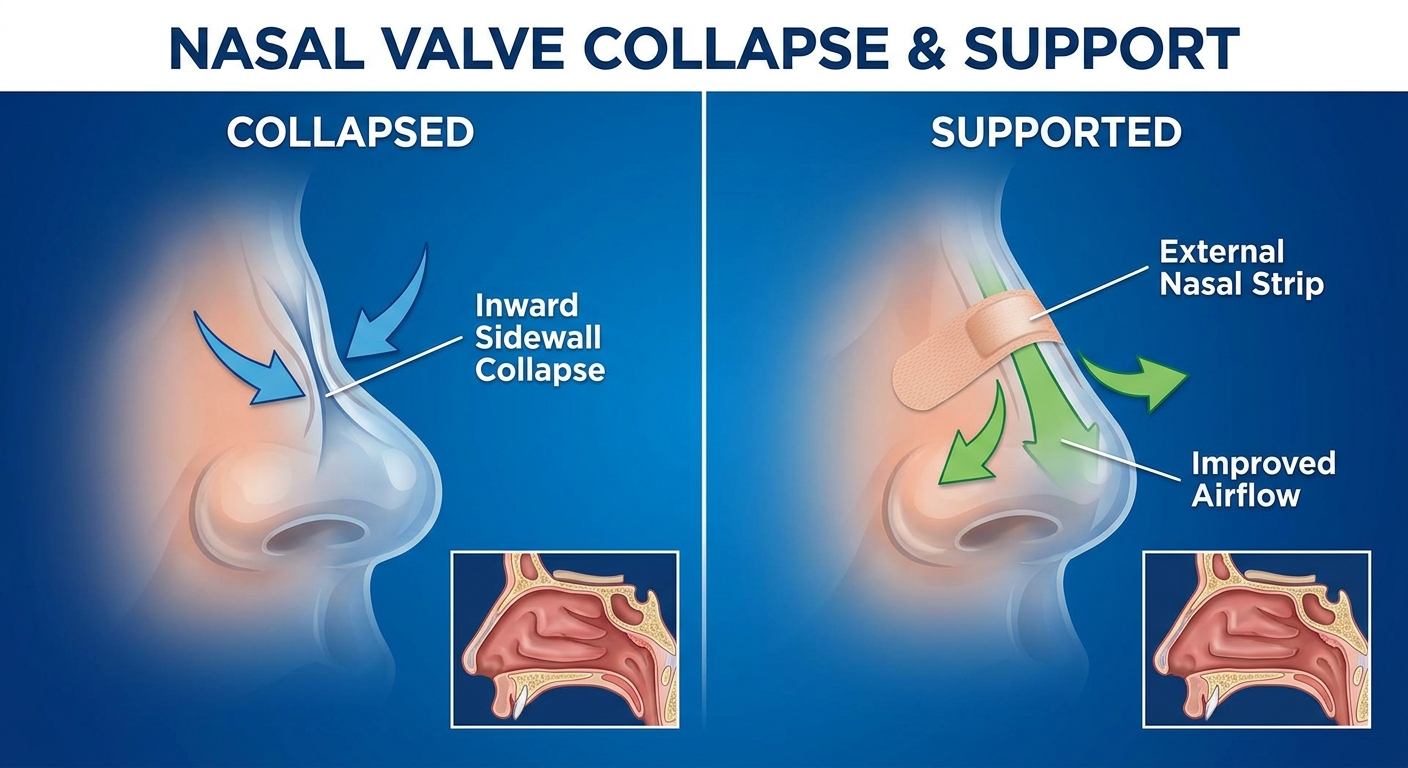
The nasal valve area is the narrowest part of the nasal airway. In some people, that area is naturally narrow or becomes weaker, so it partially collapses inward during inhalation.
Signs that suggest nasal valve narrowing:
- Breathing feels worse with exercise or deep breaths
- Visible sidewall “pinching” or collapse when you inhale
- Temporary improvement if you gently pull the cheek outward (Cottle maneuver); this can suggest valve narrowing, although the maneuver is not perfectly specific
More detail: https://sleepandsinuscenters.com/blog/nasal-valve-collapse-treatment-effective-solutions-and-options
In short: anatomic narrowing (septum, turbinates, valve) limits space or stability—medications may help swelling, but structure usually needs structural solutions.
Other Medical Causes to Know
Nasal Polyps (Inflammatory growths)
Nasal polyps are soft, noncancerous growths associated with chronic inflammation. They can contribute to persistent congestion and reduced smell. People at higher risk may include those with chronic rhinosinusitis, asthma, or aspirin sensitivity. Learn more: https://sleepandsinuscenters.com/blog/what-are-nasal-polyps
Medication-related congestion
- Frequent use of topical decongestant sprays can lead to rebound congestion (rhinitis medicamentosa) and should be discussed with a clinician.
- Some medications can contribute to dryness or irritation that makes nasal symptoms feel worse; effects vary.
Hormonal and non-allergic triggers
Not all congestion is allergic. Non-allergic rhinitis can flare with:
- Weather/temperature changes
- Smoke or strong fragrances
- Spicy foods
- Hormonal shifts (for example, pregnancy-related rhinitis is common and usually temporary)
In short: polyps, medication effects, and non-allergic triggers can all drive persistent blockage—evaluation can help sort out the contributors.
How to Tell What’s Causing Your Nasal Blockage
Questions to ask yourself
- Is it seasonal or year-round?
- Is it one-sided most of the time?
- Do you have itching/sneezing/watery eyes?
- Does it improve with allergy strategies or saline?
- Any history of nasal trauma or prior nasal surgery?
If congestion persists despite consistent use of recommended sprays, structural factors (septum, turbinates, valve) may also be contributing. A healthcare professional can help determine the dominant cause.
What an ENT evaluation may include
At Sleep and Sinus Centers of Georgia, evaluation may involve:
- A detailed nasal exam (sometimes including nasal endoscopy)
- Allergy evaluation when symptoms suggest allergic rhinitis
- Imaging only when needed (for example, when chronic sinusitis is a concern)
The goal is to match the dominant driver—swelling, structure, or both—to the most effective plan.
In short: track patterns and responses; a focused exam can clarify whether inflammation, structure, or both are at play.
At-Home and Lifestyle Tips (First-line Relief)
Saline strategies
- Saline spray: convenient for moisturizing and mild congestion.
- Saline rinse: can flush mucus/irritants more thoroughly.
Use appropriate water sources for rinses (for example, distilled or previously boiled and cooled) to reduce contamination risk.
Reduce irritants and allergens
- Keep bedroom triggers lower (dust control, consider pet exposure, manage humidity).
- Avoid smoke and strong fragrances.
- Hydration and a humidifier may help if dryness is a trigger, though excessive humidity can worsen mold exposure in some homes.
Sleep-focused tips if congestion is worse at night
- Side-sleeping or gentle head elevation may reduce nighttime stuffiness for some people.
- Steam or a warm shower may provide short-term comfort.
In short: reduce trigger load and use saline appropriately—small, consistent steps can help manage day-to-day congestion.
OTC and Prescription Medications (Best for Inflammatory Causes)
For allergy-driven congestion
Common options include:
- Intranasal steroid sprays: reduce inflammation; best with consistent use over time.
- Non-sedating antihistamines: can help itching, sneezing, and runny nose.
- Antihistamine nasal sprays: may help certain symptom patterns.
For short-term colds
Some people use decongestants for short-term symptom relief, but safety depends on medical history and other medications. Topical decongestant sprays should be used cautiously because of the risk of rhinitis medicamentosa (rebound congestion).
For sinus symptoms/rhinosinusitis
Supportive care is often used when the cause is viral or inflammatory. A clinician may consider antibiotics only in specific situations, since not all cases are bacterial.
(Information here is educational; treatment choices should be individualized by a clinician.)
In short: medical therapy helps most when inflammation is the driver; a clinician can tailor options to symptom patterns and medical history.
Procedures and Surgery (When the Cause Is Structural)
If the main issue is anatomy, medications may reduce swelling but won’t fully correct narrowing. In those cases, procedures may be discussed.
- Septoplasty (for deviated septum): aims to straighten the septum to reduce airflow restriction and improve nasal breathing.
- Turbinate reduction (for turbinate hypertrophy): aims to reduce obstructing tissue while preserving turbinate function.
- Nasal valve repair options: external nasal strips or internal dilators may help some people temporarily, especially with mild valve narrowing. For more significant collapse, targeted procedures may be considered to support the nasal sidewall. Nasal strips may help some people with mild nasal valve narrowing, but they generally do not correct structural problems such as a significant deviated septum or nasal polyps.
In short: when structure is the problem, structural solutions—sometimes minimally invasive—are the most effective path to better airflow.
When to See a Doctor (And When It’s Urgent)
Consider making an appointment if:
- Symptoms persist for more than 10–14 days, recur frequently, or you’re congested most days
- One-sided blockage persists
- Reduced smell lasts for weeks
- Sleep is affected (snoring, choking/gasping, poor sleep quality)
Seek urgent care if:
- Severe facial swelling, high fever, severe headache, or vision changes
- Heavy nosebleeds
- Worsening shortness of breath
In short: persistent, one-sided, or sleep-disrupting symptoms—and any red flags—deserve timely medical attention.
FAQs About Nasal Blockage Reasons
“Why is my nose blocked on one side?”
Sometimes it’s the normal nasal cycle (one side naturally swells while the other opens). If it’s consistently one-sided, structural factors like a deviated septum or localized turbinate enlargement are more likely.
“Can allergies cause a completely blocked nose?”
Yes. Allergic swelling can be significant—especially with heavy exposure or uncontrolled symptoms—making allergies a common cause of severe congestion.
“Why do I feel congested but nothing comes out?”
You can feel blocked mainly from swelling, not mucus. Perception also plays a role in how obstruction feels (http://pmc.ncbi.nlm.nih.gov/articles/PMC2866558).
“Do nasal strips work?”
They can help some people with mild nasal valve narrowing by supporting the sidewall. They generally do not correct structural problems such as a significant deviated septum or nasal polyps.
“When is surgery the right option?”
It’s usually considered when symptoms persist, a structural cause is confirmed, and medical therapy hasn’t provided enough improvement.
Bottom line
The most common nasal blockage reasons come down to swelling (like allergic rhinitis, colds, or rhinosinusitis) versus structural narrowing (like deviated septum, turbinate hypertrophy, or nasal valve collapse). If you’re dealing with chronic nasal congestion or feel like you can’t breathe through your nose most days, a focused evaluation can help match the cause to the most effective next step.
If you’d like help pinpointing whether your symptoms are more inflammatory, structural, or a mix of both, you can book an appointment with Sleep and Sinus Centers of Georgia: https://www.sleepandsinuscenters.com/
Sources
PubMed Central (PMC), review on mechanisms of nasal obstruction and perception: http://pmc.ncbi.nlm.nih.gov/articles/PMC2866558
Additional background reading: http://mclaren.org/main/news/two-main-causes-for-difficulty-breathing-through-y-5363
Additional background reading: http://entandallergy.com/blog/2023/december/why-cant-i-breathe-well-through-my-nose
This article is for general education and isn’t a substitute for personalized medical care.
This article is for educational purposes only and is not medical advice. Please consult a qualified healthcare provider for diagnosis and treatment.
Don’t let allergies slow you down. Schedule a comprehensive ENT and allergy evaluation at Sleep and Sinus Centers of Georgia. We’re here to find your triggers and guide you toward lasting relief.