
Georgia Pine Pollen: What to Know About Benefits, Allergies, and How to Use It
This article is for educational purposes only and is not medical advice. Please consult a qualified healthcare provider for diagnosis and treatment.
Georgia spring = yellow dust season (what you’re seeing)
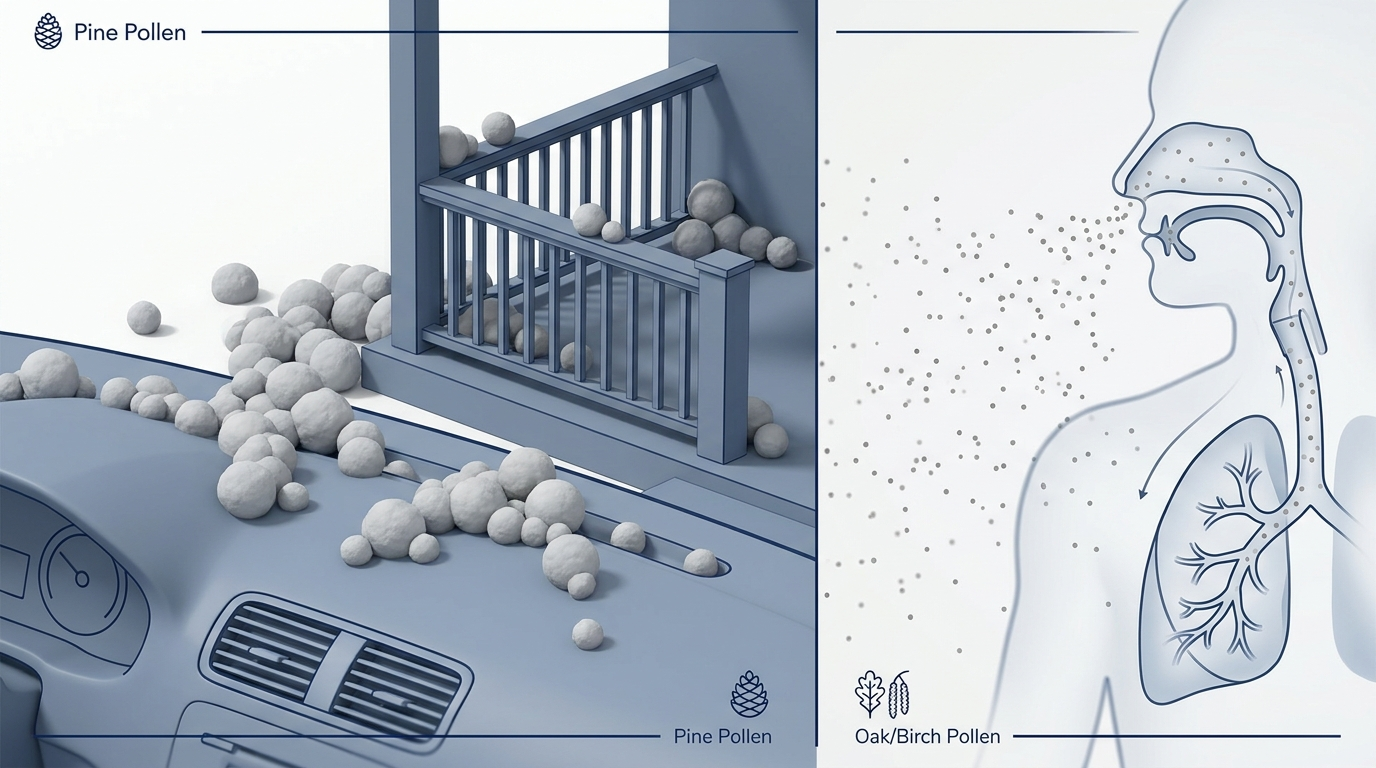
If you live in Georgia, you know the moment it starts: cars turn yellow overnight, patio furniture looks “dusted,” and footprints show up on the porch like someone spilled powdered paint. It can feel like spring arrived with a layer of chalk.
That dramatic coating is pine pollen, and it’s so noticeable for two main reasons:
- Sheer volume: Pines produce a lot of pollen, and it can feel like it’s everywhere at once—especially after a warm spell followed by a windy day.
- How it behaves: Pine pollen tends to clump and settle on surfaces, making it easy to see (and easy to blame).
Here’s the tricky part: what you see isn’t always what’s most responsible for symptoms. The American College of Allergy, Asthma & Immunology (ACAAI) notes that pine can be an allergy trigger for some people, but pollen exposure and symptom severity depend on multiple factors—not just what’s visible. 1
— Even when pine pollen steals the show, the biggest triggers aren’t always the ones you can see most clearly. —
The big misconception: visible pine pollen isn’t always the main allergy culprit
It’s completely reasonable to assume the yellow coating is the main problem—especially when you’re sneezing while wiping it off your windshield. Visibility feels like proof.
But for many people, the worst spring symptoms come from other trees that are harder to notice. In other words: the pollen that “shows” isn’t always the pollen that “goes” for many allergy sufferers.
Why oak and birch often trigger stronger symptoms
In Georgia’s spring mix, oak and birch can pack a bigger punch for many allergy sufferers—even when Georgia pine pollen is stealing the spotlight.
A key reason is pollen characteristics. Many common spring tree pollens (including oak and birch) tend to be smaller and lighter than pine pollen, which can make them easier to inhale and more likely to reach deeper into the respiratory tract.
A practical analogy: pine pollen is like visible confetti that lands on everything; other tree pollens can be more like fine smoke—less obvious, but easier to breathe in.
That doesn’t mean pine is “innocent.” Some people really do have pine pollen allergy in Georgia, and pine exposure can still irritate the nose and eyes. But it does mean the most visible pollen isn’t automatically the biggest offender.
If you’re trying to understand what’s driving your symptoms locally, see our related resource on oak pollen in Atlanta: https://sleepandsinuscenters.com/blog/oak-pollen-in-atlanta-essential-tips-to-manage-allergies
— Don’t let visibility fool you—testing and tracking help reveal your true triggers. —
When is pine pollen season in Georgia?
Because weather varies year to year (and even week to week), exact timing can shift. A mild winter, an early warm-up, or a string of rainy days can all change what you experience—and when.
But in general, Georgia’s spring “yellow dust” tends to show up during the broader spring tree pollen surge.
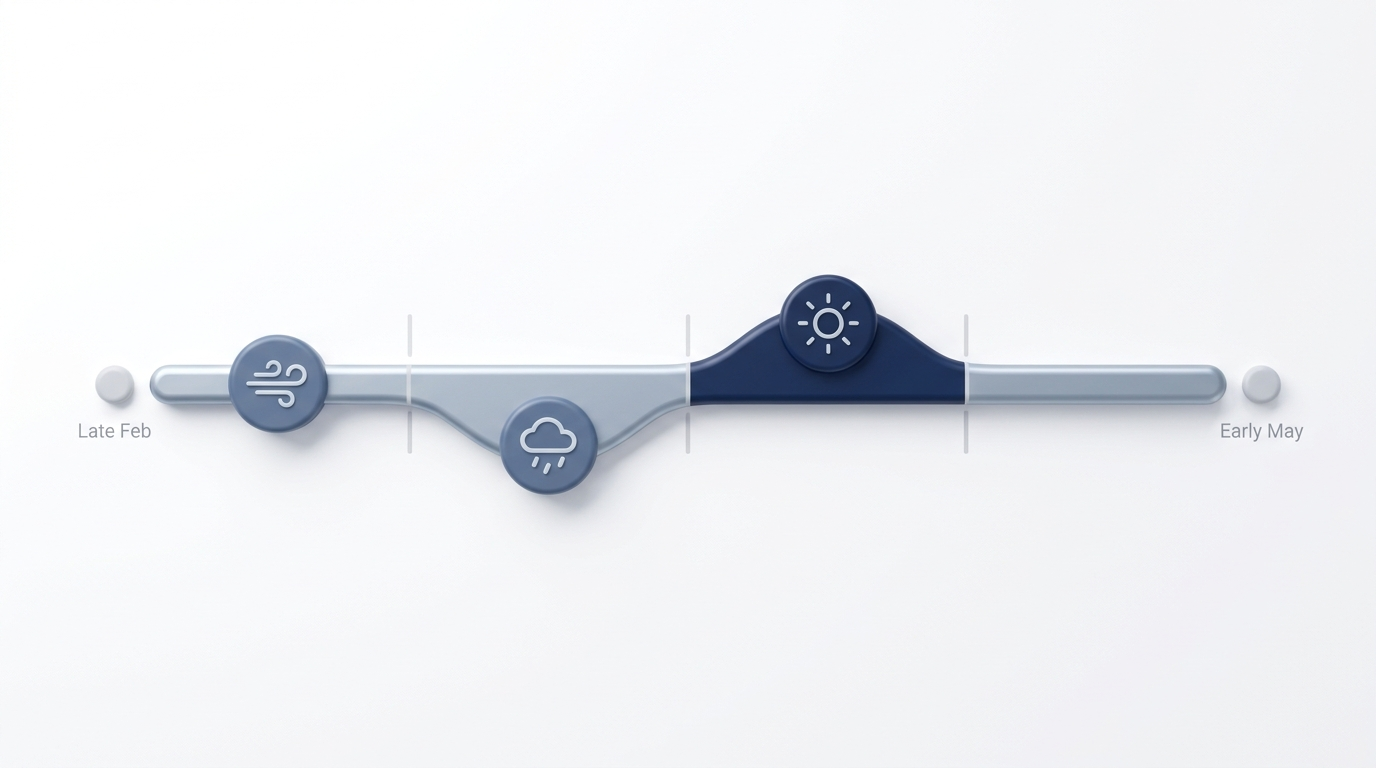
Typical tree pollen window (late Feb through early May)
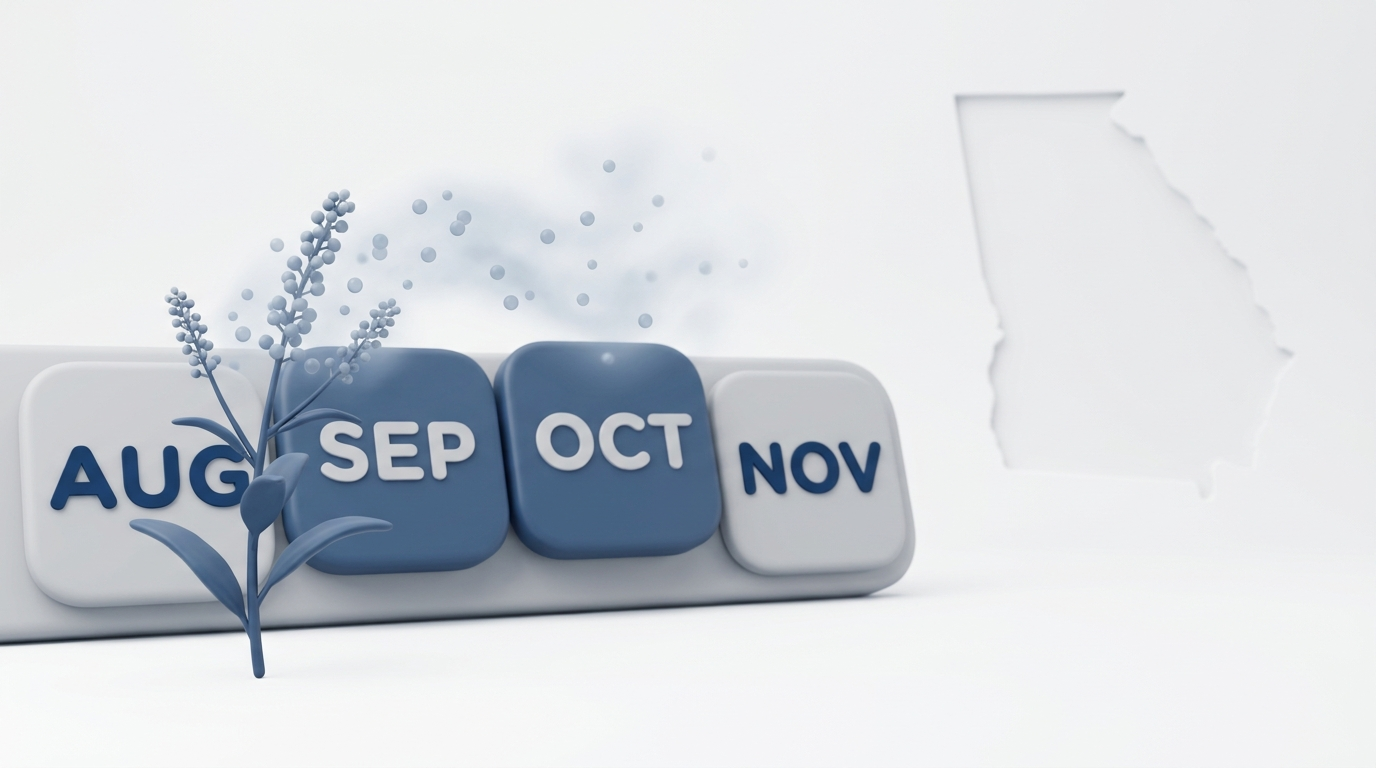
A useful rule of thumb: tree pollen season in Georgia often ramps up in late February and can stay active into early May. 2 During that window, multiple trees can overlap—meaning pine, oak, and even birch may all be contributing at the same time.
Also, the “peak misery days” often depend on:
- Daily pollen counts
- Wind (which keeps pollen airborne)
- Dry weather (which helps pollen spread)
Many people notice the same pattern: a rainy day can temporarily knock pollen down, then the next dry, windy day can feel like everything rebounds at once.
Use a local tracker to time prevention
Instead of guessing, it can help to check daily conditions—especially if you’re planning yardwork, outdoor sports, or open-window days. Use the Georgia pollen tracker to follow what’s happening day by day and adjust your routine when counts spike: https://sleepandsinuscenters.com/georgia-pollen-tracker
— Watch local conditions and plan around high-count days to reduce exposure. —
Pine pollen and allergies: can it actually cause symptoms?
Yes—pine can be relevant. And there’s nuance here that matters, especially if you’re trying to figure out whether you need better prevention, different medication timing, or testing.
Pine pollen allergy is real (and getting more attention)
Historically, pine was sometimes labeled “less allergenic” than other trees. Today, pine pollen is recognized as an inhalant allergen that can contribute to seasonal symptoms in sensitized individuals. 3 1
It also helps to separate two ideas:
- Allergy: Your immune system reacts to a specific allergen (often involving IgE sensitization).
- Irritation: Even without a true allergy, heavy pollen exposure can still bother the nose/eyes/throat—especially during a high-pollen spring.
So if you feel worse when Georgia pine pollen is coating everything, you’re not imagining it. It just may not be the only driver—particularly during weeks when multiple trees are pollinating together.
Clinicians often note that visible pollen is just part of the picture—testing can help confirm what’s actually triggering the immune response versus general irritation.
Who is more likely to react?
People who tend to struggle most during spring pollen waves often include:
- Those with a history of seasonal allergies or allergic rhinitis symptoms (“hay fever”)
- People with multiple tree sensitivities (for example, birch pollen allergy plus oak sensitivity)
- Individuals who already deal with asthma-like breathing sensitivity or chronic sinus/nasal inflammation (pollen can add to the overall burden)
— Pine can play a role, but testing clarifies whether it’s the main actor for you. —
Symptoms: what pine/tree pollen allergies feel like
Even when the trigger is different (pine vs oak vs birch), symptoms often look similar. That’s why it can be so frustrating: you feel miserable, but you can’t tell what’s causing it just by the way you feel.
Common allergic rhinitis symptoms
Typical allergic rhinitis symptoms can include:
- Sneezing
- Runny nose
- Nasal congestion or “stuffy” breathing
- Post-nasal drip (mucus drainage that can irritate the throat)
- Itchy nose/eyes/throat, watery eyes
- Sinus or facial pressure
- Cough or frequent throat clearing (often from post-nasal drip)
- Fatigue and poor sleep (congestion is often worse at night)
A very Georgia-specific example: people often feel fine during a midday indoor work block, then feel significantly worse after a quick outdoor errand—like pumping gas, walking the dog, or sitting through a kid’s practice—because pollen exposure stacks up fast.
When symptoms may signal more than “just allergies”
Seasonal symptoms can overlap with other issues. Educationally, it’s worth paying attention if you notice:
- Facial pressure that doesn’t let up
- Thick nasal drainage plus feeling generally unwell
- Symptoms that linger long after the season ends, or keep escalating year after year
Those patterns can be a reason to get a more personalized plan instead of muscling through every spring.
— Similar symptoms can have different causes—pattern and persistence matter. —
Causes and triggers (why some days are worse than others)
Even within the same week, symptoms can swing. That doesn’t mean your body is being random—your exposure may simply be changing day to day.
Environmental factors that spike exposure
- Dry, windy days tend to keep pollen airborne longer.
- Morning hours are often worse because many plants release pollen earlier in the day. 1
If you’ve ever stepped outside early, felt fine, then started sneezing 10 minutes later, it may be because you hit a pocket of airborne pollen—or because the wind picked up.
Hidden exposures
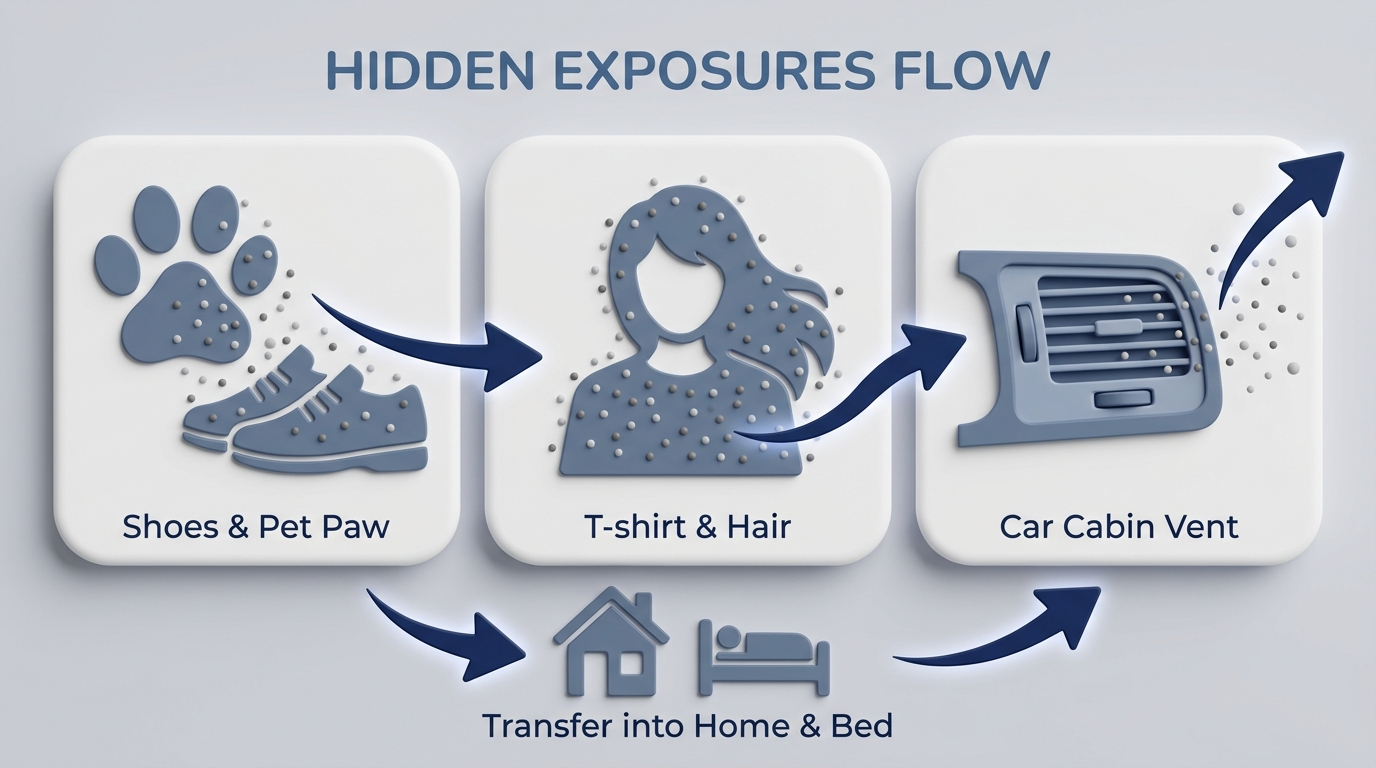
Even if you’re mostly indoors, pollen can hitchhike:
- On hair, skin, and clothing
- On pets that go outside
- Through car ventilation (especially if filters are overdue)
- Through HVAC systems if filtration is weak or filters are old
One of the most overlooked culprits is the “pollen transfer” routine: sit outside for 15 minutes, then sit on the couch in the same clothes, then go to bed without washing hair. For many people, that’s essentially extending outdoor exposure into the evening.
— Small daily habits often explain big day-to-day swings in symptoms. —
Treatment options for pine/tree pollen allergy symptoms
This section is general education (not personal medical advice), but it can help you understand the common categories many people discuss with a clinician.

Over-the-counter symptom relief (common options to discuss with a clinician)
Common approaches include:
- Non-drowsy antihistamines
- Intranasal steroid sprays (often most helpful when used correctly and consistently)
- Saline sprays or nasal rinses to mechanically wash out pollen
- Allergy eye drops for itchy, watery eyes
If you’re not sure what fits your situation, it can help to bring your symptom pattern and season timing to an appointment—“I’m fine in winter, worse late Feb–April, and congestion is my main issue” is useful information.
When you should consider medical evaluation
Consider an evaluation if:
- Symptoms aren’t controlled with OTC options
- Congestion is persistent or keeps returning
- Sleep quality drops (including worsening snoring during spring)
Allergy testing and longer-term solutions
When symptoms repeat every spring, testing can help clarify whether you’re reacting most to pine, oak, birch, grasses, molds, or indoor triggers.
Sleep & Sinus Centers of Georgia offers allergy testing to help identify triggers and support a longer-term strategy, which may include immunotherapy options for appropriate candidates. 1 https://sleepandsinuscenters.com/allergy-testing
— Short-term relief is helpful, but targeted testing can set you up for better springs ahead. —
Lifestyle tips: how to reduce pine/tree pollen exposure in Georgia
You can’t remove pollen from Georgia spring, but you can often reduce how much comes home with you. Think of it as lowering your “total daily pollen dose.”
Timing + outdoor habits
- If possible, limit extended outdoor time during early-morning peak hours. 1
- Wear sunglasses to reduce eye exposure.
- For yardwork on high-count days, some people consider a well-fitting mask to reduce inhalation exposure.
- Shower and wash hair before bed to reduce nighttime exposure on pillows.
Home and car strategies (practical, Georgia-specific)
- Keep windows closed during peak days; use HVAC filtration.
- Change clothes after outdoor time.
- Rinse nasal passages after heavy exposure (saline) to remove trapped pollen.
- In the car: keep windows up, use recirculated air when appropriate, and replace the cabin air filter when needed.
If you’re commuting through metro Atlanta traffic with windows down in peak season, that’s basically a prolonged exposure session—closing the loop (windows up + decent filtration) can make a noticeable difference for some people.
Pine pollen cleanup (why it matters even if it’s not the main allergen)
Even if oak or birch is your main trigger, cleaning up that yellow layer can still help by lowering the overall pollen load around doorways, porches, and frequently touched surfaces.
For practical guidance, see our pine pollen cleanup tips and services in Georgia: https://sleepandsinuscenters.com/blog/pine-pollen-cleanup-services-in-georgia-effective-solutions-for-allergy-relief
— Reduce the pollen that tags along on you, your pets, and your surfaces to feel better indoors. —
Pine pollen “benefits” and “how to use it” (supplement talk—clear and safe)
A quick clarification: when people search Georgia pine pollen, they may mean what’s outdoors—or the supplement sold online. Those are very different conversations.
Two meanings of “pine pollen”
- Airborne pine pollen: environmental exposure that may worsen symptoms
- Pine pollen products (powder/tinctures): marketed as wellness supplements
Claimed benefits (and what to know before trying)
You may see pine pollen benefits advertised as supporting energy, vitality, antioxidants, or immune health. Evidence quality varies by claim and product, and “natural” doesn’t automatically mean “risk-free”—especially for people prone to seasonal allergies.
A sensible way to frame it: supplements can be plant-based, but your immune system can still treat plant proteins as something to react to.
How people typically encounter pine pollen supplements (general awareness)
Products are commonly sold as powders, capsules, or tinctures. If you’re considering a pine pollen supplement and have a history of seasonal allergies, talk with a clinician before starting—they can advise on whether it’s appropriate and how to proceed safely.
Safety and allergy risk precautions
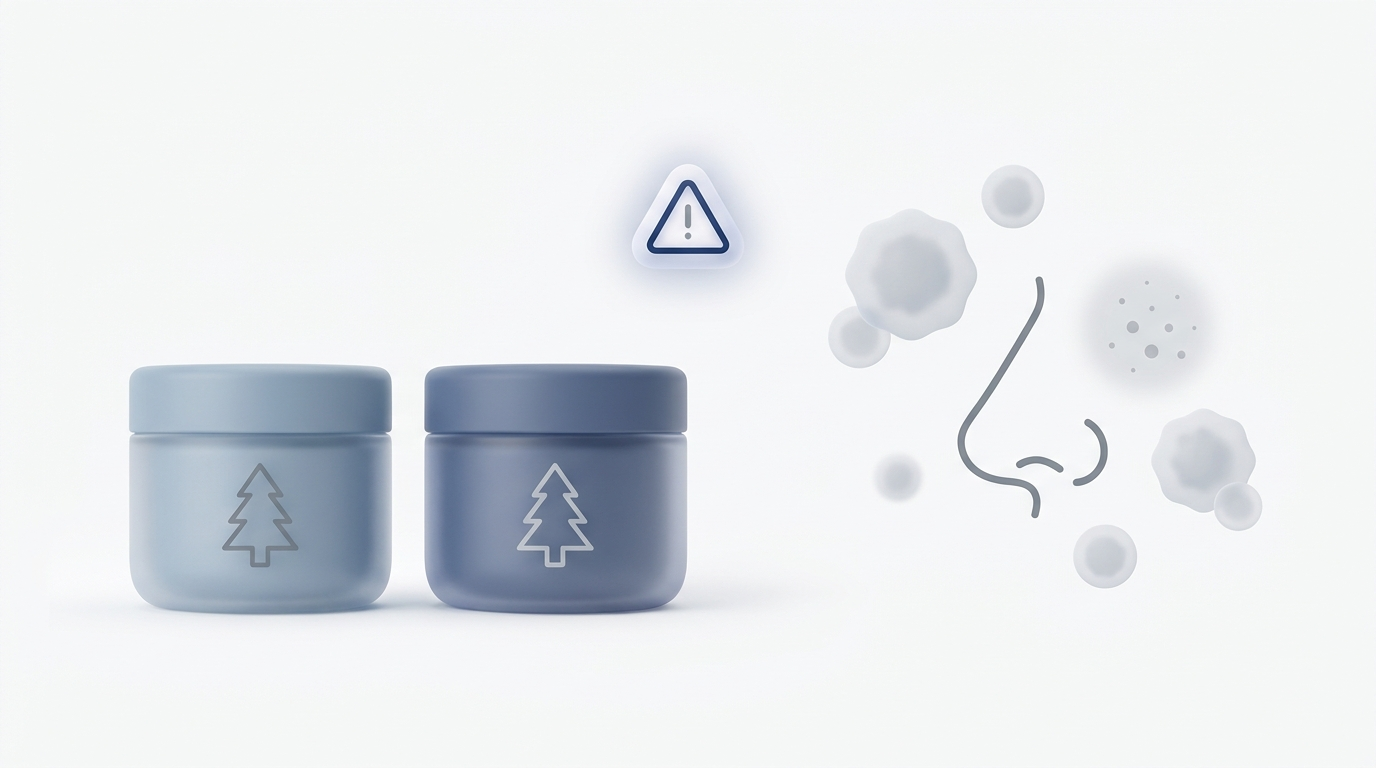
Because pine pollen is a known inhalant allergen, supplement use could be an issue for some individuals. 3 Watch for reactions such as itching, hives, congestion flares, or wheezing, and seek medical care for severe symptoms. Children, pregnancy/breastfeeding, and people with asthma or severe allergies deserve extra caution and a clinician’s guidance.
— Treat supplements like any active plant product—consider risks, ask first, and monitor for reactions. —
When to see a specialist (ENT/allergist)
If you find yourself planning life around pollen—skipping outdoor time, waking up congested nightly, or needing constant meds just to function—an evaluation is a reasonable next step.
Signs you should book an evaluation
- Symptoms last weeks and return every spring
- You’re missing sleep or work due to congestion and fatigue
- OTC options aren’t helping (or cause side effects)
- You suspect multiple triggers (tree pollen plus dust, mold, etc.)
What an appointment may include
- Review of symptoms and seasonal pattern
- Nasal exam and discussion of inflammation vs allergy
- A personalized plan, which may include targeted testing and prevention strategies
To schedule, you can book an appointment with Sleep & Sinus Centers of Georgia: https://www.sleepandsinuscenters.com/
— If spring keeps sidelining you, a targeted plan can make the season livable again. —
FAQs
Q: Is pine pollen the main cause of allergies in Georgia?
A: Not always. The visibility of Georgia pine pollen makes it an easy suspect, but many people react strongly to less-visible tree pollens like oak and birch. Pine can still contribute for sensitized individuals. 1 3
Q: When is pine pollen season in Georgia?
A: Often within the broader spring tree pollen window—commonly late February through early May, depending on weather patterns. 2
Q: Can pine pollen cause allergic rhinitis?
A: Yes. Pine pollen is recognized as an inhaled allergen and can contribute to rhinitis symptoms in sensitized individuals. 1 3
Q: What time of day is pollen worst?
A: Often early morning, and exposure can be higher on dry, windy days. 1
Q: Should I try pine pollen supplements if I have allergies?
A: If you have seasonal allergies or suspect pine pollen allergy in Georgia, it’s a good idea to be cautious and talk with a clinician—especially if supplements have ever triggered congestion, hives, or breathing symptoms.
Conclusion + clear next step
Georgia spring is going to bring pollen—sometimes a lot of it. The good news: even when you can’t eliminate exposure, you can often reduce the impact with timing, home habits, and a plan that matches your real triggers (pine vs oak vs birch).
- Check daily conditions on the Georgia pollen tracker: https://sleepandsinuscenters.com/georgia-pollen-tracker
- Keep exposure-reduction habits consistent during peak weeks
- Consider allergy testing if symptoms keep returning or disrupting sleep and daily life: https://sleepandsinuscenters.com/allergy-testing
- Ready for a personalized plan? Book an appointment: https://www.sleepandsinuscenters.com/
Sources
1. American College of Allergy, Asthma & Immunology (ACAAI), Pine Tree Allergy: https://acaai.org/allergies/allergic-conditions/pine-tree-allergy/
2. Allermi, Allergy season in Georgia (timing overview): https://www.allermi.com/blogs/allergy-101/allergy-season-in-georgia
3. Thermo Fisher Scientific / Phadia, Allergen Encyclopedia (t213 pine pollen): https://www.thermofisher.com/phadia/us/en/resources/allergen-encyclopedia/t213.html
This article is for educational purposes only and is not medical advice. Please consult a qualified healthcare provider for diagnosis and treatment.
Don’t let allergies slow you down. Schedule a comprehensive ENT and allergy evaluation at Sleep and Sinus Centers of Georgia. We’re here to find your triggers and guide you toward lasting relief.