Flying With a Sinus Infection: Safety Tips and How to Cope
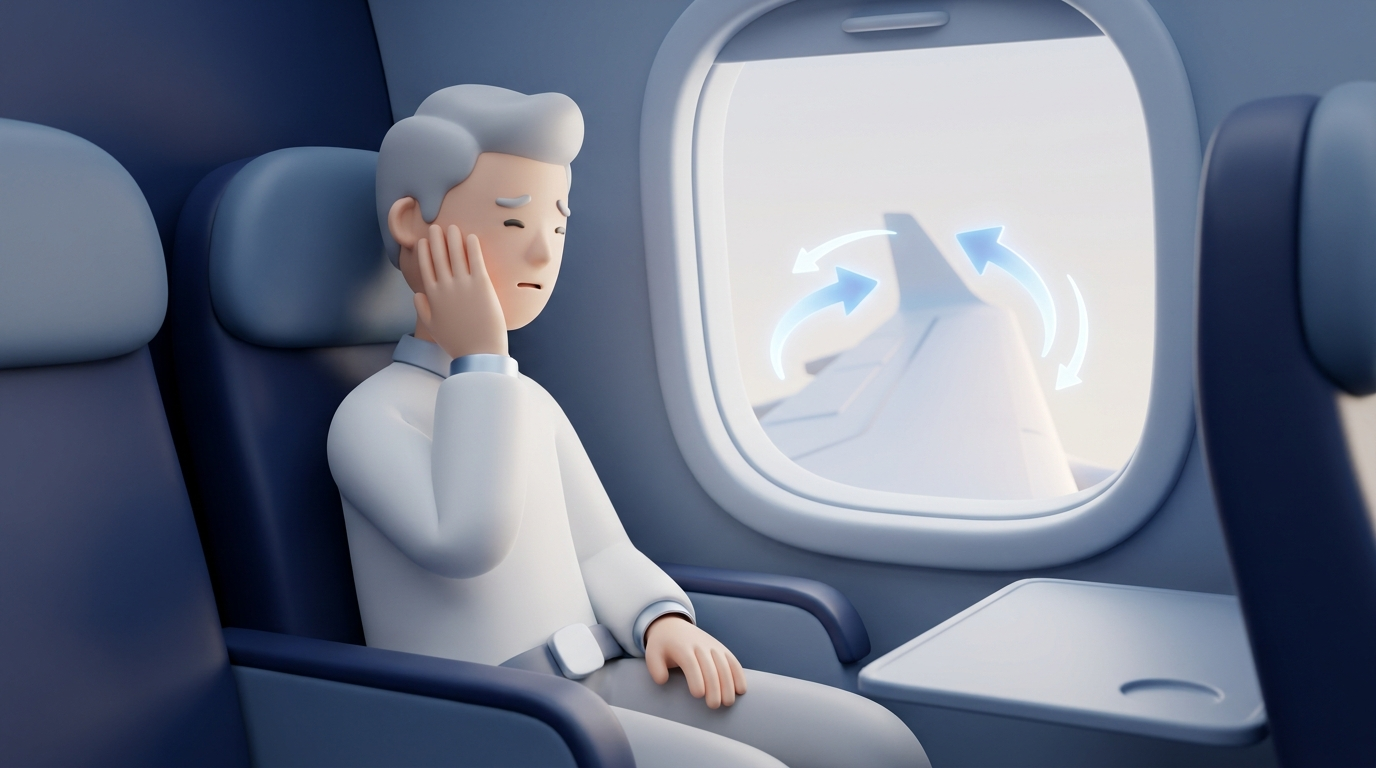
Airplane cabins are designed for safety and comfort—but they’re not friendly to blocked sinuses. If you’re flying with a sinus infection, the pressure changes during takeoff and landing can intensify facial pain, trigger nosebleeds, and set you up for ear problems like ear barotrauma. The good news: understanding what’s happening (and what tends to help) can make travel decisions clearer—and flights more tolerable when travel can’t wait.
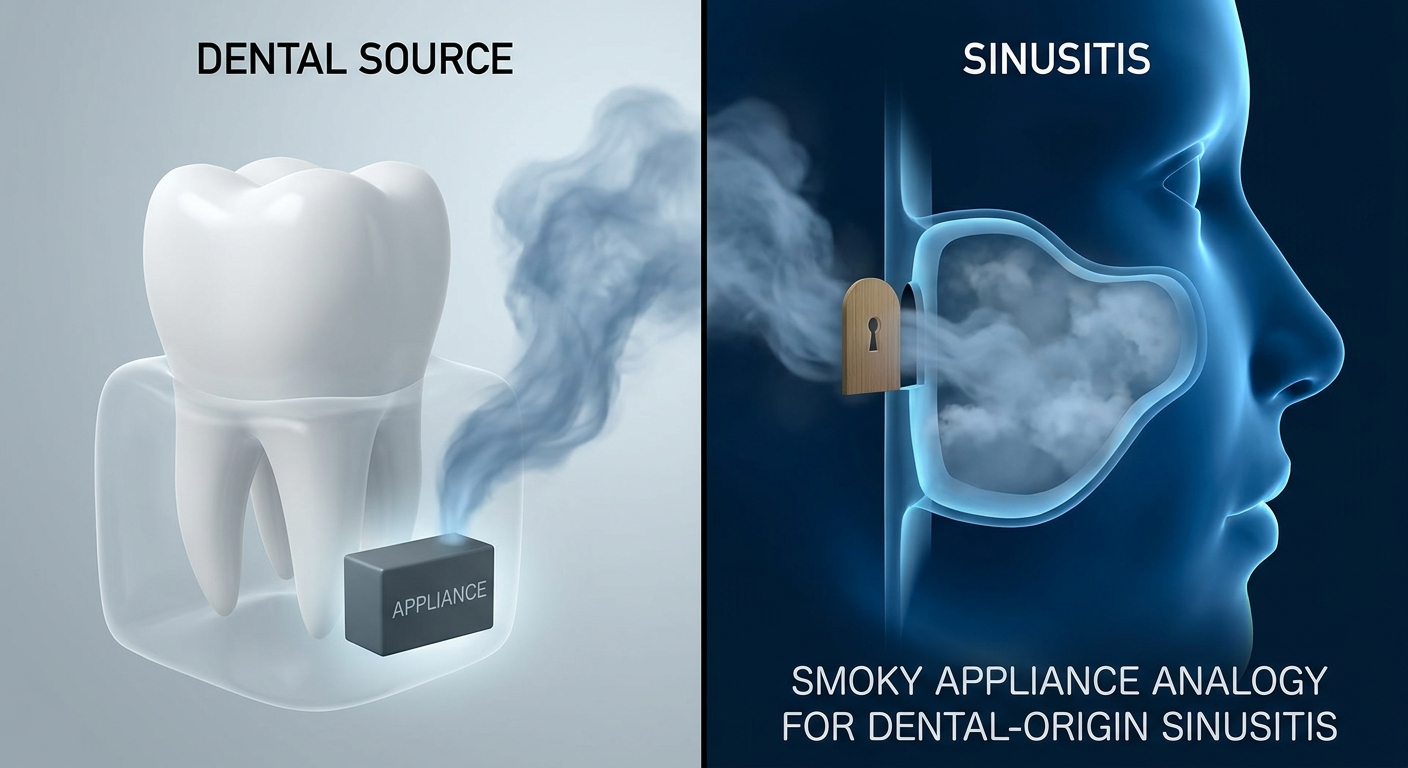
Think of your sinuses and middle ears like small “air pockets” that need open vents to keep pressure balanced. When infection or inflammation swells the lining, those vents narrow. On a plane—where cabin pressure changes quickly—your body may struggle to keep up, and that mismatch is where pain and pressure injuries can start. (CDC Yellow Book; Merck Manual)
Educational content only. This article isn’t medical advice. For personalized guidance—especially if you have chronic sinus issues—consider scheduling an ENT evaluation with Sleep and Sinus Centers of Georgia.
Key Takeaways (Quick Answer)
- Postponing is often the safest choice when you have an active sinus infection or severe congestion, because cabin pressure changes can worsen pain and may contribute to sinus or ear barotrauma. (CDC Yellow Book; Merck Manual)
- The highest-risk times are takeoff and landing, when pressure shifts happen quickly. (CDC Yellow Book; Merck Manual)
- If you must fly: consider discussing medication options with a clinician/pharmacist, follow label directions, stay hydrated, and swallow/chew during ascent/descent; many travelers do better if they stay awake during those phases. (CDC Yellow Book)
Sources: CDC Yellow Book (Air Travel): https://www.cdc.gov/yellow-book/hcp/travel-air-sea/air-travel.html
Merck Manual (Ear and Sinus Barotrauma): https://www.merckmanuals.com/professional/injuries-poisoning/injury-during-diving-or-work-in-compressed-air/ear-and-sinus-barotrauma
If You Must Fly, Consider These 7 Steps (Educational)
1. Plan around the “pressure windows” (takeoff + landing).
2. Ask a clinician/pharmacist whether a decongestant (oral or spray) is appropriate for you.
3. Avoid doubling up on products with overlapping ingredients.
4. Use gentle moisture strategies (saline spray; humidifying routines) to reduce dryness and irritation.
5. Chew, swallow, yawn frequently during ascent and descent.
6. Stay awake for descent so your ears can actively equalize.
7. Know your red flags (severe pain, hearing changes, vertigo, vision symptoms) and seek care if they occur.
For more practical comfort strategies, see our guide: https://sleepandsinuscenters.com/blog/managing-sinus-pressure-flying-with-ent-tips
Why Flying With a Sinus Infection Can Feel So Miserable
What cabin pressure changes do to your sinuses and ears
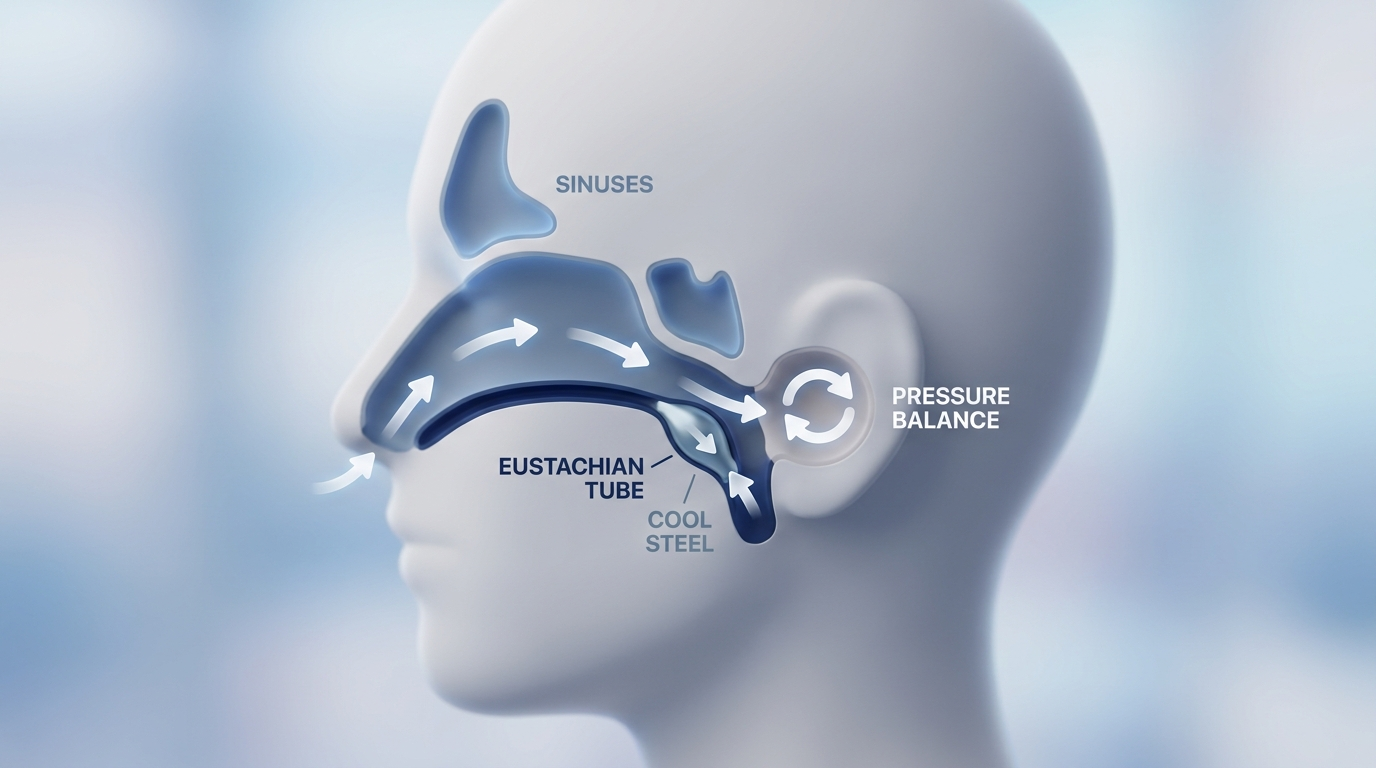
Your sinuses are air-filled spaces connected to your nasal passages. Your middle ears connect to the back of your nose via the Eustachian tubes. In normal conditions, these small channels help equalize pressure quietly in the background—most people never notice them.
When you’re congested—whether from infection, allergies, or inflammation—those pathways can narrow or block. During flight, the cabin pressure changes faster than your body can comfortably equalize, so pressure can trap in the sinuses or middle ear. That trapped pressure often produces tightness in the cheeks/forehead, headache, ear fullness, and sometimes sharp pain. (CDC Yellow Book; Merck Manual)

The “danger zones”: takeoff and landing
Pressure change happens on the way up and down, but many congested travelers report that descent/landing hurts more, because equalizing pressure inward can be harder when tissues are swollen. A simple way to picture it: it’s easier for air to leave a space than to force its way back in through a narrowed passage. (Individual experiences vary.)
Staying awake matters because swallowing and yawning help open the Eustachian tubes—and people do less of that while asleep. (CDC Yellow Book; Merck Manual)
For a deeper explanation, see: https://sleepandsinuscenters.com/blog/air-travel-and-sinus-pressure-relief-causes-and-effective-solutions
— Bottom line: Pressure changes plus swollen passages drive most in-flight sinus and ear pain, especially on descent.
Is It Safe to Fly With a Sinus Infection? (Risk vs. Convenience)
When postponing is the safest choice
- Severe nasal congestion (barely breathing through your nose)
- Moderate to severe facial/forehead pain or pressure before travel
- Ear pain/fullness before boarding
- Fever or feeling significantly ill (also consider the public health impact of traveling while sick)
A practical rule of thumb: if you’re already counting down the hours until medicine kicks in on the ground, the plane’s pressure shifts can push symptoms from uncomfortable to overwhelming. When possible, postponing reduces the chance of a painful pressure injury. (CDC Yellow Book; Merck Manual)
What can happen if you fly anyway (barotrauma overview)
- Sinus barotrauma: facial pain/pressure, worsening congestion, nosebleeds
- Ear barotrauma: ear fullness, muffled hearing, pain, dizziness/vertigo, ringing (tinnitus)
Most cases are mild, but symptoms that persist, worsen, or feel severe deserve evaluation. (Merck Manual)
— If your symptoms are already significant, delaying travel is often the safer and more comfortable choice.
Symptoms Checklist: Do You Have “Mild Congestion” or a Flight-Problem Infection?
Common sinus infection symptoms (that may flare in-flight)
- Facial pressure/pain (cheeks, forehead, around eyes)
- Nasal congestion and thick drainage
- Reduced sense of smell
- Headache, fatigue
A common travel scenario: you feel okay enough at the gate, but once the plane descends, the pressure spikes behind your cheeks or eyes and suddenly you’re dealing with sharp, one-sided pain. That pattern is often a clue that equalization—not just general illness—is part of the problem.
Barotrauma symptoms to watch for during/after a flight
- Sharp facial pain (forehead/cheek) during descent
- Ear pressure/fullness or popping that won’t clear
- Nosebleed
- Hearing change, ringing, dizziness
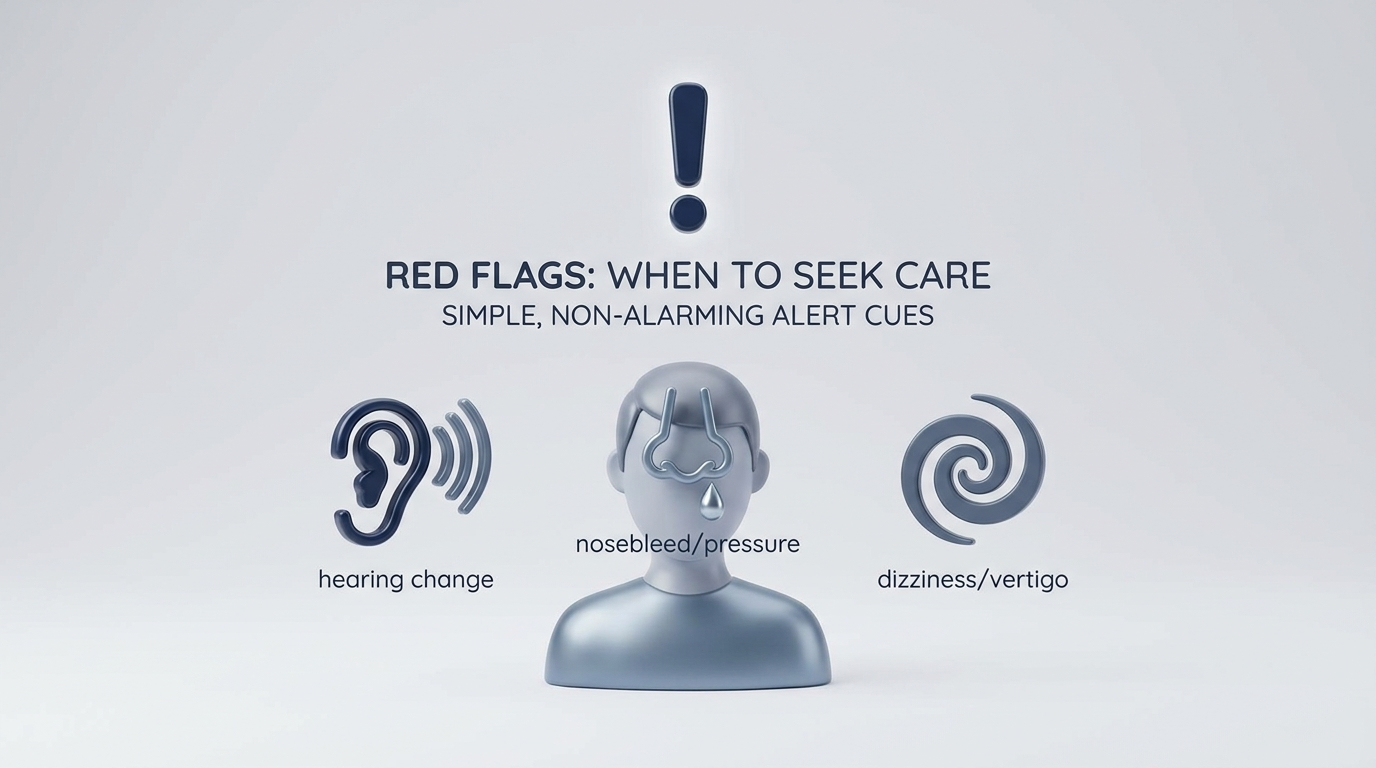
Red-flag symptoms—don’t try to “push through”
- Severe or persistent pain
- New or persistent hearing loss, tinnitus, or vertigo/balance problems
- Vision changes or severe eye pain
- Confusion/altered mental status
(Merck Manual; CDC Yellow Book)
— Escalating or persistent symptoms—especially hearing, balance, or vision changes—warrant medical care.
Symptoms vs. What to Do vs. When to Seek Care (Quick Guide)
- Ear fullness/popping — What people commonly try (educational): Swallowing, chewing gum, yawning, sipping water. When to get checked: Fullness plus hearing change lasting beyond the day.
- Facial pressure during descent — What people commonly try (educational): Hydration, gentle equalizing techniques, clinician-advised decongestant use. When to get checked: Severe pain, recurrent nosebleeds, or worsening symptoms.
- Nosebleed — What people commonly try (educational): Moisturizing strategies (saline), avoid aggressive blowing. When to get checked: Heavy bleeding, repeated bleeding, or blood with severe pain.
- Dizziness/vertigo — What people commonly try (educational): Rest, hydration. When to get checked: Ongoing vertigo, imbalance, or neurologic symptoms (urgent).
(Background: Merck Manual; CDC Yellow Book)
— Use gentle, common-sense measures for comfort—and get evaluated if symptoms are severe, persistent, or unusual for you.
Causes: Why You Might Be Congested (and Why It Matters for Flying)
Viral vs. bacterial vs. allergies
Many people say “sinus infection” when symptoms may actually be a viral cold or allergies. Regardless of the cause, the issue for flying is often swelling and inflammation, not just mucus. Swollen tissues narrow the drainage and pressure-equalizing pathways, increasing the odds of pain during ascent/descent.
If you’re unsure what’s driving symptoms, a clinician can help you sort out whether this looks like a cold, allergies, or something more persistent—especially if you’re repeatedly getting “sinus infection” symptoms that linger.
Structural or chronic contributors
- Deviated septum
- Chronic sinusitis
- Nasal polyps
If you repeatedly struggle with flights—even when you’re not very sick—an ENT evaluation can help clarify whether a correctable issue is contributing.
— Understanding your personal triggers—viral, allergic, or structural—can make flying far more manageable.
Treatments Before You Fly (Best Practices if Travel Can’t Wait)
Important: Medication choices are personal. It’s especially important to speak with a clinician/pharmacist first if you’re pregnant, have heart disease, glaucoma, prostate symptoms, or high blood pressure.
Medication options to discuss with a healthcare professional
- Oral decongestants: may reduce swelling for some people, but aren’t appropriate for everyone.
- Topical nasal decongestant sprays: may provide short-term relief, but overuse can cause rebound congestion.
- Pain relievers: can help with comfort when used as directed and appropriate for your health history.
- Saline spray/rinses and nasal steroid sprays: commonly used to reduce irritation and inflammation; how and whether to use them depends on your situation and product directions.
If you’re scanning a pharmacy aisle before a flight, multiple cold/sinus products can contain overlapping ingredients. When in doubt, ask the pharmacist to help you avoid accidental doubling.
Timing tips (practical, patient-friendly)
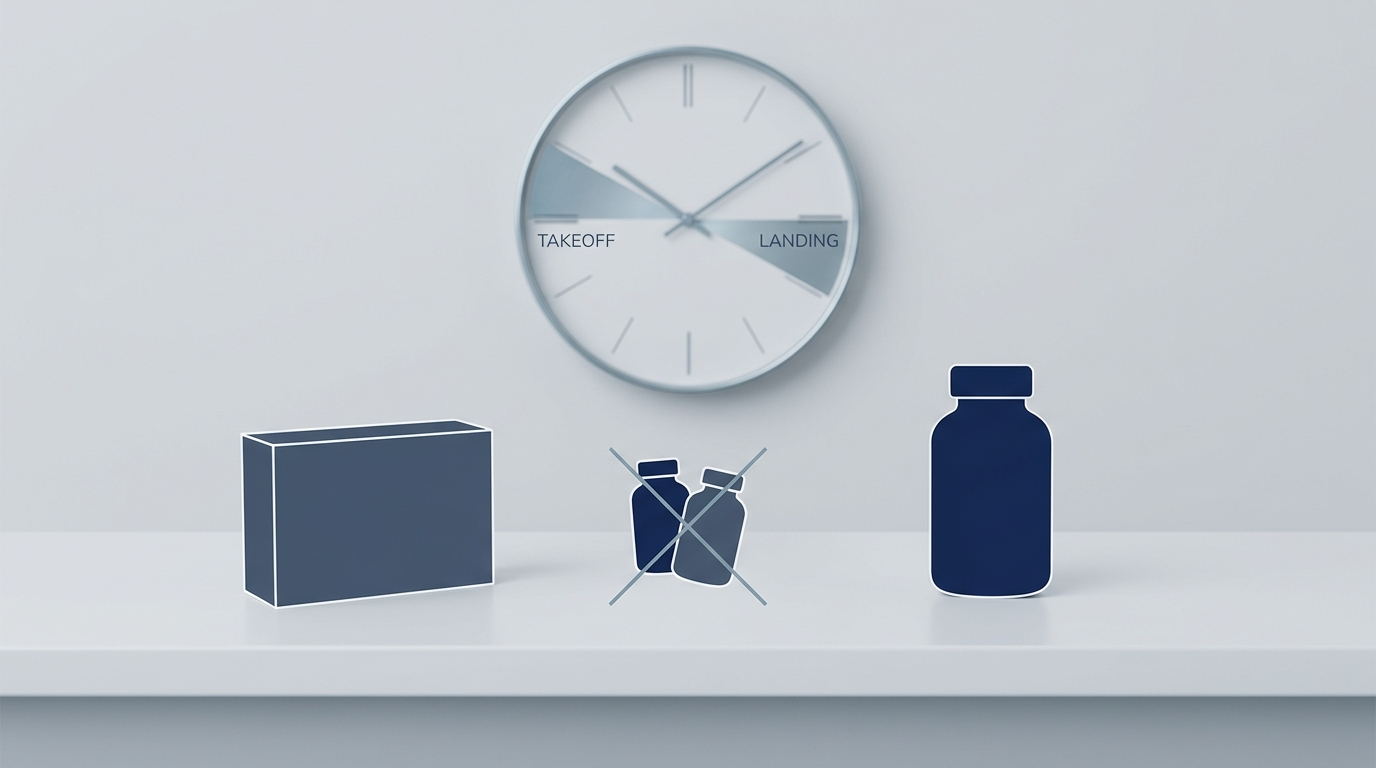
If a clinician recommends a decongestant before flying, timing is often discussed so coverage includes takeoff and landing. Consider setting a reminder for your landing window—many travelers focus on takeoff and forget that descent is often the bigger challenge.
Avoid stacking multiple cold/sinus products that may share the same active ingredients.
Non-medication strategies that may help pressure equalize
- Saline nasal spray to moisturize and loosen mucus (helpful in dry cabin air)
- A warm shower/steam routine before leaving (some people find this reduces stuffiness)
— Plan ahead, use products only as advised, and time any clinician-recommended options to cover descent.

In-Flight Coping Strategies (What to Do During Takeoff and Landing)
Keep your ears “active”
- Swallow often, yawn, chew gum
- Sip water frequently
- For infants/children: swallowing from a bottle, breast, or pacifier during descent may help
These actions can help the Eustachian tubes open and equalize pressure. (CDC Yellow Book)
Stay awake during descent (and why)
If you’re flying with a sinus infection, staying awake on descent is a practical advantage: you swallow and yawn more, which can reduce the chance of pressure locking in. If you tend to doze off, consider scheduling music/podcasts, a light snack, or water sips as descent begins.
Hydration and cabin air
Cabin air is dry. Hydration can help keep mucus thinner and reduce throat/nasal irritation. Alcohol and caffeine can be dehydrating for some travelers, so consider how they affect you personally.
— Small, consistent actions during descent—swallowing, sipping, and staying awake—can pay off in comfort.
What NOT to Do (Common Mistakes That Can Backfire)
Don’t overuse nasal decongestant sprays
Topical decongestant sprays can feel like a quick fix, but frequent use (especially beyond label guidance) may trigger rebound congestion, where the nose becomes more stuffed once the medication wears off—sometimes making travel and recovery worse. Learn more: https://sleepandsinuscenters.com/blog/afrin-rebound-how-long-does-nasal-congestion-last-after-use
Don’t forcefully blow your nose during severe pressure pain
Forceful blowing can increase pressure and irritation. Gentle techniques are generally better tolerated; if blowing increases pain or bleeding, stop and reassess.
Don’t ignore serious symptoms mid-flight
Severe ear/facial pain, heavy bleeding, neurologic symptoms, or significant dizziness are reasons to alert the flight crew and seek medical evaluation after landing. (CDC Yellow Book; Merck Manual)
— Gentle approaches help; aggressive measures and ignoring red flags can make matters worse.
After the Flight: How to Recover and When to Get Checked
Expected short-term symptoms
Some travelers notice temporary ear fullness or mild discomfort that improves within hours as pressure normalizes. Mild crackling or intermittent popping can also happen as the Eustachian tubes reopen and start functioning normally again.
When symptoms mean you should seek medical care
- Pain that persists or worsens
- Ongoing muffled hearing, ringing, or vertigo/dizziness
- Nosebleeds that are heavy or keep returning
- Eye/vision symptoms or severe headache
(Merck Manual)
— Transient fullness is common after flights; persistent pain, hearing change, or bleeding deserves evaluation.
Special Situations (Quick Guidance)
High blood pressure or heart conditions
Some decongestants can raise blood pressure or affect heart rate. Get individualized guidance rather than choosing a product based on the label alone. (CDC Yellow Book)
Pregnancy
Medication safety varies by trimester and health history. Seek clinician input before using decongestants.
Chronic sinusitis or frequent flyers
If flights regularly trigger severe pain or lingering ear symptoms, plan ahead with an ENT.
— If you have complicating health factors or frequent flight issues, personalize a plan with your clinician or ENT.
FAQs (SEO-Friendly)
Can you fly with a sinus infection? Sometimes, yes—but flying with a sinus infection is often best avoided when symptoms are significant. Pressure changes during takeoff and landing can worsen pain and increase the risk of sinus or ear barotrauma. (CDC Yellow Book; Merck Manual)
Why does landing hurt more than takeoff? During descent, pressure changes can make it harder for blocked sinus passages and Eustachian tubes to equalize—especially if swelling is significant. (Merck Manual; CDC Yellow Book)
What if my ears won’t pop after flying sick? Gentle swallowing/yawning and hydration may help. If pressure, hearing changes, ringing, or dizziness persist, seek evaluation. Techniques: https://sleepandsinuscenters.com/blog/safe-eustachian-tube-exercises-pressure-equalizing-tips-and-when-to-see-an-ent-in-atlanta (Merck Manual)
Should I take a decongestant before a flight? A decongestant may help some people, but it’s not appropriate for everyone. Ask a clinician/pharmacist—especially with high blood pressure, heart conditions, pregnancy, or other medications. (CDC Yellow Book)
How can I reduce the chance of a nosebleed when flying sick? Hydration, gentle saline moisture, and avoiding aggressive nose blowing often help. Heavy or recurrent nosebleeds should be evaluated. (Merck Manual)
When to See an ENT (Call to Action)
Signs you may need evaluation before your next trip
- Recurrent severe airplane sinus/ear pain
- Frequent sinus infections or ongoing congestion
- Persistent hearing changes after flying
What an ENT can help with
An ENT evaluation at Sleep and Sinus Centers of Georgia can identify contributors like chronic sinus inflammation, structural blockage, nasal polyps, or Eustachian tube dysfunction—and discuss travel-focused symptom control strategies so future trips are more comfortable.
If you’d like a personalized plan before your next flight, book an appointment: https://www.sleepandsinuscenters.com/
— Targeted evaluation and a pre-flight plan can make future trips far more comfortable.
References
CDC Yellow Book – Air Travel: https://www.cdc.gov/yellow-book/hcp/travel-air-sea/air-travel.html
Merck Manual Professional Edition – Ear and Sinus Barotrauma: https://www.merckmanuals.com/professional/injuries-poisoning/injury-during-diving-or-work-in-compressed-air/ear-and-sinus-barotrauma
Johns Hopkins Medicine – Air Travel (wellness/prevention): https://www.hopkinsmedicine.org/health/wellness-and-prevention/air-travel
University Hospitals – Travel tips for sinus sufferers: https://www.uhhospitals.org/blog/articles/2024/12/travel-tips-for-sinus-sufferers
Healthline (patient overview): https://www.healthline.com/health/should-you-fly-with-a-sinus-infection
This article is for educational purposes only and is not medical advice. Please consult a qualified healthcare provider for diagnosis and treatment.
Don’t let allergies slow you down. Schedule a comprehensive ENT and allergy evaluation at Sleep and Sinus Centers of Georgia. We’re here to find your triggers and guide you toward lasting relief.