
Acerca de las Pruebas Cutáneas de Alergia
Su proveedor ha ordenado pruebas cutáneas de alergia para ayudar a identificar los alérgenos específicos que causan sus síntomas. Las pruebas cutáneas son el método de prueba de alergias más preciso y utilizado disponible. No son dolorosas — la mayoría de los pacientes las describen como un leve cosquilleo o picazón — y los resultados están disponibles en 15 a 20 minutos.
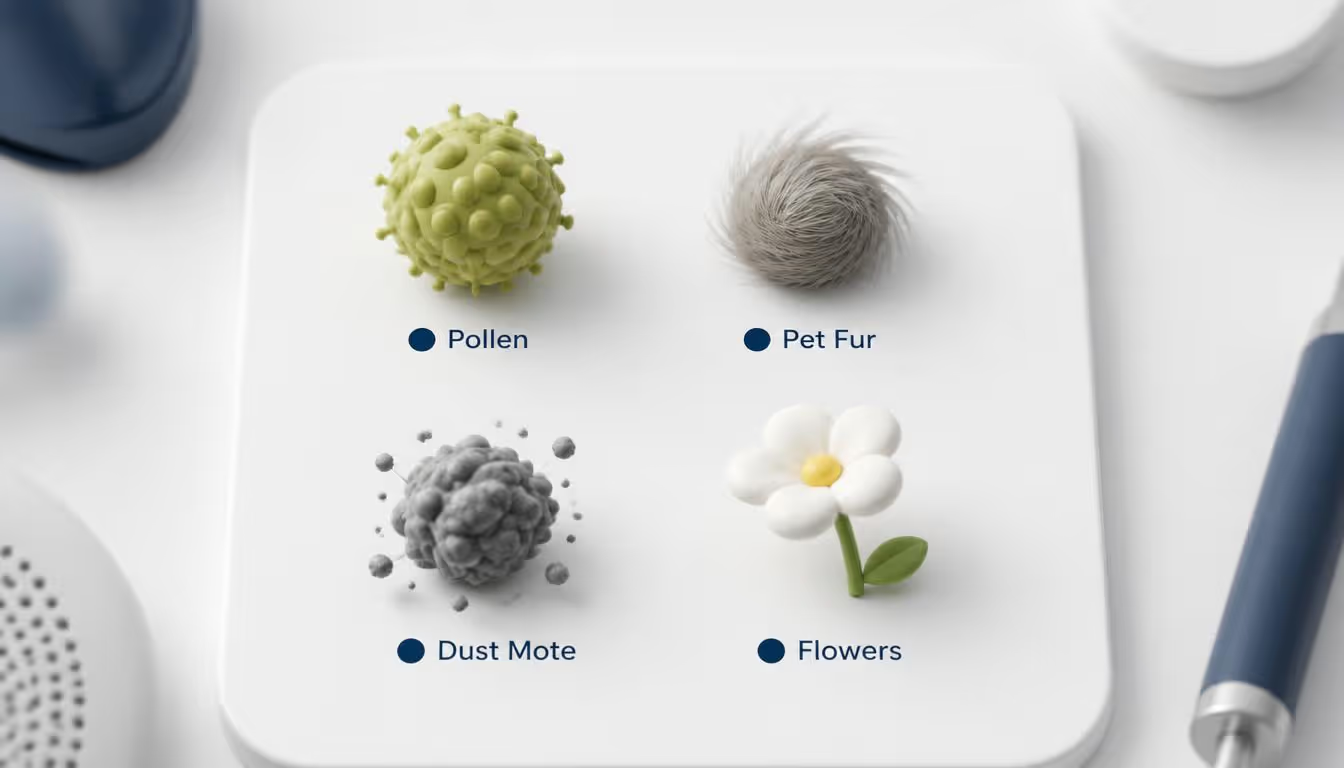
Los alérgenos que se evalúan de forma rutinaria incluyen pólenes de árboles, pastos y malezas; caspa de mascotas; esporas de moho; ácaros del polvo; y alimentos comunes.
Medicamentos que Debe SUSPENDER — 5 Días Antes de Su Prueba
Los antihistamínicos bloquean la reacción de la piel y deben suspenderse 5 días completos antes de la prueba. No tome ninguno de los siguientes:
- Clarinex (desloratadina)
- Claritin (loratadina)
- Allegra (fexofenadina)
- Zyrtec (cetirizina)
- Benadryl (difenhidramina)
- Atarax / Vistaril (hidroxizina)
- Phenergan (prometazina)
- Astelin / Azelastina spray nasal
- Dymista spray nasal
- Pepcid (famotidina) y otros reductores de ácido H2 — tienen efectos antihistamínicos que pueden interferir con los resultados de la prueba
- Actifed, Contac, Deconamine, Dimetapp, Trinalin, Periactin, Rynatan, Tavist, Triaminic
- Cualquier medicamento de venta libre para el resfriado o la alergia que contenga un antihistamínico
Antidepresivos tricíclicos — como amitriptilina (Elavil), nortriptilina (Pamelor), doxepina (Sinequan) e imipramina (Tofranil) — también tienen fuertes efectos antihistamínicos y pueden bloquear las reacciones de la prueba cutánea. No suspenda estos medicamentos por su cuenta. Por favor avise a nuestra oficina si toma un antidepresivo tricíclico para que podamos coordinar con su médico antes de la prueba.
Si no está seguro de si un medicamento contiene un antihistamínico, llame a nuestra oficina antes de suspenderlo.
Medicamentos que SÍ Puede Continuar
- La mayoría de los medicamentos para la presión arterial
- Medicamentos inhalados para el asma (inhaladores)
- Sprays nasales de esteroides (Flonase, Nasacort, Nasonex) — no afectan los resultados de la prueba cutánea
- La mayoría de los demás medicamentos recetados (confirme con nuestra oficina si tiene dudas)
El Día de la Prueba — Qué Hacer
- Puede comer y beber normalmente antes de su cita
- Use una camisa de manga corta u holgada para facilitar el acceso a sus antebrazos y la parte superior de los brazos
- Traiga una lista completa de todos sus medicamentos actuales
- Llegue a tiempo — el proceso de la prueba toma aproximadamente 60 a 90 minutos
Qué Sucede Durante la Prueba
Se coloca una pequeña cantidad de cada extracto de alérgeno en su antebrazo o en la parte superior de la espalda en un patrón de cuadrícula. Se usa una pequeña lanceta de plástico para punzar ligeramente la piel a través de cada extracto — esto crea un pequeño rasguño superficial que permite que el alérgeno entre en contacto con las células inmunitarias justo debajo de la superficie. La mayoría de los pacientes sienten solo una molestia muy leve, similar a un ligero rasguño con la uña.
Después de 15 a 20 minutos, su proveedor o enfermera leerá los resultados. Una reacción positiva aparece como un pequeño bulto elevado (llamado roncha) rodeado de enrojecimiento, similar a una picadura de mosquito. El tamaño de la reacción ayuda a determinar el grado de sensibilidad.
Pruebas Intradérmicas — Qué Esperar
Dependiendo de los resultados iniciales de la prueba de punción, su proveedor también puede realizar pruebas intradérmicas para confirmar o evaluar más a fondo sus sensibilidades. En este paso, se inyecta una cantidad muy pequeña de extracto de alérgeno diluido justo debajo de la superficie de la piel de la parte superior del brazo con una aguja muy fina.
Las pruebas intradérmicas implican múltiples inyecciones pequeñas — normalmente 31 — colocadas en filas en el brazo. Aunque pueda sonar intimidante, cada inyección es muy superficial y se siente como un pellizco breve y ligero; la mayoría de los pacientes toleran muy bien el proceso. Al igual que con la prueba de punción, los resultados se leen después de unos 15 a 20 minutos.
Después de la Prueba
- Cualquier pequeño bulto o picazón en los sitios de la prueba desaparecerá en 30 a 60 minutos
- Puede aplicarse una crema tópica de hidrocortisona para reducir la picazón después de que se lean los resultados
- Reanude sus medicamentos habituales después de la cita
- Su proveedor revisará los resultados con usted y le explicará los siguientes pasos, que pueden incluir inmunoterapia con alérgenos (vacunas o gotas para la alergia)
No deje que las alergias le frenen. Programe una evaluación integral de otorrinolaringología y alergias en Sleep and Sinus Centers of Georgia. Estamos aquí para identificar sus desencadenantes y guiarle hacia un alivio duradero.